

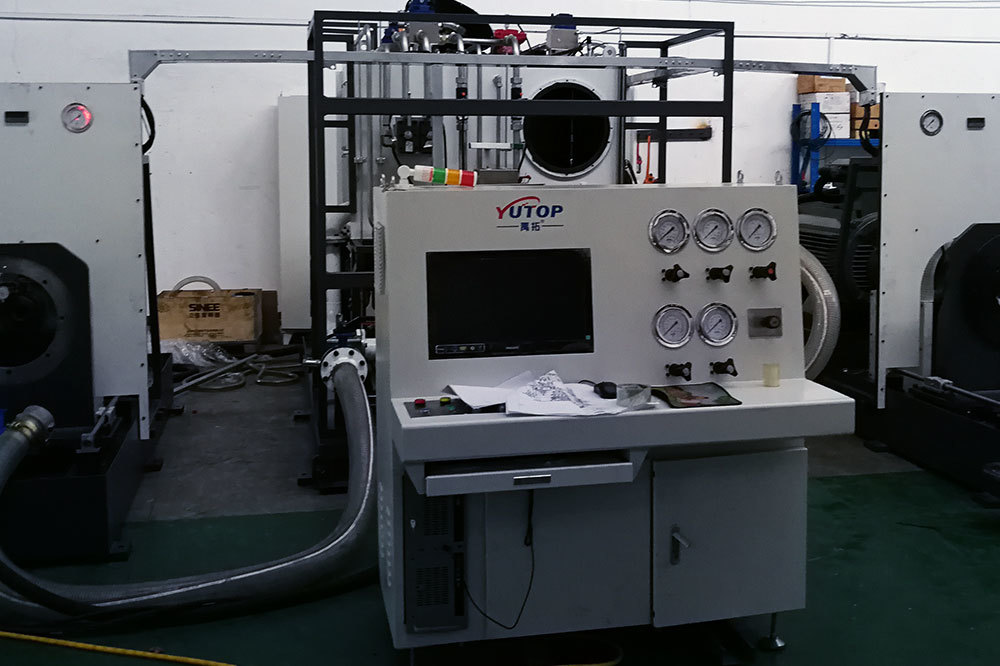
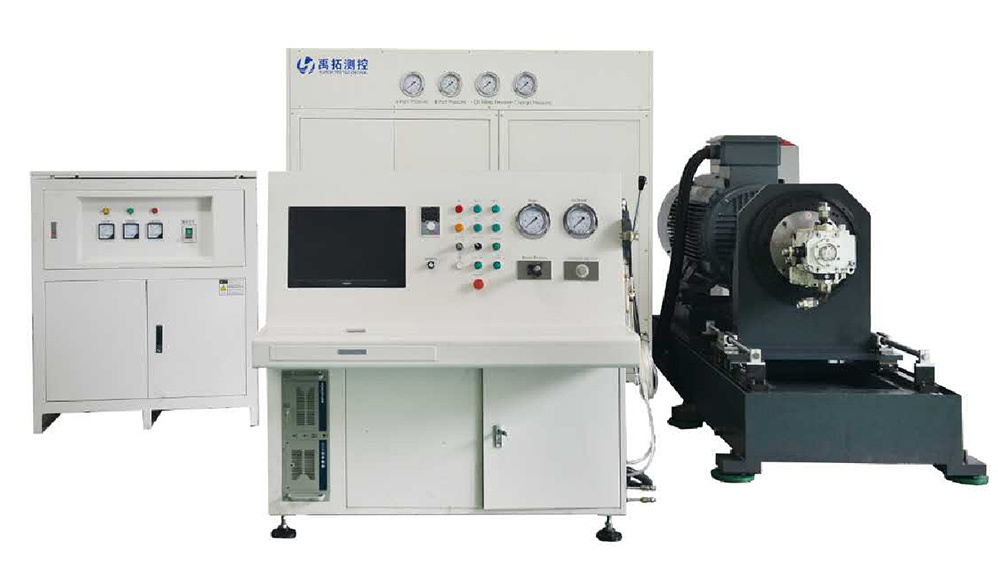
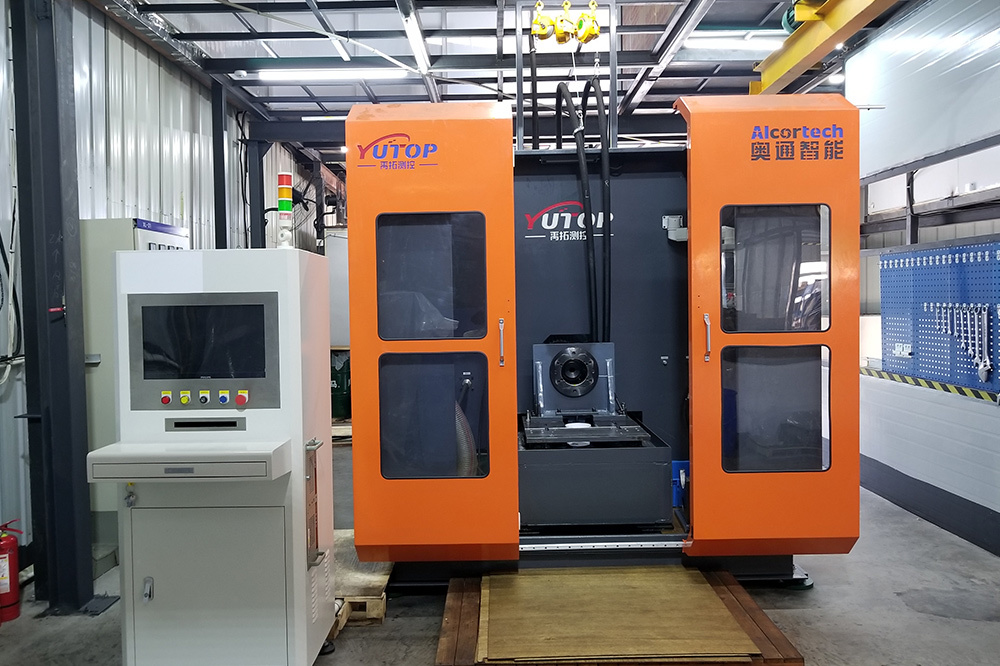
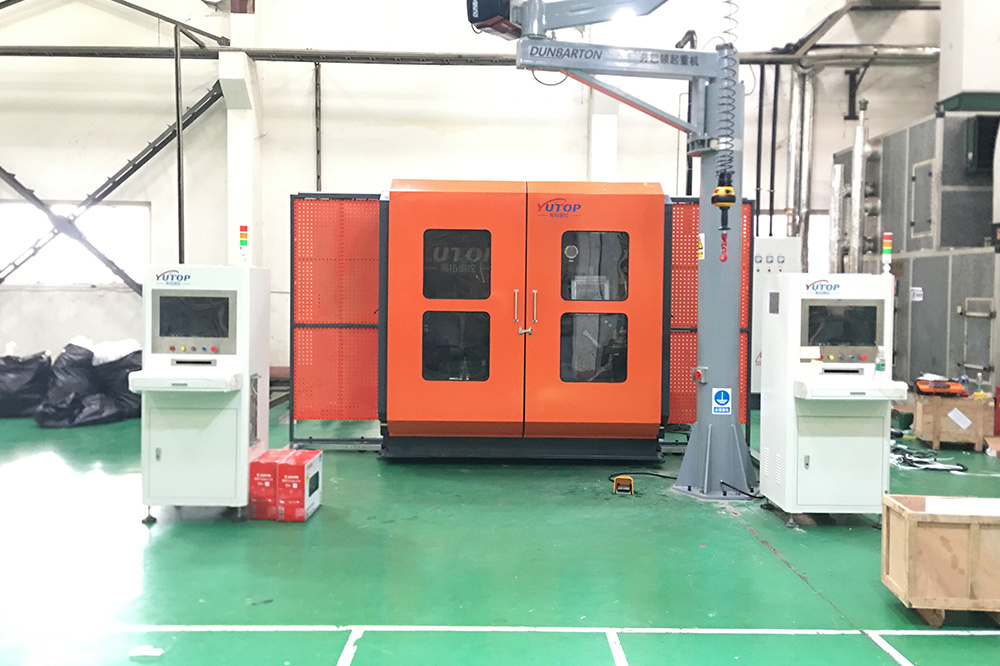
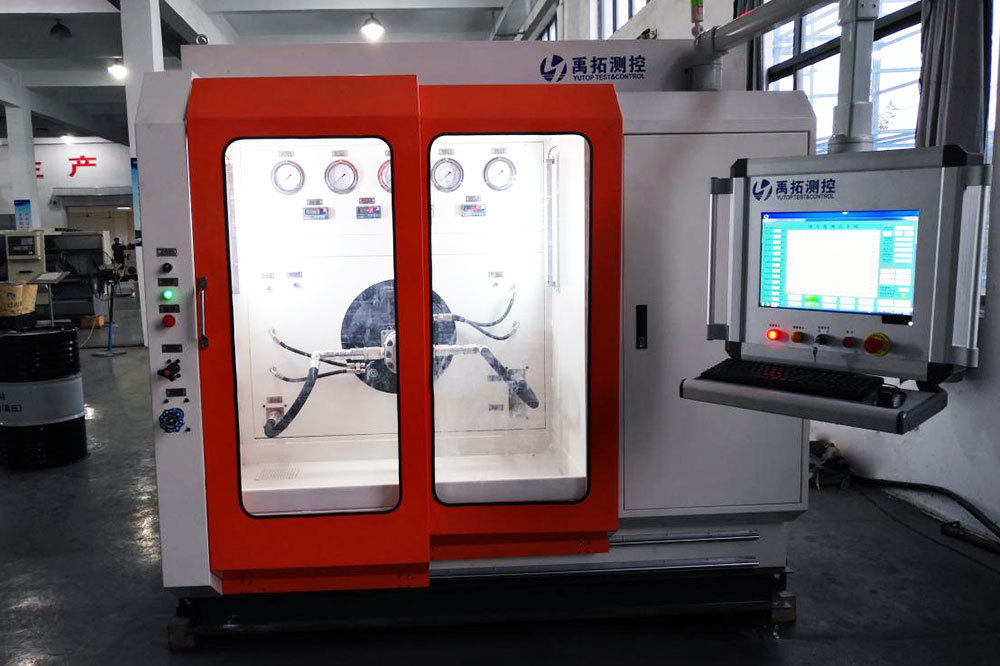
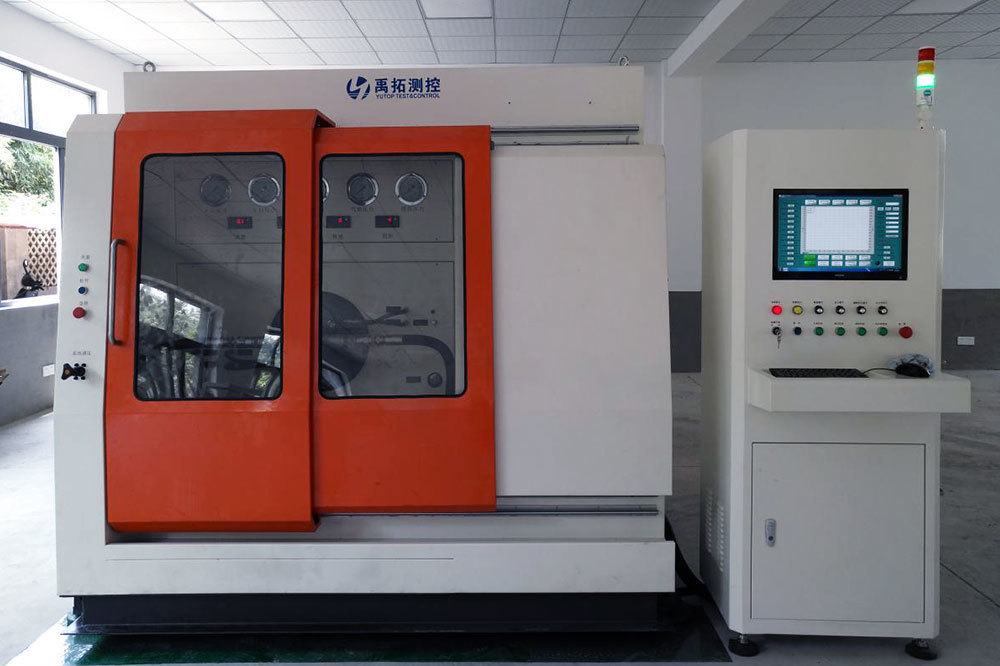
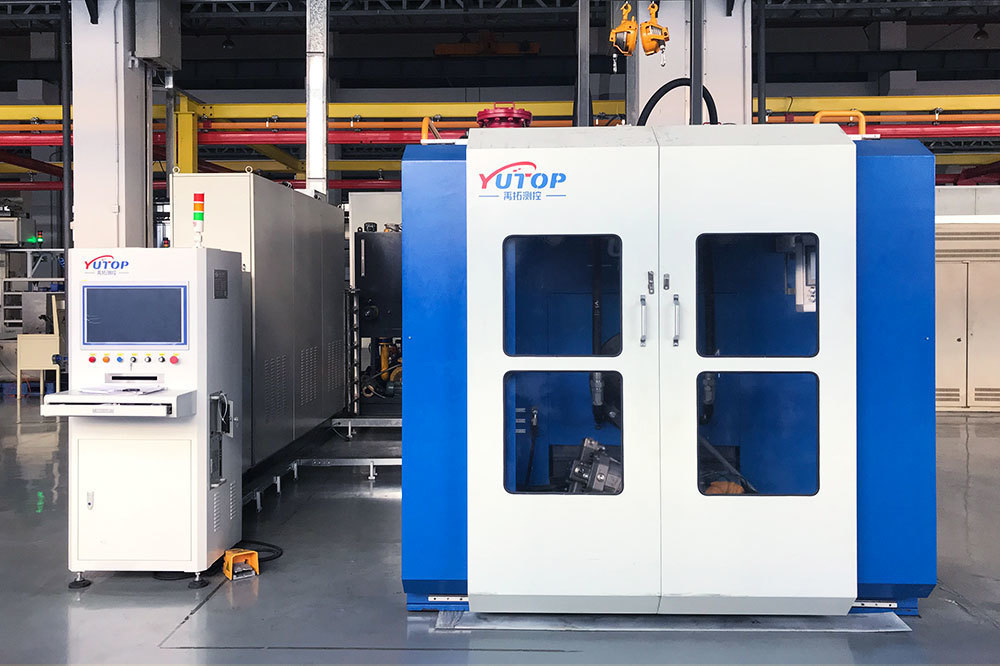
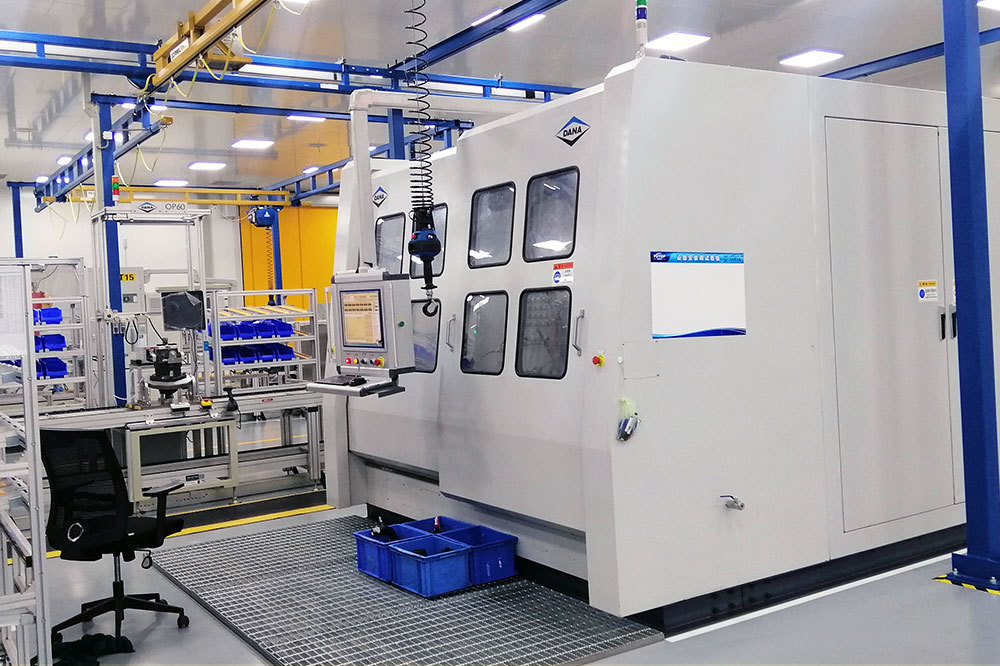

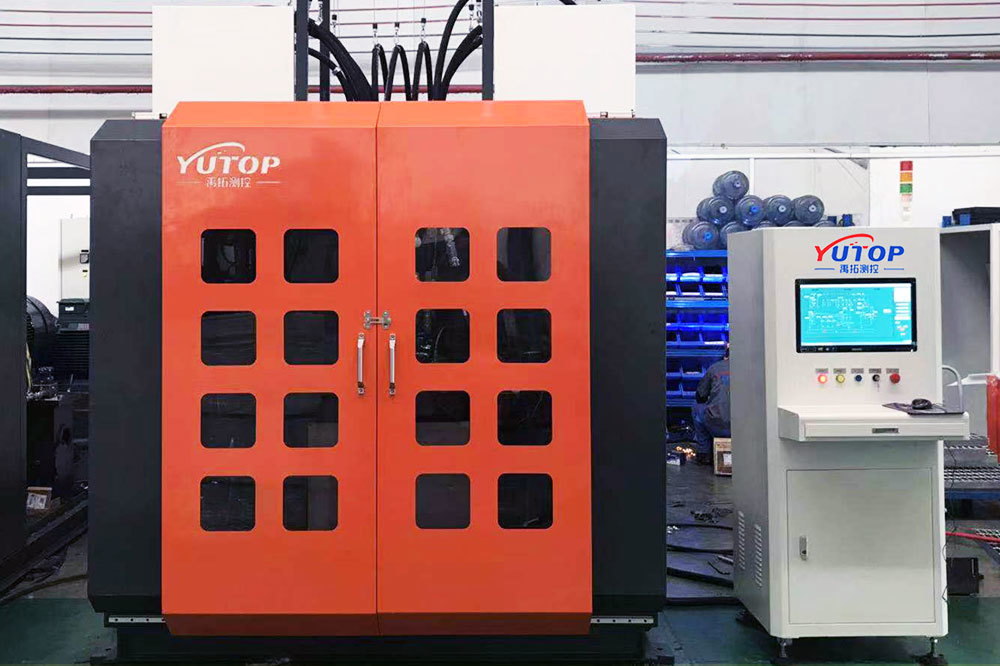
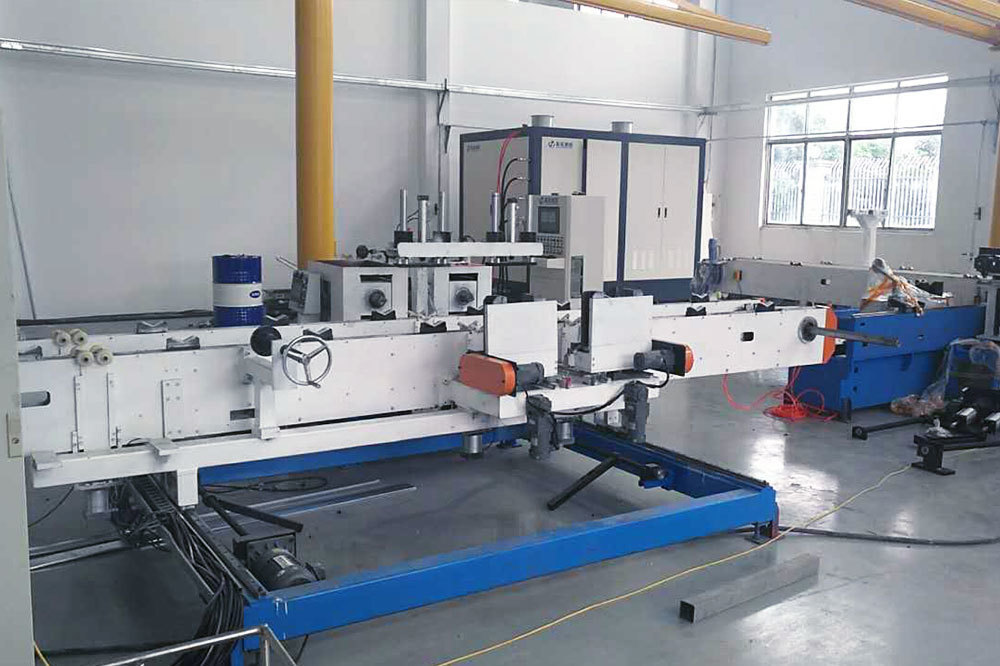
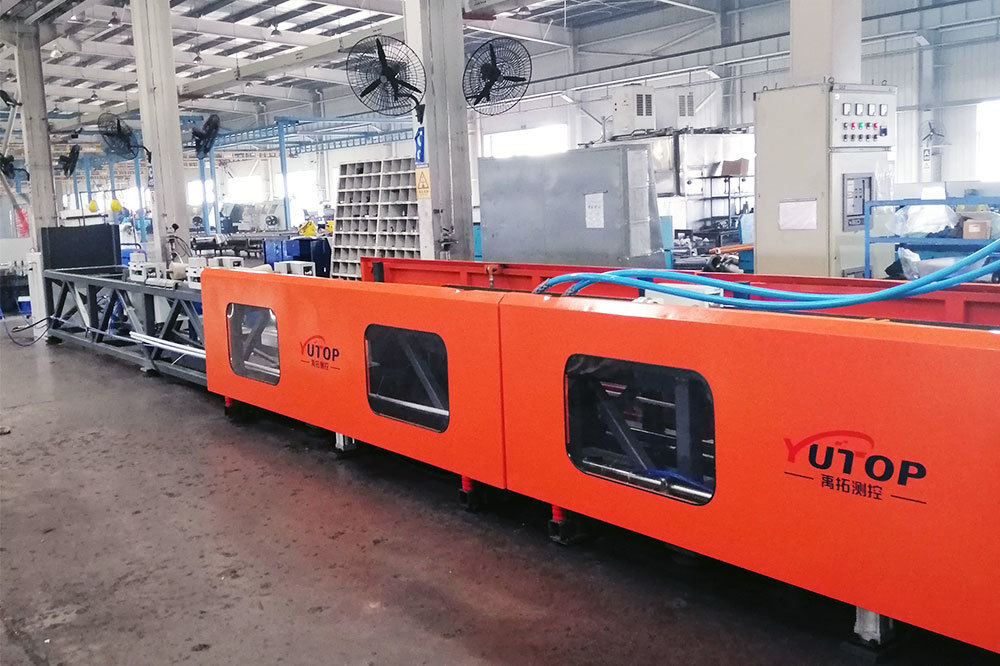
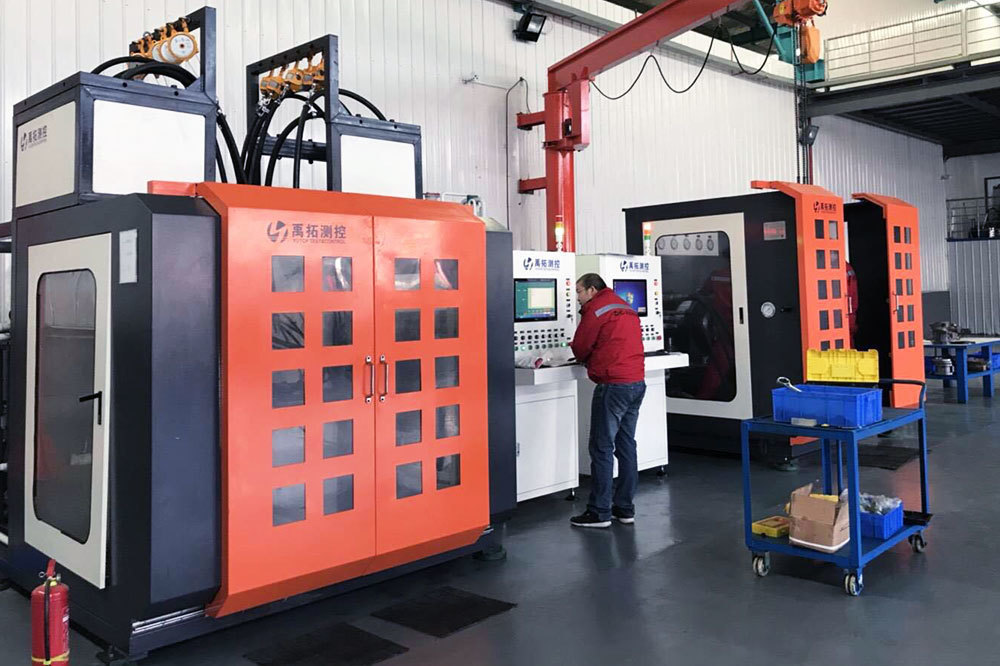
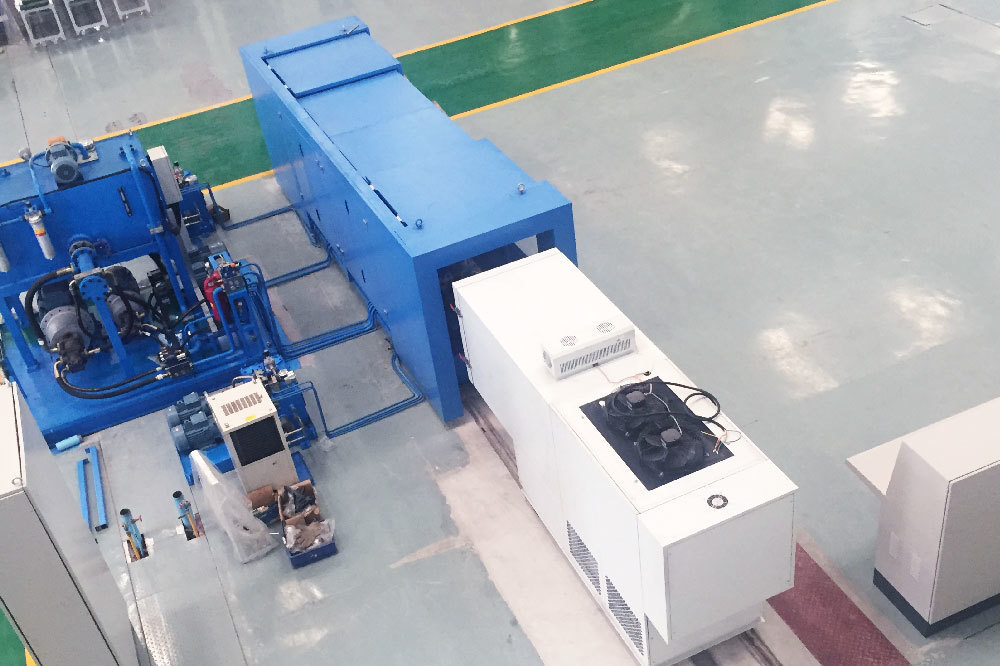
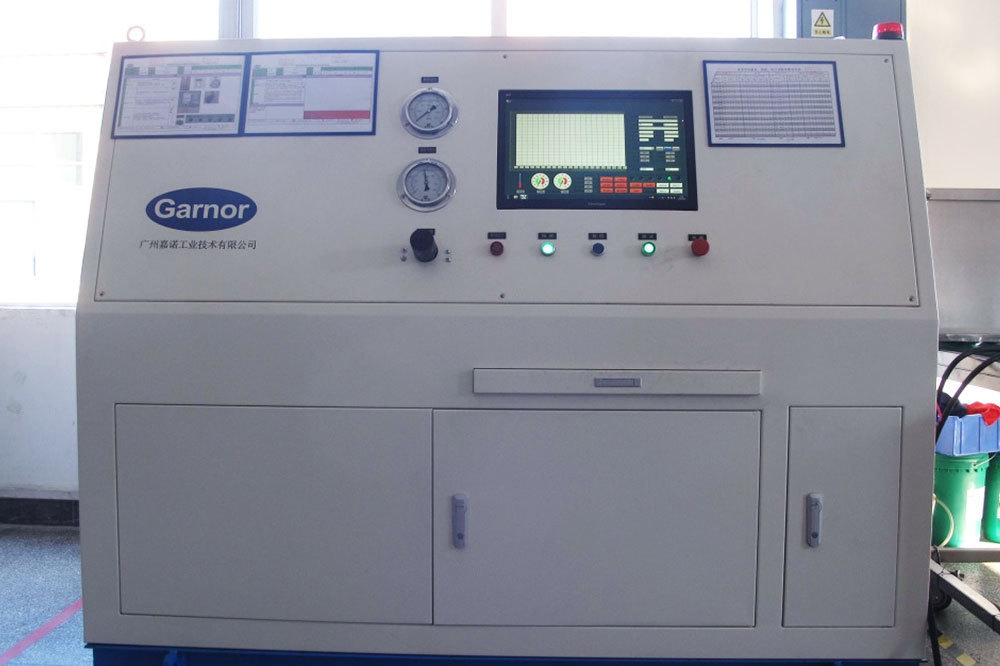

Maximizing Performance: The Benefits of a Comprehensive Hydraulic Testing Solution
Maximizing Performance: The Benefits of a Comprehensive Hydraulic Testing Solution Table of Contents 1. Introduction to Hydraulic Testing 2. Importance of Hydraulic Testing in Modern Industries 3. Types of Hydraulic Tests 3.1 Pressure Testing 3.2 Flow Testing 3.3 Leakage Testing 4. Benefits of Hydraulic Testing 4.1 Performance Improvement 4.
Aug 19,2025
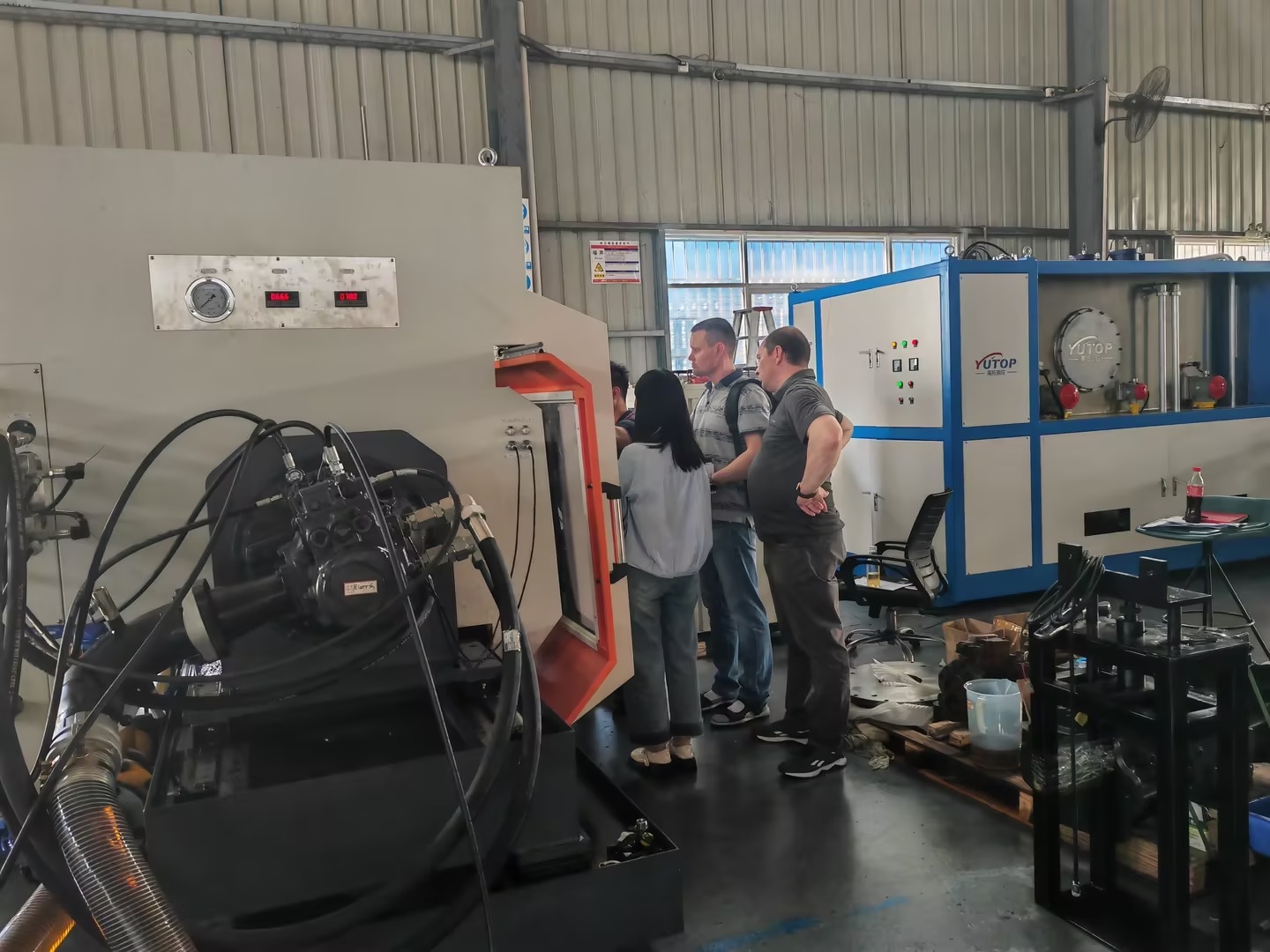
Maximizing Performance: The Benefits of a Comprehensive Hydraulic Testing Solution
Table of Contents
- 1. Introduction to Hydraulic Testing
- 2. Importance of Hydraulic Testing in Modern Industries
- 3. Types of Hydraulic Tests
- 4. Benefits of Hydraulic Testing
- 5. Methodologies for Effective Hydraulic Testing
- 6. Advanced Technologies in Hydraulic Testing
- 7. Case Studies
- 8. Frequently Asked Questions
- 9. Conclusion
1. Introduction to Hydraulic Testing
In today's fast-paced industrial environment, maintaining peak performance in hydraulic systems is paramount. **Hydraulic testing** is a critical process that evaluates the functionality and reliability of these systems. By implementing comprehensive hydraulic testing solutions, businesses can ensure that their hydraulic systems operate optimally, thereby maximizing performance and safety.
2. Importance of Hydraulic Testing in Modern Industries
Hydraulic systems are essential in various sectors, including manufacturing, construction, and automotive. The reliability of these systems directly impacts operational efficiency. Regular hydraulic testing identifies potential issues before they escalate, ensuring uninterrupted service and reducing the risk of catastrophic failures.
Compliance with Industry Standards
Adhering to industry regulations and standards is crucial for companies operating hydraulic systems. Comprehensive hydraulic testing solutions help ensure compliance with safety and performance regulations, protecting both personnel and equipment.
3. Types of Hydraulic Tests
Hydraulic testing encompasses several methodologies, each tailored to assess specific aspects of system performance. Understanding these tests can help organizations implement the most effective solutions for their needs.
3.1 Pressure Testing
Pressure testing is performed by applying fluid pressure to a system to verify its integrity. This test helps identify weak spots, leaks, and potential failure points. Both static and dynamic pressure tests are utilized, depending on the system's design and requirements.
3.2 Flow Testing
Flow testing measures the volume and velocity of fluid passing through a hydraulic system. This test is crucial for ensuring that the system operates within design parameters. Inadequate flow can lead to inefficient operation and increased wear on components.
3.3 Leakage Testing
Leakage testing is essential for detecting fluid leaks in hydraulic systems. These leaks can lead to significant performance issues and environmental hazards. Various methodologies, including visual inspections and pressure decay tests, are employed to identify leaks effectively.
4. Benefits of Hydraulic Testing
Investing in a comprehensive hydraulic testing solution provides numerous advantages that enhance overall system performance and reliability.
4.1 Performance Improvement
Regular hydraulic testing leads to improved system performance. By identifying and rectifying issues early, systems can achieve optimal efficiency, resulting in better output and reduced energy consumption.
4.2 Safety Enhancements
A robust hydraulic testing regime significantly improves workplace safety. By ensuring that hydraulic systems are functioning correctly, the risk of accidents and injuries is minimized. This not only protects employees but also safeguards company assets.
4.3 Cost Efficiency
Though there may be upfront costs associated with hydraulic testing, the long-term savings can be substantial. By preventing catastrophic failures and reducing maintenance costs, comprehensive testing solutions ultimately lead to significant cost efficiencies.
5. Methodologies for Effective Hydraulic Testing
Implementing the right methodologies is vital for successful hydraulic testing. Organizations should adopt a systematic approach that includes the following key steps:
Initial Assessment
Begin with a thorough assessment of existing hydraulic systems. This includes reviewing historical data, system design, and previous testing results.
Test Planning
Create a detailed testing plan that outlines the types of tests to be performed, the equipment required, and the personnel involved. This plan should also include safety protocols to minimize risks during testing.
Execution
Carry out the hydraulic tests according to the established plan. Ensure that all personnel are trained and equipped to perform their tasks effectively.
Data Analysis
Analyze the data collected from the tests. Look for trends and patterns that may indicate underlying issues. Use this information to inform maintenance decisions and operational improvements.
6. Advanced Technologies in Hydraulic Testing
The evolution of technology has greatly enhanced hydraulic testing capabilities. Organizations can now leverage advanced tools and techniques for improved accuracy and efficiency.
Digital Monitoring Systems
Digital monitoring systems provide real-time data on hydraulic system performance. These systems can alert operators to potential issues before they become critical.
Automated Testing Equipment
Automated testing equipment allows for faster and more accurate testing. This reduces human error and ensures consistent results across all tests.
Simulation Software
Simulation software enables engineers to model hydraulic systems and predict performance under various conditions. This proactive approach allows for better planning and risk management.
7. Case Studies
Examining real-world applications of comprehensive hydraulic testing solutions highlights their effectiveness.
Case Study 1: Manufacturing Sector
In a large manufacturing facility, regular hydraulic testing revealed performance issues in critical machinery. By addressing these issues proactively, the company avoided costly downtime and increased production efficiency by 15%.
Case Study 2: Construction Industry
A construction company implemented a comprehensive hydraulic testing solution for its fleet of heavy equipment. The result was a 30% reduction in maintenance costs and improved safety records, demonstrating the importance of regular testing.
8. Frequently Asked Questions
What is hydraulic testing?
Hydraulic testing involves assessing the performance and reliability of hydraulic systems through various tests, such as pressure, flow, and leakage tests.
Why is hydraulic testing important?
Hydraulic testing is crucial for identifying potential issues, ensuring safety, and maintaining operational efficiency in hydraulic systems.
How often should hydraulic testing be performed?
The frequency of hydraulic testing depends on the system's usage and industry standards, but regular testing is recommended to avoid unexpected failures.
What are the benefits of automated hydraulic testing?
Automated hydraulic testing improves accuracy, reduces testing time, and minimizes human error, leading to more reliable results.
Can hydraulic testing prevent accidents?
Yes, regular hydraulic testing significantly improves workplace safety by identifying potential hazards before they lead to accidents.
9. Conclusion
Investing in a comprehensive hydraulic testing solution is essential for organizations that rely on hydraulic systems. The benefits of improved performance, enhanced safety, and cost efficiency make it a worthwhile endeavor. By adopting advanced technologies and methodologies, businesses can maximize their hydraulic system's potential, ensuring seamless operations in today's competitive landscape. Regular hydraulic testing not only protects assets but also fosters a culture of safety and efficiency, ultimately leading to long-term success.

Room 207, 2nd Floor, Block C, Building 1 (Self-designated), No. 3 Yunkai Road, Yunpu Industrial Zone, Huangpu District, Guangzhou City,China


