

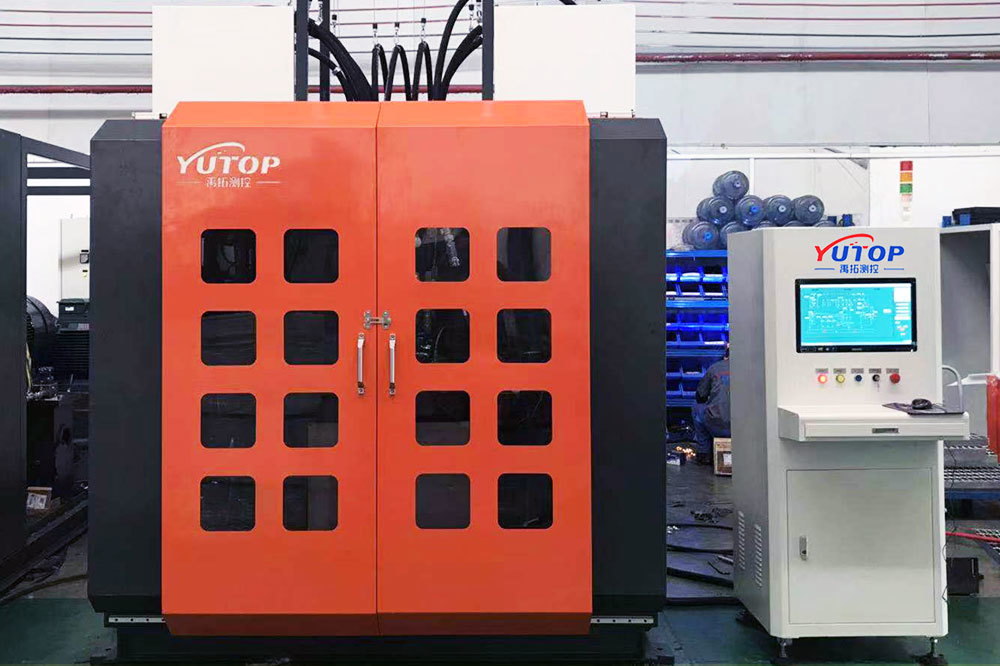
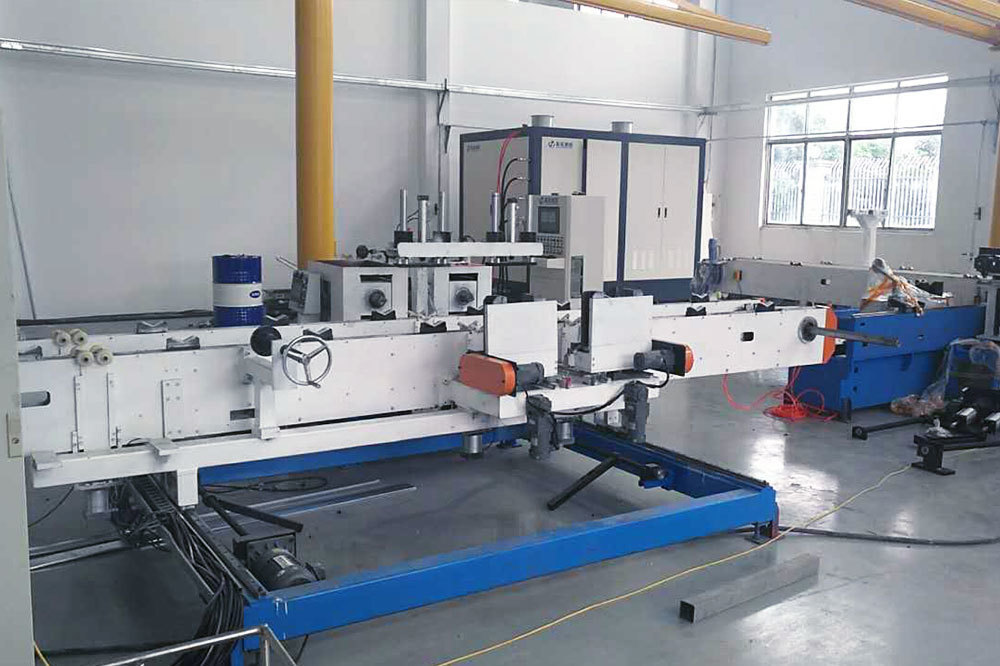
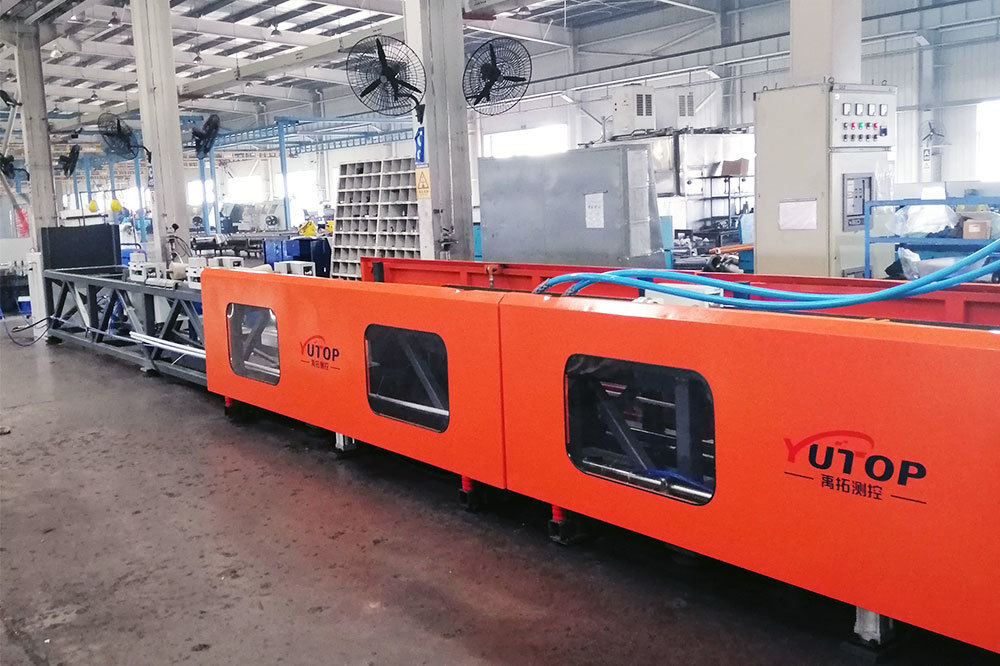
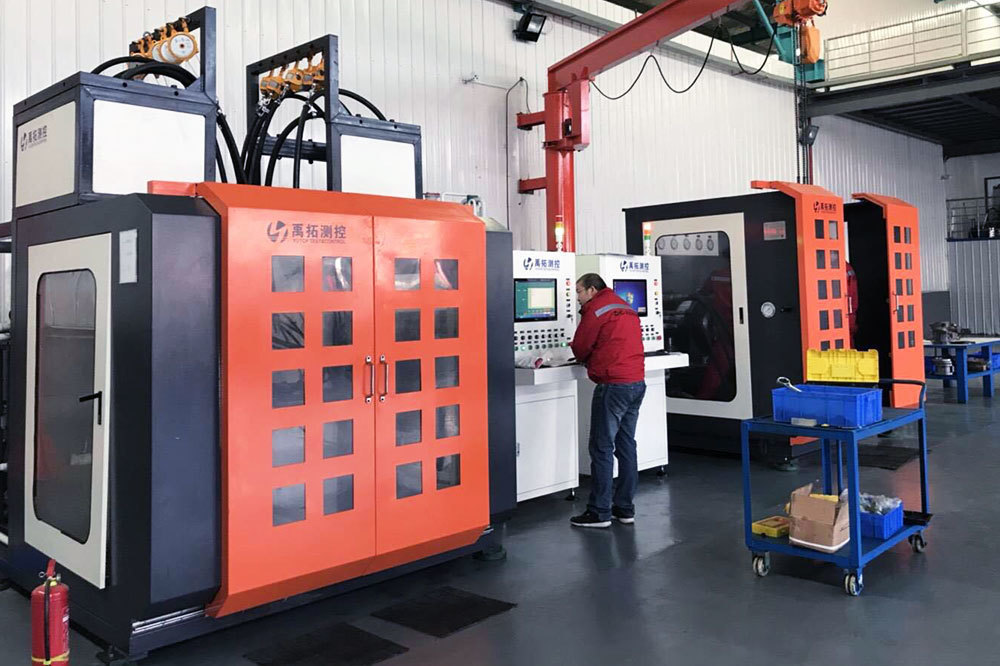
Unlocking Efficiency: The Essential Guide to Hydraulic Motor Test Systems
Unlocking Efficiency: The Essential Guide to Hydraulic Motor Test Systems Table of Contents 1. Introduction to Hydraulic Motor Test Systems 2. Importance of Hydraulic Motor Testing 3. Key Components of Hydraulic Motor Test Systems 4. Common Testing Methods for Hydraulic Motors 5. Setting Up a Hydraulic Motor Test System 6. Maintenance Best Practices for Hydraulic Test Syst
Aug 25,2025
Unlocking Efficiency: The Essential Guide to Hydraulic Motor Test Systems
Table of Contents
- 1. Introduction to Hydraulic Motor Test Systems
- 2. Importance of Hydraulic Motor Testing
- 3. Key Components of Hydraulic Motor Test Systems
- 4. Common Testing Methods for Hydraulic Motors
- 5. Setting Up a Hydraulic Motor Test System
- 6. Maintenance Best Practices for Hydraulic Test Systems
- 7. Troubleshooting Common Issues in Hydraulic Testing
- 8. The Future of Hydraulic Motor Testing Technology
- 9. Conclusion
- 10. Frequently Asked Questions
1. Introduction to Hydraulic Motor Test Systems
Hydraulic motor test systems play a critical role in the industrial sector, enabling the evaluation of the efficiency, performance, and durability of hydraulic motors. These systems are essential for ensuring that hydraulic components operate optimally, reducing downtime and maintenance costs. By utilizing advanced testing methodologies, companies can identify issues before they escalate, ultimately leading to enhanced productivity and profitability.
2. Importance of Hydraulic Motor Testing
The significance of hydraulic motor testing cannot be overstated. Proper testing ensures that hydraulic motors meet performance standards and regulatory requirements. This section covers the following key points:
2.1 Quality Assurance
Testing verifies that hydraulic motors are built to specifications and can withstand operational stresses.
2.2 Safety
Routine testing is essential for identifying potential safety hazards, protecting operators, and preventing catastrophic failures.
2.3 Cost Efficiency
Identifying faults early can save companies significant amounts in repair and replacement costs, thus enhancing overall operational efficiency.
3. Key Components of Hydraulic Motor Test Systems
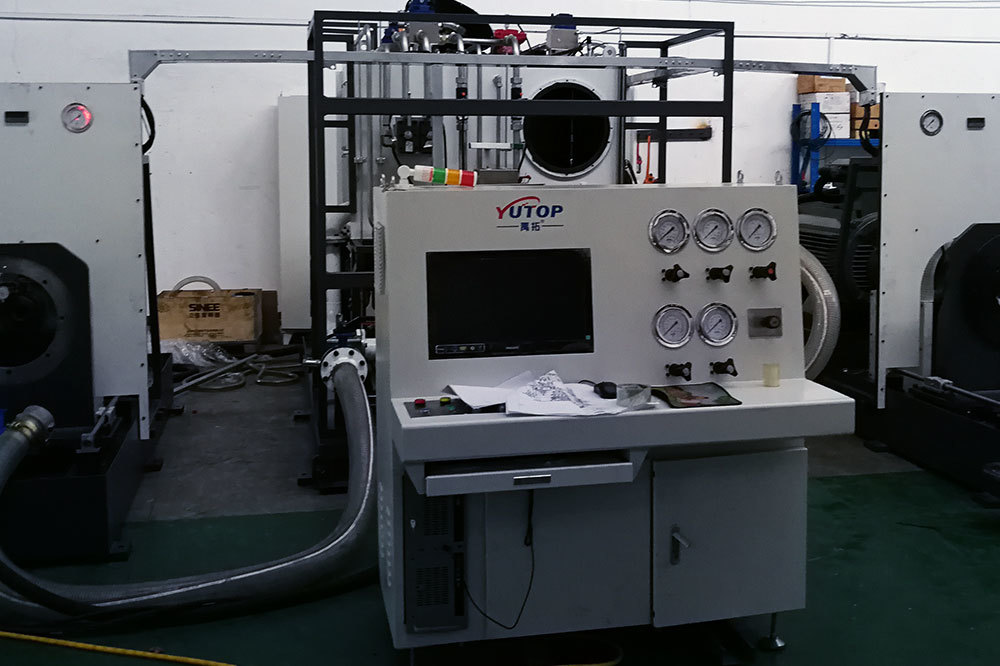
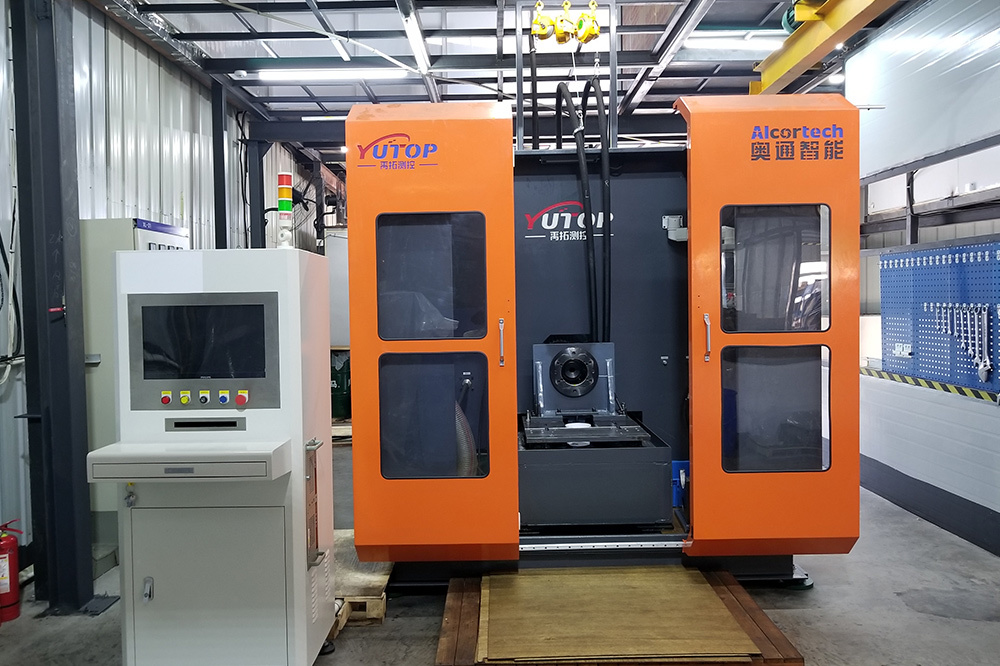
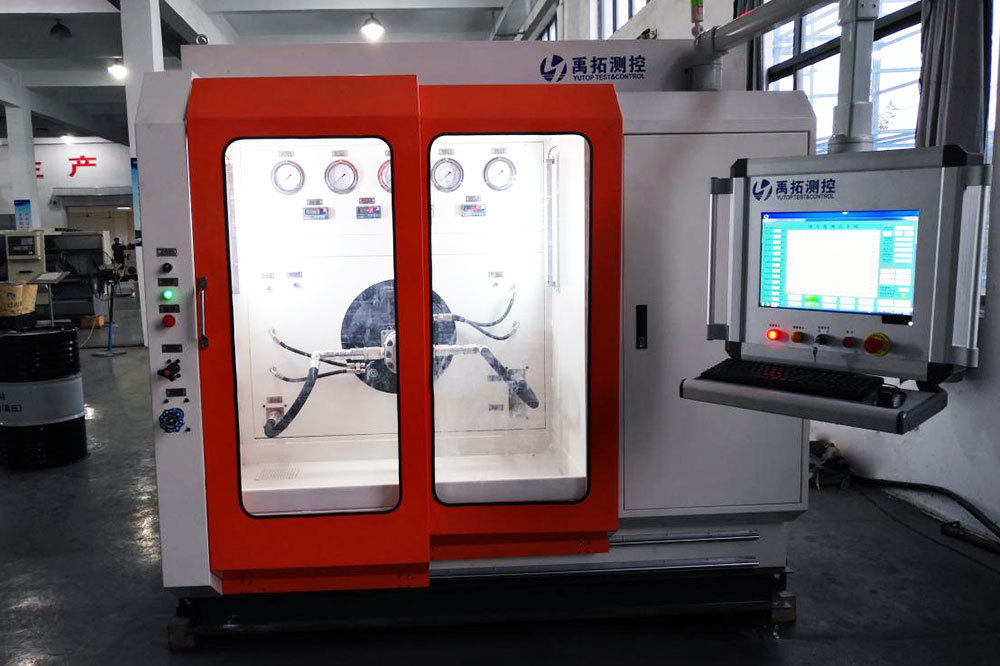
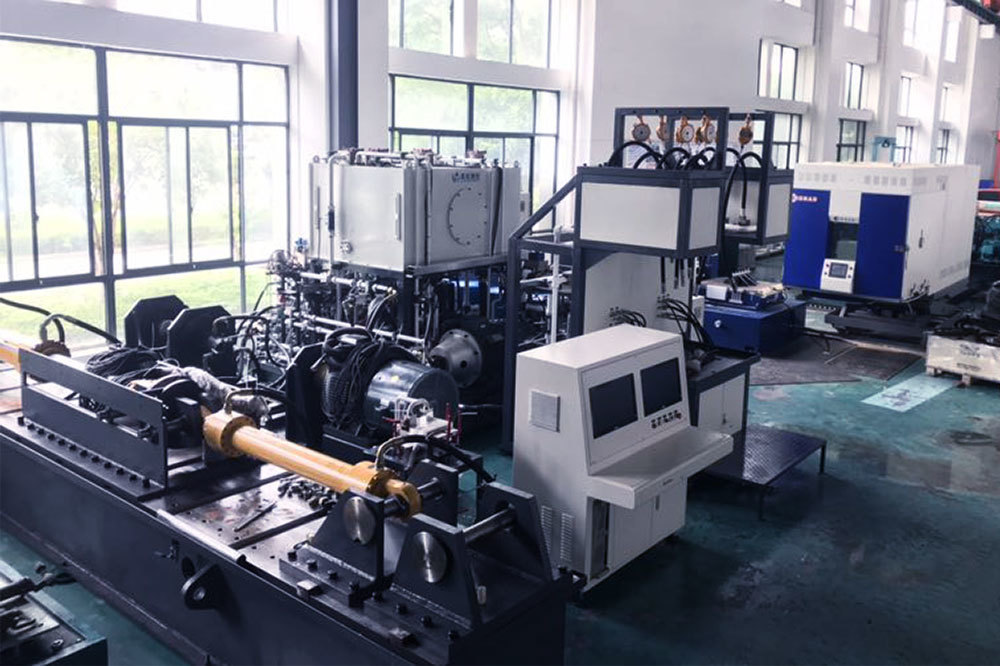
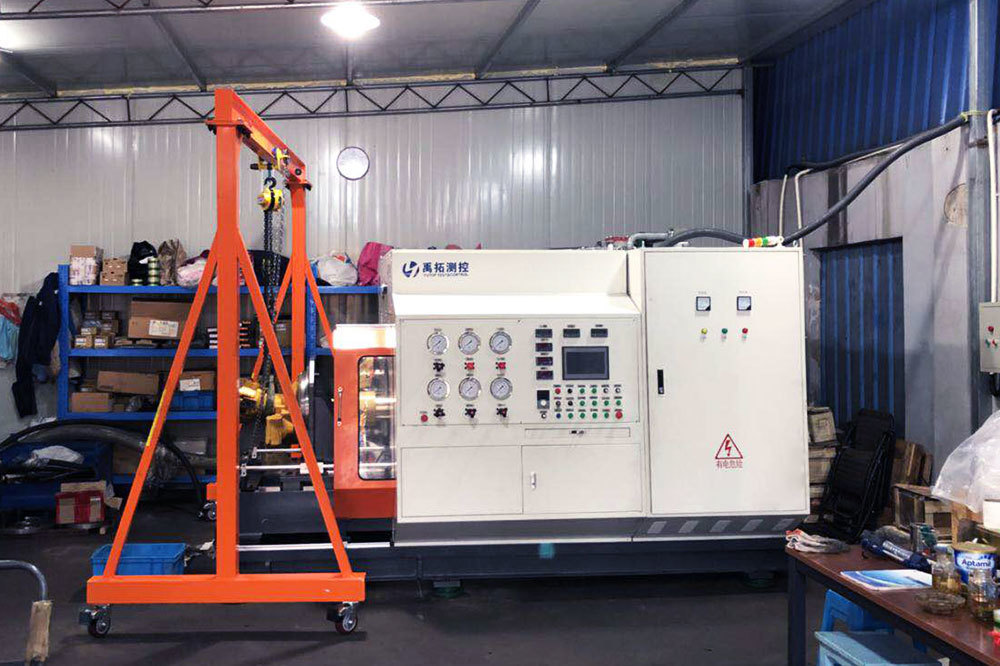
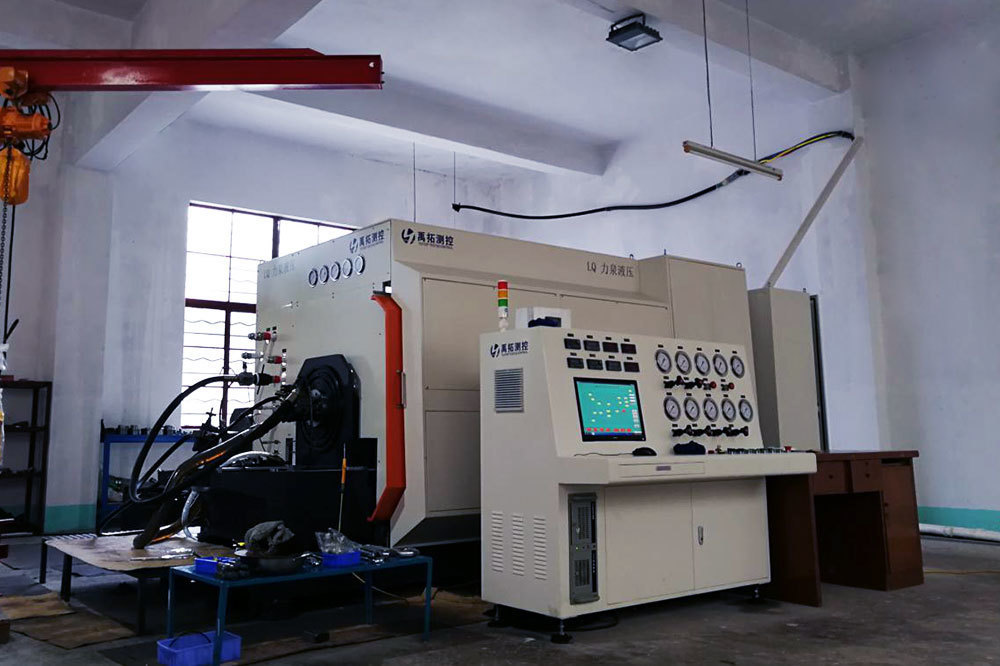
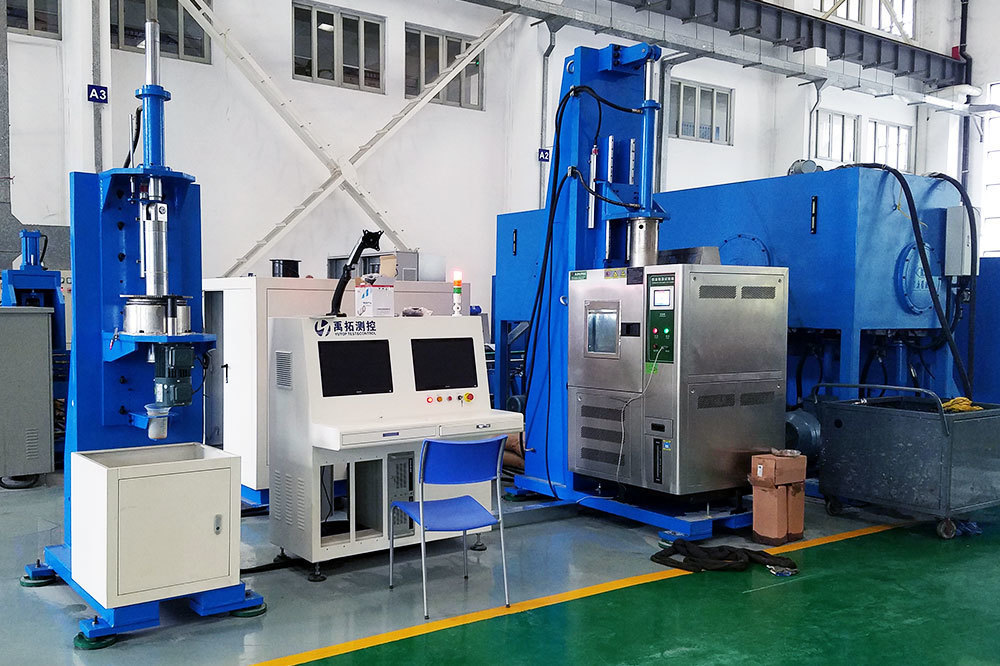
Understanding the components of hydraulic motor test systems is vital for their effective operation. Essential components include:
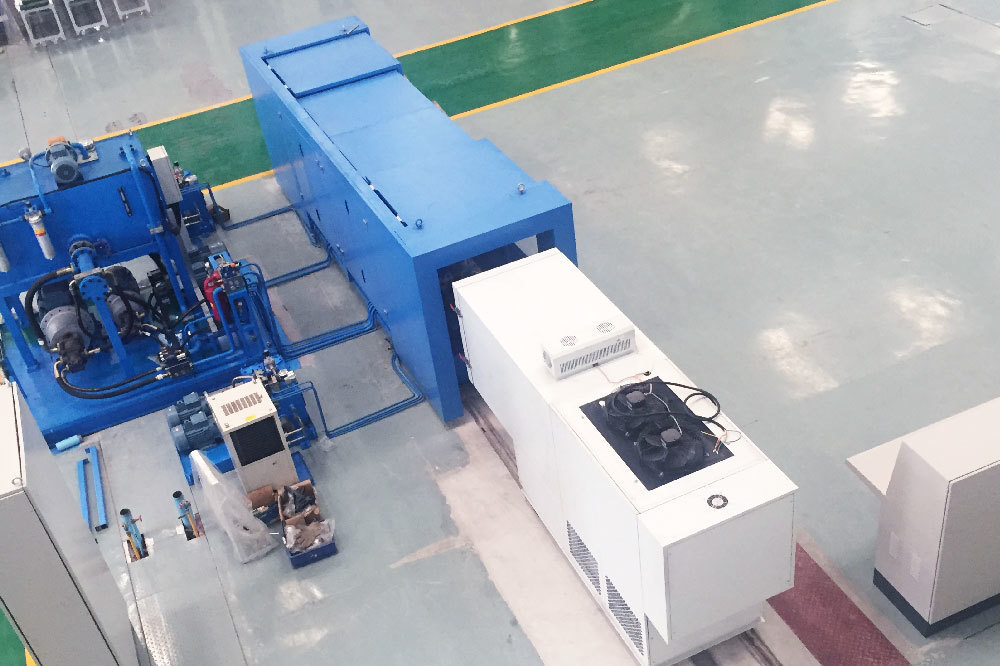
3.1 Hydraulic Power Unit (HPU)
The HPU generates hydraulic pressure, providing the necessary energy for testing operations. It is crucial for simulating real-world conditions.
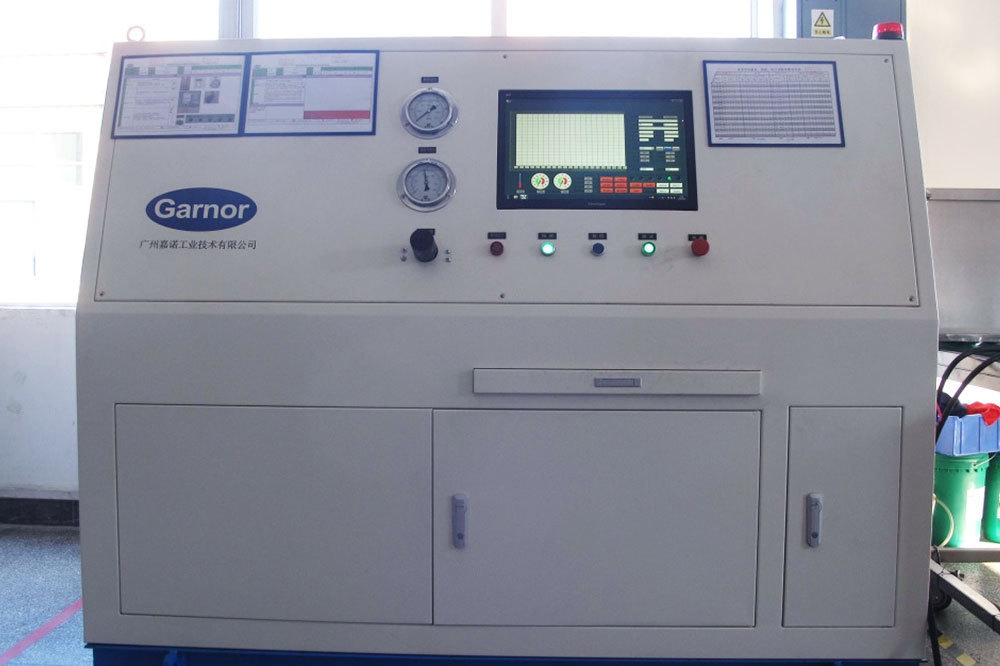
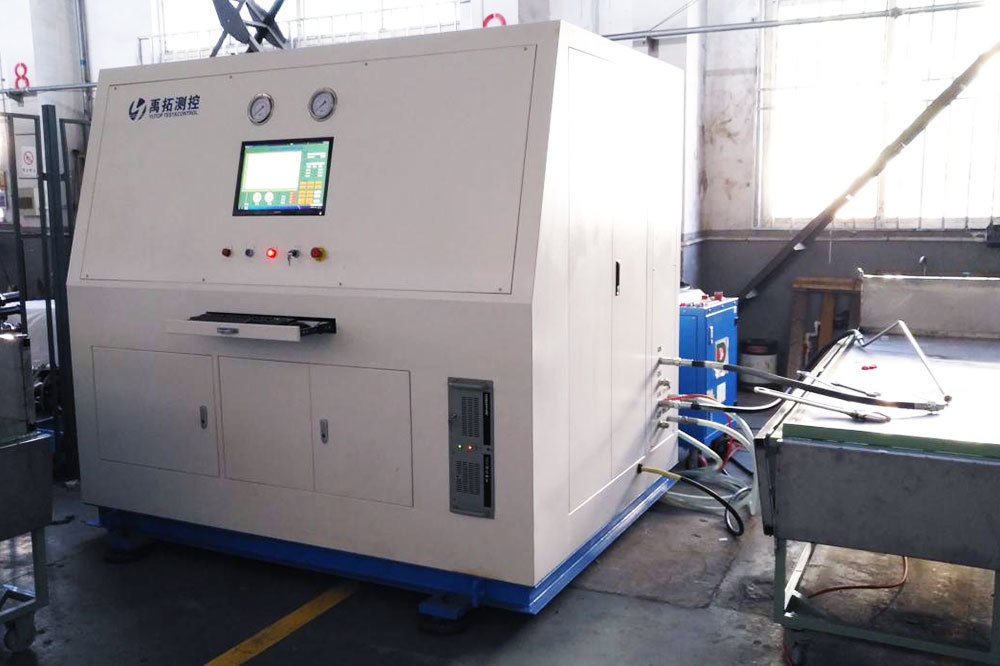
3.2 Control Systems
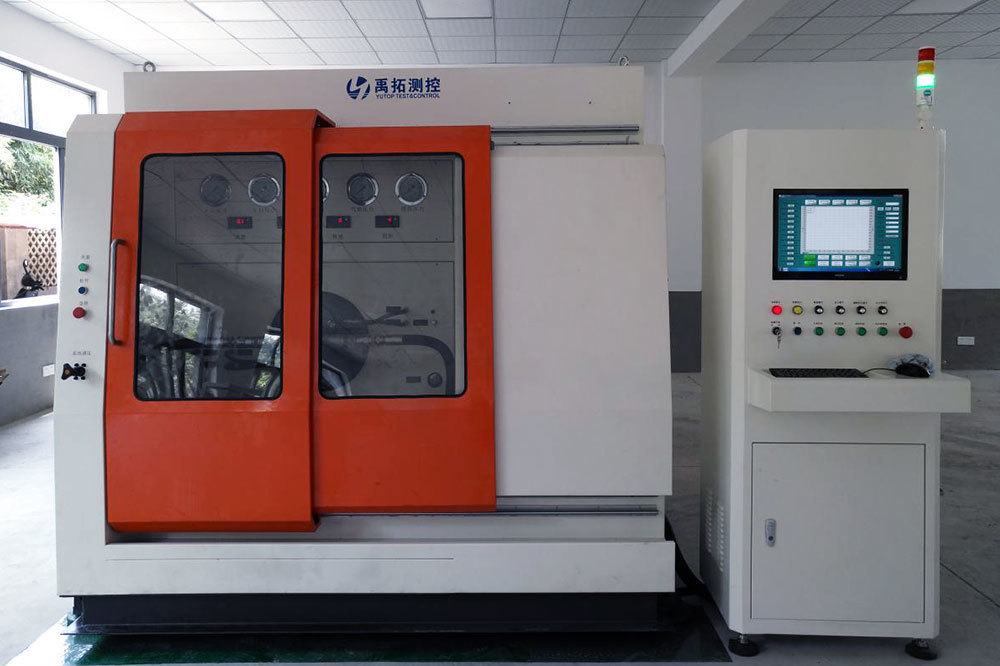
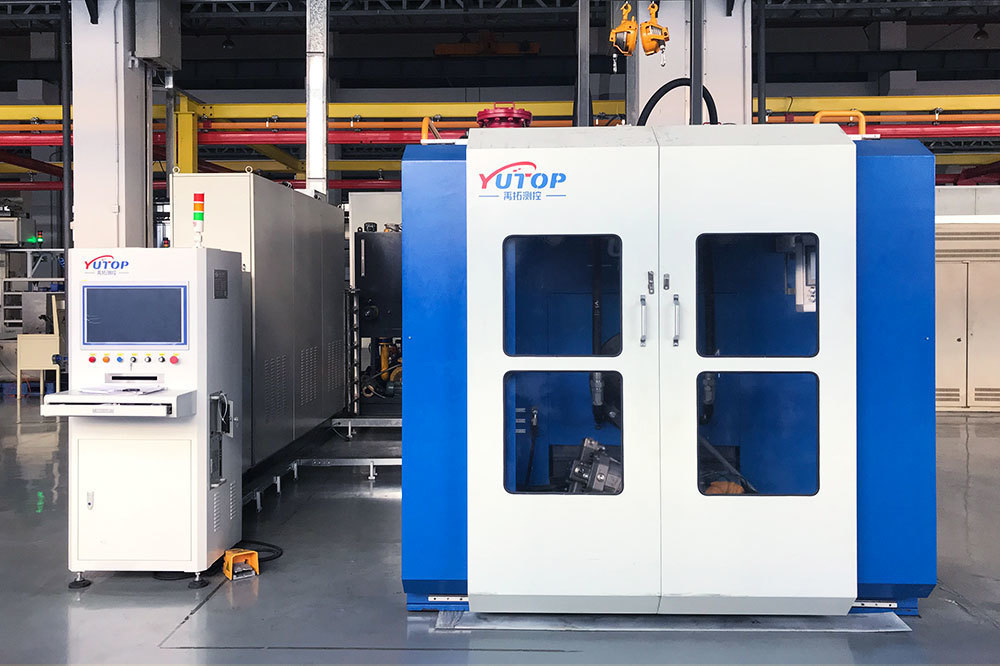
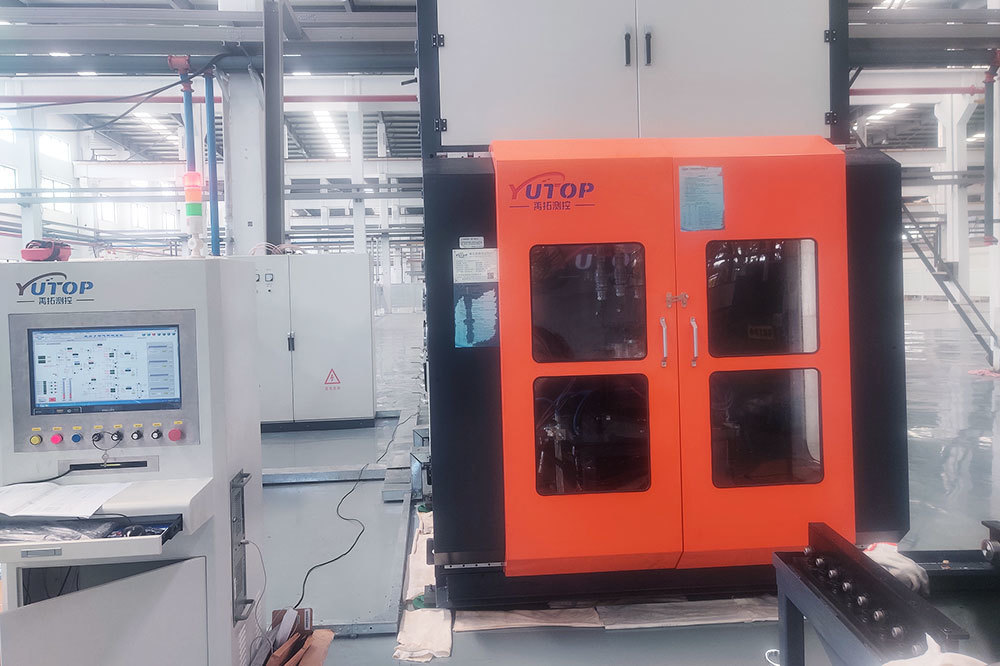
Modern test systems utilize electronic control panels that allow operators to monitor and adjust testing parameters in real time, enhancing testing accuracy.
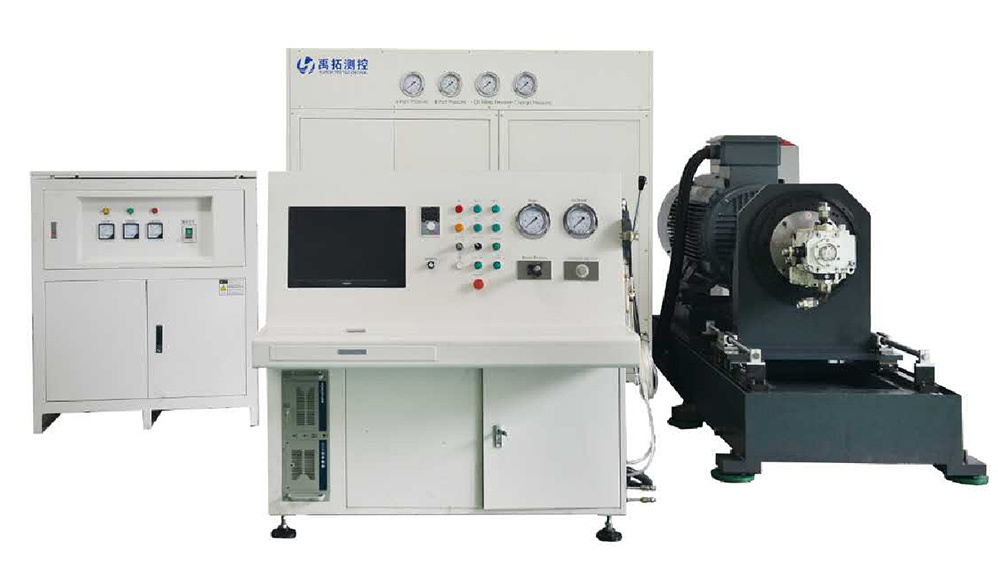
3.3 Testing Fixtures
These fixtures hold motors securely during testing, ensuring that measurements taken are accurate and reliable.
3.4 Data Acquisition Systems
Data acquisition systems collect and analyze performance data, providing insights into efficiency and areas needing improvement.
4. Common Testing Methods for Hydraulic Motors
Various testing methods are employed to evaluate hydraulic motors, including:
4.1 Performance Testing
This method measures a motor's output, efficiency, and speed under load conditions.
4.2 Endurance Testing
Conducted over extended periods, this test assesses a motor's durability and reliability under continuous operation.
4.3 Leak Testing
Leak tests identify any loss of hydraulic fluid, which can indicate wear or damage in the motor.
4.4 Temperature Testing
This testing evaluates a motor's thermal performance, ensuring it operates within safe temperature ranges.
5. Setting Up a Hydraulic Motor Test System
Proper setup is crucial for effective testing. Here are the steps involved:
5.1 Site Selection
Choose a location that can accommodate the hydraulic equipment and allows for safe testing practices.
5.2 Equipment Installation
Install the hydraulic power unit, control systems, and testing fixtures according to manufacturer guidelines.
5.3 Calibration
Calibrate all instruments and equipment to ensure accurate readings during tests.
5.4 Safety Protocols
Implement safety measures, including personal protective equipment (PPE) and emergency shutdown systems.
6. Maintenance Best Practices for Hydraulic Test Systems
To keep hydraulic motor test systems functioning optimally, regular maintenance is essential. Consider these best practices:
6.1 Routine Inspections
Conduct regular inspections of all components for wear and tear, identifying potential issues before they lead to failures.
6.2 Fluid Replacement
Regularly change hydraulic fluids to prevent contamination and maintain system integrity.
6.3 Cleaning
Keep the test system clean to avoid debris buildup, which can affect performance and accuracy.
6.4 Record Keeping
Maintain detailed records of maintenance activities, test results, and repairs to track performance trends and make informed decisions.
7. Troubleshooting Common Issues in Hydraulic Testing
Troubleshooting is an essential skill for operators. Common issues include:
7.1 Pressure Drops
If a pressure drop occurs during testing, check for leaks in hoses and connections.
7.2 Inconsistent Readings
Inconsistent test results may indicate calibration issues or faulty sensors.
7.3 Overheating
Excessive heat can result from insufficient fluid levels or a malfunctioning cooling system.
7.4 Motor Malfunctions
If motors fail to operate correctly, they may need servicing or replacement parts.
8. The Future of Hydraulic Motor Testing Technology
As technology evolves, so does the landscape of hydraulic motor testing. Trends to watch include:
8.1 Automation
Increased automation in testing processes will lead to greater efficiency, accuracy, and reduced human error.
8.2 Data Analytics
Advanced data analytics tools will provide deeper insights into performance, driving continuous improvement.
8.3 Sustainable Practices
The industry is moving toward eco-friendly practices, including the use of biodegradable hydraulic fluids and energy-efficient designs.
9. Conclusion
Hydraulic motor test systems are indispensable in ensuring the reliability and efficiency of hydraulic machinery. By understanding the components, testing methods, and maintenance practices, organizations can enhance their operational performance. As technology advances, staying ahead of trends will be crucial for maintaining a competitive edge in the industry.
10. Frequently Asked Questions
10.1 What is a hydraulic motor test system?
A hydraulic motor test system is a setup used to evaluate the performance and reliability of hydraulic motors through various testing methods.
10.2 Why is hydraulic motor testing important?
Hydraulic motor testing is crucial for ensuring safety, quality, and cost-effectiveness in industrial operations.
10.3 How often should hydraulic motors be tested?
Testing frequency may vary based on usage and industry standards, but regular testing is recommended to identify issues early.
10.4 What are the common signs of a failing hydraulic motor?
Common signs include unusual noises, decreased performance, overheating, and fluid leaks.
10.5 How can I improve the efficiency of my hydraulic test system?
Implementing regular maintenance, utilizing advanced testing methodologies, and adopting automation technologies can significantly improve efficiency.
This detailed guide on hydraulic motor test systems serves as a comprehensive resource for industry professionals seeking to enhance their operational efficiency and reliability.

Room 207, 2nd Floor, Block C, Building 1 (Self-designated), No. 3 Yunkai Road, Yunpu Industrial Zone, Huangpu District, Guangzhou City,China


