

How Hydraulic Motor Test Systems Elevate Industrial Equipment Performance
How Hydraulic Motor Test Systems Elevate Industrial Equipment Performance Table of Contents 1. Introduction to Hydraulic Motor Test Systems 2. The Importance of Testing in Hydraulic Applications 3. Key Components of Hydraulic Motor Test Systems 3.1 Hydraulic Power Units 3.2 Control Systems 3.3 Data Acquisition Devices 4. Types of Hydraulic Motor Test Systems 4.1 Static Testing Sy
Sep 24,2025

How Hydraulic Motor Test Systems Elevate Industrial Equipment Performance
Table of Contents
1. Introduction to Hydraulic Motor Test Systems
2. The Importance of Testing in Hydraulic Applications
3. Key Components of Hydraulic Motor Test Systems
3.1 Hydraulic Power Units
3.2 Control Systems
3.3 Data Acquisition Devices
4. Types of Hydraulic Motor Test Systems
4.1 Static Testing Systems
4.2 Dynamic Testing Systems
5. Benefits of Implementing Hydraulic Motor Test Systems
5.1 Enhanced Equipment Reliability
5.2 Increased Operational Efficiency
5.3 Prolonged Equipment Lifespan
6. Testing Methodologies for Hydraulic Motors
6.1 Performance Testing
6.2 Endurance Testing
7. Future Trends in Hydraulic Motor Testing
8. Frequently Asked Questions (FAQs)
9. Conclusion
1. Introduction to Hydraulic Motor Test Systems
In the ever-evolving landscape of industrial operations, the performance of hydraulic motors stands as a pivotal element. Hydraulic motor test systems are specialized setups designed to evaluate the functionality and efficiency of these critical components. By employing precise testing methodologies, these systems ensure that hydraulic motors meet industry standards and perform optimally under various conditions.
2. The Importance of Testing in Hydraulic Applications
Testing hydraulic motors is not merely a procedural step; it serves as a cornerstone for ensuring safety, efficiency, and reliability within industrial applications. With increasing demands for productivity and operational excellence, companies must ensure that their hydraulic systems function flawlessly. Testing helps in identifying potential failures, reducing operational risks, and enhancing overall equipment effectiveness (OEE).
3. Key Components of Hydraulic Motor Test Systems
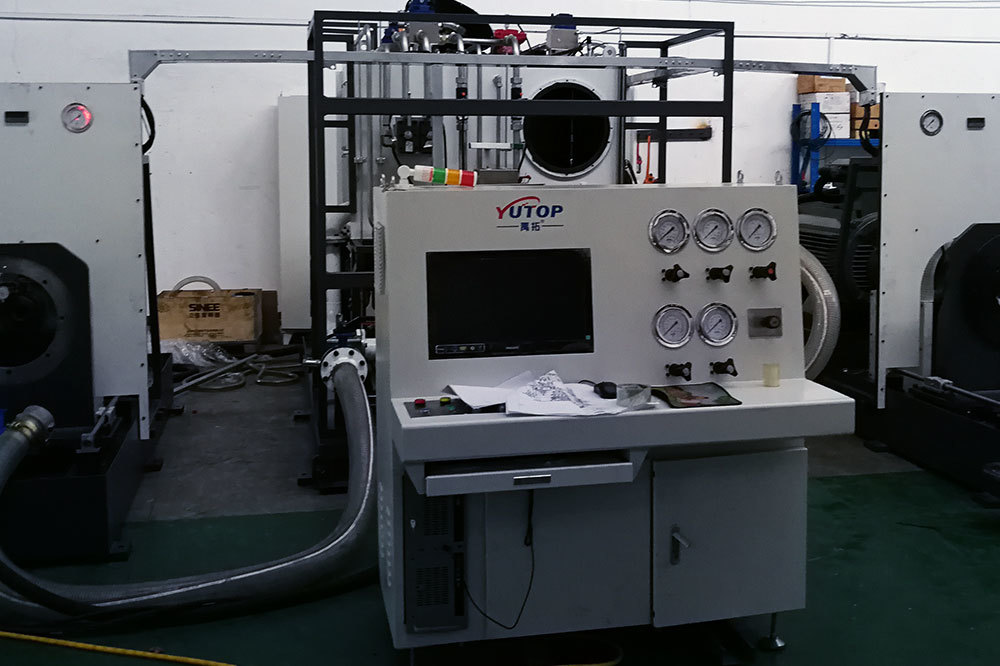
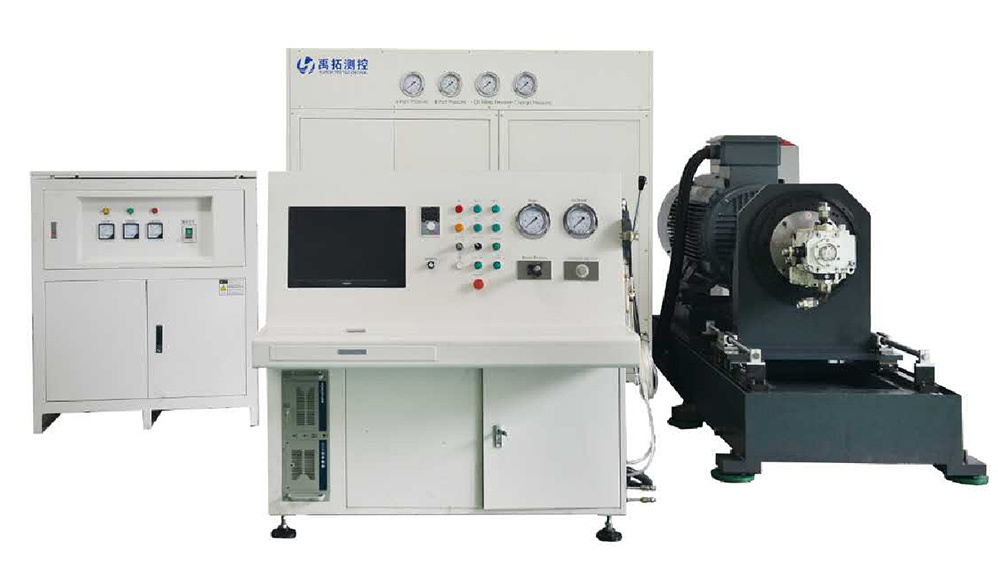
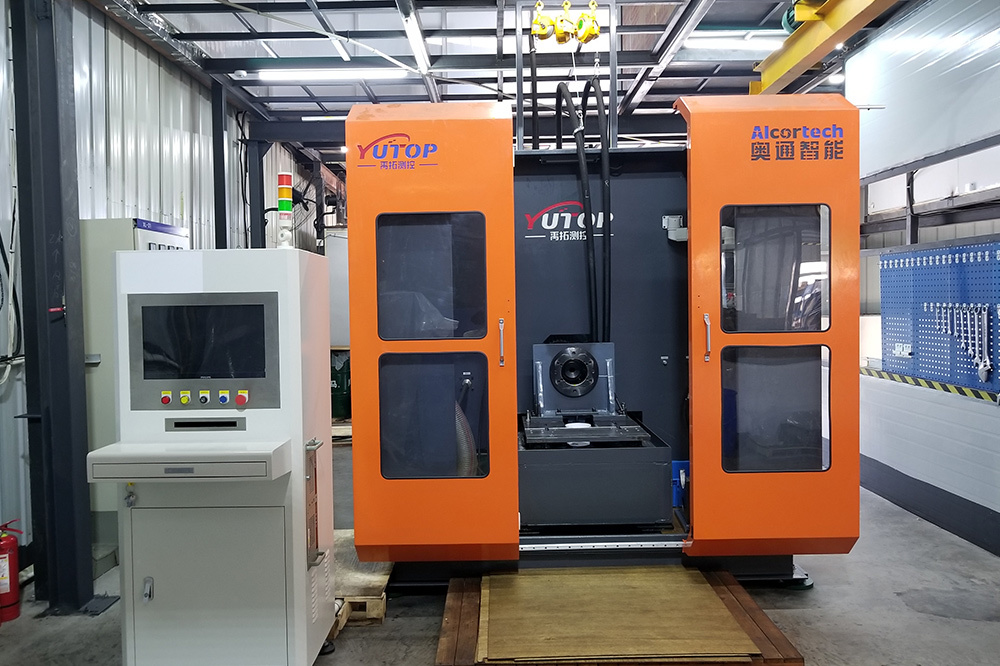
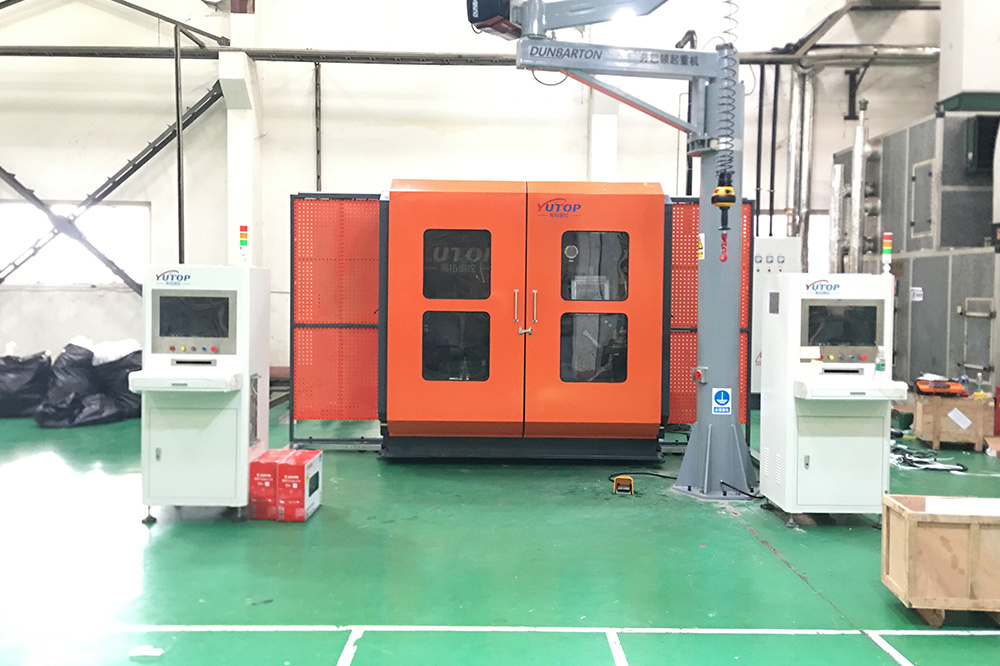
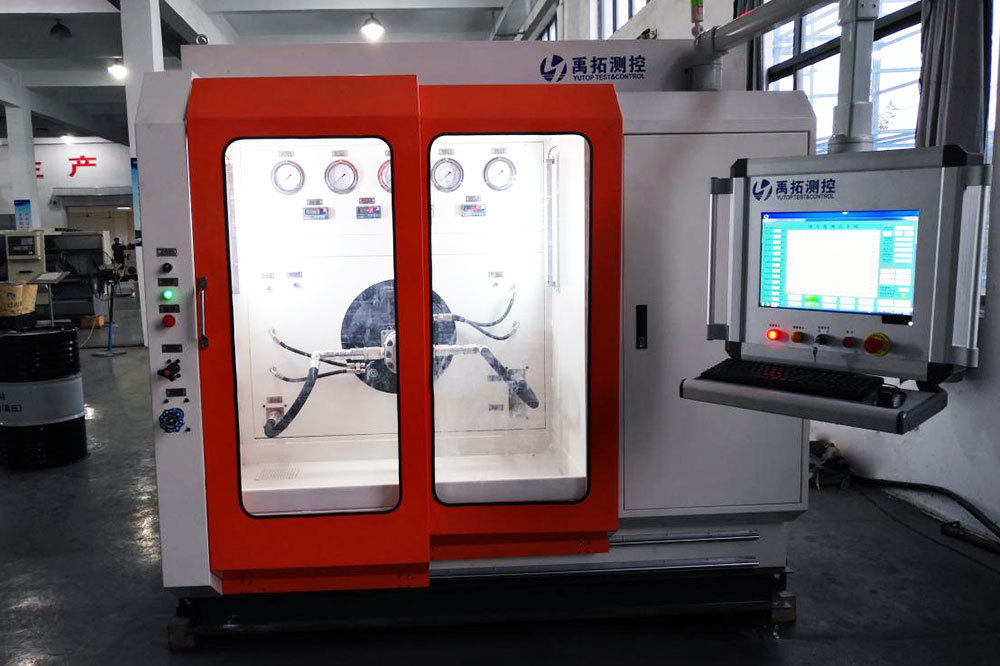
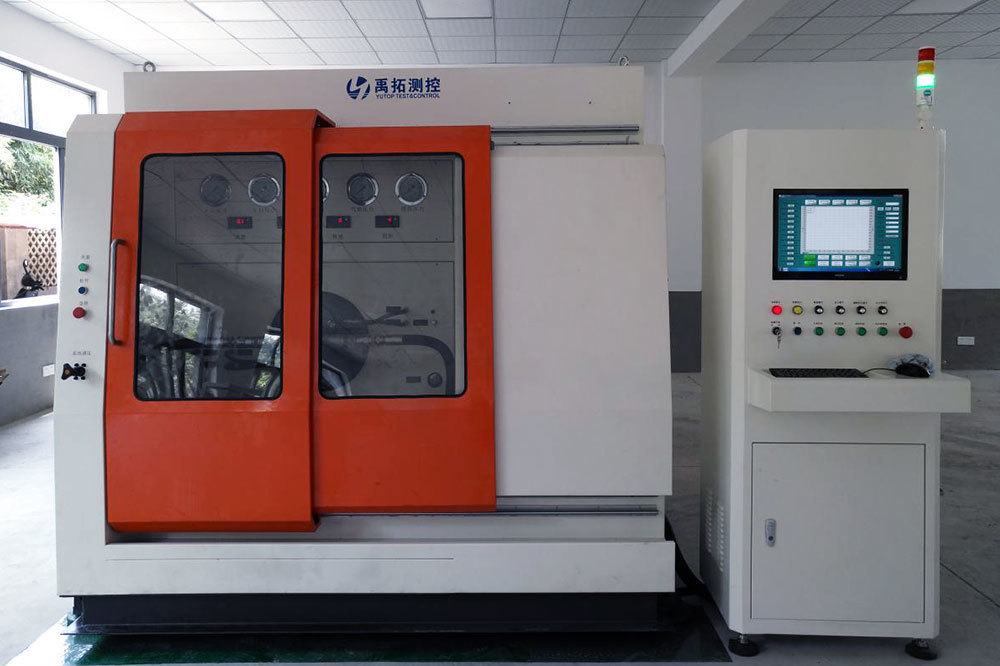
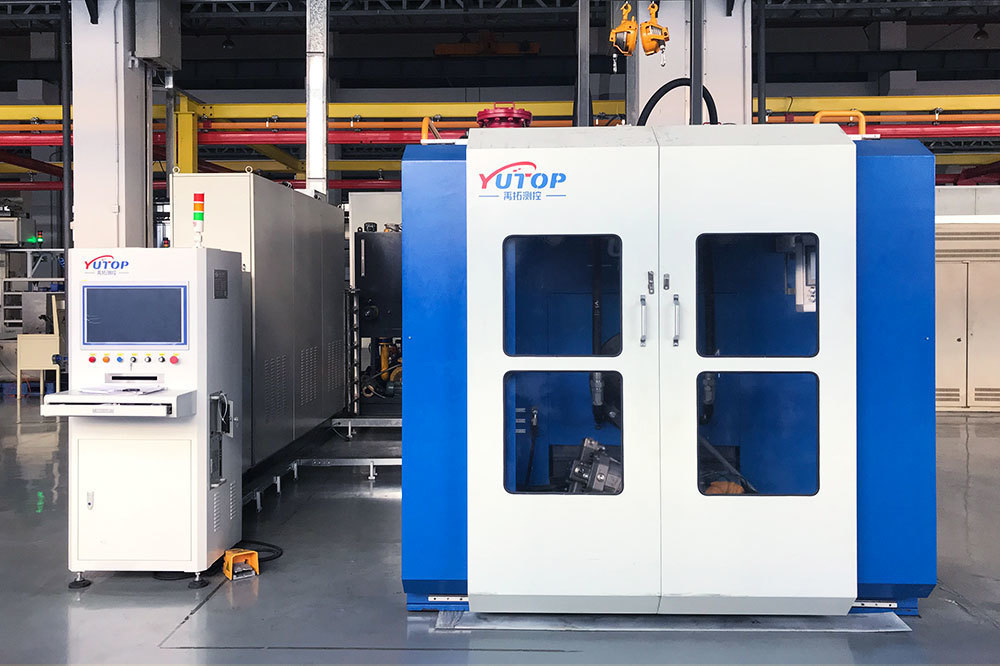
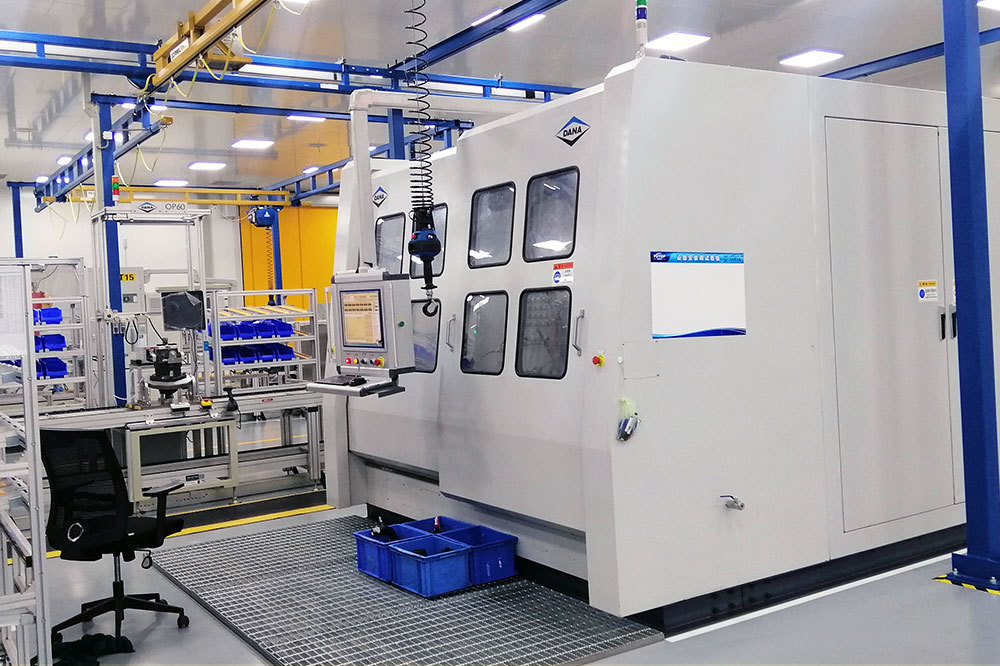
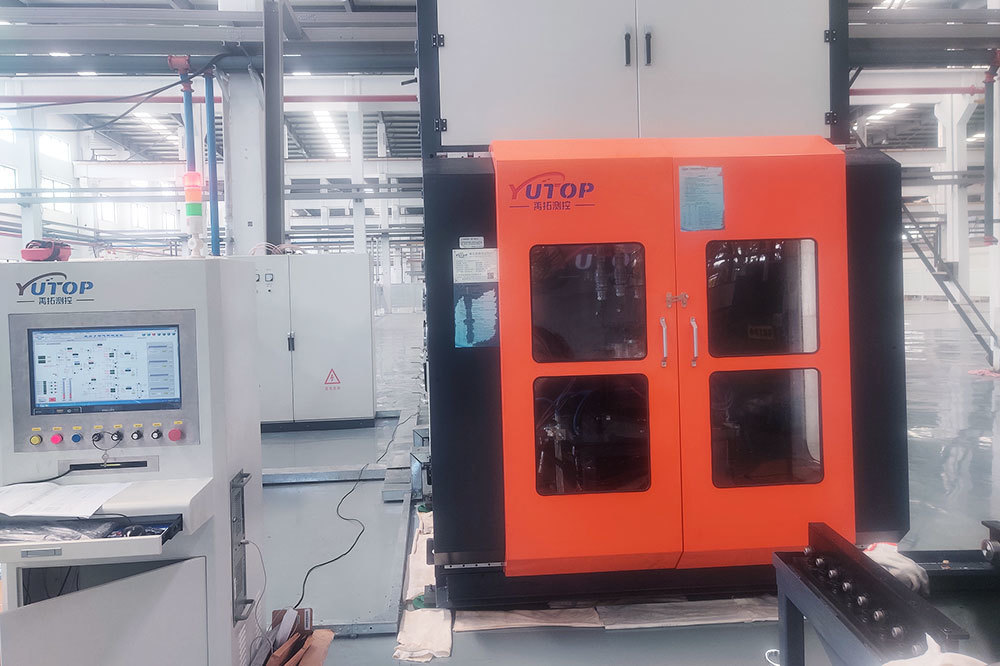
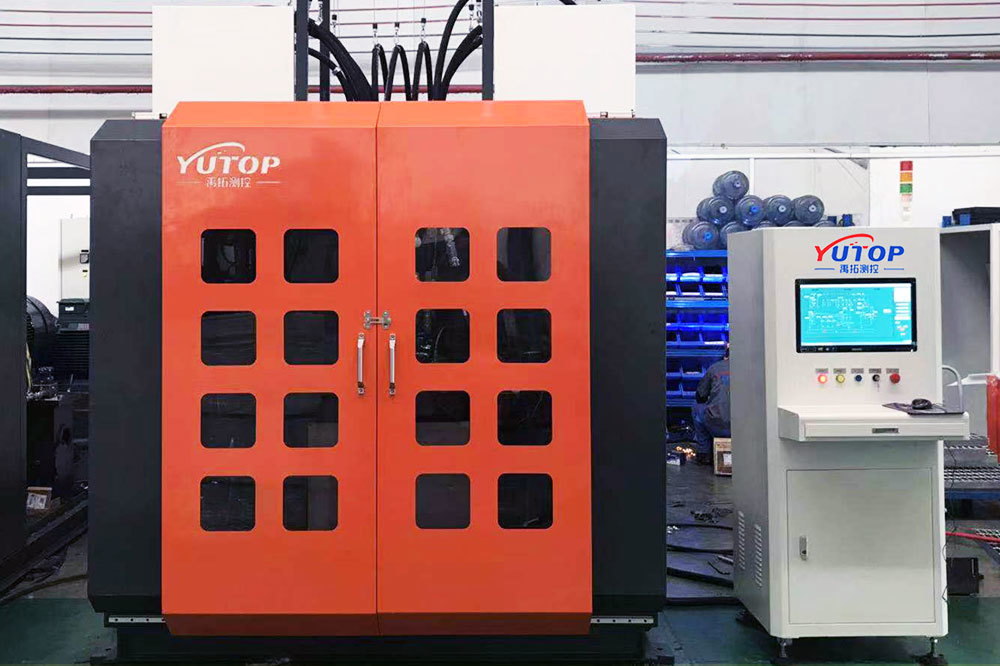
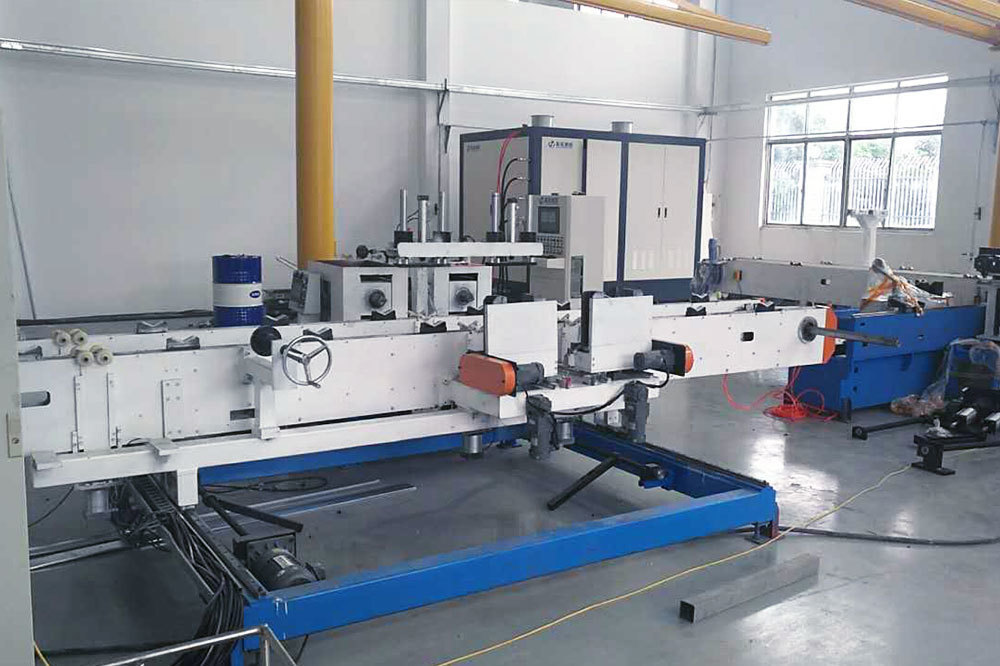
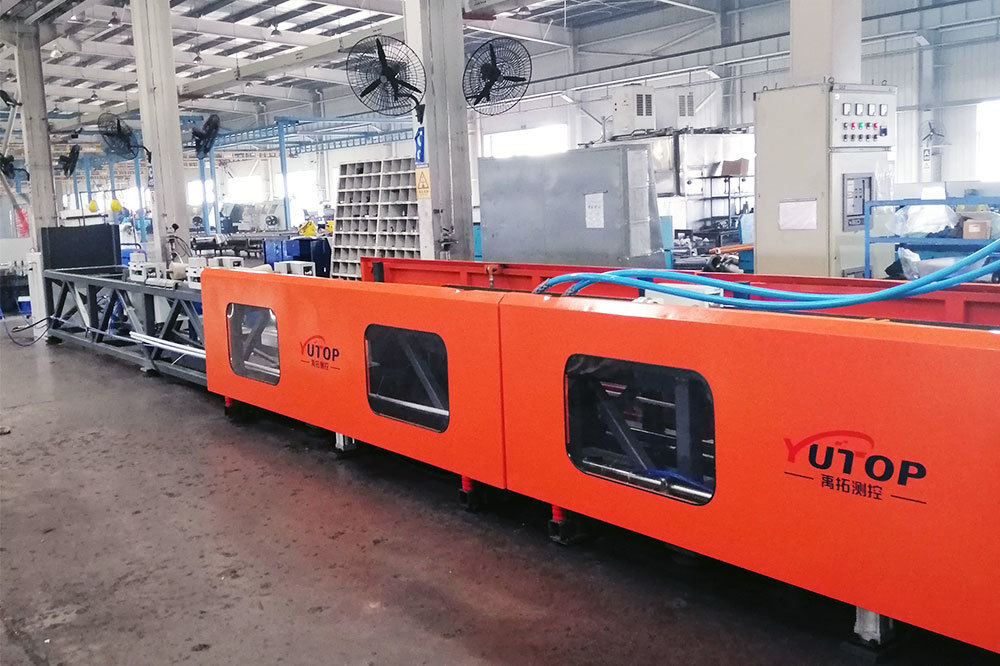
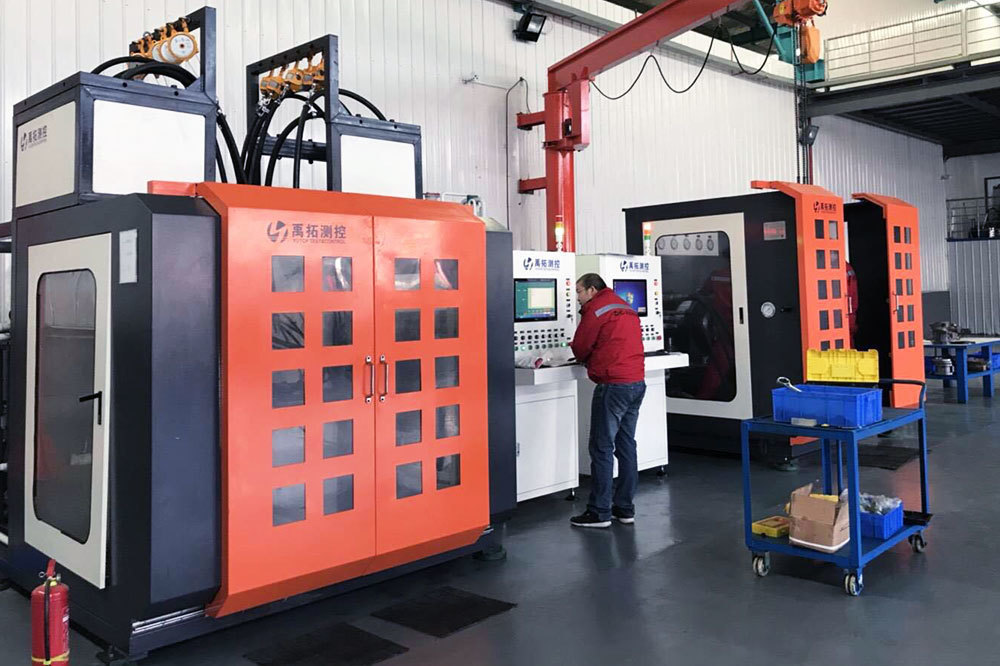
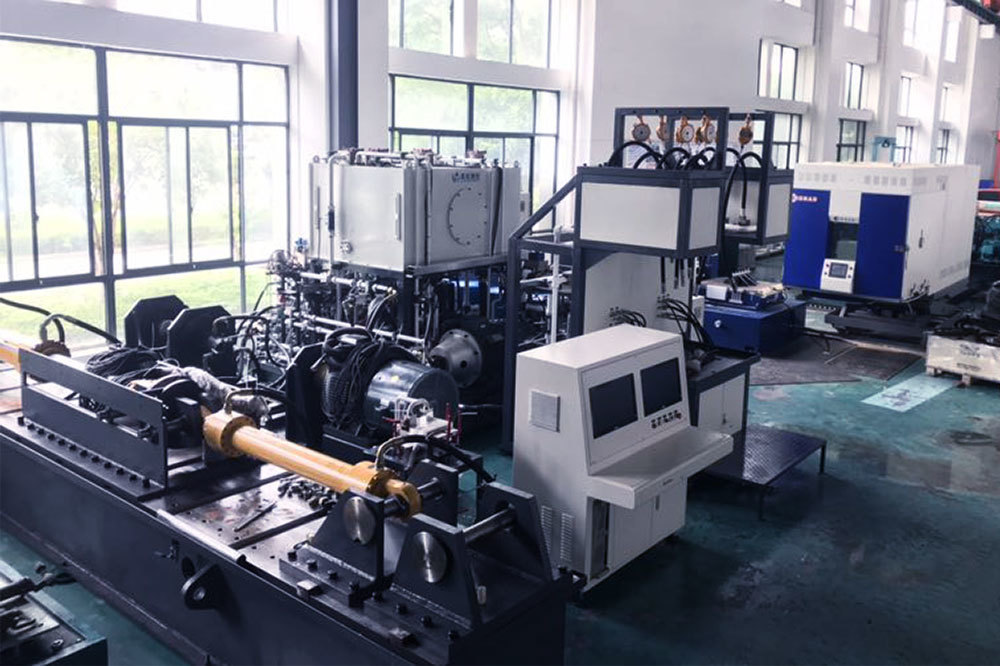
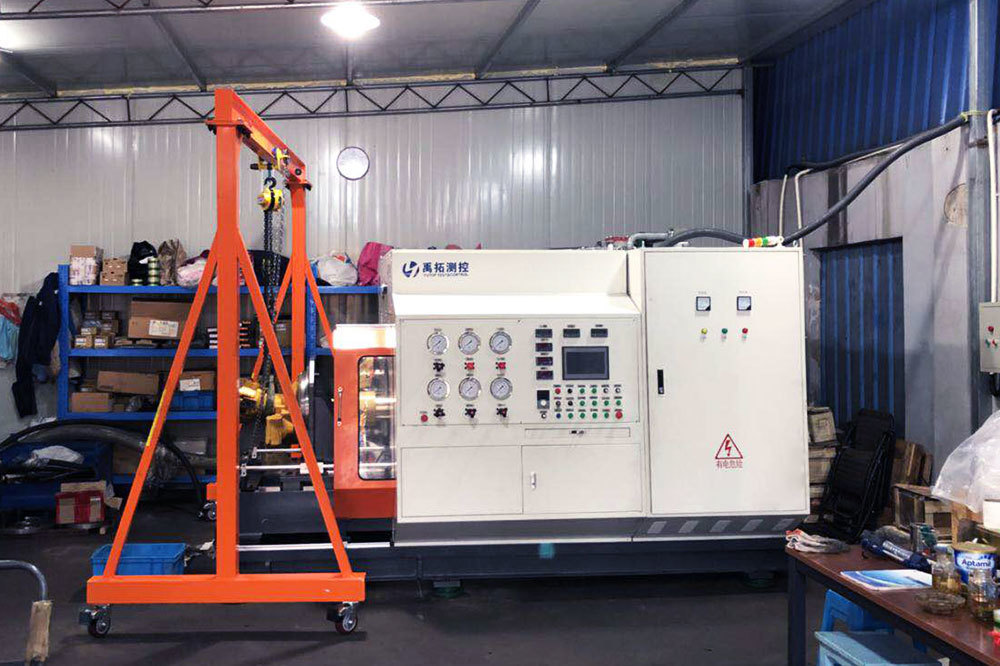
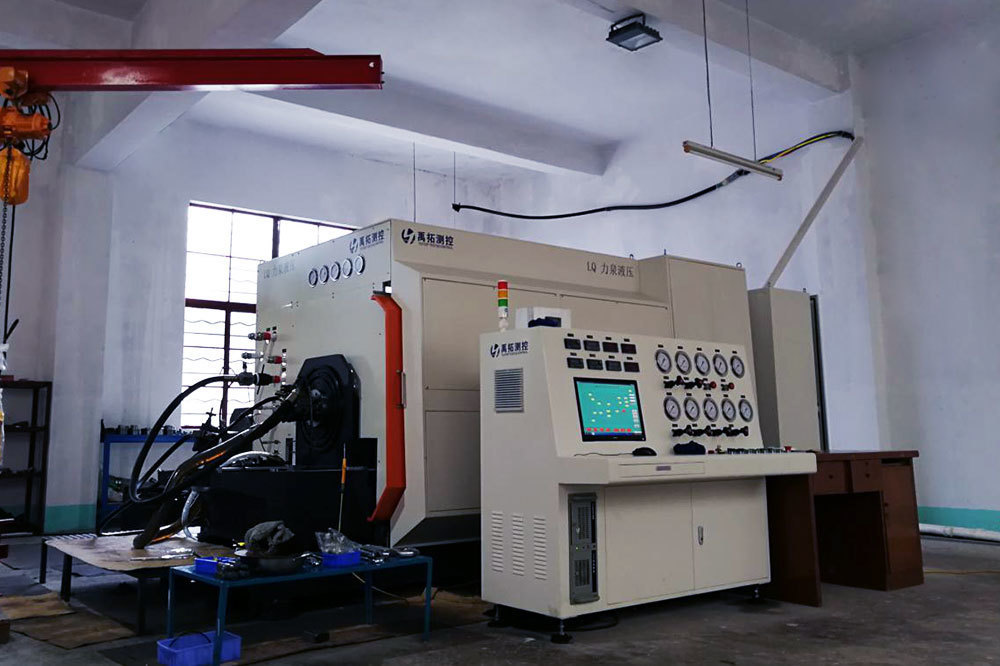
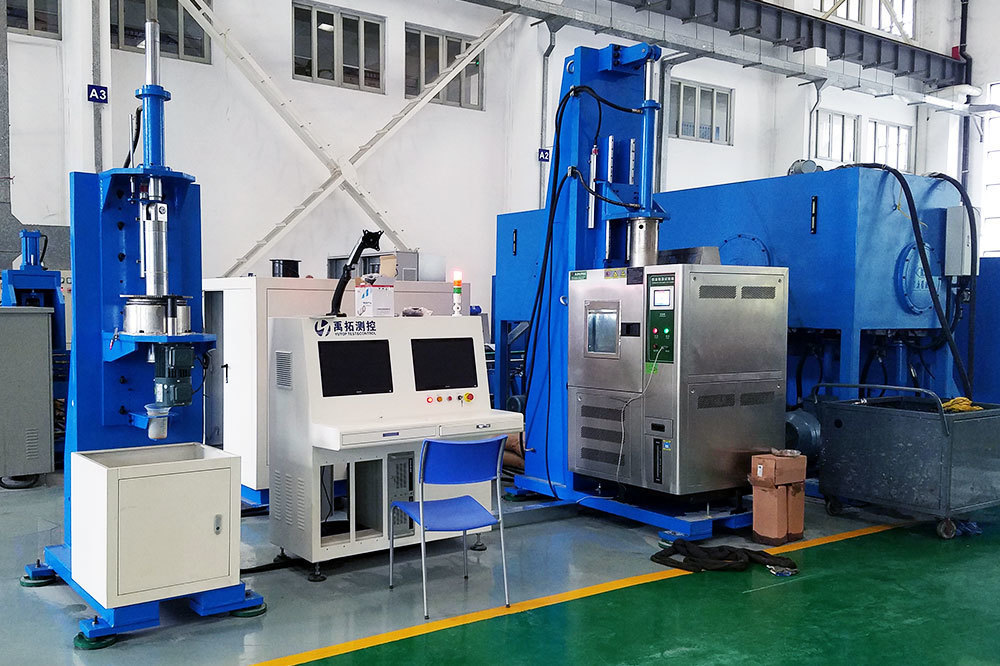
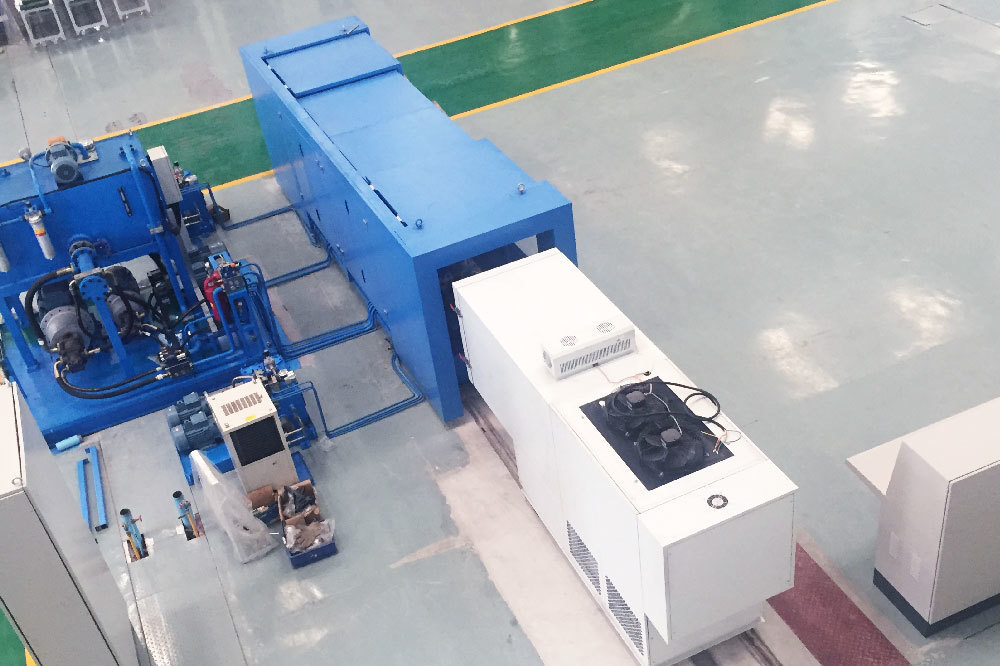
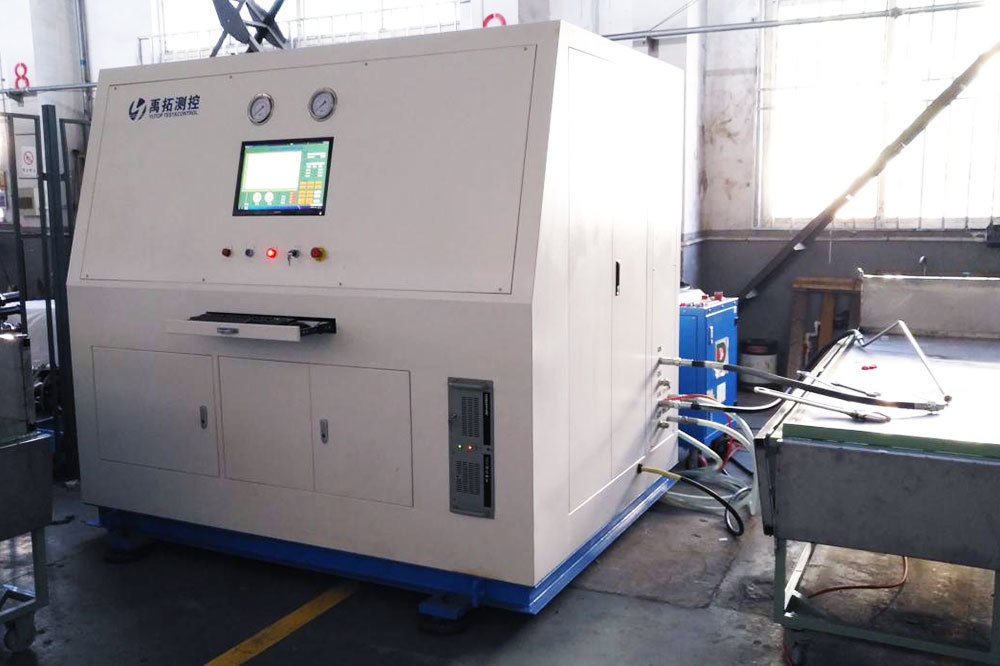
A hydraulic motor test system comprises several key components that work together to provide an accurate assessment of motor performance. Understanding these components is crucial for optimizing testing processes.
3.1 Hydraulic Power Units
Hydraulic power units (HPUs) supply the necessary hydraulic fluid under pressure to the motor being tested. These units are engineered to generate the required flow and pressure, ensuring reliable test results.
3.2 Control Systems
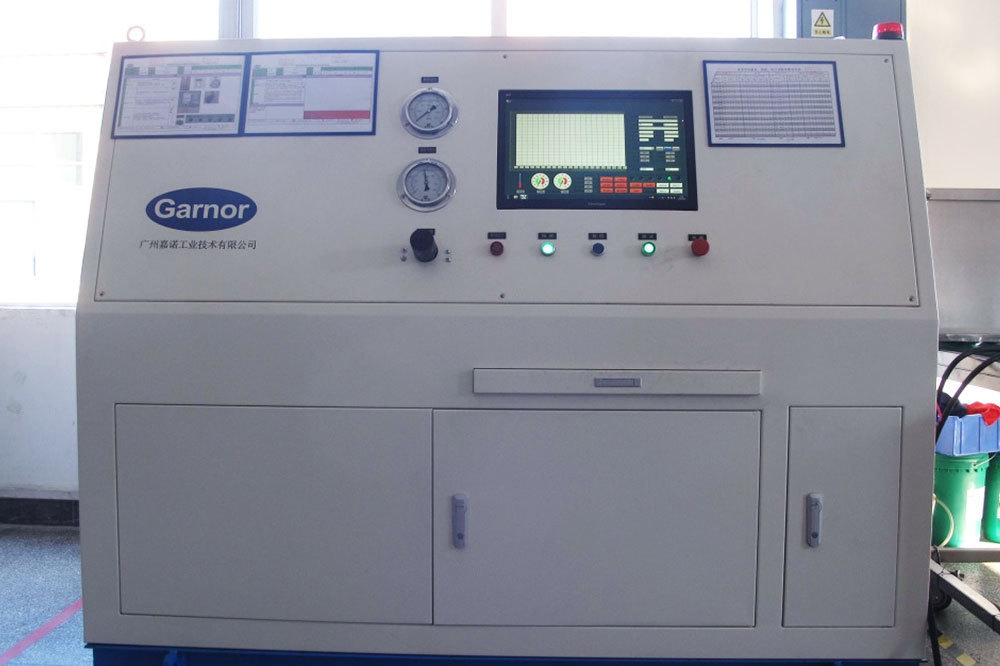
Control systems are integral to hydraulic motor test systems. They manage the operation of the HPUs and monitor various test parameters. Advanced control systems can automate tests, providing real-time data analysis and reporting.
3.3 Data Acquisition Devices
Data acquisition devices capture performance metrics during testing, including pressure, flow rate, temperature, and torque. This data is essential for evaluating motor performance and identifying areas for improvement.
4. Types of Hydraulic Motor Test Systems
Hydraulic motor test systems can be classified into two main types, each serving distinct purposes.
4.1 Static Testing Systems
Static testing systems assess hydraulic motors at rest, measuring parameters such as pressure, flow, and response time. These tests are crucial for ensuring that motors meet baseline specifications before being deployed in active environments.
4.2 Dynamic Testing Systems
Dynamic testing systems evaluate motors under operational conditions, simulating real-world applications. These tests focus on performance characteristics such as speed, torque, and efficiency, providing a comprehensive understanding of motor capabilities.
5. Benefits of Implementing Hydraulic Motor Test Systems
The integration of hydraulic motor test systems into industrial operations yields significant advantages.
5.1 Enhanced Equipment Reliability
Regular testing identifies potential issues before they escalate, allowing for timely maintenance and repairs. This proactive approach enhances the reliability of hydraulic systems, reducing unexpected downtimes.
5.2 Increased Operational Efficiency
By optimizing motor performance through testing, companies can enhance the overall efficiency of their hydraulic systems. Improved efficiency translates into lower operational costs and increased productivity.
5.3 Prolonged Equipment Lifespan
Routine testing helps maintain hydraulic motors in peak condition, ultimately extending their lifespan. This longevity not only reduces replacement costs but also minimizes the environmental impact of discarded equipment.
6. Testing Methodologies for Hydraulic Motors
To achieve accurate and meaningful results, various testing methodologies can be employed.
6.1 Performance Testing
Performance testing evaluates the hydraulic motor's ability to meet specified performance criteria, such as speed and torque. This testing is essential for ensuring that motors are capable of handling the required workload.
6.2 Endurance Testing
Endurance testing assesses the durability of hydraulic motors over extended periods. This method helps identify potential wear and tear, ensuring that motors can operate efficiently even in demanding conditions.
7. Future Trends in Hydraulic Motor Testing
As technology advances, the field of hydraulic motor testing is poised for innovation. Future trends may include the integration of artificial intelligence and machine learning, resulting in more precise testing and predictive maintenance strategies. These developments will allow for even greater efficiency and reliability in hydraulic systems.
8. Frequently Asked Questions (FAQs)
Q1: What is the primary purpose of hydraulic motor test systems?
A1: The primary purpose of hydraulic motor test systems is to assess the performance and efficiency of hydraulic motors, ensuring they meet industry standards and function optimally.
Q2: How does performance testing differ from endurance testing?
A2: Performance testing evaluates a motor's capabilities under specific conditions, while endurance testing assesses how well the motor performs over prolonged periods.
Q3: What are the benefits of regular testing for hydraulic motors?
A3: Regular testing enhances reliability, increases operational efficiency, and prolongs the lifespan of hydraulic motors, ultimately reducing costs associated with repairs and replacements.
Q4: Can hydraulic motor test systems be automated?
A4: Yes, many modern hydraulic motor test systems feature automated control systems that streamline testing processes and provide real-time data analysis.
Q5: What technological advancements are expected in hydraulic motor testing?
A5: Future advancements may include the integration of AI and machine learning for more accurate testing, predictive maintenance, and enhanced data analysis capabilities.
9. Conclusion
Hydraulic motor test systems are critical components in improving the performance of industrial equipment. By ensuring that hydraulic motors operate reliably and efficiently, these testing systems contribute to enhanced productivity, reduced downtime, and prolonged equipment lifespan. As industries continue to evolve, the importance of precise testing methodologies will only grow, making hydraulic motor test systems indispensable tools for manufacturers aiming for excellence in their operations. Embracing these technologies allows companies to maintain a competitive edge and ensure the long-term success of their hydraulic systems.

Room 207, 2nd Floor, Block C, Building 1 (Self-designated), No. 3 Yunkai Road, Yunpu Industrial Zone, Huangpu District, Guangzhou City,China


