

Hydraulic Testing Simplified: Your Ultimate Guide to Comprehensive Control Solutions
Hydraulic Testing Simplified: Your Ultimate Guide to Comprehensive Control Solutions Table of Contents 1. Introduction to Hydraulic Testing 2. Importance of Hydraulic Testing in Industry 3. Types of Hydraulic Testing Methodologies 4. Essential Hydraulic Testing Tools and Equipment 5. Step-by-Step Hydraulic Testing Process 6. Troubleshooting Common Hydraulic Testing Issues
Oct 18,2025
Hydraulic Testing Simplified: Your Ultimate Guide to Comprehensive Control Solutions
Table of Contents
- 1. Introduction to Hydraulic Testing
- 2. Importance of Hydraulic Testing in Industry
- 3. Types of Hydraulic Testing Methodologies
- 4. Essential Hydraulic Testing Tools and Equipment
- 5. Step-by-Step Hydraulic Testing Process
- 6. Troubleshooting Common Hydraulic Testing Issues
- 7. Best Practices for Hydraulic Testing
- 8. Future Trends in Hydraulic Testing
- 9. Frequently Asked Questions
- 10. Conclusion
1. Introduction to Hydraulic Testing
Hydraulic testing is a critical procedure used across various industries to ensure the integrity and safety of hydraulic systems. It involves evaluating the performance and reliability of hydraulic equipment under controlled conditions. By simulating operational pressures and conditions, hydraulic testing helps identify potential weaknesses within systems, ensuring they function effectively in real-world applications.
In this guide, we will delve into the various aspects of hydraulic testing, providing a comprehensive overview suitable for both novices and seasoned professionals.
2. Importance of Hydraulic Testing in Industry
The significance of hydraulic testing cannot be overstated. Here are some crucial reasons why hydraulic testing is essential in various industries:
2.1 Safety Assurance
Hydraulic systems often operate under high pressure, making safety a top priority. Hydraulic testing helps detect leaks, weaknesses, and potential failures, ensuring the safety of personnel and equipment.
2.2 Compliance with Standards
Many industries have stringent regulations regarding hydraulic systems. Regular testing ensures compliance with these standards, minimizing legal risks and enhancing operational integrity.
2.3 Performance Optimization
Hydraulic testing allows for the identification of inefficiencies within systems. By addressing these issues, organizations can optimize performance, reduce downtime, and lower operational costs.
3. Types of Hydraulic Testing Methodologies
There are several methodologies employed in hydraulic testing, each suited for specific applications. Here are the most common types:
3.1 Hydrostatic Testing
Hydrostatic testing involves filling the hydraulic system with water or another incompressible fluid and pressurizing it to check for leaks. This method is widely used for pipes, tanks, and pressure vessels.
3.2 Pneumatic Testing
In contrast to hydrostatic testing, pneumatic testing uses air or gas to pressurize the system. While quicker and easier, it poses greater risks due to the compressibility of gases.
3.3 Functional Testing
Functional testing verifies the operational efficiency of a hydraulic system. This involves assessing the system under normal operating conditions to ensure it performs as expected.
4. Essential Hydraulic Testing Tools and Equipment
To conduct effective hydraulic testing, several tools and pieces of equipment are necessary. Here, we outline the must-have items for any hydraulic testing setup:
4.1 Pressure Gauges
Pressure gauges are vital for measuring the pressure within hydraulic systems. Accurate readings are essential for effective testing and ensuring compliance with safety standards.
4.2 Hydraulic Pumps
Hydraulic pumps are used to pressurize the system during testing. They come in various configurations, including manual and electric models, allowing for flexibility based on the application.
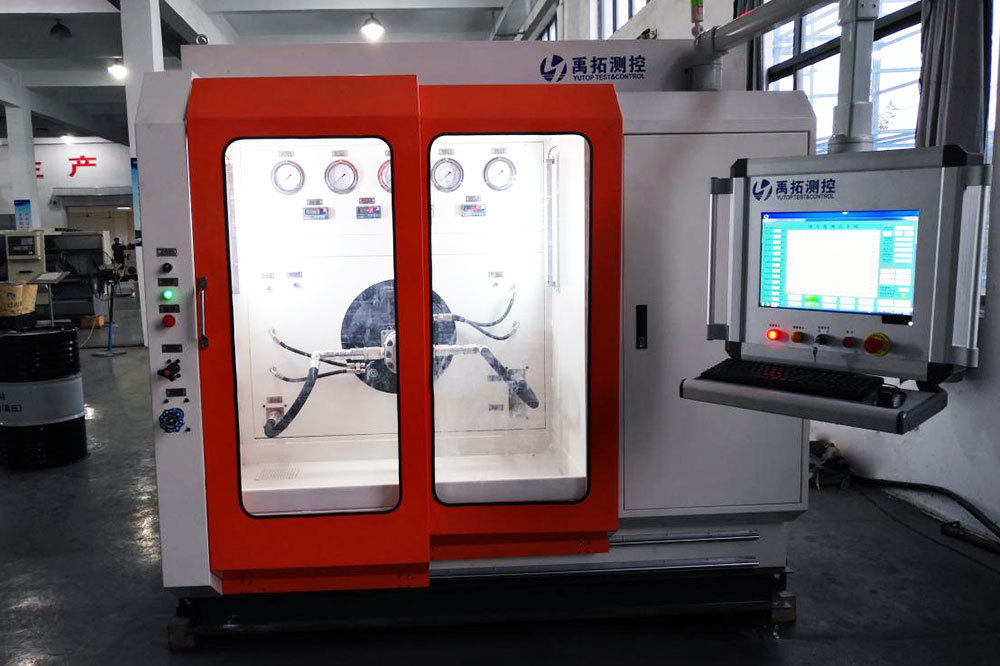
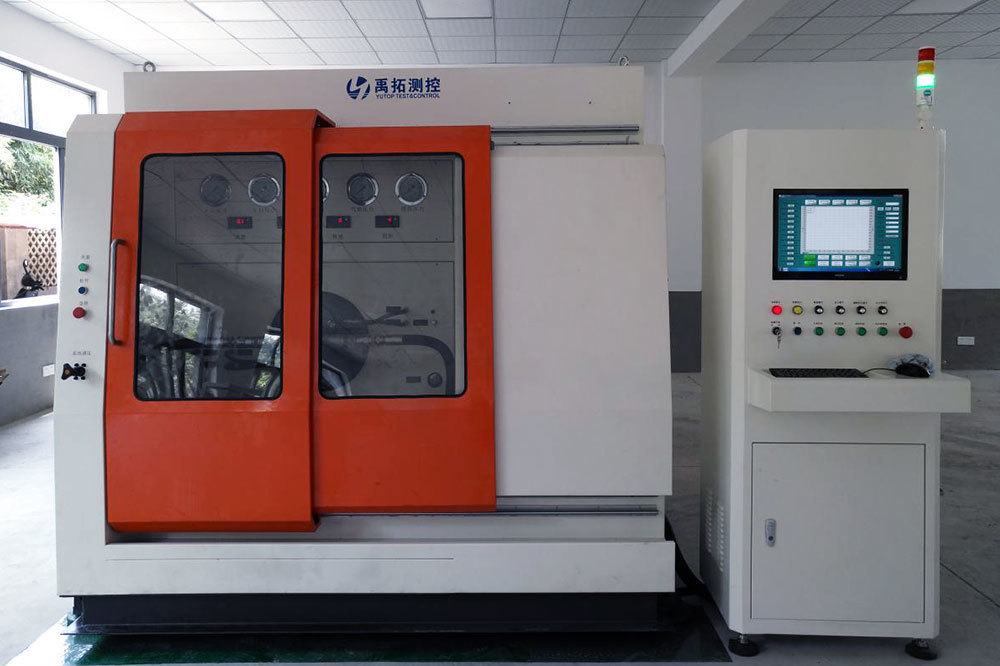
4.3 Test Benches
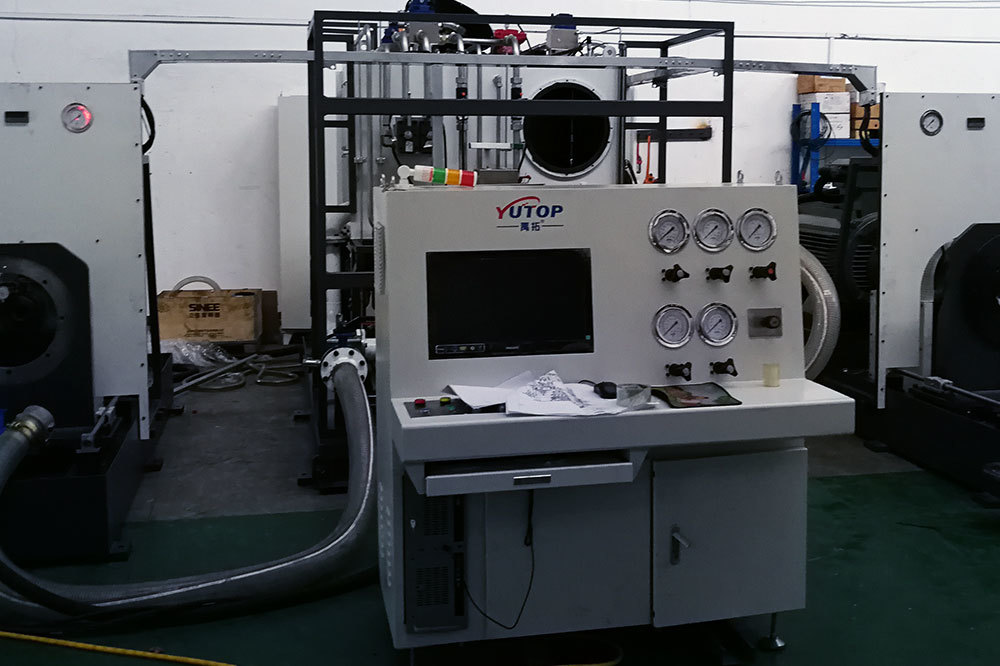
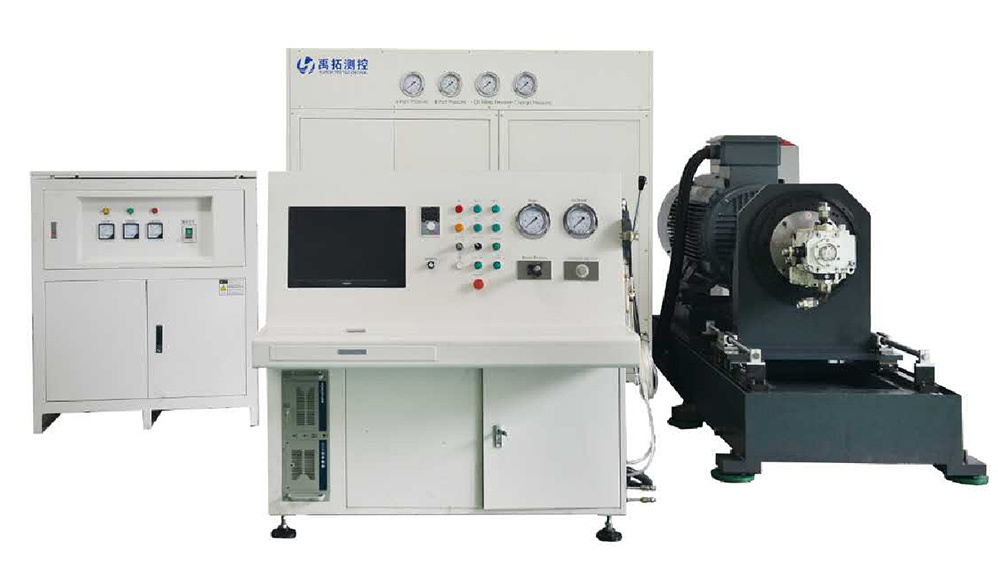
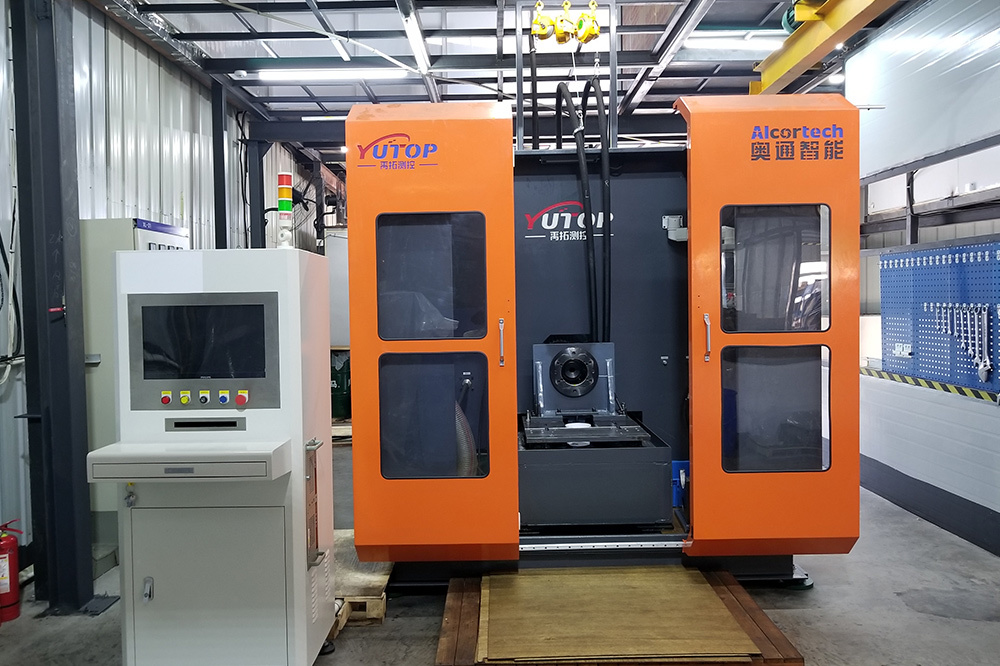
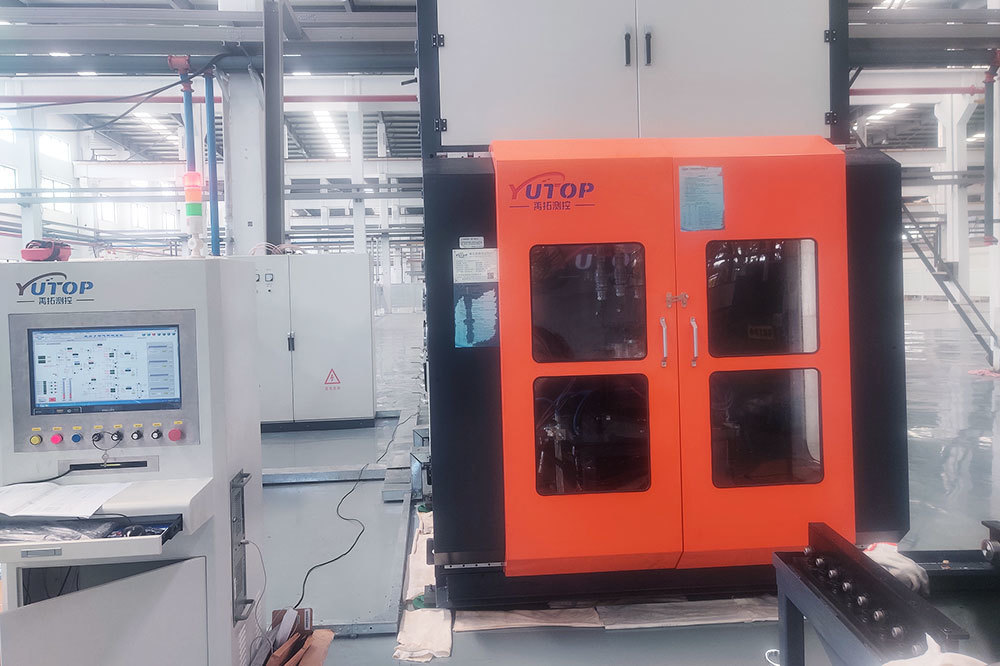
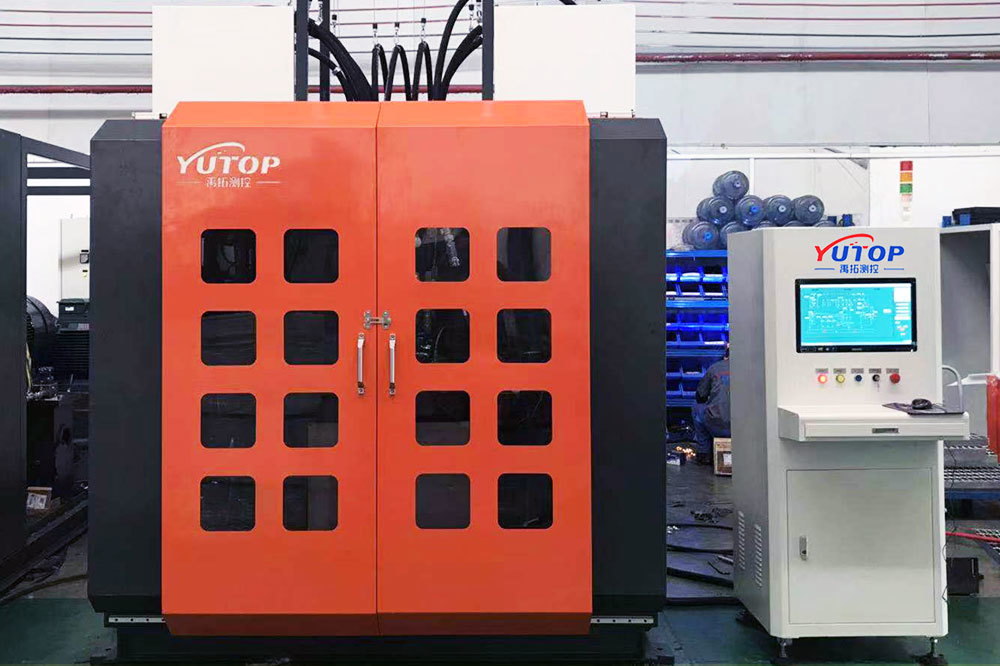
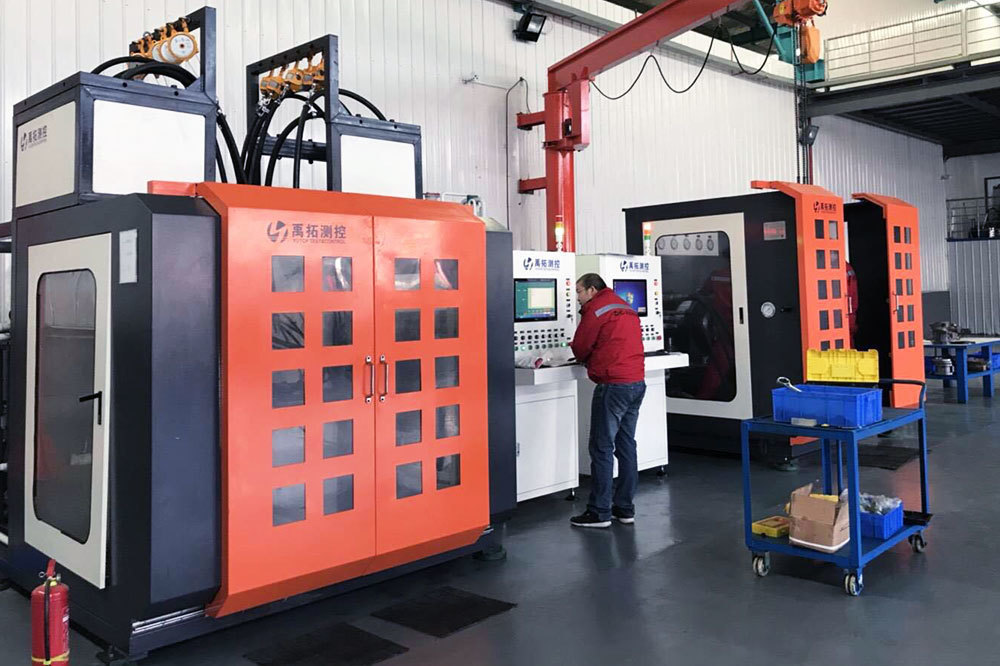
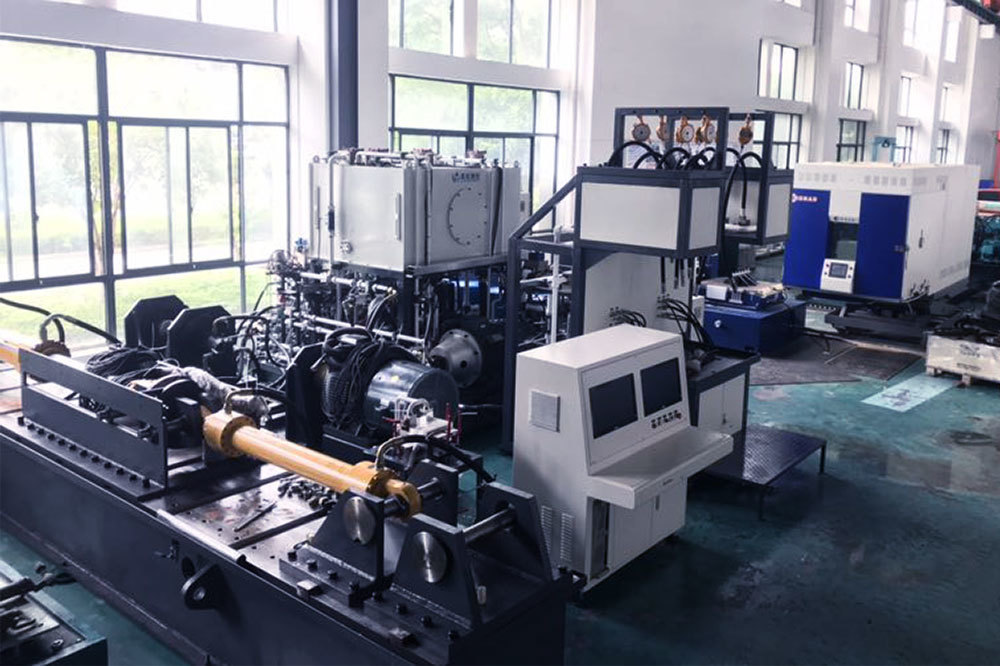
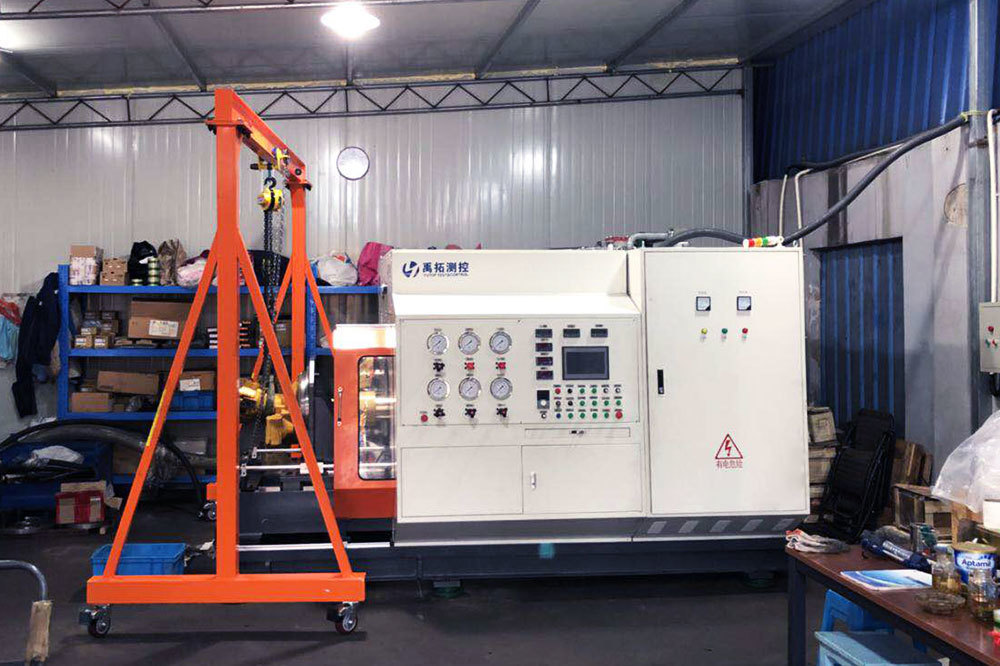
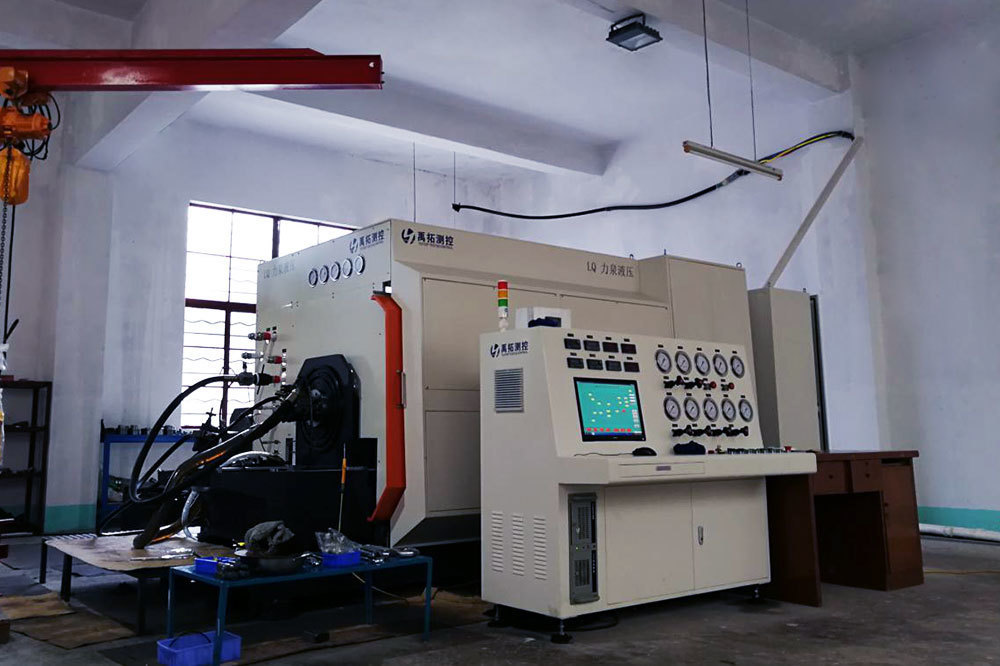
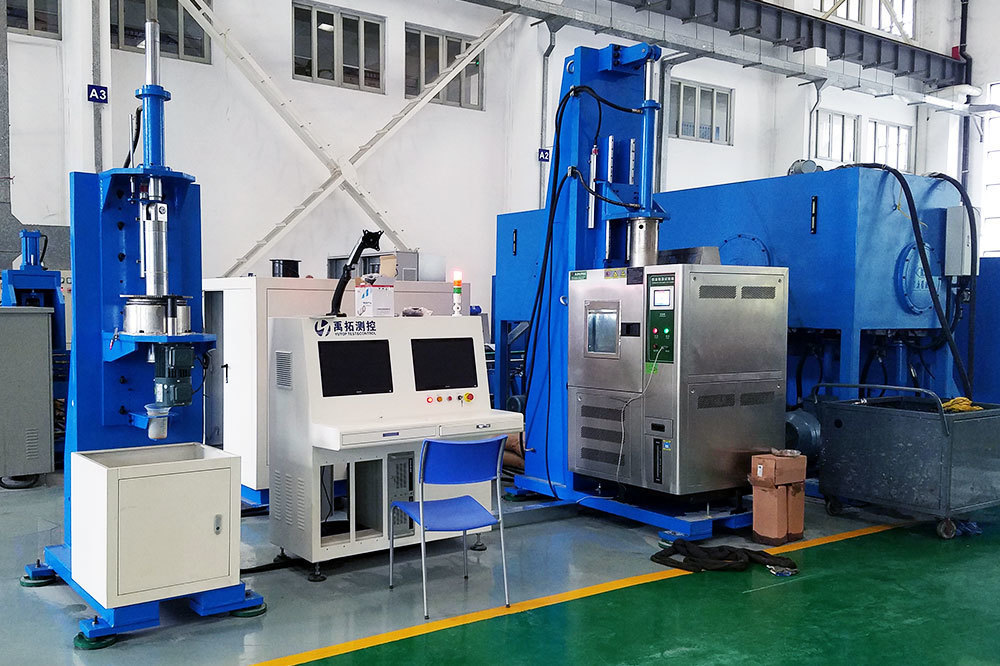
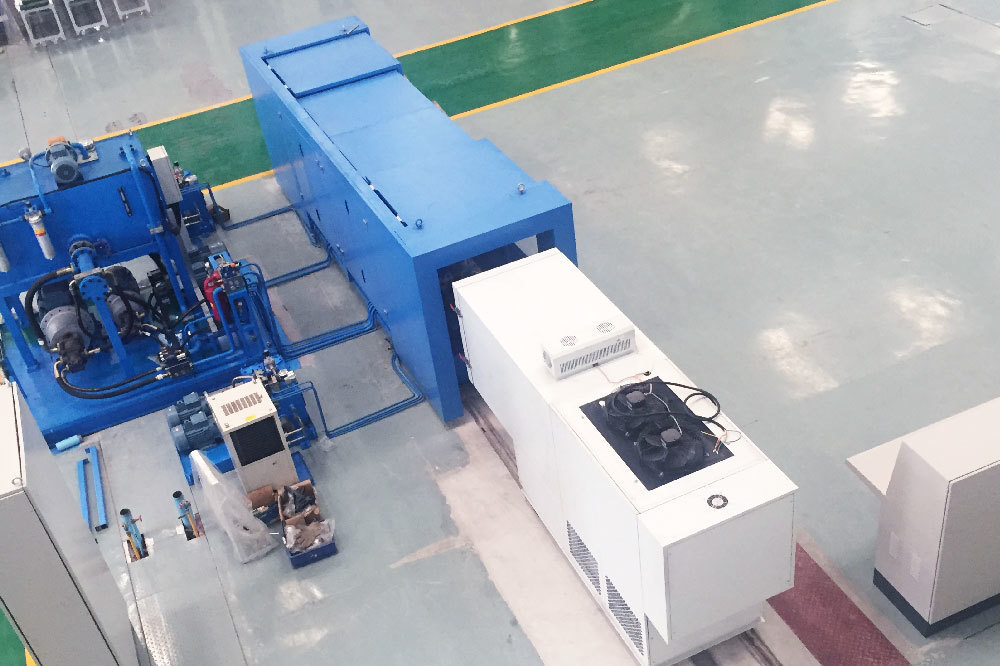
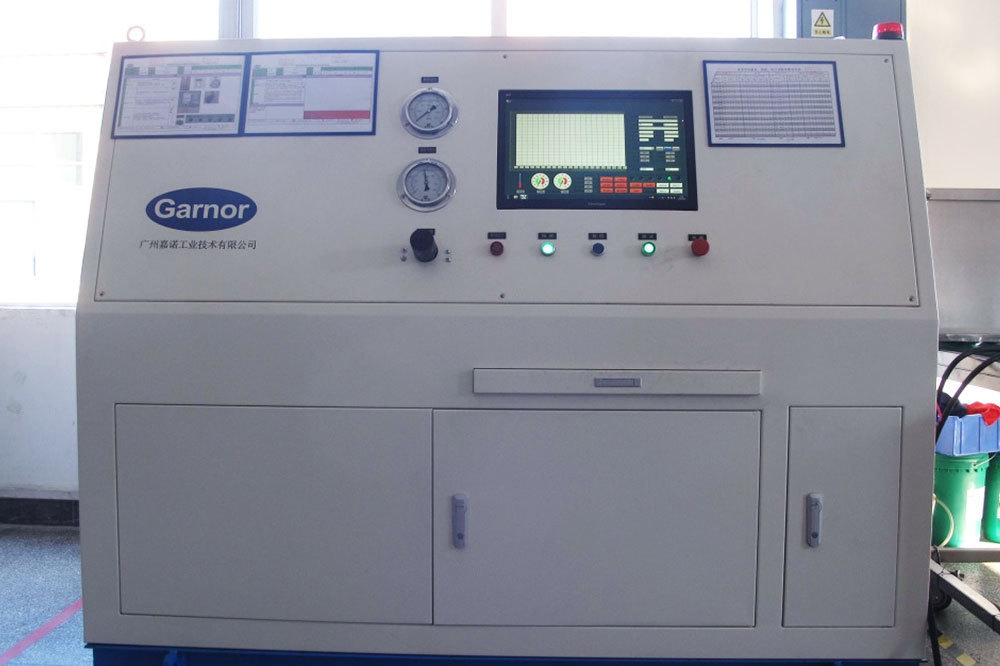
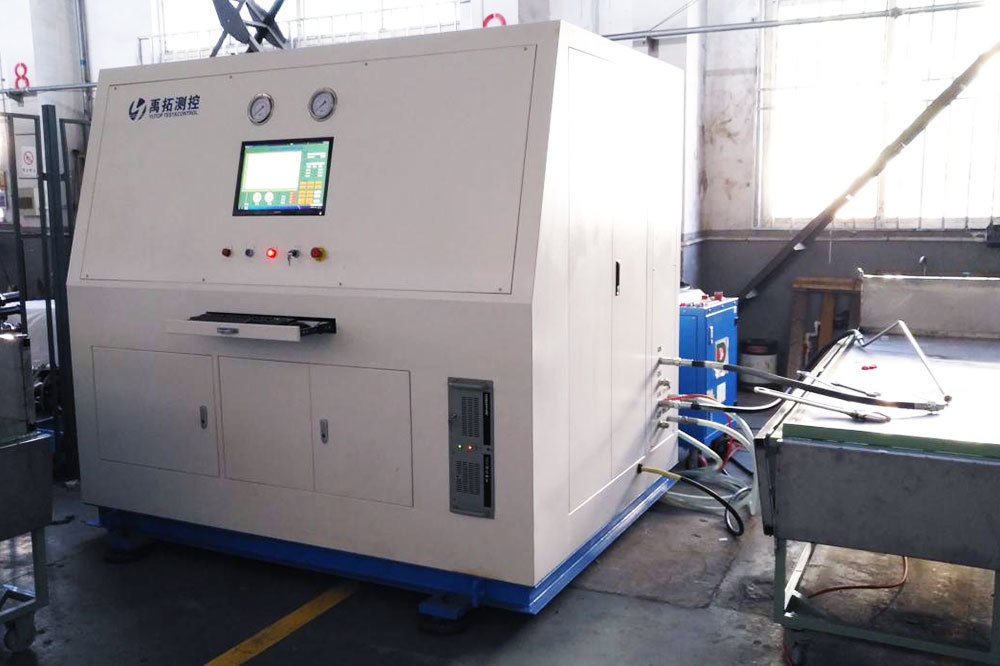
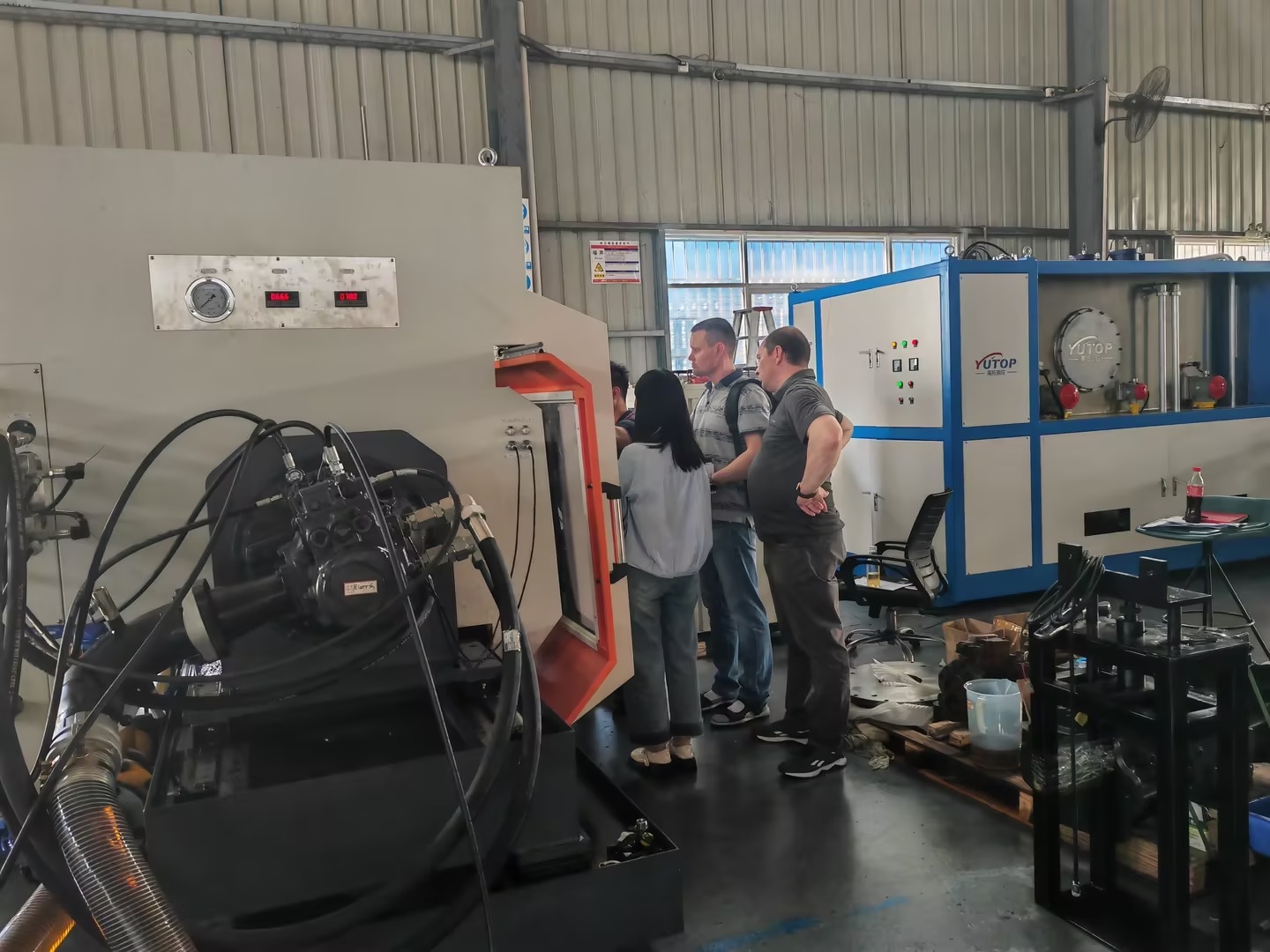
Test benches provide a controlled environment for hydraulic testing. They typically include fixtures for securing the hydraulic components, as well as integrated monitoring systems for real-time data analysis.
4.4 Leak Detection Equipment
Leak detection equipment, such as ultrasonic leak detectors, helps identify leak sources during testing. This is crucial for ensuring the integrity of hydraulic systems.
4.5 Data Acquisition Systems
Advanced data acquisition systems collect and analyze testing data, allowing for detailed performance evaluations and reporting.
5. Step-by-Step Hydraulic Testing Process
Conducting hydraulic testing involves a systematic approach to ensure accuracy and safety. Here’s a step-by-step guide:
5.1 Preparation
Before testing, ensure that all equipment is calibrated and in good working order. Review safety protocols and prepare the testing environment.
5.2 System Inspection
Conduct a thorough inspection of the hydraulic system, checking for visible signs of wear, damage, or leaks. Ensure all components are properly connected.
5.3 Filling and Pressurizing
Fill the system with the appropriate fluid and begin pressurizing to the required test pressure. Monitor pressure levels closely to ensure stability.
5.4 Monitoring and Data Collection
During the test, monitor pressure gauges and other relevant metrics. Utilize data acquisition systems to collect performance data for analysis.
5.5 Post-Test Inspection
After reaching the desired pressure and maintaining it for the specified duration, conduct a post-test inspection. Look for any signs of leaks or failures in the system.
5.6 Documentation and Reporting
Compile all test data and observations into a comprehensive report. This documentation is essential for regulatory compliance and future reference.
6. Troubleshooting Common Hydraulic Testing Issues
Despite thorough preparation, issues can arise during hydraulic testing. Here are some common problems and their solutions:
6.1 Pressure Fluctuations
If pressure fluctuates during testing, check for leaks in the system or malfunctioning pressure gauges. Ensure all connections are secure.
6.2 Inaccurate Readings
Inaccurate pressure readings may result from faulty gauges or improper calibration. Regularly check and calibrate all measuring devices to maintain accuracy.
6.3 System Overheating
Overheating can indicate insufficient fluid levels or an issue with the hydraulic pump. Ensure proper fluid levels and inspect the pump for functionality.
7. Best Practices for Hydraulic Testing
To enhance the effectiveness of hydraulic testing, consider the following best practices:
7.1 Regular Maintenance
Regular maintenance of hydraulic systems and testing equipment is crucial. Schedule routine checks and servicing to prevent unexpected failures.
7.2 Training and Certification
Ensure that personnel conducting hydraulic testing are well-trained and certified. This minimizes the risk of errors and enhances overall safety.
7.3 Use of Quality Equipment
Invest in high-quality testing tools and equipment. Reliable tools contribute to accurate testing and improved system performance.
7.4 Detailed Documentation
Maintain detailed records of all testing procedures and results. This documentation is essential for ongoing compliance and performance tracking.
8. Future Trends in Hydraulic Testing
The field of hydraulic testing is continually evolving. Here are some trends shaping the future:
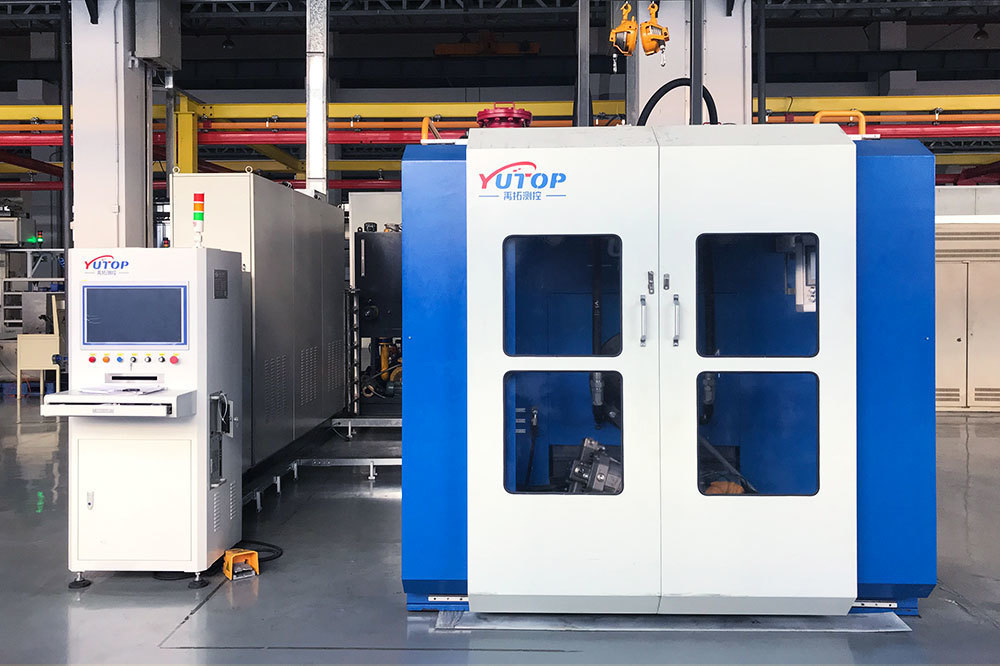
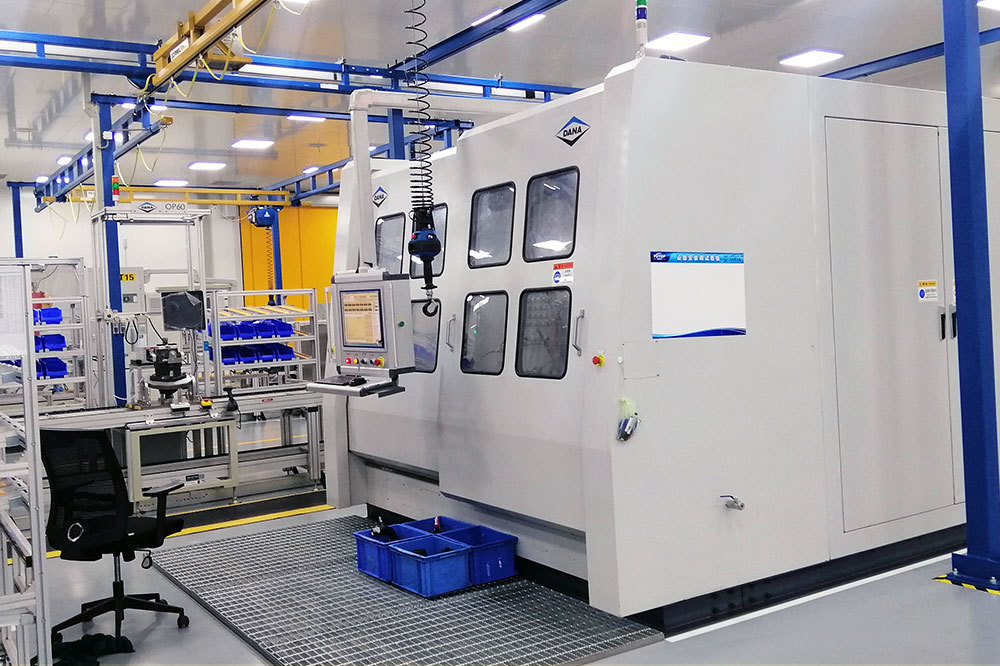
8.1 Integration of Automation
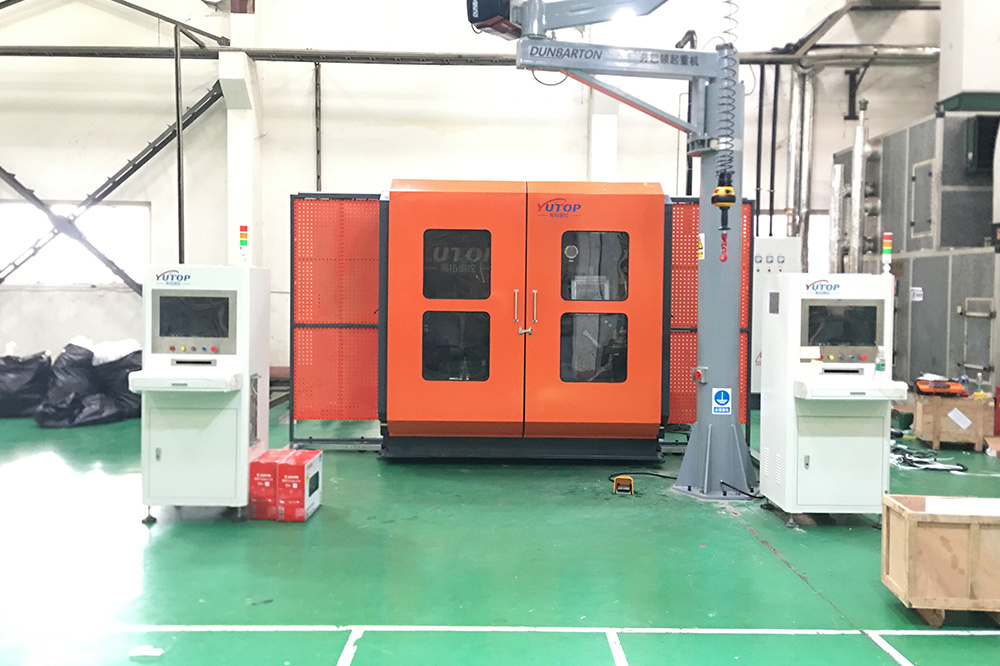
Automation is becoming increasingly common in hydraulic testing, allowing for more efficient processes and reduced human error.
8.2 Advanced Data Analytics
Utilizing advanced data analytics tools enables deeper insights into hydraulic system performance, facilitating proactive maintenance and optimization.
8.3 Environmentally Friendly Testing Practices
There is a growing emphasis on sustainable practices in hydraulic testing, including the use of biodegradable testing fluids and energy-efficient equipment.
9. Frequently Asked Questions
9.1 What is hydraulic testing?
Hydraulic testing is a process used to evaluate the integrity and performance of hydraulic systems by simulating operational conditions and pressures.
9.2 How often should hydraulic testing be performed?
The frequency of hydraulic testing depends on industry regulations and the specific application, but it is generally recommended to test systems annually or whenever significant maintenance is performed.
9.3 What are the common types of hydraulic tests?
Common types of hydraulic tests include hydrostatic testing, pneumatic testing, and functional testing, each serving different purposes and applications.
9.4 What tools are necessary for hydraulic testing?
Essential tools for hydraulic testing include pressure gauges, hydraulic pumps, test benches, leak detection equipment, and data acquisition systems.
9.5 What should be done if a leak is detected during testing?
If a leak is detected, pressure should be released immediately. Inspect the system to identify the source of the leak and make necessary repairs before retesting.
10. Conclusion
Hydraulic testing is an indispensable process that ensures the safety, reliability, and efficiency of hydraulic systems across various industries. By understanding the methodologies, tools, and best practices involved in hydraulic testing, professionals can enhance their operational capabilities and contribute to a safer working environment. By embracing future trends and technologies, the hydraulic testing landscape will continue to evolve, offering improved solutions for system performance and safety.

Room 207, 2nd Floor, Block C, Building 1 (Self-designated), No. 3 Yunkai Road, Yunpu Industrial Zone, Huangpu District, Guangzhou City,China


