

Maximize Your Equipment's Potential with a Reliable Hydraulic Motor Test System
Maximize Your Equipment's Potential with a Reliable Hydraulic Motor Test System In the ever-evolving landscape of industrial machinery, efficiency and precision are paramount. Hydraulic systems serve as the backbone of many operations, driving everything from manufacturing to construction. However, to fully harness the capabilities of these systems, one must ensure that the hydraulic motors are fu
Oct 24,2025
Maximize Your Equipment's Potential with a Reliable Hydraulic Motor Test System
In the ever-evolving landscape of industrial machinery, efficiency and precision are paramount. Hydraulic systems serve as the backbone of many operations, driving everything from manufacturing to construction. However, to fully harness the capabilities of these systems, one must ensure that the hydraulic motors are functioning optimally. This is where a reliable hydraulic motor test system comes into play.
In this article, we delve into how a hydraulic motor test system can maximize your equipment's potential, enhance performance, and reduce downtime. We will cover various aspects, including the importance of regular testing, the technology behind these systems, and best practices for their effective implementation.
Table of Contents
- 1. The Importance of Hydraulic Motor Testing
- 2. Understanding Hydraulic Motor Test Systems
- 3. Key Components of a Hydraulic Motor Test System
- 4. Benefits of Using a Hydraulic Motor Test System
- 5. Best Practices for Hydraulic Motor Testing
- 6. Common Issues Detected Through Hydraulic Motor Testing
- 7. Advanced Testing Techniques for Enhanced Accuracy
- 8. The Future of Hydraulic Motor Testing
- 9. Frequently Asked Questions
1. The Importance of Hydraulic Motor Testing
Hydraulic motors play a critical role in the overall functionality of hydraulic systems. Regular testing of these motors is essential for several reasons:
1.1 Ensuring Optimal Performance
Frequent testing guarantees that the hydraulic motors operate at peak efficiency. Detecting performance issues early can prevent costly repairs and extend the lifespan of the equipment.
1.2 Preventing Downtime
Unscheduled downtime can lead to significant losses in productivity. A reliable hydraulic motor test system helps identify potential failures before they become critical, allowing for timely maintenance.
1.3 Enhancing Safety
In industrial settings, safety is non-negotiable. A malfunctioning hydraulic motor can pose serious risks to operators and equipment. Regular testing ensures that safety protocols are upheld.
2. Understanding Hydraulic Motor Test Systems
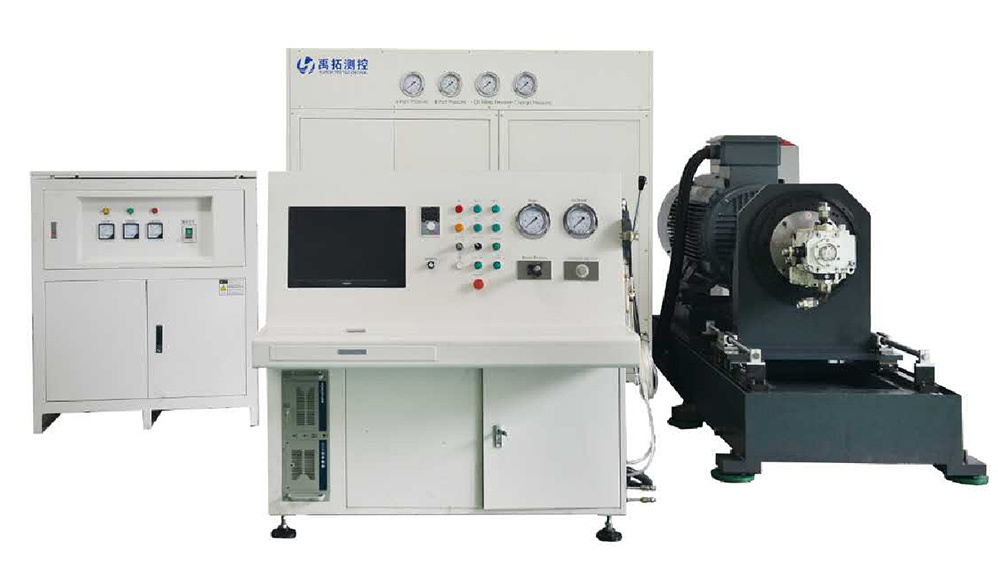
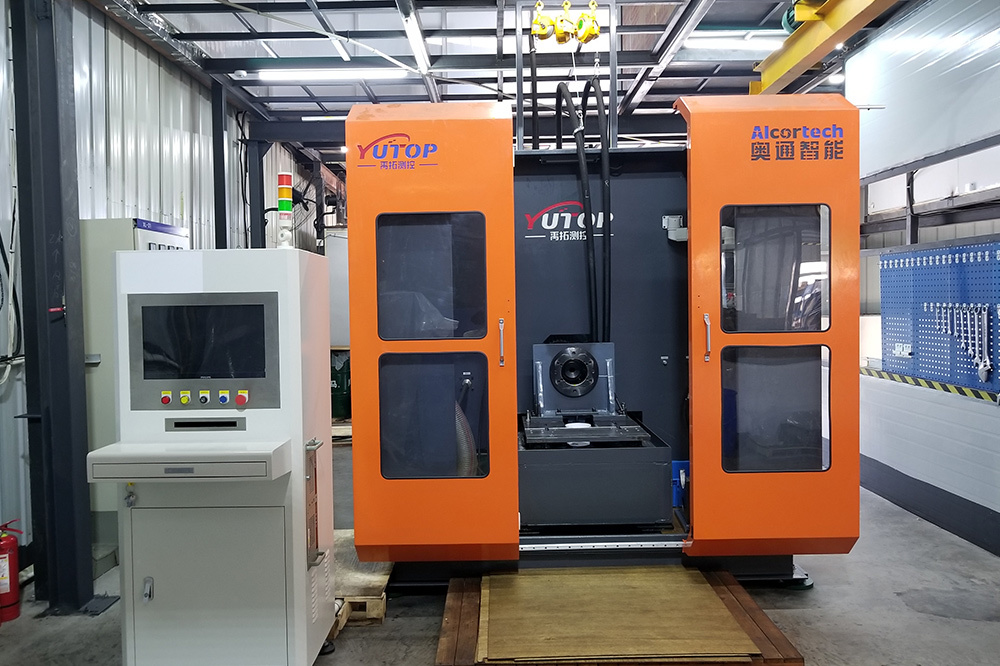
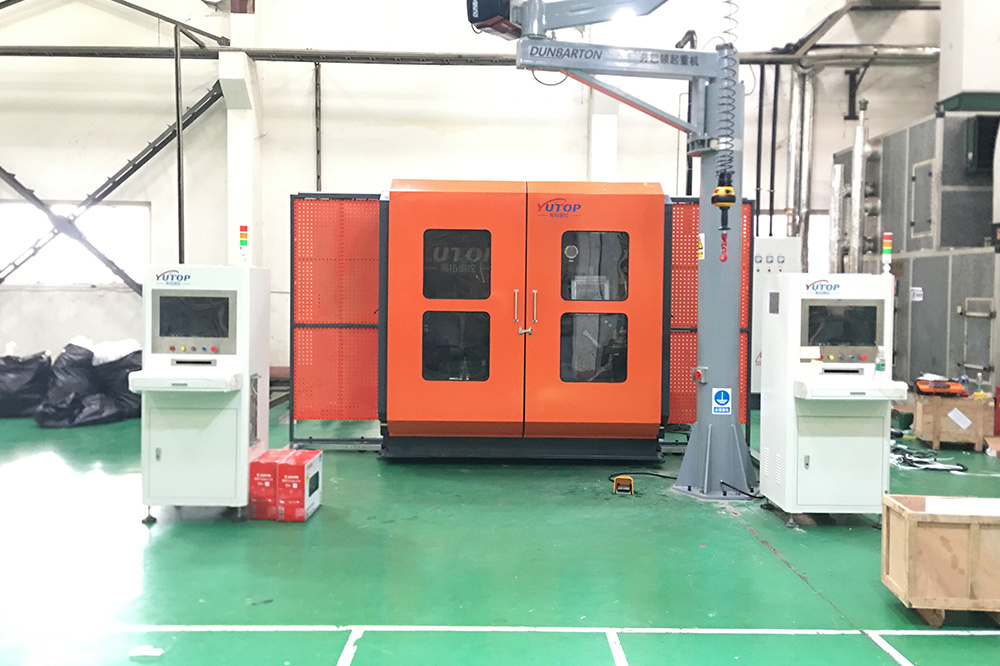
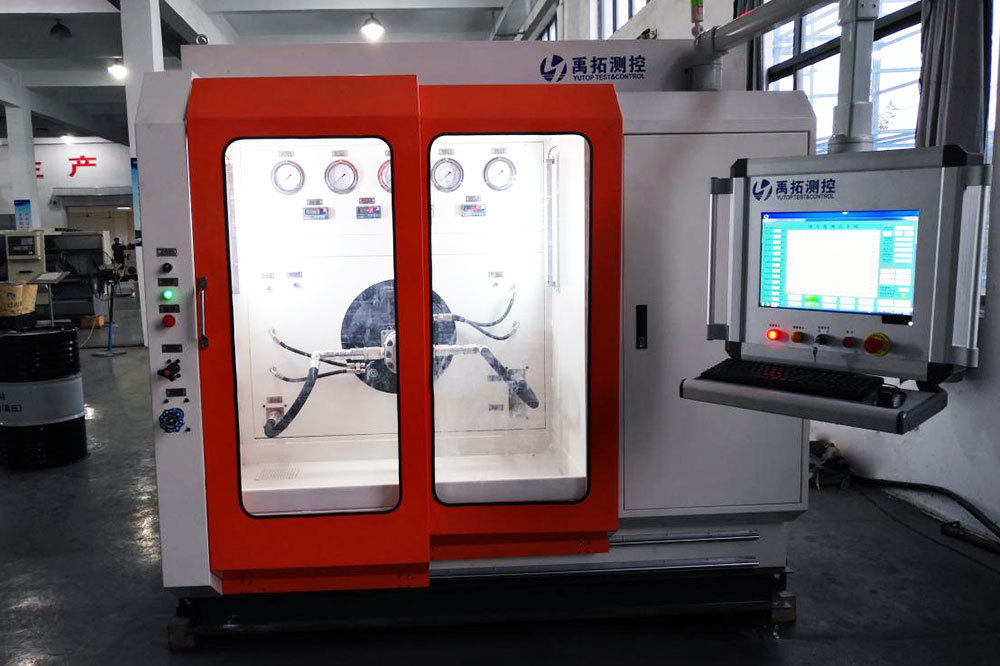
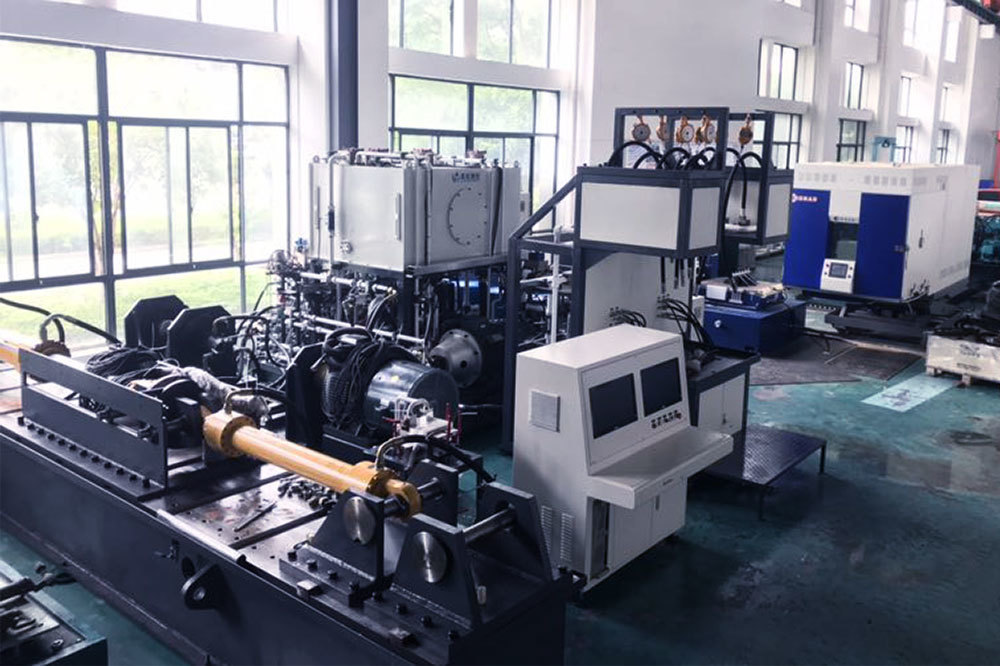
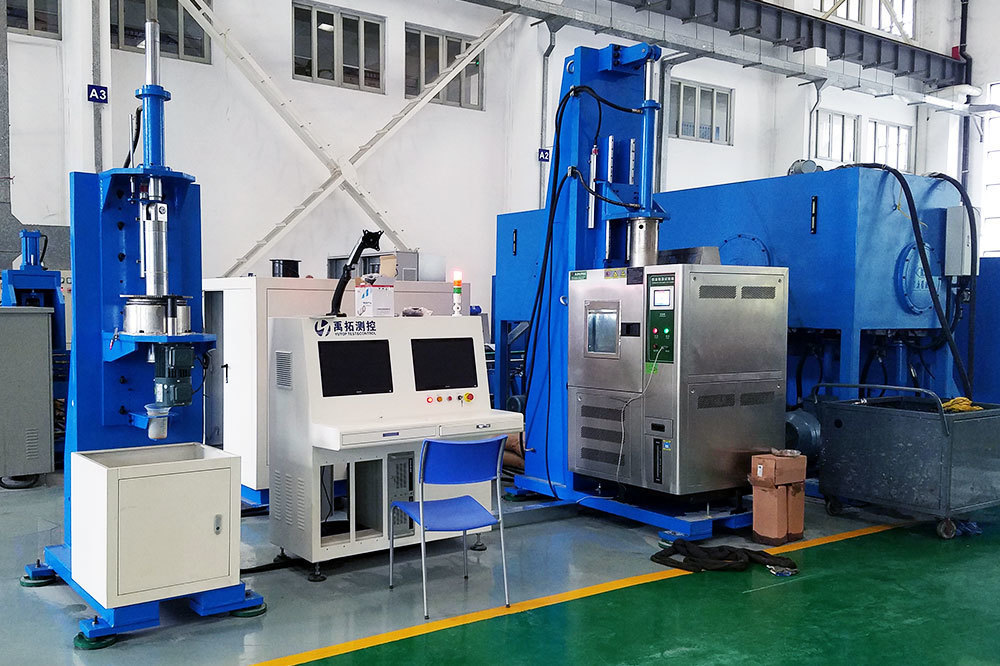
A hydraulic motor test system is designed to evaluate the performance of hydraulic motors under various conditions. These systems can simulate operational environments, allowing technicians to assess efficiency, power output, and operational integrity.
2.1 Types of Hydraulic Motor Test Systems
There are several types of hydraulic motor test systems, each tailored to specific testing requirements:
- **Static Test Systems**: Measure performance in a controlled environment without movement.
- **Dynamic Test Systems**: Assess performance during operation, providing real-time data.
- **Load Test Systems**: Apply varying loads to evaluate how the motor responds under pressure.
3. Key Components of a Hydraulic Motor Test System
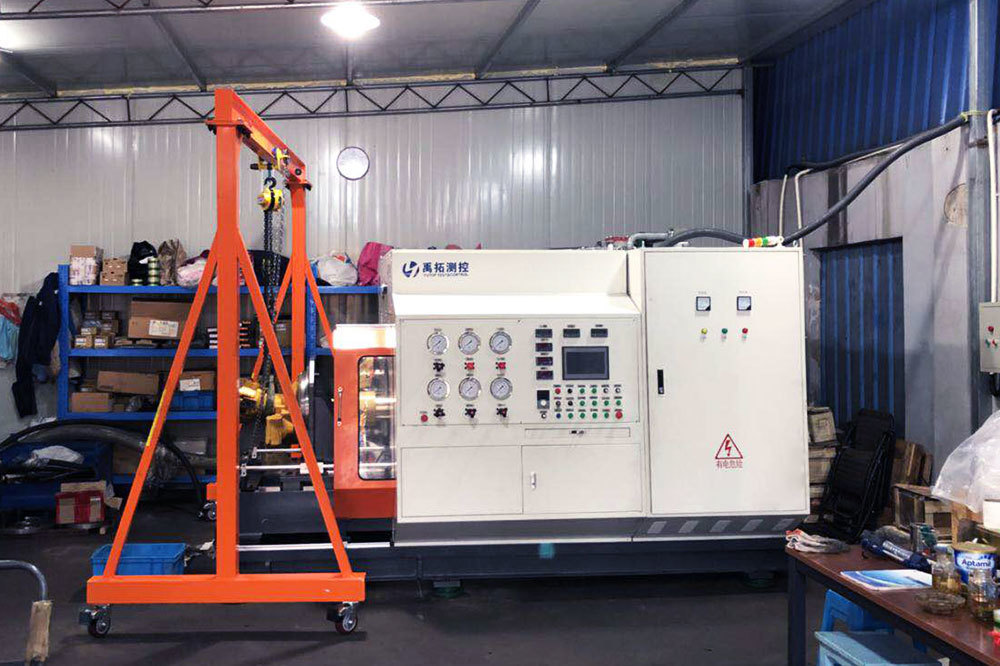
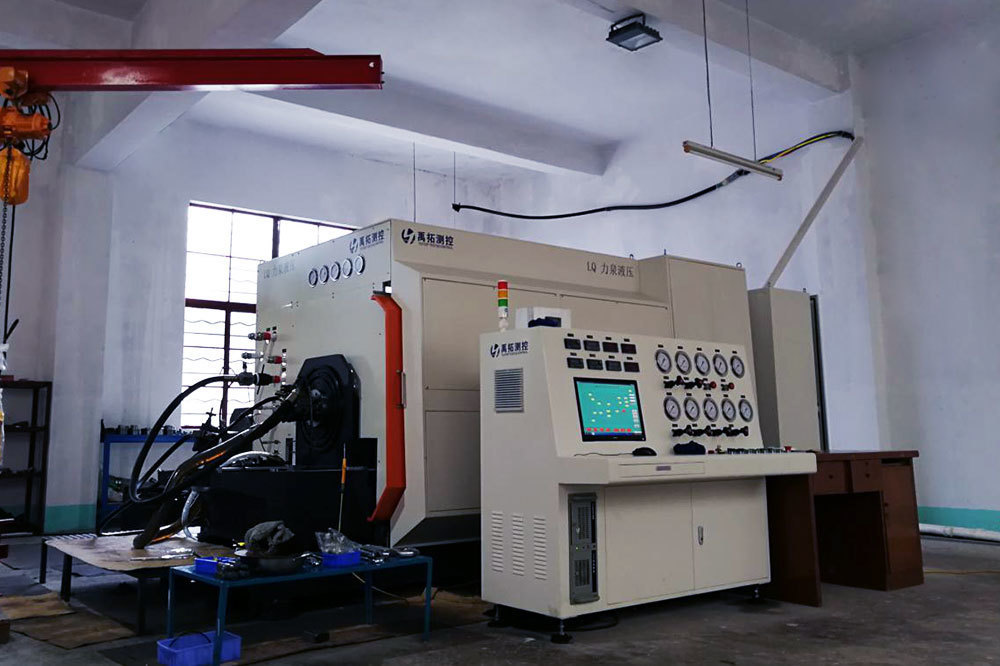
Understanding the components of a hydraulic motor test system is crucial for effective testing:
3.1 Hydraulic Power Supply
The power supply provides the necessary fluid pressure to operate the hydraulic motor during testing.
3.2 Control Panel
A user-friendly control panel allows operators to set parameters, monitor performance, and analyze results.
3.3 Measurement Instruments
Instruments such as flow meters, pressure gauges, and torque sensors collect essential data during testing.
3.4 Data Analysis Software
Advanced software solutions compile data, providing insights into performance metrics and potential issues.
4. Benefits of Using a Hydraulic Motor Test System
Implementing a reliable hydraulic motor test system offers numerous advantages:
4.1 Cost Savings
Preventative maintenance through regular testing reduces the likelihood of costly repairs and replacements.
4.2 Improved Efficiency
Identifying and resolving performance issues can lead to enhanced efficiency, saving both time and resources.
4.3 Enhanced Reliability
Regular testing builds confidence in the reliability of hydraulic motors, fostering trust among operators and stakeholders.
5. Best Practices for Hydraulic Motor Testing
To maximize the effectiveness of your hydraulic motor test system, consider the following best practices:
5.1 Schedule Regular Testing
Establish a routine testing schedule based on operational demands and manufacturer recommendations.
5.2 Train Your Personnel
Ensure that technicians are adequately trained in operating the test system and interpreting results.
5.3 Record and Analyze Data
Maintain comprehensive records of test results to identify trends and potential issues over time.
5.4 Conduct Thorough Inspections
Before testing, inspect all components of the hydraulic motor and test system to ensure optimal performance.
6. Common Issues Detected Through Hydraulic Motor Testing
Regular testing can uncover a range of issues, including:
6.1 Hydraulic Leaks
Leaks can significantly impact performance and should be addressed immediately.
6.2 Inconsistent Power Output
Fluctuations in power can indicate underlying problems that need to be investigated.
6.3 Excessive Heat Generation
Overheating can signal inefficiency and potential motor damage.
7. Advanced Testing Techniques for Enhanced Accuracy
To further improve the accuracy and reliability of hydraulic motor testing, consider implementing advanced techniques:
7.1 Computerized Data Collection
Utilizing computerized systems for data collection can minimize human error and enhance precision.
7.2 Simulation Models
Employing simulation models can predict performance under various operational scenarios, offering deeper insights into potential issues.
7.3 Real-Time Monitoring
Integrating real-time monitoring systems allows for immediate analysis and swift responses to any irregularities.
8. The Future of Hydraulic Motor Testing
The future of hydraulic motor testing is poised for innovation. With advancements in technology, we can expect:
8.1 Increased Automation
Automated systems will streamline testing processes, reducing the need for manual intervention.
8.2 Enhanced Analytical Tools
Advancements in data analytics will provide deeper insights into performance metrics, allowing for predictive maintenance strategies.
8.3 Integration with IoT Technologies
The integration of IoT technologies will enable remote monitoring and control, further enhancing operational efficiency.
9. Frequently Asked Questions
Q1: How often should hydraulic motors be tested?
A1: Testing frequency depends on operational demands, but regular testing every few months is generally recommended.
Q2: What are the signs that my hydraulic motor needs testing?
A2: Signs include unusual noises, inconsistent performance, and overheating.
Q3: Can I perform hydraulic motor tests in-house?
A3: Yes, provided your team is trained and equipped with the necessary test systems.
Q4: What are the costs associated with hydraulic motor testing?
A4: Costs can vary based on equipment and testing frequency, but the long-term savings often outweigh the initial investment.
Q5: Are there specific standards for hydraulic motor testing?
A5: Yes, various industry standards exist, and it's essential to follow them to ensure accuracy and safety.
Conclusion
Investing in a reliable hydraulic motor test system is essential for maximizing your equipment's potential. By understanding the importance of testing, the components of test systems, and best practices, you can enhance performance, reduce downtime, and ensure the safety and reliability of your hydraulic motors. As technology continues to advance, staying ahead of the curve with innovative testing techniques will empower your operations and drive success in the competitive industrial landscape. Embrace the future of hydraulic motor testing to ensure your machinery operates at its best, ultimately leading to greater efficiency and profitability.
PREVIOUS:

Room 207, 2nd Floor, Block C, Building 1 (Self-designated), No. 3 Yunkai Road, Yunpu Industrial Zone, Huangpu District, Guangzhou City,China


