

How to Choose the Right Piston Pump Testing Equipment for Your Needs
How to Choose the Right Piston Pump Testing Equipment for Your Needs Table of Contents 1. Introduction to Piston Pump Testing Equipment 2. Importance of Selecting the Right Testing Equipment 3. Key Features to Look for in Piston Pump Testing Equipment 3.1. Accuracy and Precision in Measurements 3.2. Compatibility with Various Piston Pumps 3.3. Durability and Build Quality 3.4. User-Friendly Interf
Oct 30,2025
How to Choose the Right Piston Pump Testing Equipment for Your Needs
Table of Contents
1. Introduction to Piston Pump Testing Equipment
2. Importance of Selecting the Right Testing Equipment
3. Key Features to Look for in Piston Pump Testing Equipment
3.1. Accuracy and Precision in Measurements
3.2. Compatibility with Various Piston Pumps
3.3. Durability and Build Quality
3.4. User-Friendly Interface and Software
4. Types of Piston Pump Testing Equipment
4.1. Hydraulic Testing Machines
4.2. Electronic Testers
4.3. Calibration Devices
5. Understanding Testing Standards and Protocols
6. Cost Considerations for Piston Pump Testing Equipment
7. Provider Reputation and Support Services
8. Frequently Asked Questions (FAQs)
9. Conclusion
1. Introduction to Piston Pump Testing Equipment
Piston pumps play a crucial role in various industrial applications, including fluid transfer, pressure generation, and hydraulics. To ensure optimal performance and reliability, testing equipment specifically designed for piston pumps is essential. This equipment allows industries to monitor pump efficiency, identify issues, and maintain operational standards.
2. Importance of Selecting the Right Testing Equipment
Choosing the appropriate piston pump testing equipment is vital for several reasons. First, it guarantees the accuracy of your pump's performance metrics, leading to better operational decisions. Secondly, the wrong equipment could result in inaccurate readings, costly repairs, and operational downtime. Thus, understanding the selection criteria is paramount to maximizing efficiency in your operations.
3. Key Features to Look for in Piston Pump Testing Equipment
When selecting your piston pump testing equipment, it’s essential to prioritize specific features that directly impact performance and usability.
3.1. Accuracy and Precision in Measurements
One of the most critical attributes of any testing equipment is its ability to deliver **accurate and precise measurements**. When assessing piston pumps, look for equipment that offers high-resolution sensors and calibration capabilities. This ensures that any readings taken during testing reflect the true performance of the pump.
3.2. Compatibility with Various Piston Pumps
Not all piston pumps are created equal, and neither is the testing equipment. Choose devices that are compatible with a range of piston pump models and sizes. This versatility allows for more comprehensive testing and longer-term usability as your equipment inventory evolves.
3.3. Durability and Build Quality
Testing equipment is often subjected to harsh conditions, including high pressures and varying temperatures. Therefore, **durability and build quality** should be high on your list of must-have features. Look for equipment made from robust materials that can withstand the rigors of industrial environments.
3.4. User-Friendly Interface and Software
Modern testing equipment often comes equipped with advanced software that aids in data collection and analysis. A user-friendly interface simplifies the operation process, allowing technicians to focus on testing rather than troubleshooting equipment. Ensure the software is intuitive and provides valuable insights into performance metrics.
4. Types of Piston Pump Testing Equipment
Understanding the types of piston pump testing equipment available can help narrow your selection process based on your specific needs.
4.1. Hydraulic Testing Machines
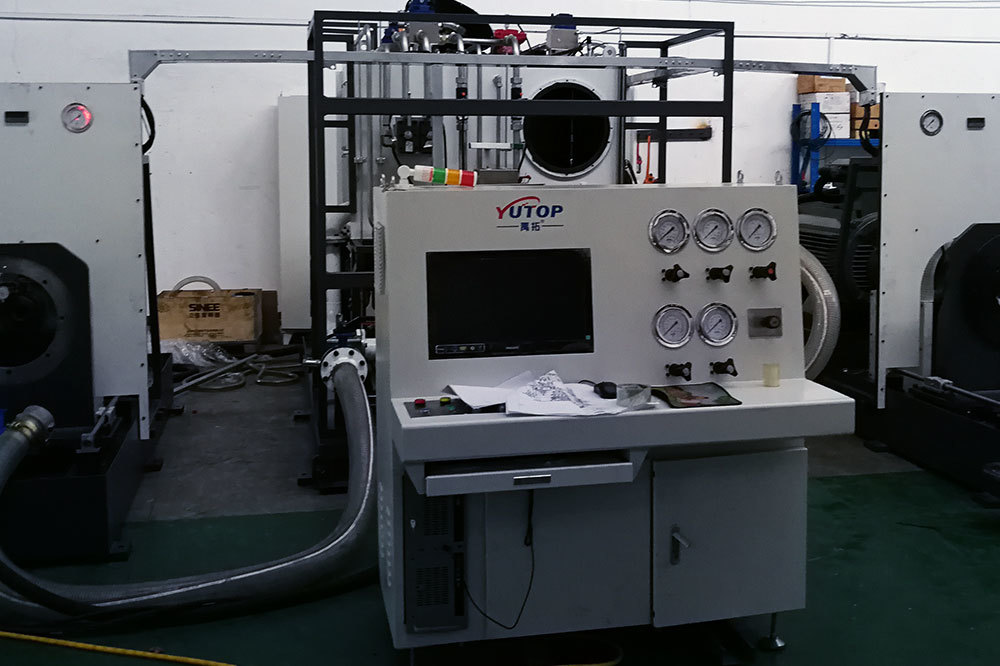
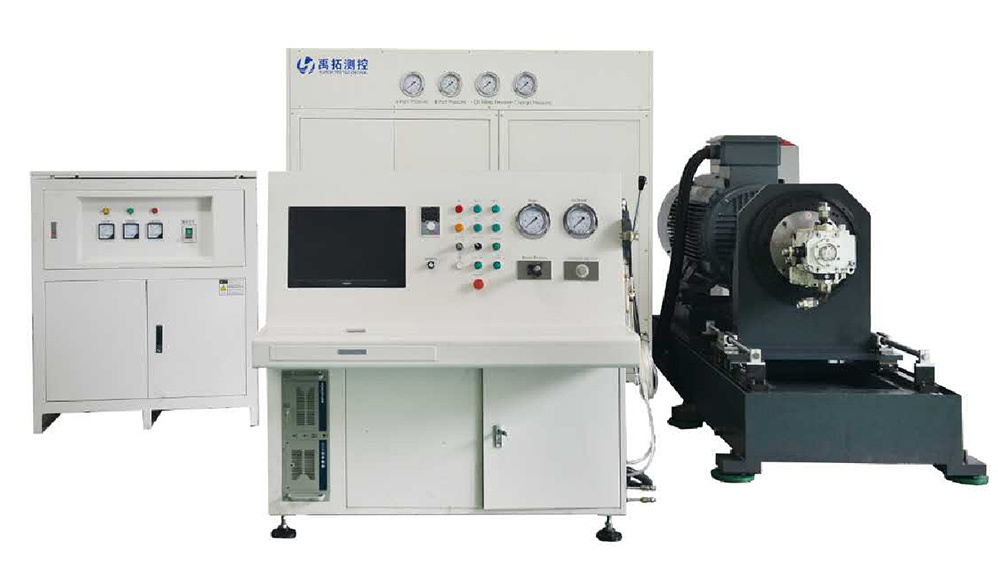
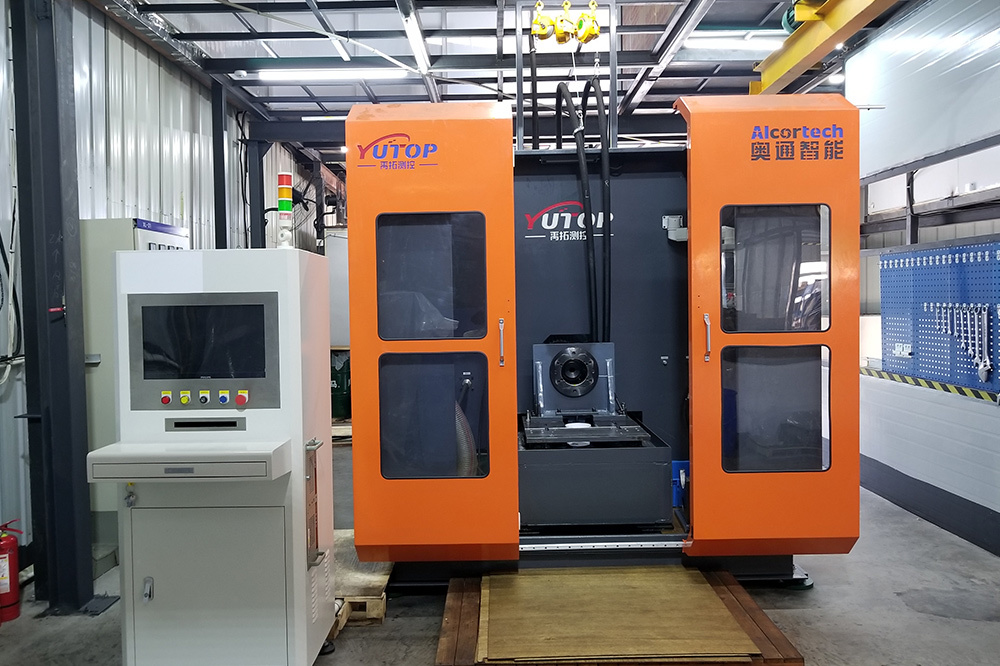
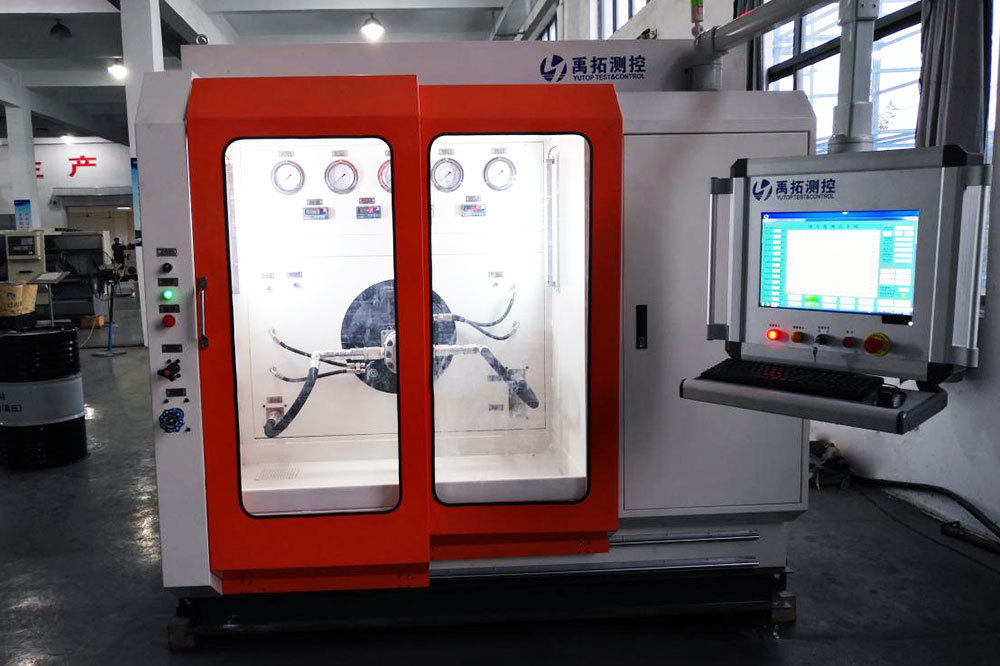
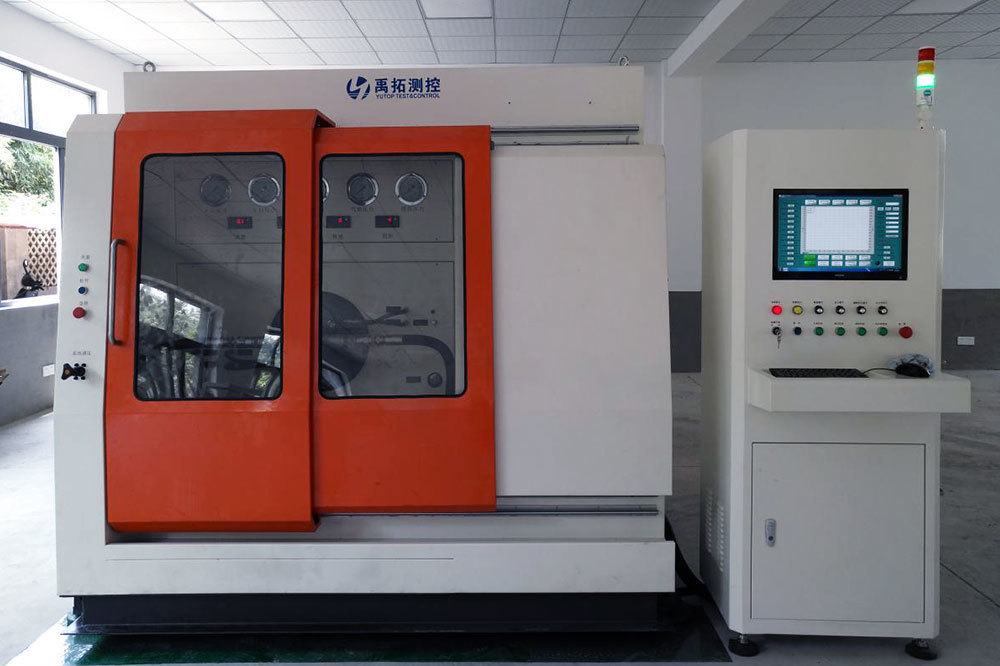
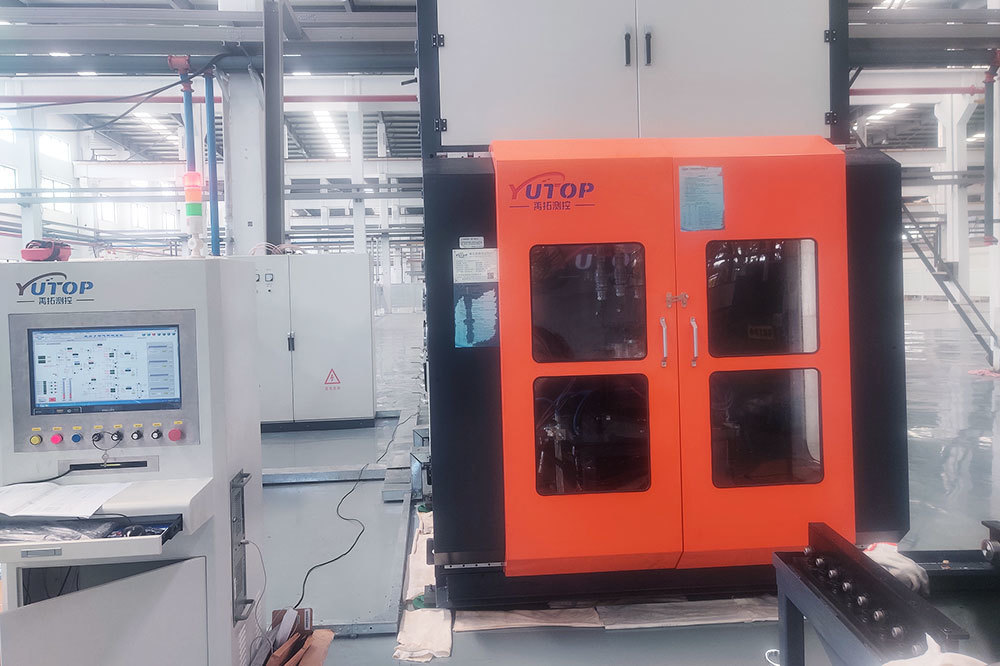
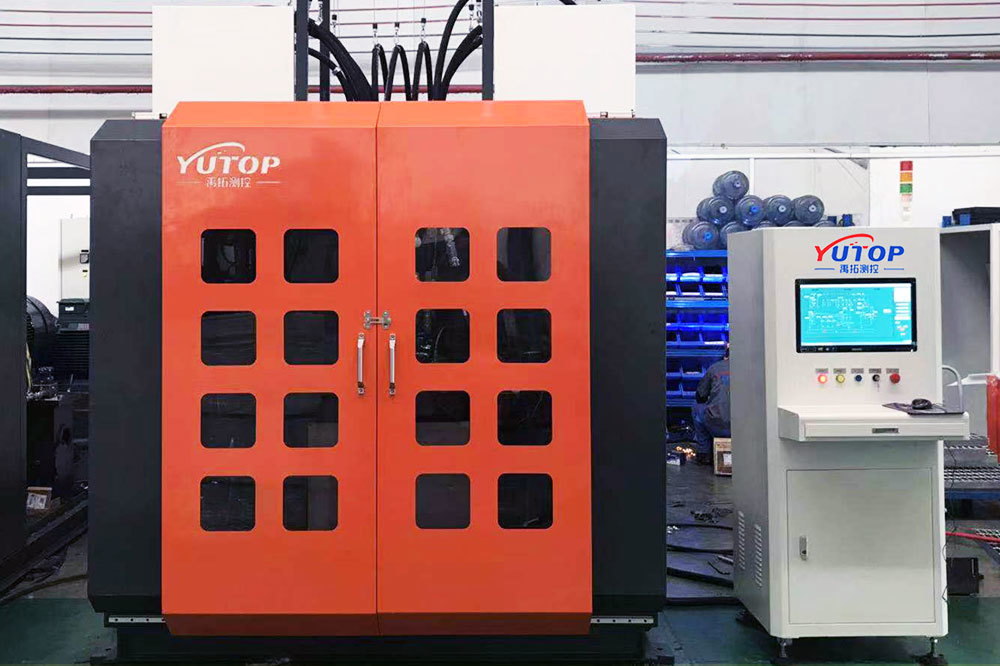
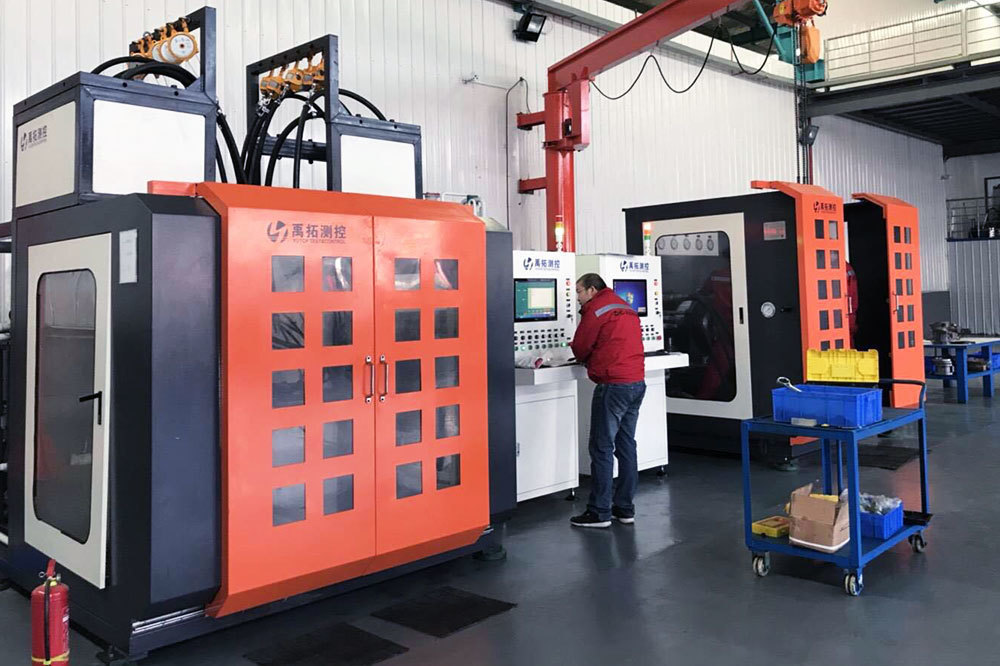
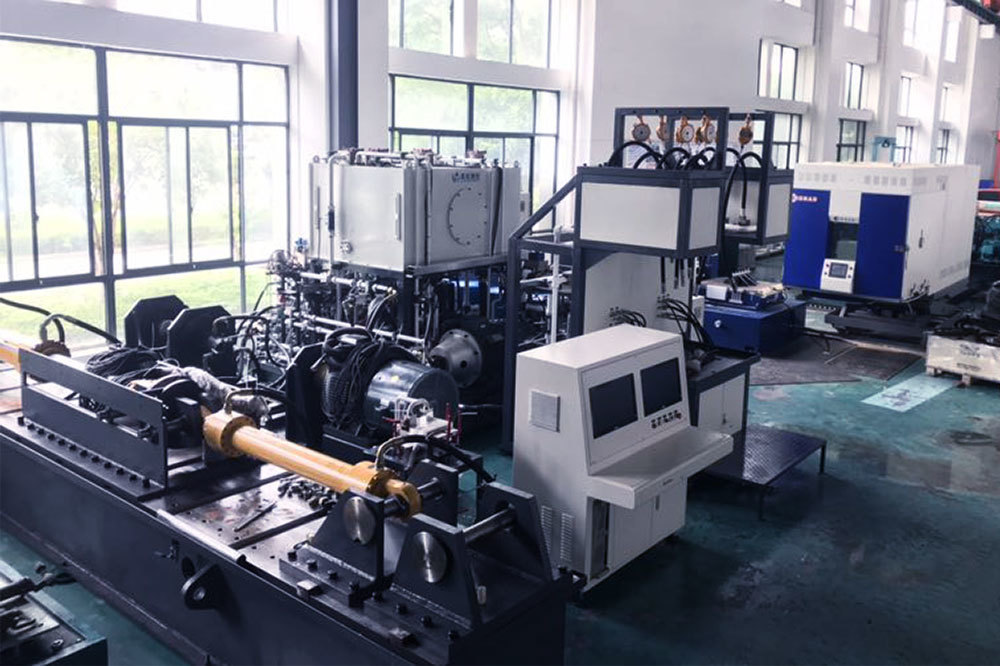
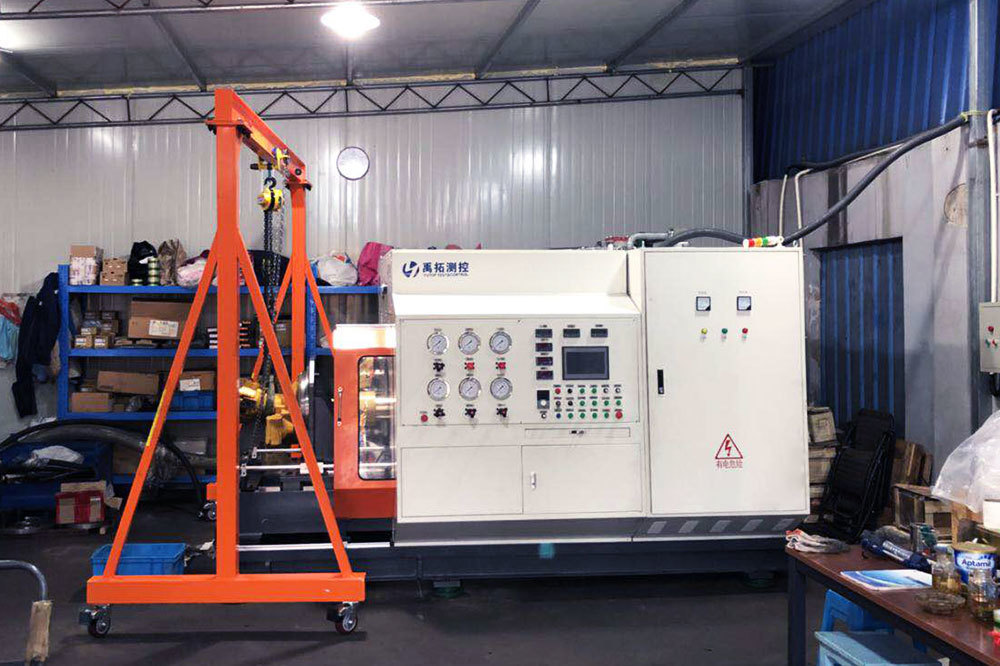
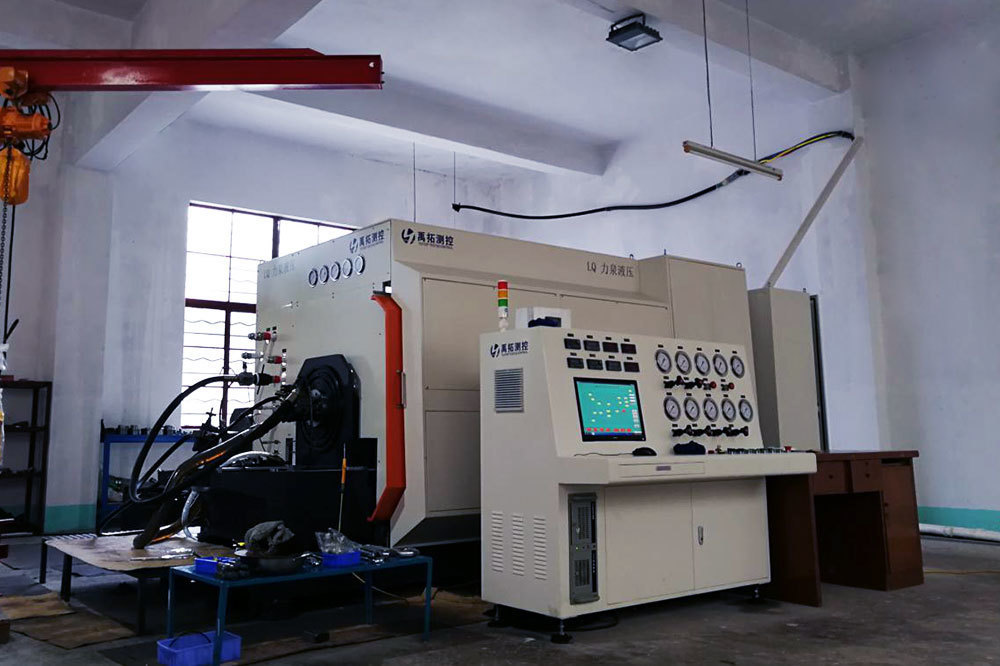
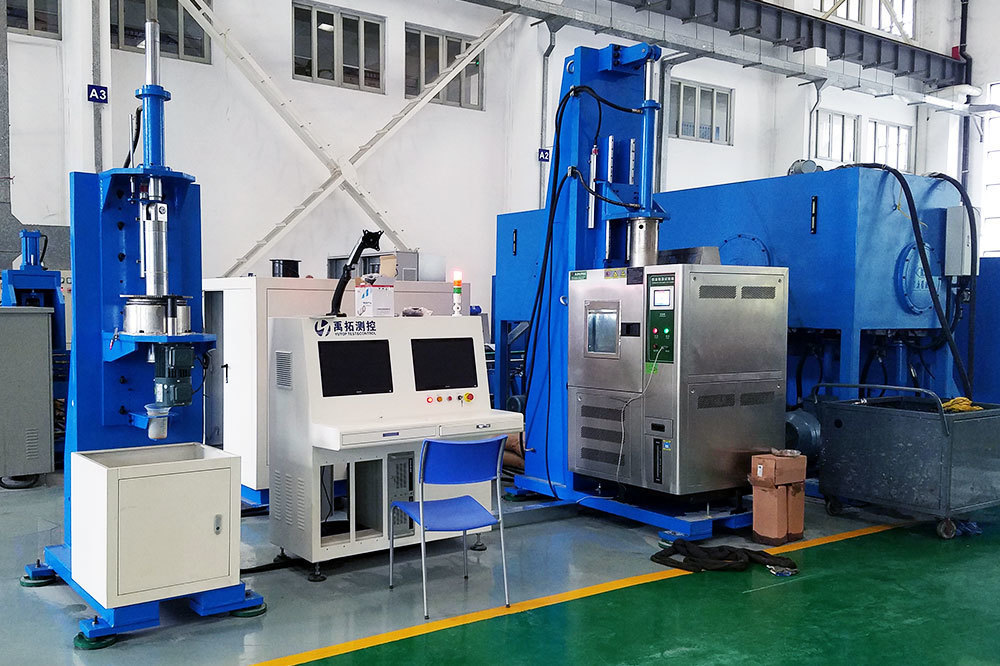
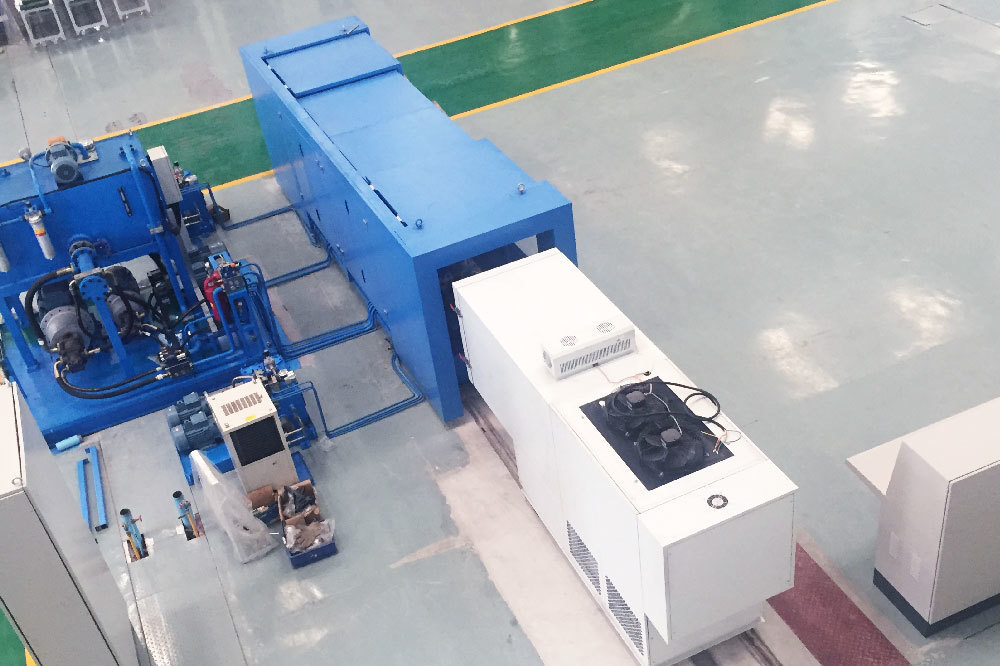
Hydraulic testing machines are designed to evaluate the pressure and flow characteristics of piston pumps. These machines simulate operational conditions to provide accurate performance data. They are essential for industries where pumps are subjected to high pressure.
4.2. Electronic Testers
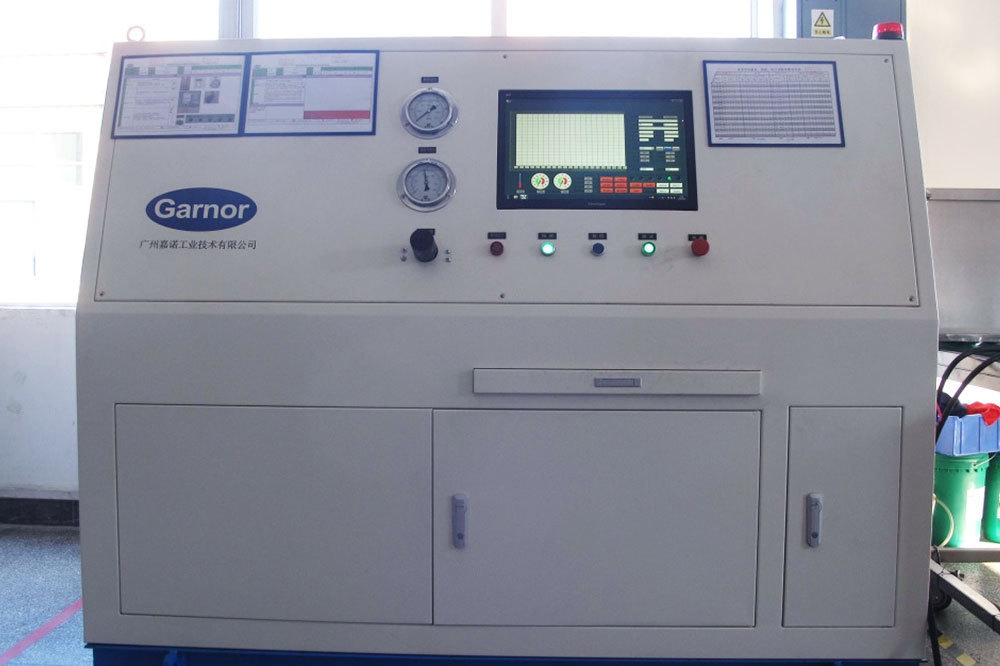
Electronic testers offer a range of features, including data logging and real-time monitoring. These testers are ideal for continuous performance evaluations and can often be integrated with existing systems for streamlined operations.
4.3. Calibration Devices
Calibration is fundamental in ensuring testing accuracy. Calibration devices help ensure that your testing equipment maintains its precision over time. Invest in quality calibration devices to uphold the integrity of your testing processes.
5. Understanding Testing Standards and Protocols
Adhering to established testing standards and protocols is crucial in maintaining the quality and reliability of your piston pumps. Familiarize yourself with industry standards such as ISO, ASME, and API, which outline the methodologies for testing pump performance. Compliance with these standards not only enhances safety but ensures the longevity of your equipment.
6. Cost Considerations for Piston Pump Testing Equipment
When selecting testing equipment, it's essential to consider the total cost of ownership. This includes initial costs, maintenance, and the potential for future upgrades. While it may be tempting to opt for lower-priced models, investing in quality equipment can lead to long-term savings through reduced downtime and maintenance costs.
7. Provider Reputation and Support Services
Choosing a reputable manufacturer or supplier is critical. Research their history, customer reviews, and support services. A reliable provider will offer warranties, customer support, and maintenance services to ensure your equipment remains effective over time. This level of support can significantly impact your operational efficiency.
8. Frequently Asked Questions (FAQs)
Q1: What is a piston pump used for?
A: Piston pumps are commonly used for transferring fluids, generating pressure, and providing hydraulic power in various industrial applications.
Q2: How often should I test my piston pump?
A: Testing frequency depends on operational requirements, but regular testing is recommended to ensure optimal performance and early detection of issues.
Q3: What are common issues found in piston pumps during testing?
A: Common issues include leaks, reduced efficiency, and unusual noise levels, which can indicate wear or internal damage.
Q4: Can I use the same testing equipment for different piston pumps?
A: Yes, provided the testing equipment is compatible with various models and sizes of piston pumps.
Q5: What should I do if my testing equipment provides inaccurate readings?
A: First, check for calibration issues or equipment malfunctions. If problems persist, consult the manufacturer for troubleshooting assistance.
9. Conclusion
Selecting the right piston pump testing equipment is a crucial step toward ensuring operational efficiency and reliability in your industrial processes. By considering key features such as accuracy, compatibility, and durability, you can make an informed decision that meets your specific needs. Understanding various types of testing equipment, adhering to industry standards, and investing in reputable providers will further enhance your operational capabilities. Prioritize quality and support to maintain the integrity of your piston pumps, ensuring they deliver optimal performance for years to come.

Room 207, 2nd Floor, Block C, Building 1 (Self-designated), No. 3 Yunkai Road, Yunpu Industrial Zone, Huangpu District, Guangzhou City,China


