

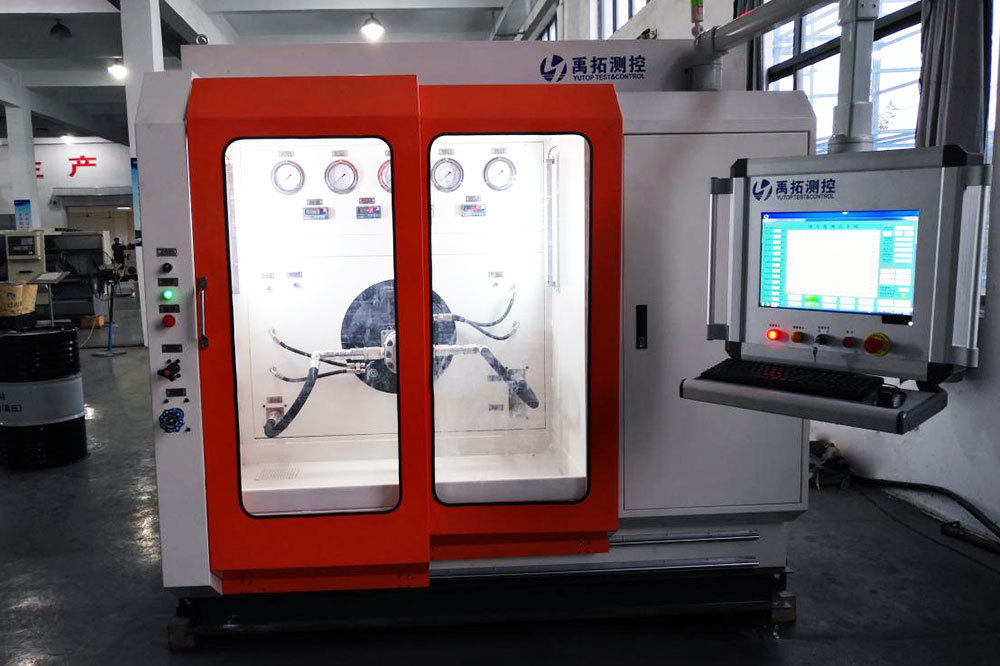
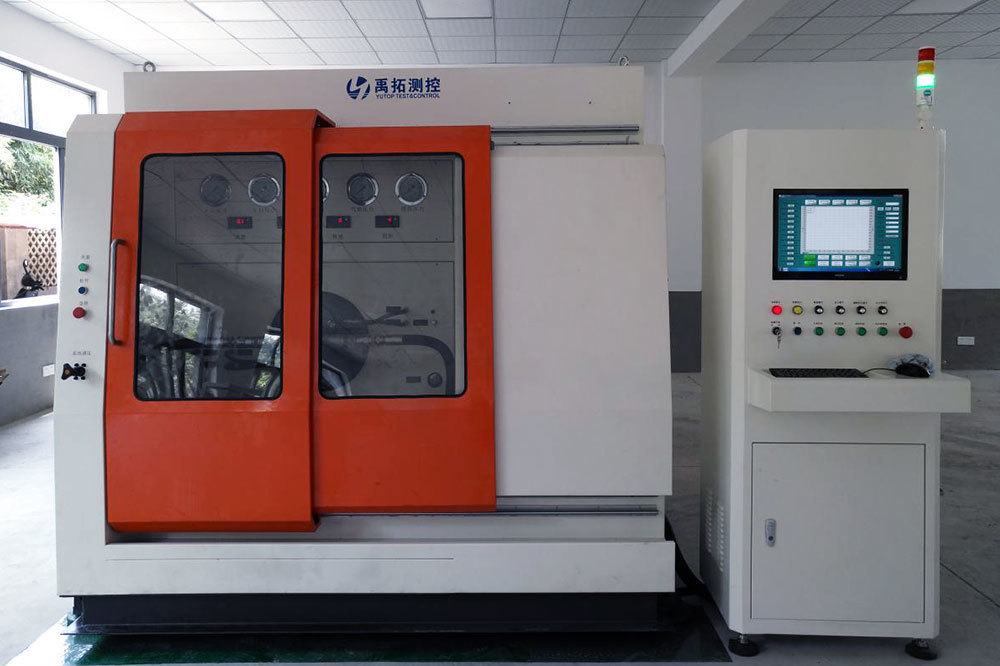
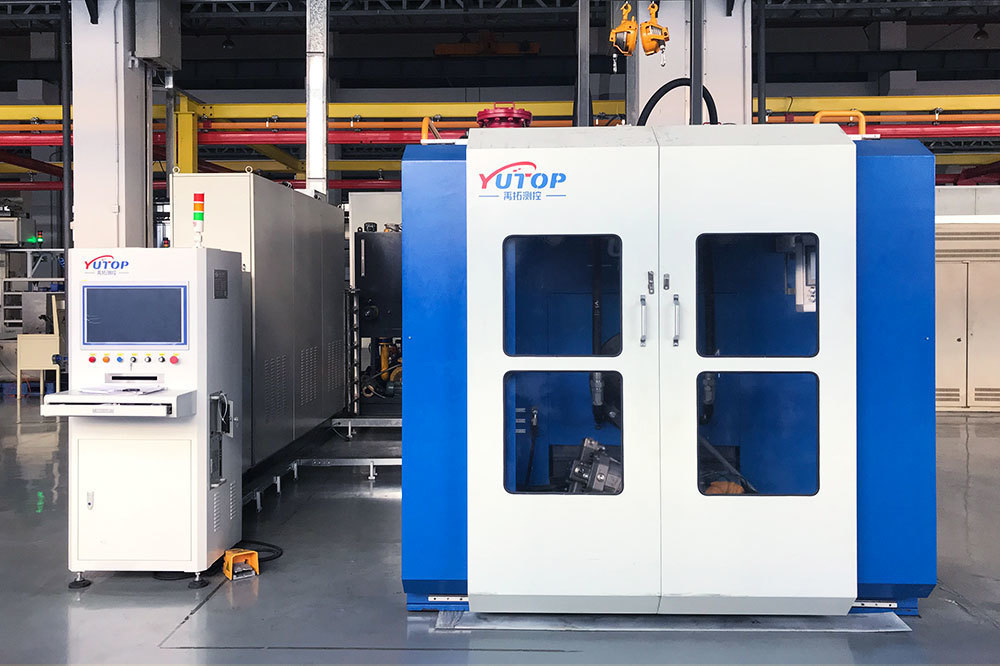
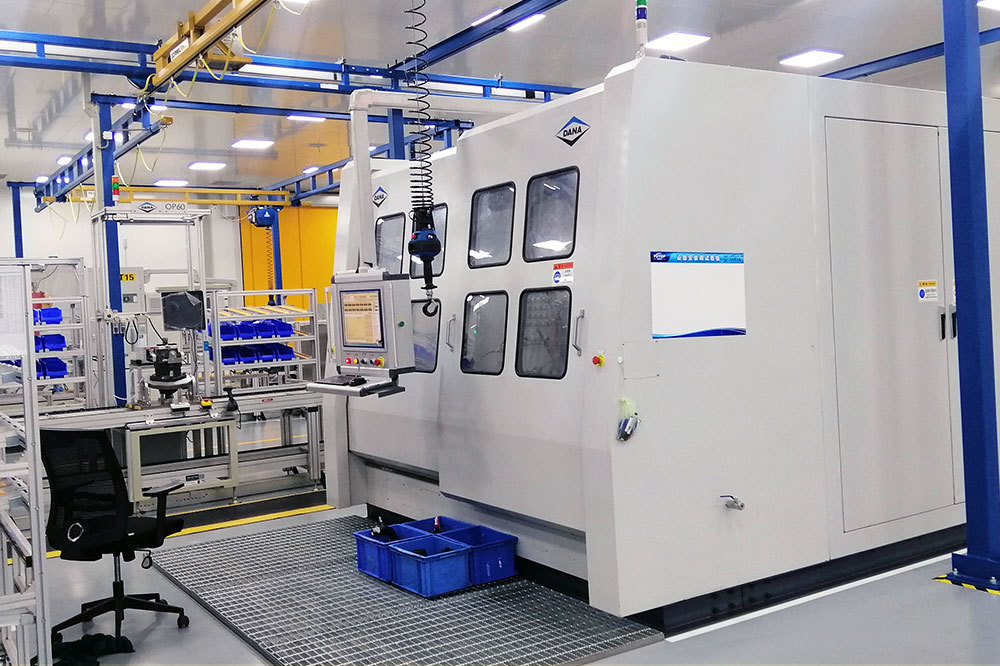
Choosing the Right Hydraulic Motor Test System for Your Industrial Needs
Choosing the Right Hydraulic Motor Test System for Your Industrial Needs In the world of industrial machinery, the efficiency and reliability of hydraulic systems can make or break productivity. Selecting the appropriate hydraulic motor test system is crucial for ensuring that your equipment operates at peak performance and adheres to industry standards. This article delves deep into the factors
Nov 23,2025

Choosing the Right Hydraulic Motor Test System for Your Industrial Needs
In the world of industrial machinery, the efficiency and reliability of hydraulic systems can make or break productivity. Selecting the appropriate hydraulic motor test system is crucial for ensuring that your equipment operates at peak performance and adheres to industry standards. This article delves deep into the factors to consider when choosing a hydraulic motor test system, providing insights that will help you make an informed decision.
The Importance of Hydraulic Motor Test Systems
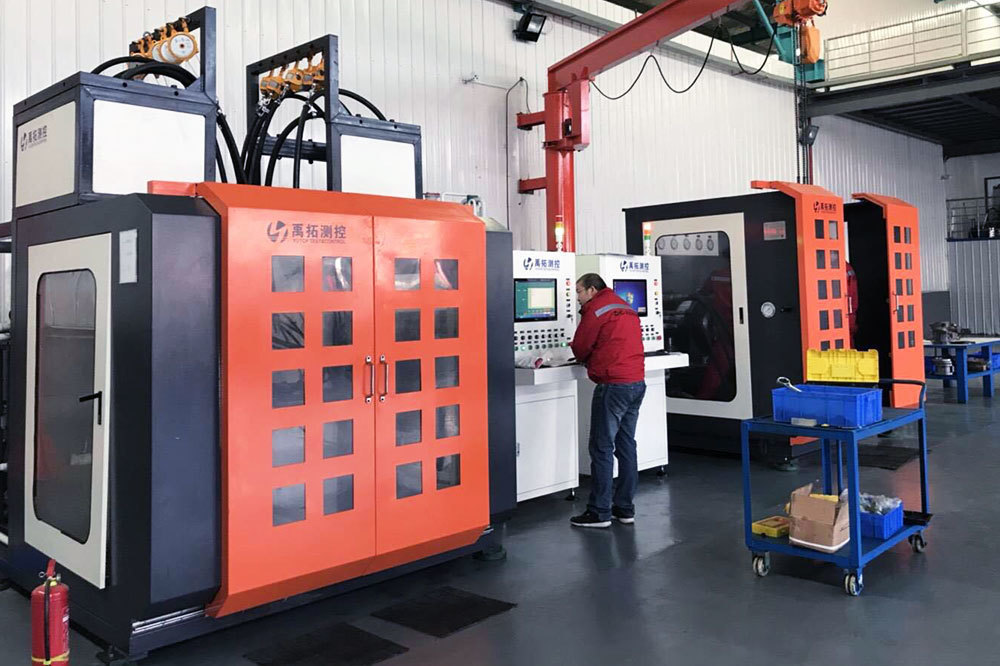
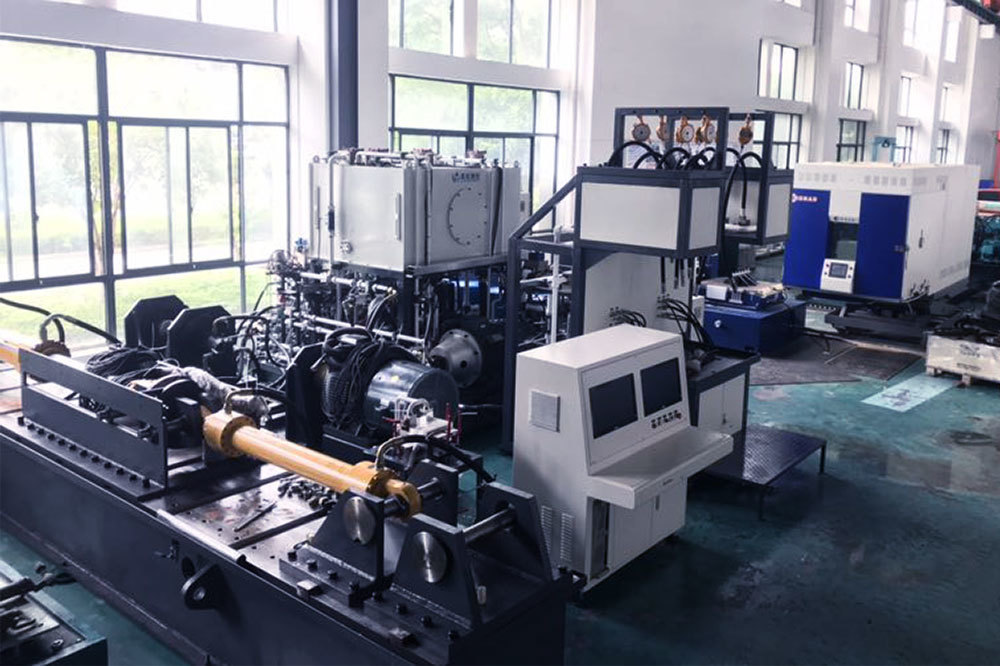
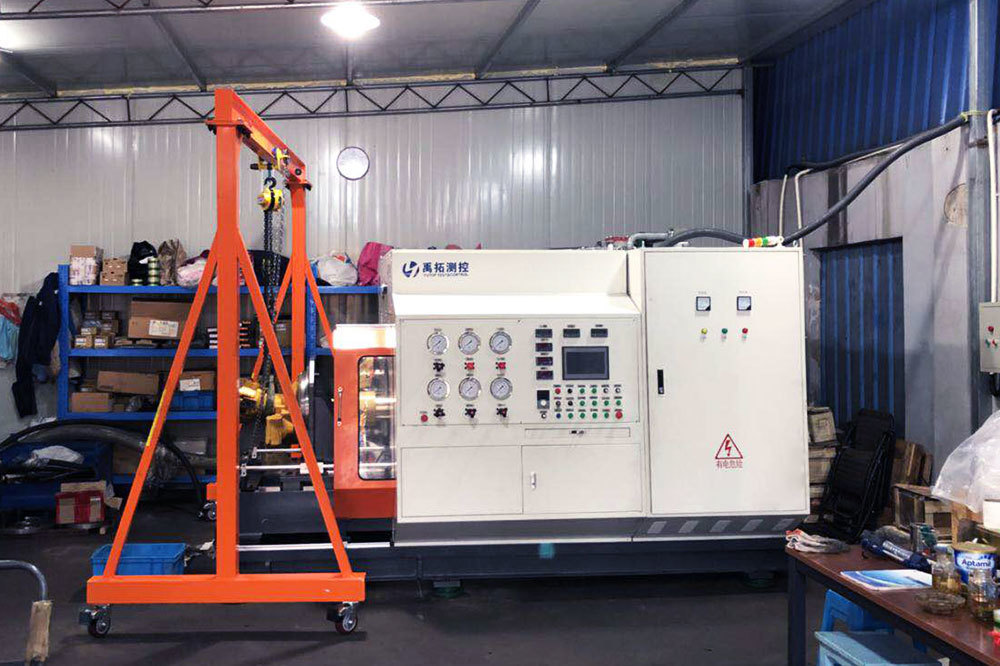
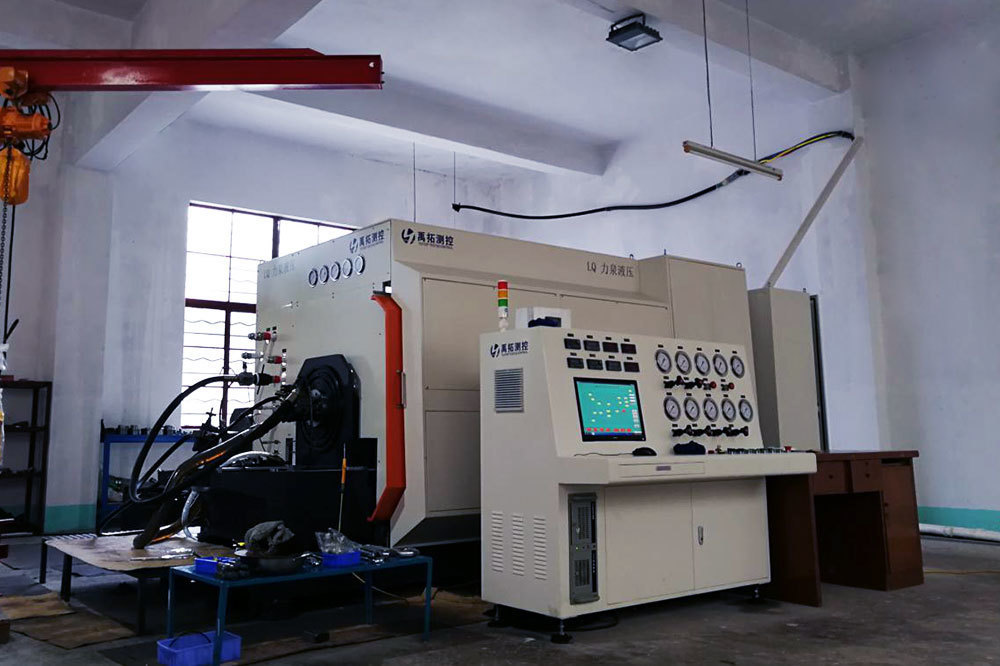
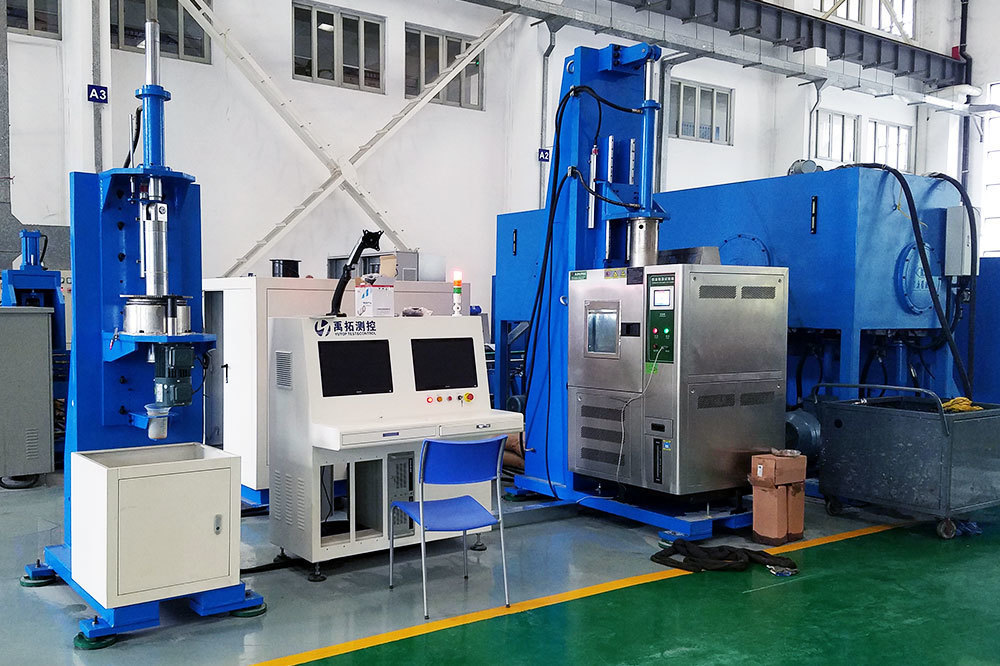
Hydraulic motors are pivotal in various industrial applications, from construction to manufacturing. A hydraulic motor test system is designed to evaluate the performance of these motors under different conditions. Ensuring that these motors meet their specifications is essential for:
- Safety: Faulty motors can lead to accidents and equipment damage.
- Efficiency: Well-tested motors ensure optimal operation, reducing energy consumption.
- Compliance: Adhering to industry standards is crucial for legal and operational reasons.
Key Components of Hydraulic Motor Test Systems
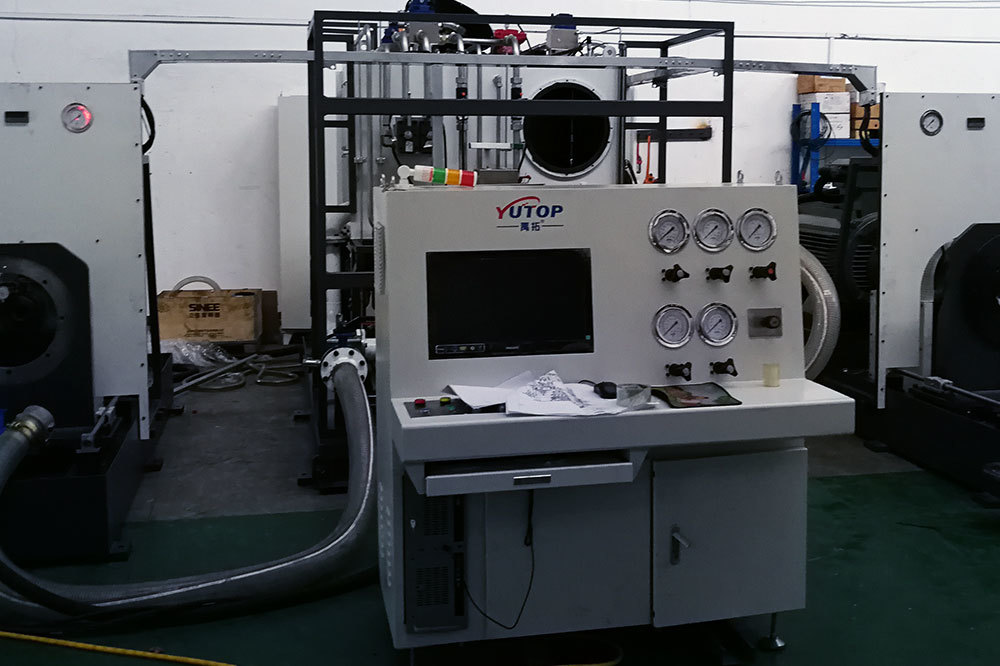
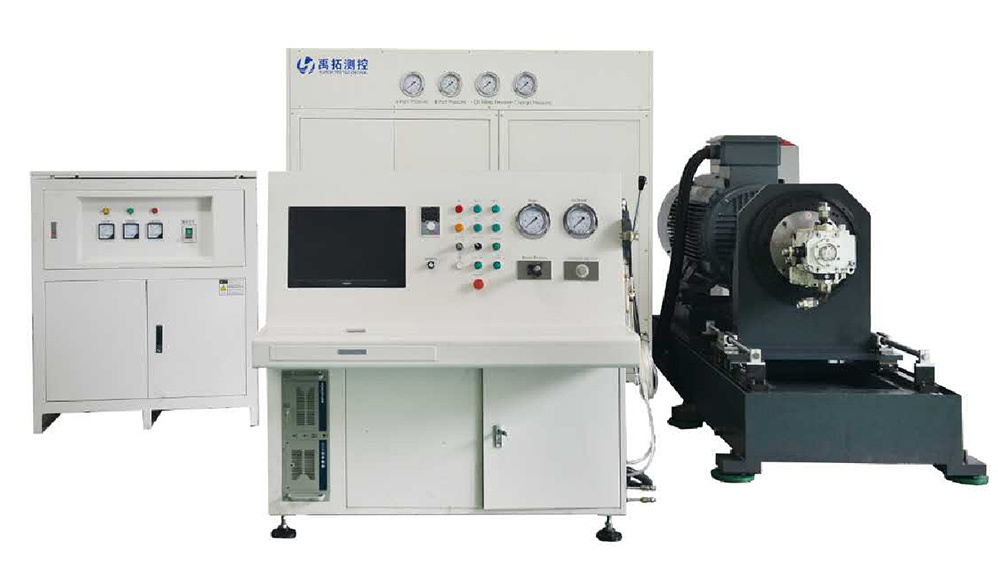
When choosing a hydraulic motor test system, understanding its components is fundamental. Here are the key elements to consider:
1. Control System
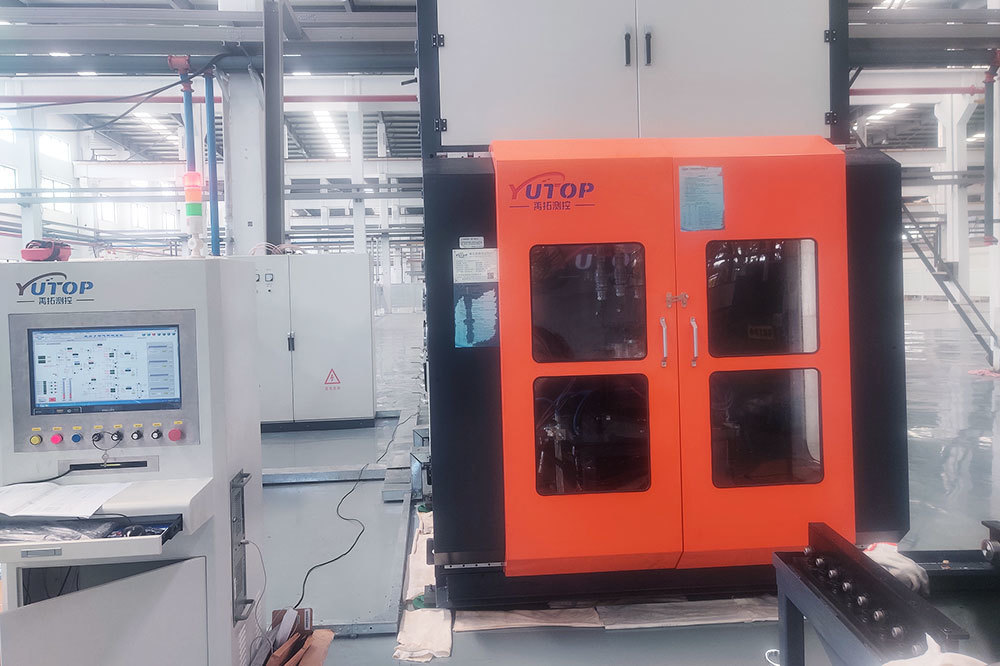
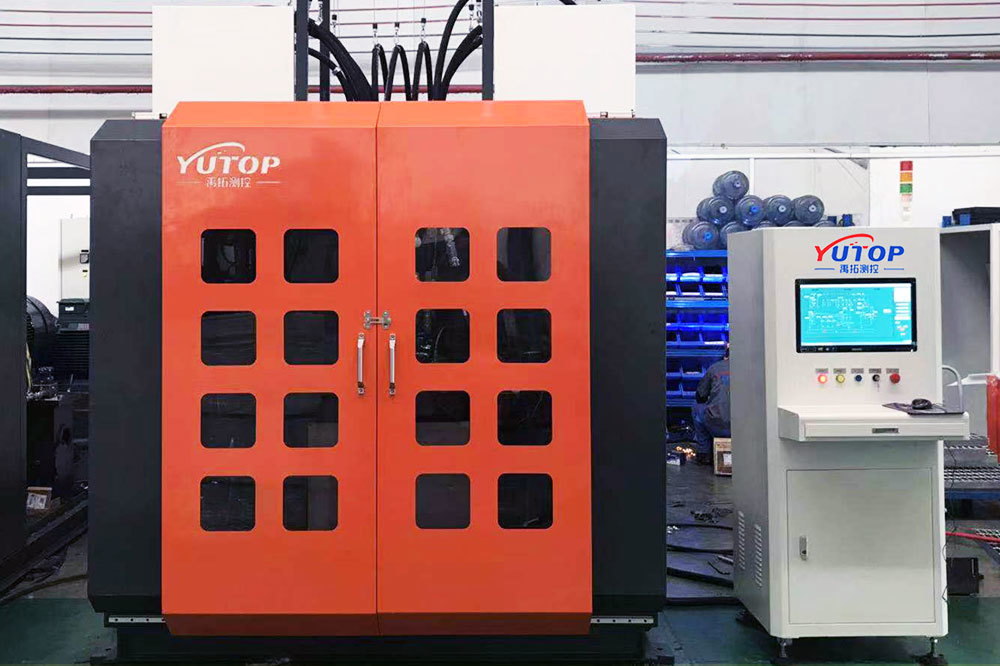
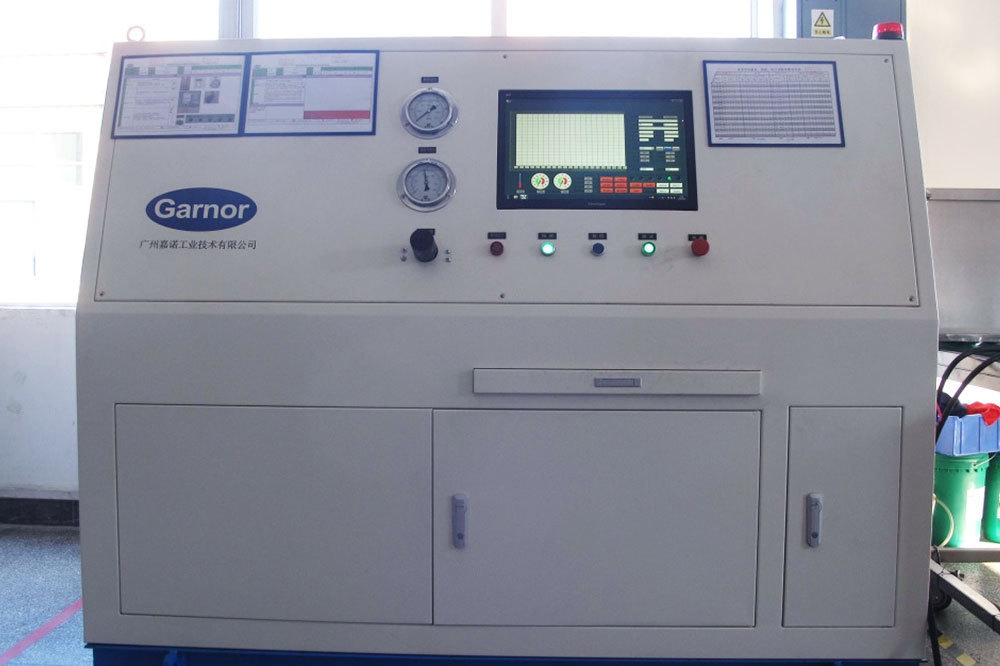
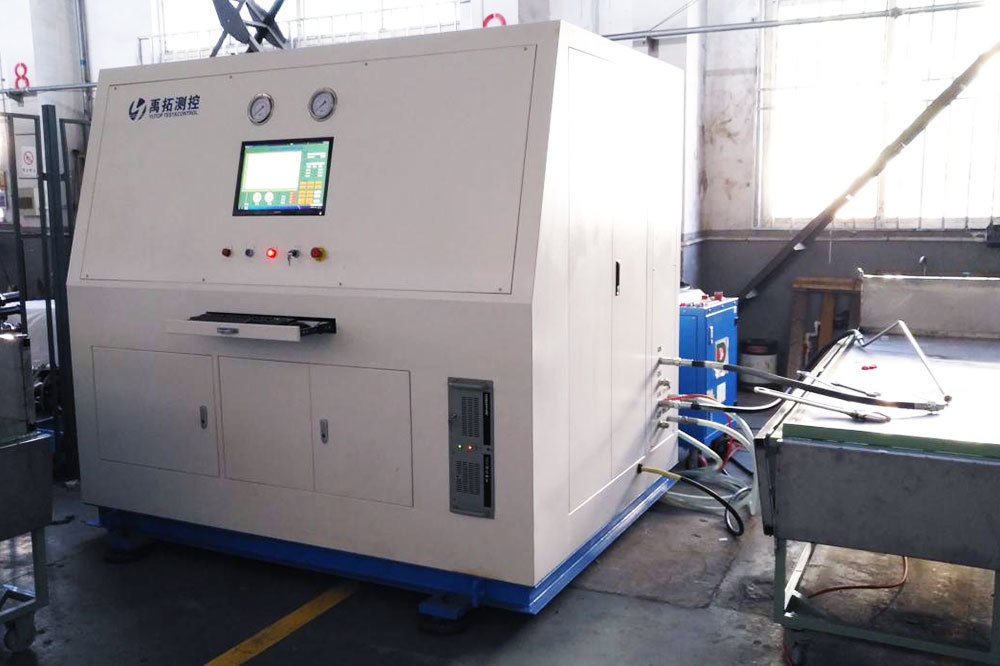
The control system is the brain of the hydraulic motor test system. It allows operators to adjust parameters and monitor tests in real time. Look for systems with user-friendly interfaces and advanced features such as data logging and remote access.
2. Data Acquisition
A robust data acquisition system is essential for collecting performance metrics during testing. This system should record parameters like torque, speed, pressure, and temperature, providing detailed insights into motor performance.
3. Hydraulic Power Unit (HPU)
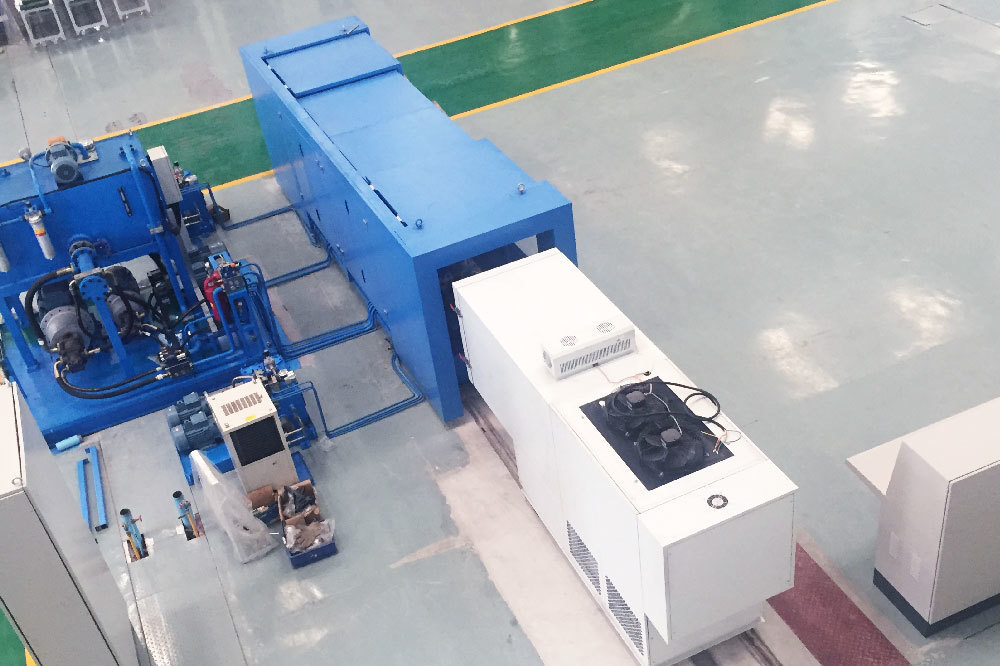
The HPU supplies hydraulic fluid under pressure to the motor being tested. When selecting an HPU, consider its capacity and efficiency, as these factors directly influence testing accuracy.
4. Measuring Instruments
Accurate measuring instruments are vital for reliable test results. Look for high-quality torque transducers, flow meters, and pressure sensors that can withstand different testing conditions.
Factors to Consider When Choosing a Hydraulic Motor Test System
When selecting the right hydraulic motor test system, various factors influence your decision. Here’s a detailed breakdown:
1. Testing Requirements
Identify the specific testing requirements for your hydraulic motors. Consider factors like:
- The type of hydraulic motors you will test (gear, piston, or vane)
- Operational speed ranges
- Pressure thresholds
2. Load Capacity
The load capacity of a hydraulic motor test system determines the maximum force it can measure without compromising accuracy. Ensure that the system you choose can handle the load requirements of your industrial applications.
3. Automation Level
Automation can enhance testing efficiency and reduce human error. Consider whether you want a fully automated system, semi-automated, or a manual setup. Automated systems typically offer features like programmable test sequences and automatic data logging.
4. Calibration and Maintenance Needs
Regular calibration and maintenance are critical for ensuring ongoing accuracy. Choose a system that is easy to calibrate and requires minimal maintenance. Check if the manufacturer provides comprehensive support, including calibration services.
5. Budget Considerations
Budget is always a significant factor. While it may be tempting to opt for the cheapest option, investing in a high-quality hydraulic motor test system can save you money in the long run. Balance initial costs with long-term benefits like durability, accuracy, and support.
Types of Hydraulic Motor Test Systems
Different types of hydraulic motor test systems serve unique industrial needs. Below are some popular types:
1. Static Test Systems
Static test systems are designed to evaluate hydraulic motors under fixed conditions. They provide precise measurements of torque and power output while maintaining a constant speed.
2. Dynamic Test Systems
Dynamic test systems assess hydraulic motors under varying conditions, simulating real-world applications. These systems are equipped with advanced control systems to adjust parameters during testing.
3. Portable Test Systems
For industries requiring mobility, portable hydraulic motor test systems offer flexibility. These systems are compact and easy to transport, making them ideal for field testing and maintenance activities.
Common Testing Standards for Hydraulic Motors
Adhering to industry standards is crucial for ensuring the reliability and safety of hydraulic motors. Familiarize yourself with the following testing standards:
1. ISO 9001
This standard outlines the requirements for a quality management system and ensures that organizations consistently meet customer and regulatory requirements.
2. DIN Standards
The Deutsches Institut für Normung (DIN) provides engineering standards that cover various aspects of hydraulic equipment, including performance testing.
3. SAE Standards
The Society of Automotive Engineers (SAE) has established standards for hydraulic pumps and motors, focusing on performance and safety testing.
Best Practices for Operating Hydraulic Motor Test Systems
To achieve the best results from your hydraulic motor test system, follow these best practices:
1. Proper Training
Ensure that all operators are adequately trained in using the test system. This includes understanding the control systems, data interpretation, and safety protocols.
2. Regular Maintenance
Implement a regular maintenance schedule to keep your test system in optimal condition. This includes checking hydraulic fluid levels, inspecting hoses, and calibrating instruments.
3. Data Analysis
Analyze test data thoroughly to identify trends and areas for improvement. Use this information to optimize motor design and enhance performance.
Frequently Asked Questions (FAQs)
1. What is the main purpose of hydraulic motor test systems?
The primary purpose of hydraulic motor test systems is to evaluate the performance and reliability of hydraulic motors, ensuring they meet industry standards and operational requirements.
2. How do I know which hydraulic motor test system is right for my needs?
Consider your specific testing requirements, load capacity, automation preferences, budget, and the types of hydraulic motors you'll be testing.
3. Are there portable hydraulic motor test systems available?
Yes, several manufacturers offer portable hydraulic motor test systems designed for field testing and ease of transport.
4. What are the key components of a hydraulic motor test system?
Key components include a control system, data acquisition system, hydraulic power unit (HPU), and measuring instruments.
5. Why is regular maintenance important for hydraulic motor test systems?
Regular maintenance ensures the accuracy and reliability of test results, prolongs the life of the equipment, and minimizes downtime.
Conclusion
Choosing the right hydraulic motor test system is a critical step in ensuring the efficiency and reliability of your industrial operations. By understanding the key components, factors to consider, and best practices, you can make an informed decision that meets your specific needs. Investing in a quality hydraulic motor test system not only enhances performance but also ensures compliance with industry standards. Take the time to evaluate your options, and you will find the perfect solution to maximize the potential of your hydraulic motors.

Room 207, 2nd Floor, Block C, Building 1 (Self-designated), No. 3 Yunkai Road, Yunpu Industrial Zone, Huangpu District, Guangzhou City,China


