

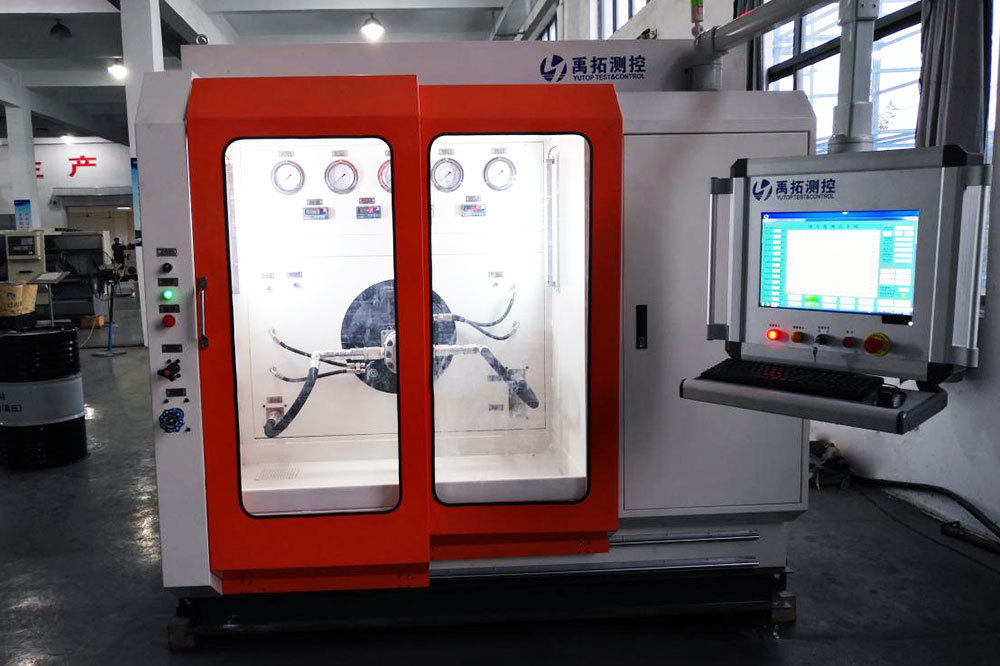
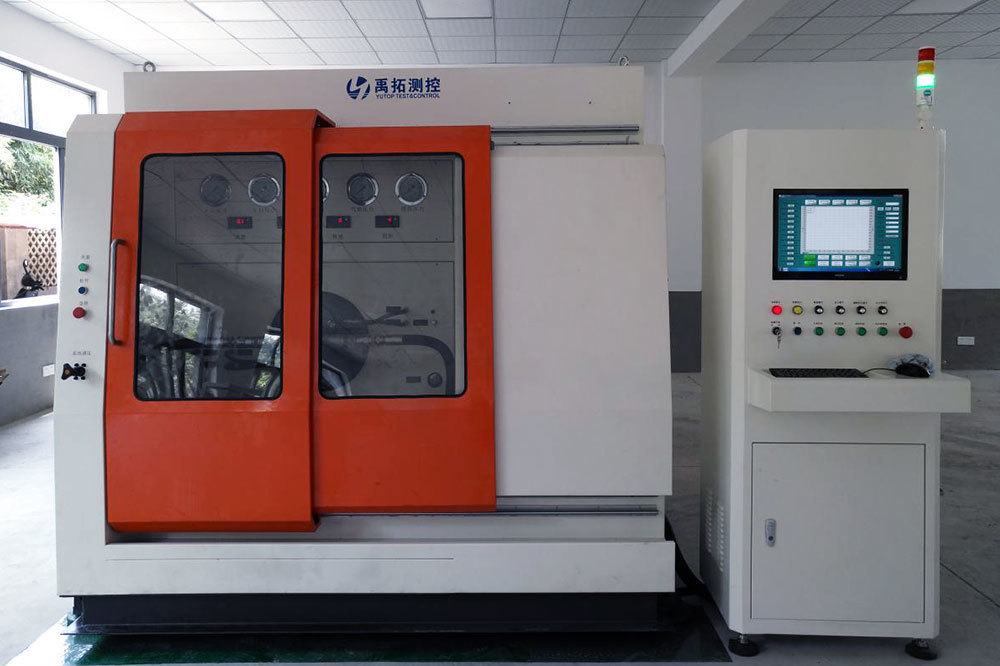
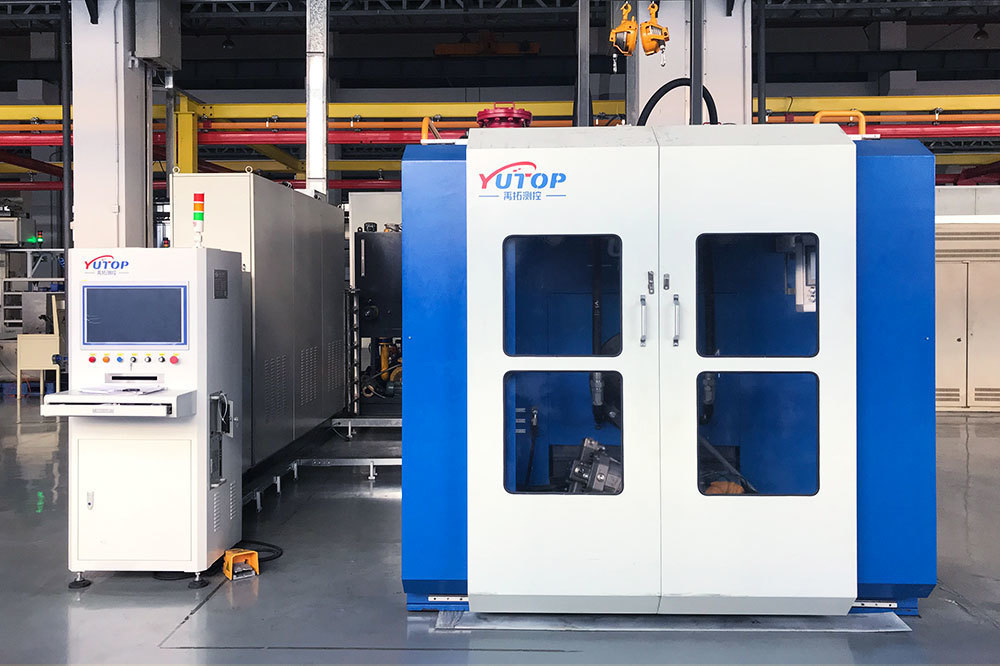
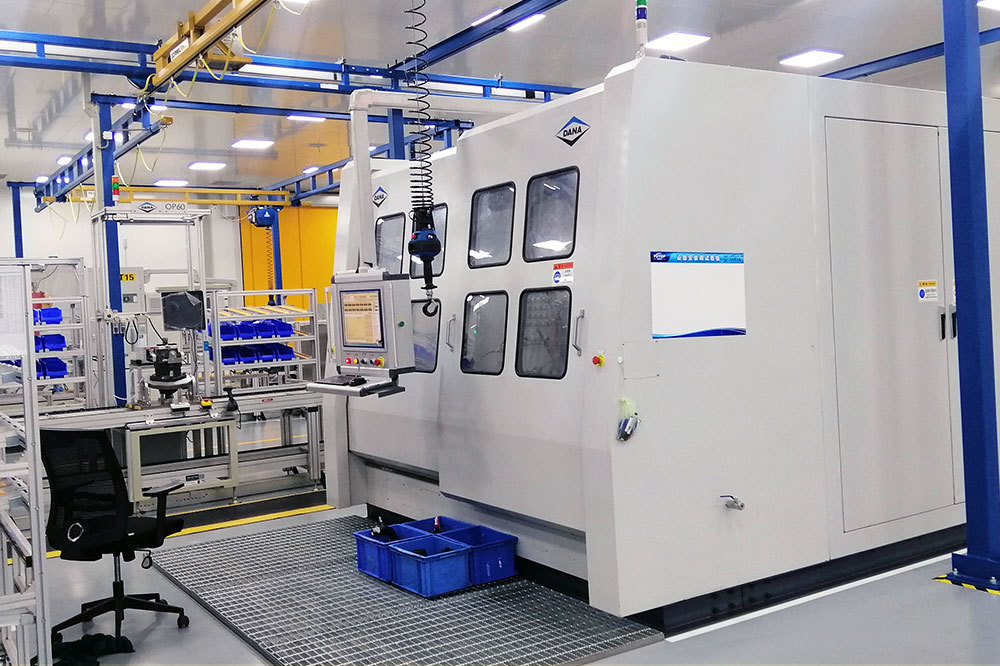
The Role of Piston Pump Testing Equipment in Enhancing Pump Performance
The Role of Piston Pump Testing Equipment in Enhancing Pump Performance Table of Contents 1. Introduction to Piston Pump Testing Equipment 2. Importance of Piston Pump Testing 3. Types of Piston Pump Testing Equipment 4. Testing Methodologies for Piston Pumps 5. How Testing Equipment Enhances Pump Performance 6. Real-World Applications and Case Studies 7. Integration o
Nov 29,2025
The Role of Piston Pump Testing Equipment in Enhancing Pump Performance
Table of Contents
- 1. Introduction to Piston Pump Testing Equipment
- 2. Importance of Piston Pump Testing
- 3. Types of Piston Pump Testing Equipment
- 4. Testing Methodologies for Piston Pumps
- 5. How Testing Equipment Enhances Pump Performance
- 6. Real-World Applications and Case Studies
- 7. Integration of Testing Equipment in Maintenance Routines
- 8. Future Trends in Piston Pump Testing Technology
- 9. Frequently Asked Questions
- 10. Conclusion
1. Introduction to Piston Pump Testing Equipment
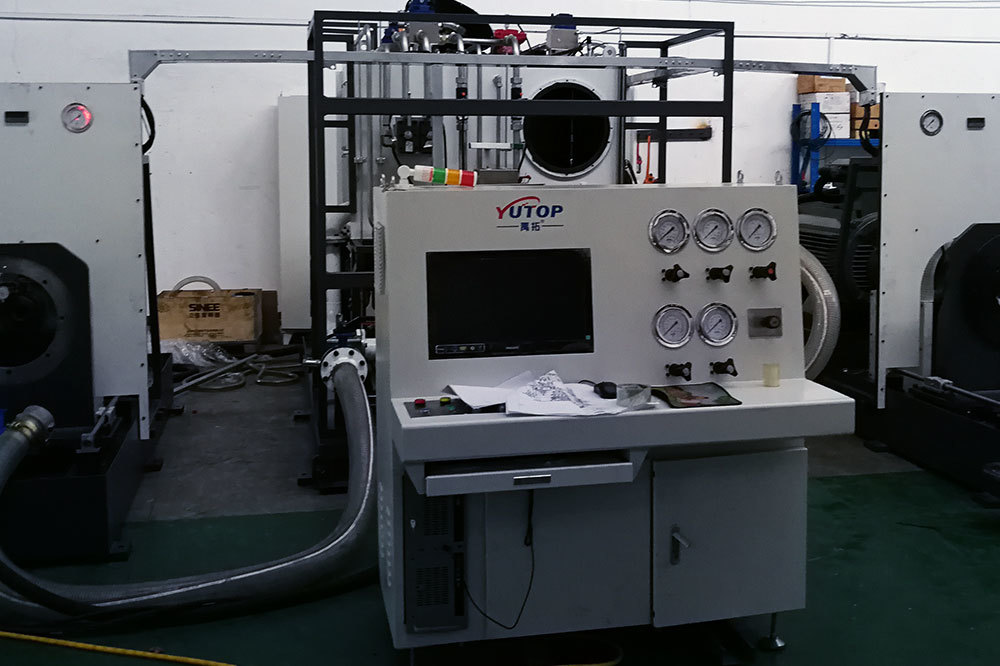
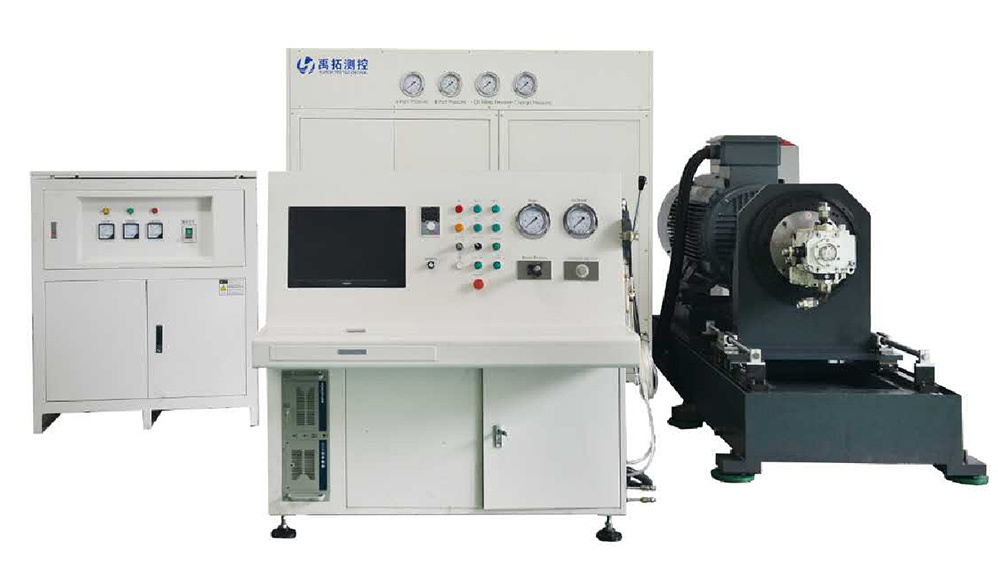
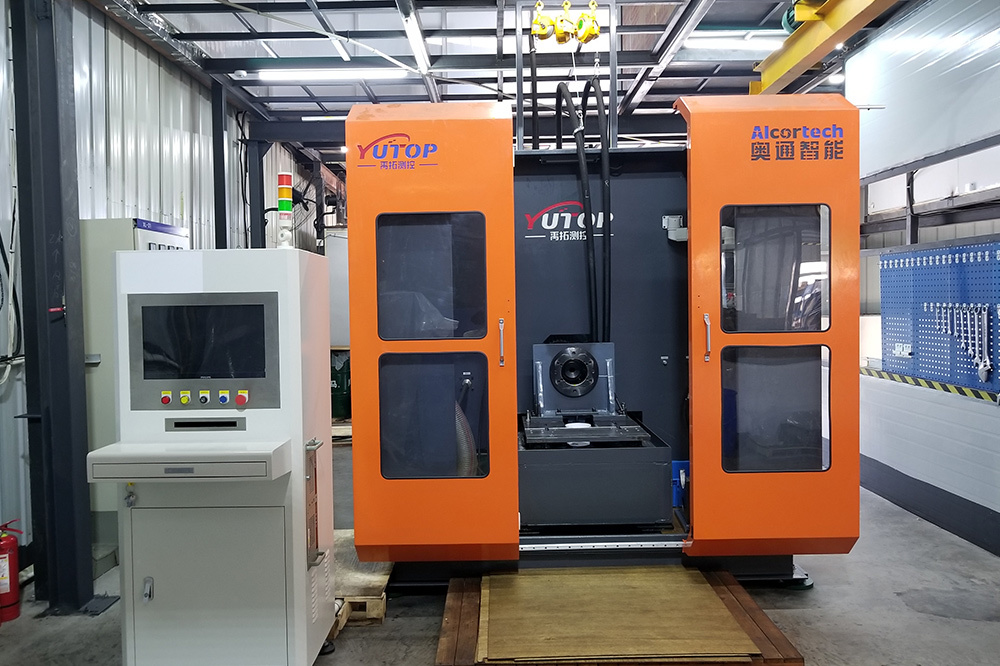
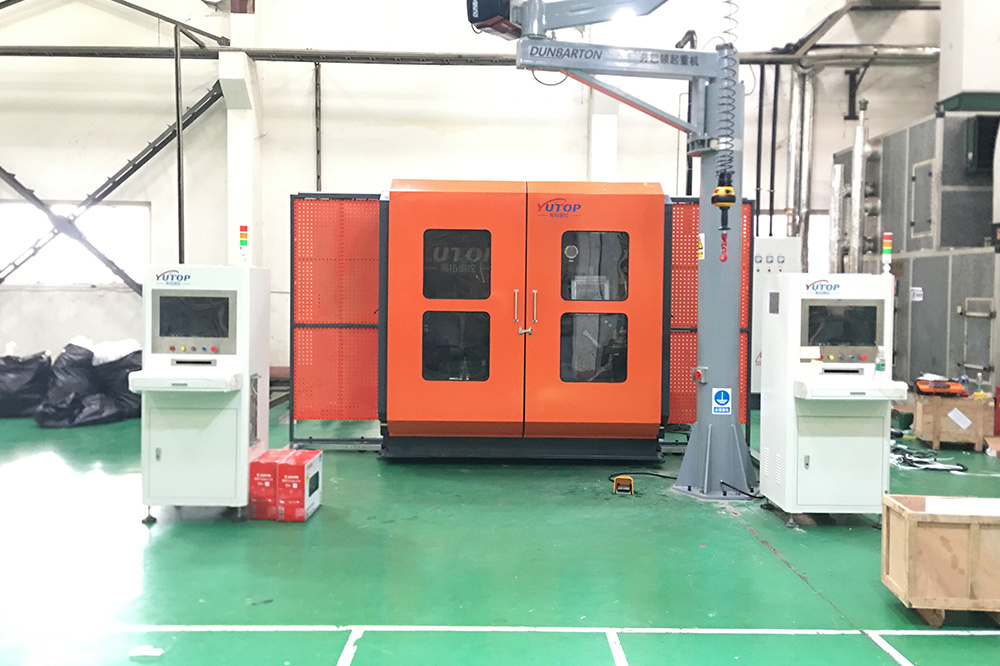
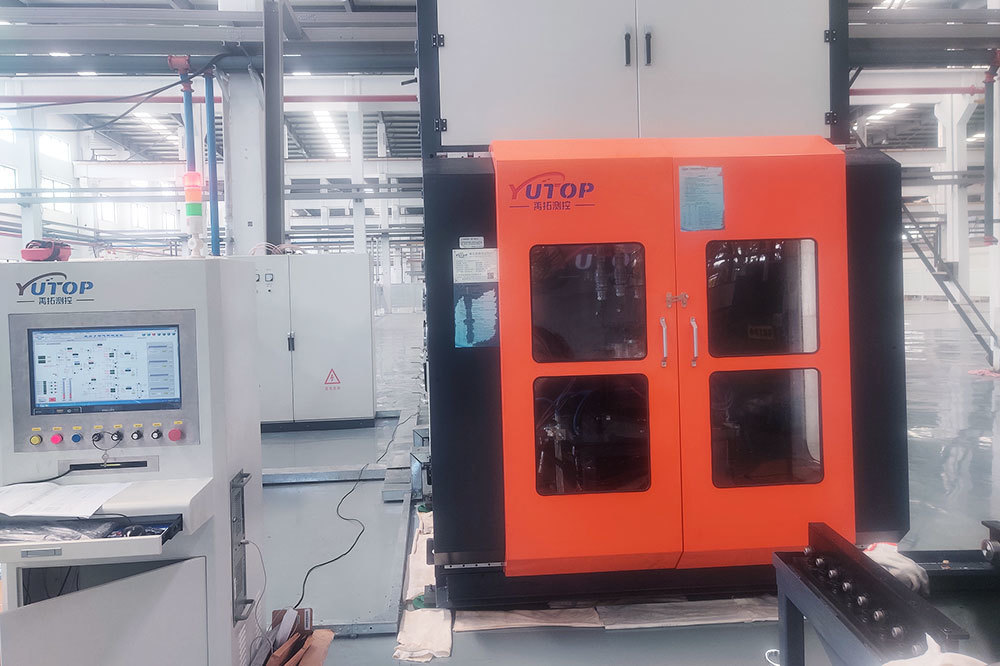
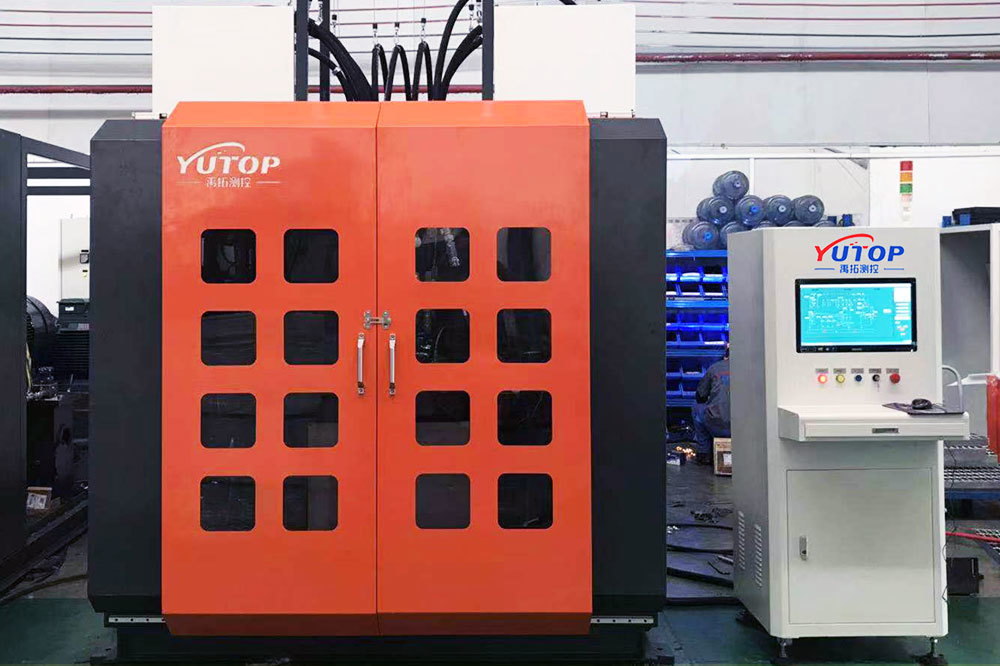
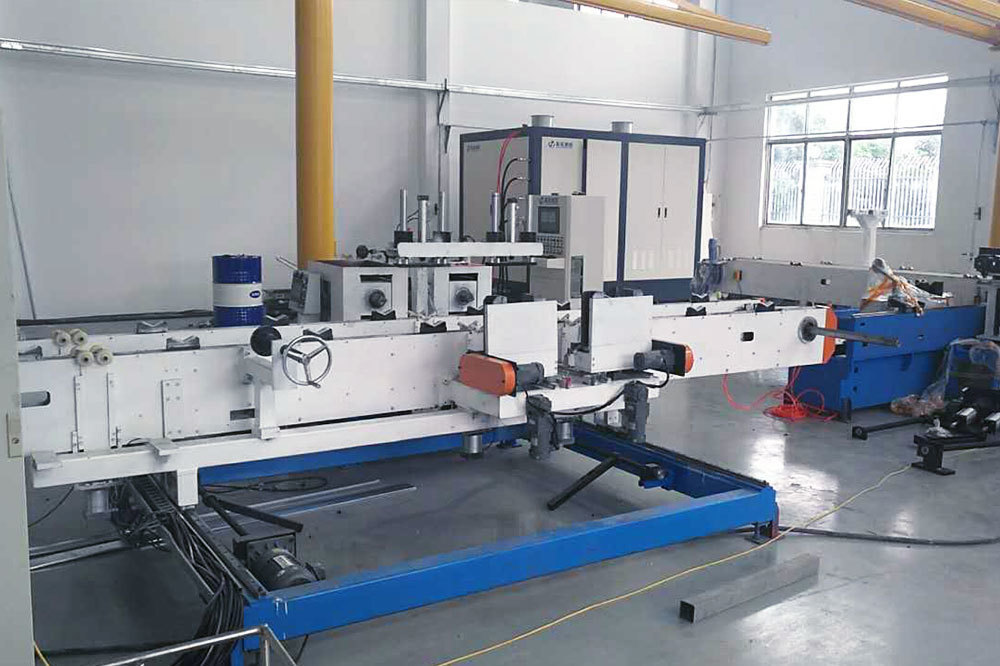
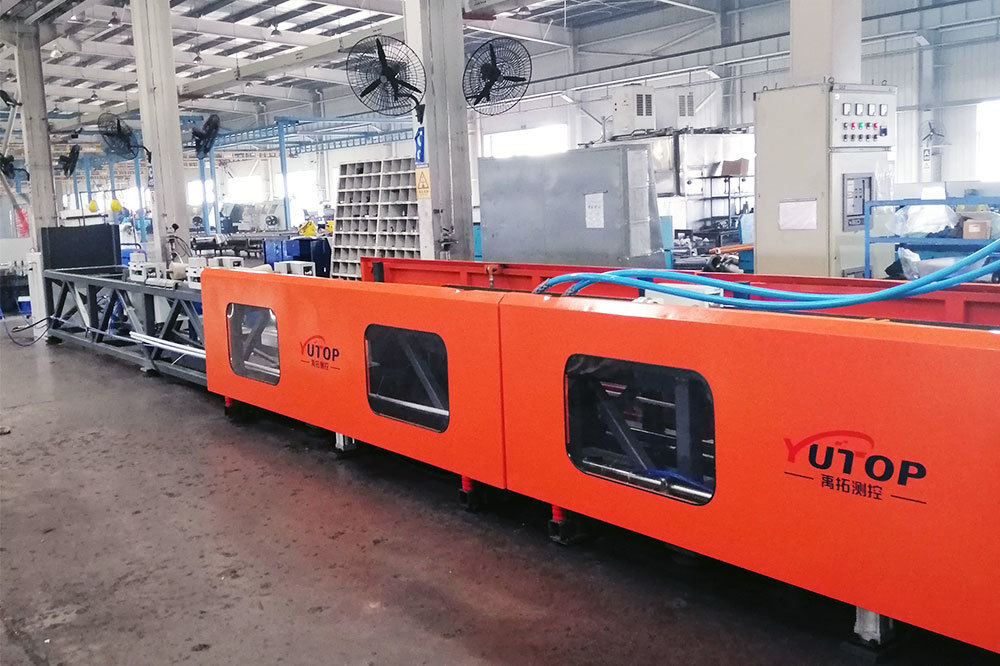
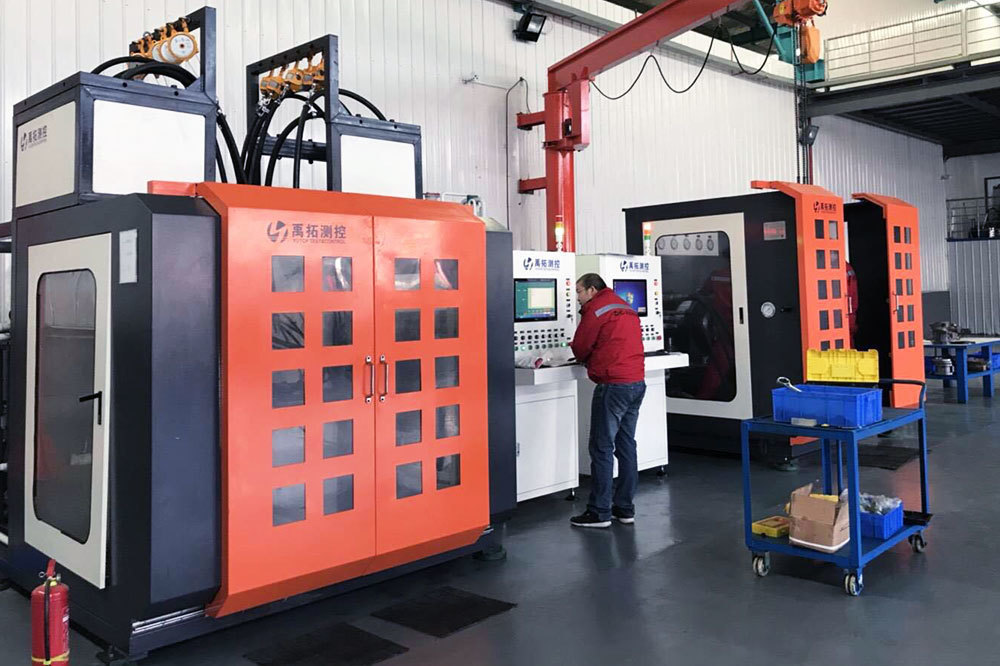
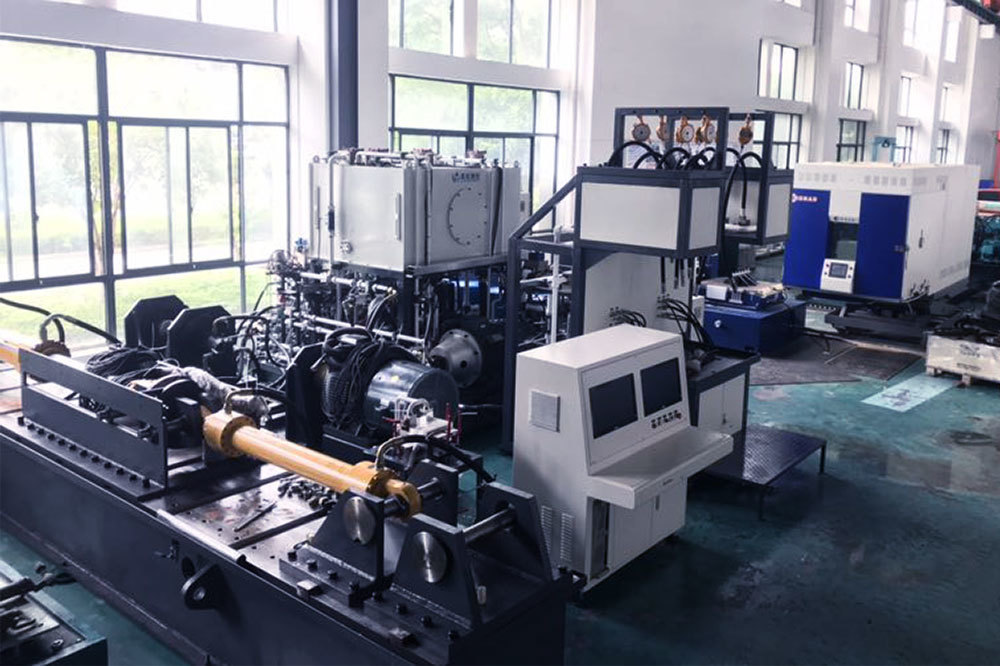
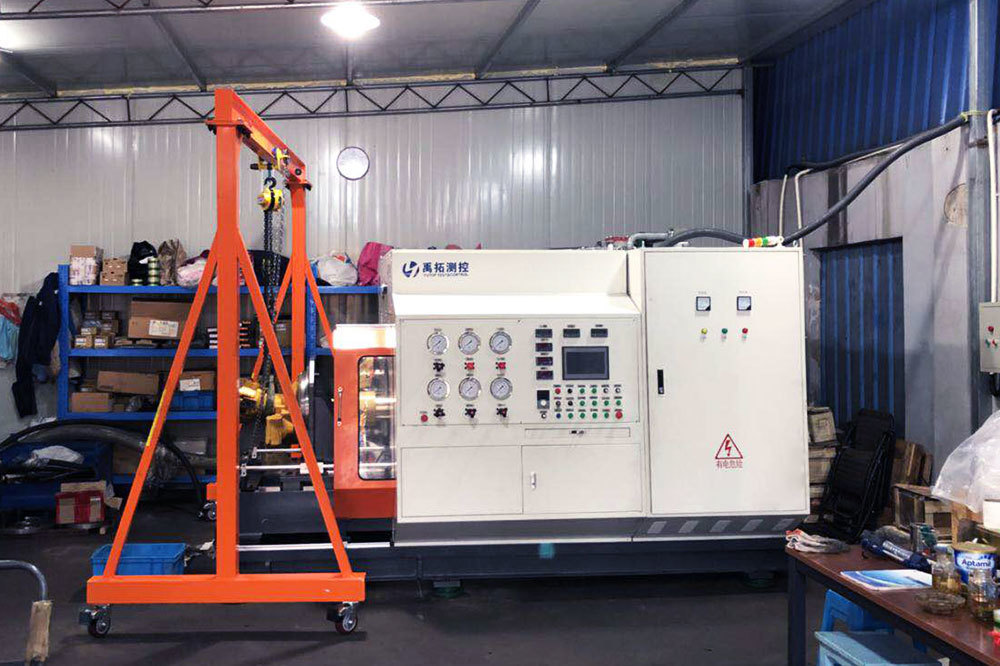
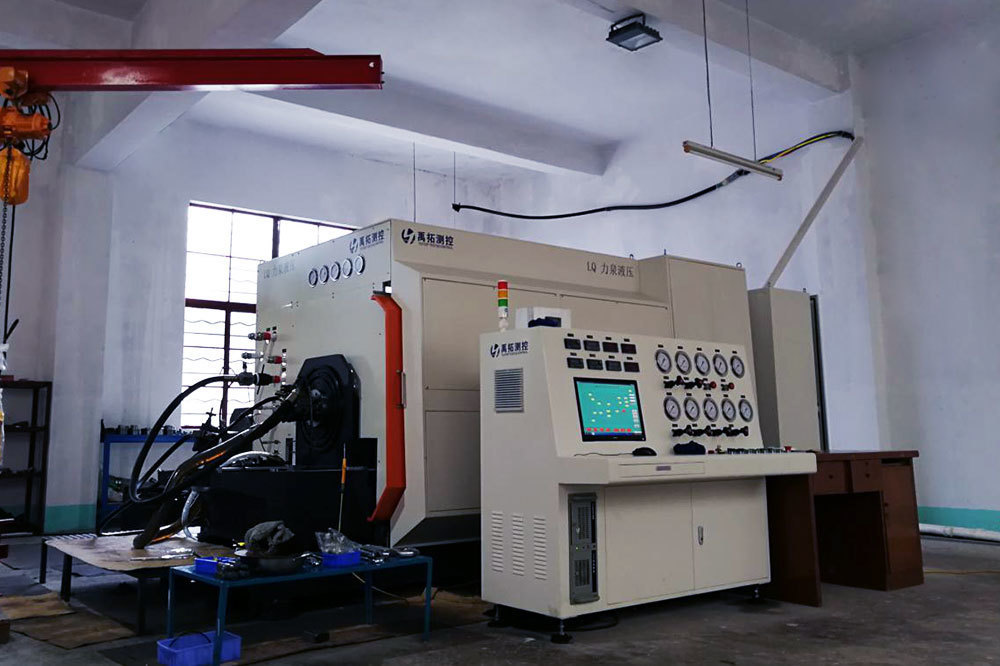
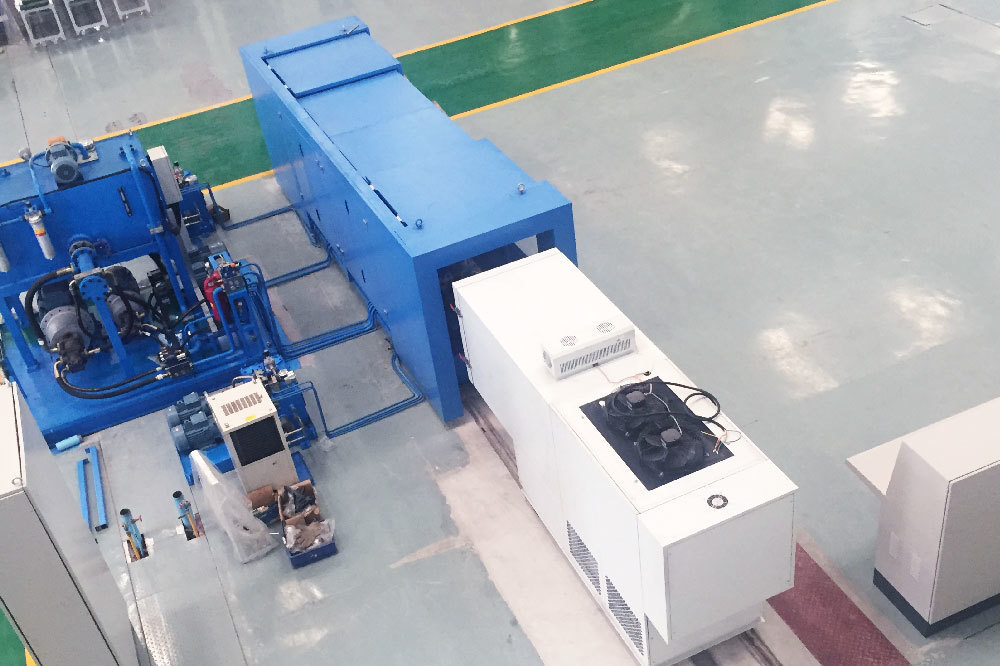
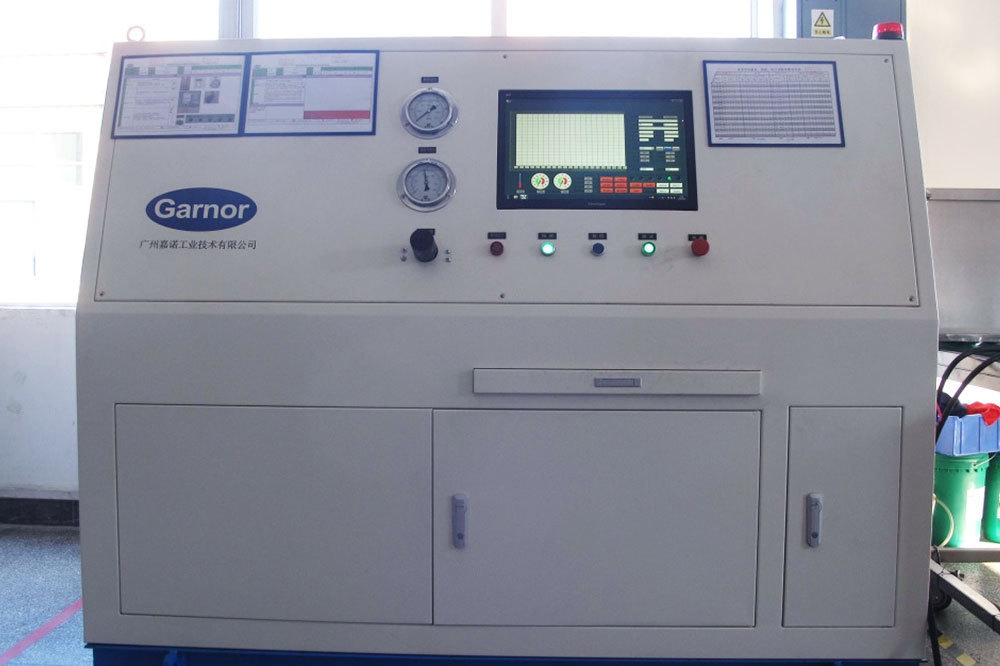
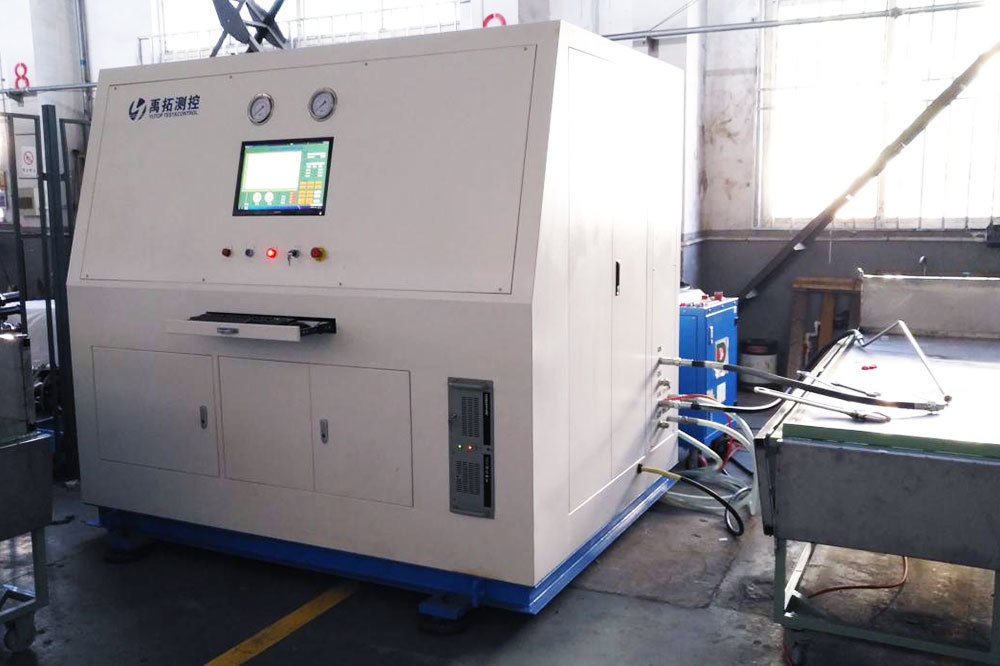
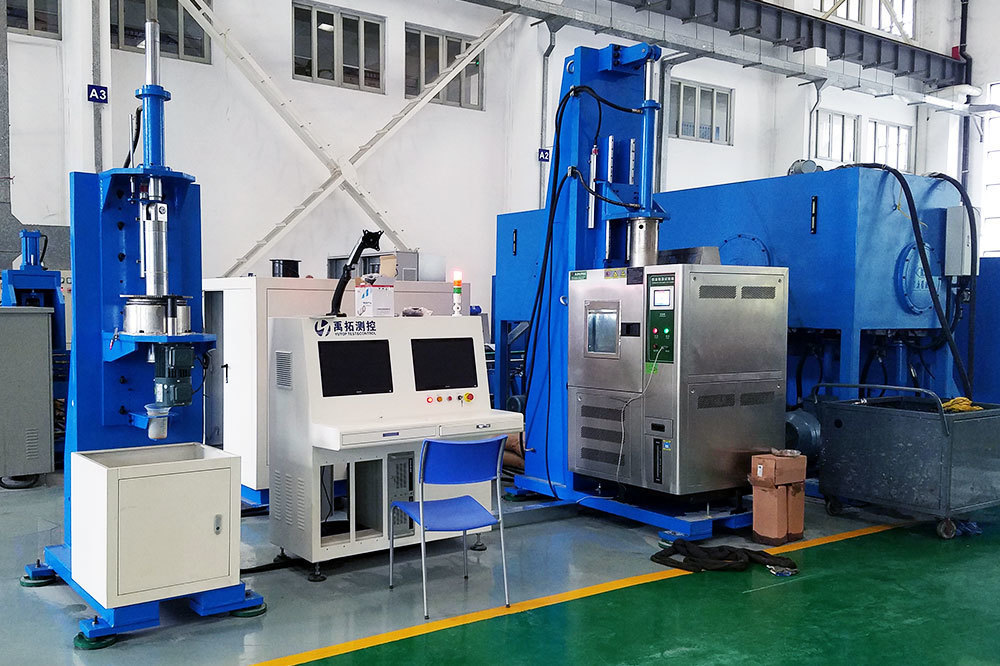
In the realm of industrial machinery, piston pumps play a crucial role in fluid transfer applications. These devices are used across various sectors, including oil and gas, food processing, and water treatment. However, to ensure their longevity and optimal performance, **piston pump testing equipment** becomes essential. This equipment aids in verifying the functionality and efficiency of pumps, helping organizations mitigate risks and enhance productivity.
2. Importance of Piston Pump Testing
Testing piston pumps is vital for several reasons:
2.1 Ensuring Operational Efficiency
Regular testing guarantees that pumps operate under ideal conditions, minimizing energy consumption and maximizing output.
2.2 Identifying Potential Failures
Early detection of issues can prevent catastrophic failures. Testing equipment allows operators to spot anomalies before they escalate.
2.3 Compliance with Industry Standards
Many industries have stringent regulations. Utilizing testing equipment ensures compliance with safety and performance standards.
2.4 Enhancing Longevity
By identifying wear and tear early, maintenance can be performed proactively, extending the life of the pump.
3. Types of Piston Pump Testing Equipment
Various types of testing equipment are available, each catering to specific needs.
3.1 Pressure Testing Equipment
This equipment checks the pump's ability to withstand pressure. It helps in identifying weak points in the pump's structure.
3.2 Flow Meters
Flow meters evaluate the volume of fluid being transferred, offering insights into the pump's efficiency.
3.3 Vibration Analysis Tools
These tools assess the vibration levels of the pump, helping detect misalignment or mechanical faults that could impact performance.
3.4 Temperature Measurement Devices
Monitoring temperature fluctuations can indicate overheating, which is detrimental to pump longevity.
4. Testing Methodologies for Piston Pumps
Understanding the methodologies behind piston pump testing is essential to grasp their effectiveness.
4.1 Static Testing
This method involves assessing the pump's performance under controlled conditions, allowing for a detailed analysis of pressure and flow rates.
4.2 Dynamic Testing
Dynamic testing evaluates the pump’s operational performance by simulating real-world conditions, providing a comprehensive overview of functionality.
4.3 Load Testing
Load testing involves running the pump under varying loads to determine its operational limits and efficiency.
5. How Testing Equipment Enhances Pump Performance
The integration of testing equipment significantly contributes to performance enhancement.
5.1 Optimizing Efficiency
By regularly monitoring performance metrics, operators can make necessary adjustments to optimize efficiency.
5.2 Reducing Downtime
Proactive testing helps in identifying issues before they lead to pump failure, thereby reducing unnecessary downtime.
5.3 Improving Fluid Handling
Well-tested pumps can handle fluids more effectively, ensuring consistent output and quality.
5.4 Cost Efficiency
Investing in testing equipment may seem costly initially, but the long-term savings from reduced repairs and replacements are substantial.
6. Real-World Applications and Case Studies
Let’s explore a few case studies that demonstrate the effectiveness of using piston pump testing equipment.
6.1 Oil and Gas Industry
In an offshore oil drilling operation, regular testing of piston pumps led to a **30% increase in efficiency** by identifying issues before they caused delays.
6.2 Food Processing Industry
A food processing plant implemented testing equipment to ensure their piston pumps maintained hygiene standards. This not only improved compliance but also reduced waste by **15%**.
7. Integration of Testing Equipment in Maintenance Routines
Incorporating testing equipment into maintenance schedules is essential for maximizing pump efficiency.
7.1 Scheduled Testing
Routine testing should be established as part of the regular maintenance schedule to ensure continuous performance monitoring.
7.2 Training for Operators
Employees should be trained on how to operate testing equipment effectively, ensuring accurate data collection and analysis.
7.3 Data Analysis
Collecting data over time will help identify patterns and predict when maintenance is needed, further enhancing operational efficiency.
8. Future Trends in Piston Pump Testing Technology
As technology advances, so does the equipment used for testing piston pumps. Some trends to watch for include:
8.1 Automation
Automated testing systems will provide real-time data, drastically improving response times for maintenance needs.
8.2 IoT Integration
The integration of Internet of Things (IoT) technology will allow for remote monitoring and diagnostics, providing immediate insights into pump performance.
8.3 Enhanced Predictive Analytics
Using machine learning algorithms, future testing equipment will analyze historical data to predict failures before they occur, leading to more proactive maintenance strategies.
9. Frequently Asked Questions
Q1: What is the main purpose of piston pump testing equipment?
A1: The primary purpose is to ensure that piston pumps operate efficiently and reliably while identifying potential issues early on.
Q2: How often should piston pumps be tested?
A2: Testing frequency can vary based on usage and industry standards; however, regular testing every few months is advisable for optimal performance.
Q3: Can testing equipment prevent pump failures?
A3: Yes, by detecting issues early, testing equipment can significantly reduce the likelihood of pump failures.
Q4: What types of data can be collected from testing equipment?
A4: Data can include pressure readings, flow rates, temperature fluctuations, and vibration levels.
Q5: How does testing contribute to cost savings?
A5: By preventing costly failures and reducing downtime, testing contributes to significant long-term cost savings.
10. Conclusion
In conclusion, **piston pump testing equipment** is a pivotal component in enhancing pump performance across various industries. By ensuring operational efficiency, identifying potential failures, and integrating with maintenance routines, this equipment plays a crucial role in extending the life of piston pumps. As technology advances, the future of testing will undoubtedly become more sophisticated, offering even greater benefits to organizations. Investing in such equipment is not merely an operational choice; it is a strategic decision that can lead to significant improvements in productivity, safety, and cost-effectiveness.

Room 207, 2nd Floor, Block C, Building 1 (Self-designated), No. 3 Yunkai Road, Yunpu Industrial Zone, Huangpu District, Guangzhou City,China


