

The Role of Hydraulic Motor Test Systems in Quality Control
The Role of Hydraulic Motor Test Systems in Quality Control Quality control is an essential aspect of modern manufacturing, particularly in industries that rely heavily on hydraulic systems. Hydraulic motors are vital components in a wide range of applications, from construction machinery to automotive manufacturing. Ensuring the reliability and performance of these motors is crucial, and hydrauli
Dec 23,2025

The Role of Hydraulic Motor Test Systems in Quality Control
Quality control is an essential aspect of modern manufacturing, particularly in industries that rely heavily on hydraulic systems. Hydraulic motors are vital components in a wide range of applications, from construction machinery to automotive manufacturing. Ensuring the reliability and performance of these motors is crucial, and hydraulic motor test systems play a pivotal role in this process. In this article, we will explore the significance of hydraulic motor test systems in quality control, examining their functions, methodologies, and the benefits they offer to manufacturers.
Understanding Hydraulic Motors
Hydraulic motors convert hydraulic energy into mechanical work, making them integral to the operation of various machines and equipment. They operate on the principles of fluid mechanics, utilizing pressurized fluid to generate rotational motion. The efficiency, durability, and overall performance of hydraulic motors directly impact the machinery they power.
The Importance of Quality Control in Hydraulic Motors
Quality control in hydraulic motors is not just a regulatory requirement; it is essential for ensuring operational efficiency and safety. Defects in hydraulic motors can lead to equipment failures, costly downtime, and even safety hazards. Therefore, implementing a robust quality control process is vital to maintaining high standards in production.
The Role of Hydraulic Motor Test Systems
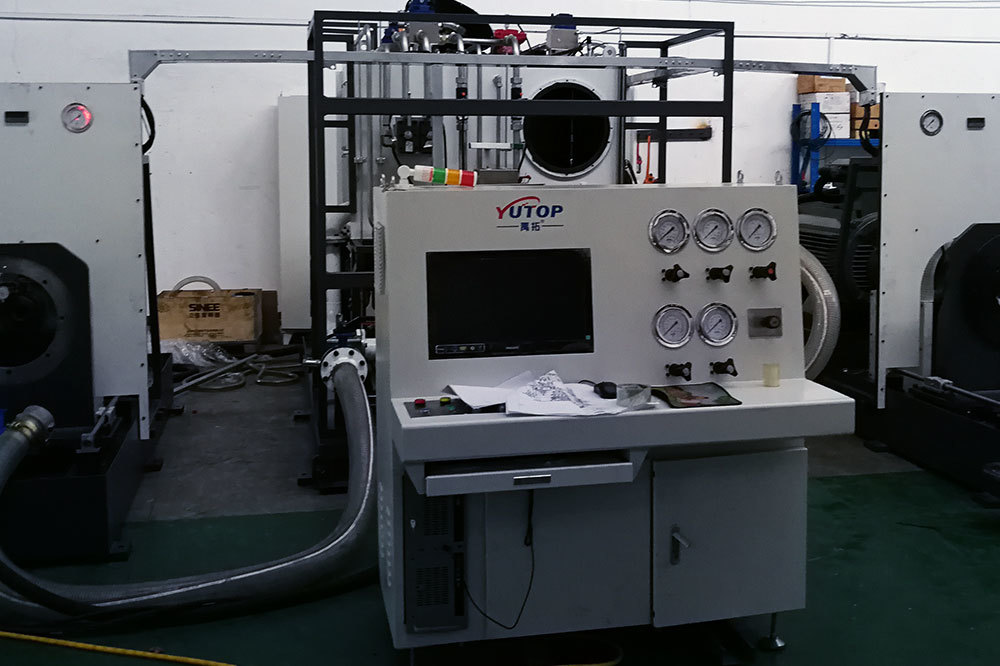
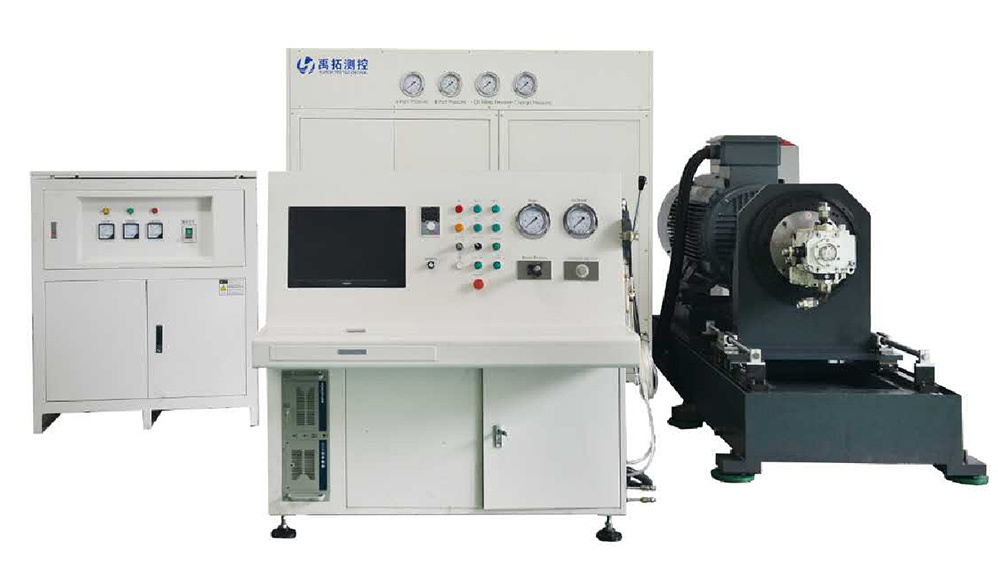
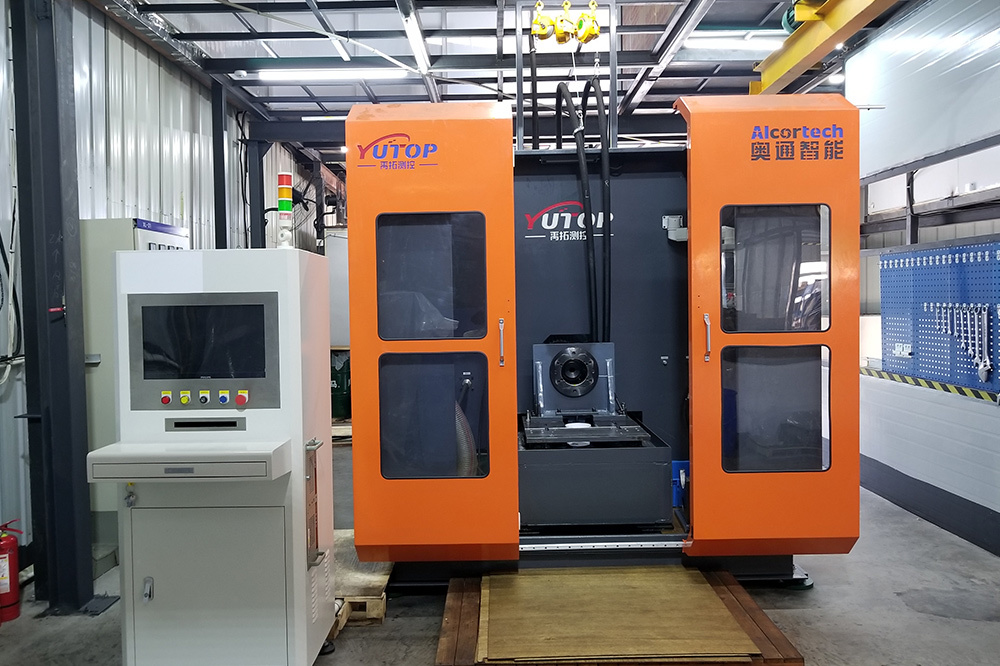
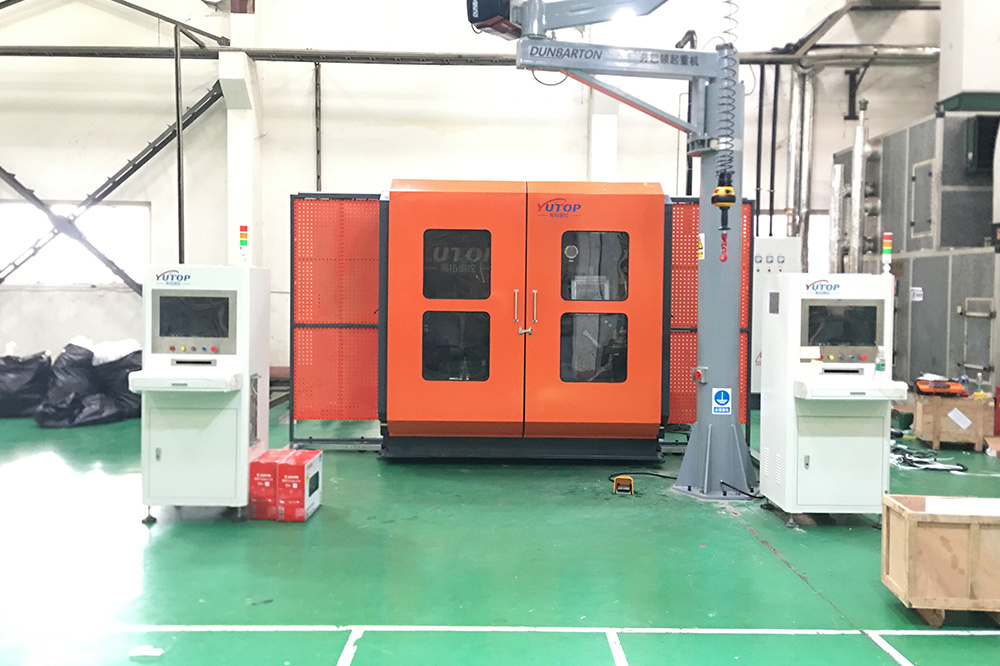
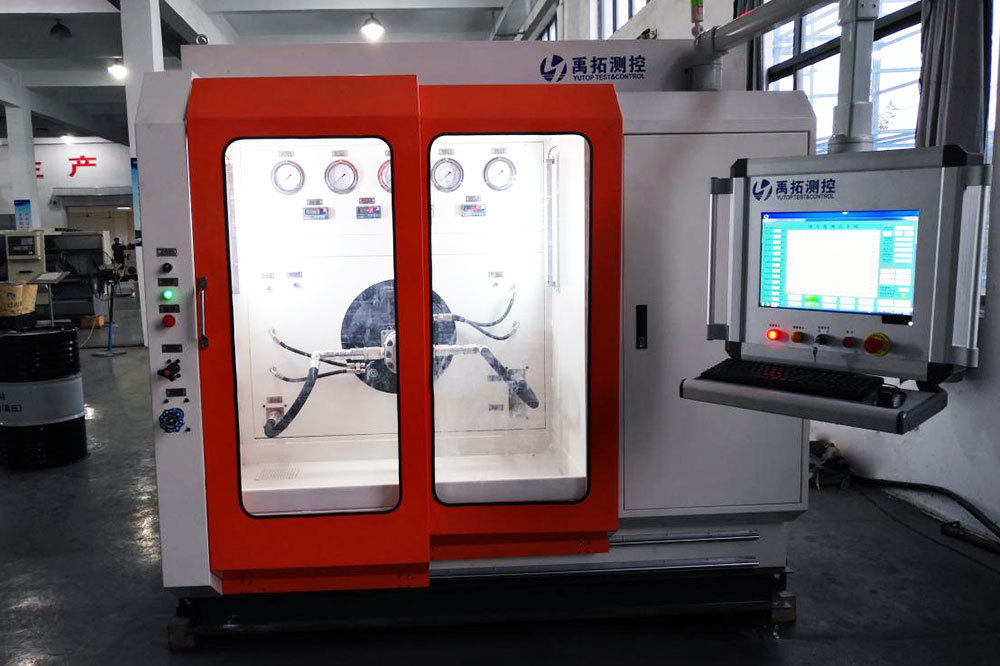
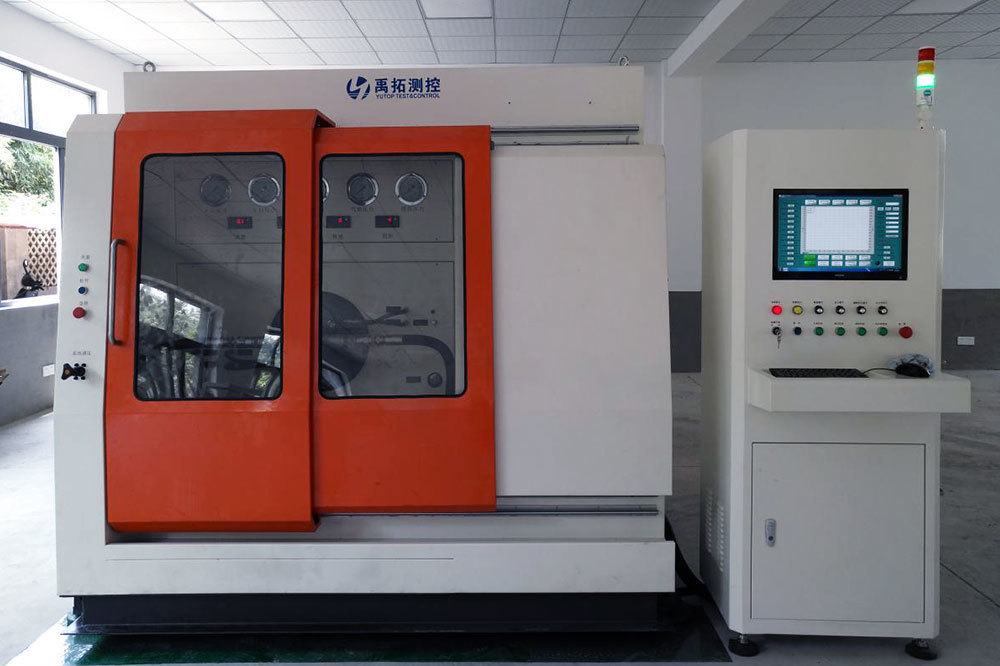
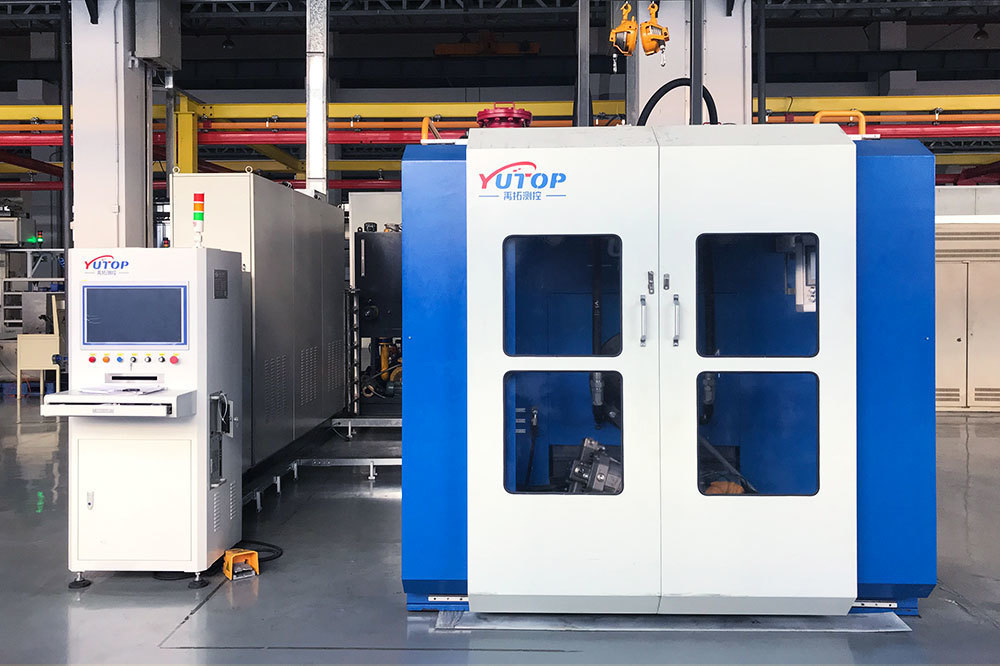
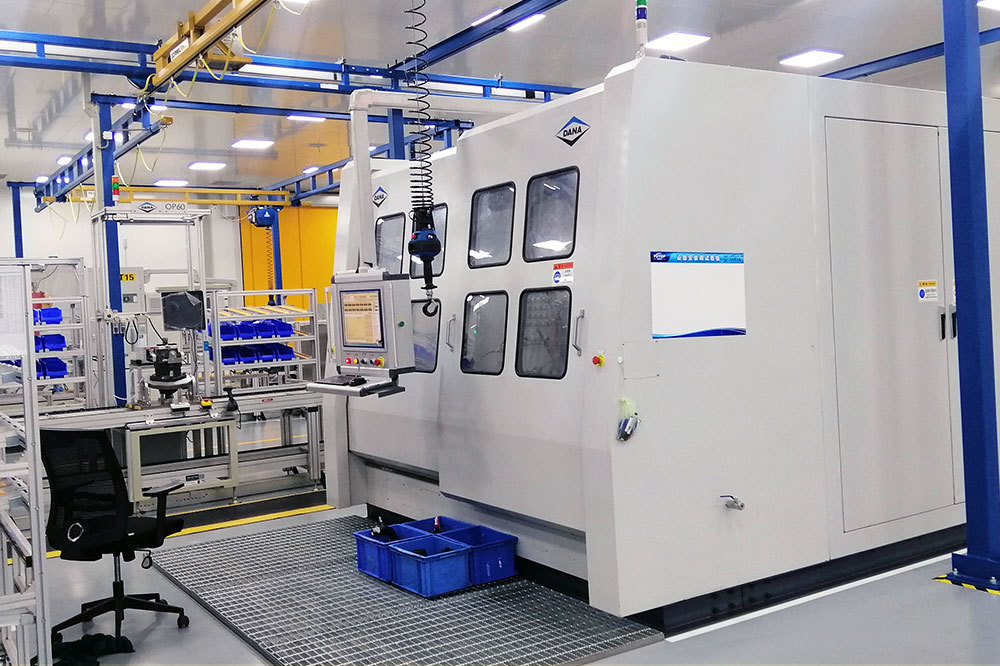
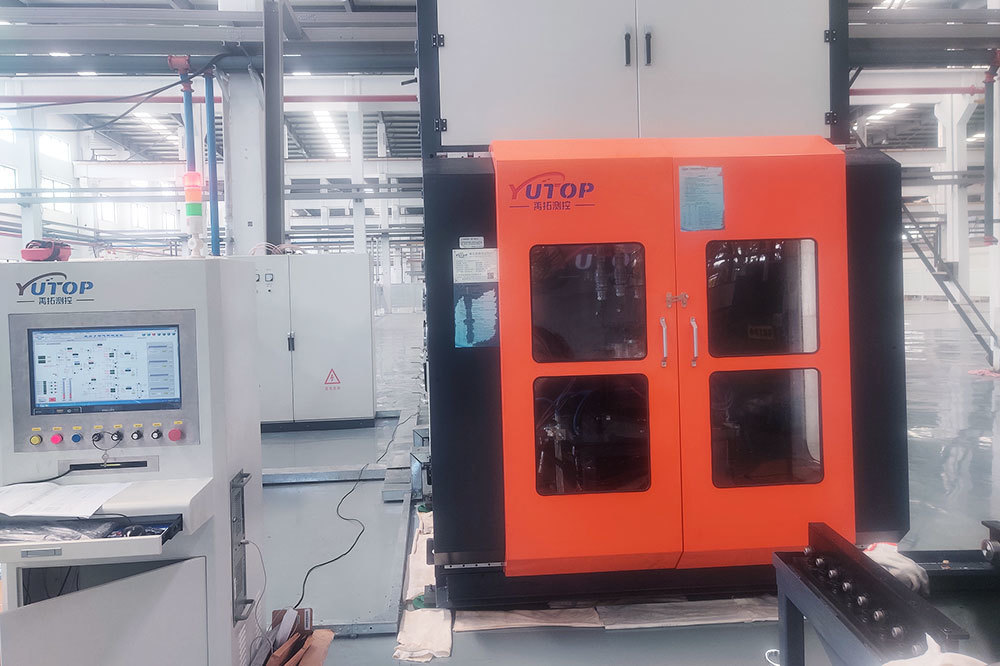
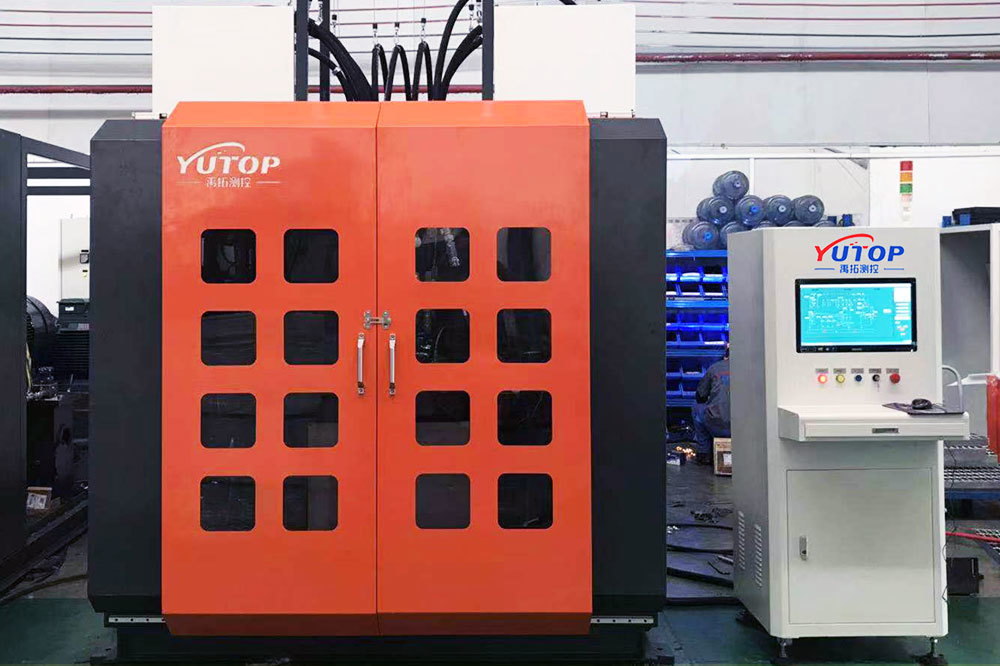
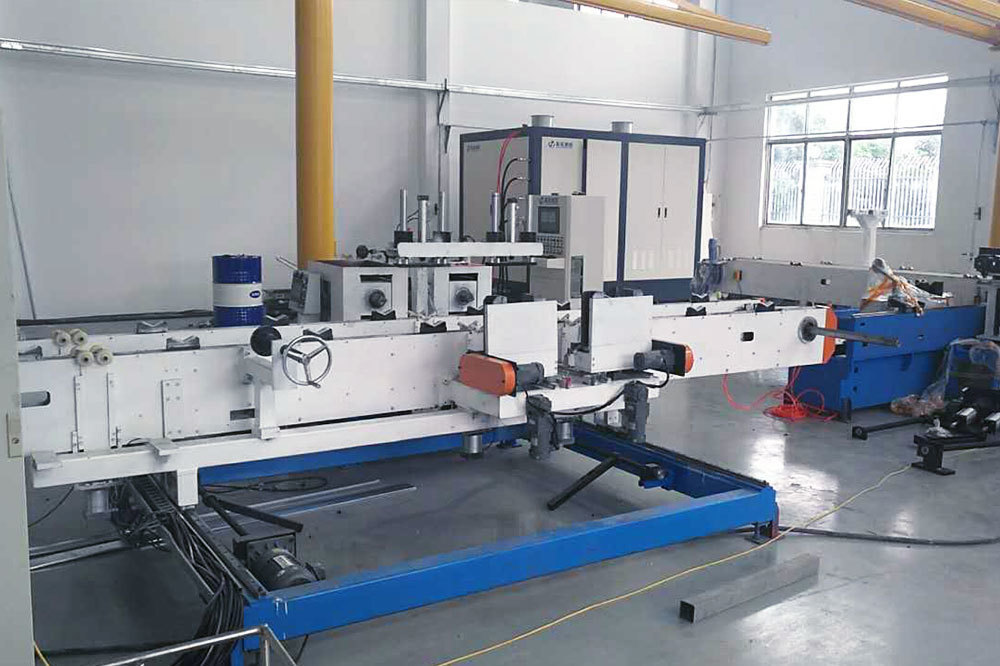
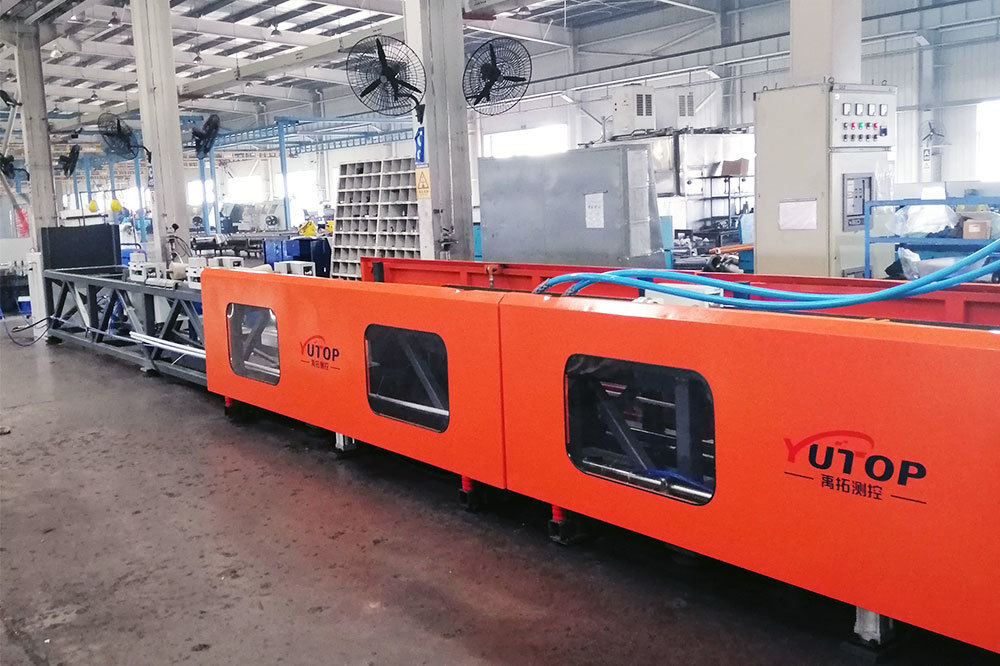
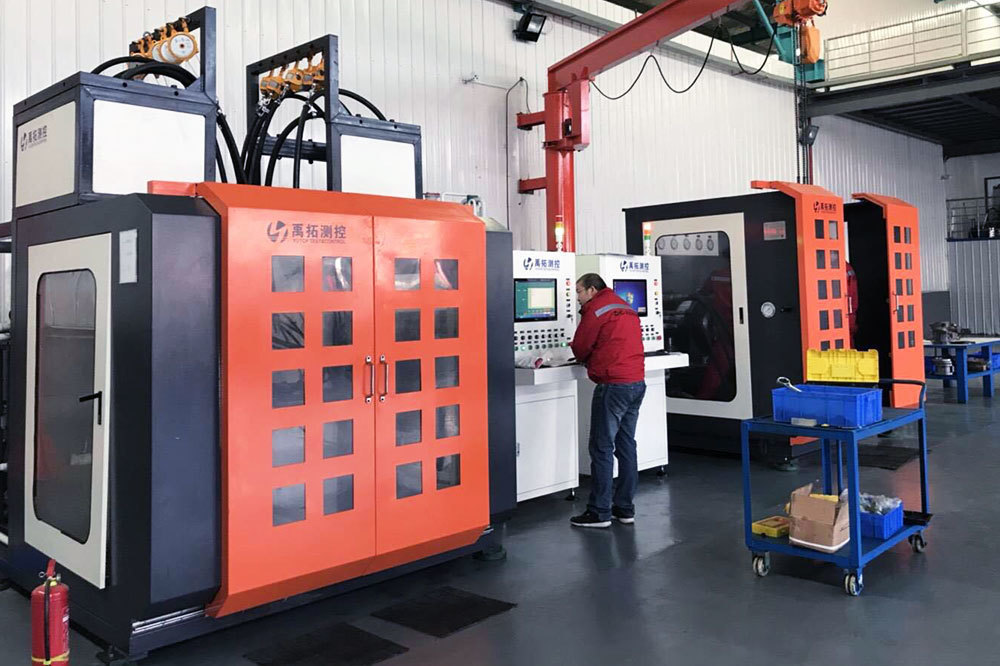
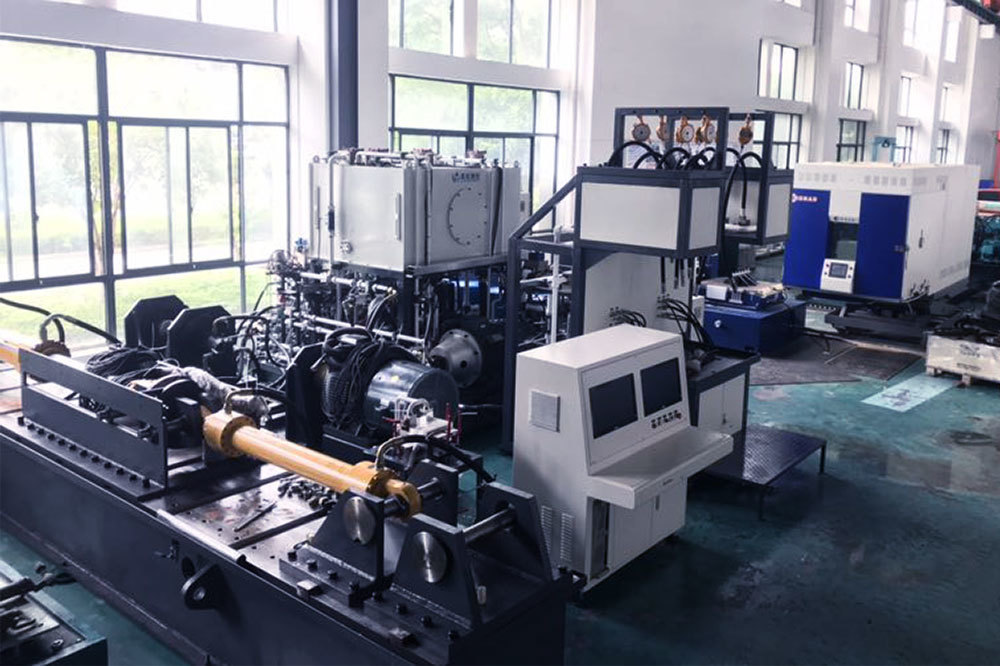
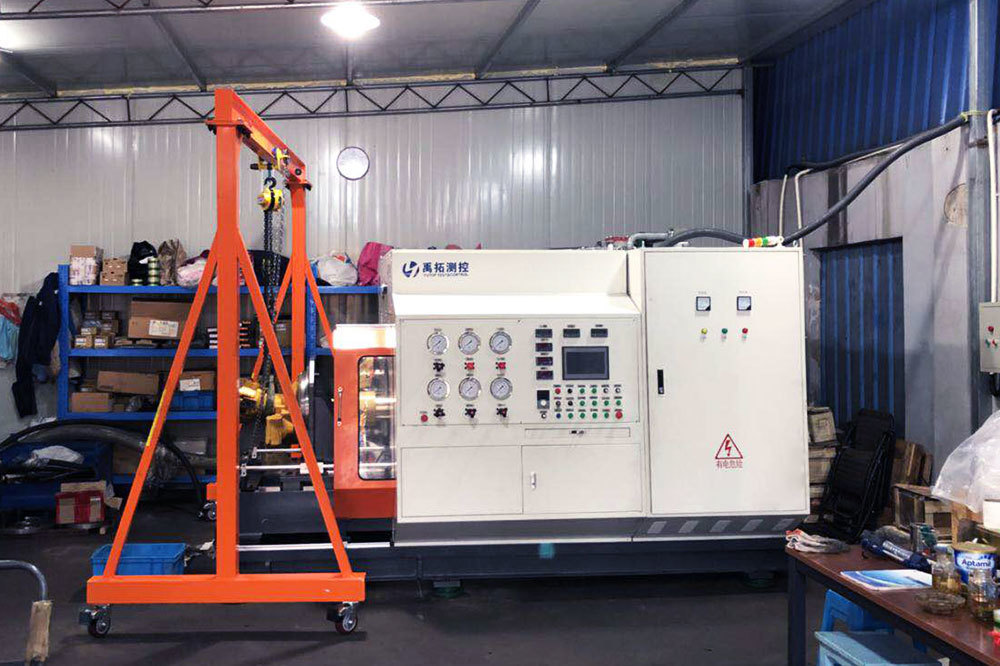
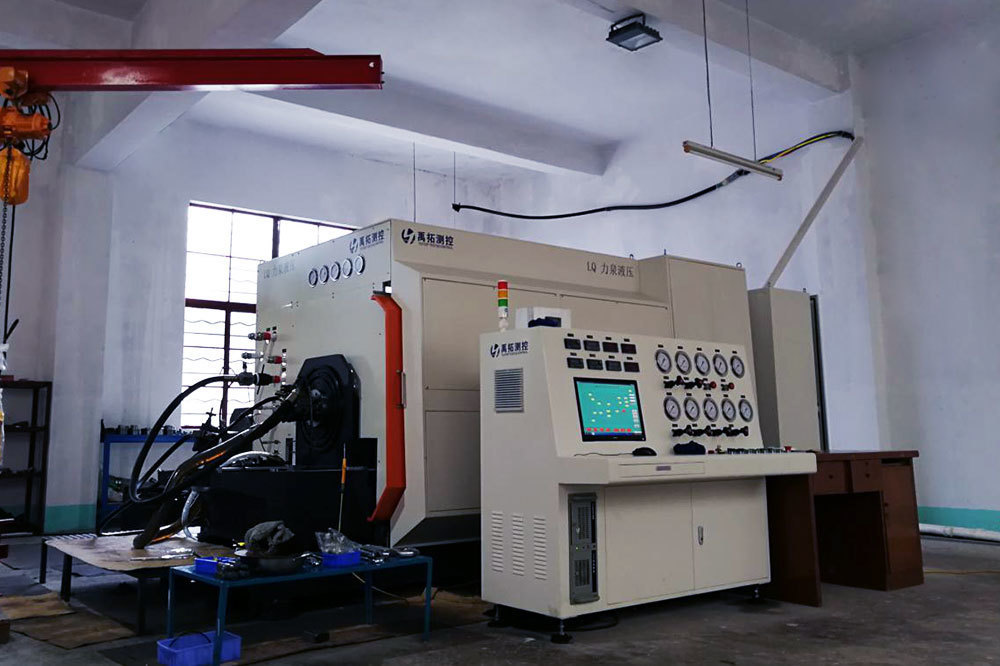
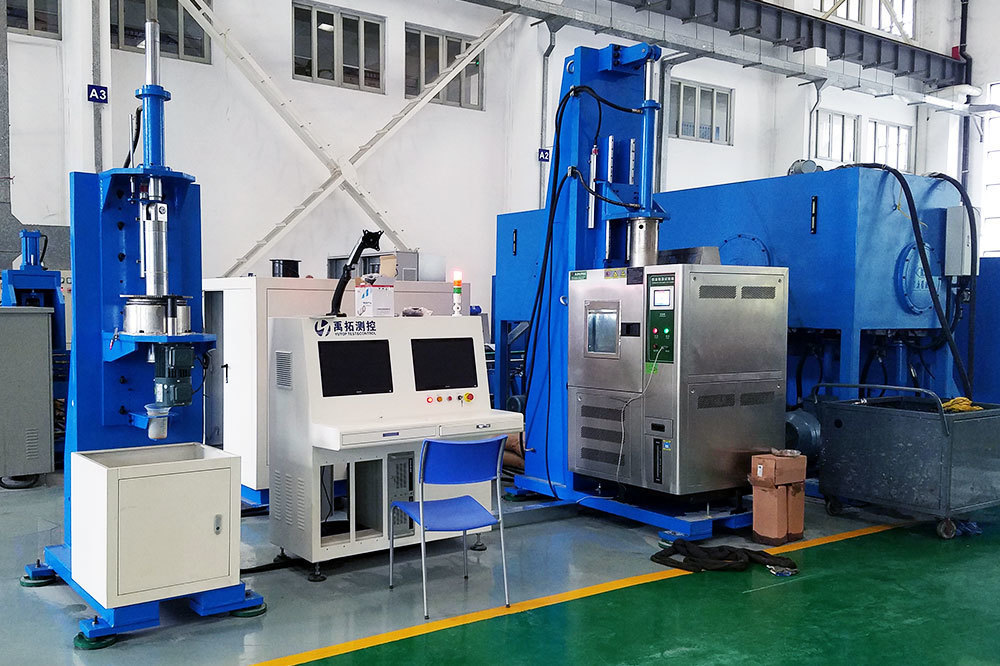
Hydraulic motor test systems are specialized setups designed to evaluate the performance and reliability of hydraulic motors. These systems simulate operational conditions, allowing engineers to assess various parameters such as torque, speed, efficiency, and pressure. By systematically testing hydraulic motors, manufacturers can identify potential issues before they lead to failures in the field.
Components of Hydraulic Motor Test Systems
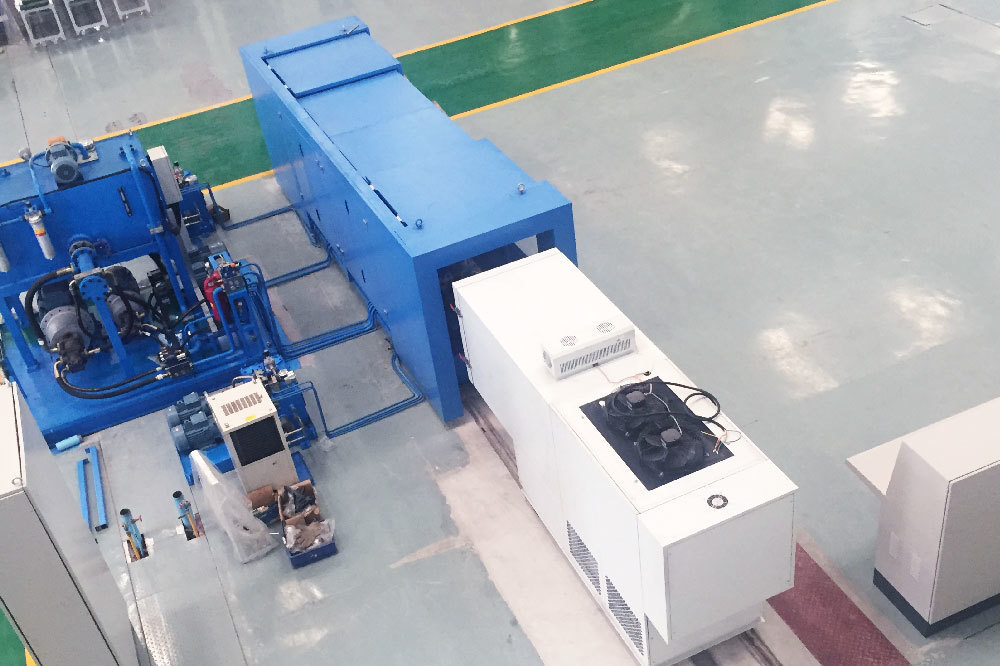
Understanding the components of hydraulic motor test systems is crucial for appreciating how they contribute to quality control. Key components include:
Test Stands
Test stands provide the necessary framework for mounting hydraulic motors during testing. They are equipped with measurement tools that facilitate the evaluation of performance metrics.
Hydraulic Power Units (HPUs)
Hydraulic power units supply pressurized fluid to the test system. They are essential for simulating real-world operating conditions and can be adjusted to replicate various scenarios.
Data Acquisition Systems
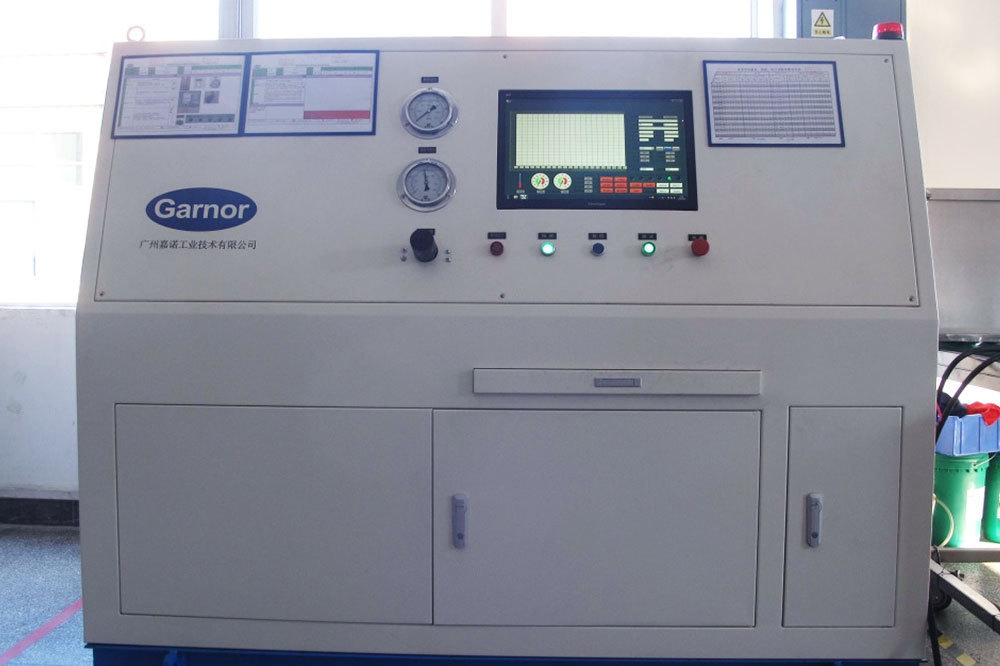
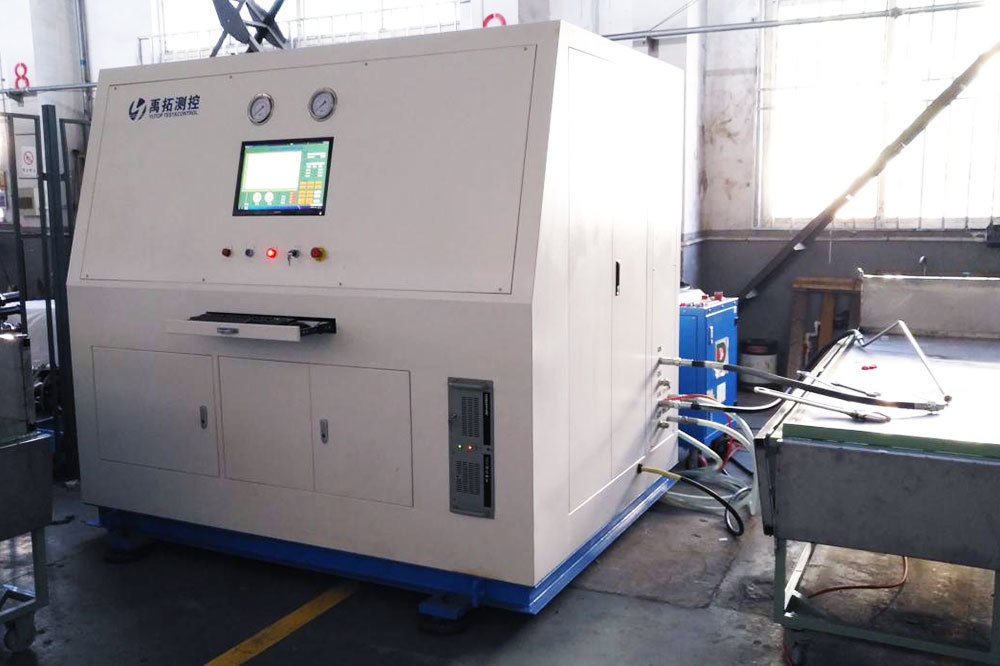
Data acquisition systems capture and record performance data during testing. They enable engineers to analyze results and make informed decisions regarding motor quality.
Testing Methodologies for Hydraulic Motors
There are several methodologies employed in testing hydraulic motors, each designed to provide insight into different performance aspects. Here are some common testing methods:
Performance Testing
Performance testing examines the efficiency of a hydraulic motor under various loads and speeds. By measuring parameters such as flow rate and torque output, manufacturers can gauge whether the motor meets performance specifications.
Endurance Testing
Endurance testing evaluates how well a hydraulic motor withstands prolonged use. This method simulates extended operational periods to identify potential wear and tear, ensuring longevity and reliability.
Leak Testing
Leak testing is critical for identifying any potential fluid leaks within the motor. This testing method ensures that the hydraulic motor maintains pressure and operates efficiently, preventing performance issues down the line.
Noise and Vibration Testing
Noise and vibration testing assesses the acoustic and vibrational characteristics of hydraulic motors. Excessive noise or vibration can signal mechanical problems that may compromise motor performance.
The Benefits of Hydraulic Motor Test Systems in Quality Control
Implementing hydraulic motor test systems in quality control processes offers numerous advantages:
Enhanced Reliability
By rigorously testing hydraulic motors, manufacturers can identify and rectify issues before products reach the market. This proactive approach enhances the overall reliability of hydraulic systems.
Improved Performance
Testing ensures that hydraulic motors operate at peak performance, meeting or exceeding industry standards. This not only enhances customer satisfaction but also fosters brand reputation.
Cost-Efficiency
Investing in hydraulic motor test systems ultimately saves costs by reducing the likelihood of field failures and warranty claims. By addressing issues early in the production process, manufacturers can significantly lower their operational expenses.
Compliance and Standards Adherence
Many industries have stringent quality standards that must be adhered to. Hydraulic motor test systems help manufacturers ensure compliance with these regulations, avoiding potential legal and financial repercussions.
Case Studies: Successful Implementation of Hydraulic Motor Test Systems
Several companies have successfully integrated hydraulic motor test systems into their quality control processes, leading to significant improvements.
Case Study 1: Automotive Industry
An automotive manufacturer implemented a hydraulic motor test system to evaluate the performance of hydraulic power steering units. By identifying inefficiencies during the testing phase, the company was able to enhance its product design, resulting in a 15% increase in customer satisfaction ratings.
Case Study 2: Construction Equipment
A construction equipment manufacturer utilized hydraulic motor test systems to ensure the reliability of hydraulic motors in bulldozers. The testing process revealed critical design flaws, leading to modifications that improved motor durability and reduced failure rates by 30%.
Future Trends in Hydraulic Motor Testing
As technology advances, hydraulic motor testing is poised for significant evolution. Emerging trends include:
Automation and IoT Integration
The integration of automation and IoT technologies in hydraulic motor test systems allows for real-time data collection and analysis. This advancement enhances testing accuracy and can lead to more rapid identification of performance issues.
Advanced Simulation Techniques
Future testing methodologies may leverage advanced simulations to replicate complex operating conditions, providing deeper insights into motor performance and reliability.
FAQs About Hydraulic Motor Test Systems
1. What is the primary purpose of hydraulic motor test systems?
Hydraulic motor test systems aim to evaluate the performance, reliability, and efficiency of hydraulic motors to ensure they meet quality standards.
2. How are hydraulic motors tested for performance?
Performance testing typically involves measuring torque, speed, and efficiency under various load conditions to assess the motor's capabilities.
3. What is endurance testing for hydraulic motors?
Endurance testing simulates prolonged operational use to evaluate the motor's longevity and identify potential wear and tear.
4. Why is leak testing important for hydraulic motors?
Leak testing is essential to ensure that hydraulic motors maintain pressure and operate efficiently without any fluid loss.
5. How can hydraulic motor test systems save costs for manufacturers?
By identifying potential issues early in production, hydraulic motor test systems help reduce field failures and warranty claims, ultimately lowering operational expenses.
Conclusion
Hydraulic motor test systems are indispensable tools in ensuring quality control within industries that utilize hydraulic components. By rigorously assessing the performance, reliability, and efficiency of hydraulic motors, manufacturers can enhance their products, reduce costs, and maintain compliance with industry standards. As technology continues to evolve, the future of hydraulic motor testing promises even greater accuracy and efficiency, further solidifying its critical role in quality assurance.

Room 207, 2nd Floor, Block C, Building 1 (Self-designated), No. 3 Yunkai Road, Yunpu Industrial Zone, Huangpu District, Guangzhou City,China


