

Comparative Analysis: Piston Pump Testing Equipment vs. Other Testing Solutions
Comparative Analysis: Piston Pump Testing Equipment vs. Other Testing Solutions Introduction to Piston Pump Testing Equipment Piston pumps are crucial components in various industrial applications, known for their ability to move fluids under high pressure with precision. Testing equipment for piston pumps ensures their efficiency, reliability, and performance. In this article, we will conduct a c
Dec 29,2025
Comparative Analysis: Piston Pump Testing Equipment vs. Other Testing Solutions
Introduction to Piston Pump Testing Equipment
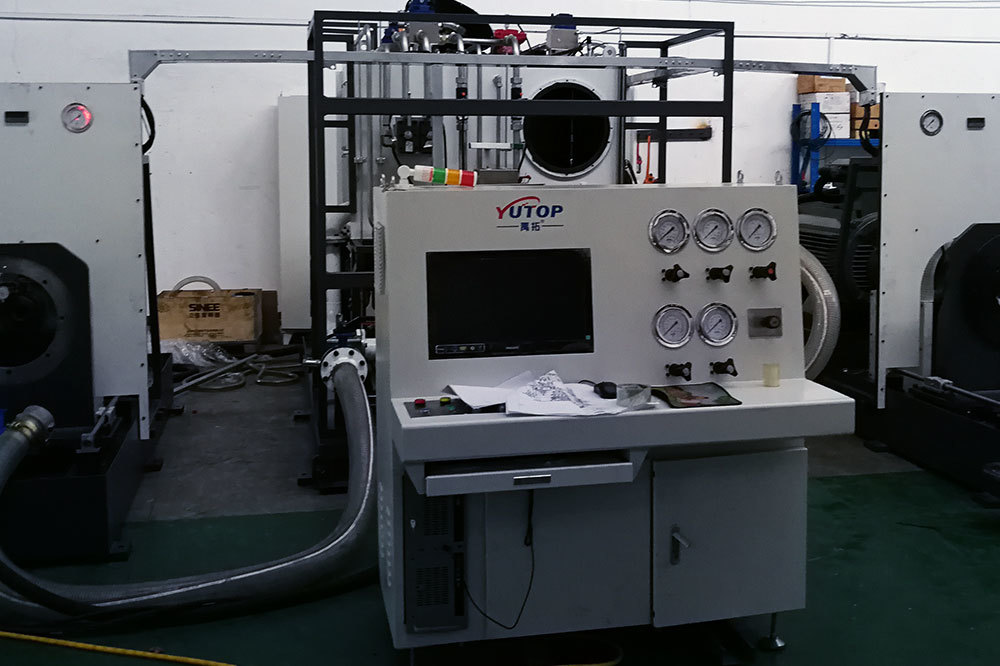
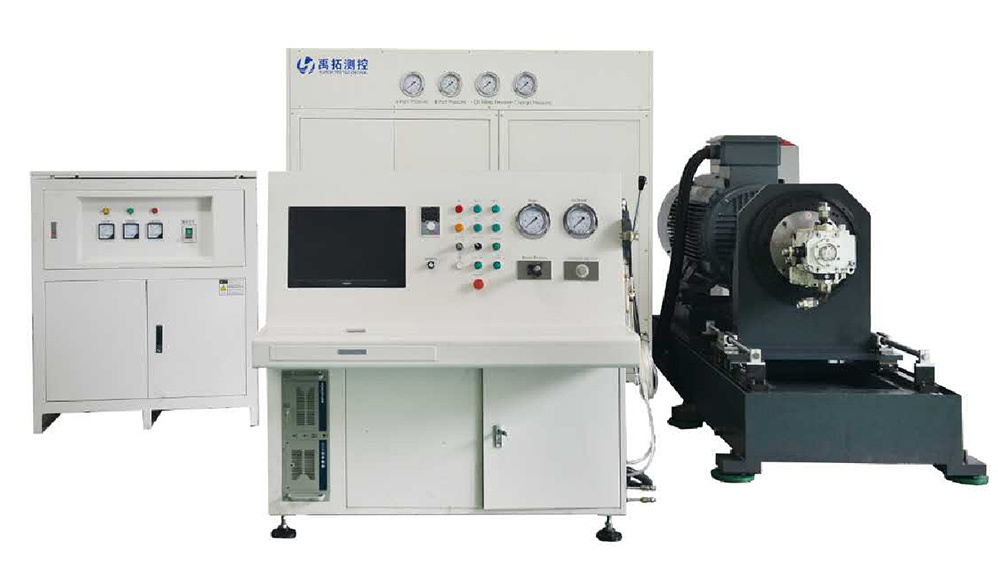
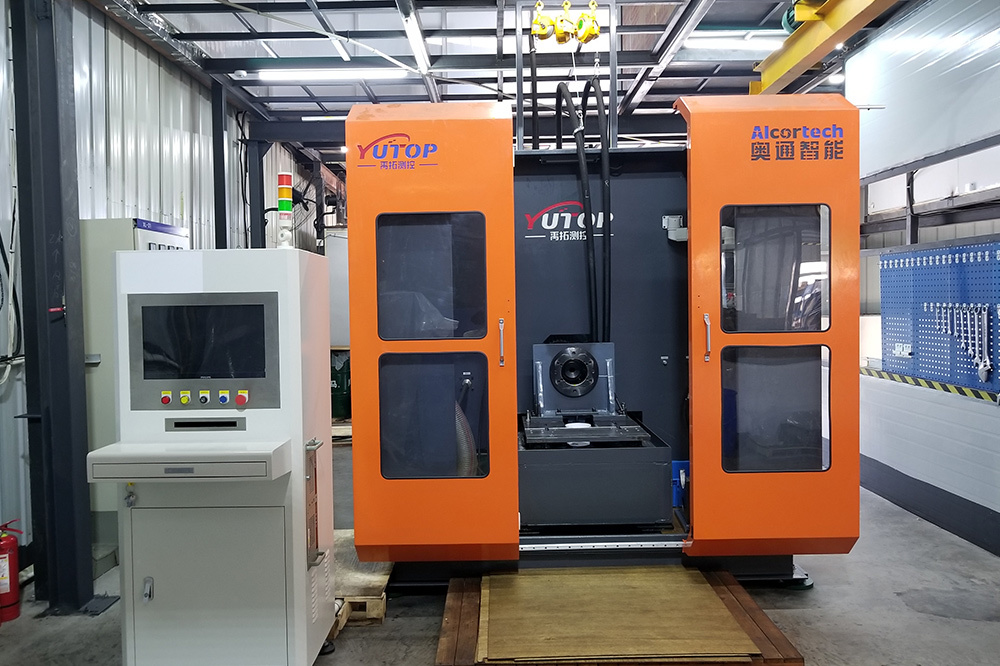
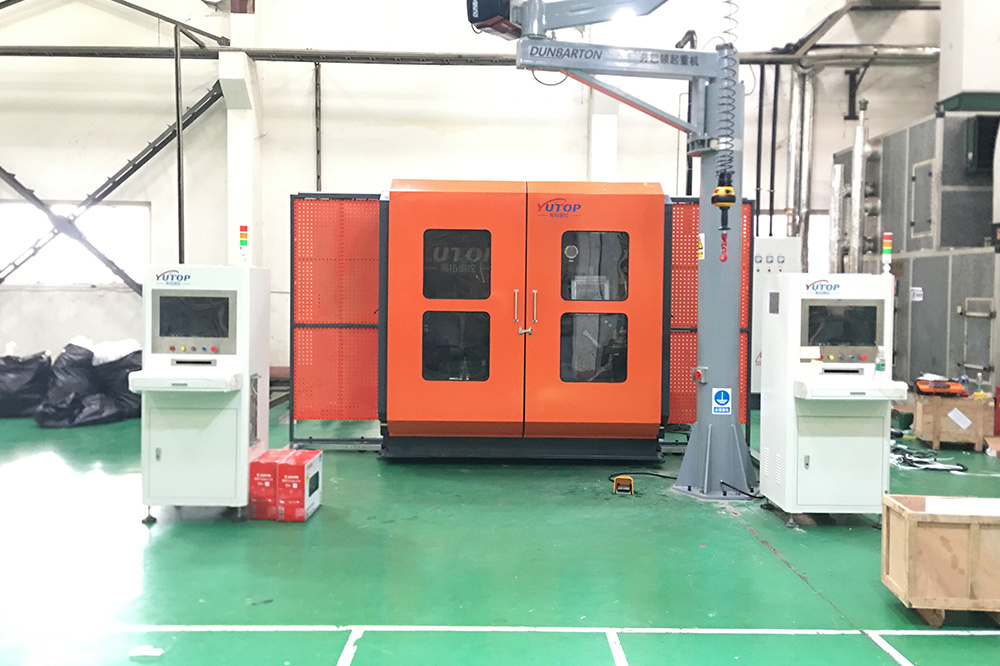
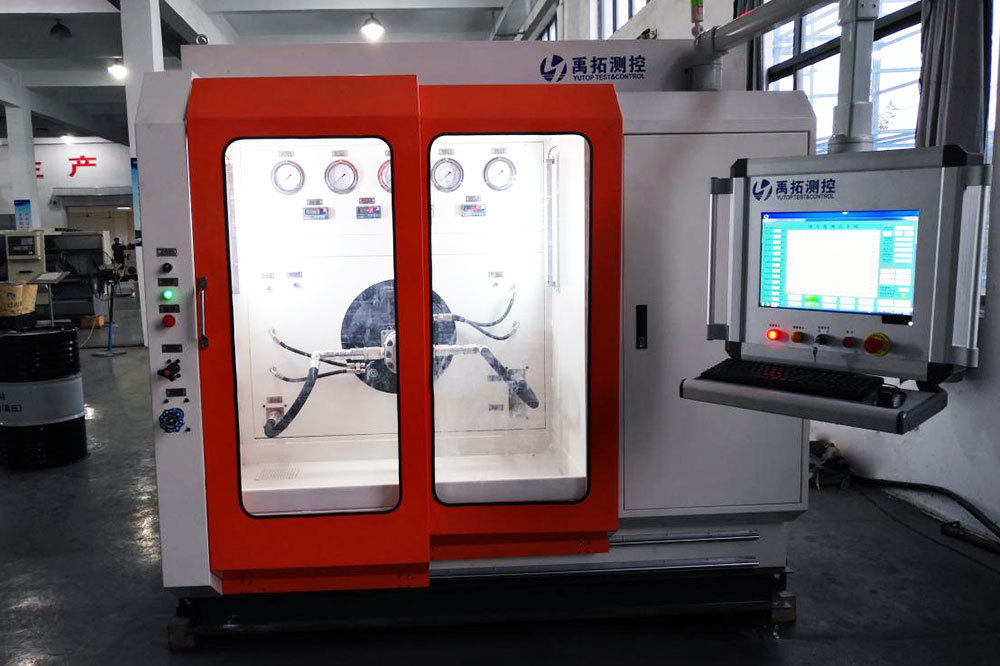
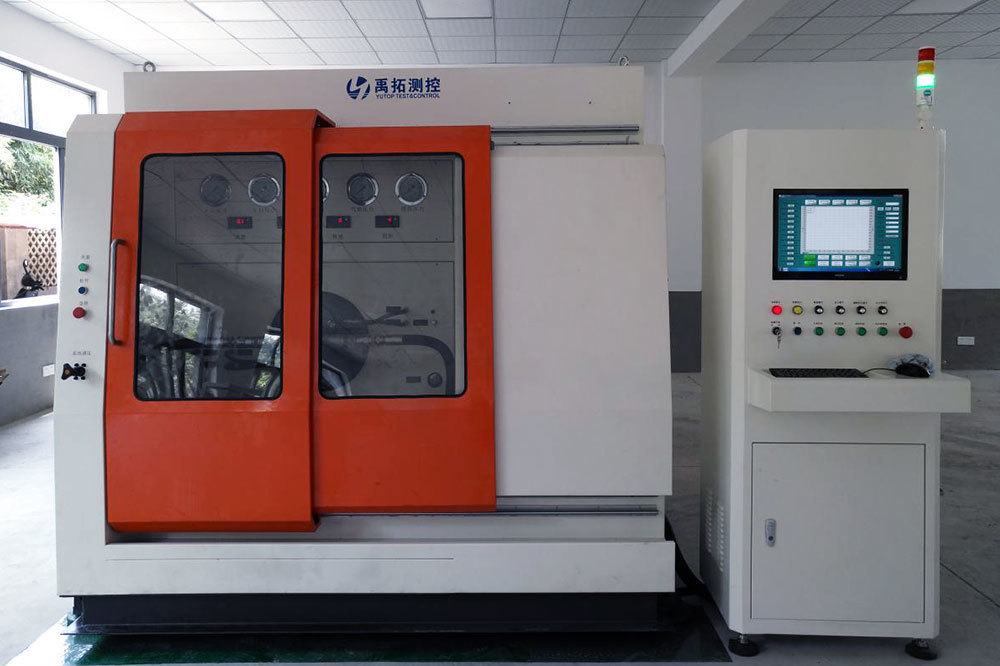
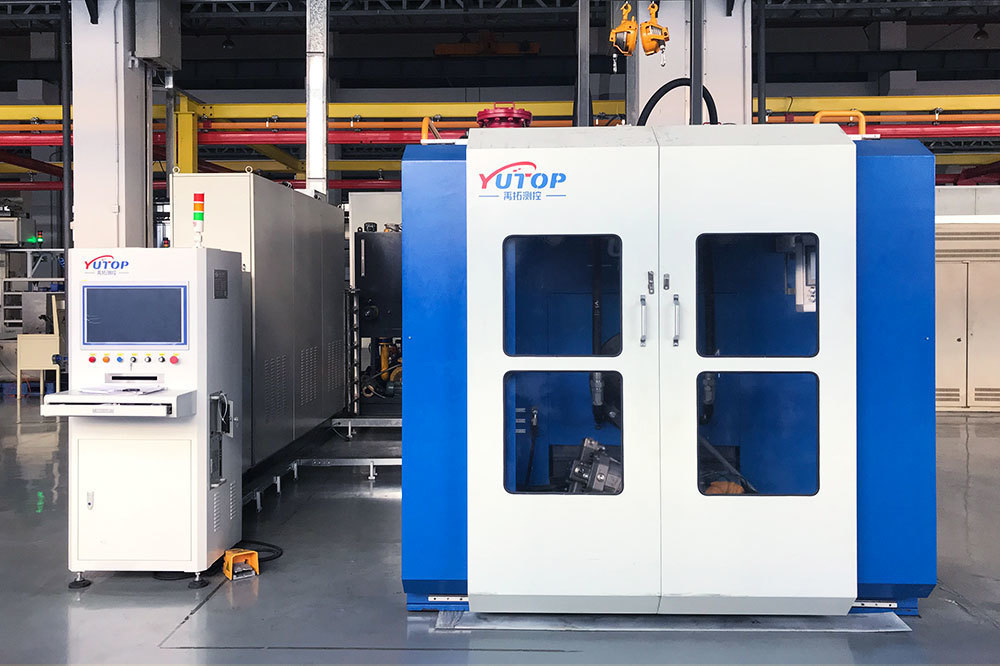
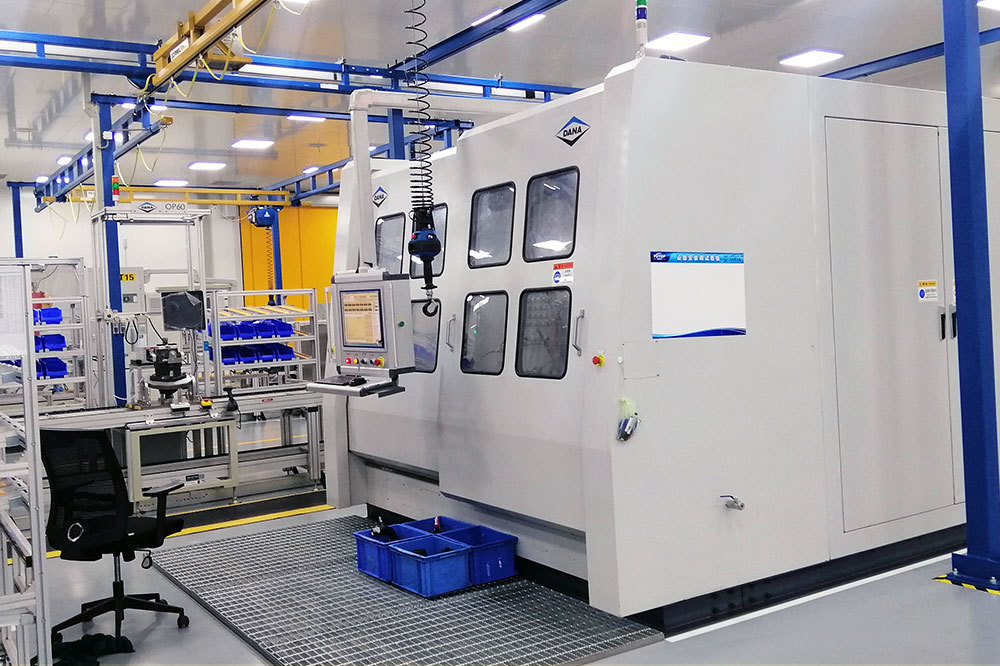
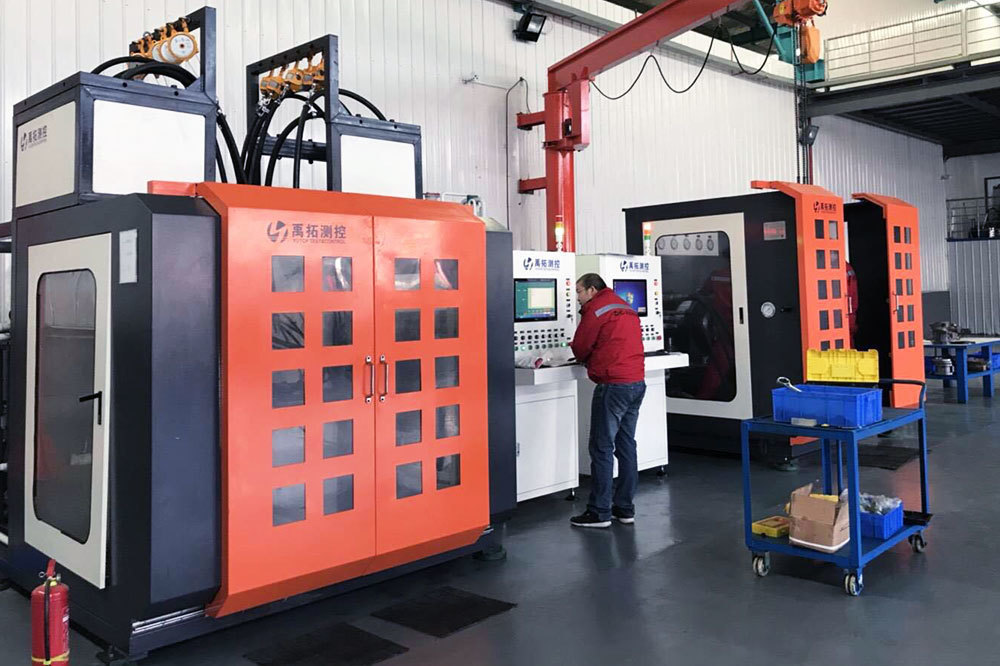
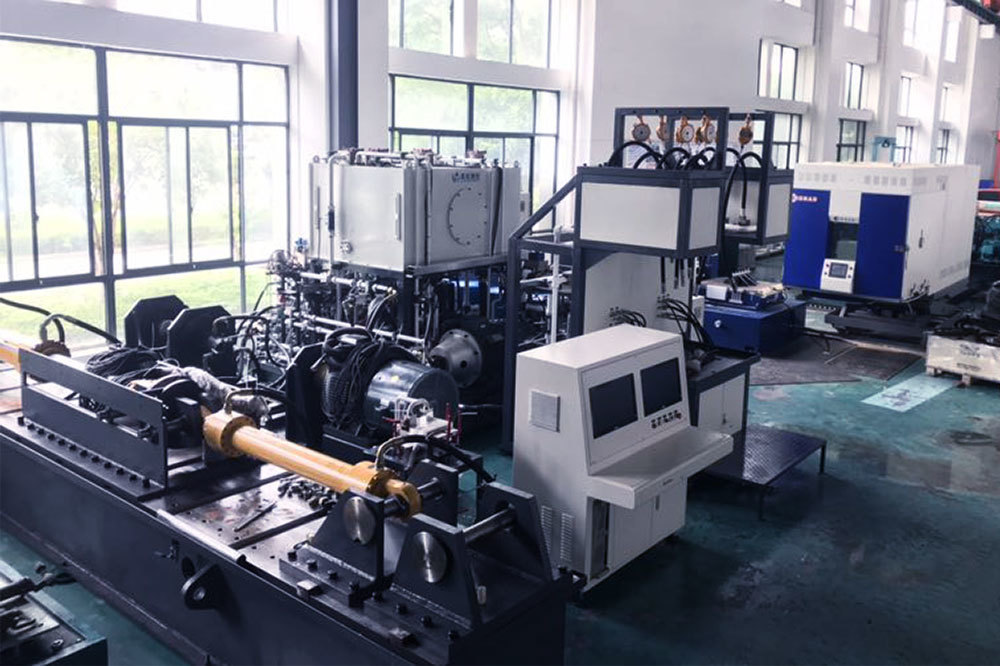
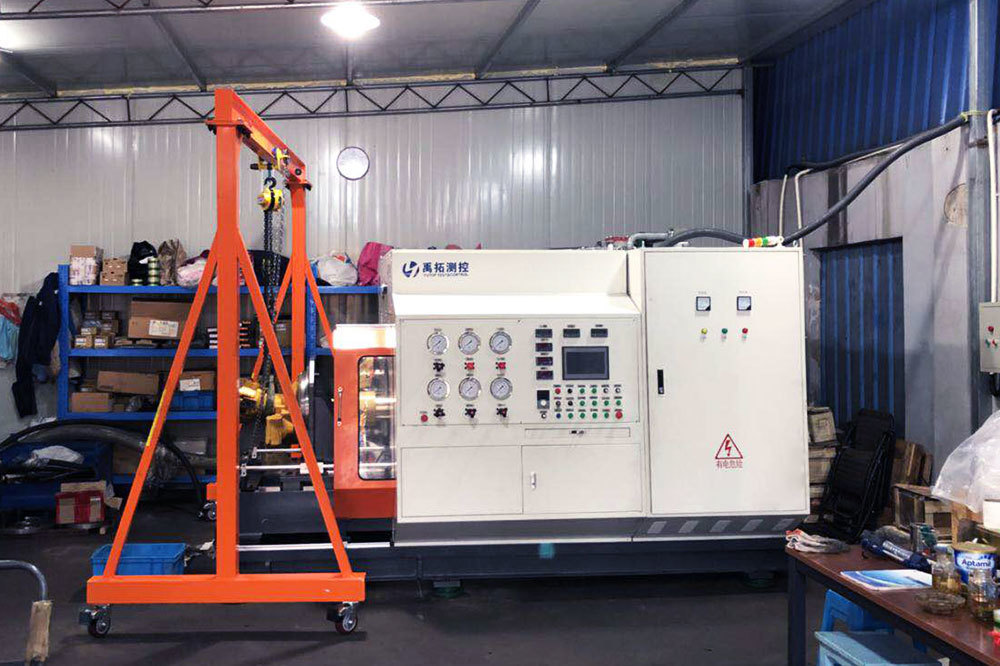
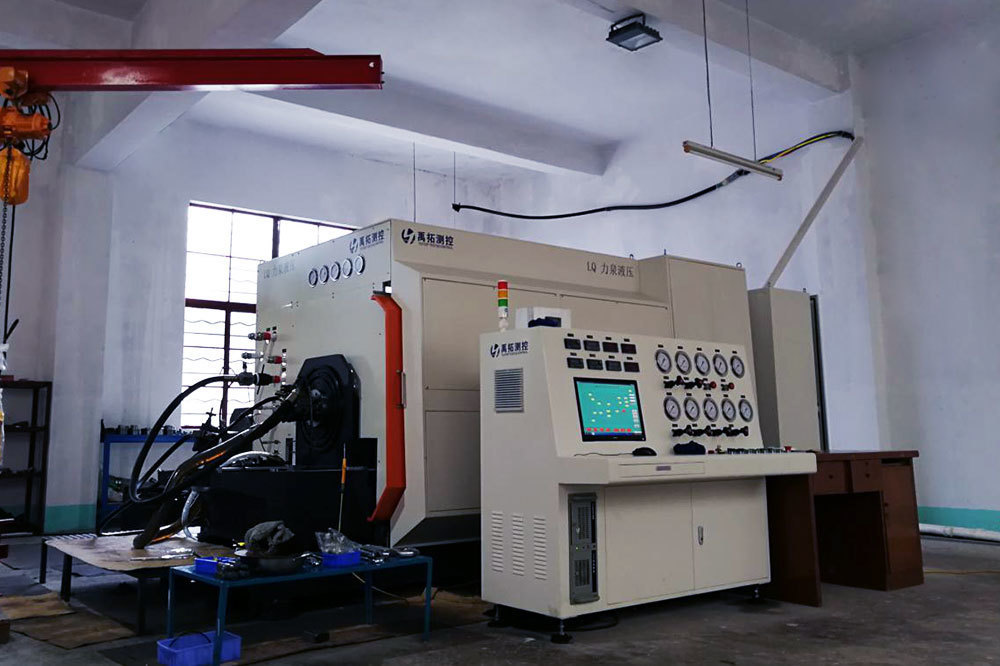
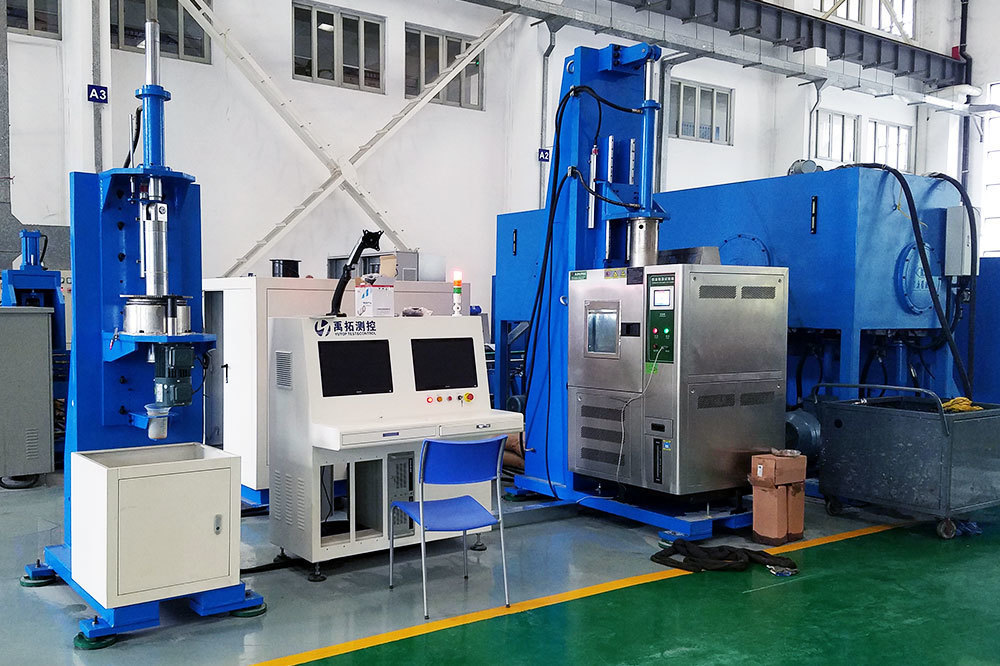
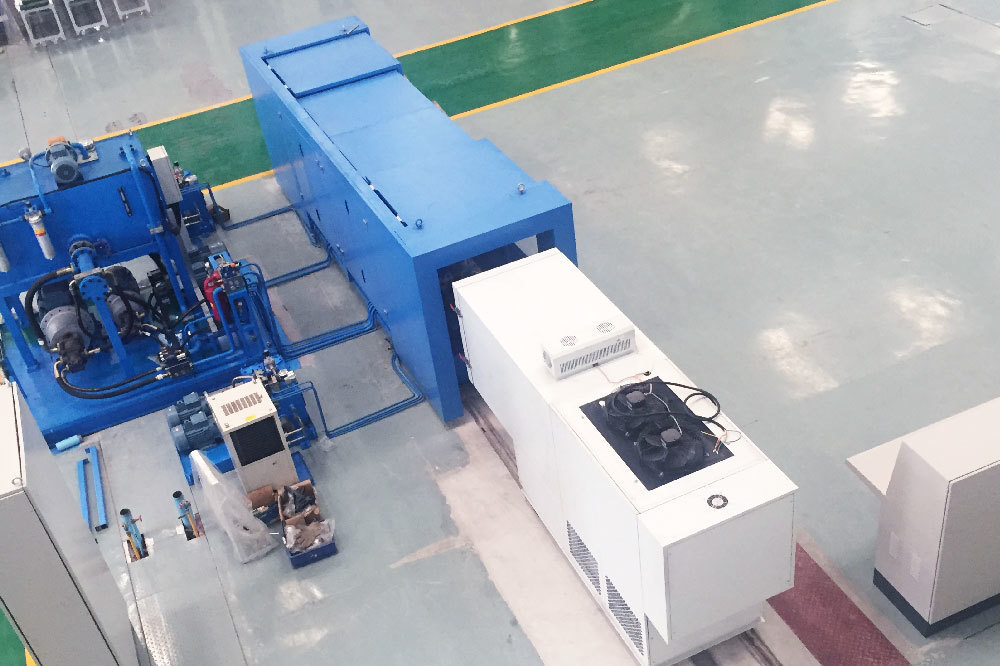
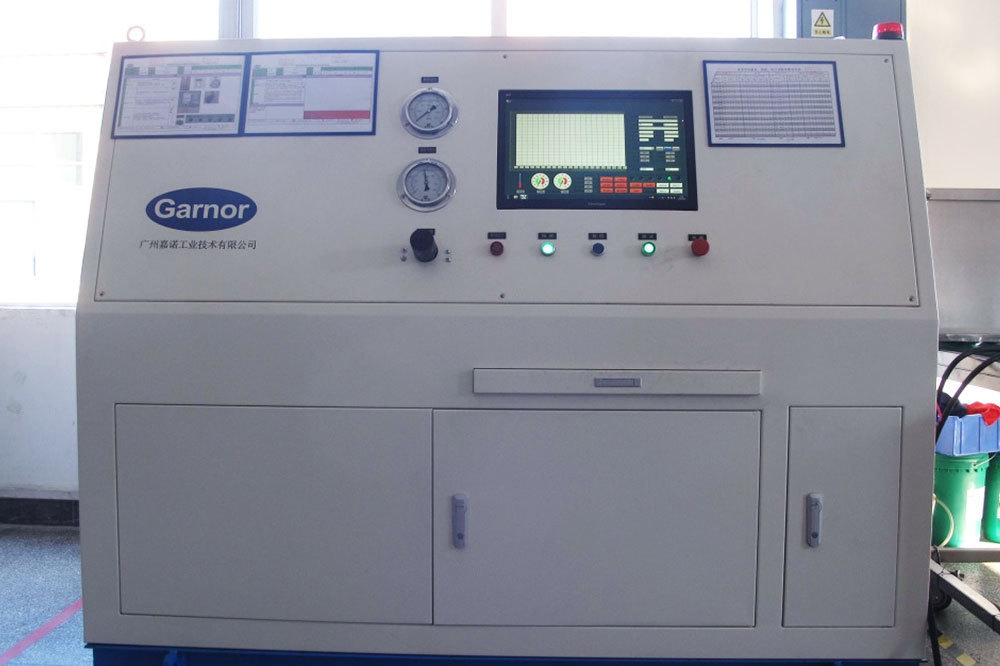
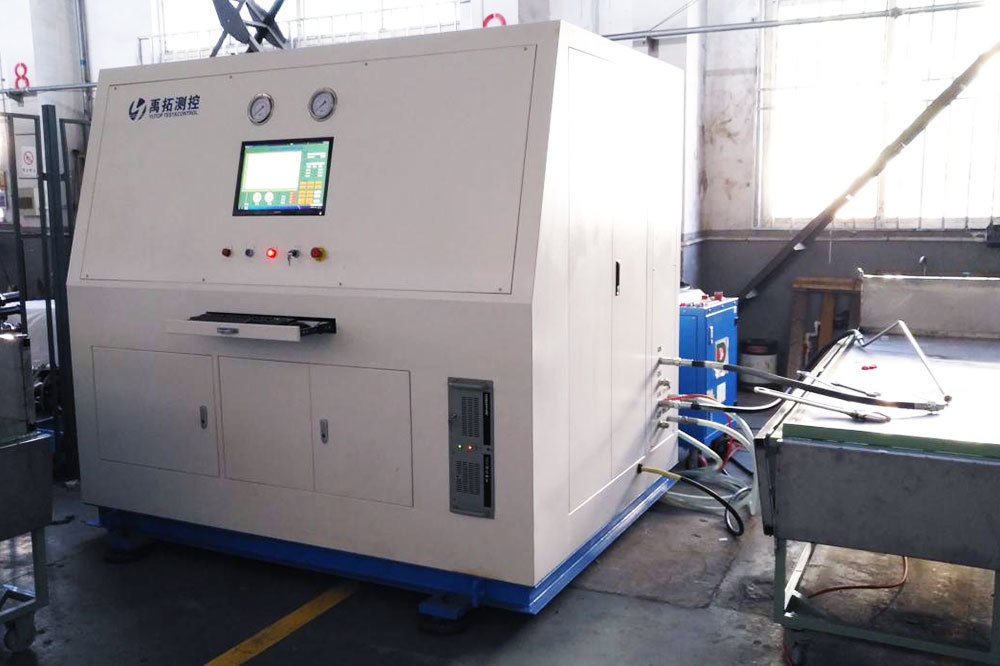
Piston pumps are crucial components in various industrial applications, known for their ability to move fluids under high pressure with precision. Testing equipment for piston pumps ensures their efficiency, reliability, and performance. In this article, we will conduct a comparative analysis of piston pump testing equipment and other testing solutions, shedding light on the key differences, advantages, and applications.
Understanding Piston Pumps: A Brief Overview
Piston pumps operate by creating a vacuum that draws fluid into a chamber, followed by the action of a piston that expels the fluid. This mechanism enables the pumps to handle a wide range of fluids, including viscous liquids and high-pressure applications. The efficiency of piston pumps relies heavily on the accuracy of their testing equipment, which measures variables such as flow rate, pressure, and temperature.
Key Features of Piston Pump Testing Equipment
When evaluating piston pump testing equipment, several features stand out:
1. Precision Measurement Capabilities
Precision is paramount in testing equipment. High-quality piston pump testing devices can measure flow rates and pressures with remarkable accuracy, ensuring that pumps function optimally.
2. Versatility
Piston pump testing equipment is designed to accommodate various types of piston pumps. This versatility allows manufacturers and operators to test different models using the same equipment, saving time and resources.
3. User-Friendly Interfaces
Modern testing equipment incorporates user-friendly interfaces, making it easier for operators to conduct tests, analyze data, and interpret results without extensive training.
4. Real-Time Data Monitoring
Advanced testing solutions offer real-time monitoring of pump performance, providing immediate feedback that can lead to quicker adjustments and enhanced efficiency.
Comparative Analysis: Piston Pump Testing vs. Other Testing Solutions
In comparison to other testing solutions, piston pump testing equipment excels in several areas:
1. Accuracy vs. Other Testing Methods
While other testing solutions, such as flow meters and pressure gauges, provide valuable data, they often lack the precision that dedicated piston pump testing equipment offers. The latter is specifically designed to handle the complexities and nuances of piston pump dynamics, leading to more reliable results.
2. Cost-Effectiveness
Investing in piston pump testing equipment can yield long-term savings. While the initial cost may be higher compared to general testing solutions, the reduction in downtime and maintenance costs associated with accurate testing makes it a cost-effective choice in the long run.
3. Specialized Testing Capabilities
Piston pump testing equipment can be tailored to meet specific industrial requirements. For example, it can be configured to test pumps under various conditions, such as different temperatures and fluid viscosities, enabling a more comprehensive evaluation.
Alternative Testing Solutions Overview
While piston pump testing equipment holds numerous advantages, it is essential to be aware of alternative testing solutions available in the market.
1. Flow Meters
Flow meters measure fluid flow rates but are not specifically designed for piston pumps. They offer general data that may not reflect the intricate performance characteristics of piston pumps.
2. Pressure Gauges
Pressure gauges are useful tools for measuring the pressure within a pumping system. However, they do not provide a complete picture of pump performance, such as flow variations and efficiency under varying conditions.
3. Ultrasonic Testing
Ultrasonic testing employs sound waves to detect inconsistencies within a system. While effective for certain applications, it may lack the precision needed for assessing the performance of piston pumps specifically.
The Role of Calibration in Piston Pump Testing
Calibration is a critical aspect of piston pump testing equipment. Regular calibration ensures that the equipment provides accurate readings, maintaining the integrity of the testing process.
Importance of Regular Calibration
Calibration must be performed periodically to account for wear and tear on equipment. This practice guarantees that the testing results remain reliable and reflect the true performance of the piston pumps.
Calibration Standards and Procedures
Adhering to industry standards during calibration is essential. Following established procedures ensures that testing equipment operates within specified parameters, providing consistent and repeatable results.
Industry Applications of Piston Pump Testing Equipment
Piston pump testing equipment finds applications across various industries:
1. Oil and Gas Industry
In the oil and gas sector, piston pumps are utilized for transporting crude oil and other fluids. Testing equipment ensures that pumps operate efficiently, reducing the risk of leaks and equipment failure.
2. Water and Wastewater Management
Piston pumps are essential in water treatment facilities and wastewater management systems. Testing equipment helps maintain optimal performance, ensuring the effective movement of fluids.
3. Chemical Processing
In chemical processing plants, precise fluid handling is critical. Piston pump testing equipment monitors performance to prevent contamination and ensure consistent product quality.
4. Food and Beverage Industry
Piston pumps are applied in the food and beverage industry for transferring ingredients. Rigorous testing equipment guarantees adherence to hygiene standards and maintains the quality of food products.
Choosing the Right Piston Pump Testing Equipment
Selecting the appropriate testing equipment is crucial for achieving accurate results and maximizing pump performance.
Factors to Consider
When choosing piston pump testing equipment, consider the following factors:
1. Application Requirements
Understand the specific application for which the testing equipment will be used. Different applications may require specialized testing capabilities.
2. Budget Constraints
While investing in high-quality testing equipment is essential, it is vital to balance performance with budget constraints. Evaluate the long-term return on investment when making decisions.
3. Manufacturer Reputation
Select equipment from reputable manufacturers known for producing reliable and accurate testing solutions. Research customer reviews and industry feedback before making a purchase.
Maintenance of Piston Pump Testing Equipment
Proper maintenance is paramount to ensure the longevity and accuracy of piston pump testing equipment.
Regular Maintenance Practices
Implement a routine maintenance schedule that includes cleaning, inspection, and calibration. Keeping the equipment in good condition will enhance its performance and provide reliable results.
Training for Operators
Ensuring that operators are adequately trained in the use of piston pump testing equipment is essential. Proper training minimizes the risk of errors during testing and maximizes equipment efficiency.
Future Trends in Piston Pump Testing Equipment
As technology advances, piston pump testing equipment is evolving. Emerging trends include:
1. Integration of IoT Technology
The Internet of Things (IoT) is making its way into industrial equipment, allowing for remote monitoring and data analytics. This technology will provide real-time insights into pump performance, enabling proactive maintenance.
2. Increased Automation
As industries move toward automation, piston pump testing equipment is expected to incorporate more automated features, streamlining testing processes and reducing the need for manual intervention.
3. Enhanced Data Analytics
Advanced data analytics tools will be integrated into testing equipment, allowing for deeper insights into pump performance trends and predictive maintenance scheduling.
Conclusion
In summary, piston pump testing equipment stands out as a superior solution for evaluating the performance of piston pumps, offering unparalleled accuracy, versatility, and specialization. While alternative testing solutions have their place, they often lack the precision and tailored capabilities of dedicated piston pump testing equipment. Understanding the importance of calibration, maintenance, and the specific application requirements will empower industries to make informed decisions. As technology progresses, the future of piston pump testing equipment promises exciting advancements that will further streamline testing processes and enhance overall efficiency. Investing in high-quality piston pump testing equipment is not just an operational choice; it is a strategic decision that can significantly impact productivity and reliability in the industrial landscape.
FAQs
1. What is the primary function of piston pump testing equipment?
Piston pump testing equipment is designed to measure and analyze the performance of piston pumps, ensuring they operate efficiently and reliably under various conditions.
2. How often should piston pump testing equipment be calibrated?
It is recommended to calibrate piston pump testing equipment regularly, typically every six months or more frequently based on usage and industry standards.
3. What industries benefit most from piston pump testing?
Industries such as oil and gas, water and wastewater management, chemical processing, and food and beverage production greatly benefit from piston pump testing equipment.
4. Can piston pump testing equipment be used for different types of pumps?
Yes, many piston pump testing solutions are designed to accommodate various types of piston pumps, making them versatile for different applications.
5. What are the key factors to consider when purchasing piston pump testing equipment?
Key factors include application requirements, budget constraints, manufacturer reputation, and the specific testing capabilities needed for your operations.

Room 207, 2nd Floor, Block C, Building 1 (Self-designated), No. 3 Yunkai Road, Yunpu Industrial Zone, Huangpu District, Guangzhou City,China


