

Understanding the Importance of a Test Bench for Excavator Hydraulic Systems
Understanding the Importance of a Test Bench for Excavator Hydraulic Systems Table of Contents 1. Introduction to Excavator Hydraulic Systems 2. The Role of a Test Bench in Hydraulic Systems 3. Key Components of a Test Bench for Excavators 4. Benefits of Using a Test Bench in Maintenance 5. How Test Benches Improve Safety Standards 6. Best Practices for Operating Test Be
Dec 31,2025

Understanding the Importance of a Test Bench for Excavator Hydraulic Systems
Table of Contents
- 1. Introduction to Excavator Hydraulic Systems
- 2. The Role of a Test Bench in Hydraulic Systems
- 3. Key Components of a Test Bench for Excavators
- 4. Benefits of Using a Test Bench in Maintenance
- 5. How Test Benches Improve Safety Standards
- 6. Best Practices for Operating Test Benches
- 7. Common Issues in Hydraulic Systems and Their Solutions
- 8. Frequently Asked Questions about Test Benches
- 9. Conclusion
1. Introduction to Excavator Hydraulic Systems
Excavators play a crucial role in construction and heavy machinery operations, primarily due to their hydraulic systems. These systems convert hydraulic energy into mechanical force, allowing excavators to lift, dig, and move materials efficiently. Understanding how hydraulic systems function is fundamental to ensuring optimal performance and longevity.
Hydraulic systems in excavators comprise several components, including pumps, hydraulic cylinders, valves, and hoses. Each part plays a significant role in the overall functionality of the machine. However, with regular use, these components can wear out or become damaged, leading to decreased efficiency and potential safety hazards.
2. The Role of a Test Bench in Hydraulic Systems
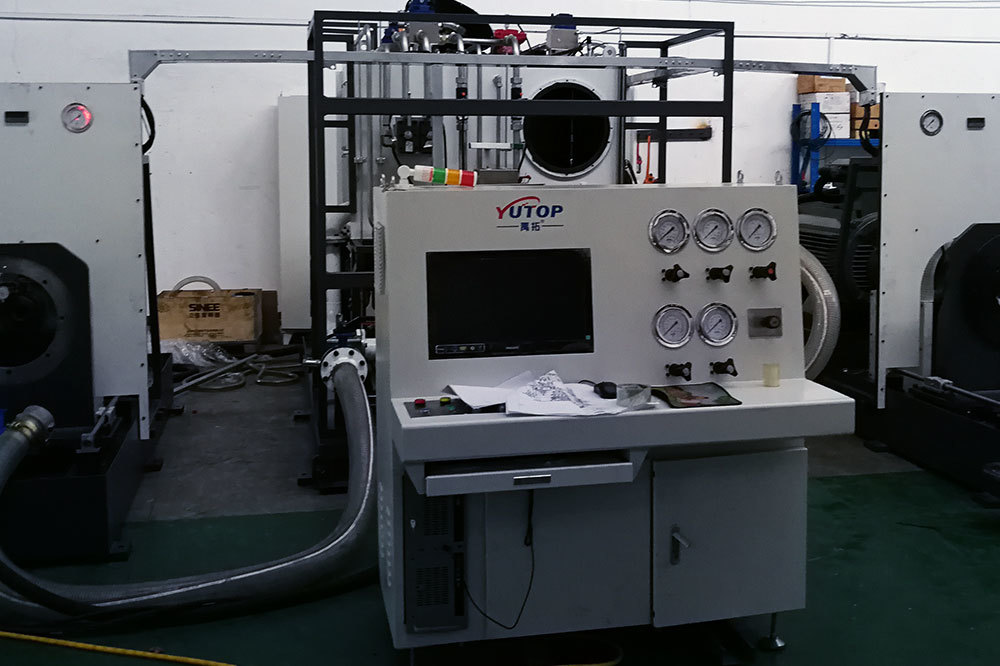
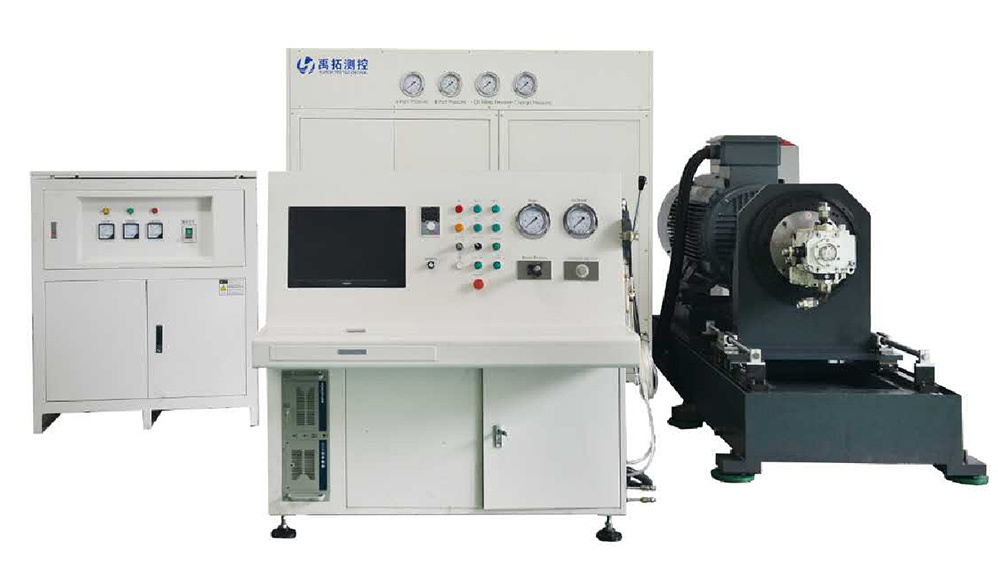
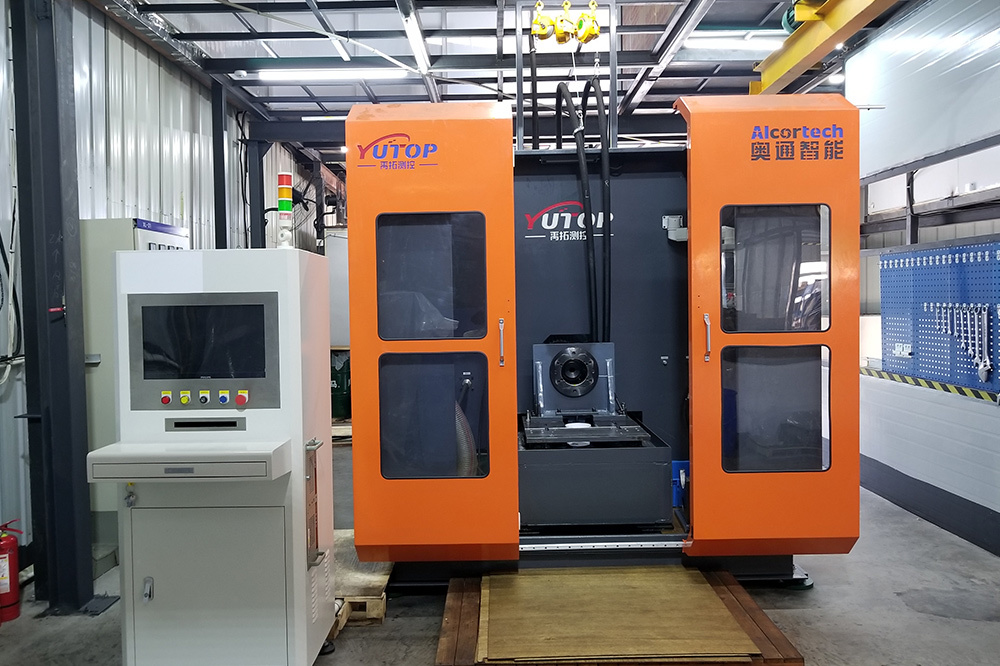
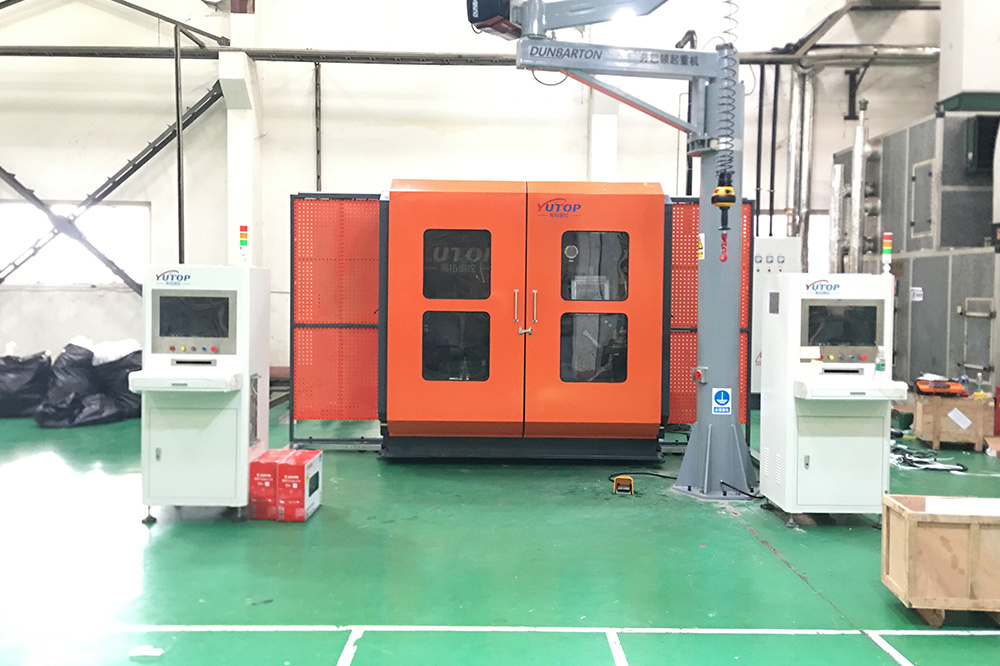
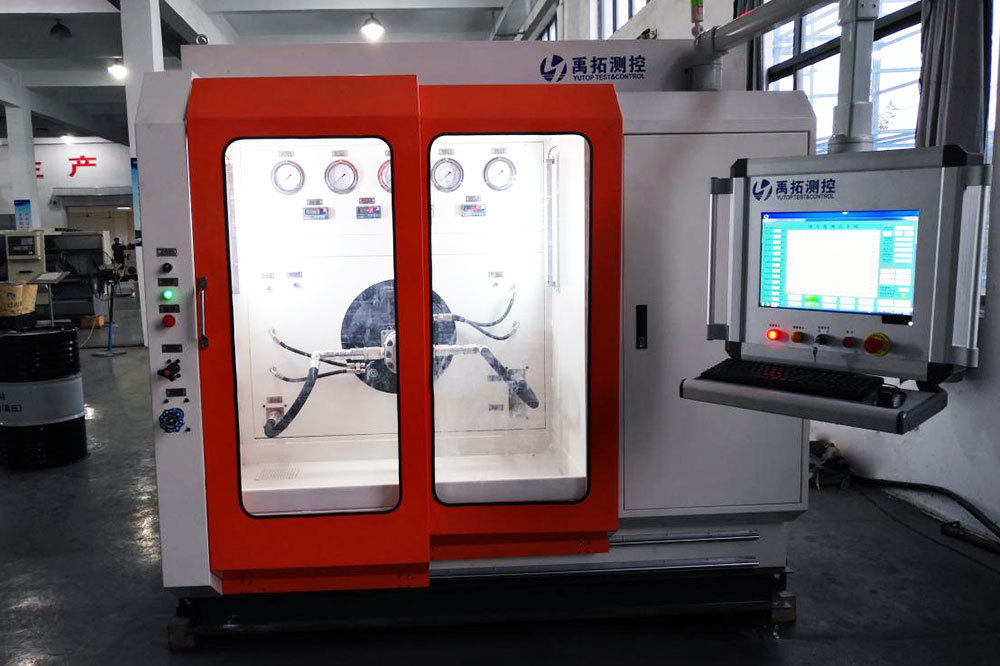
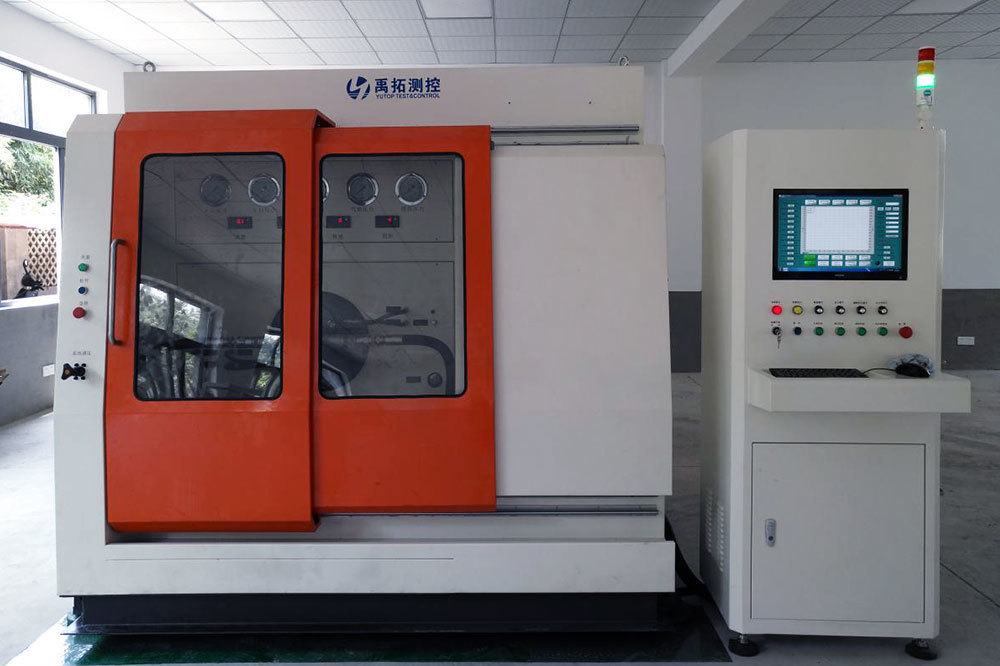
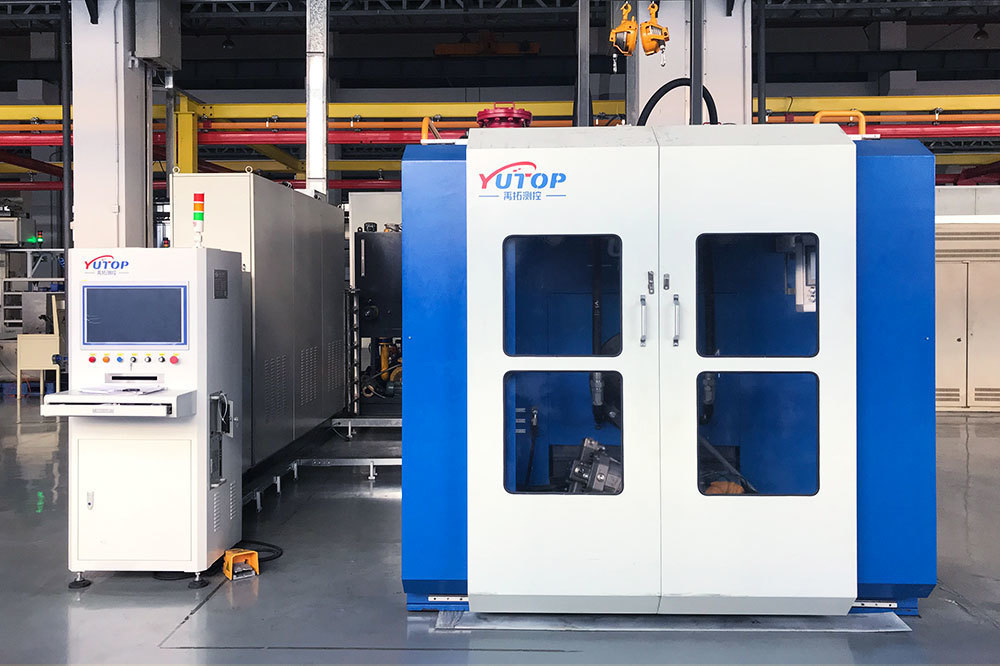
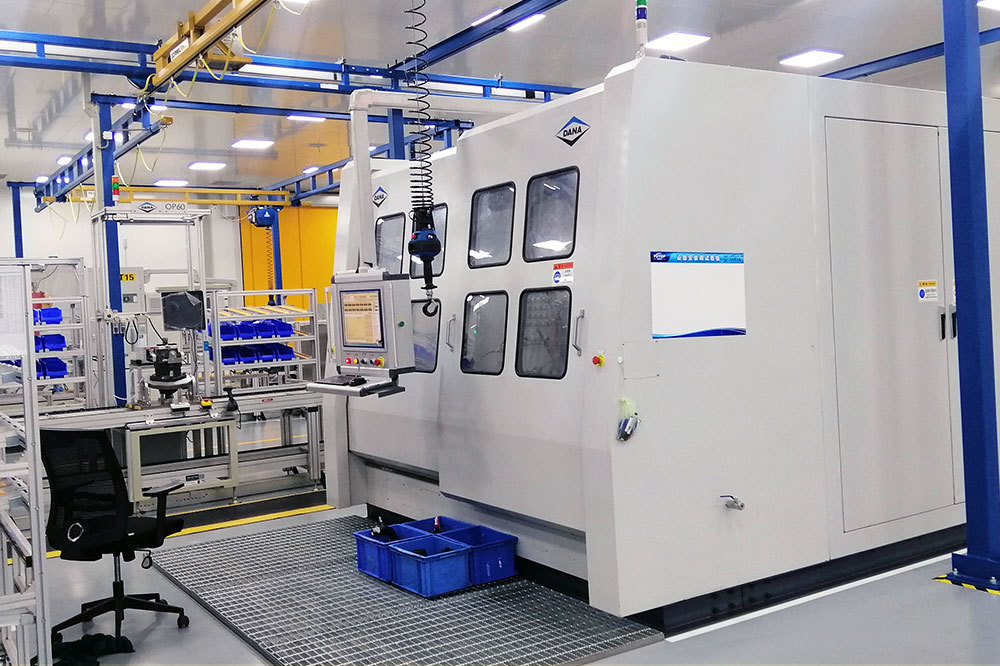
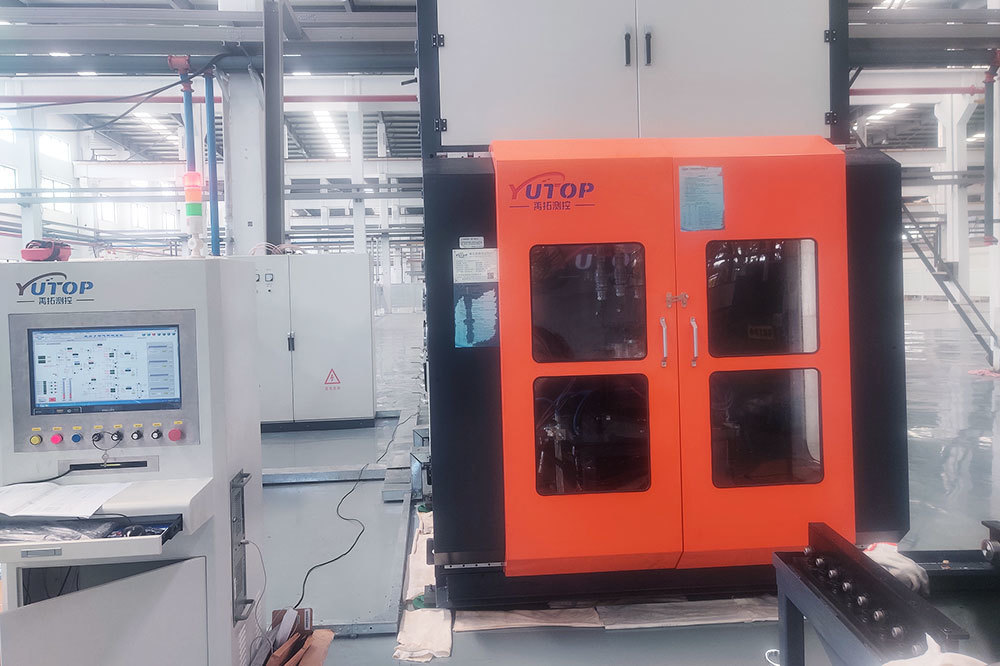
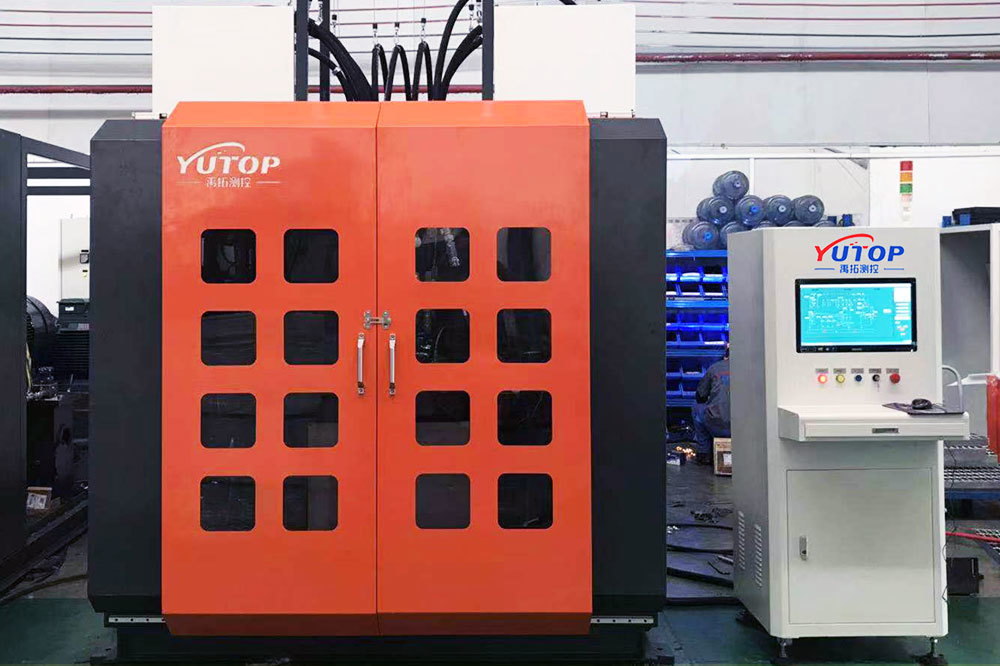
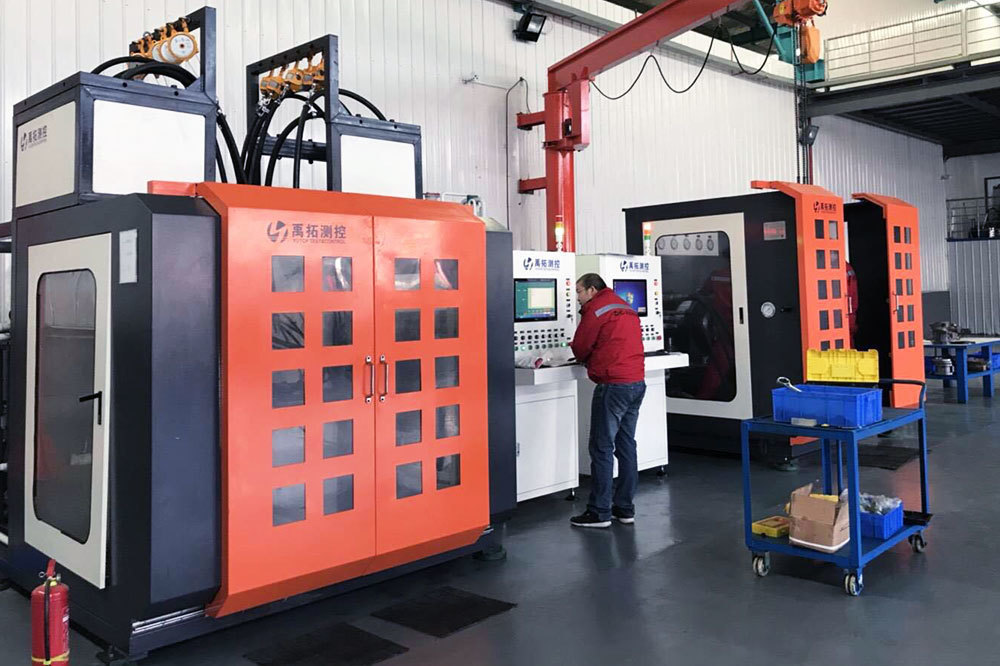
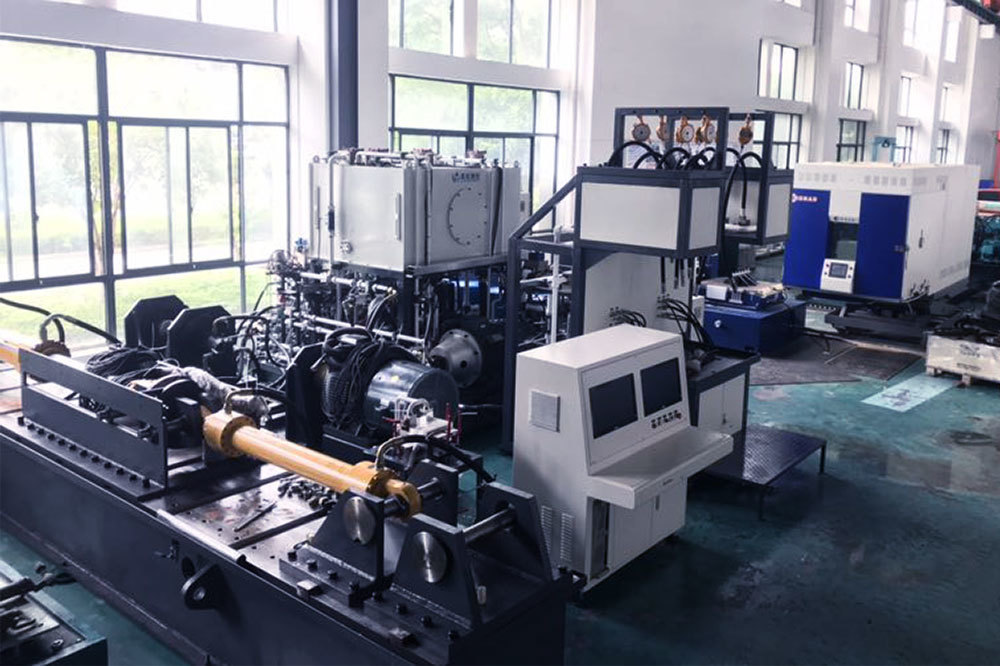
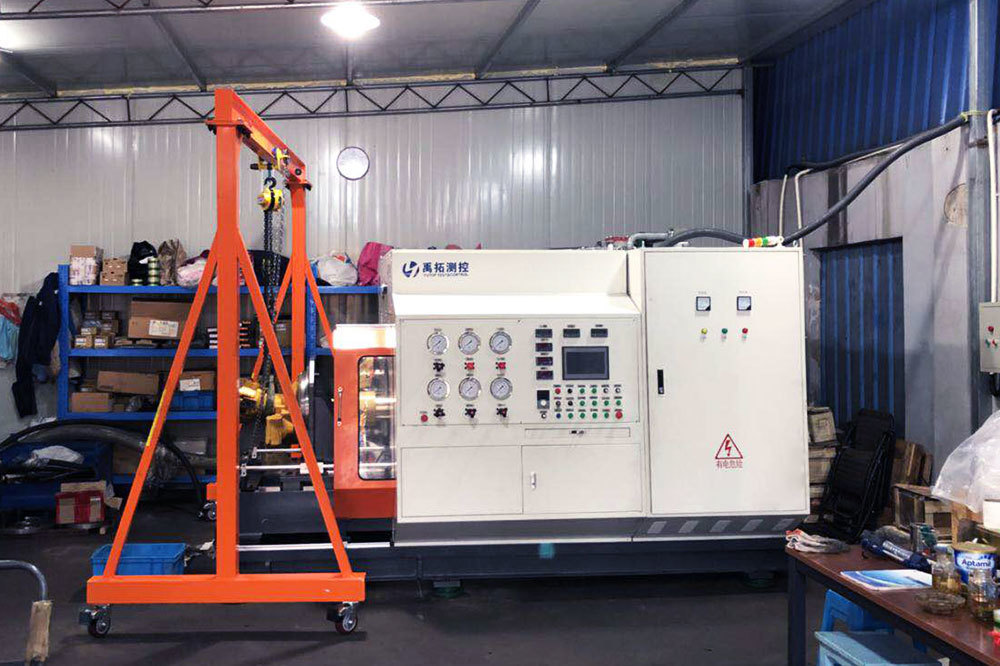
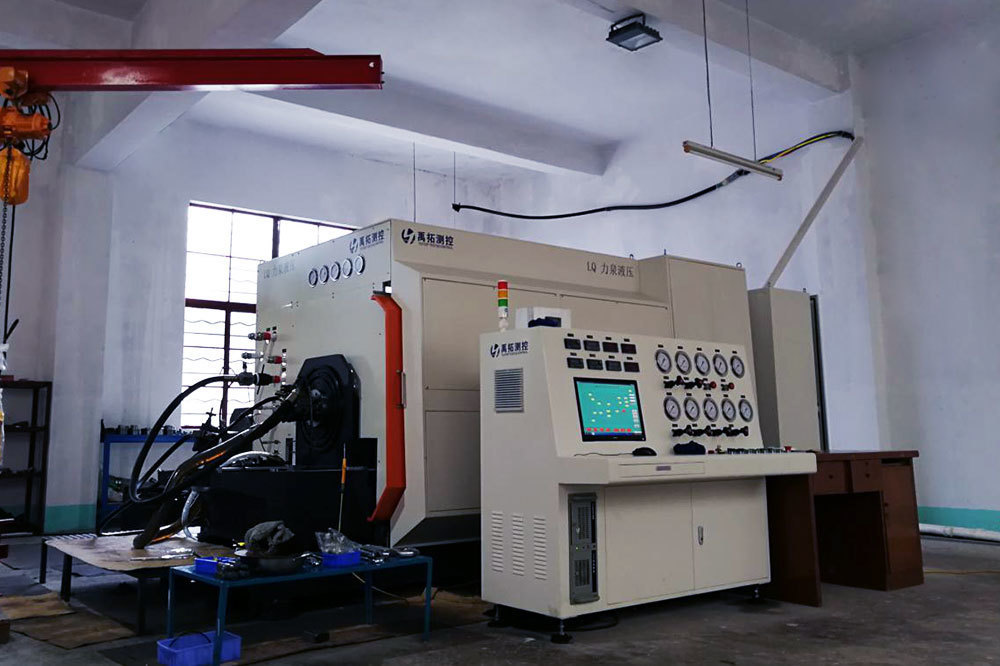
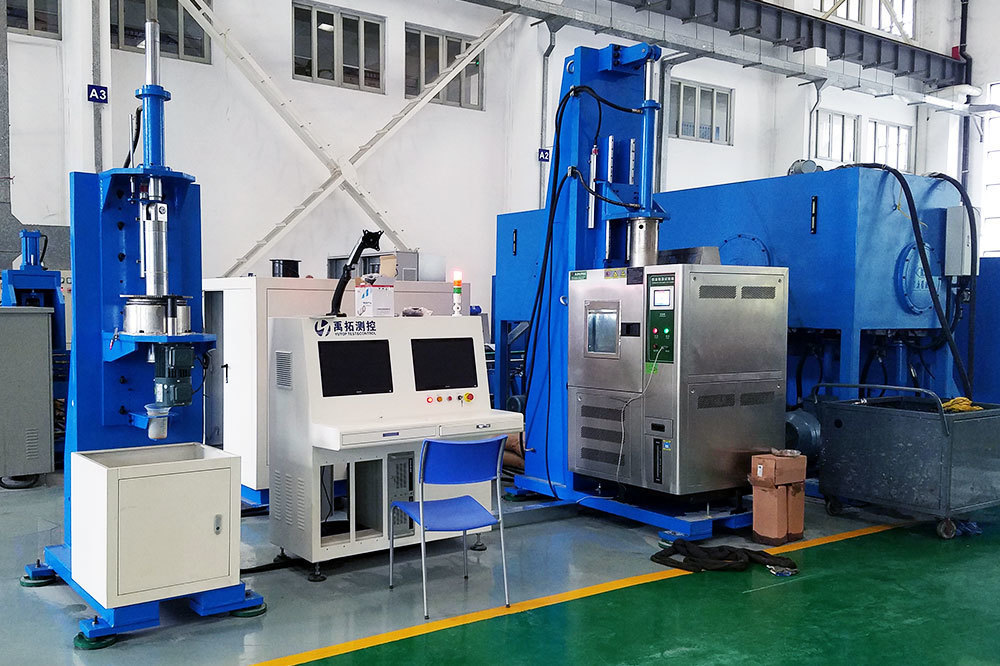
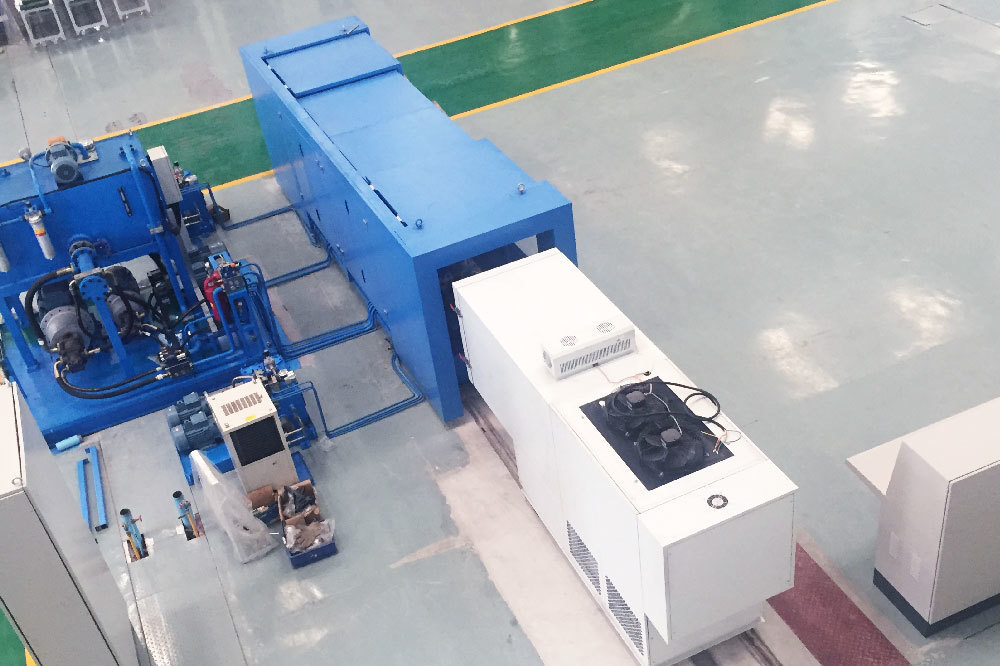
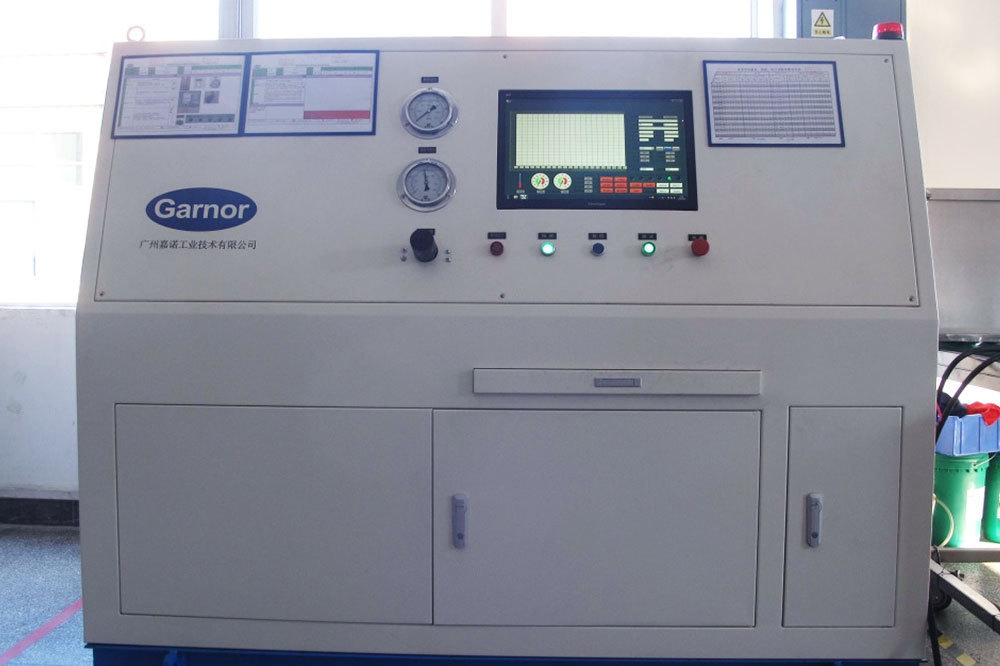
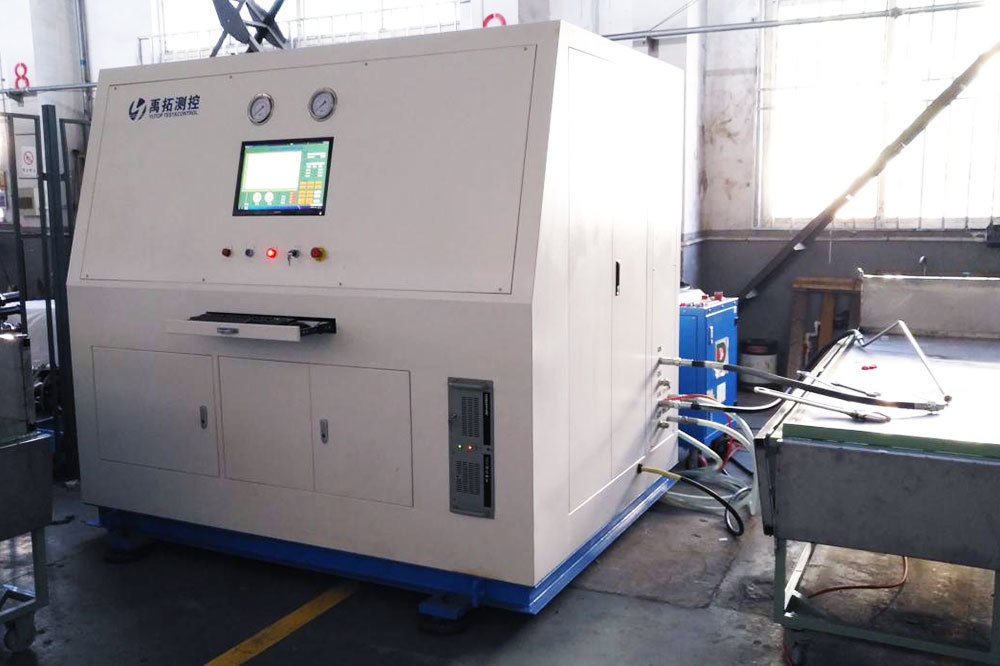
A **test bench** is a specialized setup designed to assess the performance of hydraulic systems, including those found in excavators. It allows operators and technicians to simulate various operating conditions, measure responses, and evaluate the system's overall integrity.
By utilizing a test bench, personnel can quickly identify discrepancies in hydraulic functions, ensuring that the excavator operates at peak efficiency. This proactive approach to maintenance reduces downtime and prevents costly repairs.
3. Key Components of a Test Bench for Excavators
Understanding what makes up a test bench is vital for anyone involved in excavator maintenance. Here are the primary components:
3.1 Hydraulic Power Unit (HPU)
The Hydraulic Power Unit serves as the heart of the test bench. It generates the necessary hydraulic power to simulate various operational scenarios. An efficient HPU ensures accurate testing results.
3.2 Flow Meters
Flow meters measure the rate of hydraulic fluid flow through the system. By assessing flow rates, technicians can detect potential blockages or leaks within the hydraulic components.
3.3 Pressure Gauges
Pressure gauges monitor the pressure within the hydraulic system. Maintaining proper pressure is crucial for the safe and efficient operation of excavators. Irregular pressure readings may indicate faulty components.
3.4 Control Valves
Control valves regulate the flow and pressure of hydraulic fluid within the test bench. Proper functioning of these valves is essential for accurate testing.
3.5 Data Acquisition System
A data acquisition system records performance metrics during testing. This information is invaluable for diagnosing issues and improving hydraulic system design.
4. Benefits of Using a Test Bench in Maintenance
The implementation of a test bench leads to several notable benefits in excavator maintenance:
4.1 Enhanced Efficiency
Regular testing ensures that hydraulic systems operate efficiently. By identifying problems early, maintenance teams can prevent performance drops that may affect project timelines.
4.2 Cost Savings
Investing in a test bench can lead to significant cost savings over time. By minimizing unexpected failures and repair costs, companies can allocate resources more effectively.
4.3 Improved Longevity of Equipment
Frequent testing helps maintain the health of hydraulic systems, extending the overall lifespan of excavators. This proactive approach contributes to better return on investment.
4.4 Increased Reliability
Having a reliable hydraulic system is crucial in the construction industry. A test bench provides assurance that systems are functioning correctly, thereby enhancing overall operational reliability.
5. How Test Benches Improve Safety Standards
Safety is paramount in construction environments. Utilizing a test bench contributes to safer operations in the following ways:
5.1 Early Detection of Failures
Regular testing can identify potential failures before they lead to accidents. By catching issues early, workers can avoid dangerous situations.
5.2 Compliance with Safety Regulations
Test benches help ensure that hydraulic systems comply with industry safety standards, protecting both workers and equipment.
5.3 Training Opportunities
Test benches serve as excellent training tools for technicians. They provide a controlled environment for learning about hydraulic systems, fostering better understanding and operational safety.
6. Best Practices for Operating Test Benches
To maximize the benefits of a test bench, it is important to follow best practices:
6.1 Regular Calibration
Ensure that all measuring instruments and gauges on the test bench are calibrated regularly. Accurate measurements are crucial for effective testing.
6.2 Comprehensive Training
Technicians should receive thorough training on how to operate the test bench. Understanding its components and functions is essential for effective diagnostics.
6.3 Documentation
Maintain detailed documentation of all tests performed, including results and any maintenance conducted. This record can assist in future evaluations and improvements.
7. Common Issues in Hydraulic Systems and Their Solutions
Hydraulic systems in excavators may encounter several common issues. Understanding these can facilitate quicker troubleshooting:
7.1 Leaks
Leaks can occur in hoses or fittings. Regular inspection and replacing worn components can prevent significant hydraulic loss.
7.2 Overheating
Overheating can result from excessive load or inadequate fluid. Monitoring temperature and ensuring proper fluid levels are essential practices.
7.3 Erratic Movement
Erratic or slow movement of hydraulic components can indicate problems with flow or pressure. Thorough testing can help identify the root cause and lead to appropriate solutions.
8. Frequently Asked Questions about Test Benches
8.1 What is the primary purpose of a test bench for excavator hydraulic systems?
The primary purpose of a test bench is to analyze the performance of hydraulic systems, allowing for early detection of issues and ensuring optimal functionality.
8.2 How often should hydraulic systems be tested?
It is recommended to test hydraulic systems regularly, ideally every few months or following significant operational hours, to maintain performance and safety standards.
8.3 Can I use a test bench for other types of hydraulic equipment?
Yes, test benches can be used for various hydraulic equipment, as long as they are appropriately calibrated and equipped for the specific system being tested.
8.4 What are the signs that a hydraulic system needs testing?
Common signs include decreased performance, unusual noises, leaking fluid, or erratic movements in the equipment. If any of these symptoms are observed, testing is advisable.
8.5 Are test benches customizable?
Many test benches can be customized to suit specific needs, including the type of hydraulic system being tested and the parameters required for evaluation.
9. Conclusion
Understanding the importance of a test bench for excavator hydraulic systems is crucial for maintaining operational efficiency, safety, and reliability. By implementing regular testing practices, utilizing high-quality test benches, and adhering to best practices, businesses can ensure their hydraulic systems remain in optimal condition. Investing in a test bench not only enhances maintenance capabilities but also contributes to longer-lasting equipment and improved overall performance. By prioritizing hydraulic system testing, companies can create a safer, more efficient work environment, ultimately paving the way for continued success in the construction industry.

Room 207, 2nd Floor, Block C, Building 1 (Self-designated), No. 3 Yunkai Road, Yunpu Industrial Zone, Huangpu District, Guangzhou City,China


