

The Science Behind Hydraulic Pump Performance Testing Explained: Maximizing Efficiency and Reliability
The Science Behind Hydraulic Pump Performance Testing Explained Table of Contents 1. Introduction to Hydraulic Pump Performance 2. Understanding Hydraulic Pumps 3. Importance of Hydraulic Pump Performance Testing 4. Performance Testing Methods for Hydraulic Pumps 4.1 Static Testing 4.2 Dynamic Testing 4.3 Load Testing 5. Ke
Jan 02,2026
The Science Behind Hydraulic Pump Performance Testing Explained
Table of Contents
- 1. Introduction to Hydraulic Pump Performance
- 2. Understanding Hydraulic Pumps
- 3. Importance of Hydraulic Pump Performance Testing
- 4. Performance Testing Methods for Hydraulic Pumps
- 5. Key Parameters to Measure in Performance Testing
- 6. Technologies in Hydraulic Pump Performance Testing
- 7. Common Challenges in Performance Testing
- 8. Best Practices for Hydraulic Pump Performance Testing
- 9. Conclusion
- 10. Frequently Asked Questions
1. Introduction to Hydraulic Pump Performance
Hydraulic pumps are integral components in various industrial applications, offering the ability to convert mechanical energy into hydraulic energy efficiently. The performance of these pumps directly influences the overall functionality of hydraulic systems. Understanding how to test and evaluate their performance is crucial for ensuring optimal operation and longevity. This article delves into the science behind hydraulic pump performance testing, highlighting the methodologies, technologies, and best practices that contribute to effective testing.
2. Understanding Hydraulic Pumps
Hydraulic pumps function by moving fluids through a hydraulic system, generating flow and pressure necessary for various operations. There are different types of hydraulic pumps, including gear pumps, vane pumps, and piston pumps, each designed for specific applications. To ensure these pumps operate efficiently, performance testing is essential, as it helps identify any potential issues that may affect system reliability.
3. Importance of Hydraulic Pump Performance Testing
The **importance of hydraulic pump performance testing** cannot be overstated. Regular testing ensures that pumps are operating within their designed specifications, which offers multiple benefits, including:
- **Enhanced Reliability**: Performance testing identifies potential issues early, allowing for timely maintenance and repairs.
- **Increased Efficiency**: By understanding pump performance, operators can optimize hydraulic systems to reduce energy consumption.
- **Cost Savings**: Preventative maintenance based on performance testing can minimize unexpected breakdowns and costly repairs.
- **Compliance and Safety**: Ensuring pumps meet regulatory standards helps maintain safety in industrial environments.
4. Performance Testing Methods for Hydraulic Pumps
To achieve accurate performance evaluation, several testing methods can be employed. Each method serves a distinct purpose and can provide valuable insights into pump functionality.
4.1 Static Testing
**Static testing** involves assessing the pump’s performance under no-flow conditions. This method focuses on evaluating pressure and verifying that the pump can generate the required pressure without any fluid movement. While it provides essential data on pressure capabilities, it does not offer insights into flow characteristics.
4.2 Dynamic Testing
In contrast, **dynamic testing** assesses the pump's performance during operation. This method measures parameters such as flow rate, pressure, and efficiency while the pump is running. Dynamic testing offers a comprehensive view of how the pump performs under typical operating conditions, making it invaluable for performance analysis.
4.3 Load Testing
**Load testing** simulates real-world conditions by applying variable loads to the hydraulic system. This method evaluates how the pump performs under different loads, helping to determine its efficiency and reliability in various scenarios. Load testing is crucial for applications where the pump will operate under fluctuating demands.
5. Key Parameters to Measure in Performance Testing
Measuring specific parameters during hydraulic pump performance testing is critical for obtaining accurate results. The following key metrics provide insights into pump functionality:
5.1 Flow Rate
Flow rate is one of the most essential metrics to measure during performance testing. It indicates the volume of fluid a pump can move within a specific time frame. Understanding the flow rate helps assess whether the pump meets the demands of the application it serves.
5.2 Pressure
Pressure measurements reveal the pump's ability to generate the necessary force to move fluid through the system. Evaluating pressure performance during testing helps identify potential issues, such as leaks or blockages, that could impact system efficiency.
5.3 Efficiency
Pump efficiency describes how effectively the pump converts mechanical input into hydraulic output. Evaluating efficiency is vital, as higher efficiency translates to lower energy consumption and operational costs. Performance testing should focus on calculating efficiency based on flow rate and power input.
6. Technologies in Hydraulic Pump Performance Testing
Various technologies support hydraulic pump performance testing, enabling accurate measurements and detailed analysis. Advanced tools include:
- **Flow Meters**: These devices measure the flow rate of the fluid, ensuring accurate data collection during testing.
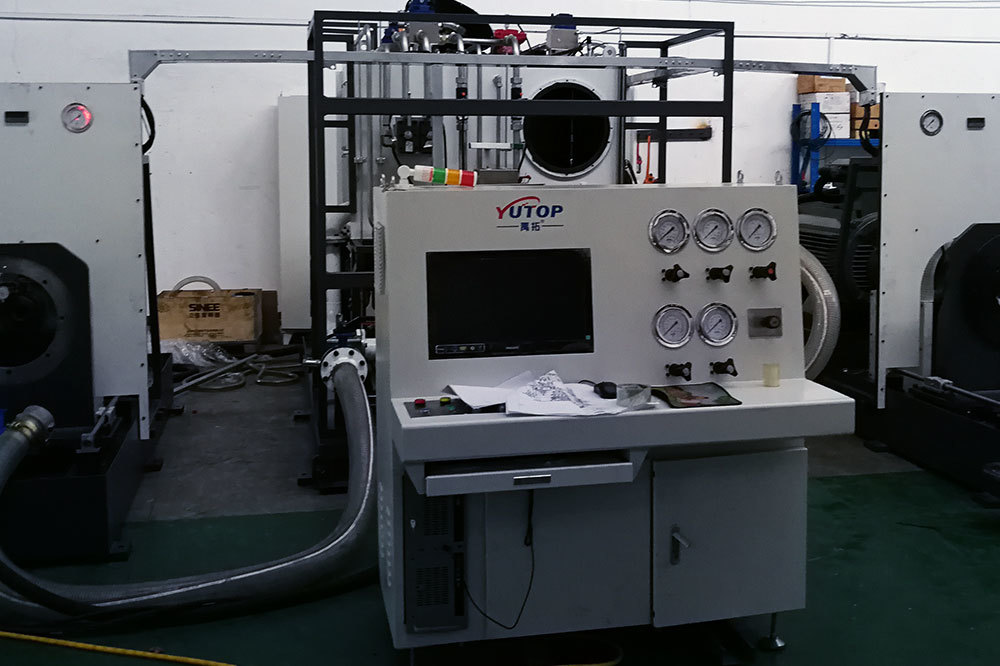
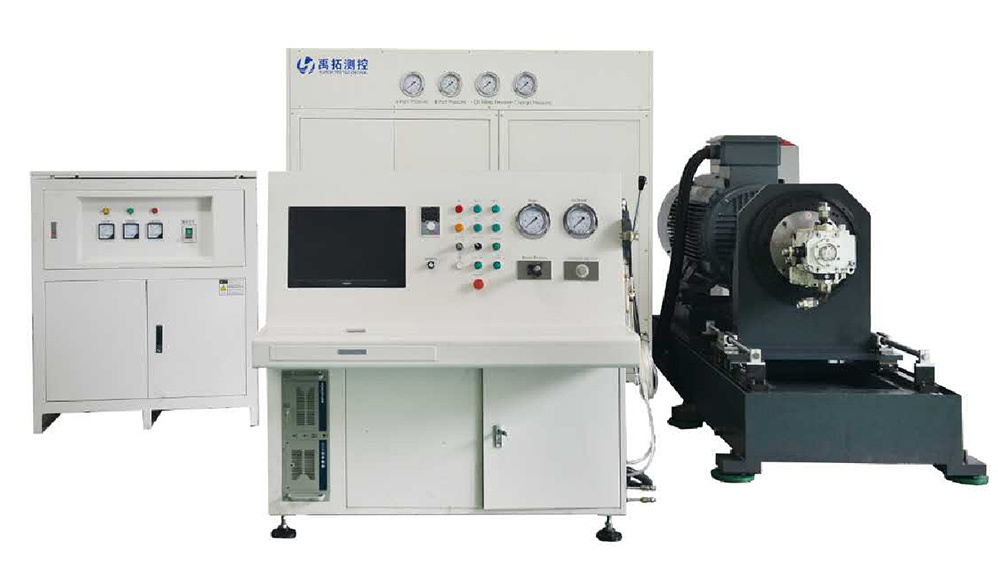
- **Pressure Gauges**: Used to measure pressure levels, these gauges help identify discrepancies in pump performance.
- **Data Acquisition Systems**: These systems collect and analyze data from various sensors, providing real-time insights into pump performance.
Integrating these technologies during testing can streamline the process and improve the accuracy of the results.
7. Common Challenges in Performance Testing
While performance testing is critical, it is not without its challenges. Professionals may face issues such as:
- **Calibration Errors**: Ensuring all testing equipment is correctly calibrated is crucial for obtaining accurate results.
- **Environmental Factors**: Temperature fluctuations and fluid viscosity changes can impact performance measurements, leading to inconsistent data.
- **System Complexity**: Hydraulic systems can be complex, making it challenging to isolate and evaluate individual pump performance.
Addressing these challenges requires thorough planning and robust testing protocols to ensure reliable performance evaluation.
8. Best Practices for Hydraulic Pump Performance Testing
To maximize the effectiveness of hydraulic pump performance testing, consider the following best practices:
- **Establish Clear Testing Protocols**: Define specific procedures for testing to ensure consistency and reliability.
- **Use Quality Equipment**: Invest in high-quality testing tools and technologies to enhance measurement accuracy.
- **Conduct Regular Testing**: Schedule performance tests at regular intervals to monitor changes in pump functionality over time.
- **Document Results Thoroughly**: Keep detailed records of test results to track performance trends and identify potential issues early.
- **Train Personnel**: Ensure that staff conducting tests are well-trained in both the equipment and testing procedures to minimize errors.
Implementing these best practices can significantly improve the reliability and efficiency of hydraulic pump performance testing.
9. Conclusion
Understanding the science behind hydraulic pump performance testing is essential for enhancing efficiency and reliability in hydraulic systems. By employing various testing methods and measuring key parameters, professionals can gain valuable insights into pump functionality. Embracing advanced technologies and following established best practices further elevates the quality of performance assessments. Ultimately, effective hydraulic pump performance testing not only ensures operational efficiency but also contributes to cost savings and enhanced safety in industrial applications.
10. Frequently Asked Questions
What is the purpose of hydraulic pump performance testing?
The primary purpose of hydraulic pump performance testing is to evaluate the pump's ability to operate within its designed specifications, ensuring efficiency, reliability, and safety in hydraulic systems.
What are the main types of hydraulic pumps?
The main types of hydraulic pumps include gear pumps, vane pumps, and piston pumps, each suited for different applications based on their operating principles.
How often should performance testing be conducted?
Performance testing should be conducted regularly, ideally at scheduled intervals, to monitor pump functionality and identify potential issues early.
What key parameters should be measured during testing?
Key parameters to measure include flow rate, pressure, and efficiency, as these metrics provide insights into the pump's performance.
What challenges do professionals face in hydraulic pump performance testing?
Common challenges include calibration errors, environmental factors affecting measurements, and the complexity of hydraulic systems, which can complicate performance evaluations.
PREVIOUS:

Room 209, 2nd Floor, No.12, No.828 Maogang Road, Huangpu District, Guangzhou,China.


