

Key Features to Look for in an Excavator Hydraulic System Test Bench
Key Features to Look for in an Excavator Hydraulic System Test Bench Introduction to Excavator Hydraulic System Test Benches In the realm of heavy machinery, the performance and reliability of excavators are critical. One of the essential components that directly influence these factors is the hydraulic system. A hydraulic system test bench plays a pivotal role in ensuring that these systems o
Jan 08,2026

Key Features to Look for in an Excavator Hydraulic System Test Bench
Introduction to Excavator Hydraulic System Test Benches
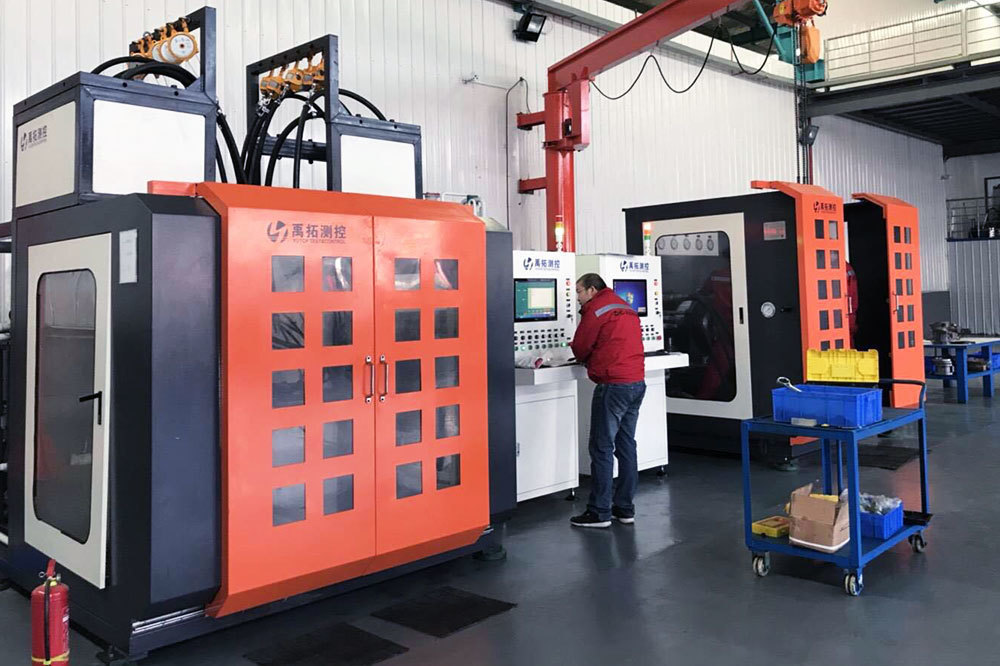
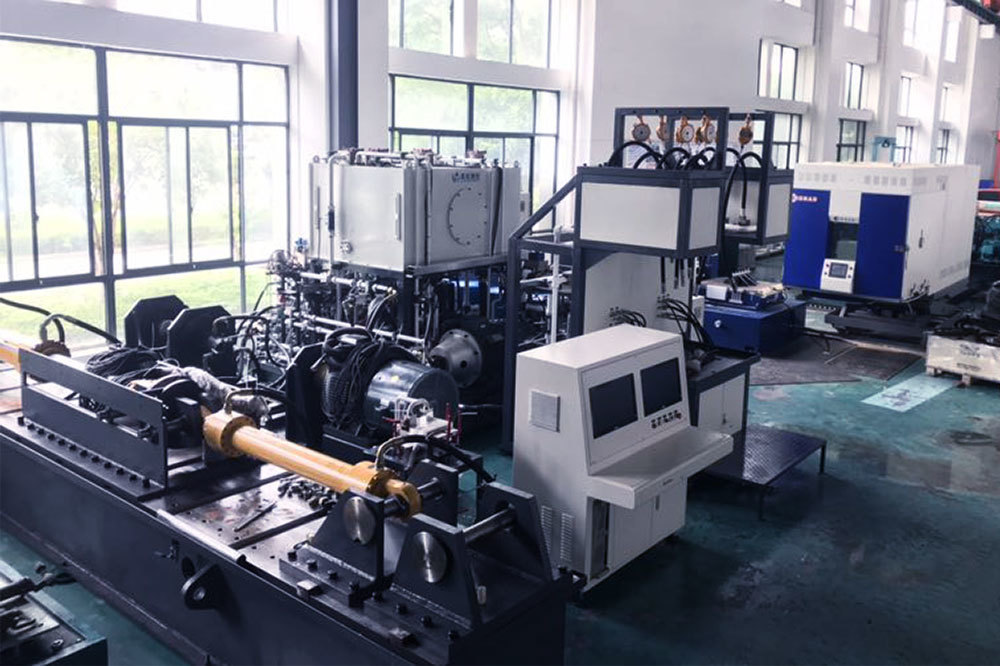
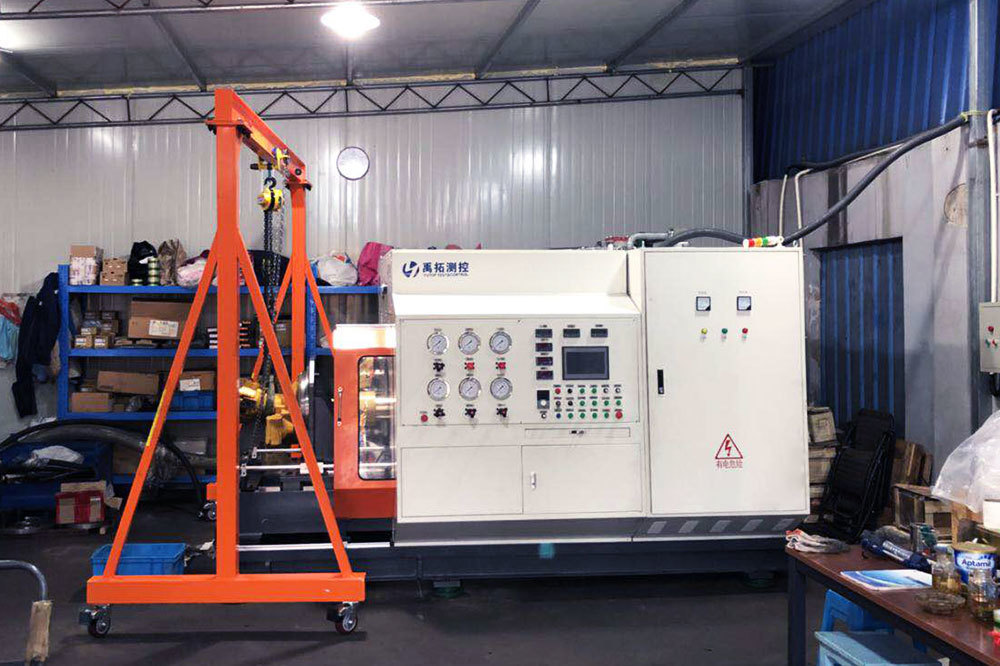
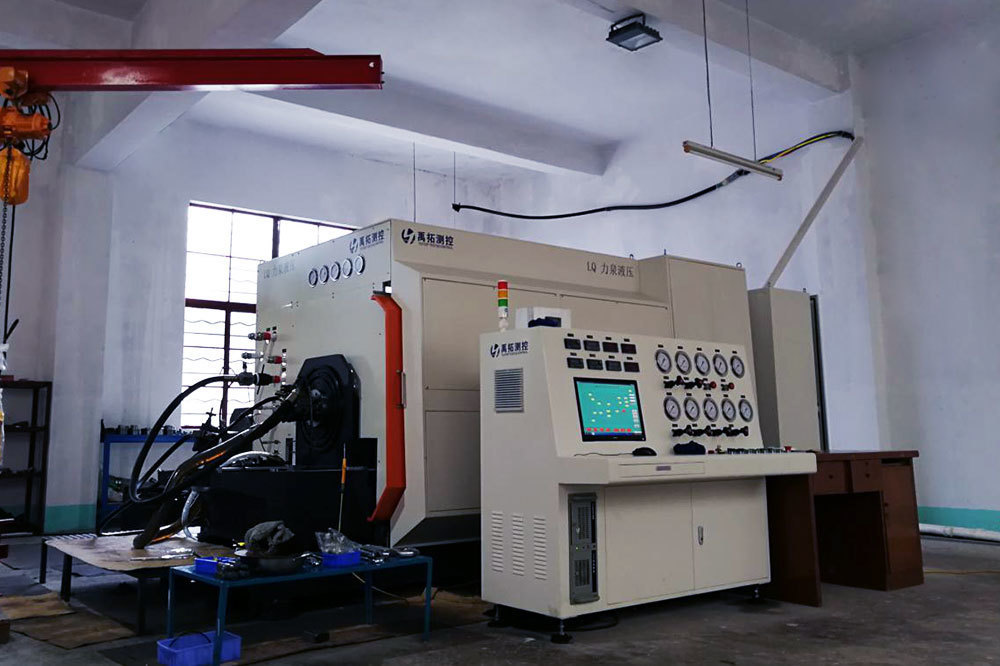
In the realm of heavy machinery, the performance and reliability of excavators are critical. One of the essential components that directly influence these factors is the hydraulic system. A hydraulic system test bench plays a pivotal role in ensuring that these systems operate efficiently and safely. Understanding the key features to look for in an excavator hydraulic system test bench will not only enhance the testing process but also extend the life of your excavator.
The Importance of a High-Quality Test Bench
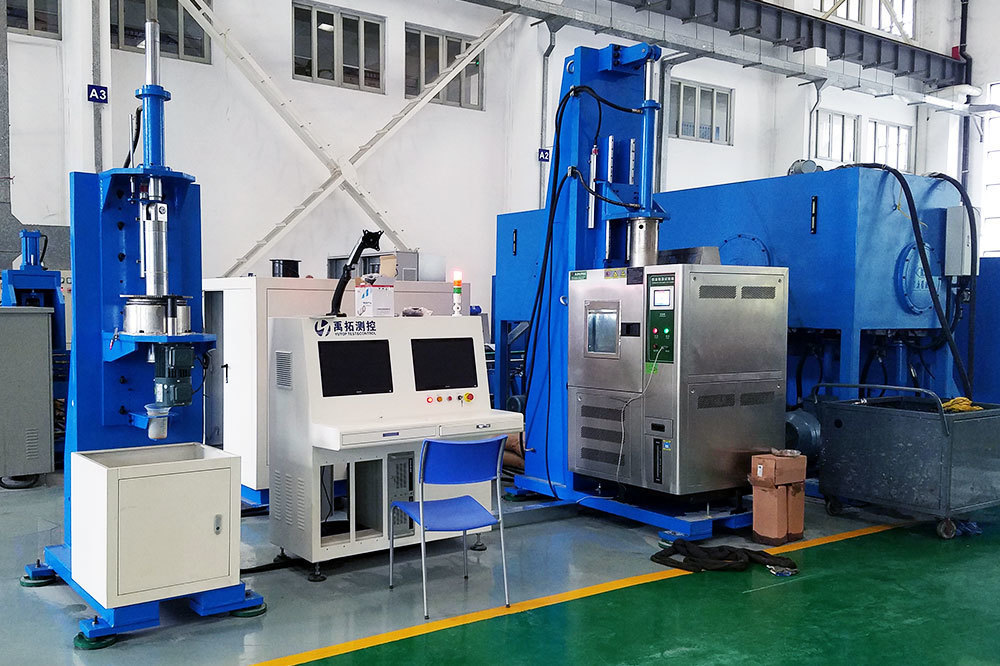
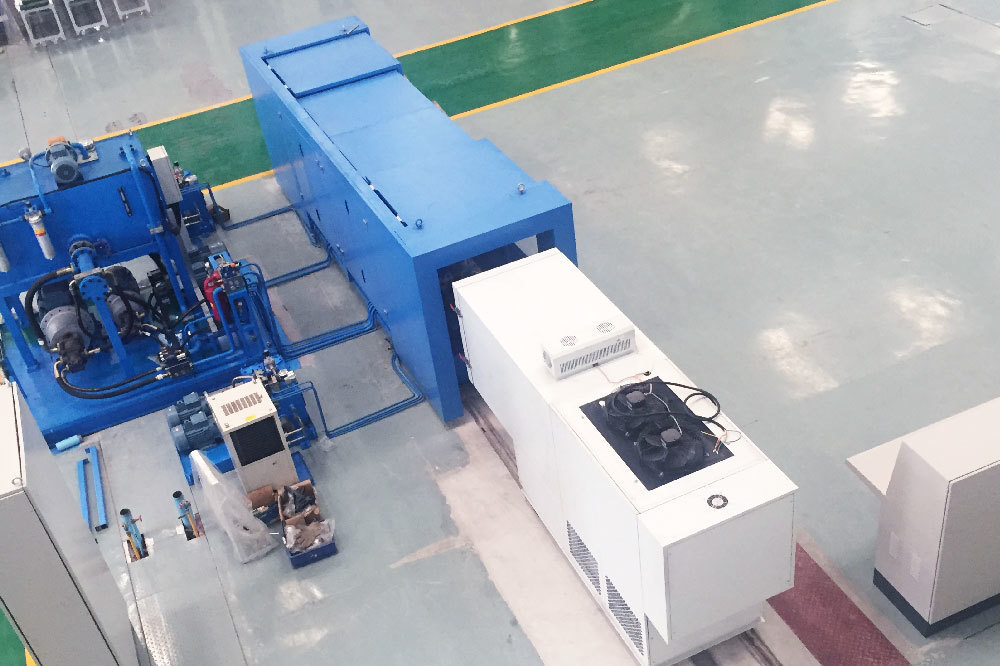
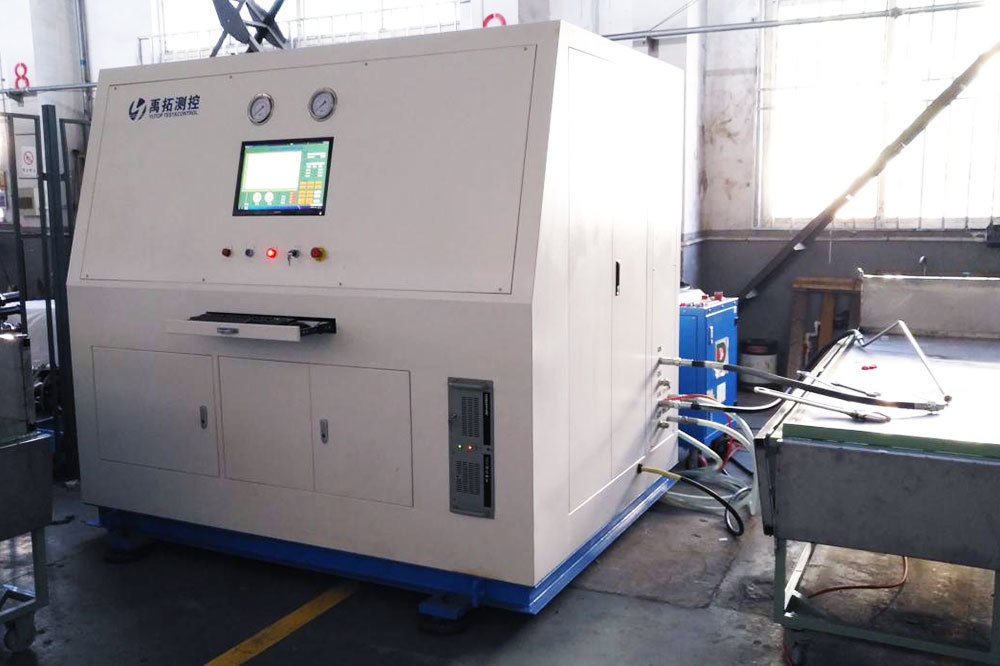
Investing in a high-quality hydraulic system test bench is paramount for maintenance professionals. These benches enable users to conduct thorough diagnostics and performance evaluations of hydraulic components, ensuring optimal functionality. With the increasing complexity of hydraulic systems, having the right test bench can significantly reduce downtime and repair costs.
Key Features to Evaluate
When selecting an excavator hydraulic system test bench, several critical features should be evaluated to ensure you are making the best choice. Below, we delve into these features in detail.
1. Accuracy and Precision
**Accuracy** is one of the foremost features to consider. A reliable test bench should provide precise measurements of pressure, flow rate, and temperature. This ensures that any discrepancies in the hydraulic system can be detected early, thus preventing potential breakdowns.
2. Pressure Range and Flow Capacity
Understanding the **pressure range** and **flow capacity** of the test bench is crucial. Ensure that the bench can accommodate the specific pressure requirements of your excavator’s hydraulic system. A versatile test bench can handle varying flow rates and pressures, making it suitable for different models and applications.
3. User-Friendly Interface
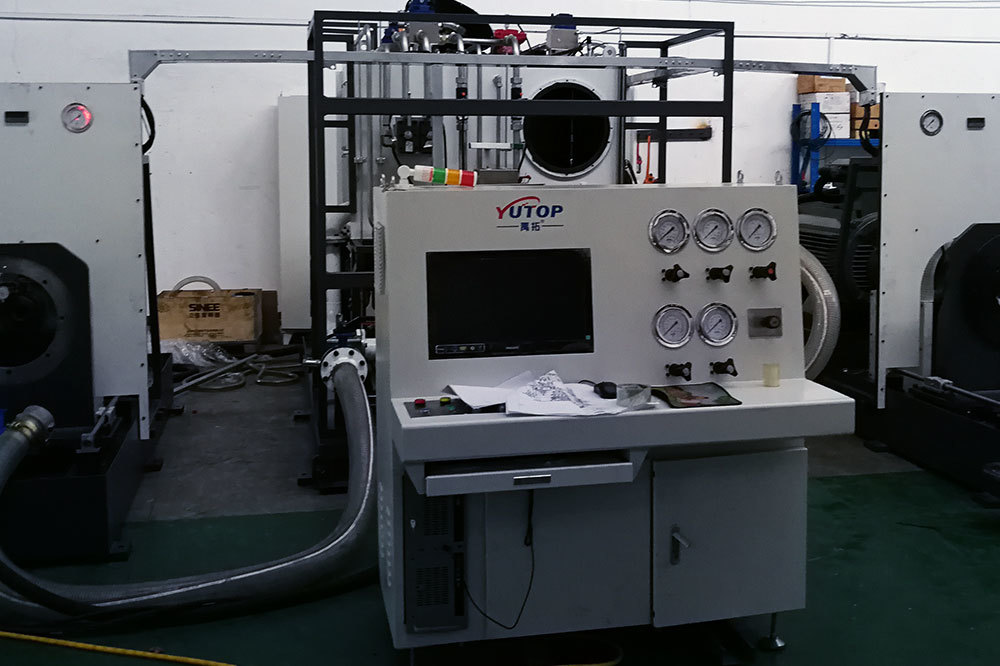
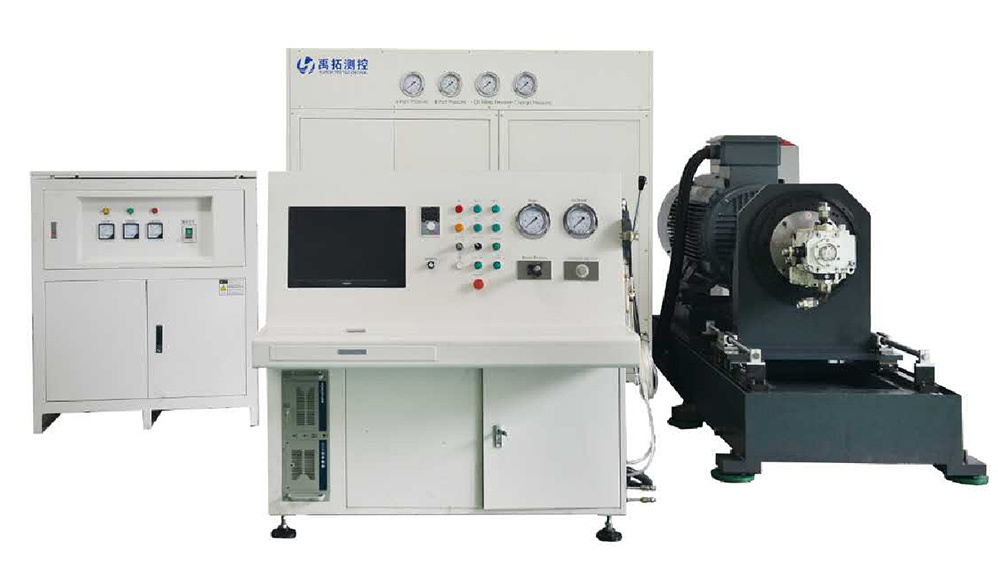
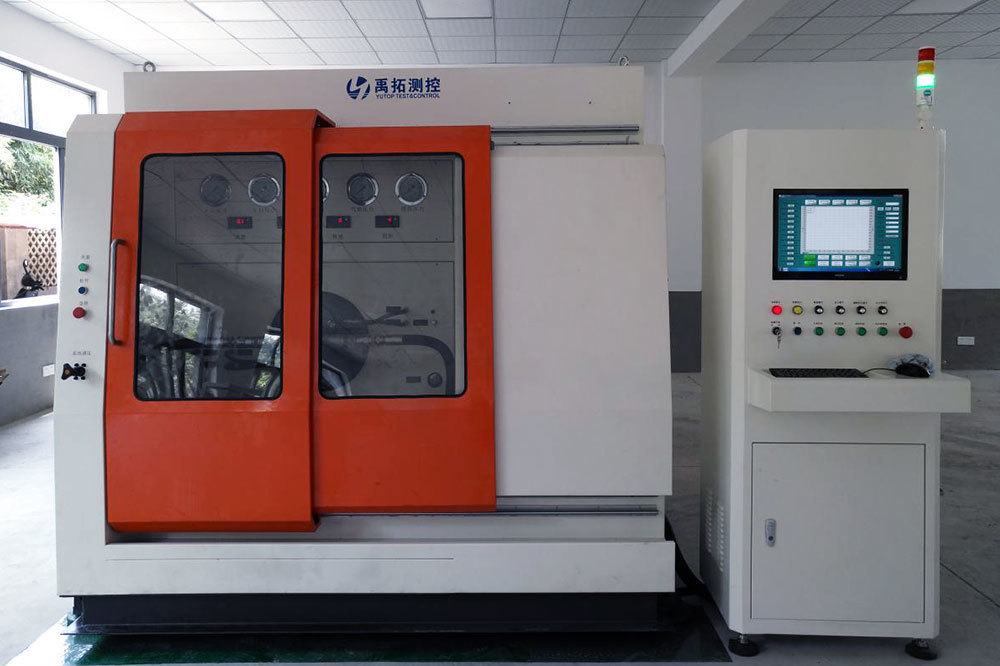
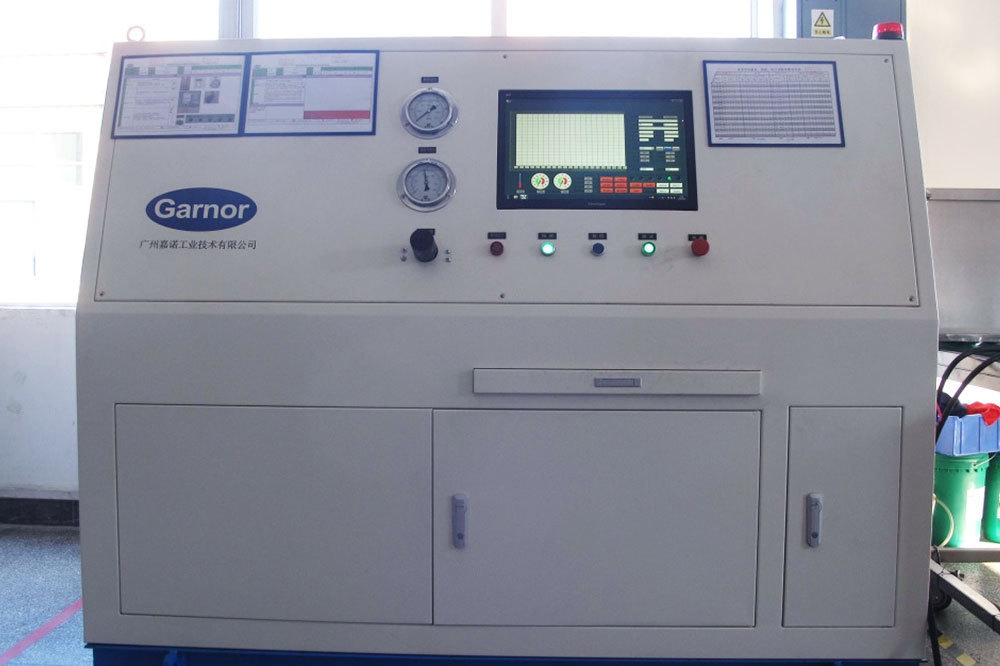
A well-designed user interface enhances efficiency. Look for a test bench that offers an intuitive interface with easy-to-read displays. This feature simplifies the testing process and allows technicians to focus on diagnostics rather than operating complexities.
Subsection: Digital Readouts vs. Analog Gauges
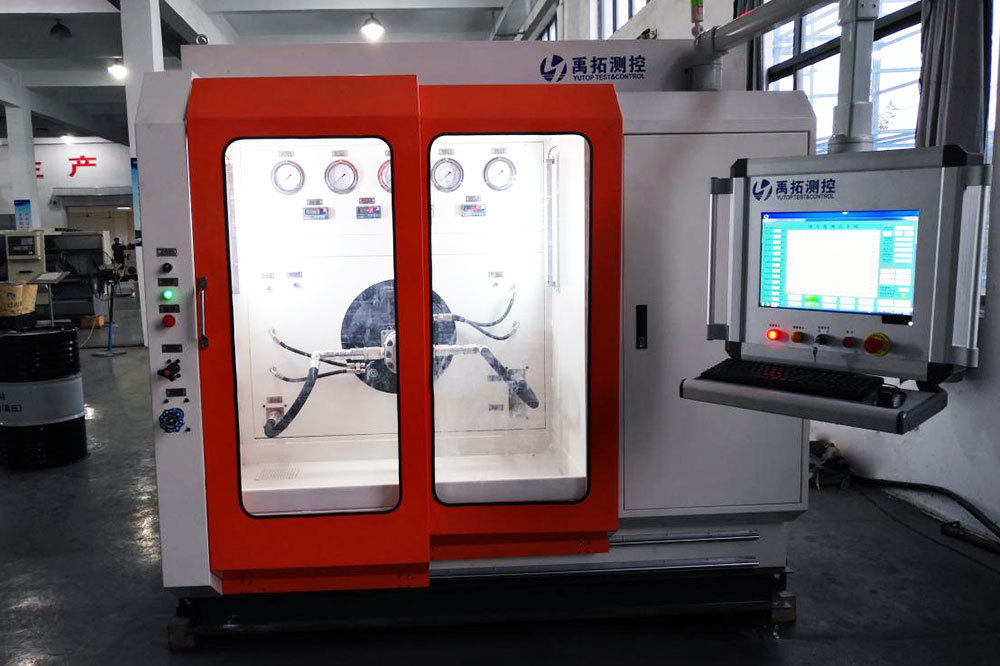
When it comes to user interfaces, **digital readouts** are often preferred over analog gauges. Digital displays provide clearer readings and often include additional features such as data logging and trend analysis, which are invaluable for performance evaluations.
4. Data Logging and Reporting Capabilities
Opt for a test bench equipped with **data logging capabilities**. This feature allows technicians to capture and analyze performance data over time, providing insights that can inform maintenance schedules and identify trends in hydraulic system performance.
5. Build Quality and Durability
The **build quality** of the test bench is essential for longevity and reliability. Durable materials, such as high-grade steel, ensure that the bench can withstand the rigors of constant use. Additionally, features like anti-corrosion coatings can protect against hydraulic fluid spills and environmental factors.
6. Versatility and Compatibility
A versatile test bench should be compatible with a variety of hydraulic components. This includes valves, pumps, and actuators from different manufacturers. A test bench that caters to multiple components allows for greater flexibility and utility across different projects.
7. Safety Features
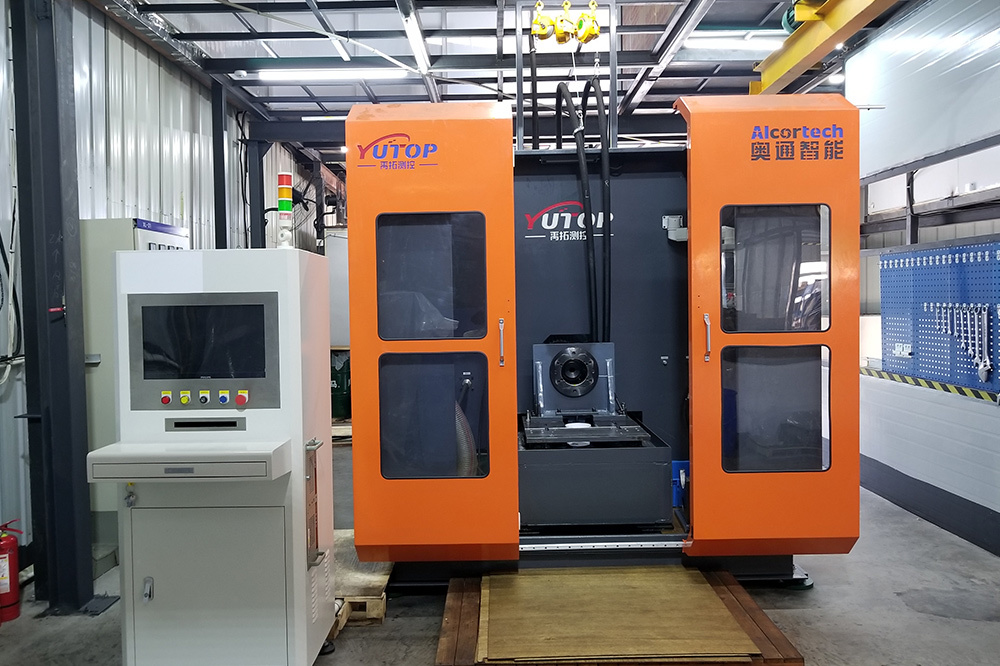
Safety should never be compromised when working with hydraulic systems. Look for test benches that incorporate various safety features, such as pressure relief valves, emergency shut-off switches, and robust protective shields to prevent accidents during testing.
8. Maintenance and Support
Evaluate the maintenance requirements of the test bench. A well-designed bench should require minimal upkeep while also providing easy access to parts that may need replacement. Additionally, consider the level of customer support offered by the manufacturer. A reliable support system can be invaluable for troubleshooting and maintenance queries.
How to Choose the Right Test Bench for Your Needs
Selecting the right excavator hydraulic system test bench involves careful consideration of your specific needs. Here are some steps to guide your decision-making process:
Identify Your Requirements
Consider the specific hydraulic systems you will be testing. What are the pressure and flow requirements? Understanding your requirements will help you narrow down your options.
Research and Compare Options
Take the time to research various models and manufacturers. Compare features, performance, and user reviews. This will provide insights into the reliability and effectiveness of the test benches available.
Request Demonstrations or Trials
If possible, request a demonstration of the test bench. This allows you to assess its functionality firsthand and determine whether it meets your expectations.
Common FAQs About Excavator Hydraulic System Test Benches
1. What is a hydraulic system test bench used for?
A hydraulic system test bench is used to evaluate the performance of hydraulic components, ensuring they operate correctly within specified parameters.
2. How often should hydraulic systems be tested?
Testing frequency depends on usage and environment, but regular testing is recommended to prevent breakdowns and ensure optimal performance.
3. Can I use a single test bench for multiple excavator models?
Yes, many test benches are designed to be versatile and compatible with various hydraulic systems, making them suitable for multiple excavator models.
4. What safety features should I look for in a test bench?
Look for features like pressure relief valves, emergency shut-off switches, and protective shields to ensure safe operation during testing.
5. How can data logging improve maintenance practices?
Data logging allows for trend analysis over time, helping identify patterns or issues that may not be apparent during individual tests, thus informing maintenance strategies.
Conclusion
Choosing the right excavator hydraulic system test bench is a crucial investment for any maintenance operation. By understanding the key features to look for—such as accuracy, pressure range, user interface, and safety—you can make an informed decision that meets your operational needs. Investing in a high-quality test bench will not only optimize performance but also enhance the longevity of your hydraulic systems. Always prioritize quality and reliability to ensure efficient diagnostics and maintenance for your excavators.
PREVIOUS:

Room 209, 2nd Floor, No.12, No.828 Maogang Road, Huangpu District, Guangzhou,China.


