

Achieving Accurate Results with a Hydraulic Pump Performance Test Bench: A Comprehensive Guide
Achieving Accurate Results with a Hydraulic Pump Performance Test Bench Table of Contents 1. Introduction 2. Importance of Hydraulic Pump Testing 3. Understanding the Hydraulic Pump Performance Test Bench 4. Key Components of a Performance Test Bench 5. Operational Procedures for Accurate Testing 6. Maintenance Tips for Test Benches 7. Common Issues and Their Solutions
Jan 10,2026
Achieving Accurate Results with a Hydraulic Pump Performance Test Bench
Table of Contents
- 1. Introduction
- 2. Importance of Hydraulic Pump Testing
- 3. Understanding the Hydraulic Pump Performance Test Bench
- 4. Key Components of a Performance Test Bench
- 5. Operational Procedures for Accurate Testing
- 6. Maintenance Tips for Test Benches
- 7. Common Issues and Their Solutions
- 8. Future Trends in Hydraulic Testing
- 9. Frequently Asked Questions (FAQs)
- 10. Conclusion
1. Introduction
Achieving accurate results in hydraulic pump testing is crucial for ensuring the operational efficiency and reliability of hydraulic systems. As we delve into the intricacies of hydraulic pump performance test benches, we will uncover the methods and best practices that lead to precision and dependability.
Understanding the components, operational procedures, and maintenance requirements of these test benches enables technicians and engineers to achieve consistent results that meet industry standards.
2. Importance of Hydraulic Pump Testing
Hydraulic pumps play a pivotal role in various applications, from automotive systems to industrial machinery. Their effectiveness directly correlates with the performance of the entire hydraulic system. Testing these pumps is essential for several reasons:
2.1 Ensuring System Efficiency
Regular hydraulic pump testing allows for the identification of inefficiencies, allowing for timely repairs or replacements. This ultimately leads to enhanced performance and reduced operational costs.
2.2 Extending Equipment Lifespan
By conducting performance tests, we can detect wear and tear early, preventing catastrophic failures that could lead to costly downtime and equipment replacement.
2.3 Compliance with Industry Standards
Adhering to testing protocols ensures compliance with regulatory standards, which can be critical for industries that require stringent quality assurance measures.
3. Understanding the Hydraulic Pump Performance Test Bench
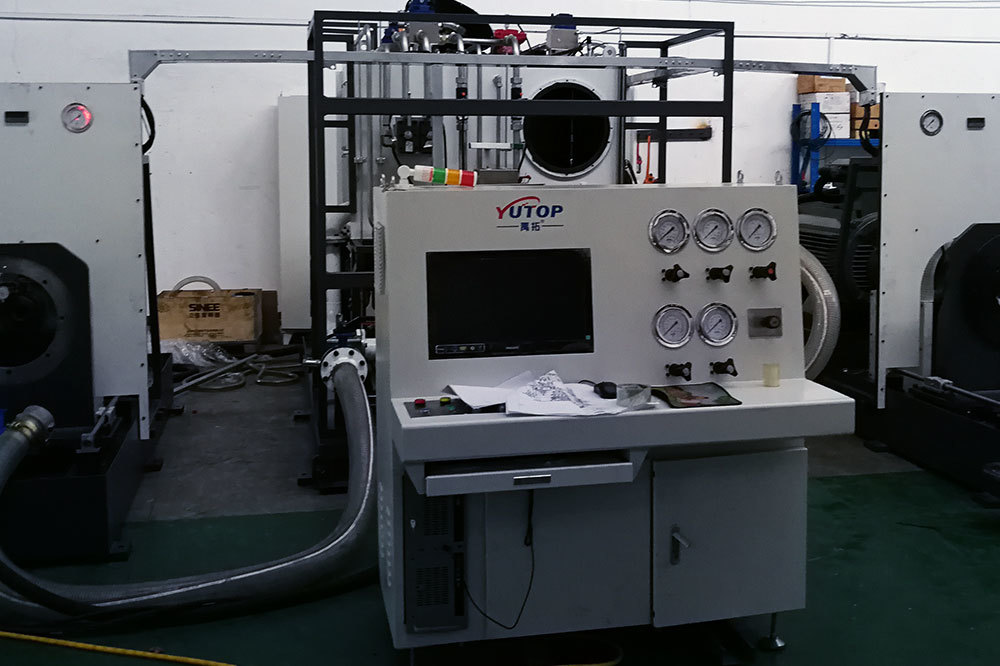
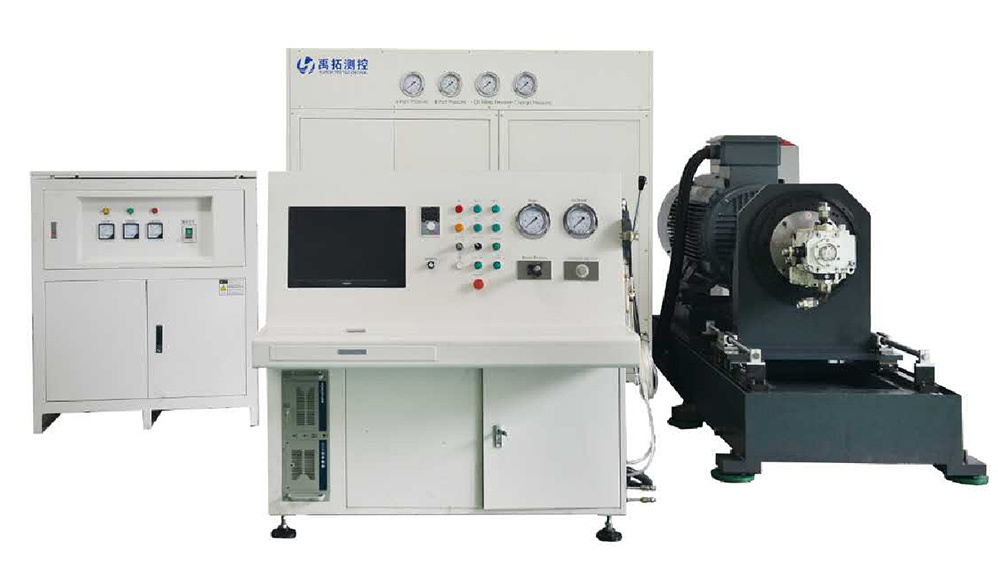
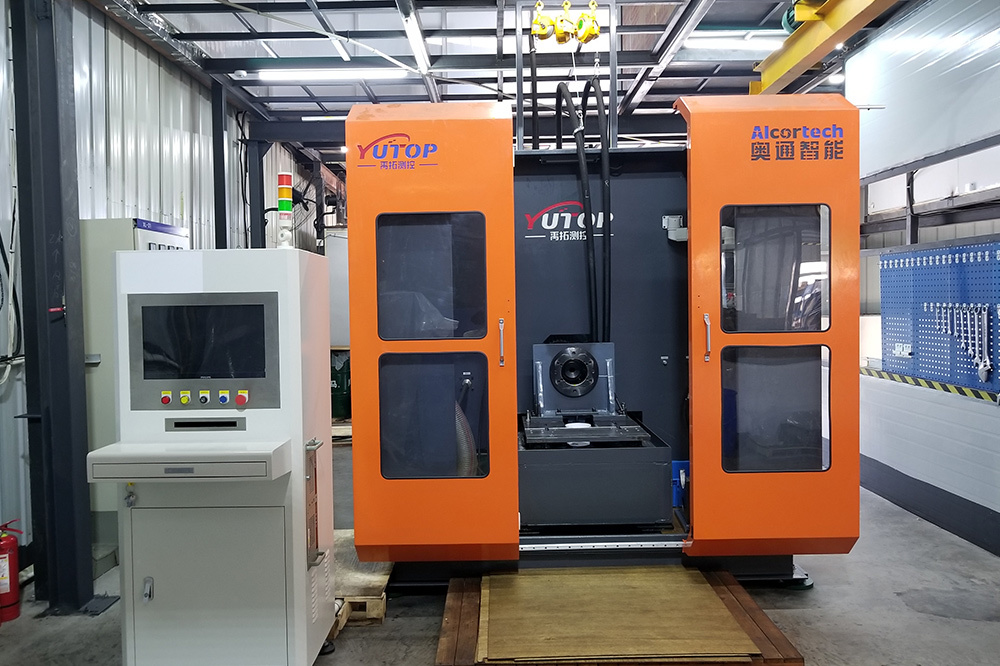
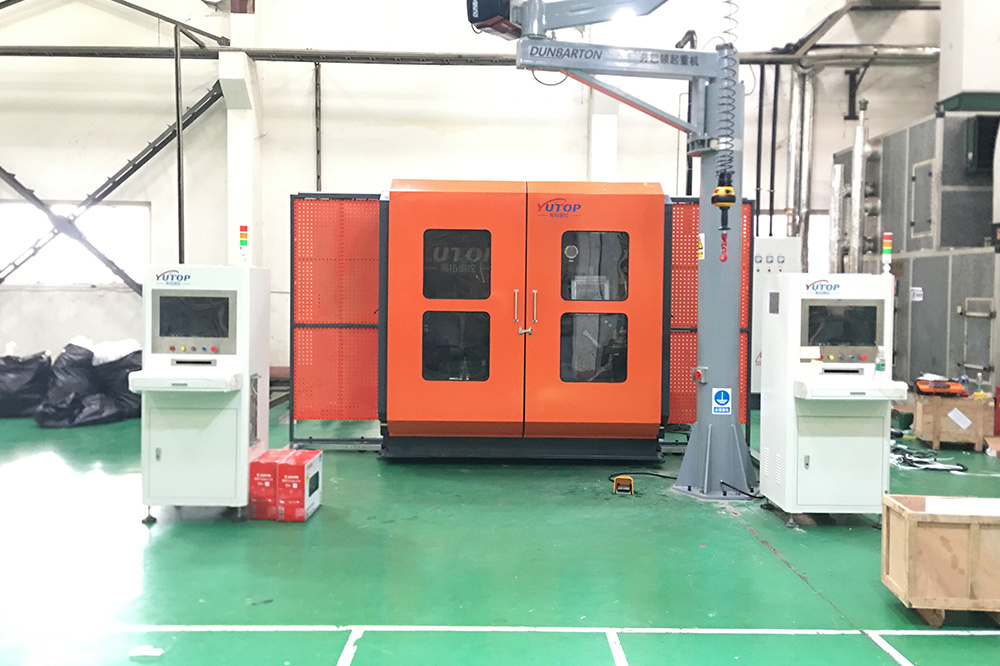
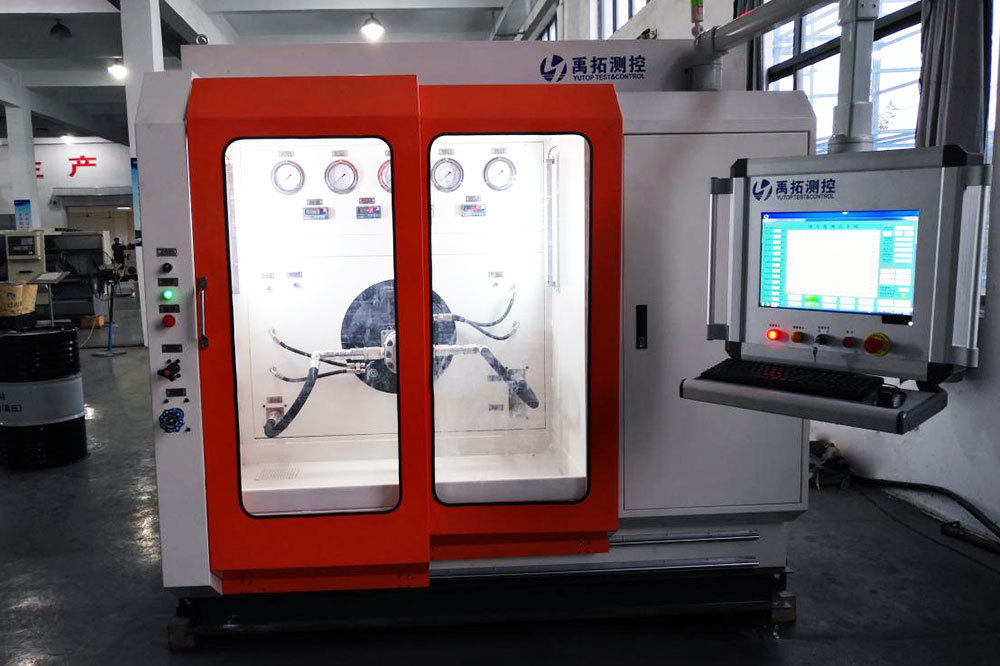
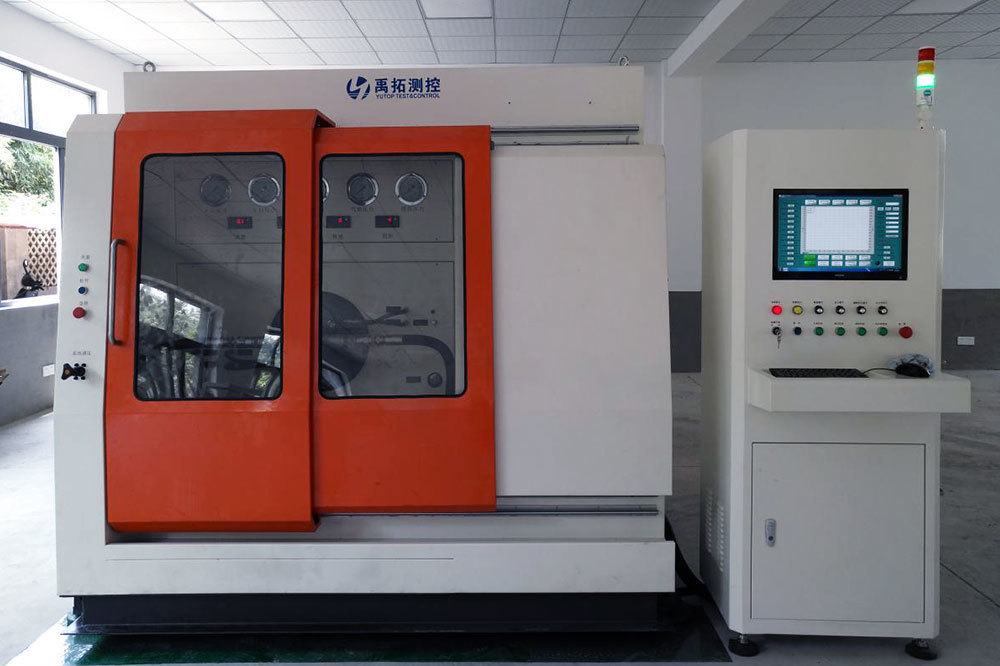
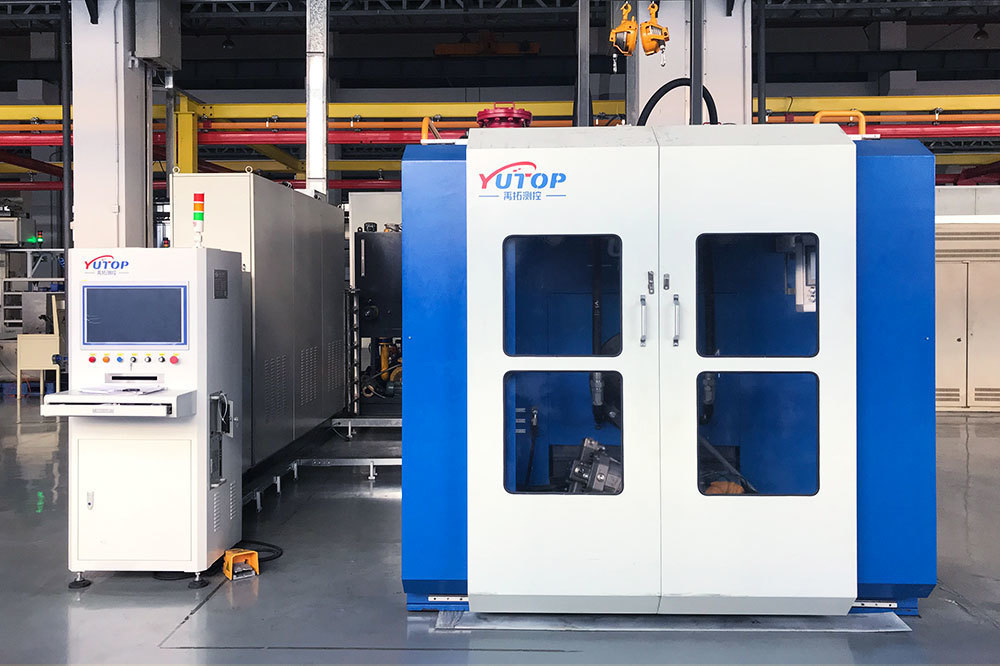
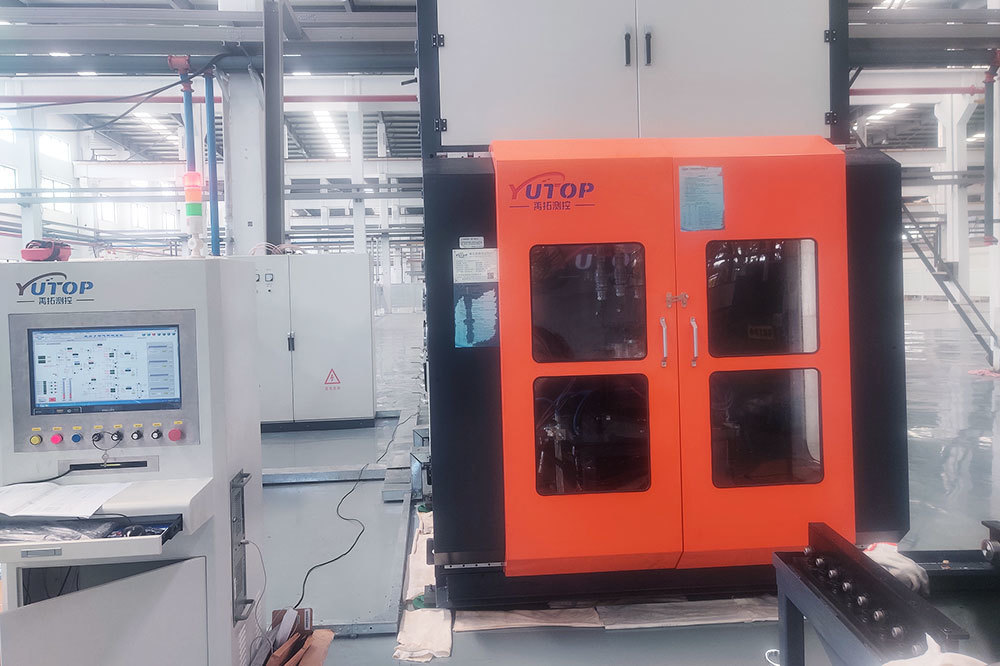
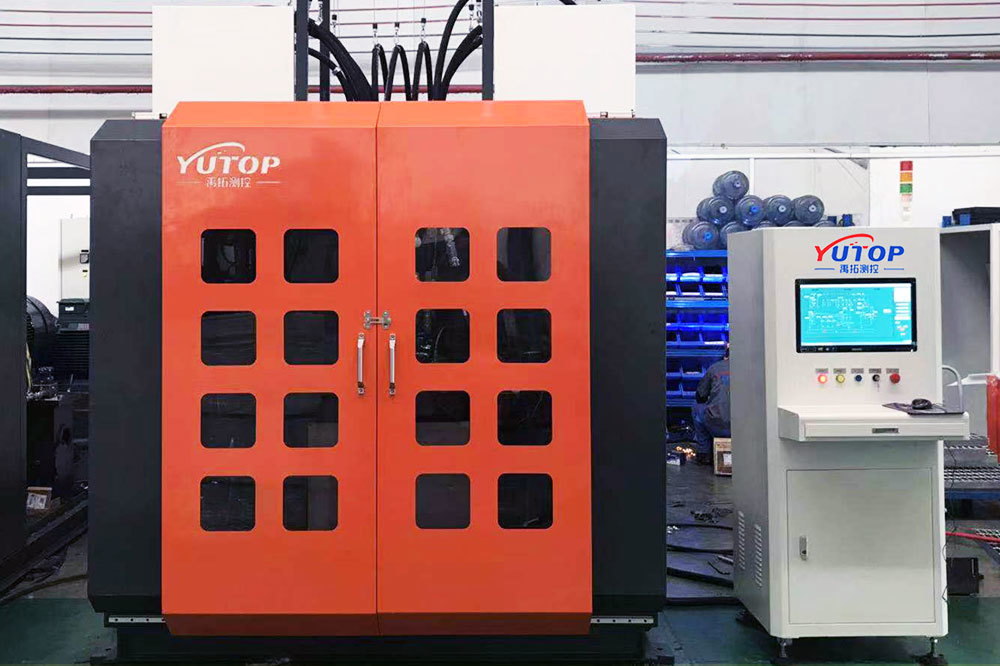
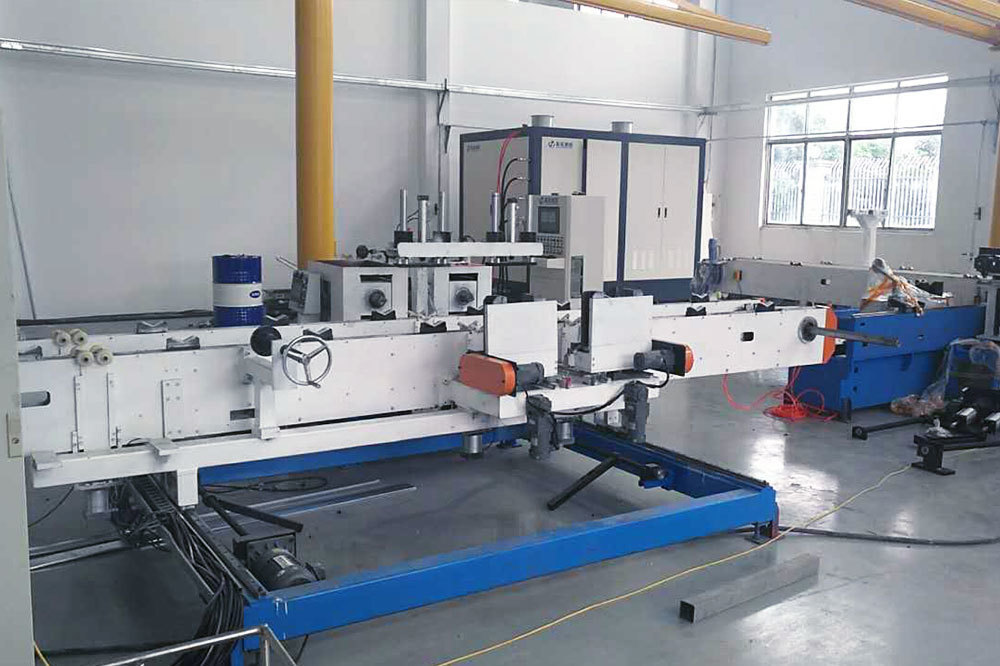
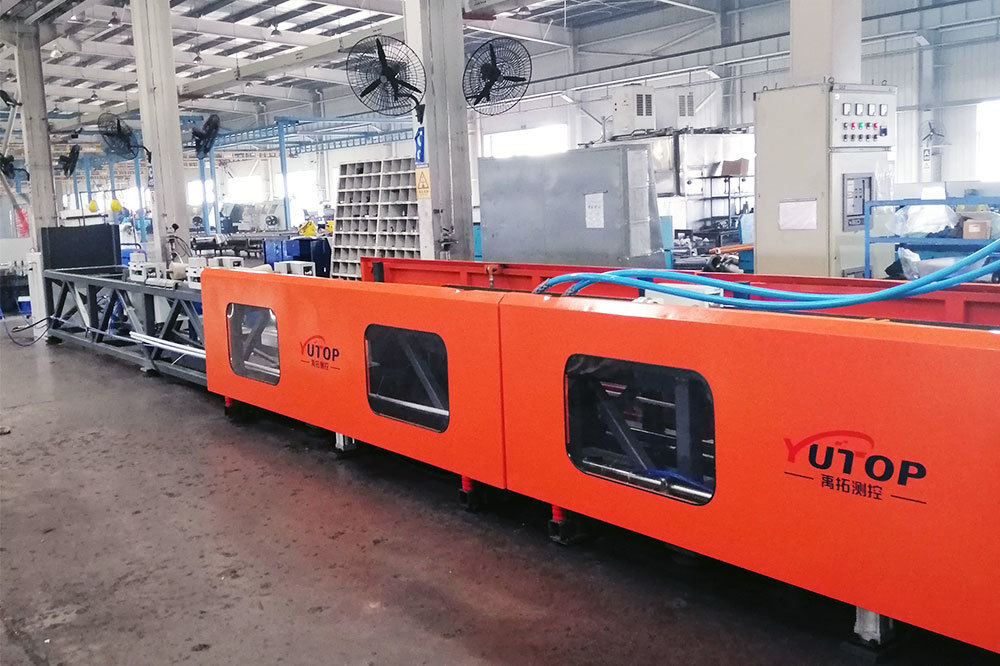
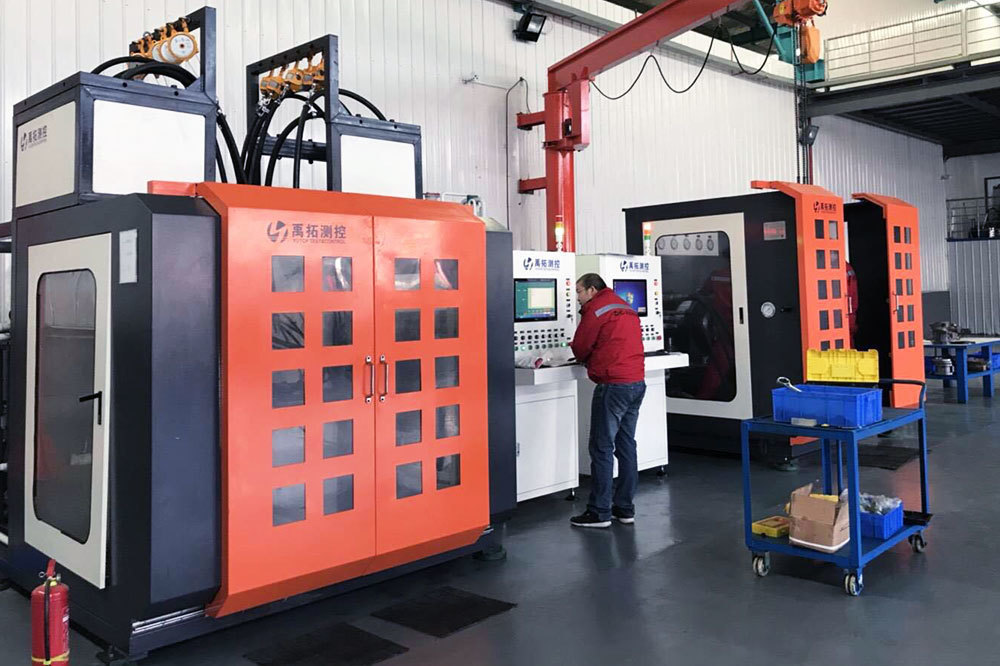
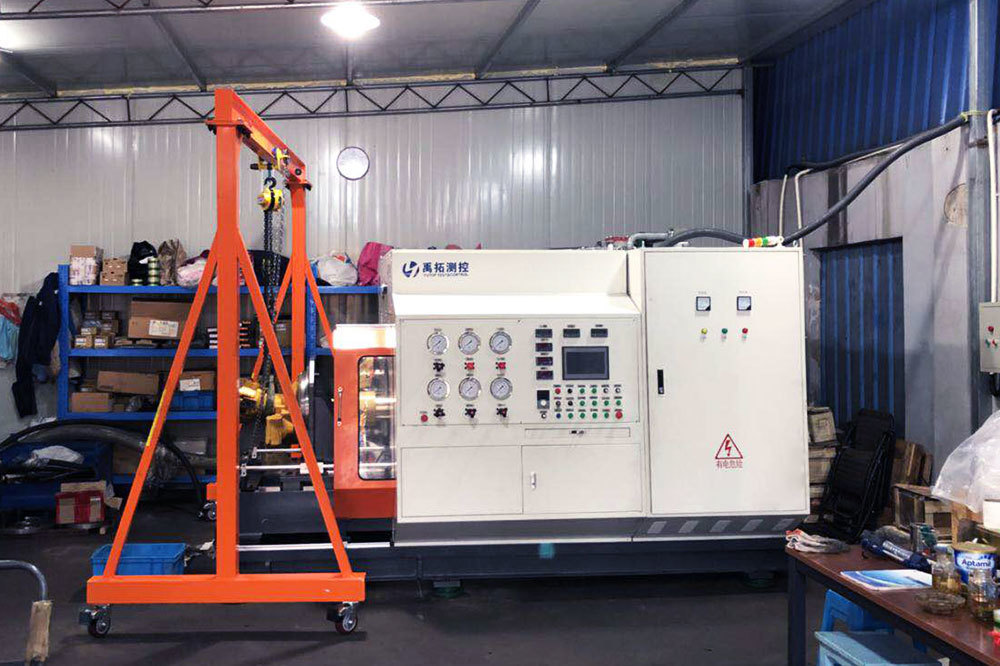
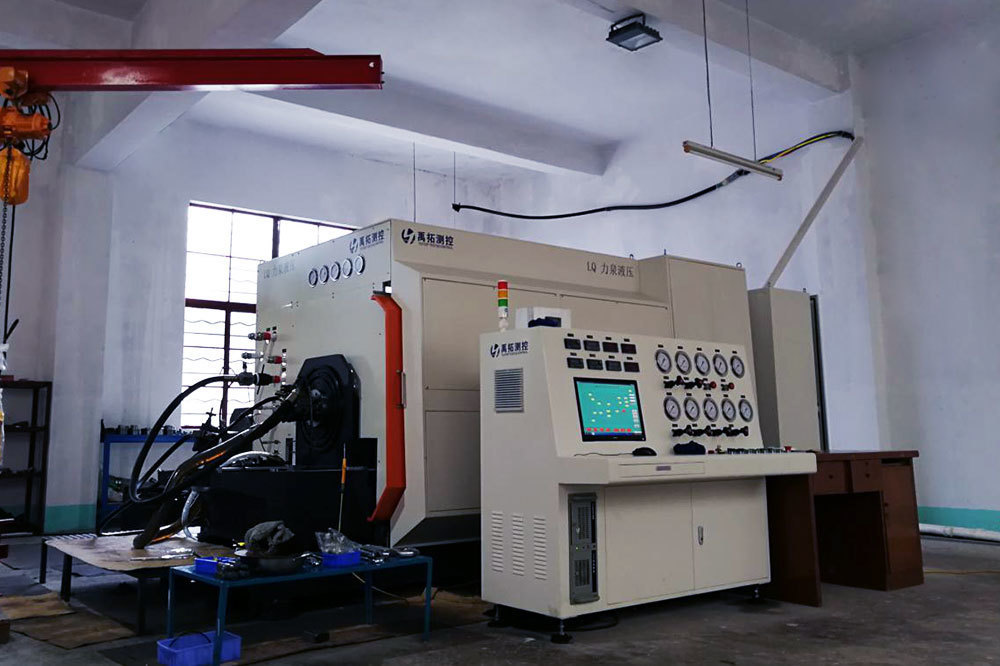
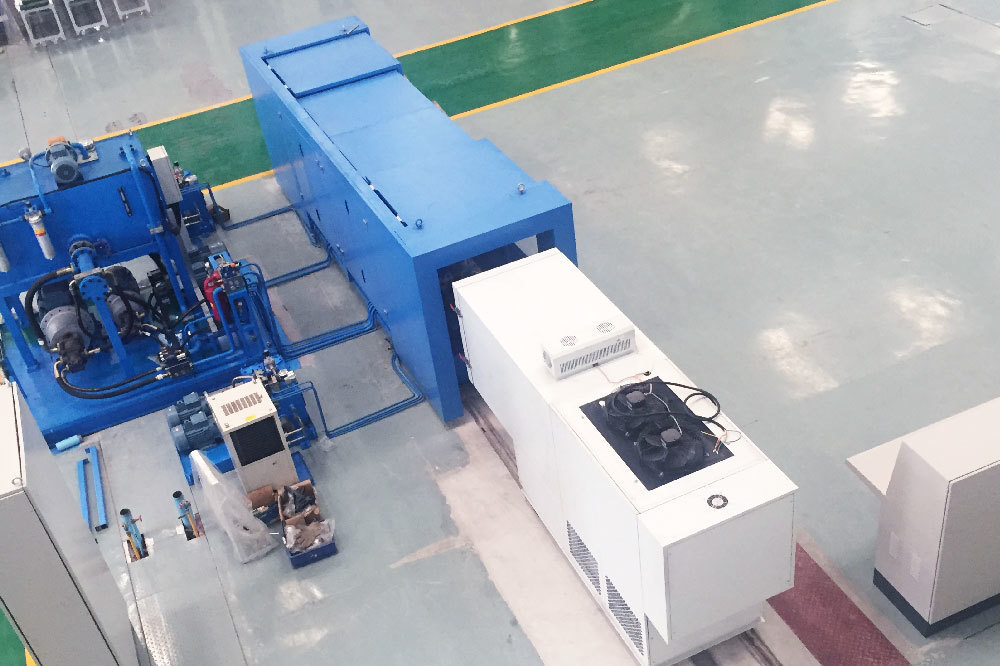
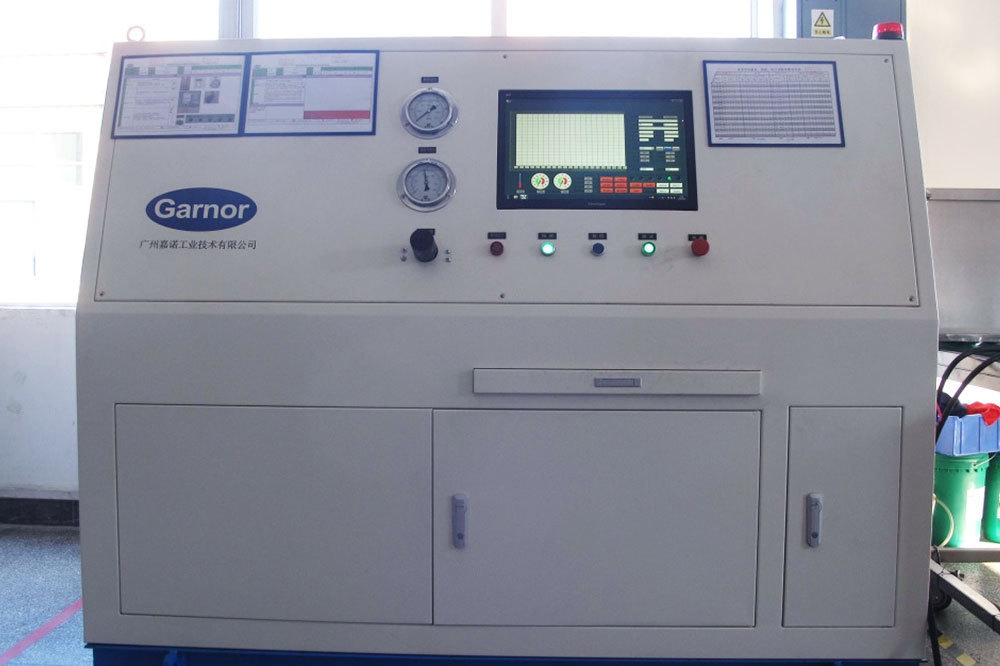
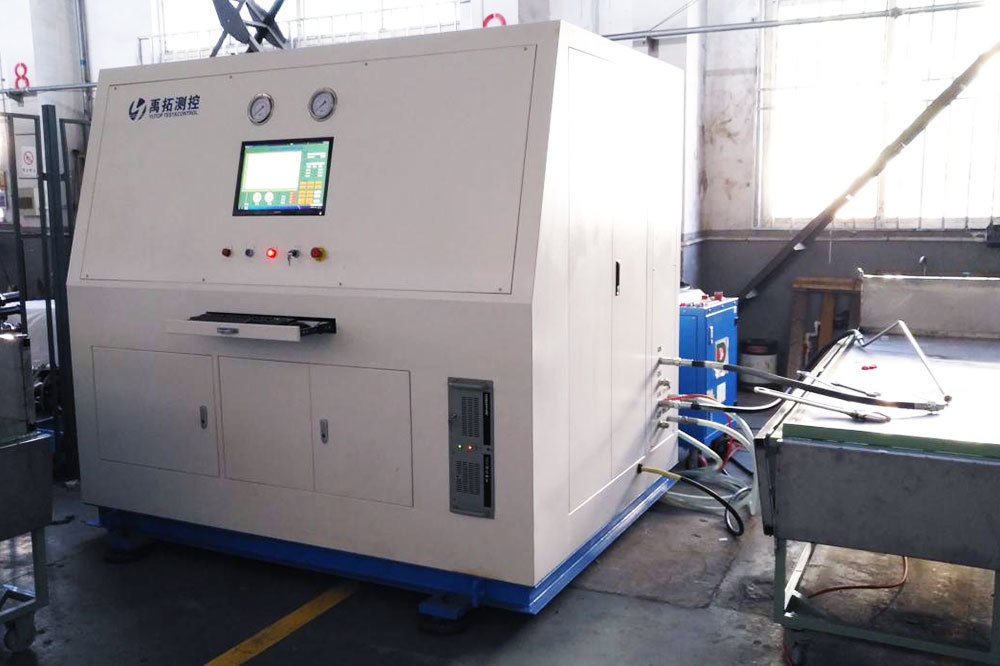
A hydraulic pump performance test bench is specifically designed to evaluate the functionality, efficiency, and reliability of hydraulic pumps. These setups provide controlled environments that simulate operational conditions, allowing for precise measurement of performance metrics.
3.1 Components of a Test Bench
The main components of a hydraulic pump performance test bench include:
- **Power Supply**: Provides hydraulic fluid to the pump for testing.
- **Flow Meter**: Measures the flow rate of the hydraulic fluid, indicating the pump's output.
- **Pressure Gauges**: Monitor the pressure levels to ensure safety and accuracy during tests.
- **Control System**: Allow operators to manage and adjust testing parameters.
- **Data Acquisition System**: Records performance data for analysis and reporting.
4. Key Components of a Performance Test Bench
Having a thorough understanding of the key components of a test bench is essential for achieving accurate results.
4.1 Hydraulic Fluid Quality
The quality of hydraulic fluid plays a significant role in pump performance. Ensuring that the fluid is free from contaminants and at the appropriate viscosity can significantly impact test accuracy.
4.2 Calibration of Instruments
Regular calibration of measuring instruments is critical. This ensures that flow meters, pressure gauges, and other tools provide precise readings that reflect the pump's performance accurately.
4.3 Control System Configuration
A well-configured control system allows technicians to replicate various operational conditions. This adaptability is crucial for comprehensive testing across different scenarios.
5. Operational Procedures for Accurate Testing
To achieve accurate test results, adhering to established operational procedures is essential.
5.1 Pre-Test Preparations
Before conducting a test, technicians should inspect the test bench for any leaks, ensure that all components are functioning correctly, and verify that the hydraulic fluid is at the appropriate level.
5.2 Conducting the Test
During the test, establish the required flow rates and pressures based on the manufacturer's specifications. Gradually ramp up the pump operation while closely monitoring the readings.
5.3 Post-Test Analysis
After completing the test, analyze the data collected. Look for discrepancies between expected and observed performance, and document any anomalies for further investigation.
6. Maintenance Tips for Test Benches
Regular maintenance of the hydraulic pump performance test bench is crucial for ensuring longevity and accuracy.
6.1 Routine Inspection
Implement a routine inspection schedule to check for wear and tear on components, leaks, and fluid quality. Addressing minor issues promptly can prevent larger problems in the future.
6.2 Fluid Replacement
Regularly replace hydraulic fluid to maintain its effectiveness. Contaminated fluid can lead to inaccurate test results and damage to the pump.
6.3 Component Calibration
Frequent calibration of instruments must be part of a maintenance routine. This will ensure ongoing accuracy and reliability in testing results.
7. Common Issues and Their Solutions
Even with the best practices in place, issues may arise during hydraulic pump testing. Understanding common problems and their solutions can help maintain efficiency.
7.1 Inaccurate Readings
If test results are inconsistent, check for calibration errors, fluid quality, or air bubbles in the system. Ensuring proper fluid levels and bleed air from the lines can resolve these issues.
7.2 Hydraulic Leaks
Leaks can lead to loss of pressure and fluid levels, affecting results. Regular inspections and replacing worn seals or hoses are essential to mitigate this risk.
7.3 Equipment Failure
Failure of components within the test bench can occur. Establishing a regular maintenance schedule and having replacement parts readily available can minimize downtime.
8. Future Trends in Hydraulic Testing
As technology evolves, so does the landscape of hydraulic testing. Emerging trends include:
8.1 Automation and Remote Monitoring
The integration of automation and remote monitoring systems enhances testing efficiency and accuracy. Technicians can now monitor performance in real-time, leading to quicker decision-making.
8.2 Advanced Data Analytics
Advanced analytics tools allow for better interpretation of test data. Utilizing machine learning and AI can lead to predictive maintenance and more informed operational adjustments.
8.3 Eco-Friendly Fluid Solutions
With increasing environmental concerns, the hydraulic industry is moving towards eco-friendly fluid alternatives that maintain performance without compromising safety or efficiency.
9. Frequently Asked Questions (FAQs)
Q1: What is the purpose of a hydraulic pump performance test bench?
A: A hydraulic pump performance test bench is used to evaluate the efficiency, reliability, and operational characteristics of hydraulic pumps under controlled conditions.
Q2: How often should hydraulic pump testing be conducted?
A: Testing frequency may vary based on operational demands, but it is generally recommended to conduct tests quarterly or after significant repairs.
Q3: What factors can affect test accuracy?
A: Factors such as fluid quality, equipment calibration, and environmental conditions can significantly impact test accuracy.
Q4: Can I perform hydraulic pump testing in-house?
A: Yes, with the right equipment and trained personnel, hydraulic pump testing can be performed in-house to save costs and improve turnaround times.
Q5: What should I do if my test results are inconsistent?
A: If inconsistencies arise, check calibration, inspect for leaks, and assess fluid quality. Adjust any discrepancies before retesting.
10. Conclusion
Achieving accurate results with a hydraulic pump performance test bench is essential for maintaining the efficiency and longevity of hydraulic systems. By understanding the importance of testing, key components of the test bench, and adhering to operational and maintenance best practices, we can ensure accurate performance evaluations. Embracing future trends in hydraulic testing will further enhance our capabilities, enabling us to meet the demands of an evolving industry. With this comprehensive guide, you are now equipped to optimize your hydraulic pump testing process for greater accuracy and reliability.

Room 207, 2nd Floor, Block C, Building 1 (Self-designated), No. 3 Yunkai Road, Yunpu Industrial Zone, Huangpu District, Guangzhou City,China


