

Exploring the Advantages of Integrated Hydraulic Testing and Control Solutions
Exploring the Advantages of Integrated Hydraulic Testing and Control Solutions Table of Contents Introduction to Integrated Hydraulic Testing and Control Solutions What is Hydraulic Testing? The Importance of Hydraulic Control Systems What Are Integrated Hydraulic Testing and Control Solutions? Advantages of Integrated Hydraulic Testing and Control Solutions Applications of Integrated
Jan 12,2026
Exploring the Advantages of Integrated Hydraulic Testing and Control Solutions
Table of Contents
- Introduction to Integrated Hydraulic Testing and Control Solutions
- What is Hydraulic Testing?
- The Importance of Hydraulic Control Systems
- What Are Integrated Hydraulic Testing and Control Solutions?
- Advantages of Integrated Hydraulic Testing and Control Solutions
- Applications of Integrated Hydraulic Testing and Control Solutions
- Future Trends in Hydraulic Testing and Control Technologies
- Frequently Asked Questions
- Conclusion
Introduction to Integrated Hydraulic Testing and Control Solutions
In today's dynamic industrial landscape, **integrated hydraulic testing and control solutions** have emerged as pivotal components in ensuring the optimal performance of hydraulic systems. These solutions not only streamline operations but also heighten safety, reliability, and efficiency across various sectors. As industries seek to enhance productivity while minimizing risks, understanding the advantages of integrated hydraulic testing becomes imperative.
What is Hydraulic Testing?
Hydraulic testing refers to the methodical process of evaluating the integrity and functioning of hydraulic systems. This evaluation often encompasses testing components such as valves, hoses, pipes, and various equipment to ensure they can withstand the operational pressures and conditions. The testing can reveal potential leaks, weaknesses, or inefficiencies that could compromise system performance.
In essence, hydraulic testing serves as a critical quality assurance step that prevents costly failures and enhances system reliability. Various techniques, including pressure tests, flow tests, and functional tests, are employed to gather data on system performance.
The Importance of Hydraulic Control Systems
Hydraulic control systems play a significant role in controlling and manipulating hydraulic power. These systems are crucial in applications ranging from automotive and aerospace to manufacturing and construction. They enable operators to manage the direction, speed, and force of hydraulic actuators, ensuring smooth and effective operations.
The importance of hydraulic control systems can be summarized as follows:
1. **Precision and Control**: Hydraulic systems provide precise control over movement, making them ideal for applications that require fine adjustments.
2. **Power Density**: Hydraulic systems can transmit power more efficiently than mechanical systems, allowing for compact designs that save space and weight.
3. **Durability and Reliability**: When properly maintained, hydraulic systems are robust and can operate effectively under hostile environmental conditions.
What Are Integrated Hydraulic Testing and Control Solutions?
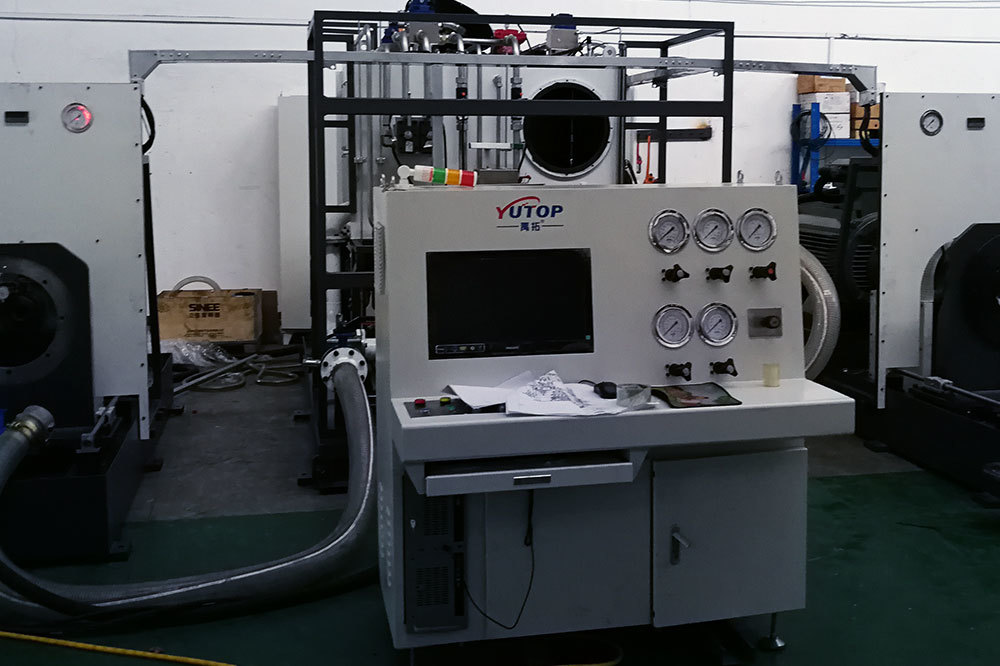
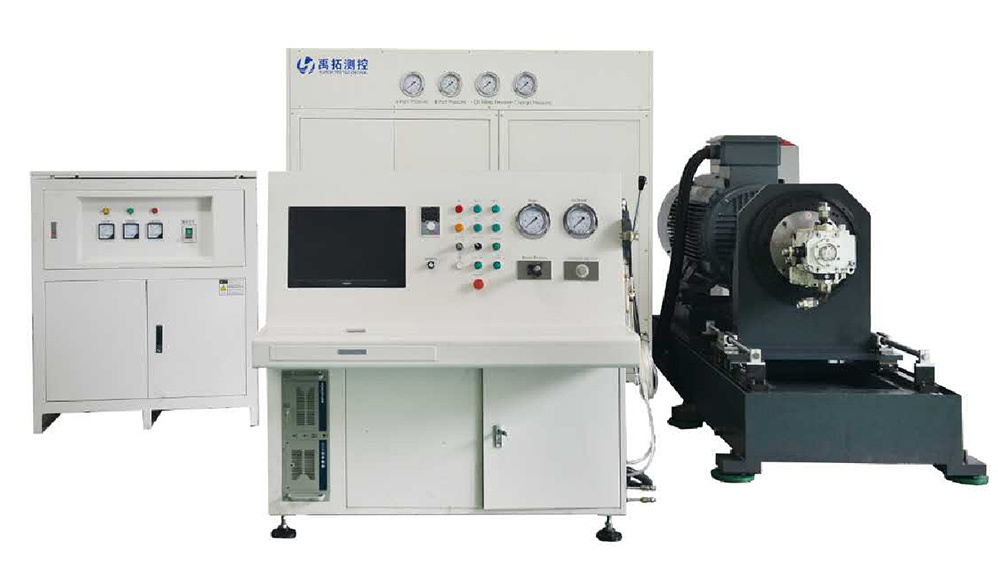
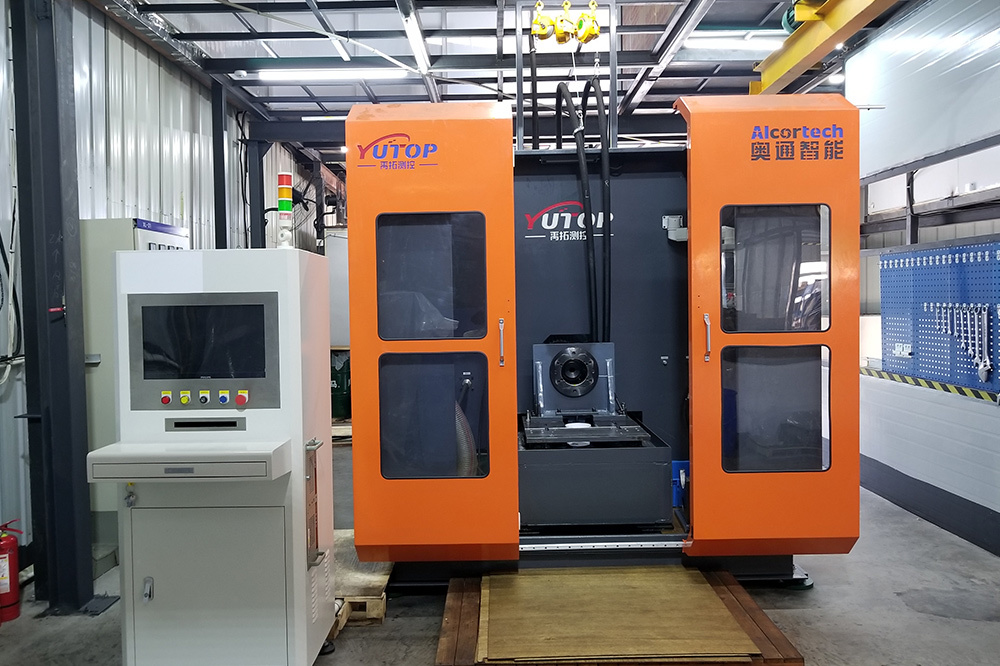
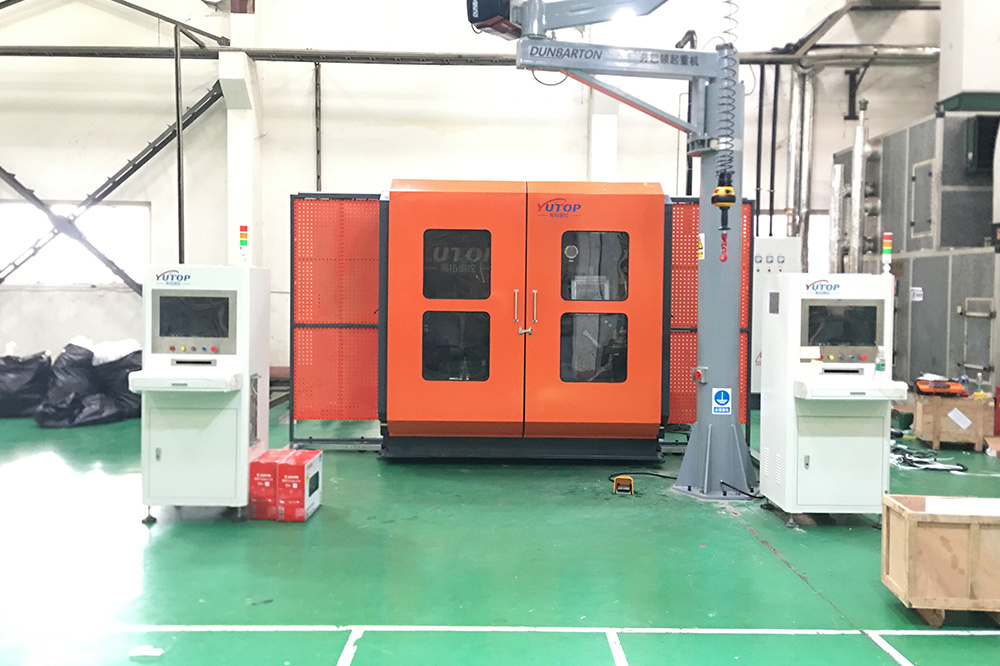
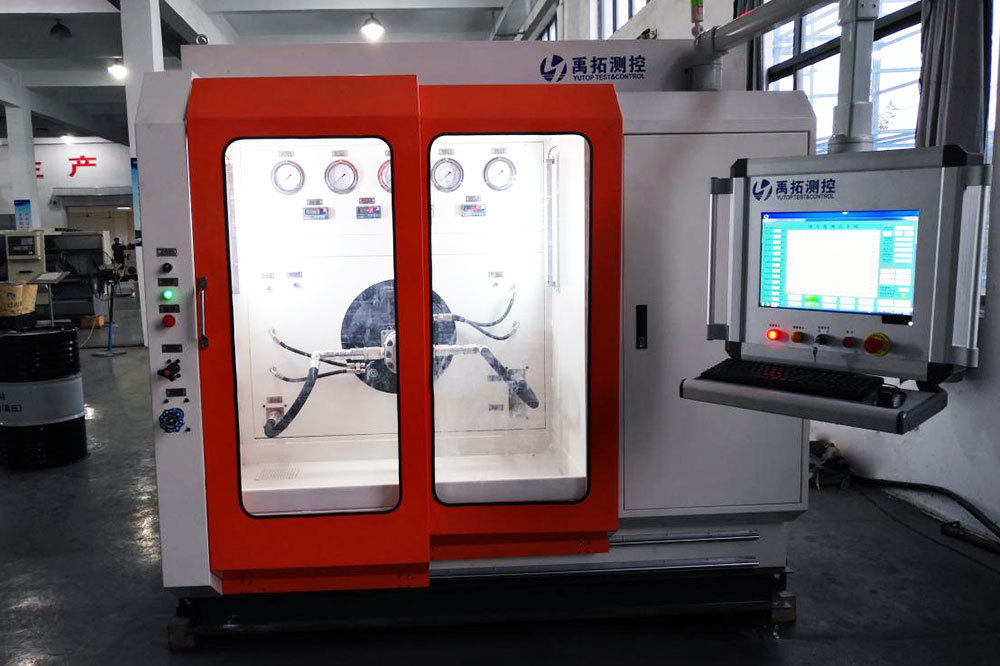
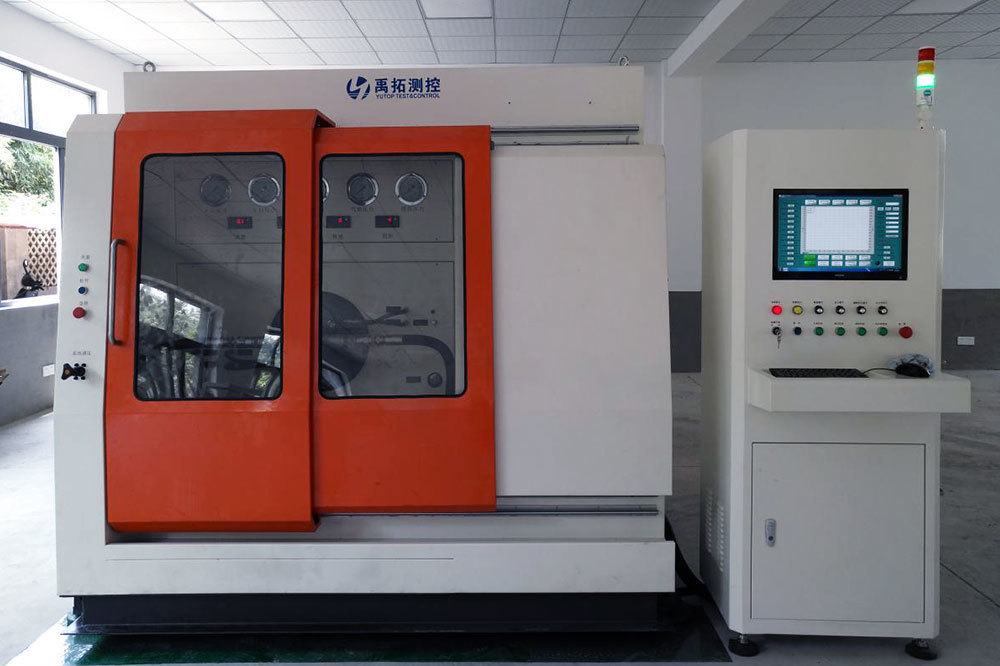
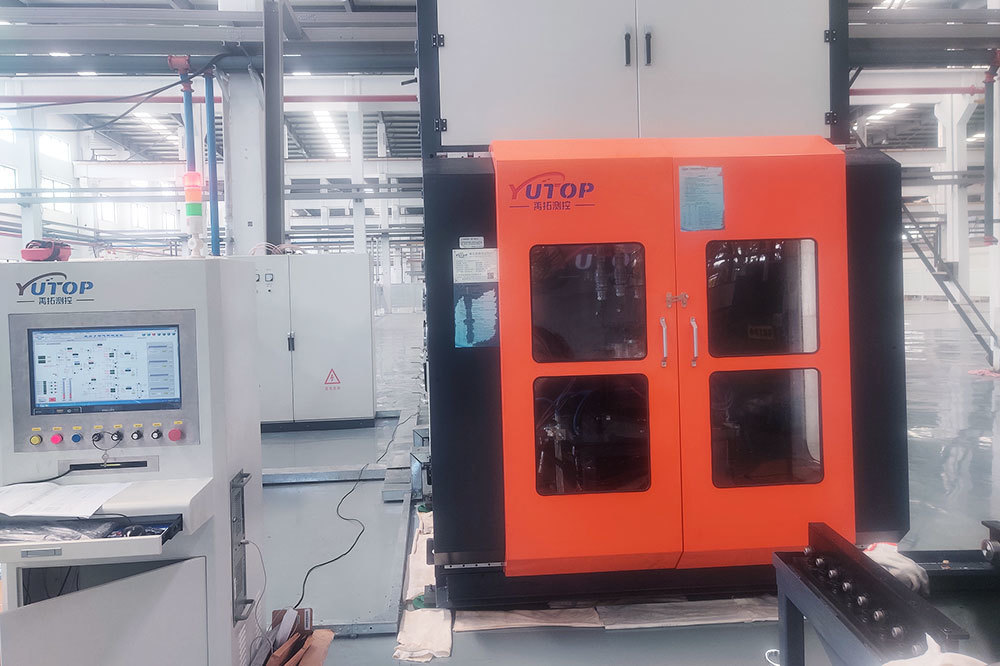
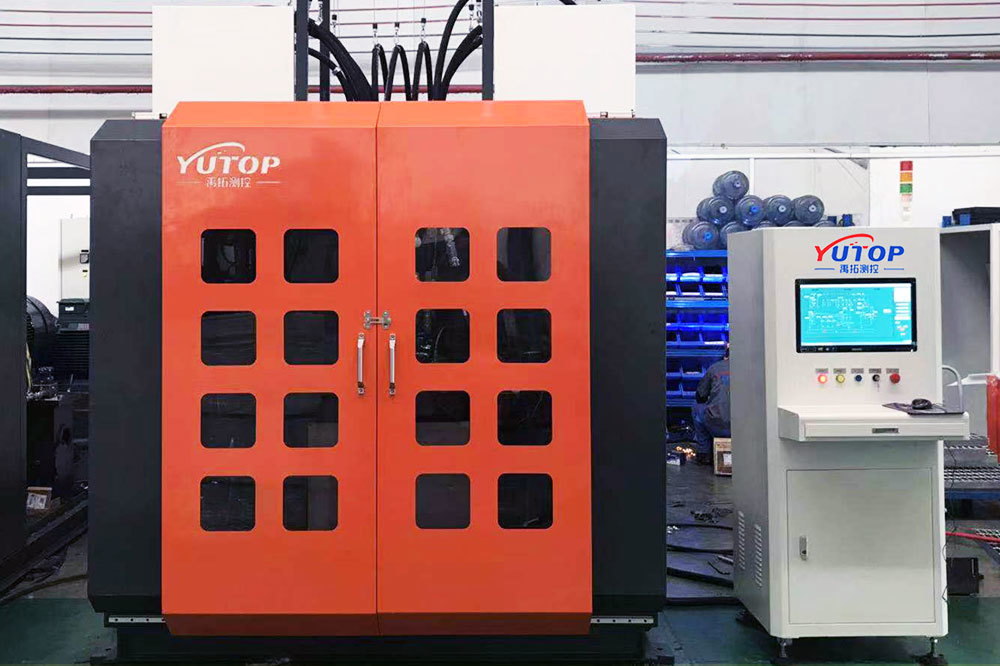
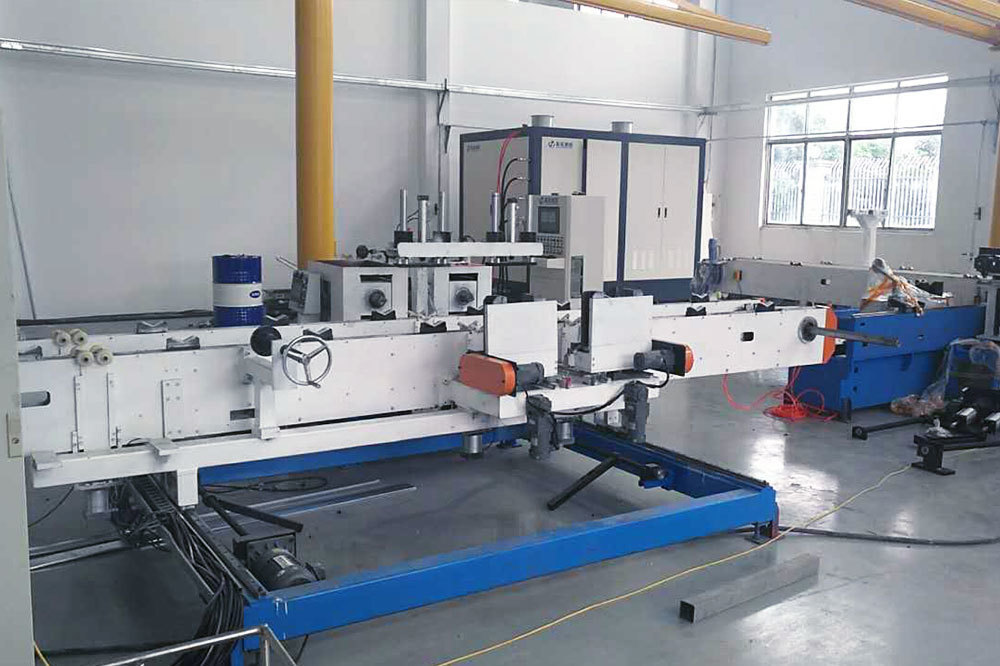
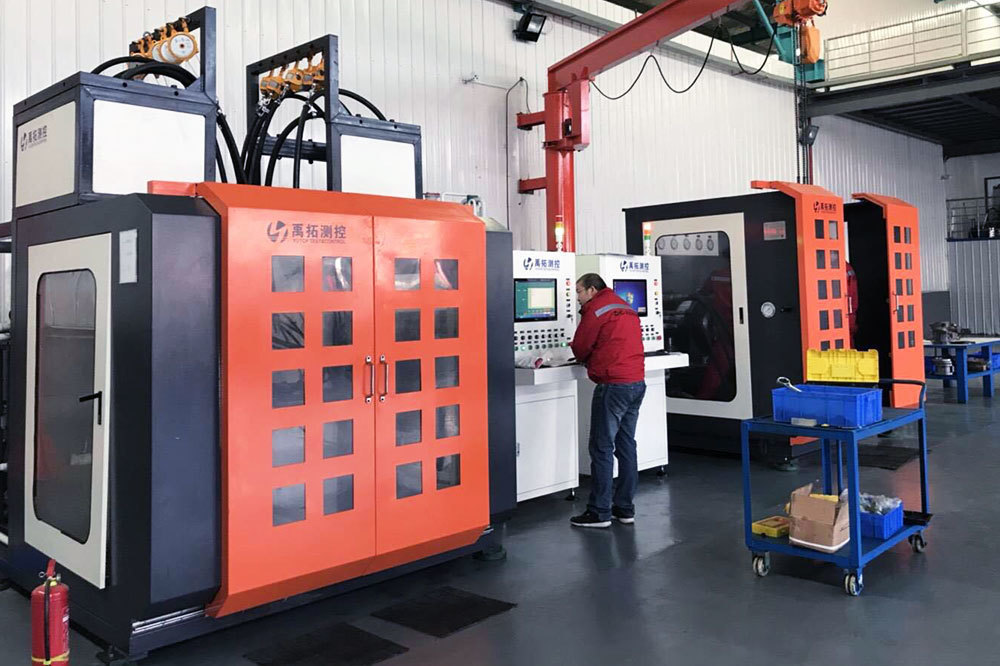
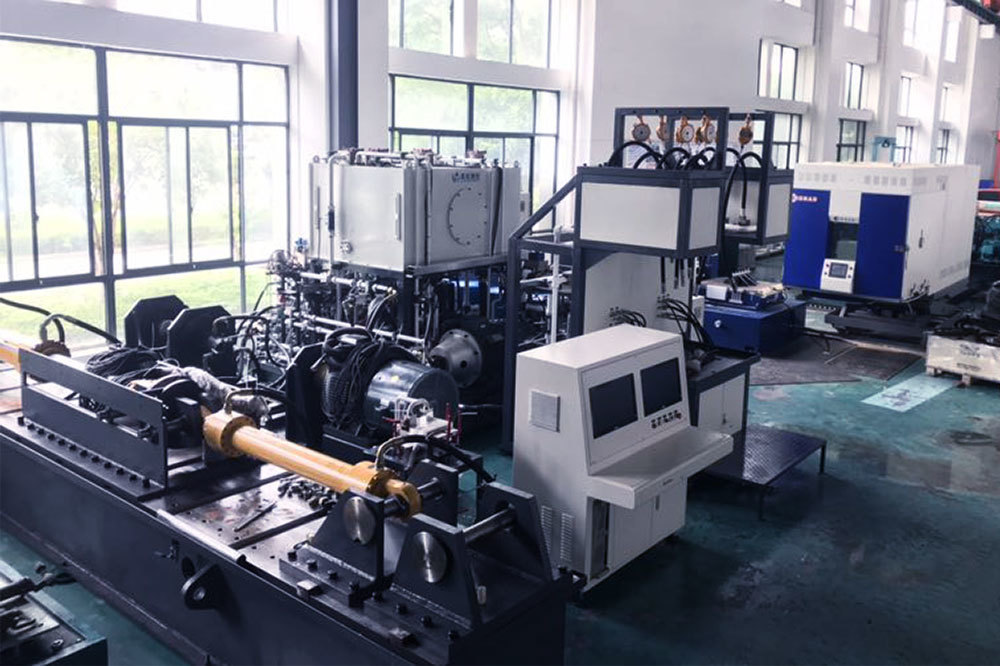
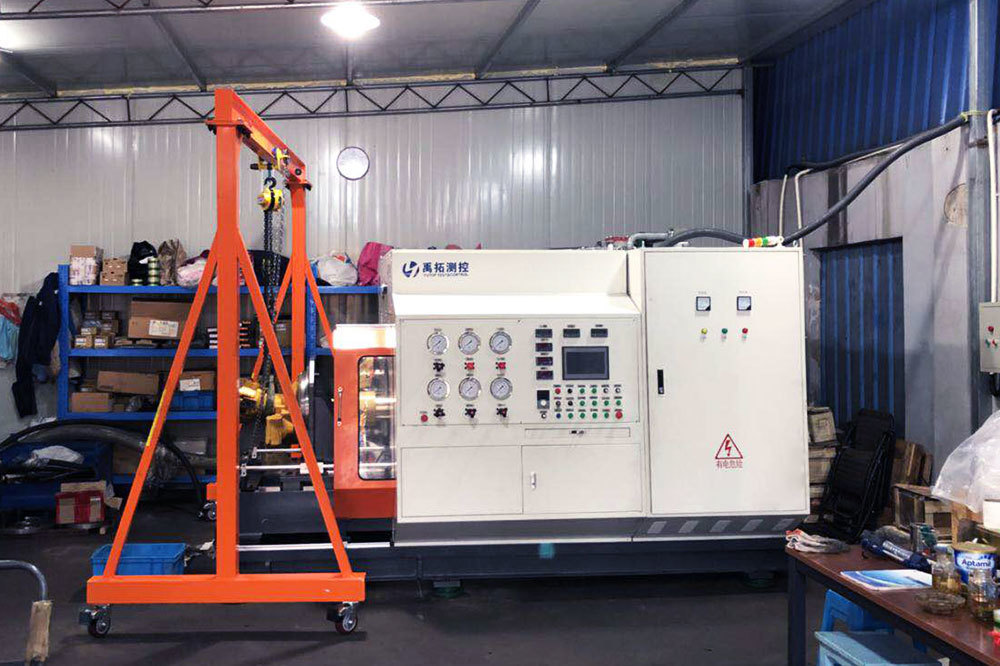
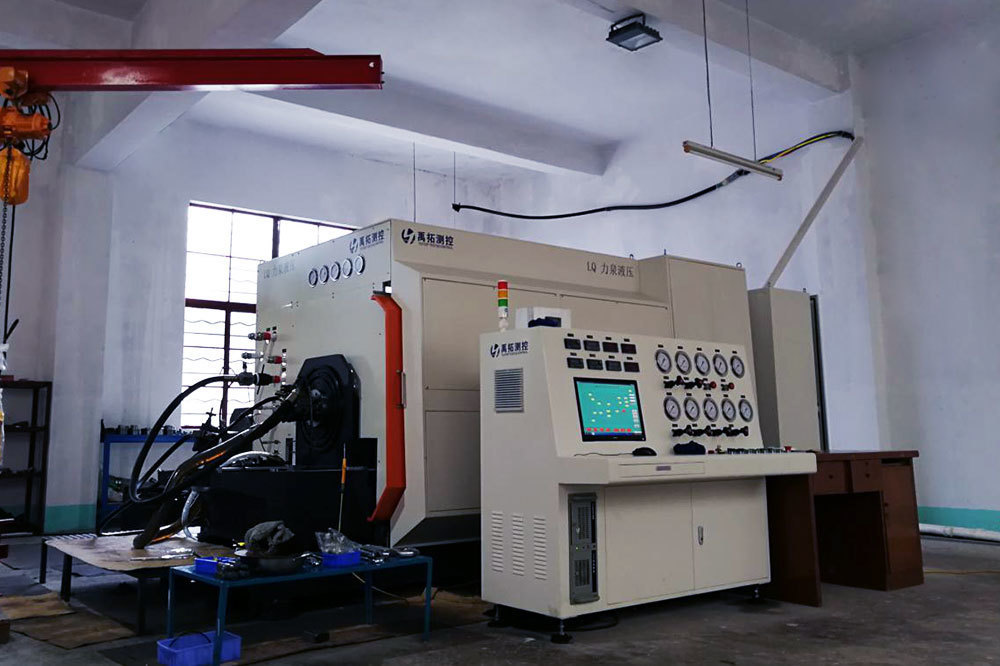
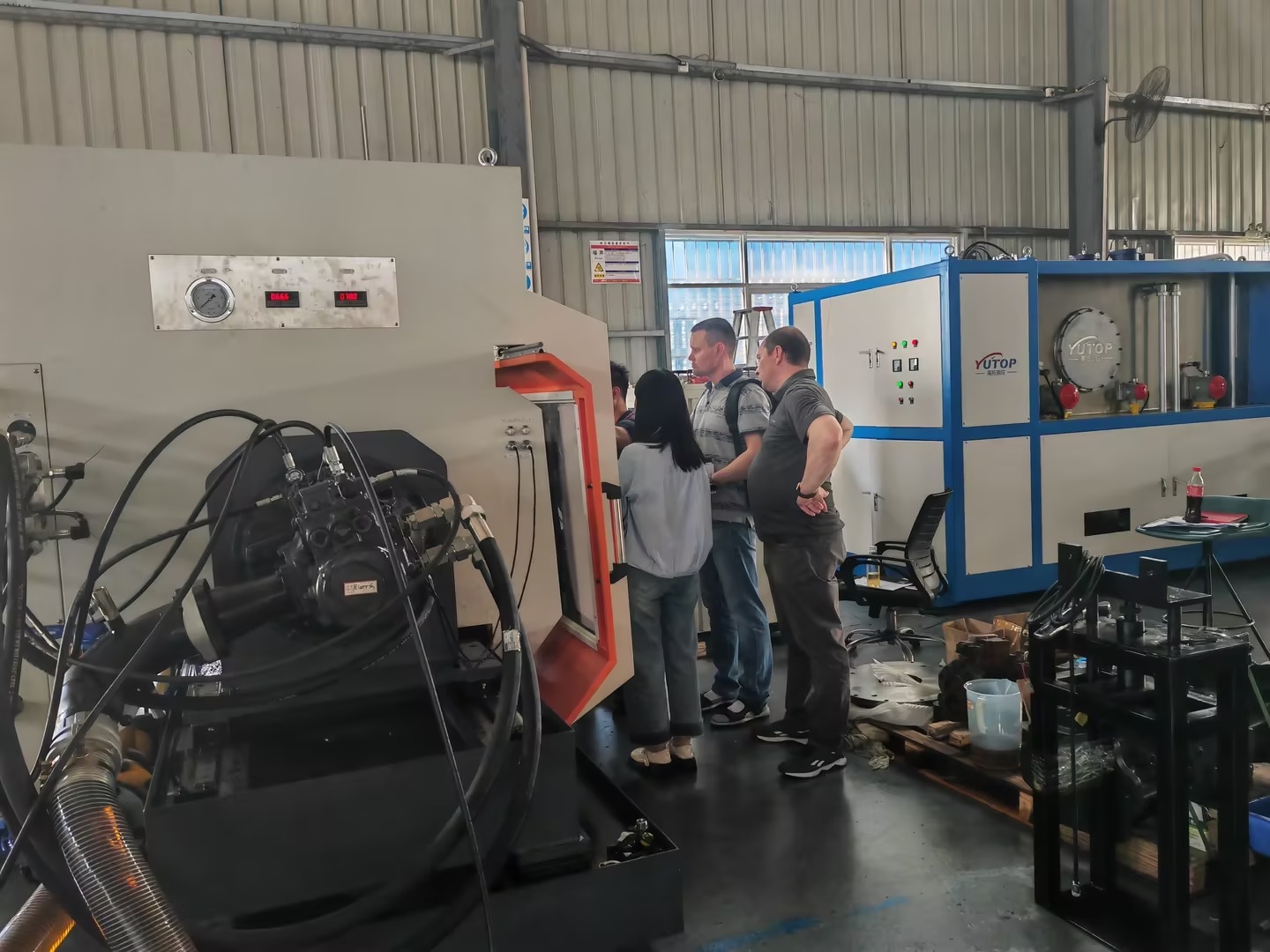
Integrated hydraulic testing and control solutions combine the functionalities of testing equipment with advanced control systems to create a cohesive operational framework. These solutions facilitate real-time monitoring and testing of hydraulic systems, enabling operators to assess performance metrics and detect anomalies promptly.
An integrated approach allows for seamless communication between various system components. For instance, a hydraulic pump might work in conjunction with sensors that monitor pressure and flow, providing instant feedback to operators. This integration not only enhances efficiency but also minimizes downtime and maintenance costs.
Advantages of Integrated Hydraulic Testing and Control Solutions
The integration of hydraulic testing and control solutions brings forth numerous advantages, making it a preferred choice for industries worldwide. Here are some key benefits:
1. Enhanced Safety
Safety remains a top priority in any operational environment. Integrated systems provide continuous monitoring, ensuring that any deviations from safe operating parameters are quickly identified and addressed. This proactive approach minimizes the risk of accidents and enhances overall workplace safety.
2. Increased Efficiency
By streamlining testing and control processes, integrated hydraulic solutions significantly boost operational efficiency. They reduce manual intervention, automate routine tasks, and ensure that systems operate within optimal parameters, leading to improved productivity.
3. Data-Driven Insights
Modern integrated solutions come equipped with advanced data analytics capabilities. These systems collect and analyze vast amounts of data, enabling organizations to gain insights into system performance, identify trends, and make informed decisions. This data-driven approach leads to continuous improvement and optimization.
4. Cost Savings
While the initial investment in integrated hydraulic solutions may be higher, organizations often realize substantial long-term cost savings. This reduction comes from decreased downtime, lower maintenance costs, and improved energy efficiency. The ability to diagnose issues early prevents costly failures and repairs.
5. Flexibility and Scalability
Integrated hydraulic testing and control solutions can be tailored to meet the specific needs of various applications. Whether for a small operation or a large-scale industrial facility, these systems offer flexibility and scalability, allowing organizations to expand or modify their setup as needed.
Applications of Integrated Hydraulic Testing and Control Solutions
Integrated hydraulic testing and control solutions find applications across multiple industries. Here are some prominent sectors where these systems have made a significant impact:
1. Manufacturing
In manufacturing, hydraulic systems are essential for machinery that requires precise control of movement. Integrated solutions help ensure that these systems remain in optimal working condition, enhancing productivity and safety on the shop floor.
2. Automotive
The automotive industry relies heavily on hydraulic systems for various applications, including braking and steering systems. Integrated hydraulic testing solutions are used to ensure the reliability and safety of these critical components, helping to prevent failures that could lead to accidents.
3. Aerospace
In aerospace, the reliability of hydraulic systems is non-negotiable. Integrated testing solutions allow for meticulous evaluation of hydraulic components in aircraft, ensuring that they can withstand extreme conditions and perform flawlessly during flight.
4. Construction
Construction equipment, such as excavators and cranes, often utilizes hydraulic systems for their operations. Integrated hydraulic testing and control systems ensure that these machines operate efficiently and safely, reducing the risk of accidents on construction sites.
Future Trends in Hydraulic Testing and Control Technologies
As technology continues to advance, the field of hydraulic testing and control is evolving rapidly. Here are some trends that are shaping the future of these integrated solutions:
1. IoT Integration
The Internet of Things (IoT) is poised to revolutionize hydraulic testing and control. By connecting devices and systems to the internet, operators can monitor system performance remotely, receive alerts, and even predict failures before they occur.
2. Increased Automation
Automation is increasingly becoming a standard in hydraulic systems. Integrated solutions equipped with advanced automation capabilities will enable organizations to perform complex tasks with minimal human intervention, enhancing both efficiency and safety.
3. Advanced Data Analytics
With the growth of big data, advanced analytics will play a pivotal role in hydraulic testing and control solutions. Organizations will leverage data to optimize performance, reduce costs, and enhance decision-making processes.
Frequently Asked Questions
1. What is the primary benefit of integrated hydraulic testing solutions?
The primary benefit is enhanced efficiency through real-time monitoring and control, leading to improved safety and reduced operational costs.
2. How do integrated hydraulic solutions improve safety?
These solutions continuously monitor system performance, allowing for immediate detection of issues, which helps prevent accidents and system failures.
3. Are integrated hydraulic testing systems expensive?
While there may be a higher initial investment, the long-term cost savings and operational efficiencies often offset this expense.
4. Can integrated hydraulic solutions be customized for specific applications?
Yes, integrated hydraulic testing and control solutions can be tailored to meet the unique needs of various industries and applications.
5. What future trends should we watch in hydraulic testing technology?
Key trends include increased IoT integration, enhanced automation, and advanced data analytics, all aimed at improving efficiency and safety.
Conclusion
Integrated hydraulic testing and control solutions represent a significant advancement in the field of hydraulic systems. By combining testing and control functionalities, these solutions enhance safety, efficiency, and reliability across various industries. As technology continues to evolve, organizations that adopt these integrated systems will position themselves favorably in an increasingly competitive landscape. Emphasizing data-driven insights and proactive monitoring, integrated solutions pave the way for future innovations in hydraulic technology. Investing in these advanced systems not only safeguards operations but also drives sustainable growth and productivity.

Room 209, 2nd Floor, No.12, No.828 Maogang Road, Huangpu District, Guangzhou,China.


