

Innovations in Piston Pump Testing Equipment: What to Expect in the Future
Innovations in Piston Pump Testing Equipment: What to Expect in the Future Table of Contents 1. Introduction to Piston Pumps and Testing Equipment 2. The Evolution of Piston Pump Testing Technologies 3. Current Technologies in Piston Pump Testing 4. Emerging Trends in Piston Pump Testing Innovations 4.1 Smart Technology Integration 4.2 Automated Te
Jan 14,2026
Innovations in Piston Pump Testing Equipment: What to Expect in the Future
Table of Contents
- 1. Introduction to Piston Pumps and Testing Equipment
- 2. The Evolution of Piston Pump Testing Technologies
- 3. Current Technologies in Piston Pump Testing
- 4. Emerging Trends in Piston Pump Testing Innovations
- 5. Benefits of Innovative Testing Equipment
- 6. Future Predictions and Expectations
- 7. Real-world Applications and Case Studies
- 8. Frequently Asked Questions
- 9. Conclusion
1. Introduction to Piston Pumps and Testing Equipment
Piston pumps play a vital role in various industrial applications, moving fluids through a series of chambers with the help of a reciprocating piston. The significance of **piston pump testing equipment** cannot be overstated—ensuring the reliability, efficiency, and longevity of these pumps is critical to operational success. As industries evolve, so does the technology used in testing these vital components.
2. The Evolution of Piston Pump Testing Technologies
The journey of piston pump testing equipment began decades ago with rudimentary methods that often relied on manual inspections and simple performance metrics. Historically, testing procedures were time-consuming and prone to human error. However, rapid technological advancements have redefined testing standards, leading to significant improvements in accuracy and efficiency.
Today, the evolution of **piston pump testing technologies** is characterized by sophisticated systems that incorporate automation, precision instrumentation, and advanced software solutions. These innovations not only streamline the testing process but also enhance the ability to diagnose potential issues before they escalate.
3. Current Technologies in Piston Pump Testing
Modern piston pump testing equipment utilizes a range of technologies designed to ensure precise performance assessment. Key current technologies include:
3.1 Hydraulic Test Benches
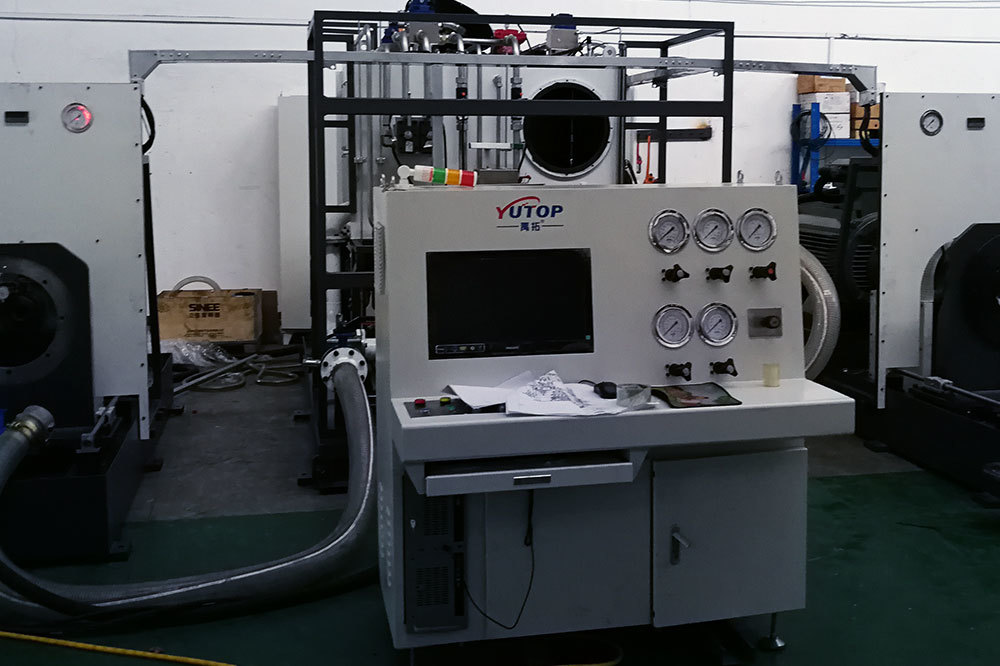
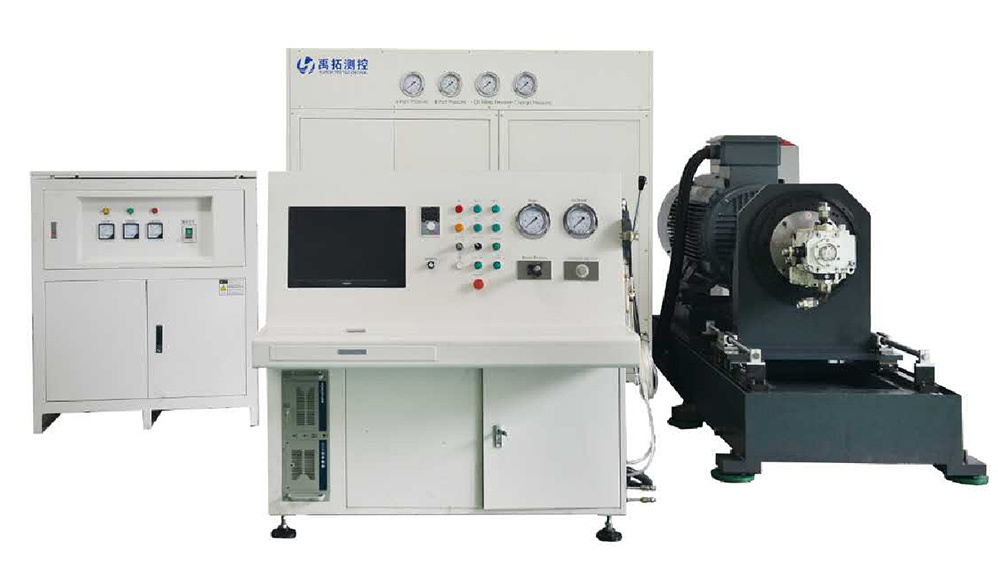
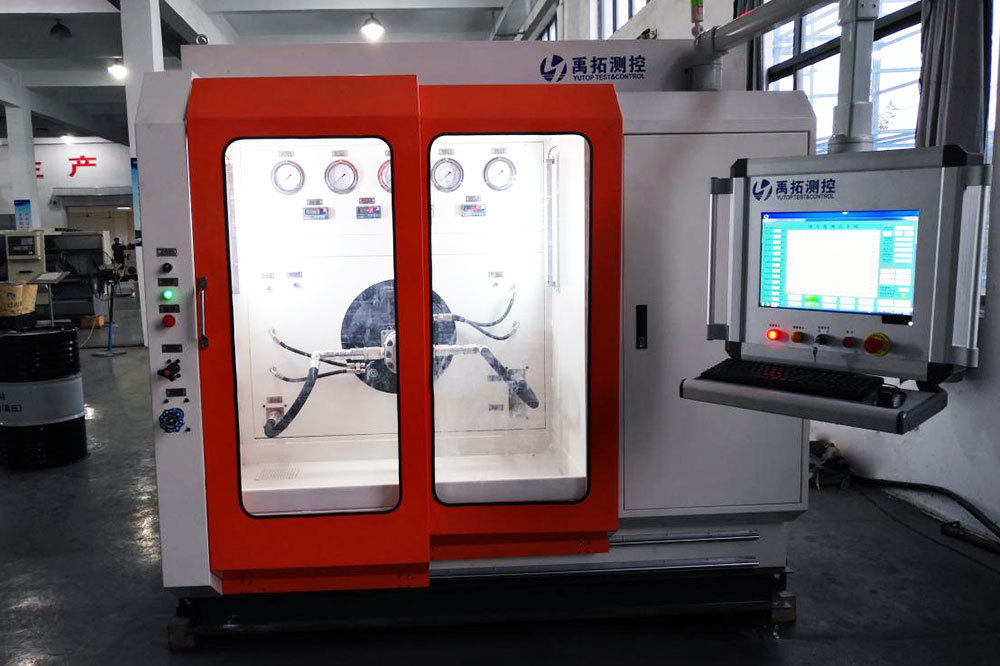
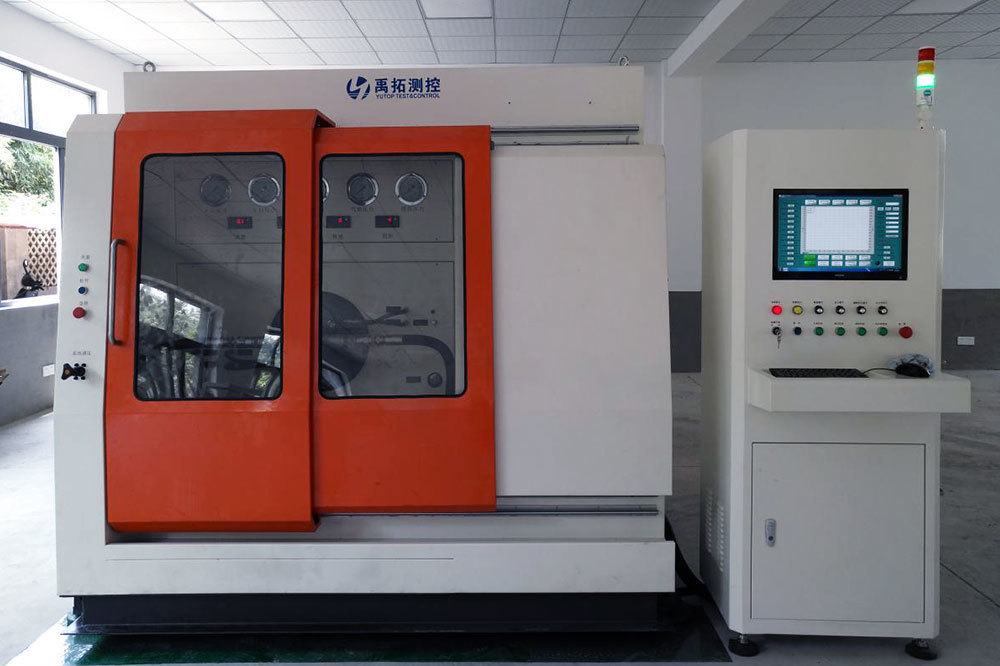
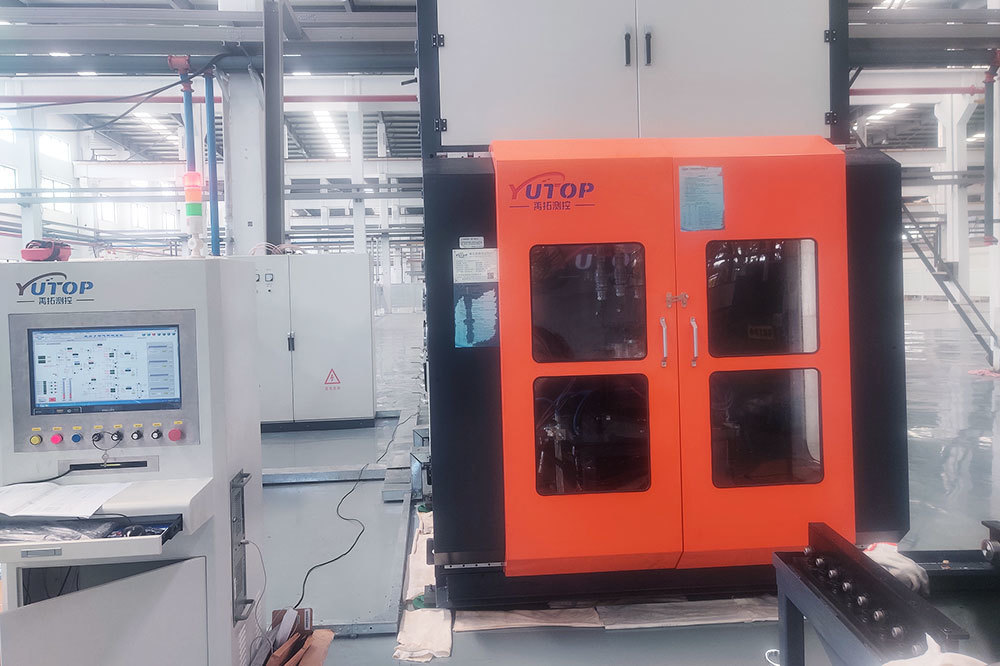
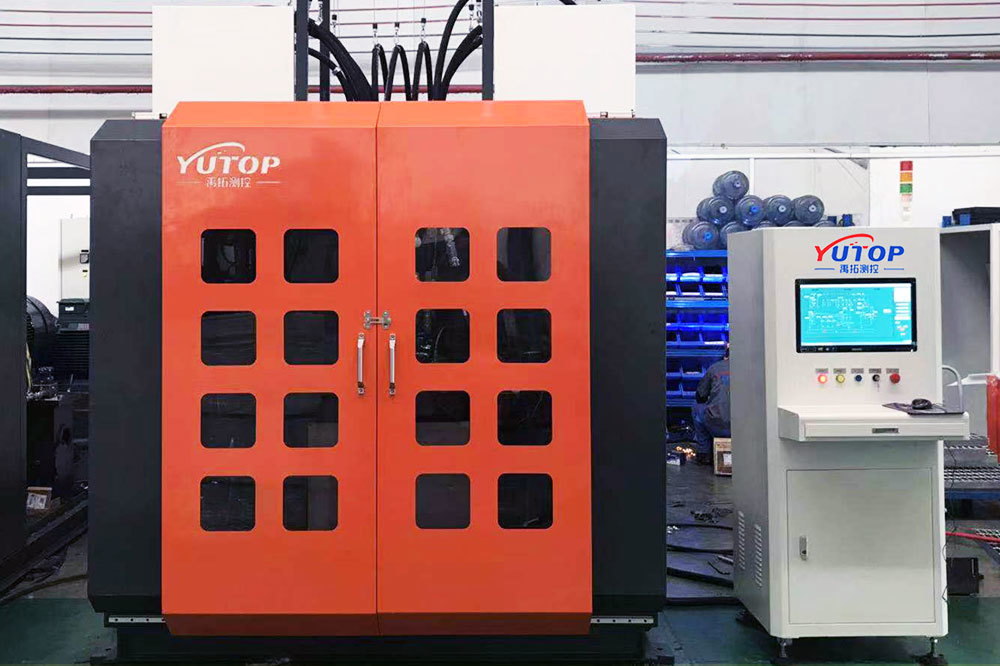
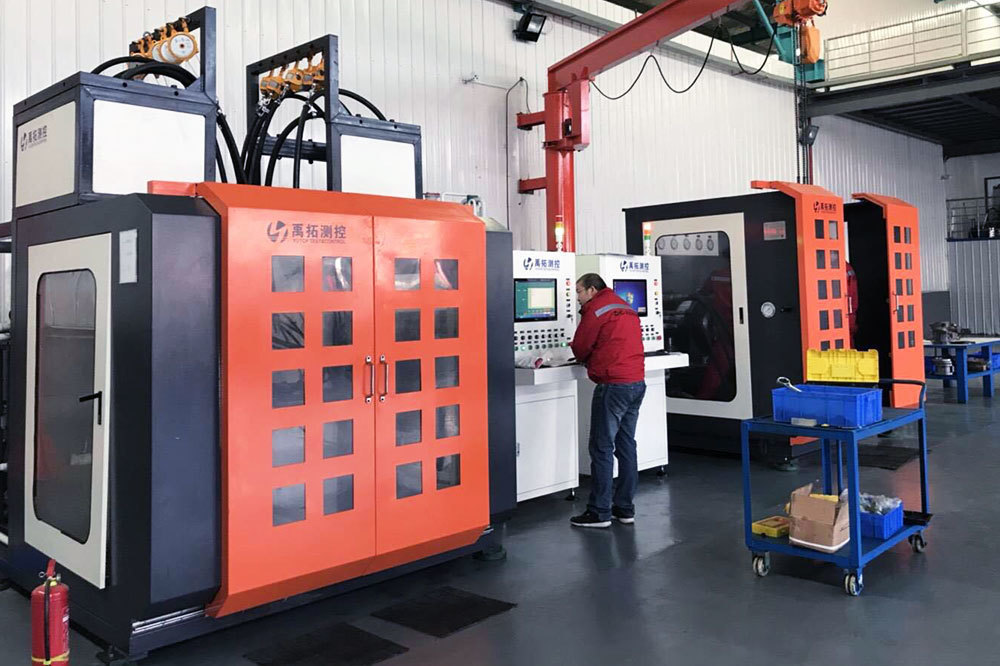
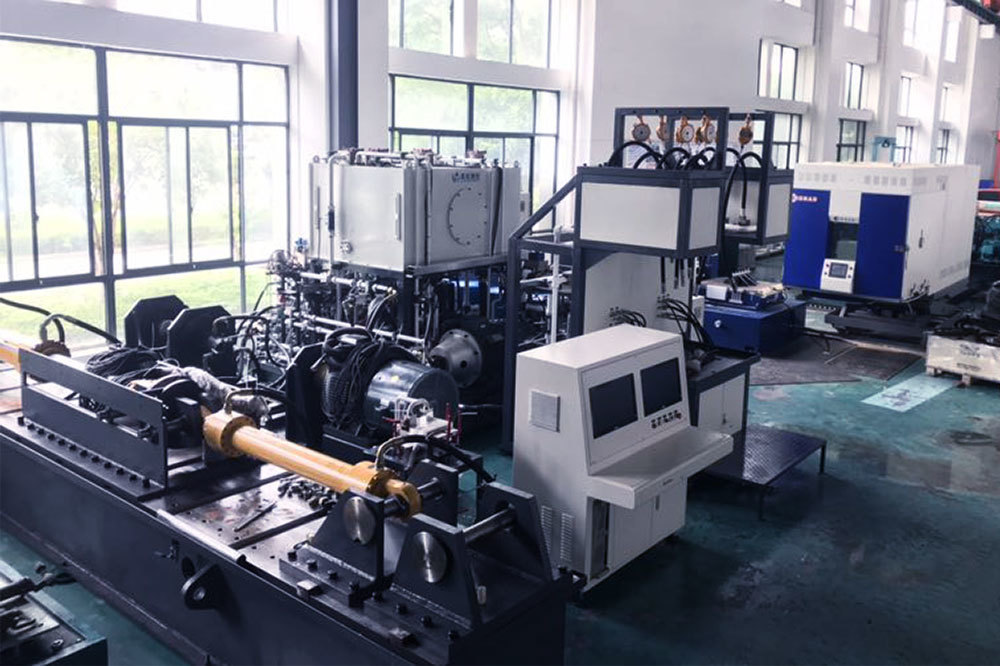
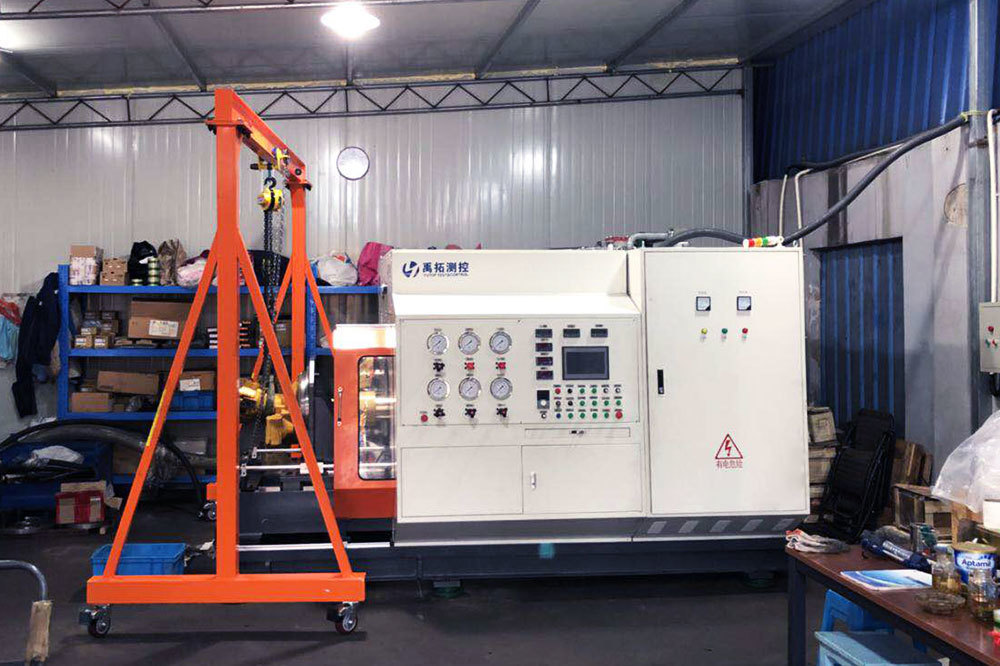
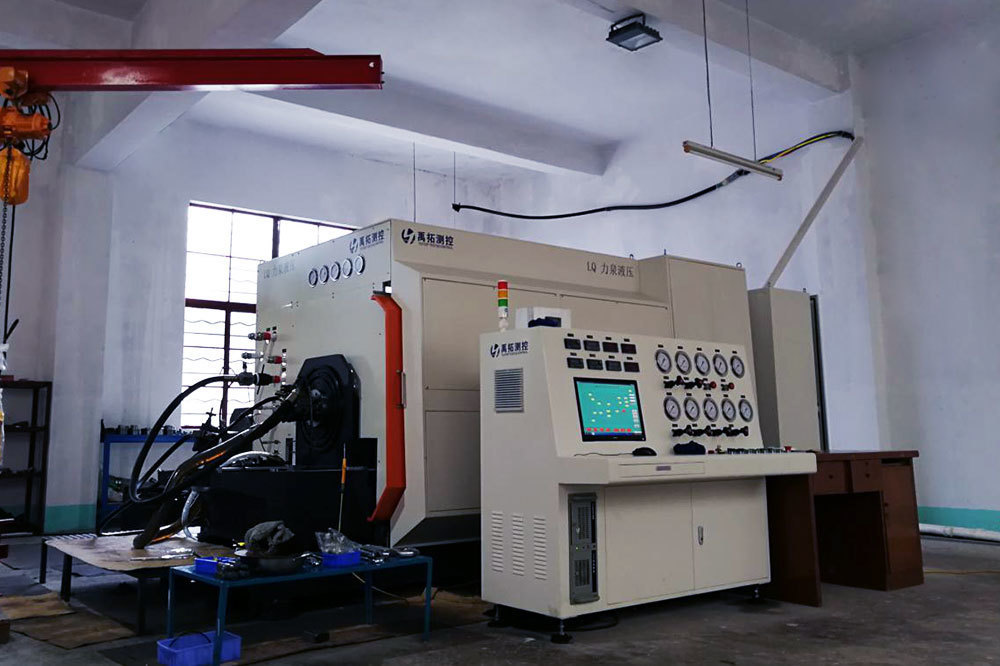
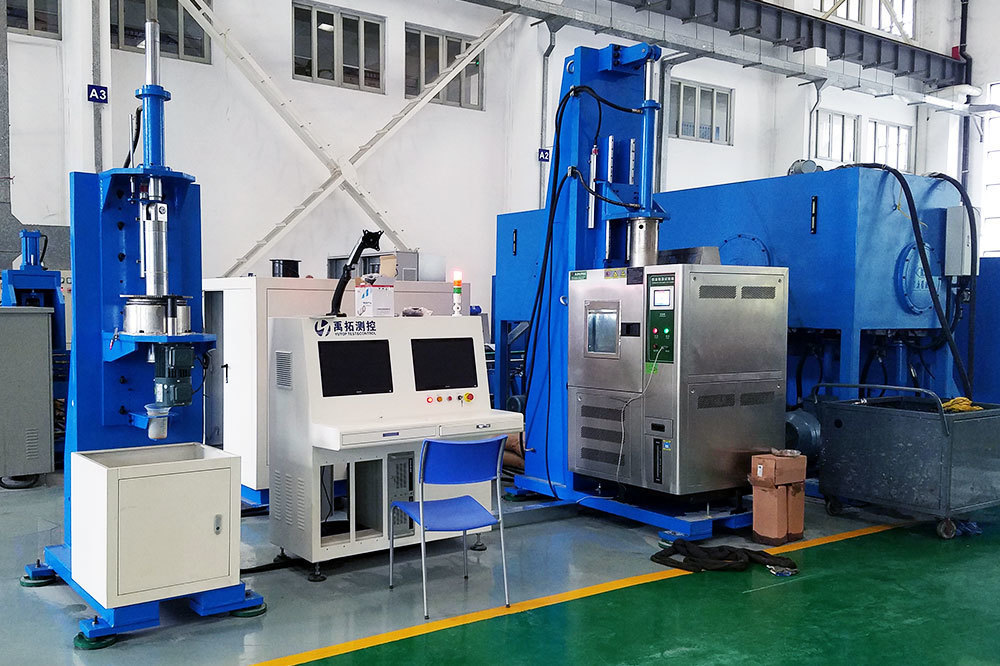
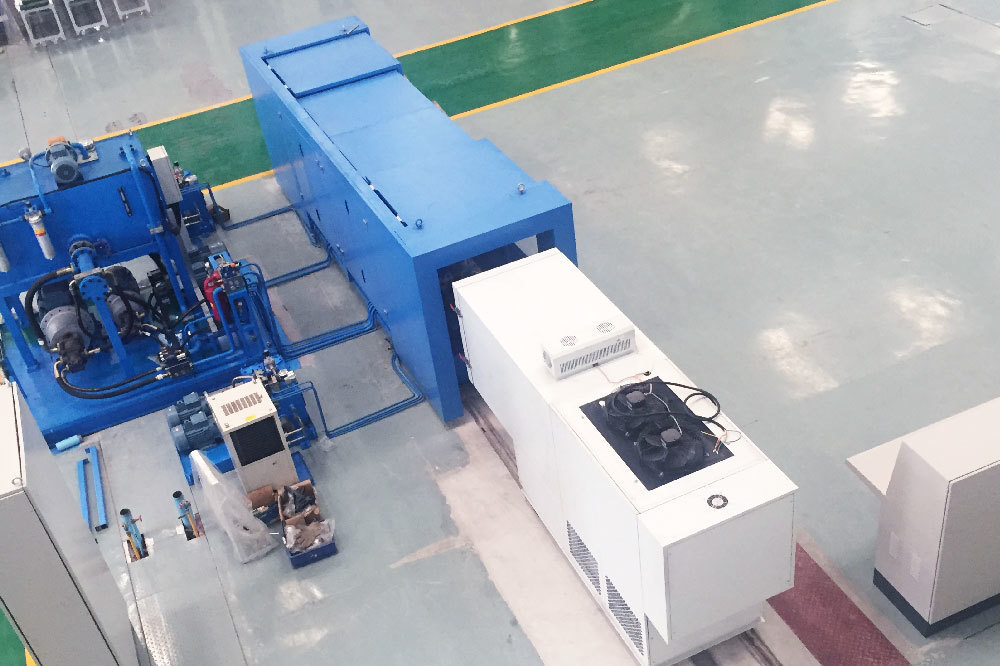
Hydraulic test benches remain a cornerstone of piston pump testing. These systems simulate real-world operating conditions, allowing for comprehensive performance evaluation under varied pressures and flow rates.
3.2 Electronic Measurement Systems
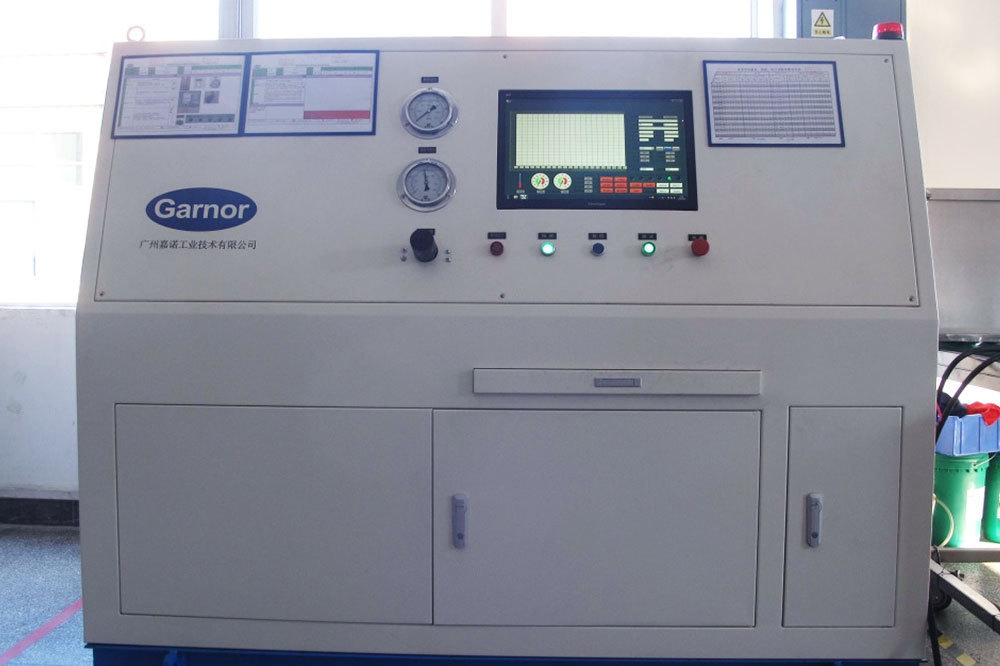
The incorporation of electronic measurement systems provides accurate data collection, enabling technicians to analyze pump performance metrics in real time. With features like digital displays and integrated software, these systems improve the overall testing process.
3.3 Flow and Pressure Sensors
Advanced flow and pressure sensors play a crucial role in assessing the functionality of piston pumps. They provide continuous monitoring, ensuring that any deviations from expected performance metrics are quickly identified.
4. Emerging Trends in Piston Pump Testing Innovations
As industries continue to embrace digitalization, several emerging trends are shaping the future of piston pump testing equipment.
4.1 Smart Technology Integration
The rise of the **Internet of Things (IoT)** has led to the development of smart testing equipment that can communicate with other devices and systems. These smart technologies enable remote monitoring, predictive maintenance, and real-time data analysis, offering unparalleled insights into pump performance.
4.2 Automated Testing Systems
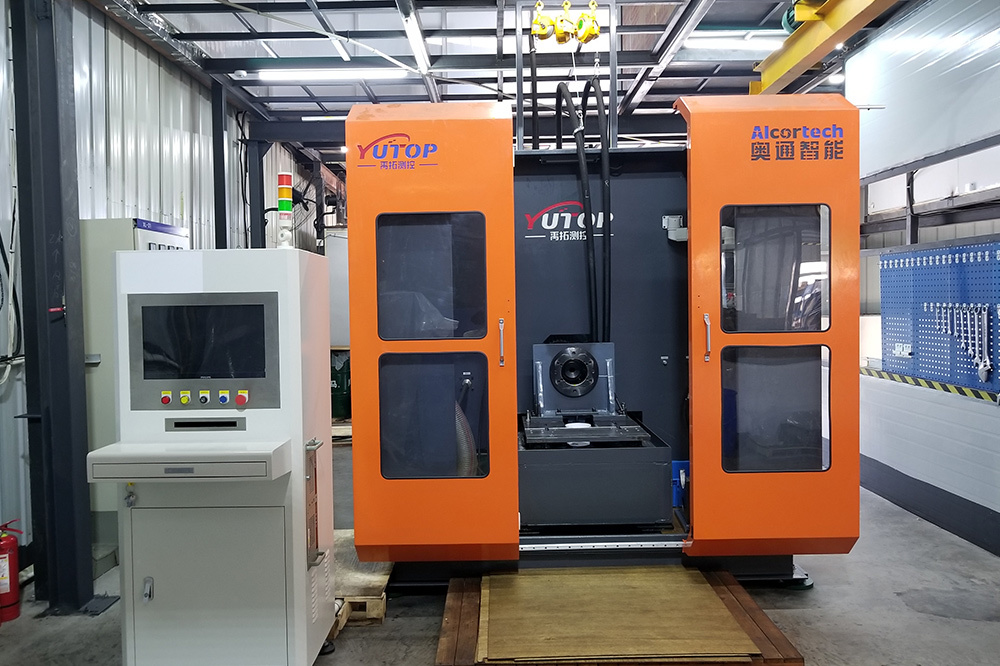
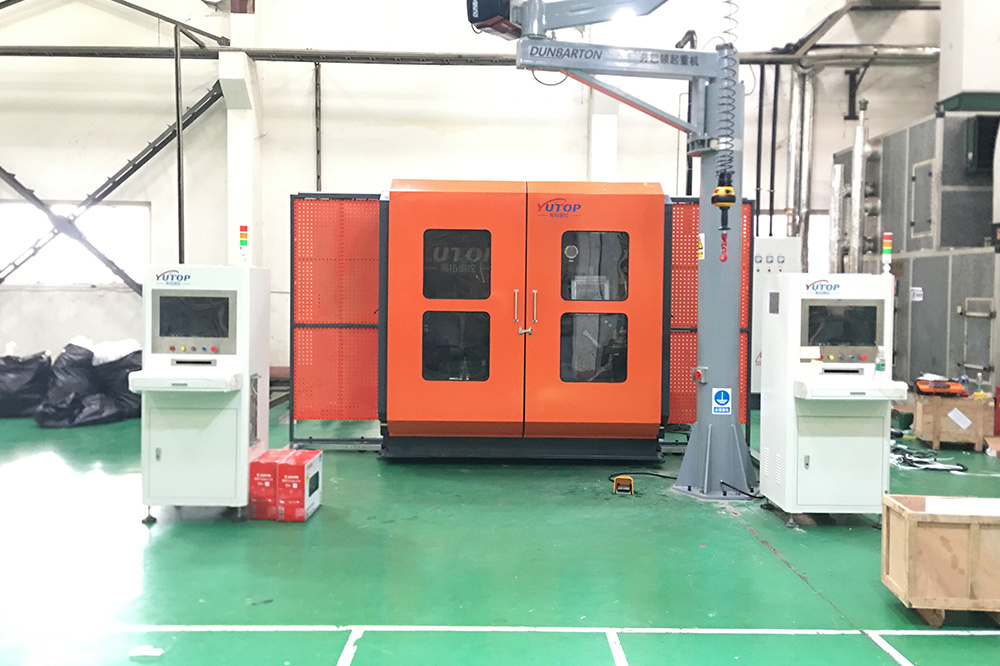
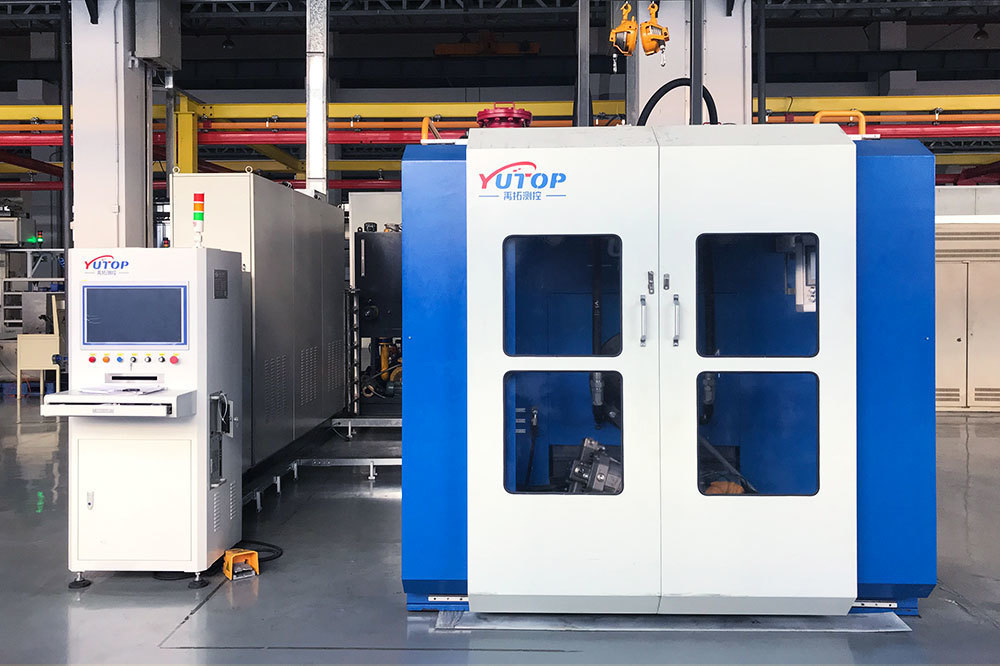
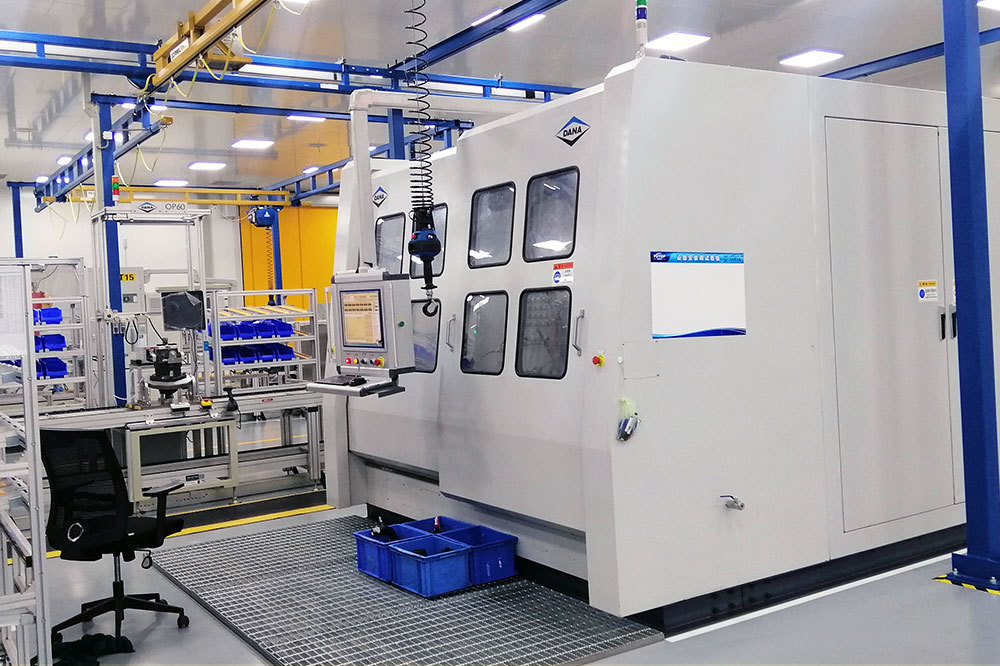
Automation is revolutionizing piston pump testing by minimizing human intervention and enhancing operational efficiency. Automated testing systems can perform multiple tests simultaneously, reducing the time required for evaluations and increasing throughput.
4.3 Advanced Data Analytics
With the accumulation of vast amounts of data, advanced analytics tools are becoming essential for interpreting test results. By applying machine learning algorithms, industries can gain deeper insights into pump performance trends, enabling proactive decision-making.
5. Benefits of Innovative Testing Equipment
The adoption of innovative piston pump testing equipment comes with a plethora of benefits, including:
5.1 Improved Accuracy and Reliability
Modern testing technologies vastly improve the accuracy of performance evaluations, ensuring that pumps operate within specified parameters.
5.2 Cost Efficiency
By identifying issues early and reducing testing times, innovative equipment can lower operational costs significantly.
5.3 Enhanced Operational Efficiency
Automation and smart technology integration streamline testing processes, allowing teams to focus on critical tasks and improving overall productivity.
6. Future Predictions and Expectations
Looking ahead, the future of piston pump testing equipment is ripe with potential. We anticipate several key developments that will further enhance the testing landscape:
6.1 Greater Customization
As industries diversify, the demand for customized testing solutions will increase. Future testing equipment will likely feature adaptable configurations to meet specific operational requirements.
6.2 Increased Connectivity
The future will see a greater emphasis on connectivity, with devices seamlessly integrating into larger industrial systems. This will facilitate a more cohesive approach to monitoring and performance assessment.
6.3 Sustainability Focus
Sustainability will drive innovation as industries seek to reduce their environmental impact. Testing equipment that minimizes waste and energy consumption will become increasingly important.
7. Real-world Applications and Case Studies
Adoption of advanced piston pump testing equipment has already proven successful in various industries. For example, leading automotive manufacturers are utilizing automated testing systems to increase production efficiency and ensure product quality.
Similarly, oil and gas companies have implemented smart technology-integrated testing equipment to monitor pump performance remotely, leading to significant savings on maintenance costs.
8. Frequently Asked Questions
8.1 What is a piston pump?
A piston pump is a type of positive displacement pump that uses a piston to move fluids through a chamber.
8.2 Why is testing important for piston pumps?
Testing ensures that piston pumps operate efficiently, reliably, and within specified performance parameters, reducing the risk of failure.
8.3 What are the benefits of automated piston pump testing?
Automated testing enhances efficiency, accuracy, and throughput, allowing for quicker identification of potential issues.
8.4 How does smart technology improve testing processes?
Smart technology allows for real-time monitoring, predictive maintenance, and data analysis, leading to more informed decision-making.
8.5 What are the future trends in piston pump testing equipment?
Future trends include greater customization, increased connectivity, and a focus on sustainability in testing practices.
9. Conclusion
The landscape of piston pump testing equipment is evolving rapidly, driven by technological advancements and the increasing demand for efficiency and reliability. By embracing innovations such as smart technology integration, automated systems, and advanced data analytics, industries can expect to enhance operational performance and reduce costs. As we look to the future, the focus will undoubtedly be on creating more customized, connected, and sustainable testing solutions to meet the challenges of an ever-changing industrial landscape.
PREVIOUS:

Room 209, 2nd Floor, No.12, No.828 Maogang Road, Huangpu District, Guangzhou,China.


