

How a Test Bench Can Enhance Your Excavator's Hydraulic Performance
How a Test Bench Can Enhance Your Excavator's Hydraulic Performance Table of Contents 1. Introduction to Excavator Hydraulic Systems 2. Understanding the Role of Test Benches 3. The Importance of Hydraulic Performance Testing 3.1. Identifying Common Hydraulic Issues 3.2. Benefits of Routine Testing 4. Key Components of a Test Bench for Excavators 4.1. Hydraulic Pumps and Motors 4
Jan 16,2026

How a Test Bench Can Enhance Your Excavator's Hydraulic Performance
Table of Contents
1. Introduction to Excavator Hydraulic Systems
2. Understanding the Role of Test Benches
3. The Importance of Hydraulic Performance Testing
3.1. Identifying Common Hydraulic Issues
3.2. Benefits of Routine Testing
4. Key Components of a Test Bench for Excavators
4.1. Hydraulic Pumps and Motors
4.2. Pressure and Flow Meters
4.3. Data Acquisition Systems
5. How to Optimize Excavator Hydraulic Performance Using Test Benches
5.1. Regular Maintenance Practices
5.2. Fine-Tuning Hydraulic Settings
6. Comparing Test Bench Results: What to Look For
6.1. Understanding Test Data
6.2. Making Informed Decisions
7. Case Studies: Successful Enhancements Through Testing
8. Frequently Asked Questions (FAQs)
9. Conclusion
1. Introduction to Excavator Hydraulic Systems
Excavators are indispensable in various construction and earth-moving tasks. At the heart of these powerful machines lies a complex hydraulic system responsible for their movement and operational efficiency. This hydraulic system comprises various components, including pumps, motors, cylinders, and valves, all of which work in harmony to deliver exceptional performance. A well-functioning hydraulic system translates to enhanced productivity, reduced downtime, and lower operational costs. However, ensuring optimal performance often requires regular testing and maintenance.
2. Understanding the Role of Test Benches
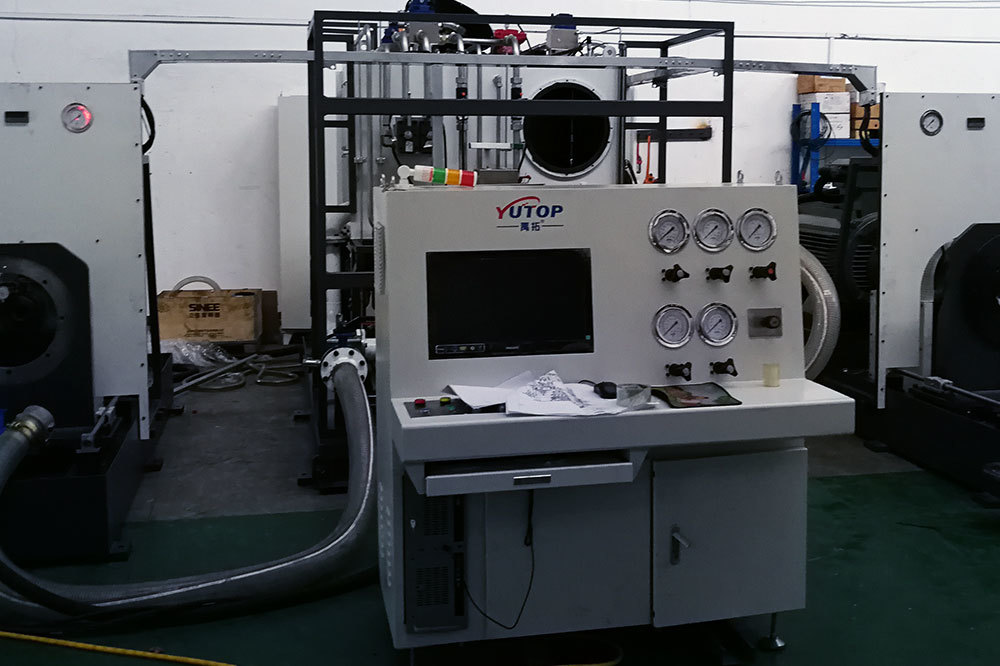
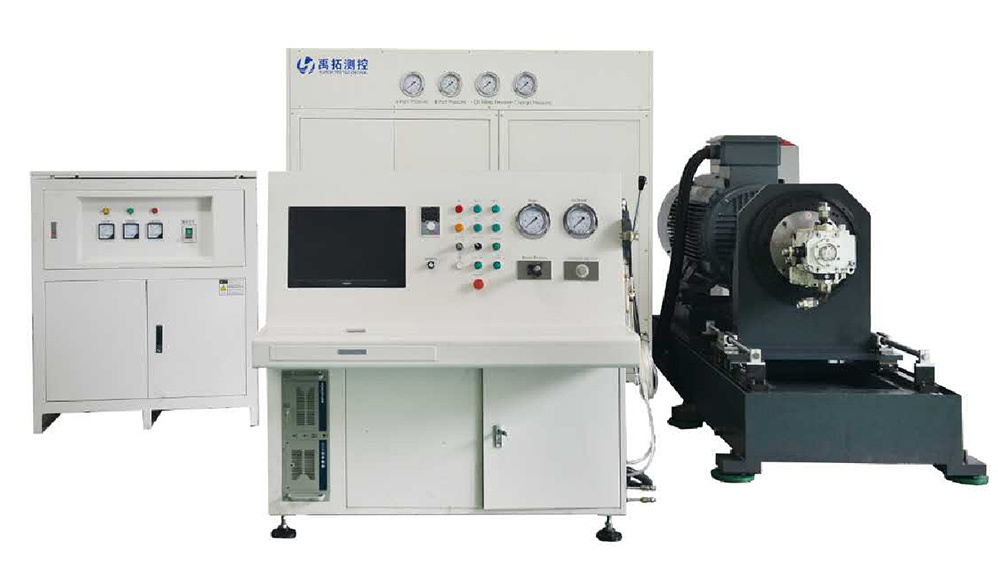
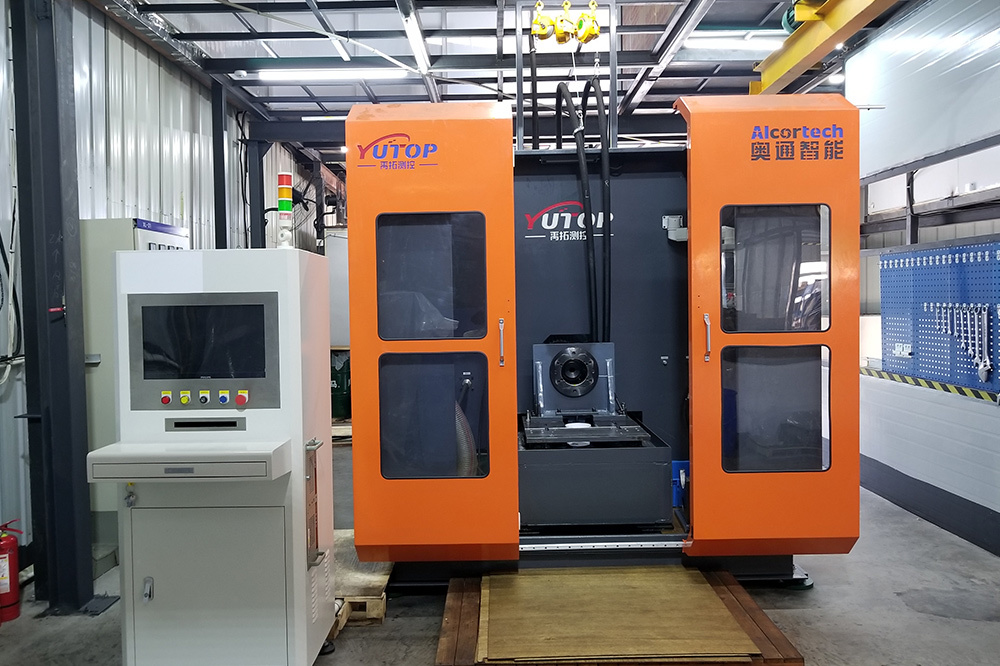
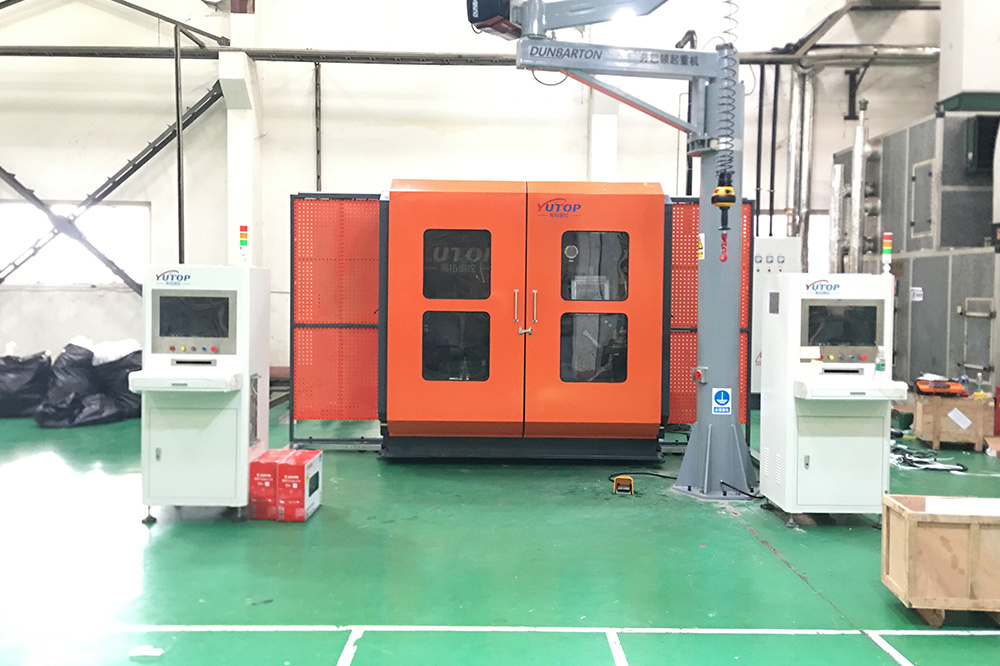
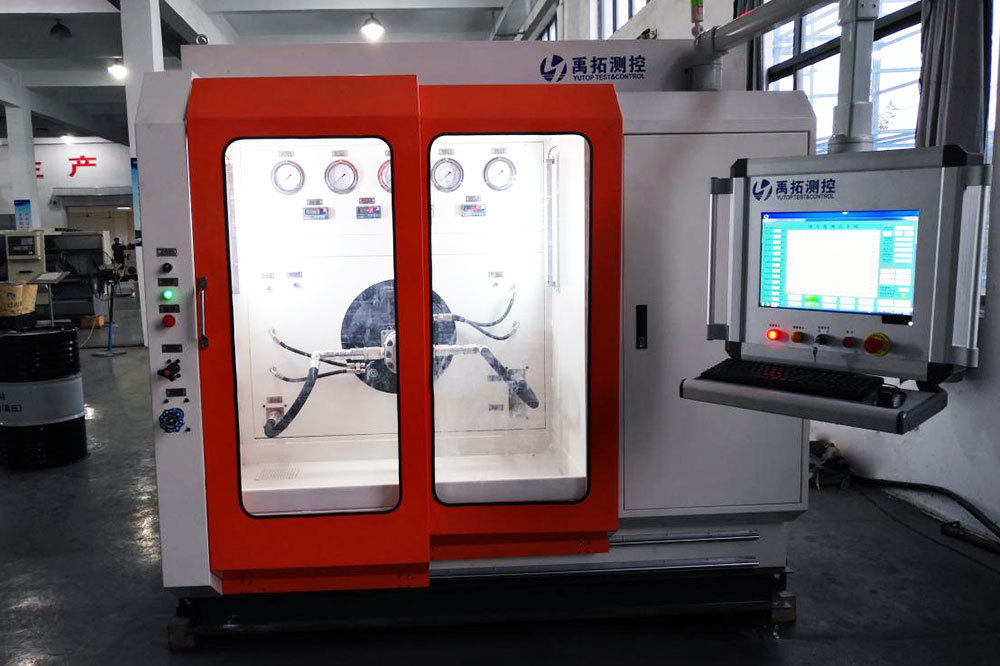
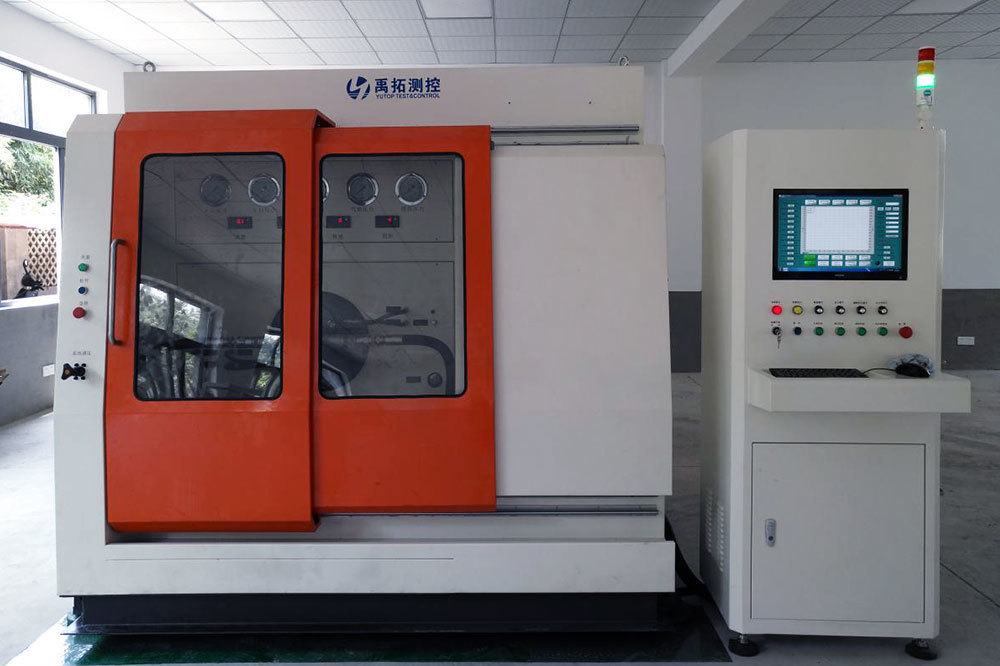
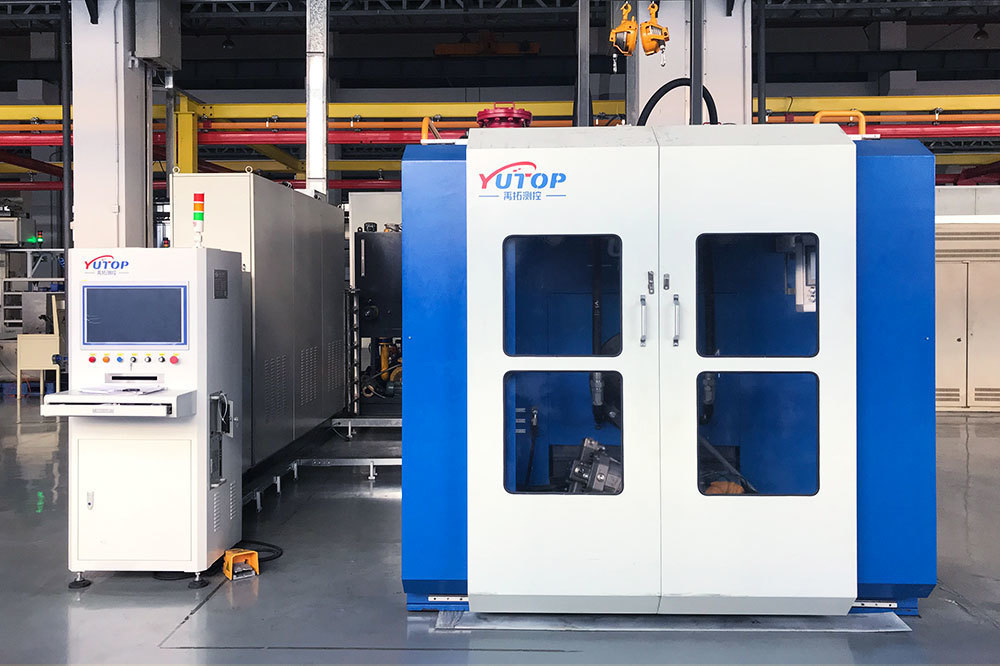
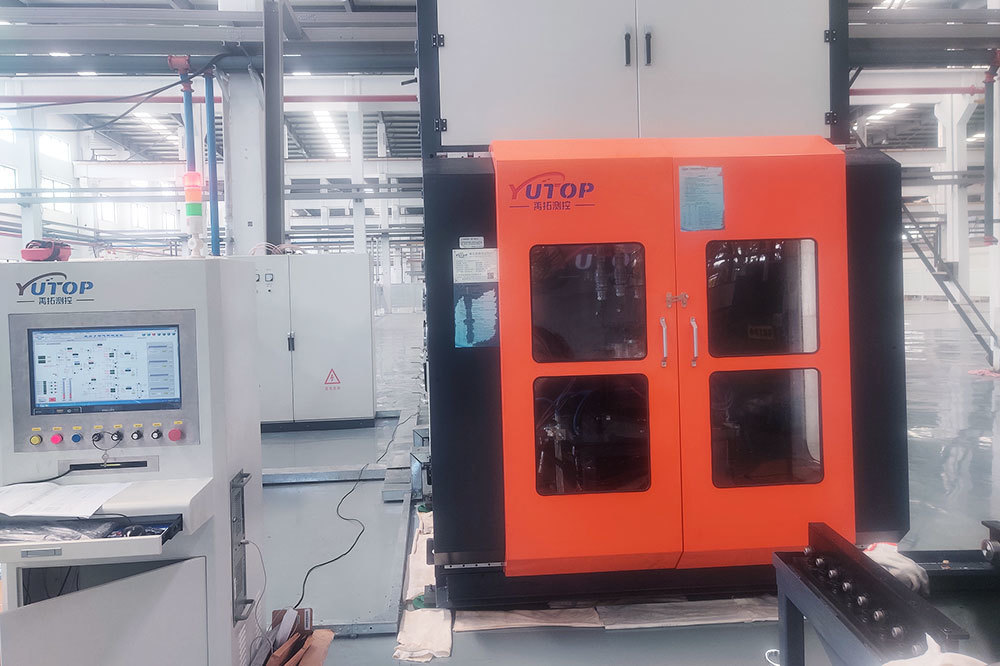
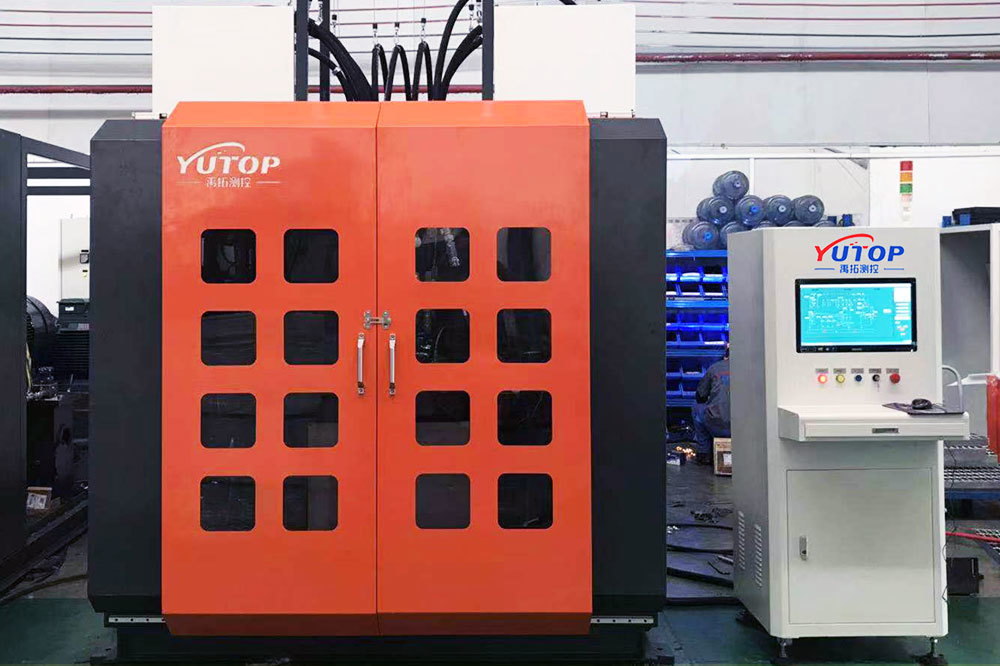
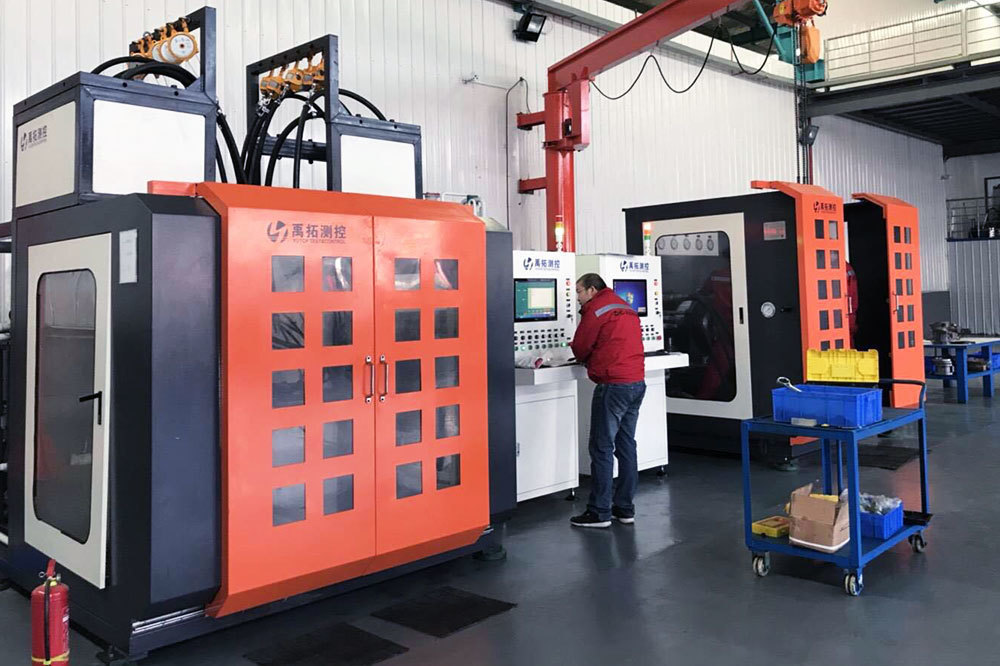
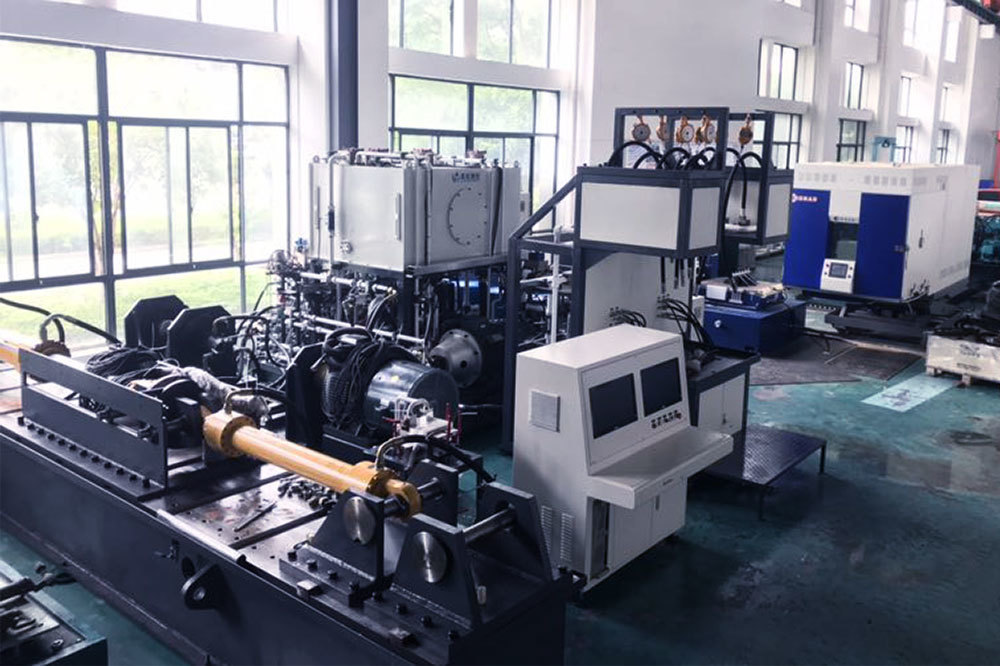
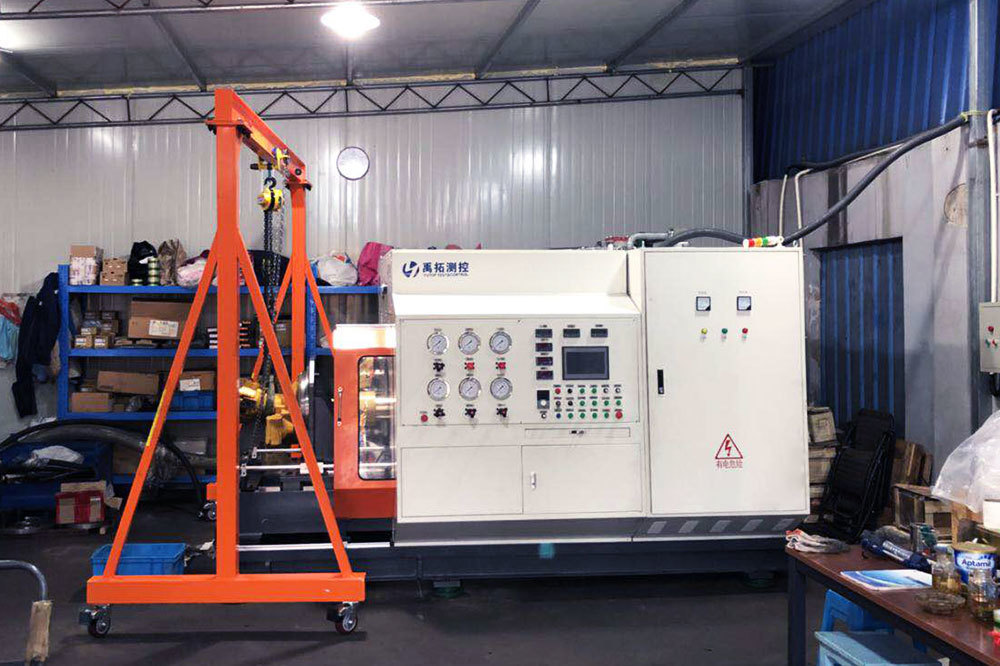
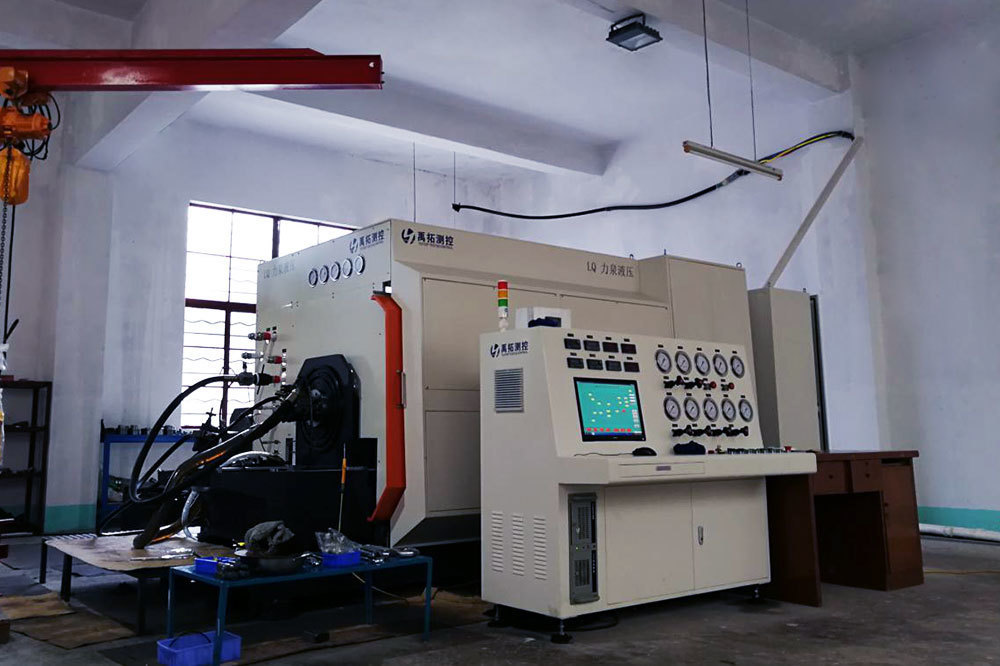
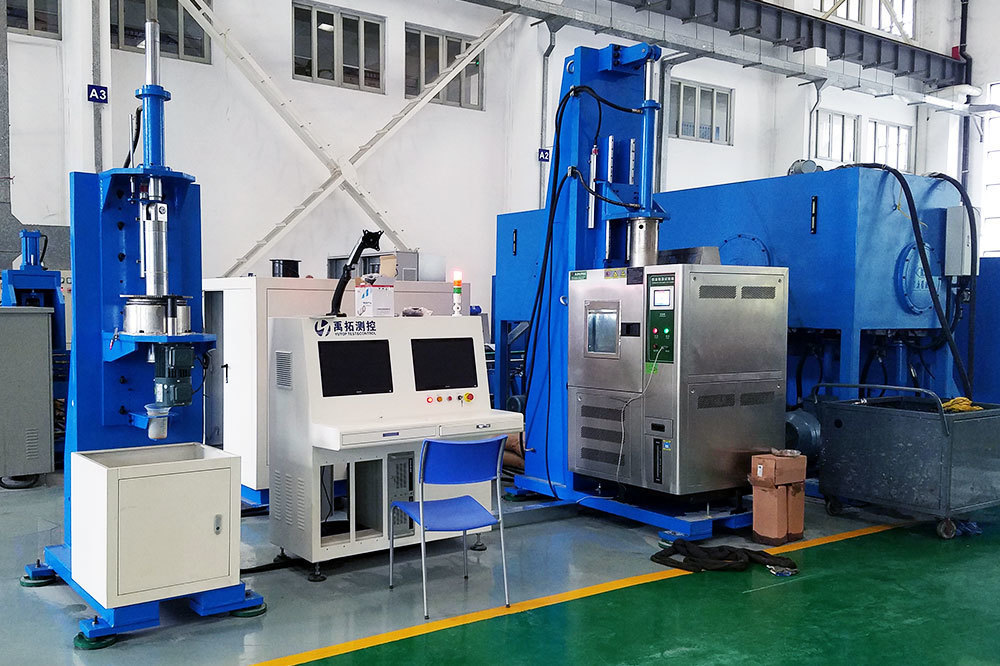
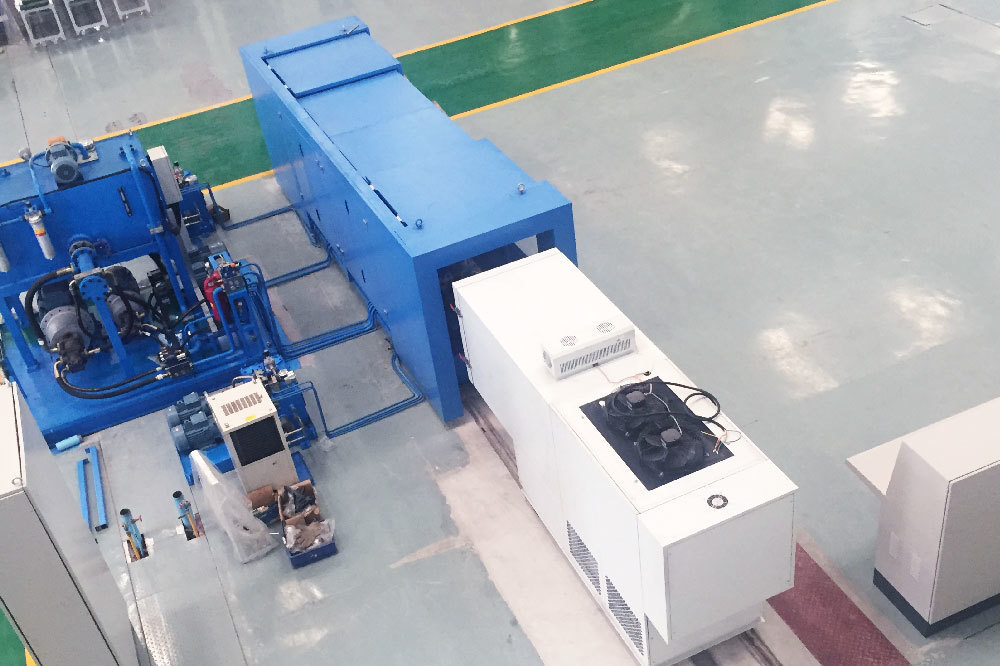
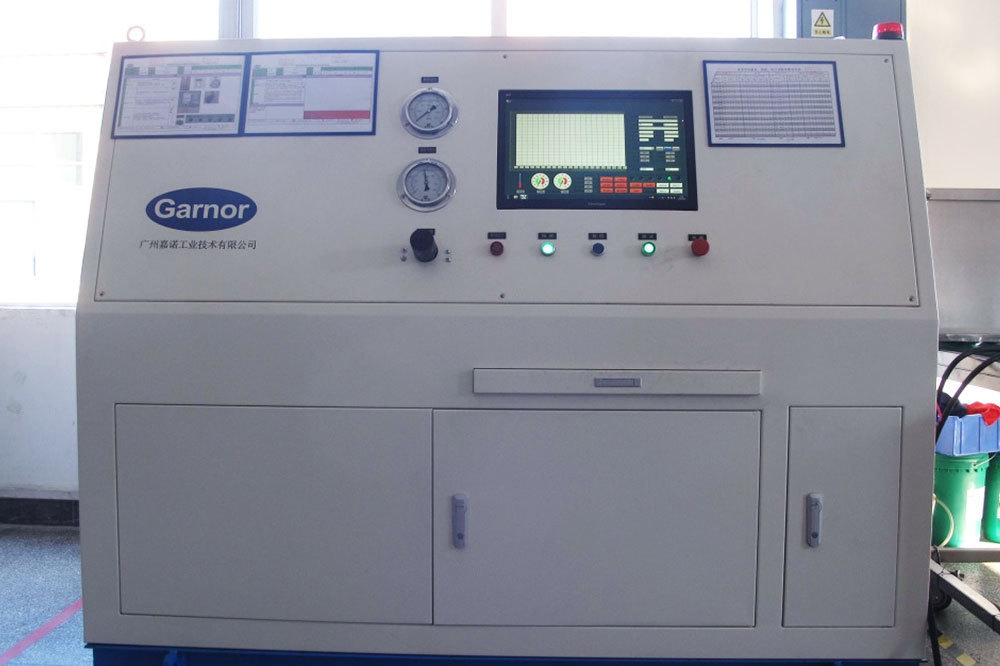
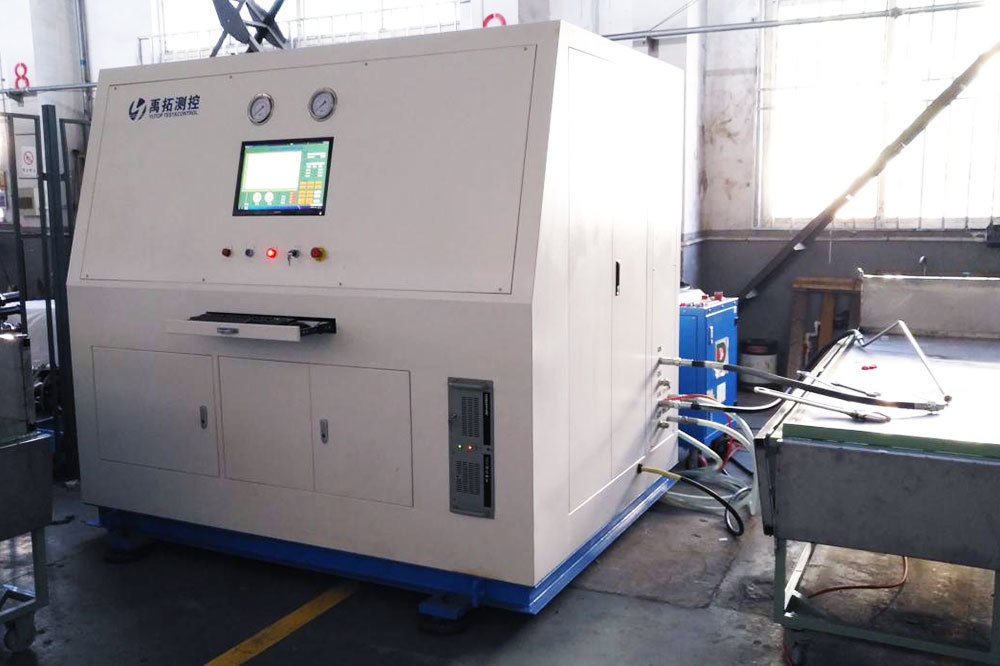
A **test bench** is a specialized piece of equipment designed to assess, analyze, and enhance the performance of hydraulic systems. By providing controlled environments to measure parameters such as pressure, flow rate, and system response, test benches offer invaluable insights into the health of an excavator’s hydraulic components. Utilizing a test bench allows operators and maintenance personnel to pinpoint inefficiencies and make informed decisions regarding repairs and upgrades.
3. The Importance of Hydraulic Performance Testing
Regular testing of hydraulic systems is crucial for several reasons.
3.1. Identifying Common Hydraulic Issues
Identifying issues such as leaks, pressure drops, or component wear is essential for maintaining the integrity of the hydraulic system. Test benches can simulate operational conditions, enabling technicians to detect problems before they escalate into costly repairs.
3.2. Benefits of Routine Testing
Routine performance testing helps in:
- **Preventative Maintenance**: Identifying potential failures before they occur.
- **Cost Efficiency**: Reducing unscheduled downtime and repair costs.
- **Performance Monitoring**: Ensuring the hydraulic system operates within optimal parameters.
4. Key Components of a Test Bench for Excavators
Understanding the components of a test bench is vital for operators looking to enhance their excavator's hydraulic performance.
4.1. Hydraulic Pumps and Motors
These components are crucial for generating the hydraulic power necessary for excavator operations. Testing their efficiency ensures that the system runs smoothly.
4.2. Pressure and Flow Meters
Accurate measurement of pressure and flow rates is essential for diagnosing system performance. Meters allow operators to track and analyze data effectively.
4.3. Data Acquisition Systems
Modern test benches come equipped with data acquisition systems that collect and analyze performance data, providing insights and trends that inform maintenance and operational strategies.
5. How to Optimize Excavator Hydraulic Performance Using Test Benches
By utilizing a test bench, operators can implement several strategies to enhance hydraulic performance.
5.1. Regular Maintenance Practices
Implement a routine maintenance schedule that includes hydraulic fluid changes, filter replacements, and inspections of all hydraulic components. Regular testing will help determine the right intervals for these practices.
5.2. Fine-Tuning Hydraulic Settings
Using test bench results, operators can adjust hydraulic settings, ensuring that the system operates at peak efficiency. This fine-tuning can lead to improved responsiveness and power delivery.
6. Comparing Test Bench Results: What to Look For
When analyzing the results from a test bench, focus on key metrics that indicate system health.
6.1. Understanding Test Data
Familiarize yourself with the parameters measured during testing—such as flow rates, pressure levels, and temperature readings. These metrics provide critical insights into the performance of the hydraulic system.
6.2. Making Informed Decisions
Use the data collected to make informed decisions about repairs, replacements, or adjustments to the hydraulic system. Understanding trends and variations in performance will help maintain optimal functionality.
7. Case Studies: Successful Enhancements Through Testing
Several organizations have experienced remarkable improvements in hydraulic performance by implementing test benches in their maintenance routines. For example, a construction company noted a **20% increase in efficiency** after conducting thorough performance testing on their excavator fleet. By identifying potential failures early, they minimized downtime and significantly reduced repair costs.
Another case involved a mining operation that used test benches to monitor their hydraulic systems continuously. By analyzing test data, they were able to optimize hydraulic settings, resulting in improved power delivery and increased operational output.
8. Frequently Asked Questions (FAQs)
**Q1: How often should I test my excavator's hydraulic system?**
A: It is recommended to test your hydraulic system at least once every six months, or more frequently if the equipment is heavily utilized.
**Q2: Can I perform hydraulic tests myself?**
A: While basic tests can be performed with the right equipment and training, professional testing is advised for comprehensive assessments.
**Q3: What are common signs of hydraulic system failure?**
A: Common signs include unusual noises, reduced power, and visible leaks.
**Q4: How can regular testing extend the lifespan of my excavator?**
A: Regular testing allows for early detection of issues, reducing the risk of catastrophic failures and prolonging the overall life of the machinery.
**Q5: What is the cost of implementing a test bench?**
A: Costs can vary widely based on the complexity of the test bench and the specific requirements of your hydraulic system. However, the long-term savings often outweigh initial investments.
9. Conclusion
Utilizing a test bench can significantly enhance your excavator's hydraulic performance, leading to improved efficiency, reduced downtime, and prolonged equipment lifespan. By understanding the critical components and benefits of hydraulic performance testing, operators can make informed decisions that drive productivity and cost savings. Regular assessments will not only keep your machinery running smoothly but also ensure that it meets the demands of modern construction and excavation projects efficiently. Investing in this technology is an investment in the future success of your operations.
PREVIOUS:

Room 209, 2nd Floor, No.12, No.828 Maogang Road, Huangpu District, Guangzhou,China.


