

Common Mistakes to Avoid When Using a Hydraulic Pump Performance Test Bench
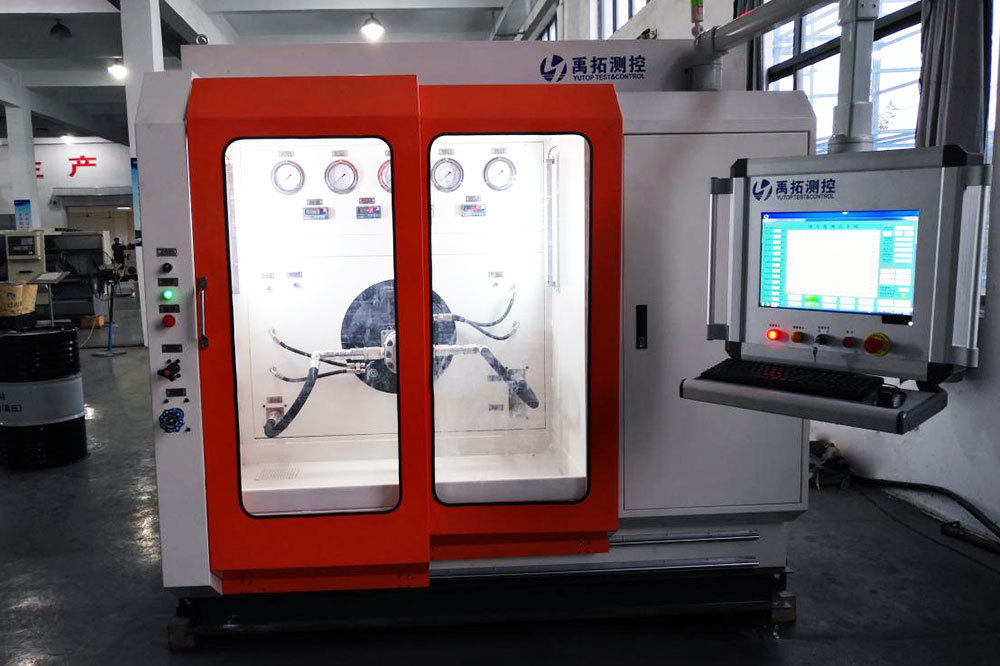
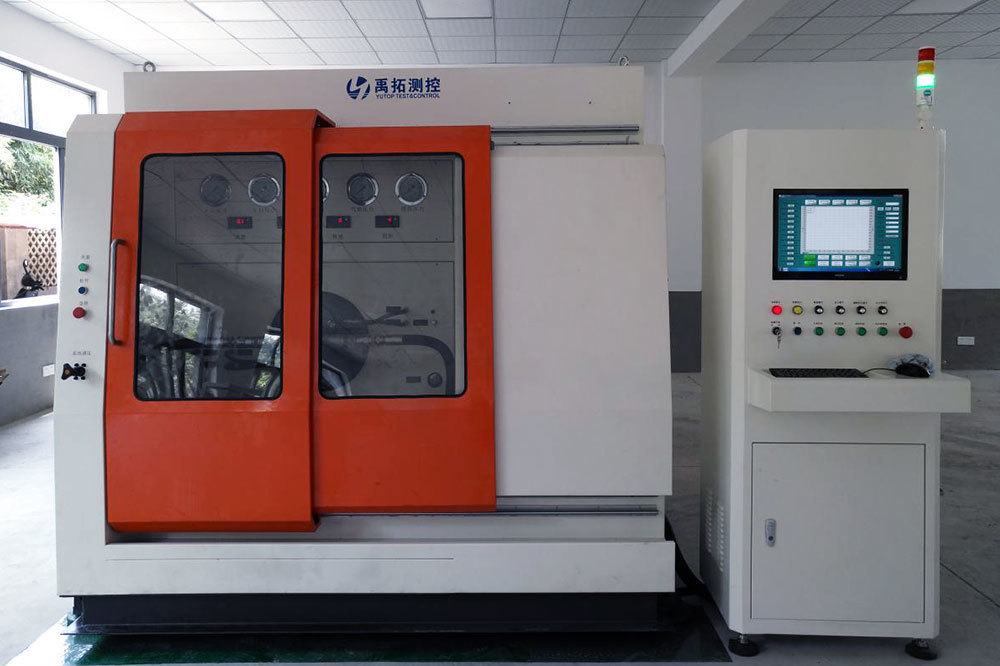
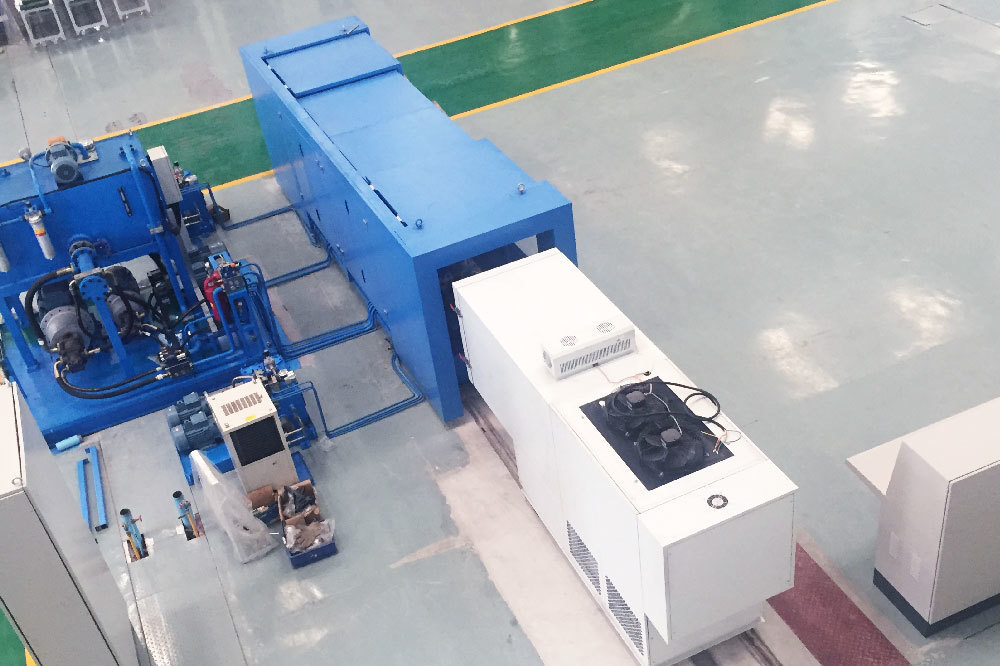
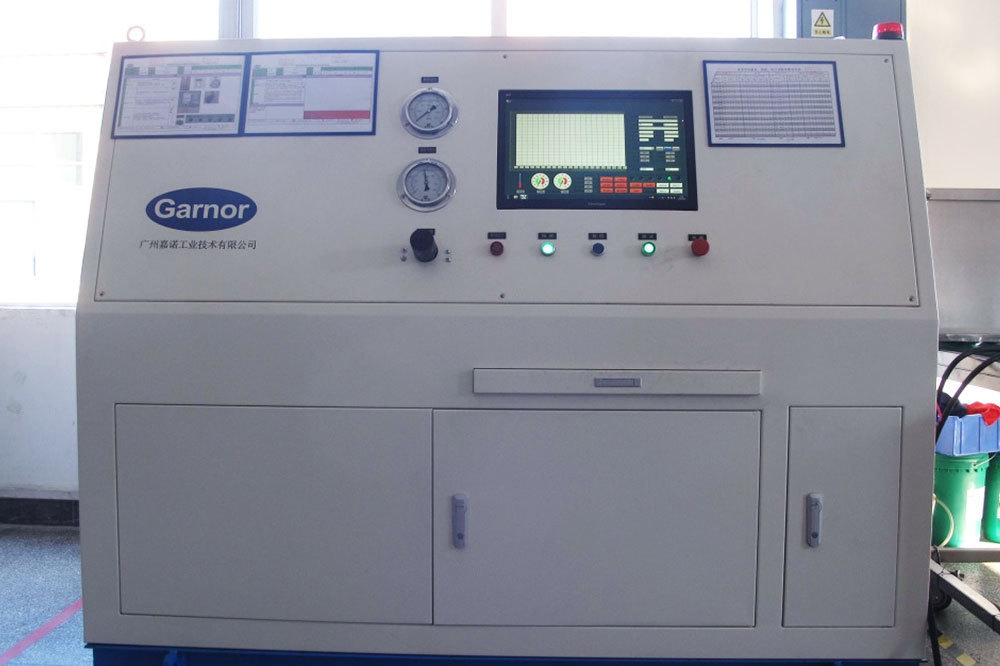
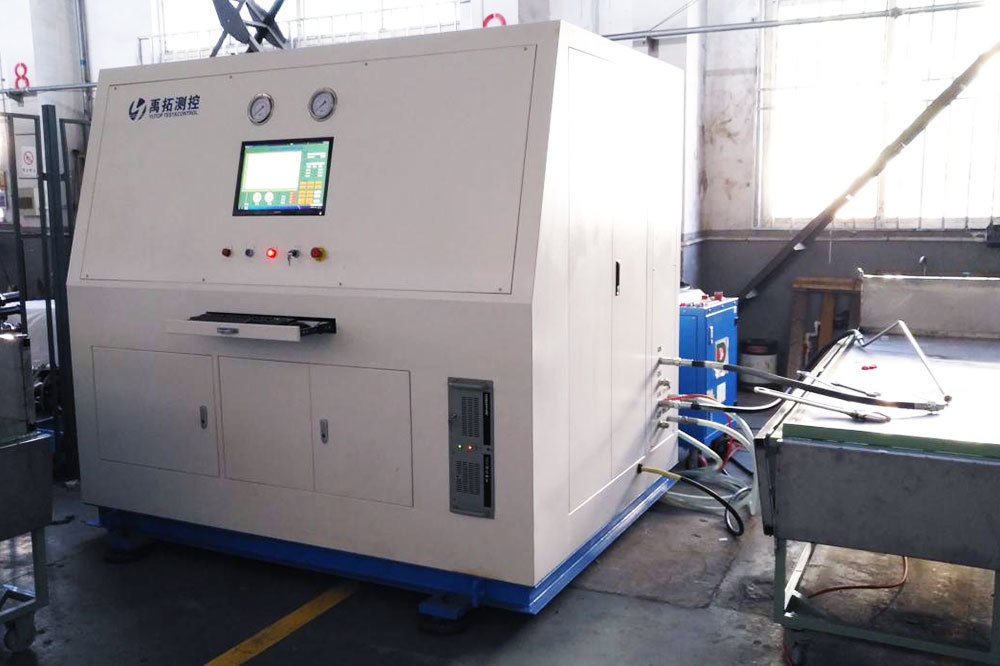
Understanding the Hydraulic Pump Performance Test Bench Hydraulic pump performance test benches are essential tools in the automotive and hydraulic sectors, allowing technicians to assess the functionality, efficiency, and reliability of hydraulic pumps. These specialized devices enable the measurement of various performance parameters, such as flow rate, pressure, and power output. However, impro
Jan 18,2026
Understanding the Hydraulic Pump Performance Test Bench
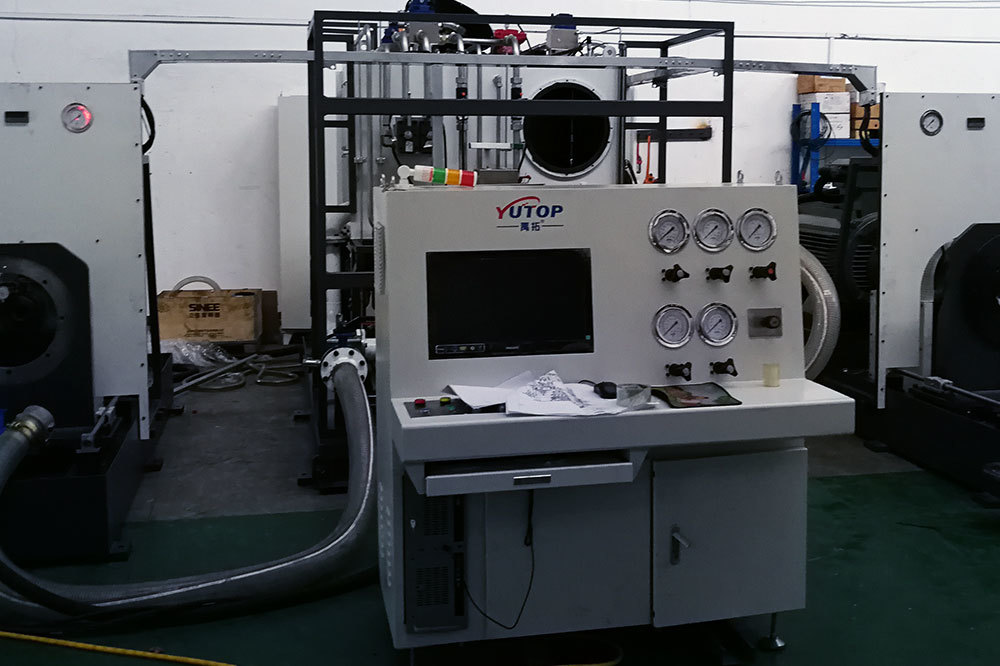
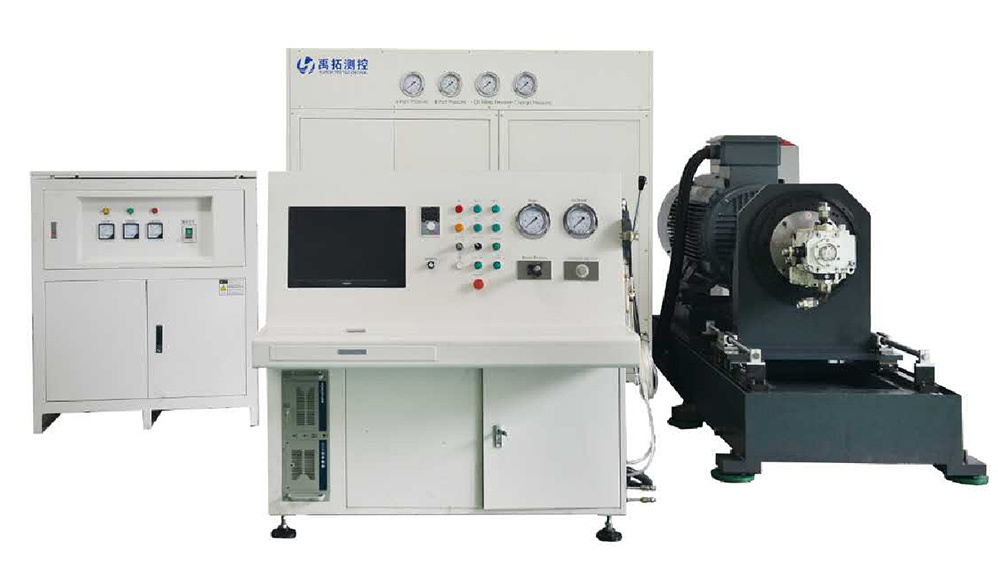
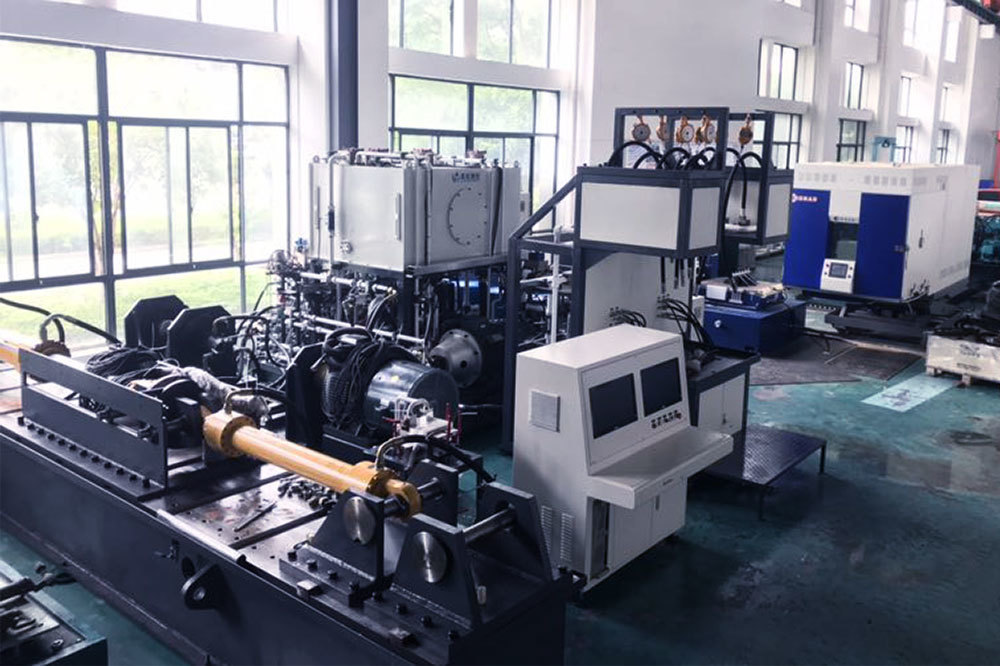
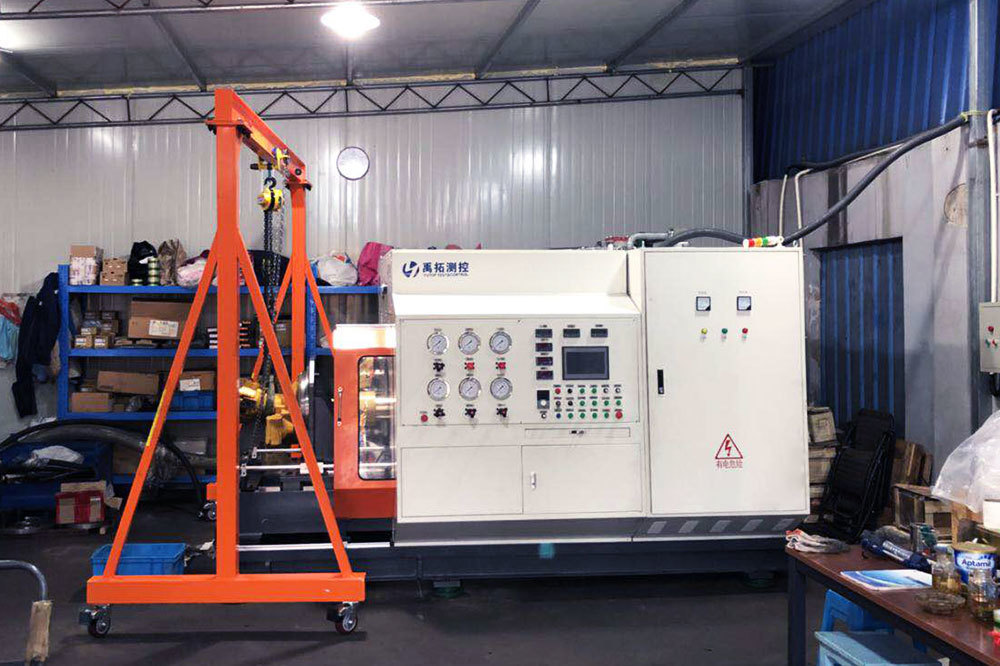
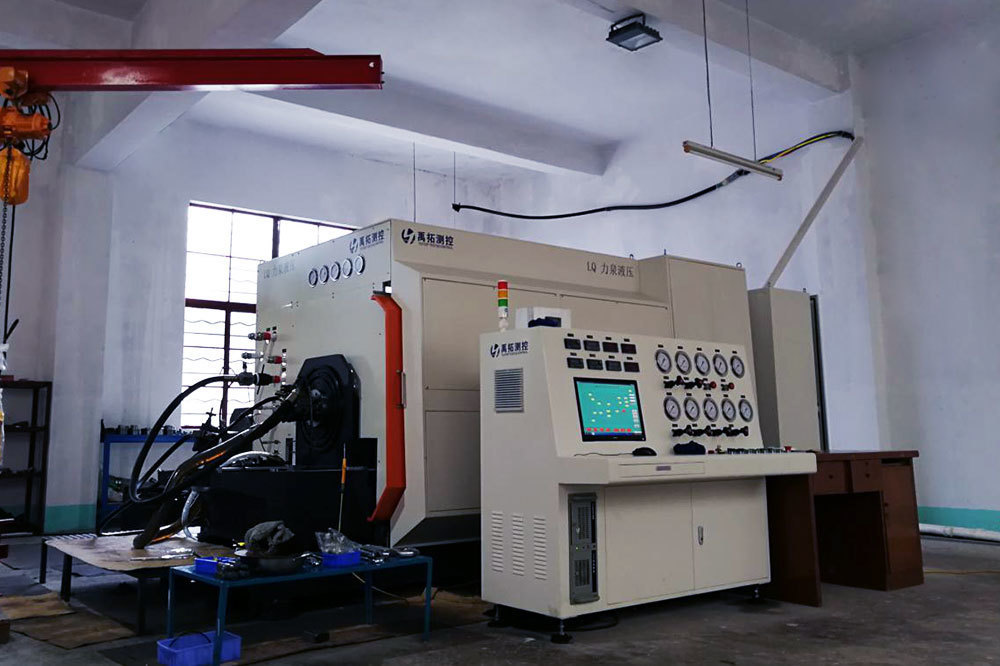
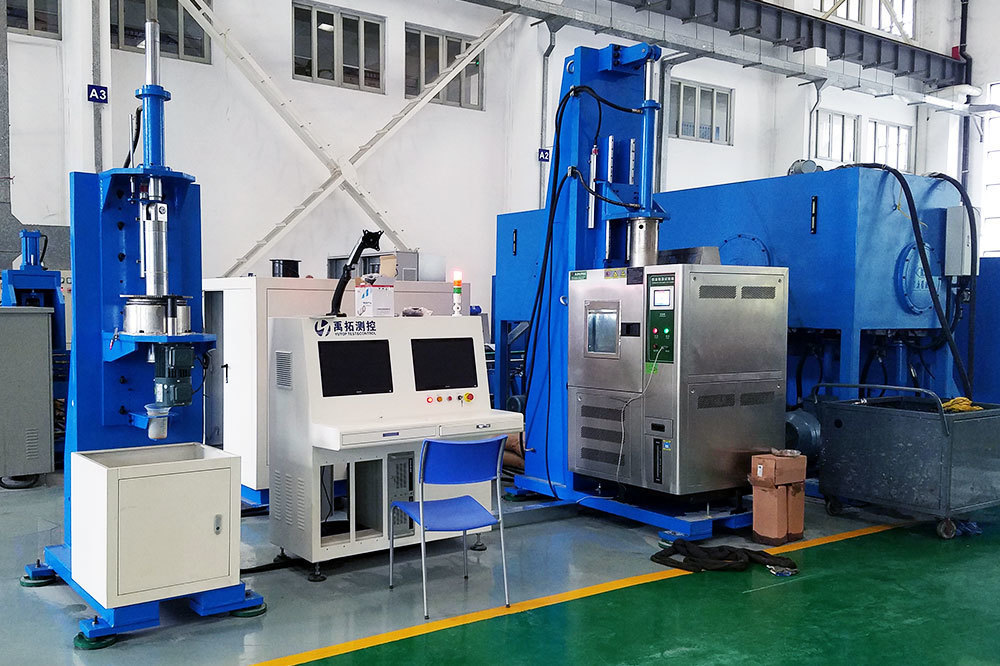
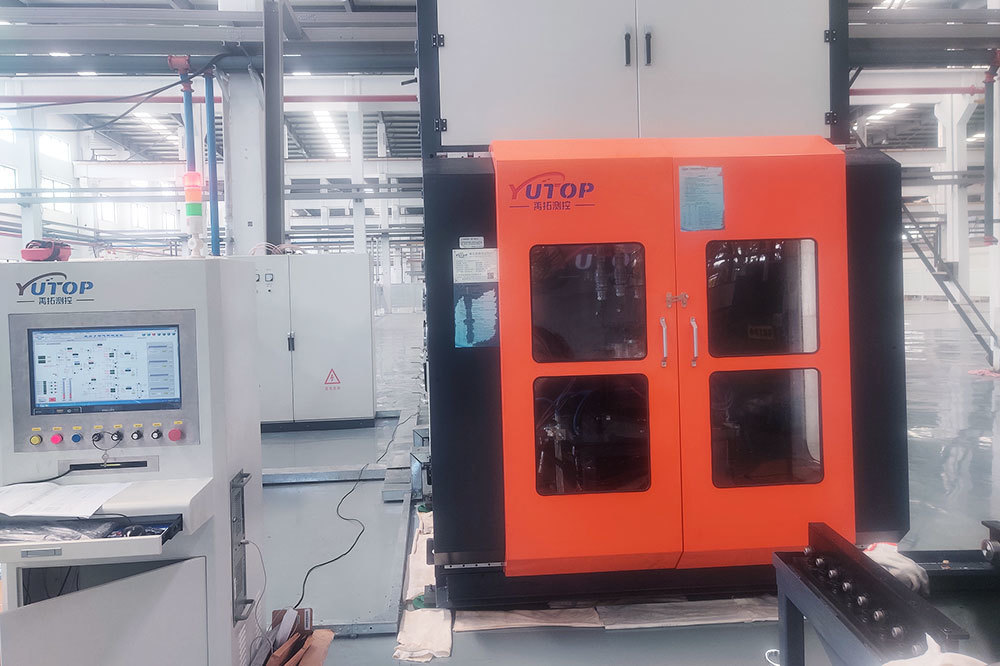
Hydraulic pump performance test benches are essential tools in the automotive and hydraulic sectors, allowing technicians to assess the functionality, efficiency, and reliability of hydraulic pumps. These specialized devices enable the measurement of various performance parameters, such as flow rate, pressure, and power output. However, improper usage can lead to inaccurate results and costly downtime.
Importance of Accurate Testing and Common Pitfalls
When it comes to utilizing a hydraulic pump performance test bench, accuracy is paramount. Unfortunately, several common mistakes can compromise test results, affecting both the pump's performance and the integrity of subsequent repairs or replacements.
1. Neglecting Pre-Test Equipment Checks
Before starting any test, it is crucial to conduct thorough inspections of the test bench and its components. Failing to do so can lead to:
- **Inaccurate Readings**: Worn-out or damaged sensors can produce misleading data.
- **Equipment Malfunction**: Undetected issues may escalate, leading to expensive repairs or accidents.
**Tip**: Always review the manufacturer's guidelines for maintenance and inspection protocols.
2. Incorrect Setup and Configuration
Setting up the test bench improperly can significantly affect the accuracy of performance assessments. Common setup mistakes include:
- **Incorrect Pressure Settings**: Failing to set the appropriate pressure limits can result in pump damage.
- **Improper Connection of Hoses**: Mismatches in connections can lead to leaks or air entering the system, skewing test results.
**Tip**: Follow a systematic checklist for setup, ensuring all components are configured according to specifications.
3. Ignoring Fluid Quality and Type
The hydraulic fluid used in testing plays a critical role in performance accuracy. Common mistakes include:
- **Using Contaminated Fluid**: Dirty hydraulic fluid can introduce variables that affect performance readings.
- **Using Incompatible Fluid Types**: Not all hydraulic fluids are suitable for every system; incorrect types can alter viscosity and performance.
**Tip**: Regularly check fluid quality and ensure compatibility with the pump being tested.
4. Inconsistent Test Conditions
Environmental factors can influence test outcomes. Inconsistency in conditions such as temperature and humidity can lead to:
- **Variable Performance Results**: Fluctuations in temperature can affect fluid viscosity, leading to inaccurate readings.
- **Equipment Stress**: Operating under non-ideal conditions may strain the hydraulic pump and test bench.
**Tip**: Conduct tests in controlled environments to maintain consistency and reliability.
Operational Mistakes to Watch Out For
Even with the right setup, operational errors can compromise test results. Awareness of these mistakes can help technicians avoid costly setbacks.
5. Rushing Through Tests
In the fast-paced automotive industry, there's often pressure to complete tests quickly. This rush can result in:
- **Overlooking Key Steps**: Essential procedures may be skipped altogether or performed hastily.
- **Safety Risks**: Rushing increases the potential for operator error and accidents.
**Tip**: Allocate adequate time for each test to ensure thorough execution.
6. Failing to Document Test Results
Documentation is vital to track performance trends over time. Neglecting to record data can lead to:
- **Loss of Valuable Information**: Without proper documentation, it's challenging to pinpoint issues or improve processes.
- **Inability to Identify Patterns**: Consistent testing records help in identifying performance degradation.
**Tip**: Implement a standardized documentation process for all tests.
7. Lack of Calibration and Maintenance
Regular calibration and maintenance of the test bench ensure accuracy and reliability. Common errors include:
- **Skipping Calibration**: Failing to calibrate instruments regularly can lead to erroneous readings.
- **Ignoring Maintenance Schedules**: Neglecting routine maintenance can cause equipment failures over time.
**Tip**: Establish a proactive maintenance schedule, including regular calibration checks.
Enhancing Test Bench Efficiency
To maximize the efficiency of the hydraulic pump performance test bench, technicians should consider best practices beyond avoiding common mistakes.
8. Training and Skill Development
Investing in training can significantly improve testing accuracy and efficiency. Continuous education helps technicians stay current with:
- **Latest Testing Technologies**: Understanding new tools and technologies can enhance testing capabilities.
- **Safety Protocols**: Comprehensive training ensures operators are aware of safety measures.
**Tip**: Encourage ongoing professional development through workshops and certification programs.
9. Utilizing Advanced Monitoring Tools
Incorporating advanced monitoring tools can enhance test accuracy and provide real-time data analysis. These tools can help technicians:
- **Identify Issues Immediately**: Real-time monitoring allows for quick adjustments during tests.
- **Enhance Data Analysis**: Advanced tools can simplify the analysis of complex data sets.
**Tip**: Research and invest in compatible monitoring technologies that complement the test bench.
10. Engaging in Regular Peer Reviews
Collaboration and peer reviews can bring fresh perspectives to testing procedures. Encouraging team discussions helps identify potential errors and improve overall performance.
**Tip**: Schedule regular team meetings to discuss testing outcomes and share best practices.
Frequently Asked Questions (FAQs)
1. What is a hydraulic pump performance test bench used for?
A hydraulic pump performance test bench is used to evaluate the performance of hydraulic pumps by measuring parameters such as flow rate, pressure, and efficiency under controlled conditions.
2. What are common signs of a malfunctioning hydraulic test bench?
Common signs include inconsistent readings, unusual noises during operation, and visible leaks. Regular maintenance minimizes the risk of these issues.
3. How often should I calibrate my test bench?
Calibration should ideally be performed before each significant test or at least monthly, depending on usage frequency and manufacturer recommendations.
4. Can environmental conditions affect test results?
Yes, temperature and humidity can impact fluid viscosity and overall performance, leading to inaccurate results.
5. What should I do if I suspect my test results are inaccurate?
Review all setup procedures, check for equipment malfunctions, and conduct a calibration check to ensure accuracy before retesting.
Conclusion
Avoiding common mistakes when using a hydraulic pump performance test bench is essential for achieving accurate and reliable results. By understanding the importance of proper setup, documentation, and maintenance, technicians can significantly enhance their testing processes. Investing in training and advanced technology further optimizes performance and ensures long-term reliability. Armed with this knowledge, professionals in the automotive and hydraulic industries can avoid pitfalls, improve outcomes, and maintain the integrity of their testing procedures.

Room 207, 2nd Floor, Block C, Building 1 (Self-designated), No. 3 Yunkai Road, Yunpu Industrial Zone, Huangpu District, Guangzhou City,China


