

The Crucial Role of Test Benches in Ensuring Optimal Excavator Hydraulic System Maintenance
The Crucial Role of Test Benches in Ensuring Optimal Excavator Hydraulic System Maintenance Table of Contents Understanding Hydraulic Systems in Excavators The Importance of Excavator Hydraulic System Maintenance What are Test Benches? Types of Test Benches for Hydraulic Systems Benefits of Using Test Benches in Maintenance How to Use Test Benches Effectively Common Is
Jan 24,2026

The Crucial Role of Test Benches in Ensuring Optimal Excavator Hydraulic System Maintenance
Table of Contents
- Understanding Hydraulic Systems in Excavators
- The Importance of Excavator Hydraulic System Maintenance
- What are Test Benches?
- Types of Test Benches for Hydraulic Systems
- Benefits of Using Test Benches in Maintenance
- How to Use Test Benches Effectively
- Common Issues in Excavator Hydraulic Systems
- The Future of Hydraulic System Maintenance
- Conclusion
- Frequently Asked Questions (FAQs)
Understanding Hydraulic Systems in Excavators
Excavators are complex machines that rely heavily on their hydraulic systems to perform a wide range of tasks, from digging to lifting heavy materials. The hydraulic system creates motion and force through pressurized fluid, which is crucial for the machine's operability. Understanding the components of these systems, such as pumps, valves, cylinders, and hydraulic fluids, is essential for effective maintenance.
The Importance of Excavator Hydraulic System Maintenance
Maintaining the hydraulic system in excavators is critical for ensuring operational efficiency and extending the lifespan of the equipment. **Routine maintenance** can significantly reduce the risk of costly breakdowns and enhance the reliability of excavators in demanding work environments. **Neglecting maintenance** can lead to hydraulic failures, resulting in unplanned downtime and increased repair costs.
What are Test Benches?
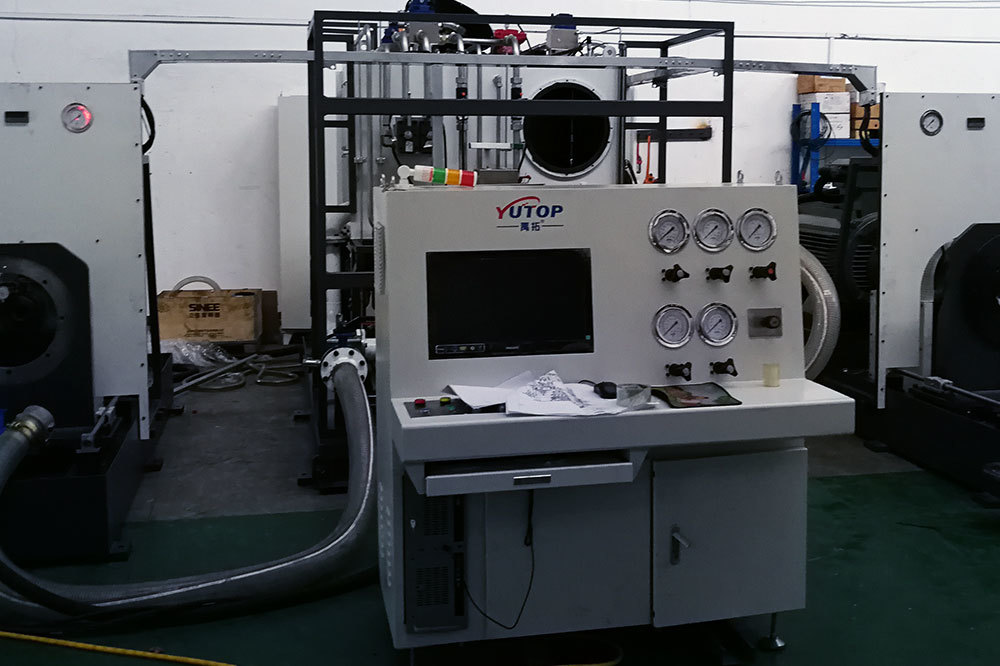
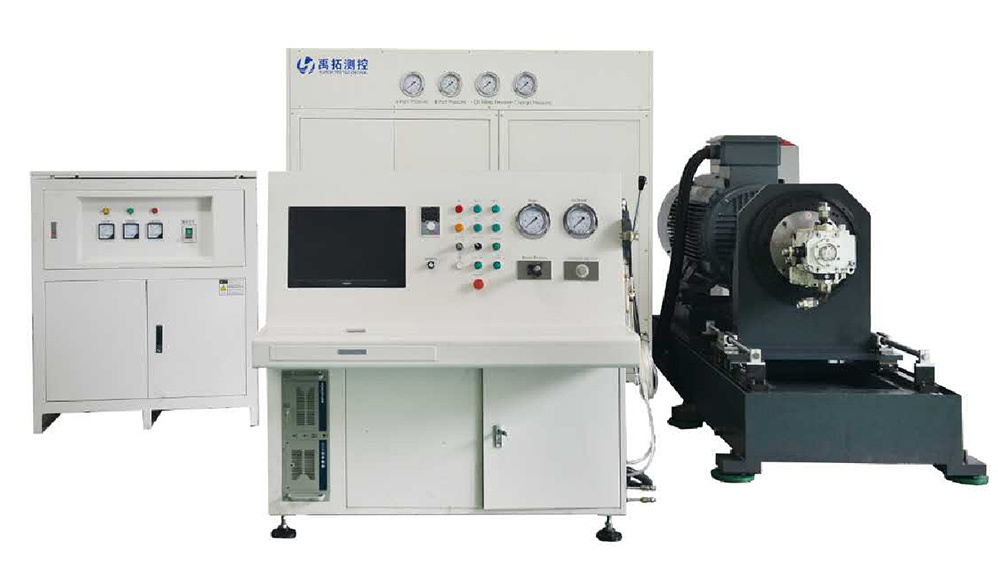
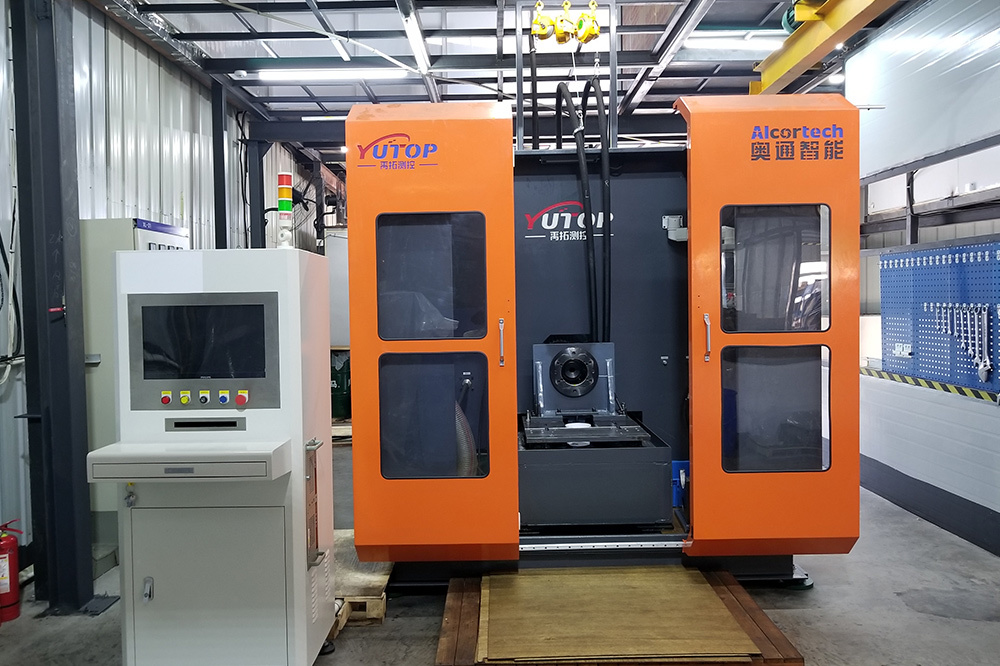
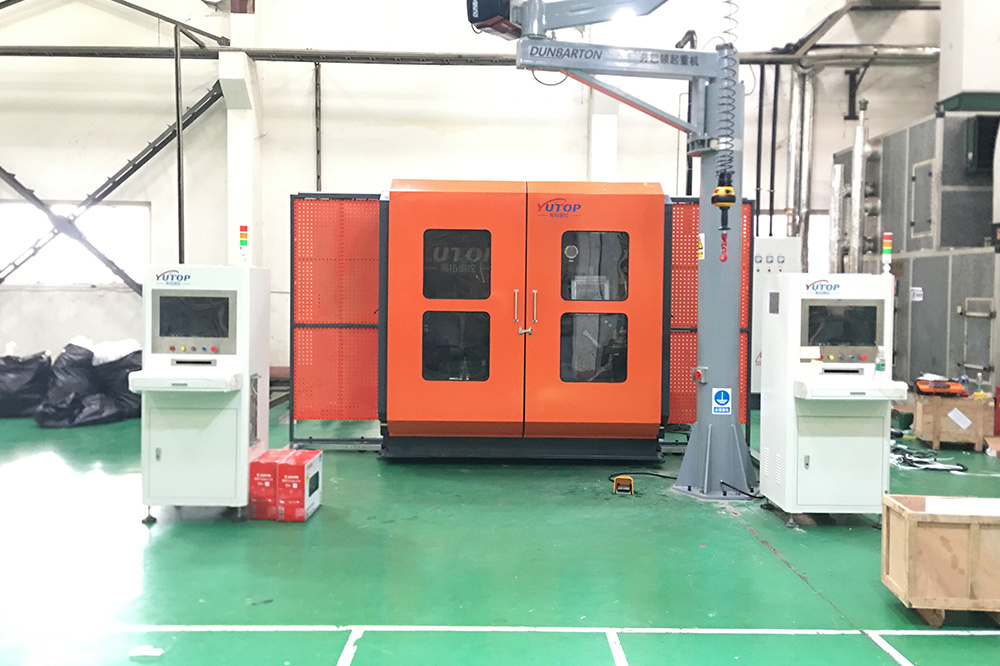
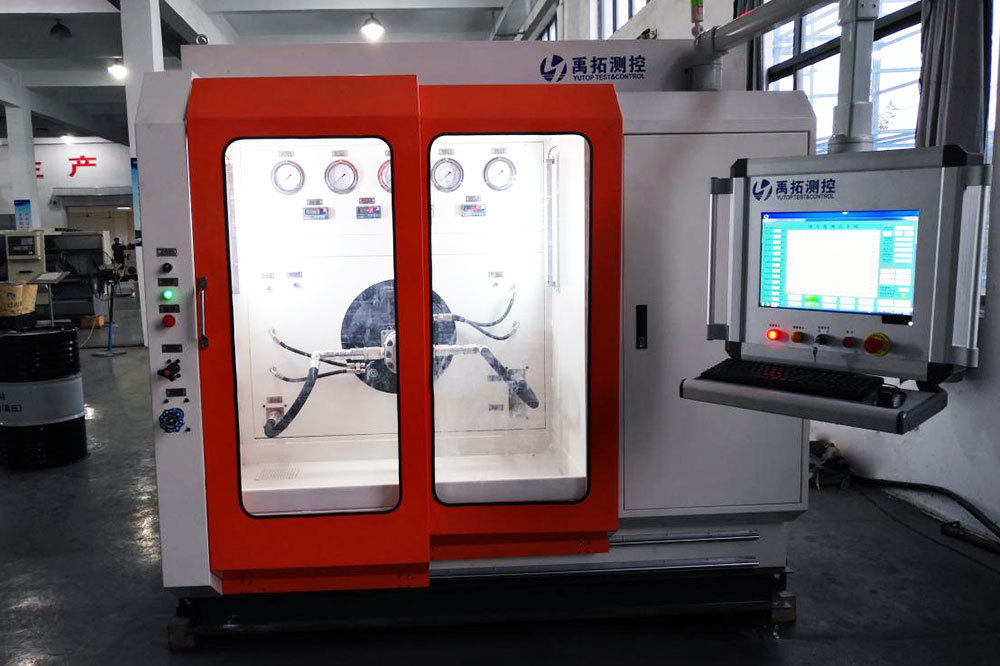
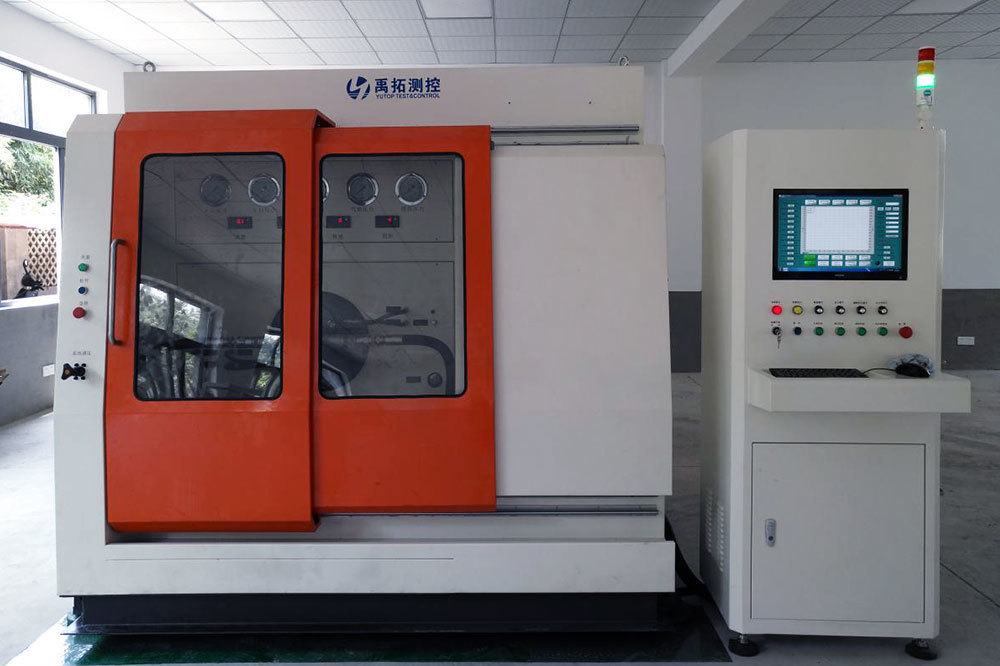
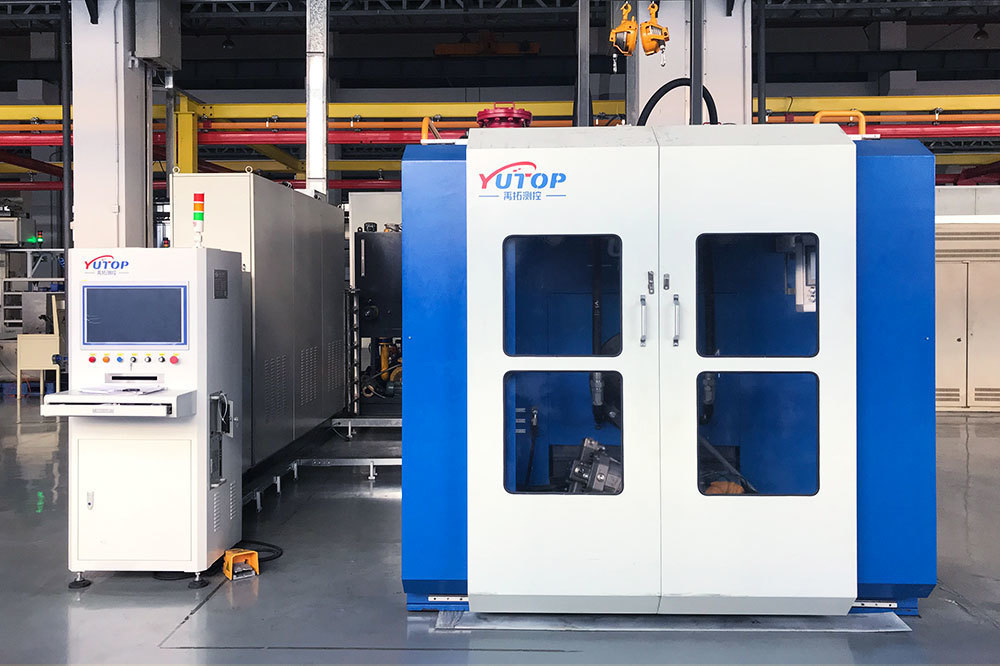
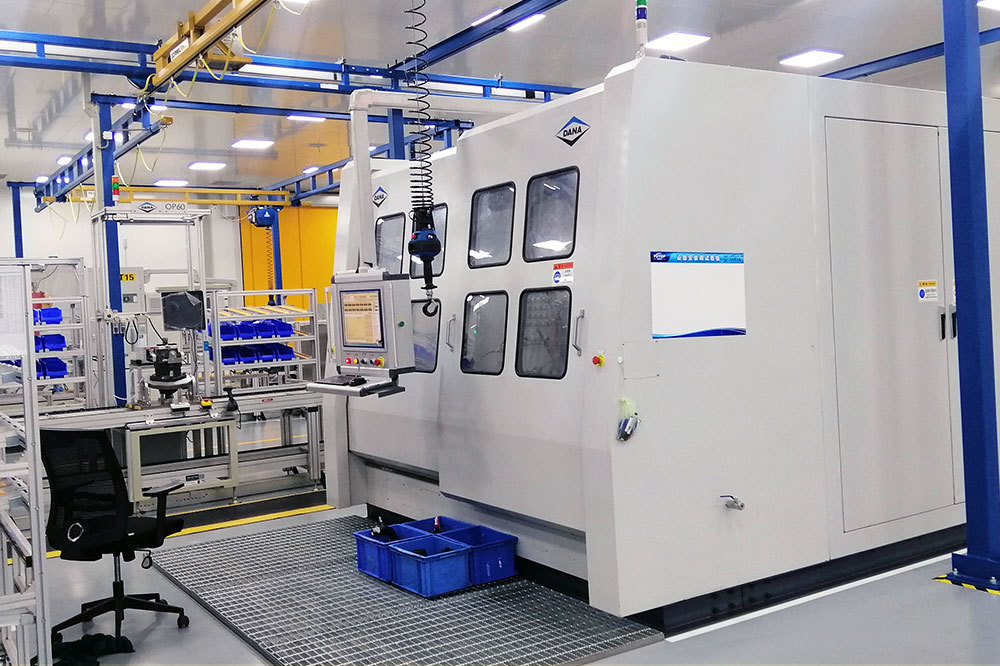
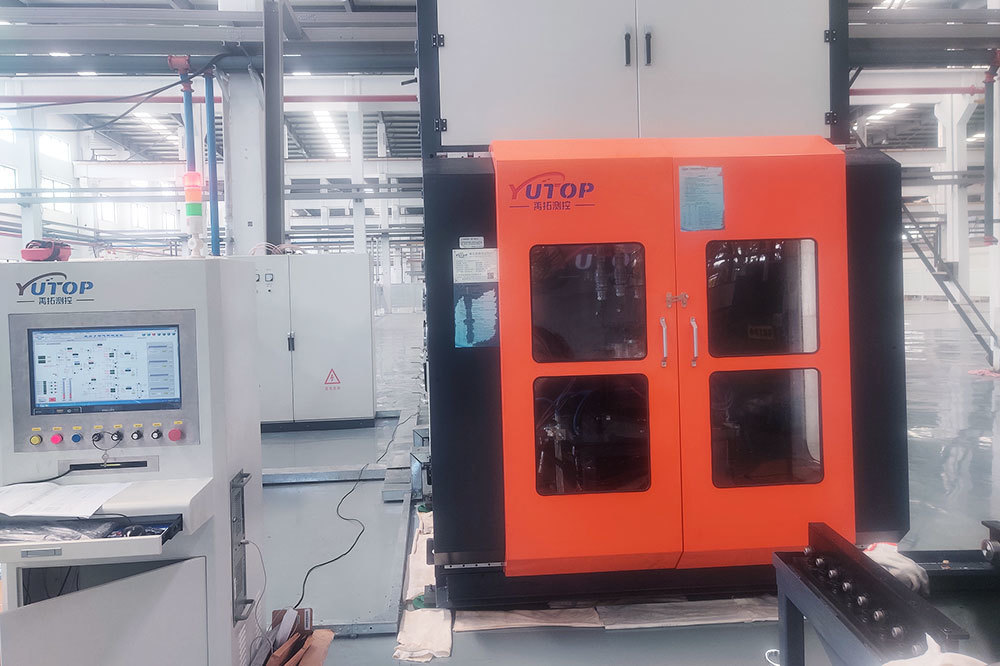
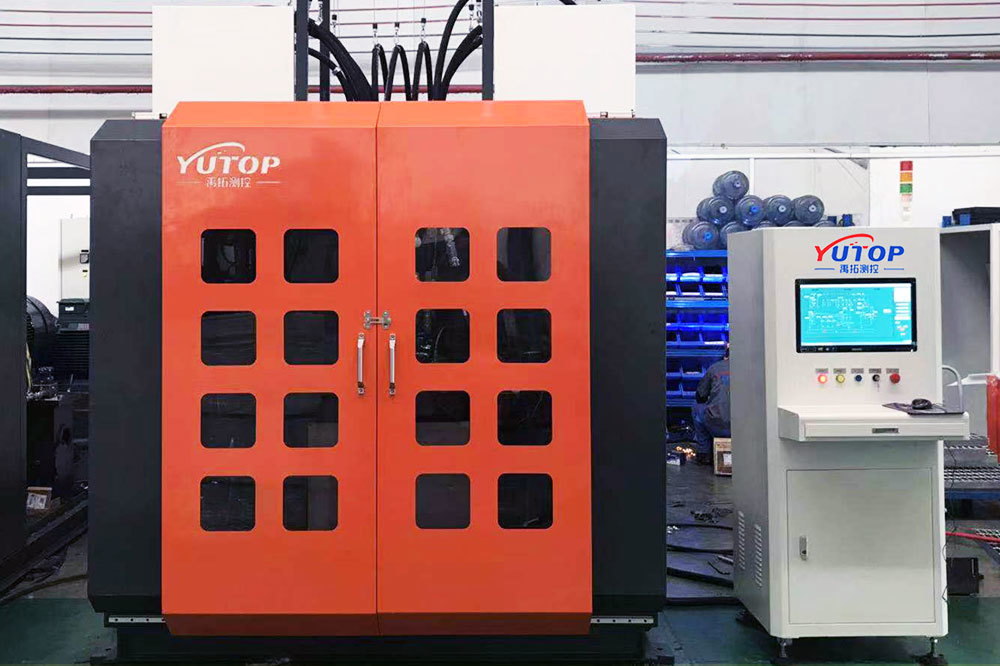
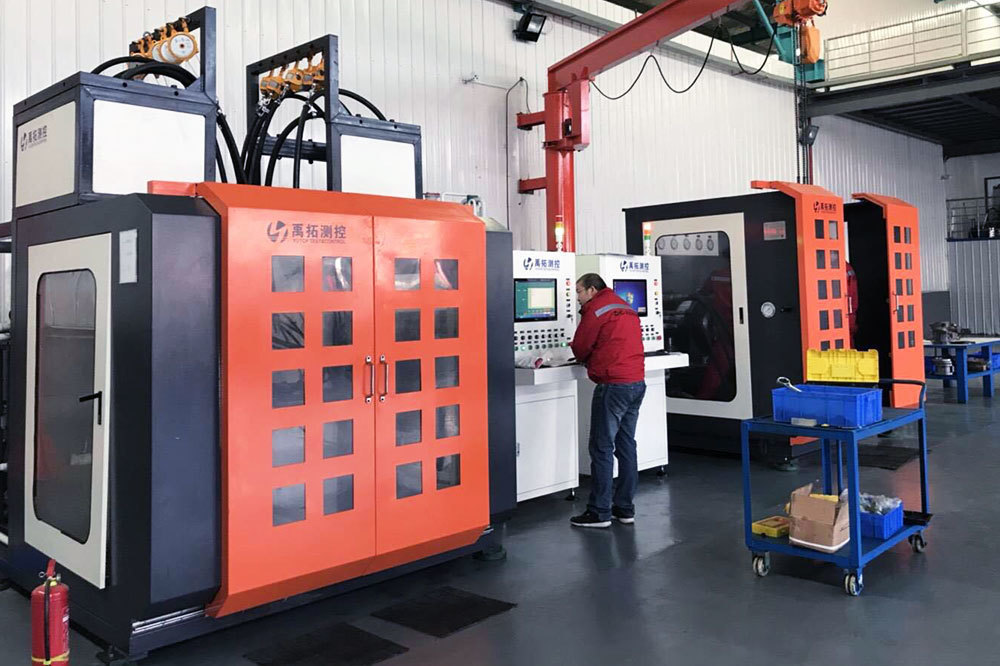
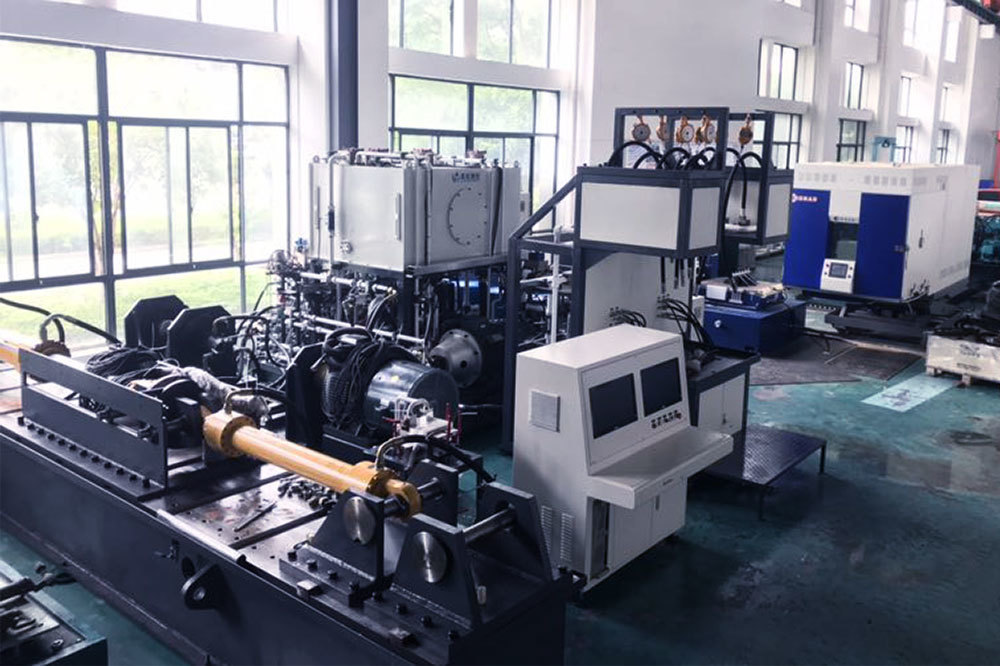
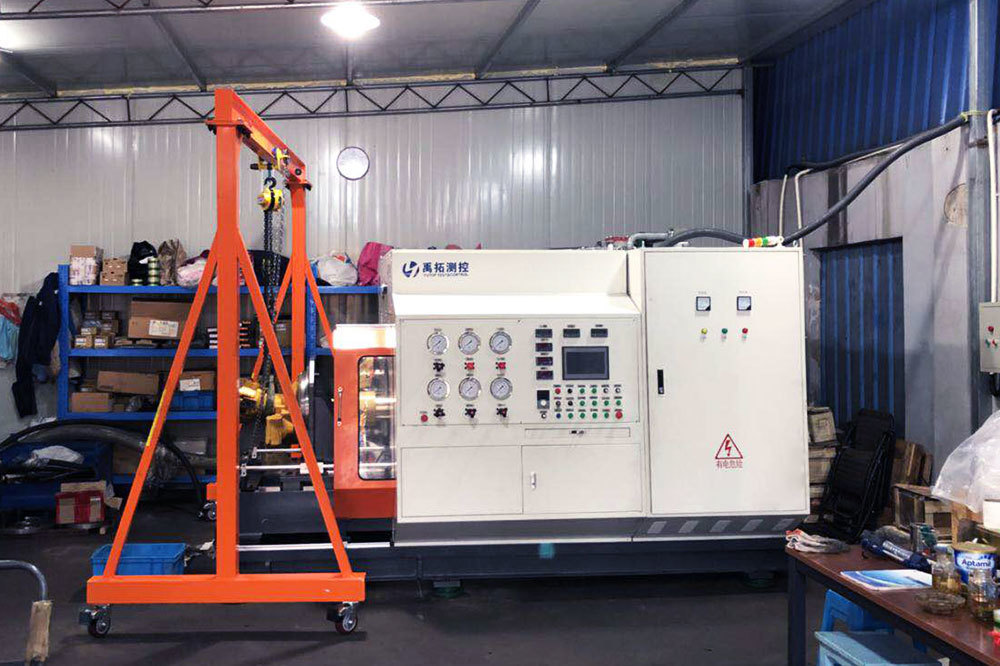
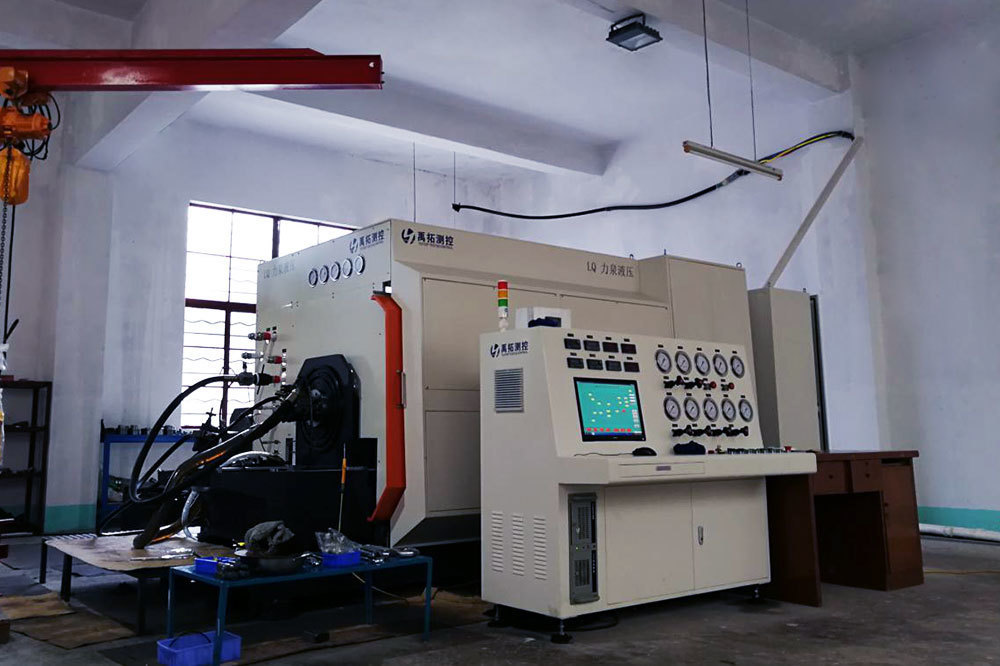
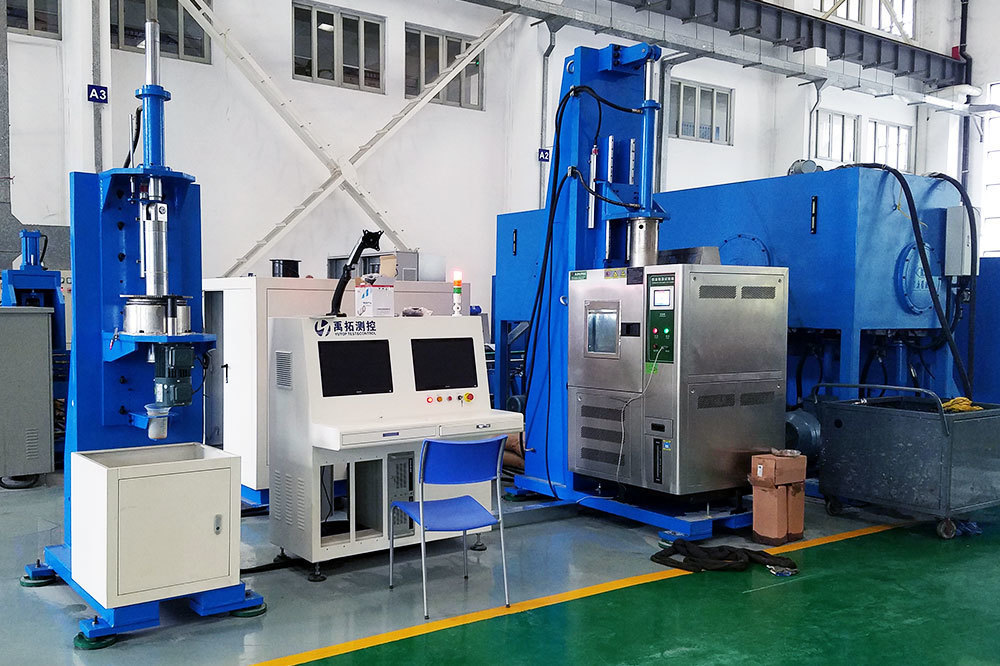
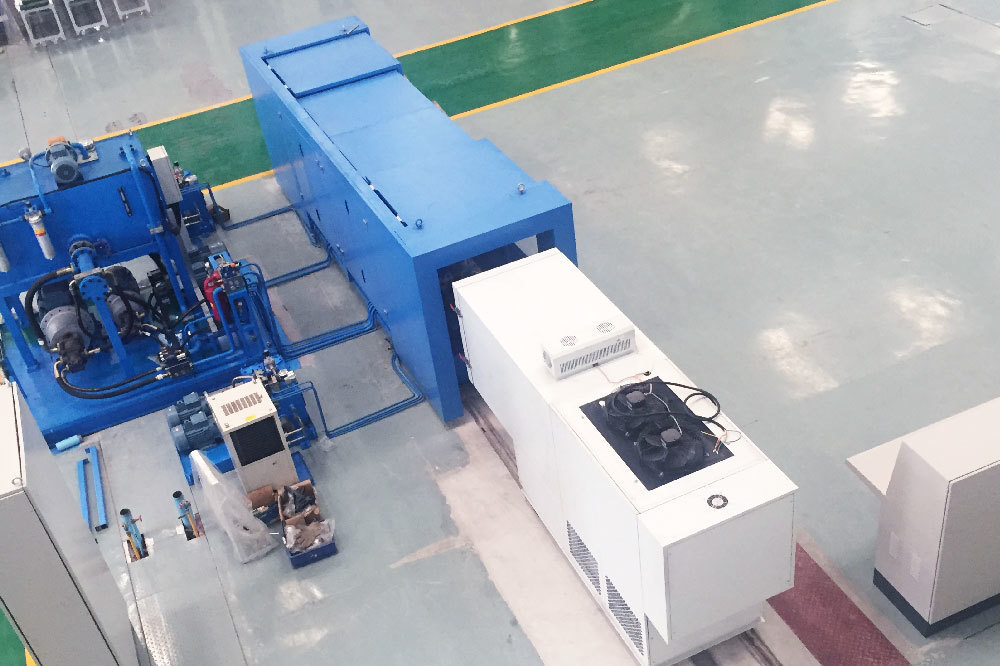
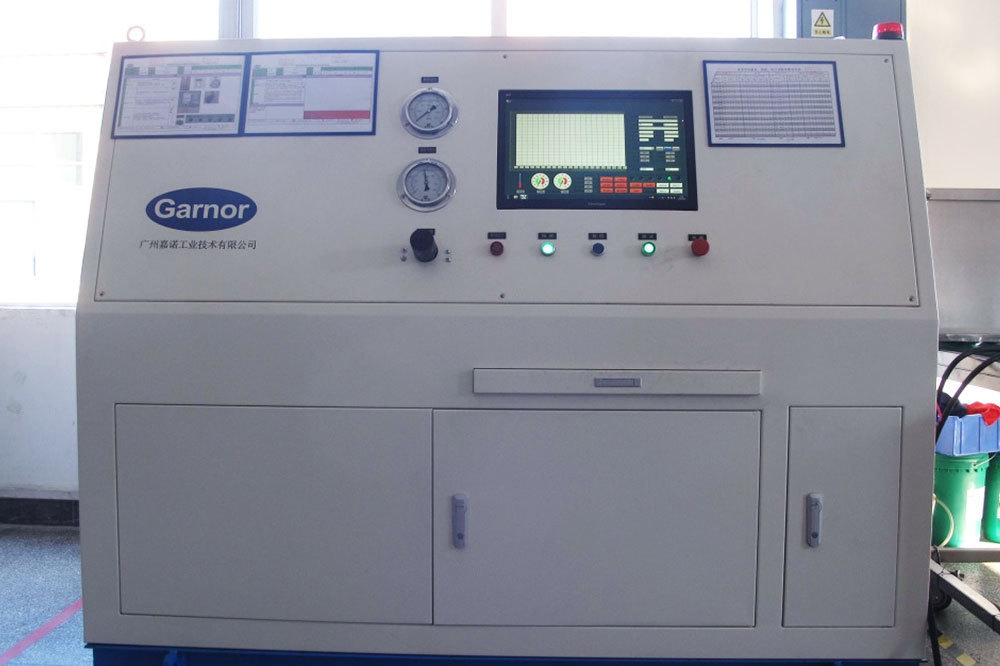
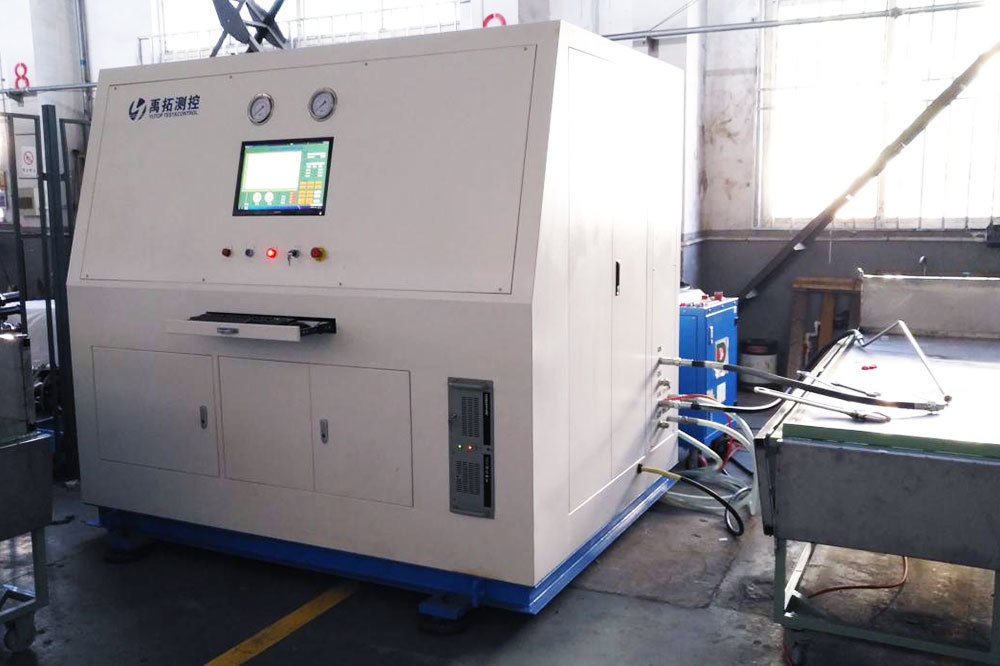
Test benches are specialized equipment used to analyze and diagnose the performance of hydraulic components. These benches simulate real operational conditions, allowing technicians to evaluate the functionality and efficiency of various hydraulic system parts, such as pumps and valves. The **main purpose** of test benches is to ensure that all components operate within specified parameters, identifying any issues before they escalate into significant problems.
Key Features of Test Benches
- **Calibration Capabilities**: Test benches come equipped with tools to calibrate hydraulic components, ensuring they meet the required performance standards.
- **Data Recording**: High-quality test benches can record performance data during tests, providing valuable insights into the condition of hydraulic components.
- **User-Friendly Interfaces**: Modern test benches often come with intuitive interfaces that make it easier for technicians to operate and analyze results.
Types of Test Benches for Hydraulic Systems
There are several types of test benches designed specifically for hydraulic systems in excavators. Each type serves a unique purpose in the maintenance process.
1. Pump Test Benches
These benches focus on assessing hydraulic pumps’ performance. They can simulate various loads and conditions, providing critical insights into pump efficiency, flow rate, and pressure output.
2. Valve Test Benches
Valve test benches are used to evaluate the performance of hydraulic valves. These systems help technicians identify issues such as leaks, responsiveness, and operating pressure.
3. Cylinder Test Benches
These benches focus on hydraulic cylinders, testing for functionality, pressure capabilities, and potential leaks. They ensure that cylinders deliver the expected force and motion.
Benefits of Using Test Benches in Maintenance
Utilizing test benches in the maintenance of excavator hydraulic systems presents numerous advantages:
1. Enhanced Accuracy in Diagnostics
Test benches allow for precise diagnostics of hydraulic components, leading to accurate identification of issues. This accuracy minimizes the risk of misdiagnosis, ensuring that maintenance efforts focus on actual problems.
2. Improved Operational Efficiency
By maintaining hydraulic systems through test benches, we can ensure that excavators operate at peak efficiency. Well-maintained hydraulic systems translate into optimal performance, reducing fuel consumption and increasing productivity.
3. Extended Equipment Lifespan
Routine testing and maintenance help detect issues before they cause significant damage. This proactive approach can extend the life of hydraulic components and the excavator itself.
4. Cost-Effectiveness
Investing in test benches can save money in the long run. By identifying and addressing issues early, we avoid expensive repairs and unexpected downtime. Regular maintenance fosters a more predictable budget for equipment management.
How to Use Test Benches Effectively
To maximize the benefits of test benches, proper usage and understanding of procedures are crucial. Here are some best practices for effective application:
1. Regular Training for Technicians
Ensure that all technicians are well-trained in using the test benches. Regular training sessions can keep the team updated with the latest techniques and technologies.
2. Calibration of Test Benches
Regularly calibrate test benches to maintain accuracy. This ensures that results are reliable and reflective of the true performance of hydraulic components.
3. Documenting Results
Maintain thorough records of all tests conducted on hydraulic components. This documentation will aid in tracking performance over time and identifying trends that may require attention.
4. Create a Maintenance Schedule
Establishing a consistent maintenance schedule that includes routine testing can help in maintaining hydraulic systems effectively. This schedule should be tailored to the specific usage patterns of the excavators.
Common Issues in Excavator Hydraulic Systems
Understanding common hydraulic system issues can help in better preparing for maintenance. Here are some typical problems:
1. Low Hydraulic Fluid Levels
Low fluid levels can lead to inadequate pressure and potential system failures. Regular fluid checks are essential to avoid this issue.
2. Contaminated Hydraulic Fluid
Contaminants can affect the performance of hydraulic systems. Regularly checking and replacing the hydraulic fluid can help prevent damage to components.
3. Leaking Seals
Worn seals can cause hydraulic fluid leaks, affecting system pressure and performance. Identifying and replacing seals early can prevent extensive damage.
4. Component Wear and Tear
All hydraulic components experience wear over time. Regular testing can help pinpoint which components require maintenance or replacement.
The Future of Hydraulic System Maintenance
As technology advances, the future of hydraulic system maintenance will likely evolve significantly. Here are some anticipated trends:
1. Automation and Smart Technology
The integration of smart technology in test benches will allow for automated diagnostics and real-time performance monitoring. This will enhance maintenance efficiency and precision.
2. Predictive Maintenance
Using data analytics, predictive maintenance will enable technicians to anticipate issues before they arise, reducing downtime and repair costs.
3. Environmentally Friendly Practices
Future maintenance practices will likely focus on sustainability, incorporating eco-friendly fluids and recycling practices for hydraulic components.
Conclusion
Test benches play an instrumental role in the maintenance of excavator hydraulic systems. They provide invaluable insights into the performance and condition of hydraulic components, ultimately ensuring efficient and reliable operation of excavators. By employing test benches effectively, we can enhance diagnostic accuracy, improve operational efficiency, extend equipment lifespan, and achieve cost-effectiveness in our maintenance practices. As technology continues to evolve, embracing innovations in hydraulic system maintenance will be essential for staying ahead in the industry.
Frequently Asked Questions (FAQs)
1. What is a test bench in hydraulic maintenance?
A test bench is a specialized setup used to evaluate the performance of hydraulic components, simulating real operational conditions for diagnostics.
2. How often should hydraulic systems be tested?
Regular testing should be conducted as part of routine maintenance, typically every few months or based on usage patterns.
3. What are the signs of a failing hydraulic system?
Signs include unusual noises, reduced performance, fluid leaks, and erratic movement of hydraulic components.
4. Can I perform maintenance on my excavator’s hydraulic system myself?
While basic maintenance can be done by operators, complex diagnostics and repairs should be handled by qualified technicians.
5. How do I choose the right test bench for my hydraulic system?
Consider factors such as the types of components you will test, the required calibration capabilities, and the ease of use for your technicians.
PREVIOUS:

Room 207, 2nd Floor, Block C, Building 1 (Self-designated), No. 3 Yunkai Road, Yunpu Industrial Zone, Huangpu District, Guangzhou City,China


