

Unleashing Precision: Innovations in Hydraulic Pump Performance Testing Technology
Innovations in Hydraulic Pump Performance Testing Technology As the automotive industry continues to evolve, so do the methods used to ensure the efficiency and reliability of hydraulic systems. The advent of cutting-edge technologies has paved the way for significant innovations in hydraulic pump performance testing. This comprehensive article delves into the latest advancements in this field,
Jan 26,2026
Innovations in Hydraulic Pump Performance Testing Technology
As the automotive industry continues to evolve, so do the methods used to ensure the efficiency and reliability of hydraulic systems. The advent of cutting-edge technologies has paved the way for significant innovations in hydraulic pump performance testing. This comprehensive article delves into the latest advancements in this field, shedding light on how they enhance performance, accuracy, and operational efficiency in automotive applications.
Table of Contents
- 1. Introduction to Hydraulic Pumps and their Importance
- 2. The Need for Hydraulic Pump Performance Testing
- 3. Recent Advancements in Testing Technologies
- 4. Automation in Hydraulic Pump Performance Testing
- 5. The Role of Data Analytics in Pump Testing
- 6. Addressing Environmental Concerns in Testing
- 7. Compliance with Industry Standards and Regulations
- 8. Future Trends in Hydraulic Pump Performance Testing Technology
- 9. Conclusion
- 10. FAQs
1. Introduction to Hydraulic Pumps and their Importance
Hydraulic pumps play a vital role in various automotive applications, powering systems such as hydraulic steering, brakes, and lifts. Their ability to convert mechanical energy into hydraulic energy makes them essential for delivering reliable performance in modern vehicles. Understanding the importance of hydraulic pumps is crucial, as their efficiency directly affects vehicle safety, performance, and fuel economy.
2. The Need for Hydraulic Pump Performance Testing
As vehicles become more complex, the need for rigorous performance testing of hydraulic pumps has never been more critical. Effective testing ensures that pumps function optimally under a variety of conditions, helping to prevent catastrophic failures. By simulating real-world scenarios, manufacturers can identify weak points in hydraulic systems, thus improving overall reliability and safety. Testing also aids in meeting stringent performance standards required by the automotive industry.
3. Recent Advancements in Testing Technologies
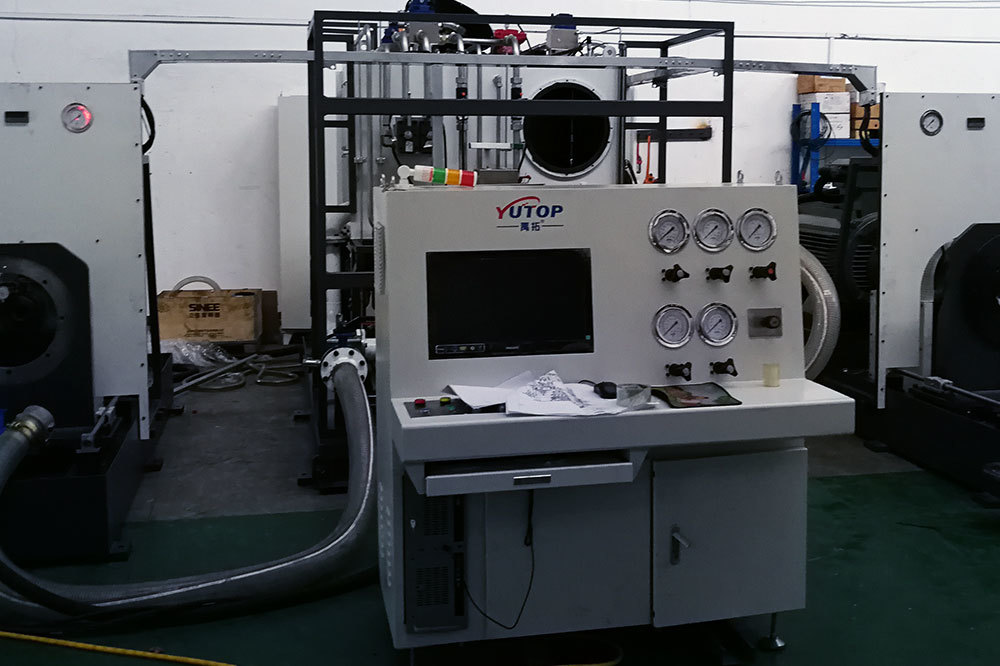
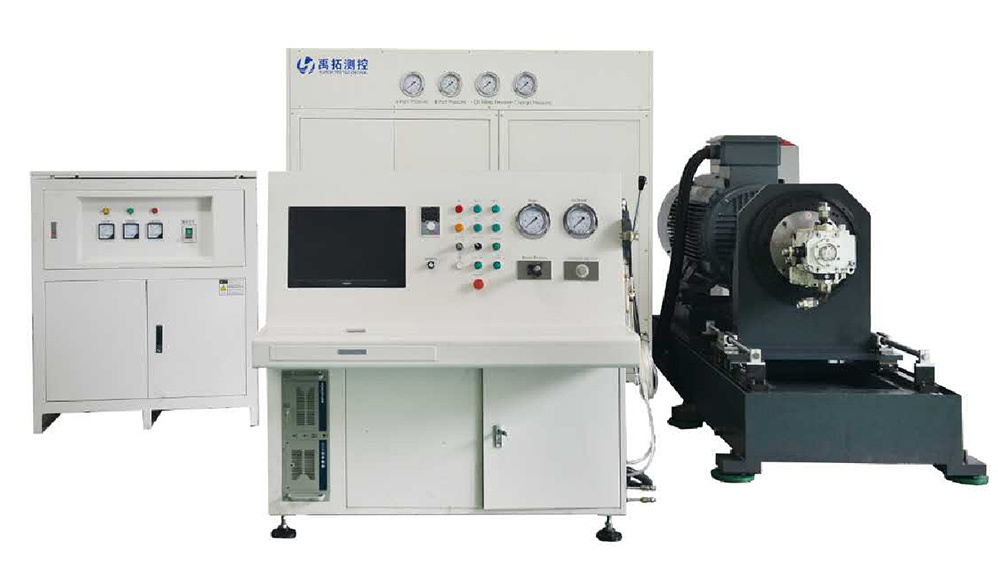
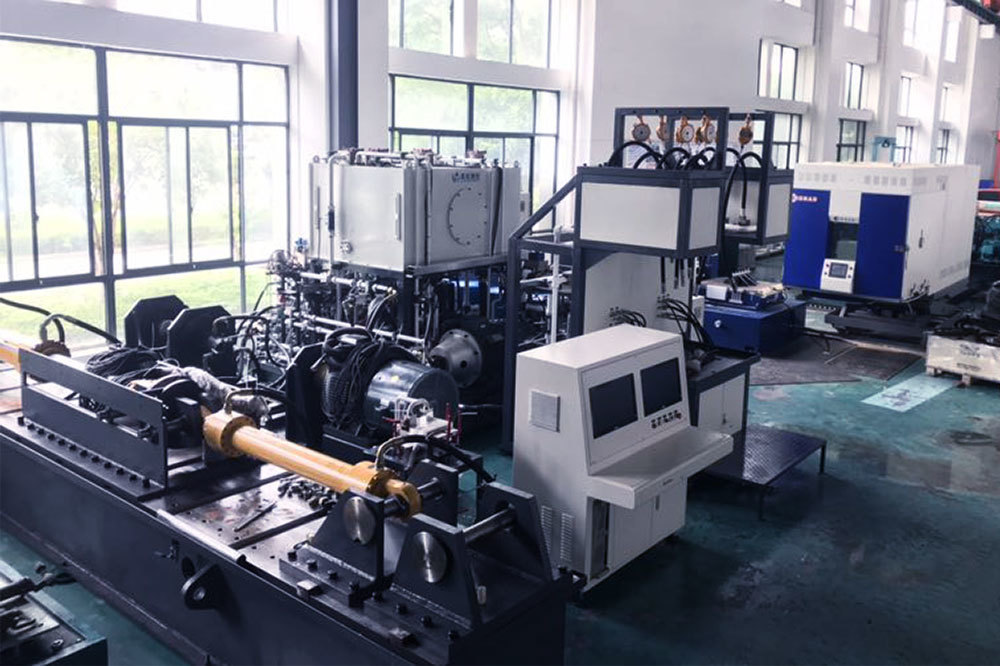
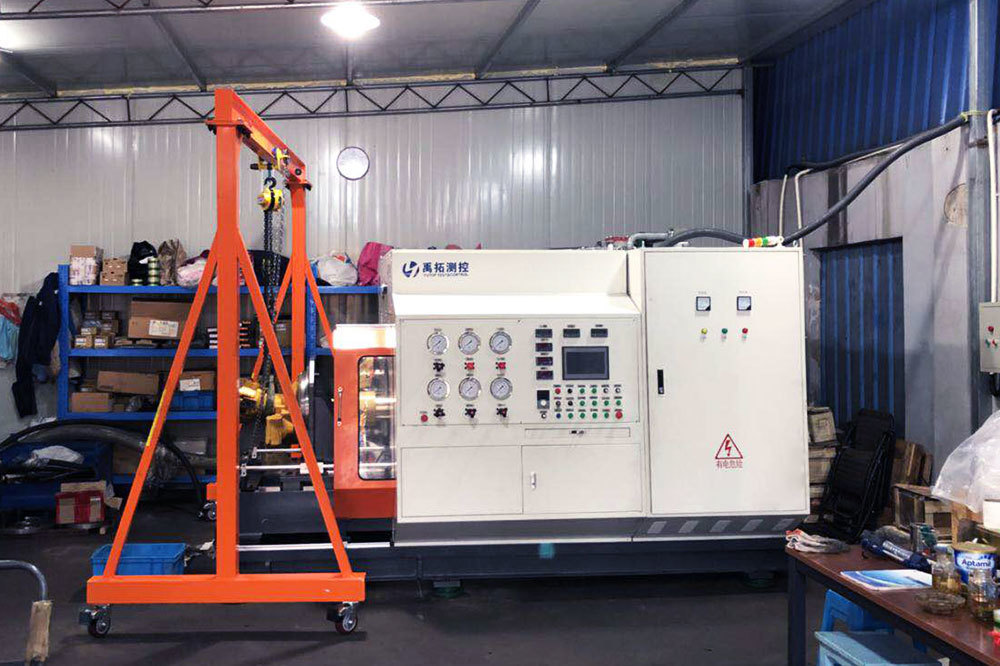
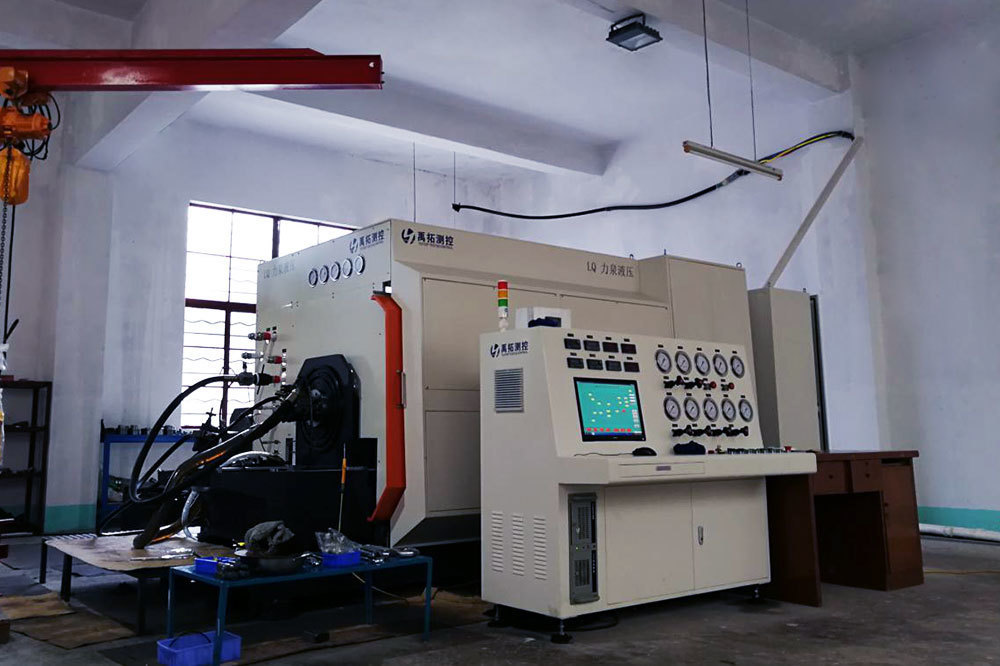
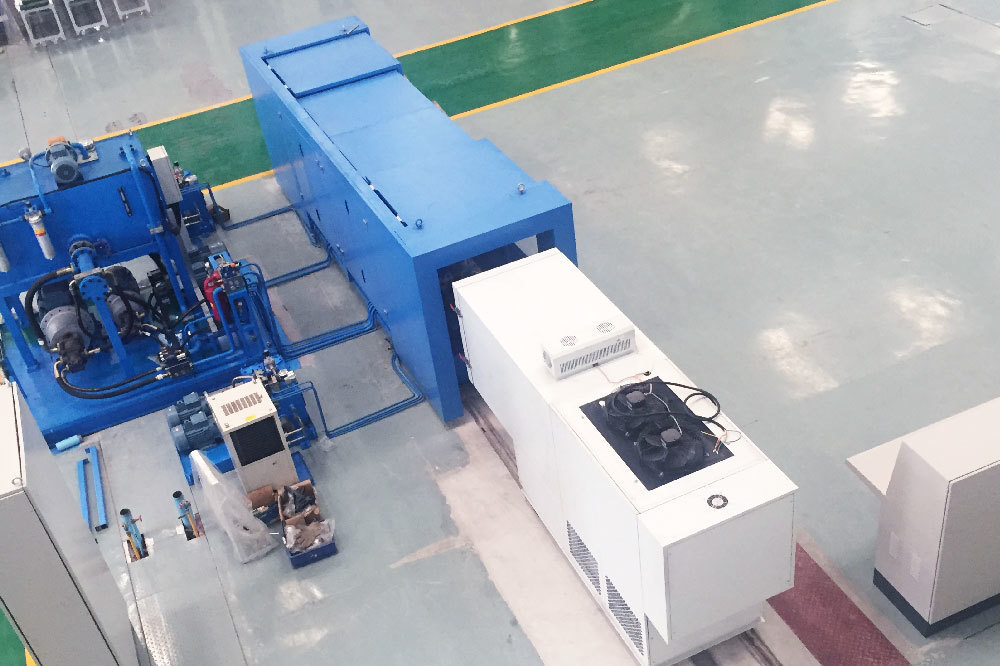
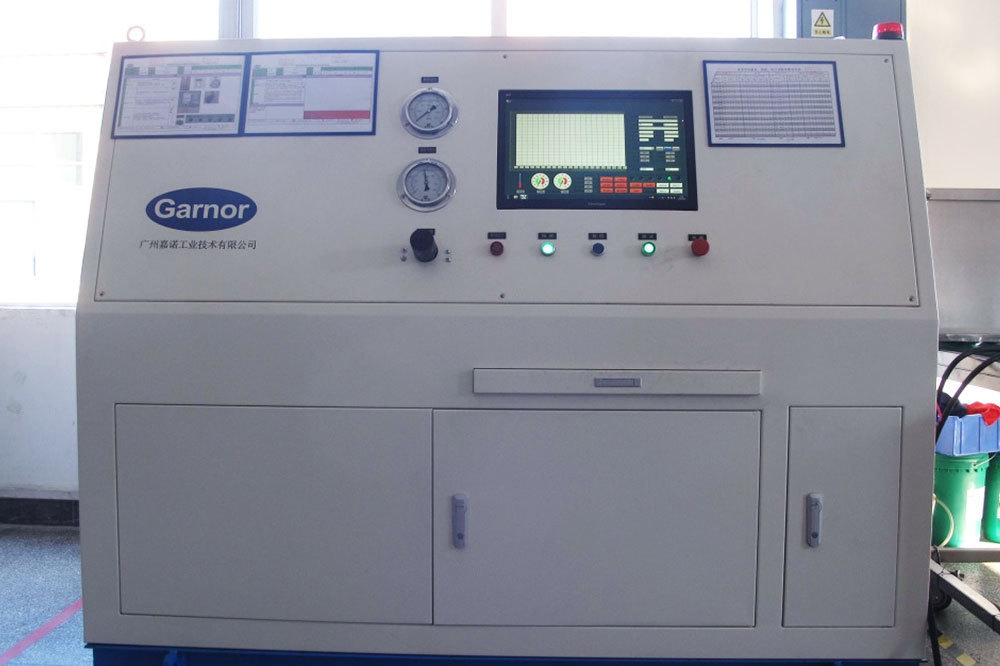
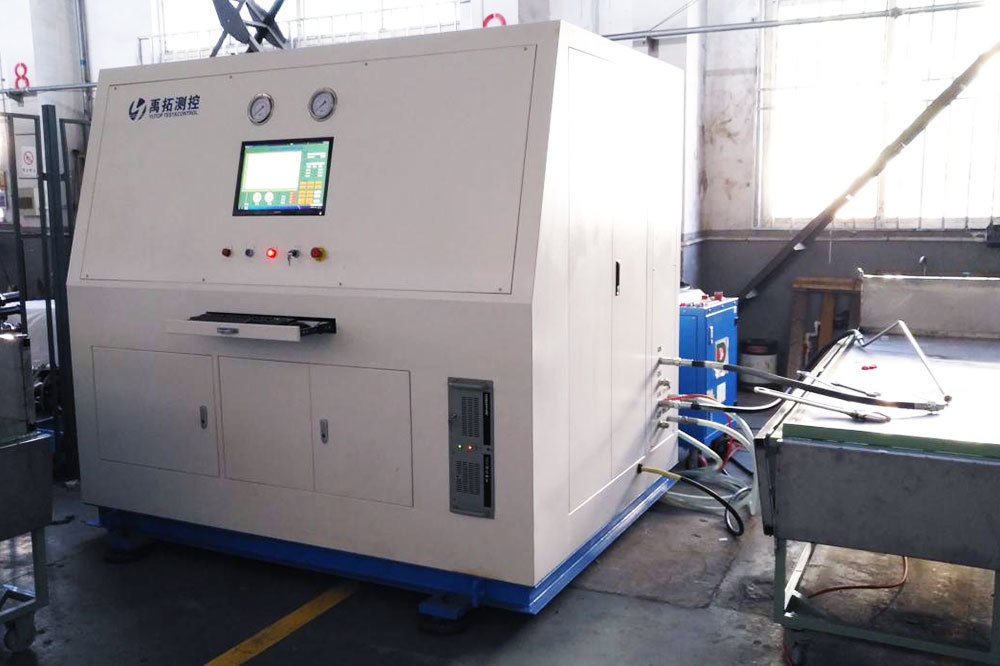
Recent technological advancements have transformed hydraulic pump performance testing from manual processes to automated, precise testing methods. Innovations such as digital pressure gauges, computerized data acquisition systems, and advanced simulation software have enhanced testing accuracy. These tools not only streamline the testing process but also provide detailed insights into pump performance, leading to better design and manufacturing practices.
3.1. Digital Pressure Measurement Systems
Modern hydraulic pump testing utilizes digital pressure measurement systems that offer enhanced precision. These systems can detect minute fluctuations in pressure, enabling engineers to assess pump performance under various load conditions more accurately. The data collected can be analyzed in real-time, facilitating immediate feedback and adjustments during testing.
3.2. Advanced Simulation Software
Simulation software allows for the virtual testing of hydraulic pumps before physical prototypes are built. This capability speeds up the development process by enabling engineers to explore various design scenarios and operational conditions. By simulating different variables, manufacturers can optimize pump designs for maximum efficiency and reliability.
4. Automation in Hydraulic Pump Performance Testing
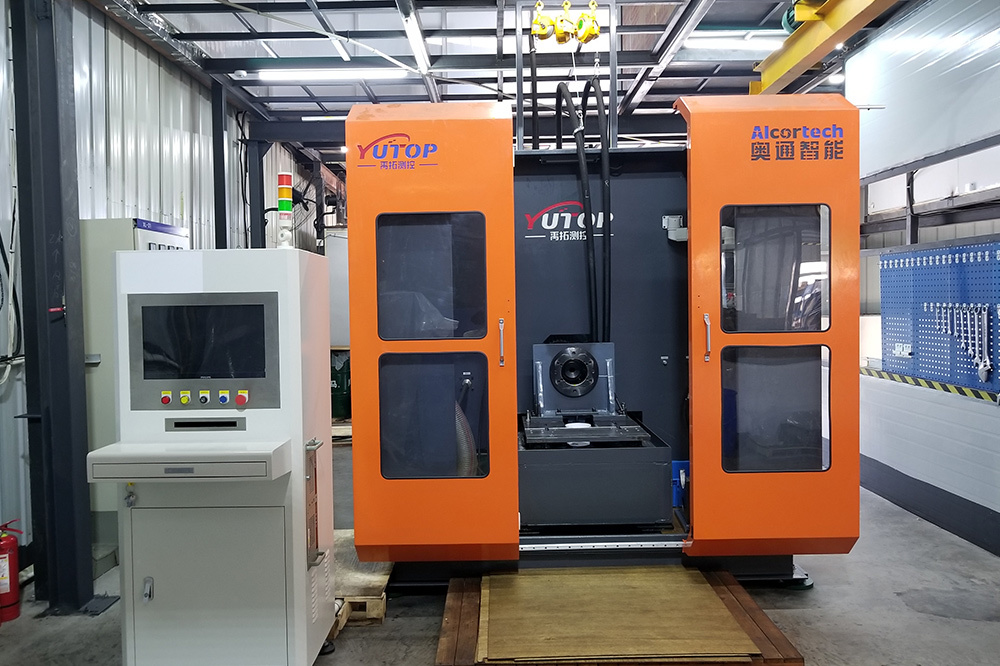
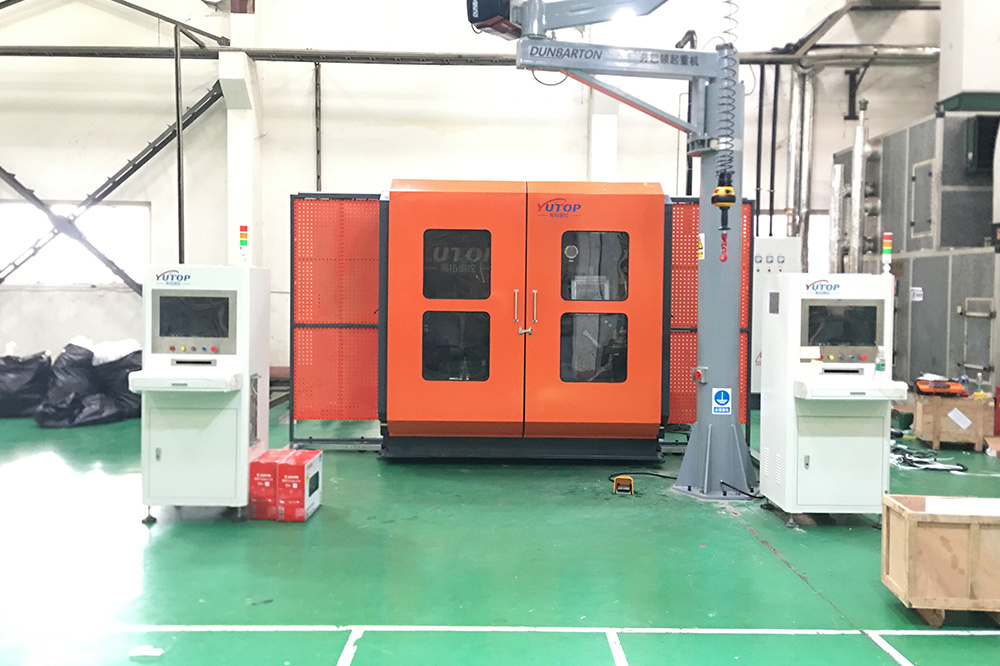
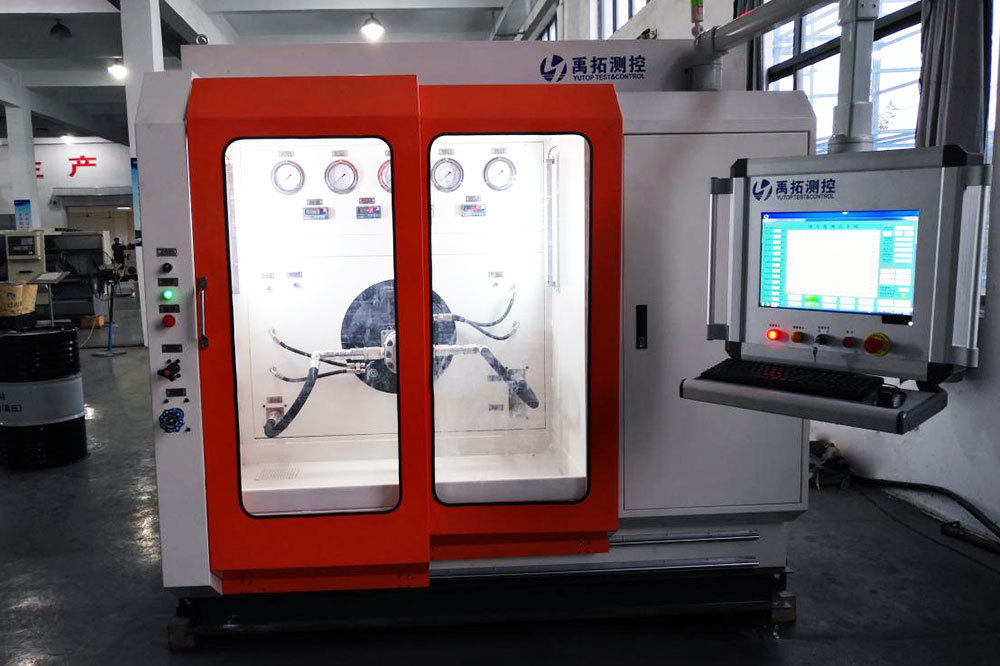
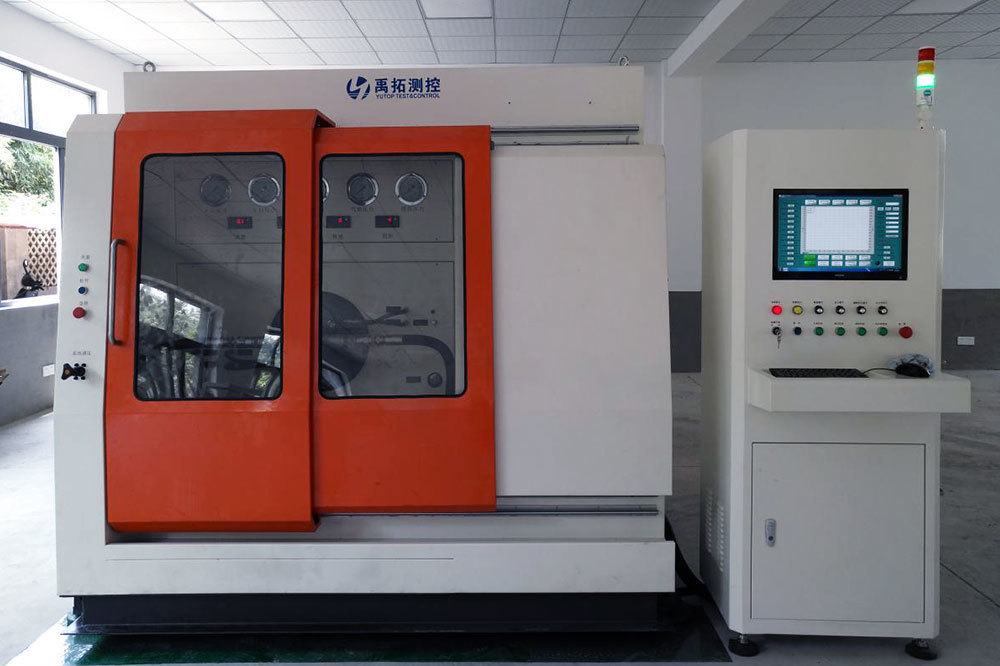
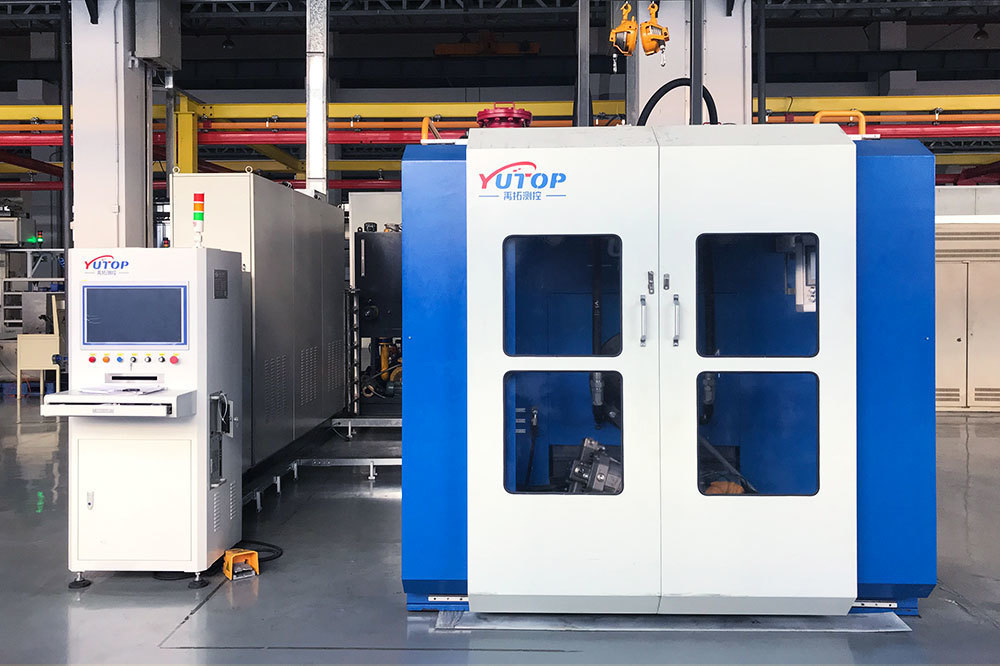
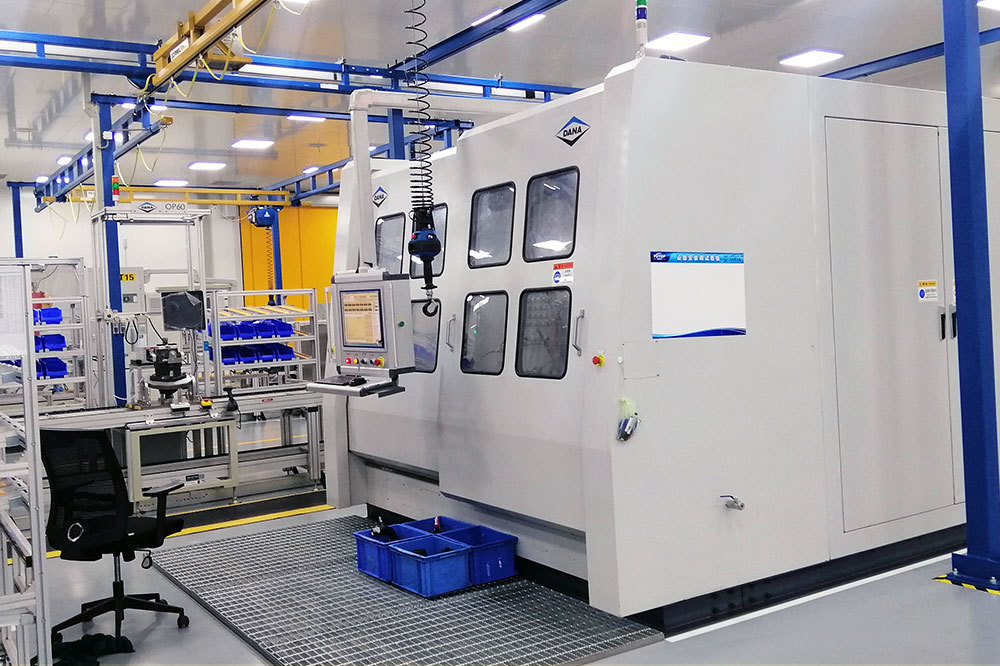
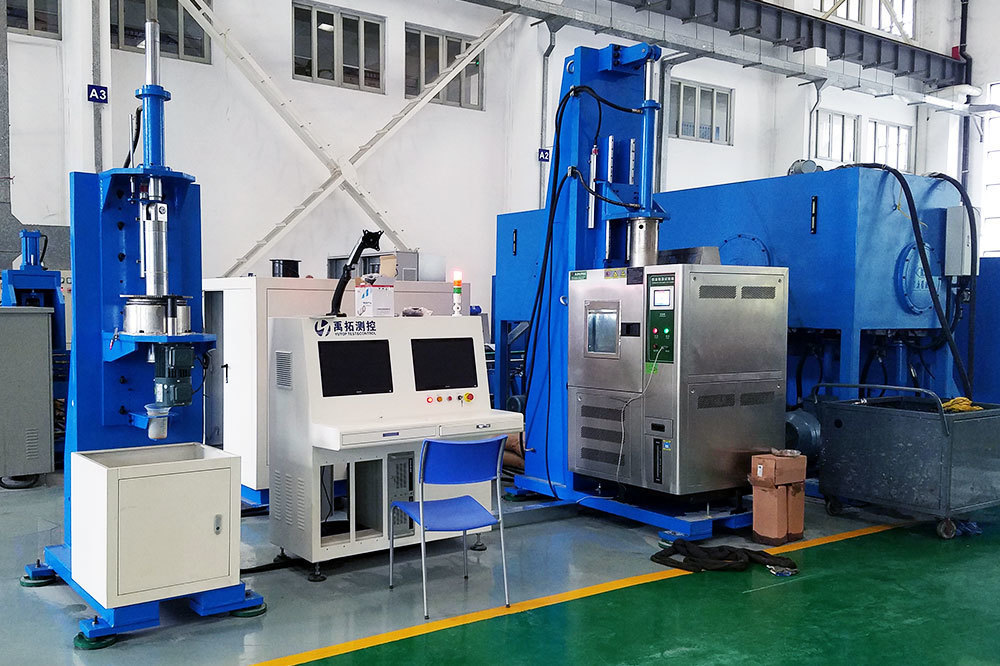
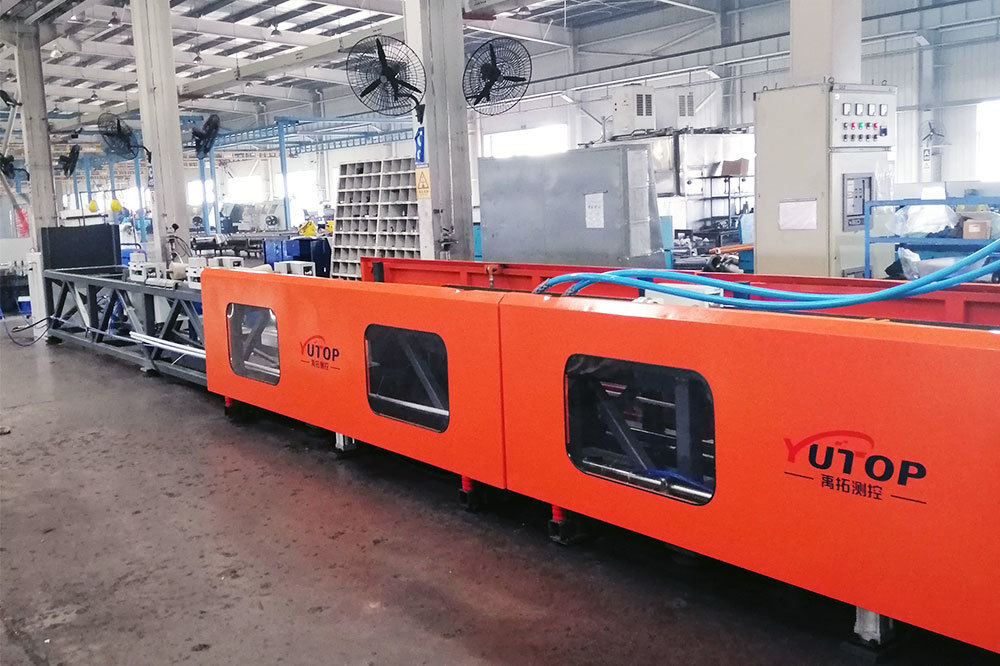
Automation is reshaping hydraulic pump performance testing by reducing human error and increasing testing speed. Automated test rigs can conduct multiple tests simultaneously, enabling manufacturers to evaluate pumps more efficiently. This shift toward automation enhances productivity and allows for a more consistent testing environment, leading to more reliable results.
4.1. Robotic Testing Solutions
Robotic testing solutions are increasingly being integrated into hydraulic pump testing facilities. These robots can perform repetitive tests with high accuracy, freeing human engineers to focus on analysis and problem-solving. The result is a more streamlined testing process that yields reliable data faster.
5. The Role of Data Analytics in Pump Testing
The integration of data analytics into hydraulic pump performance testing is revolutionizing how manufacturers approach quality assurance. By collecting vast amounts of testing data, companies can leverage advanced analytics to identify patterns and trends that inform future design decisions. This data-driven approach enhances product development, leading to more robust hydraulic systems.
5.1. Predictive Maintenance
Data analytics can also play a significant role in predictive maintenance strategies for hydraulic pumps. By monitoring performance data, manufacturers can anticipate failures before they occur, allowing for proactive maintenance. This approach not only reduces downtime but also extends the lifespan of hydraulic systems.
6. Addressing Environmental Concerns in Testing
As environmental regulations become more stringent, the hydraulic pump testing industry is adapting to meet these challenges. Innovations in testing technology now include eco-friendly practices that minimize waste and energy consumption. Techniques such as closed-loop testing systems allow for the recycling of hydraulic fluids, significantly reducing environmental impact.
6.1. Sustainable Material Usage
Manufacturers are also exploring sustainable materials in pump construction. Using biodegradable lubricants and recyclable components in hydraulic systems helps to lessen the ecological footprint of hydraulic pumps and their testing processes.
7. Compliance with Industry Standards and Regulations
Compliance with industry standards is essential in hydraulic pump performance testing. Authorities such as the International Organization for Standardization (ISO) and the Society of Automotive Engineers (SAE) set guidelines that manufacturers must adhere to. Innovations in testing technology not only facilitate compliance but also help in achieving certifications that enhance market credibility.
8. Future Trends in Hydraulic Pump Performance Testing Technology
Looking ahead, several trends are likely to shape the future of hydraulic pump performance testing. The ongoing integration of artificial intelligence (AI) and machine learning will further enhance predictive analytics, allowing for even more precise evaluations of pump performance. Additionally, advancements in materials science may lead to the development of more efficient, durable hydraulic components.
8.1. Internet of Things (IoT) Integration
The Internet of Things (IoT) is set to play a significant role in hydraulic pump testing. IoT-enabled devices can provide real-time data on pump performance, allowing for continuous monitoring and instant feedback. This connectivity will enable manufacturers to respond quickly to performance issues, optimizing pump efficiency and longevity.
9. Conclusion
In conclusion, the innovations in hydraulic pump performance testing technology are not only enhancing the reliability and efficiency of hydraulic systems but also ensuring that manufacturers comply with increasingly stringent industry standards. As we continue to embrace automation, data analytics, and sustainable practices, the future of hydraulic pump testing looks promising. These advancements will play a crucial role in driving the automotive industry forward, ensuring that vehicles remain safe, efficient, and environmentally friendly.
10. FAQs
What is hydraulic pump performance testing?
Hydraulic pump performance testing is the process of evaluating a hydraulic pump's efficiency, reliability, and overall functionality under various operating conditions to ensure optimal performance.
Why is performance testing important for hydraulic pumps?
Performance testing is essential to identify potential failures, enhance safety, and ensure compliance with industry standards, ultimately leading to improved vehicle performance and reliability.
What advancements are being made in hydraulic pump testing technology?
Recent advancements include digital pressure measurement systems, automated testing rigs, robotic solutions, and the integration of data analytics for predictive maintenance and performance evaluation.
How does automation improve hydraulic pump testing?
Automation reduces human error, increases testing speed, and allows for consistent testing environments, resulting in more reliable and efficient evaluations of hydraulic pumps.
What are the future trends in hydraulic pump performance testing?
Future trends include the integration of artificial intelligence and IoT for real-time monitoring, as well as advancements in materials science for improved pump designs and efficiencies.

Room 207, 2nd Floor, Block C, Building 1 (Self-designated), No. 3 Yunkai Road, Yunpu Industrial Zone, Huangpu District, Guangzhou City,China


