

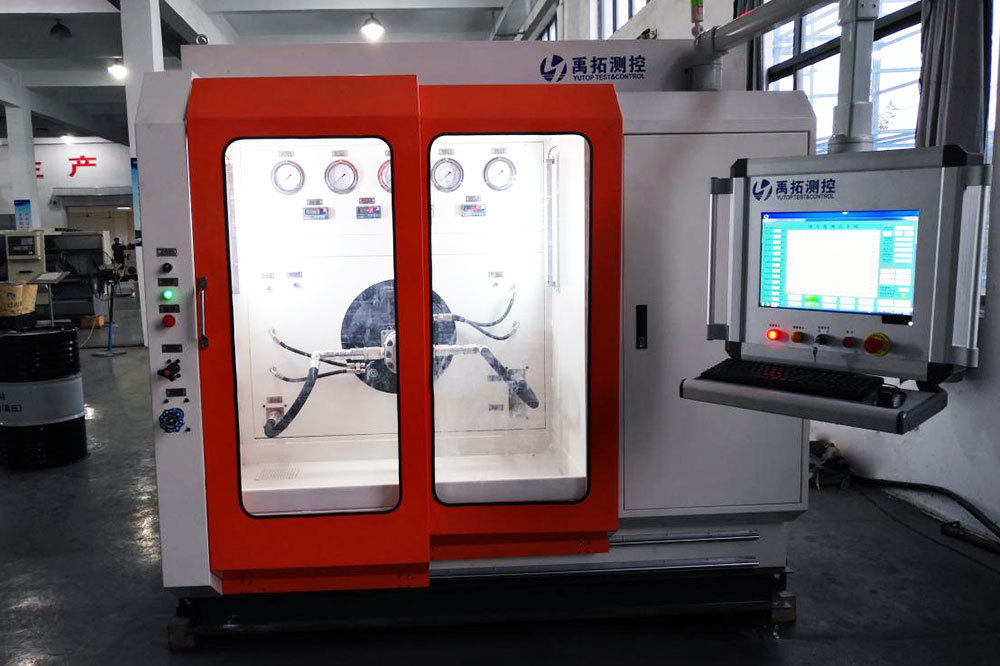
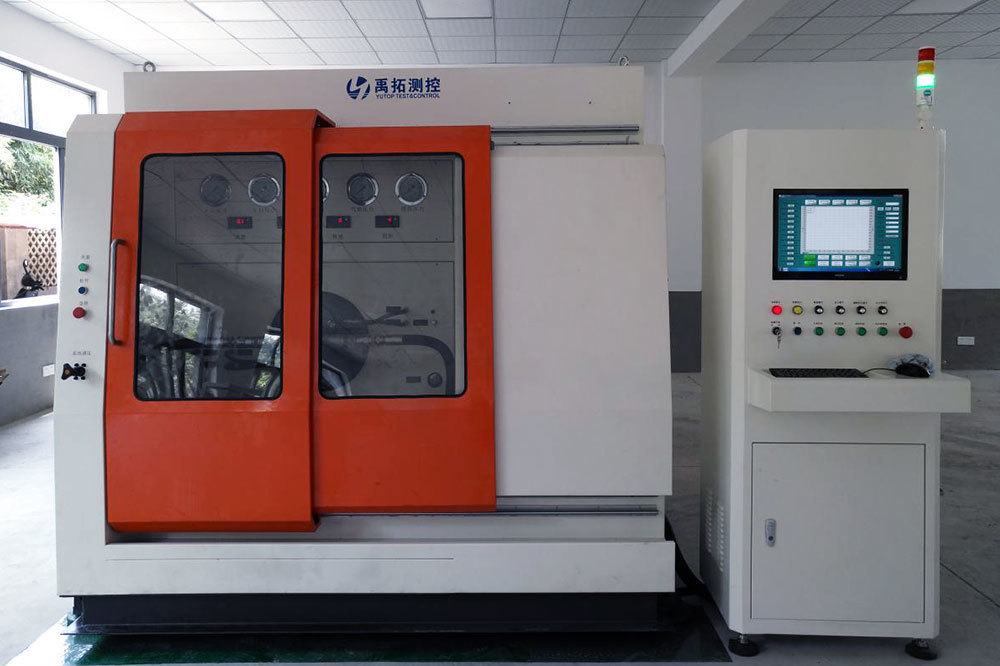
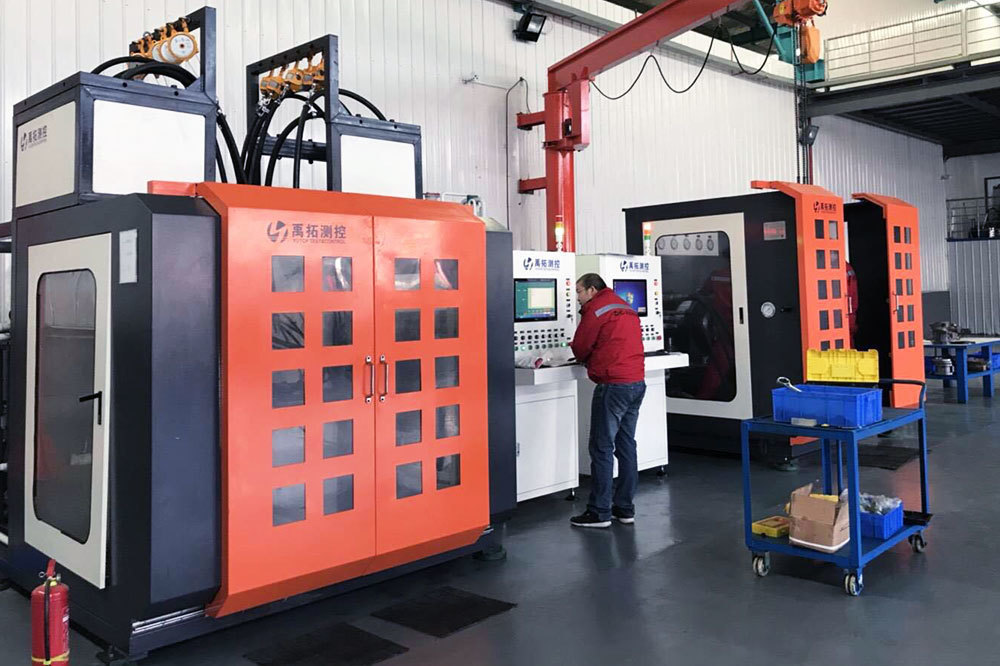
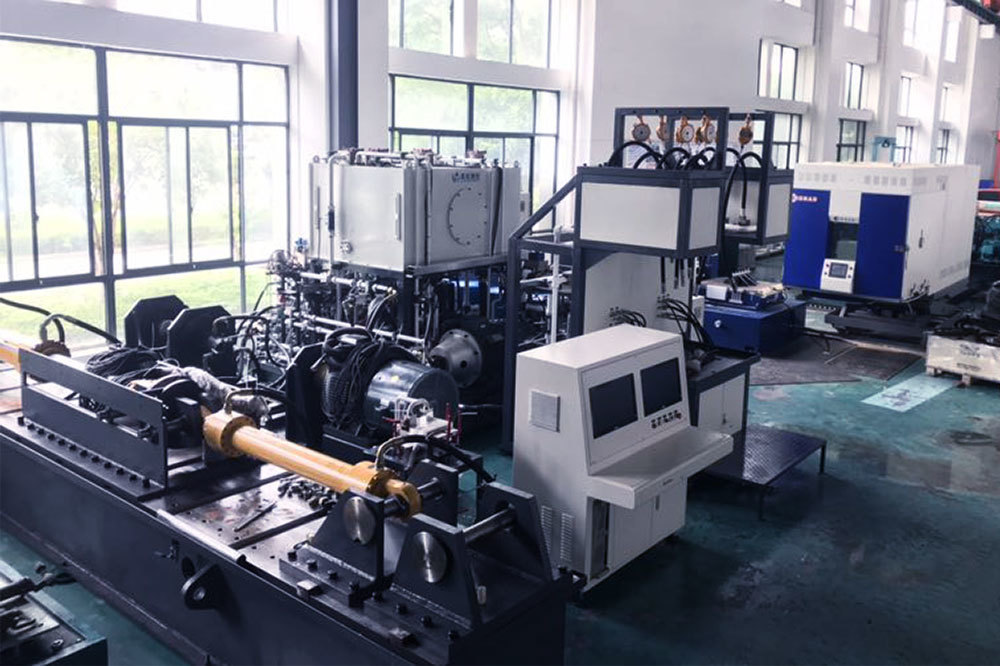
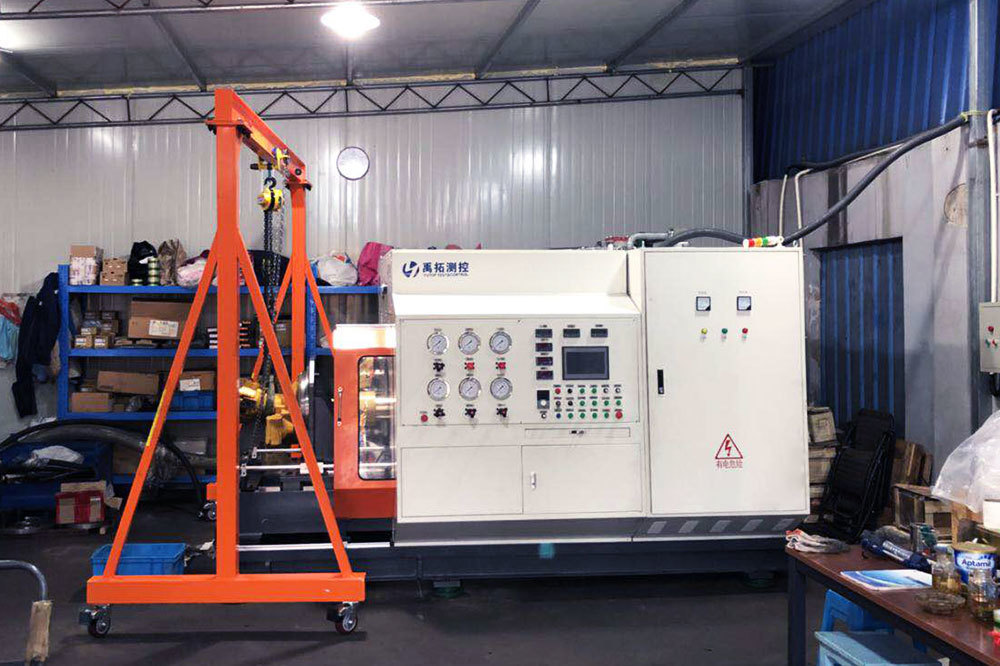
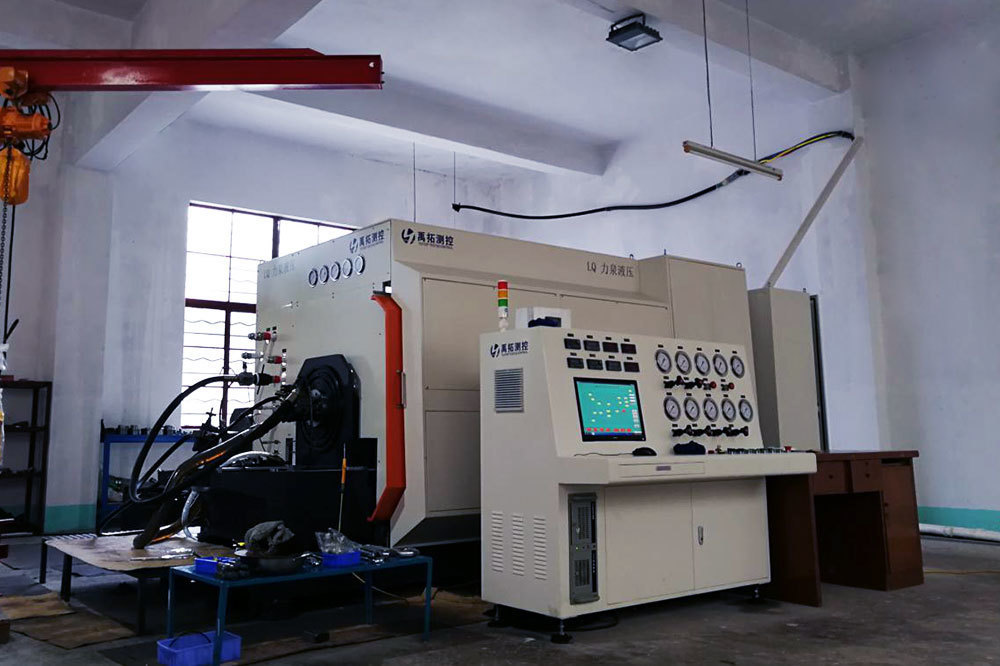
Your Path to Accurate Measurements: The Vital Role of Hydraulic Testing Control Solutions
Your Path to Accurate Measurements: The Vital Role of Hydraulic Testing Control Solutions Introduction to Hydraulic Testing Control Solutions In the world of engineering, **accurate measurements** are paramount, especially when dealing with hydraulic systems. These systems rely on precise pressure and flow measurements to ensure optimal functionality and safety. Hydraulic testing control solutions
Jan 30,2026

Your Path to Accurate Measurements: The Vital Role of Hydraulic Testing Control Solutions
Introduction to Hydraulic Testing Control Solutions
In the world of engineering, **accurate measurements** are paramount, especially when dealing with hydraulic systems. These systems rely on precise pressure and flow measurements to ensure optimal functionality and safety. Hydraulic testing control solutions play a critical role in achieving these measurements, enabling engineers and technicians to verify the integrity and performance of hydraulic components and systems. In this article, we will delve into the significance of hydraulic testing, explore the various solutions available, and provide insights on how to effectively implement these solutions.
Understanding Hydraulic Systems and Their Importance
Hydraulic systems are used extensively across industries, from construction and manufacturing to aerospace and automotive engineering. They rely on incompressible fluids to transmit power, making them efficient and effective for a wide range of applications. However, the performance of these systems is highly dependent on the accuracy of measurements taken during operation and testing. Accurate measurements ensure that hydronic systems function correctly, minimizing the risk of failure and enhancing safety.
The Basics of Hydraulic Testing
Hydraulic testing involves various methods to assess the **integrity** and **performance** of hydraulic systems. This process typically includes pressure testing, flow testing, and leak testing. The primary objective is to ensure that the system operates within specified parameters and can handle the required loads without failure.
Types of Hydraulic Testing
1. **Pressure Testing:** This involves subjecting the hydraulic system to a specific pressure to verify its strength and integrity. It helps identify any weak points or leaks in the system.
2. **Flow Testing:** Measuring the flow rate of hydraulic fluid is essential to ensure that the system can perform its intended function efficiently. This testing helps assess the performance of pumps, valves, and other components.
3. **Leak Testing:** Detecting leaks in hydraulic systems is crucial for maintaining efficiency and ensuring safety. Various techniques, such as bubble tests and ultrasonic detection, can be employed to pinpoint leaks.
The Importance of Accurate Measurements in Hydraulic Testing
Accurate measurements are the cornerstone of effective hydraulic testing. They provide critical data that informs decision-making and ensures that hydraulic systems operate safely and efficiently. Here are several key reasons why precise measurements matter:
1. Enhancing Safety
Inaccurate measurements can lead to catastrophic failures in hydraulic systems, posing significant safety risks. By ensuring accurate measurements, engineers can prevent malfunctions that may result in accidents or injuries.
2. Improving Efficiency
Hydraulic systems that are not operating within specified parameters can experience reduced efficiency, leading to increased operational costs. Accurate measurements allow for timely adjustments to maintain optimal performance.
3. Extending Equipment Life
Regular testing and accurate measurements help identify potential issues before they escalate, extending the lifespan of hydraulic components and systems. This proactive approach can save companies significant amounts in replacement costs.
Advanced Hydraulic Testing Control Solutions
With technological advancements, a variety of hydraulic testing control solutions have emerged. These solutions enhance the accuracy and reliability of measurements, enabling engineers and technicians to perform their jobs more effectively.
1. Digital Pressure Gauges
Digital pressure gauges provide precise pressure readings with high accuracy and can often record data over time. These gauges often include features such as data logging, which allows for easy tracking of system performance.
2. Flow Meters
Flow meters are essential for measuring the flow rate of hydraulic fluids. Advanced flow meters can provide real-time data, enabling engineers to monitor system performance continuously and make necessary adjustments.
3. Ultrasonic Leak Detectors
Ultrasonic leak detectors use high-frequency sound waves to identify leaks in hydraulic systems. They are highly sensitive and can detect even the smallest leaks, ensuring that systems remain efficient and safe.
Implementing Hydraulic Testing Control Solutions Effectively
To maximize the benefits of hydraulic testing control solutions, organizations must implement them effectively. Below are essential steps to consider:
1. Training and Education
Investing in training for engineers and technicians ensures that they are well-versed in the use of hydraulic testing equipment and understand the importance of accurate measurements.
2. Regular Maintenance of Testing Equipment
Regular maintenance of testing equipment is crucial for maintaining accuracy. Calibrating instruments and ensuring they are in good working condition will yield reliable measurements.
3. Establishing a Testing Protocol
Creating a standard operating procedure (SOP) for hydraulic testing can streamline the process and ensure consistency in measurements. This protocol should outline the steps for testing, equipment to use, and documentation of results.
Best Practices for Accurate Hydraulic Measurements
Implementing best practices for hydraulic testing can significantly enhance measurement accuracy. Consider the following:
1. Use the Right Equipment
Selecting the appropriate testing equipment for specific applications is vital. Choose instruments that are suited for the pressure and flow ranges of the hydraulic system being tested.
2. Maintain Environmental Conditions
Environmental factors can impact measurement accuracy. Conduct tests in controlled environments whenever possible to minimize variables that may affect results.
3. Document Everything
Thorough documentation of testing procedures, results, and any anomalies is essential for traceability and future reference. This practice helps in identifying trends and potential issues over time.
Common Challenges in Hydraulic Testing
Despite the advancements in hydraulic testing technologies, challenges still exist. Understanding these challenges can help organizations mitigate risks and improve testing outcomes.
1. Equipment Calibration
Calibration is critical for ensuring the accuracy of testing equipment. Regular checks and adjustments are necessary to maintain measurement integrity.
2. Human Error
Human error can lead to inaccurate measurements. Comprehensive training and clear protocols can help reduce the risk of mistakes during testing.
3. System Complexity
The complexity of hydraulic systems can pose challenges in testing. Understanding the system's layout and function is crucial for effective testing and accurate measurements.
The Future of Hydraulic Testing Control Solutions
As technology continues to evolve, the future of hydraulic testing control solutions looks promising. Innovations such as IoT integration and smart sensors are paving the way for even more accurate and efficient testing methods. These advancements will allow for real-time monitoring and data analysis, further enhancing the safety and reliability of hydraulic systems.
Conclusion
In summary, hydraulic testing control solutions are essential for ensuring accurate measurements in hydraulic systems. Through the implementation of advanced technologies, adherence to best practices, and a commitment to ongoing training and maintenance, organizations can significantly enhance the safety, efficiency, and longevity of their hydraulic systems. Embracing these solutions not only mitigates risks but also empowers engineers and technicians to achieve optimal performance in their operations.
FAQs
1. What are the primary methods of hydraulic testing?
The primary methods include pressure testing, flow testing, and leak testing.
2. Why is accurate measurement critical in hydraulic systems?
Accurate measurements prevent system failures, enhance efficiency, and extend equipment life.
3. What are some common challenges faced during hydraulic testing?
Common challenges include equipment calibration, human error, and system complexity.
4. How can organizations improve their hydraulic testing procedures?
Organizations can improve procedures through training, regular maintenance, and establishing clear testing protocols.
5. What advancements are shaping the future of hydraulic testing?
Advancements such as IoT integration, smart sensors, and real-time data monitoring are shaping the future of hydraulic testing.

Room 207, 2nd Floor, Block C, Building 1 (Self-designated), No. 3 Yunkai Road, Yunpu Industrial Zone, Huangpu District, Guangzhou City,China


