

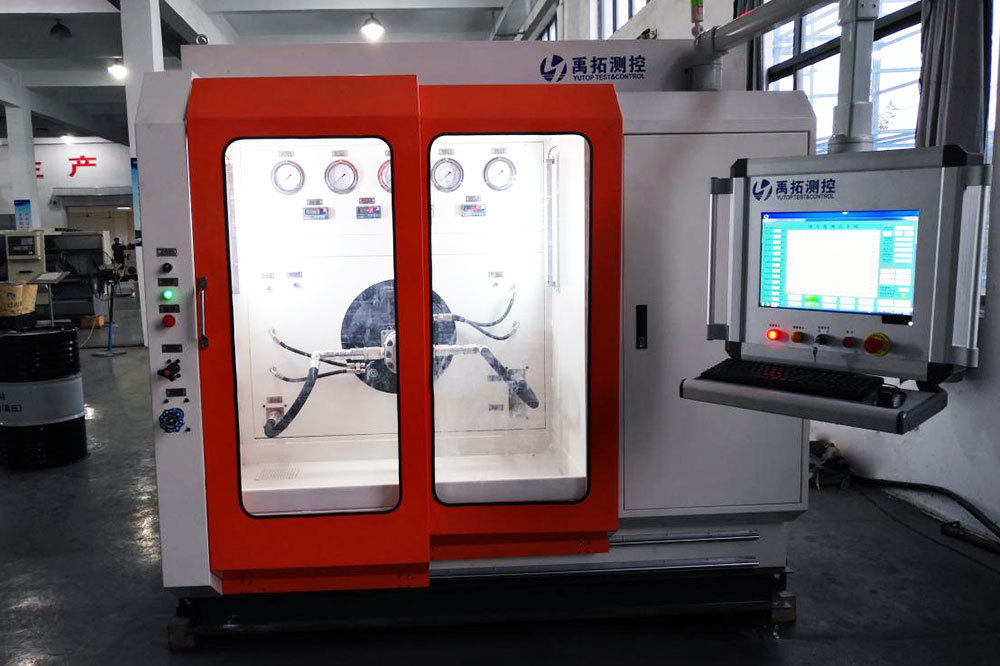
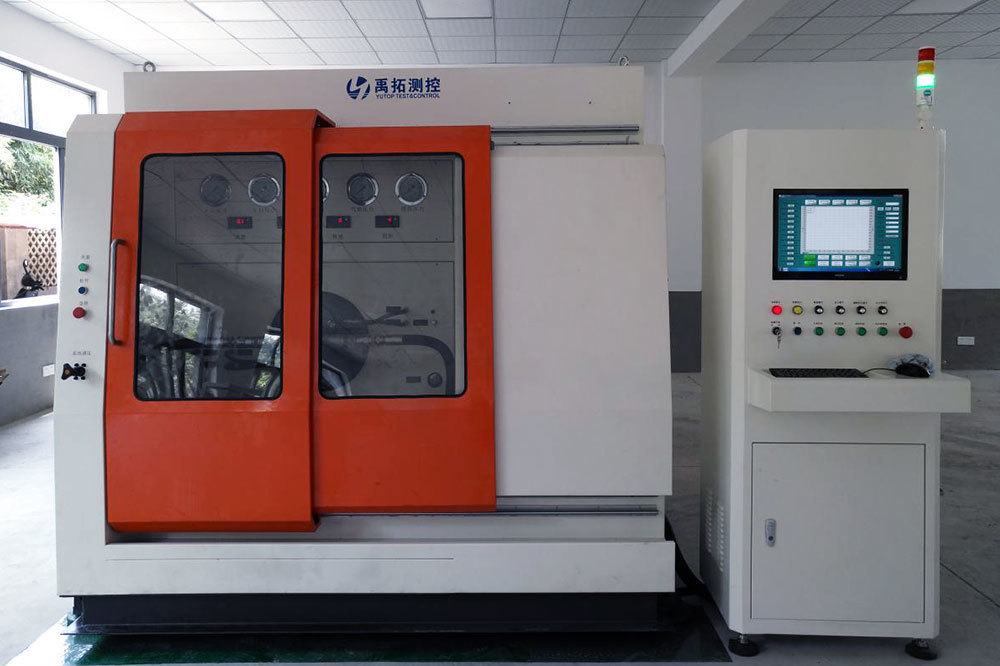
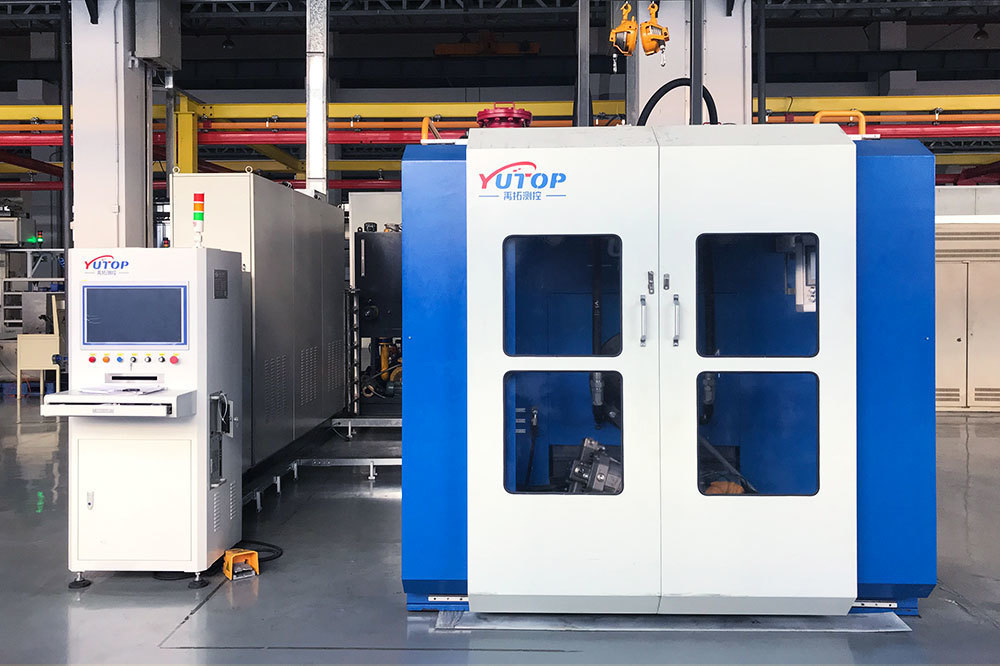
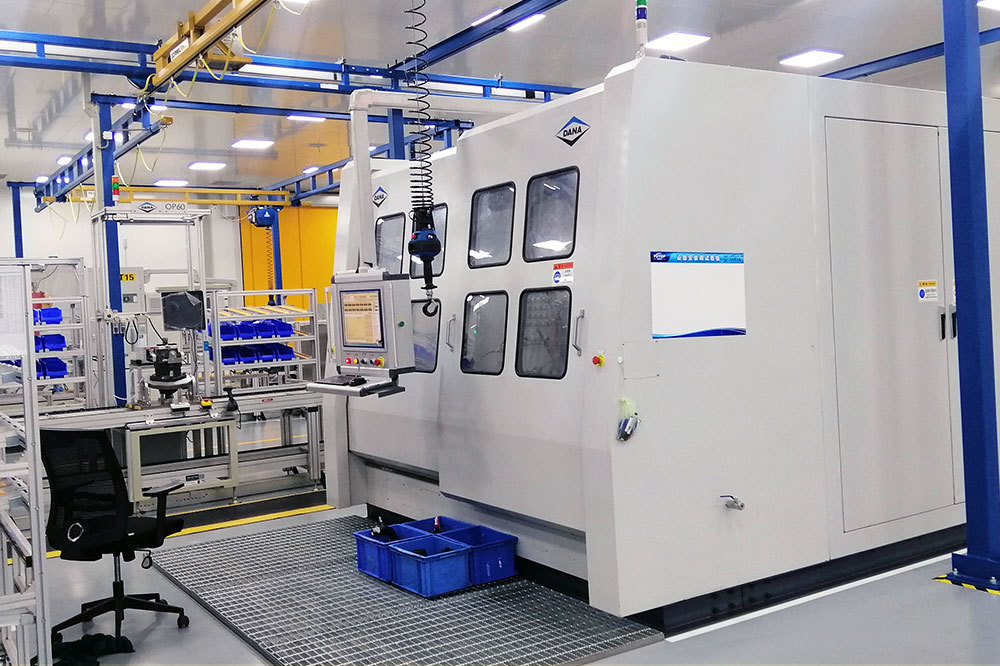
Choosing Between Manual and Automated Piston Pump Testing Equipment: A Comprehensive Guide
Choosing Between Manual and Automated Piston Pump Testing Equipment Table of Contents Introduction to Piston Pump Testing Equipment The Importance of Testing Piston Pumps Manual Piston Pump Testing Equipment: An Overview Automated Piston Pump Testing Equipment: An Overview Comparative Analysis: Manual vs. Automated Testing Cost Analysis: Manual vs. Automated Solutions
Feb 01,2026
Choosing Between Manual and Automated Piston Pump Testing Equipment
Table of Contents
- Introduction to Piston Pump Testing Equipment
- The Importance of Testing Piston Pumps
- Manual Piston Pump Testing Equipment: An Overview
- Automated Piston Pump Testing Equipment: An Overview
- Comparative Analysis: Manual vs. Automated Testing
- Cost Analysis: Manual vs. Automated Solutions
- Future Trends in Piston Pump Testing Technology
- Best Practices for Piston Pump Testing
- Conclusion: Making the Right Choice
- Frequently Asked Questions
Introduction to Piston Pump Testing Equipment
Piston pumps are integral to various industrial applications, providing a reliable mechanism for transferring fluids. **Testing these pumps** is vital for ensuring their efficiency, durability, and safety. In recent years, the development of testing equipment has evolved, offering both **manual** and **automated solutions**. Understanding the nuances of each option can significantly impact operational success.
The Importance of Testing Piston Pumps
Regular testing of piston pumps is crucial for several reasons:
1. **Performance Verification**: Ensures that the pump operates at its intended capacity and efficiency.
2. **Preventative Maintenance**: Identifies potential issues before they escalate, thus avoiding costly repairs.
3. **Regulatory Compliance**: Many industries have stringent standards that require regular pump testing.
4. **Safety Assurance**: Reduces the risk of accidents caused by pump failure.
By investing in the right testing equipment, organizations can enhance their operational reliability and prolong the lifespan of their piston pumps.
Manual Piston Pump Testing Equipment: An Overview
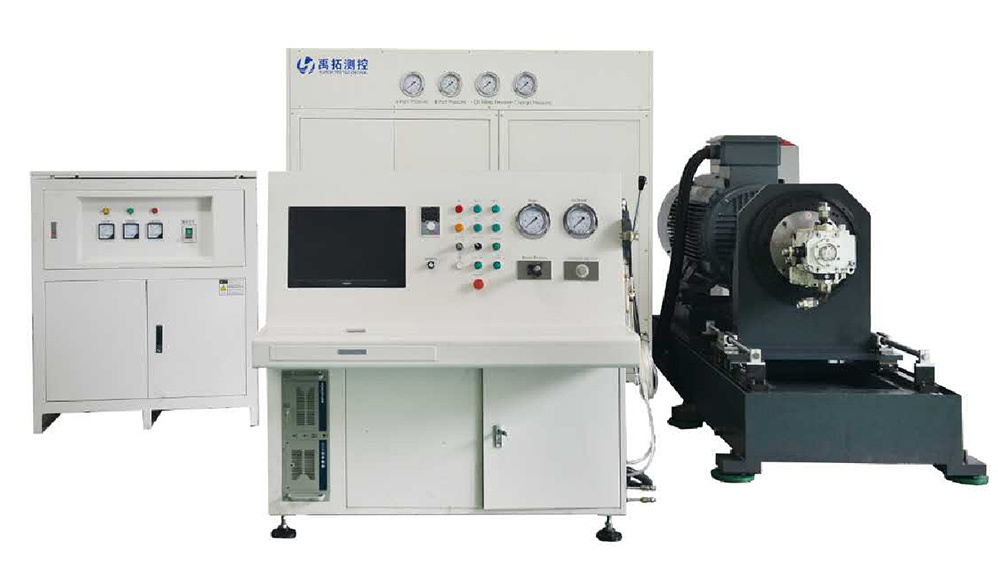
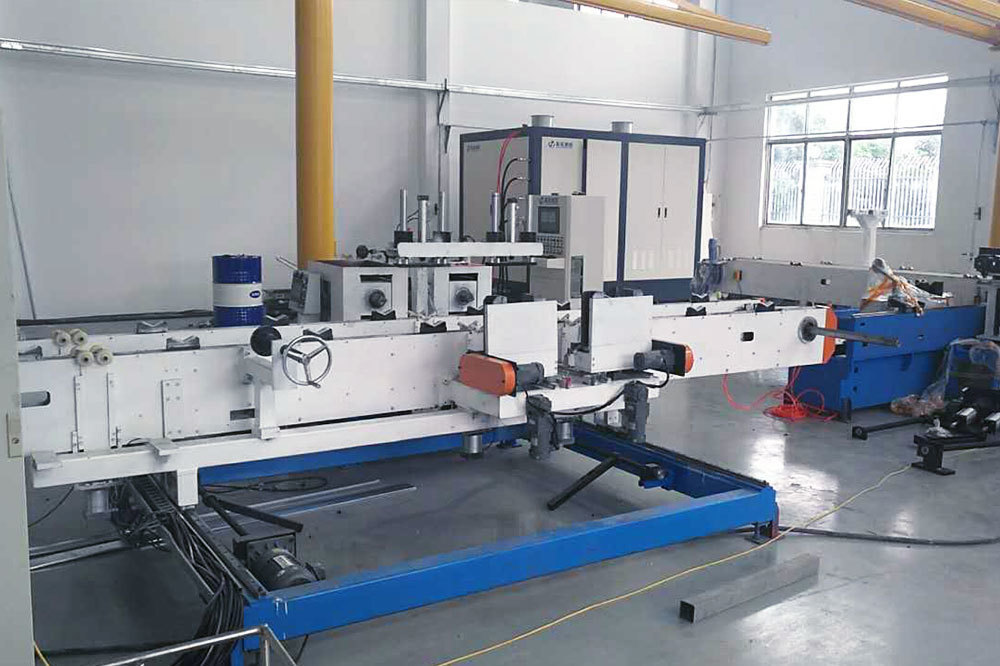
Manual testing involves the use of equipment that requires human intervention for operation. This traditional approach has several characteristics:
- **Flexibility**: Manual equipment can be easily adjusted for different pump sizes and types, making it versatile.
- **Cost-Effective**: Generally, manual testing devices have a lower upfront cost compared to automated systems.
- **Simplicity**: The operation often requires less technical expertise, making it accessible for smaller organizations.
However, manual testing also has its drawbacks, including higher labor costs, potential for human error, and inconsistent results, especially in high-volume testing scenarios.
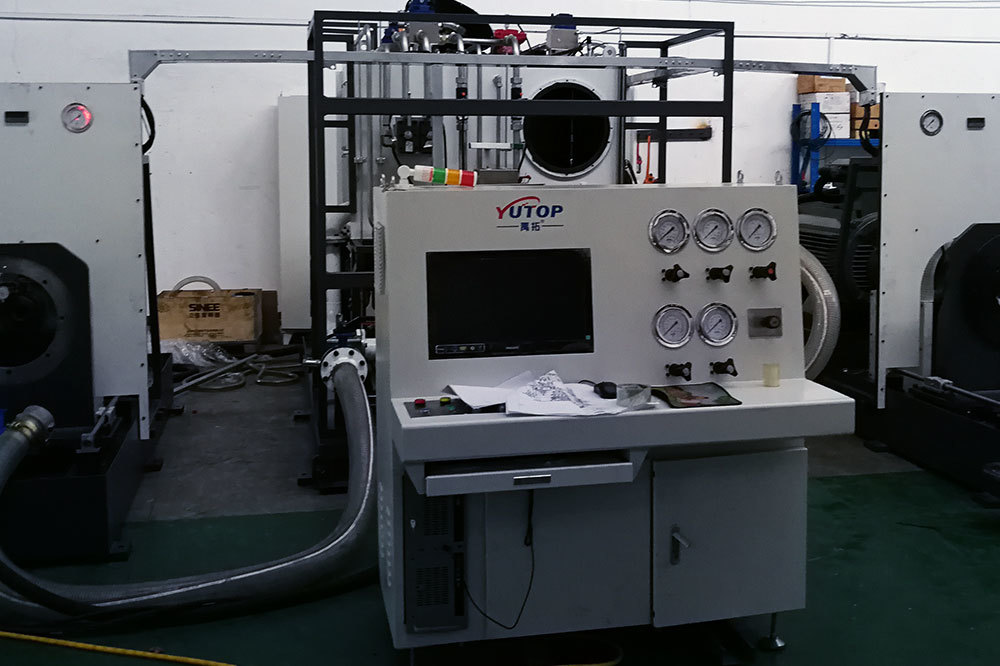
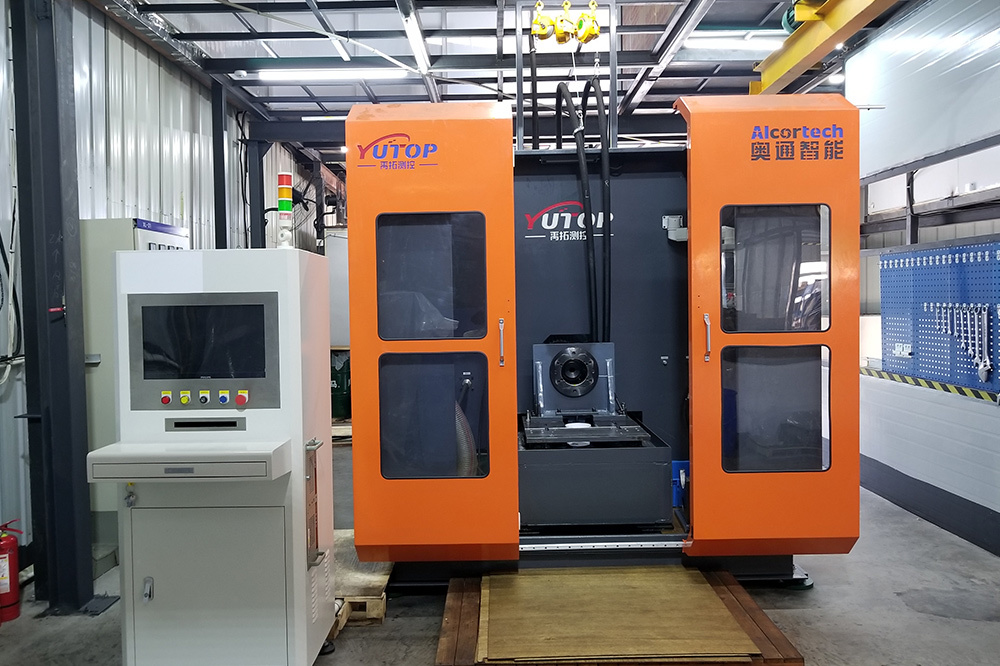
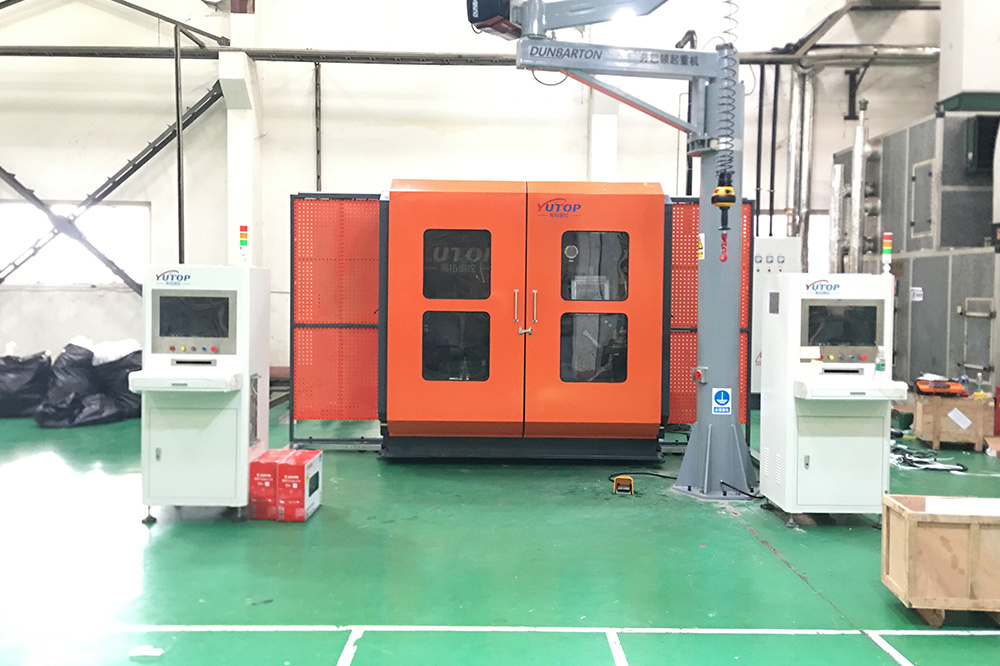
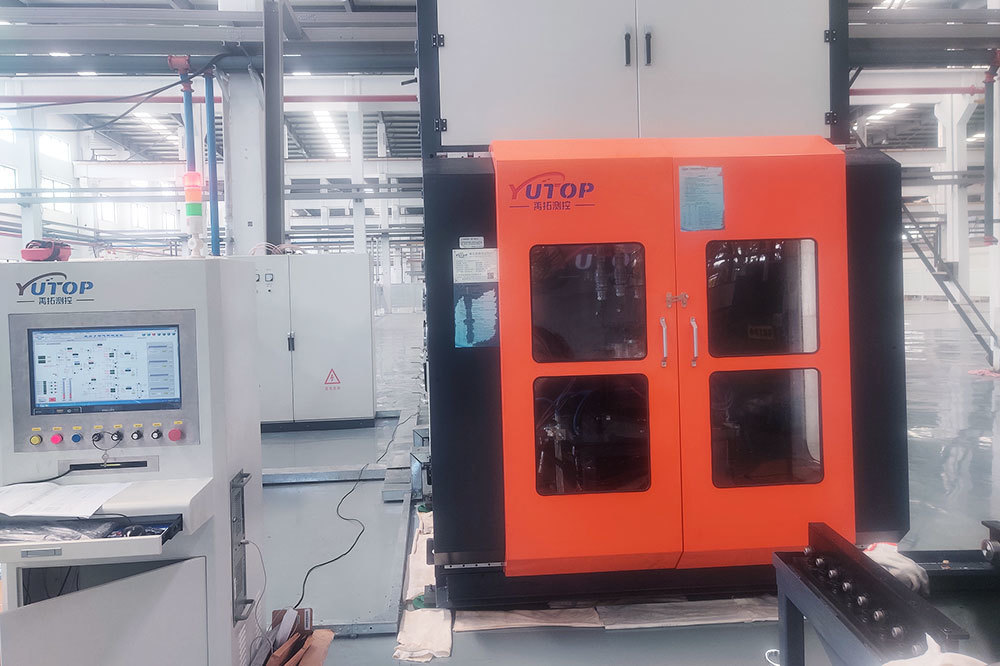
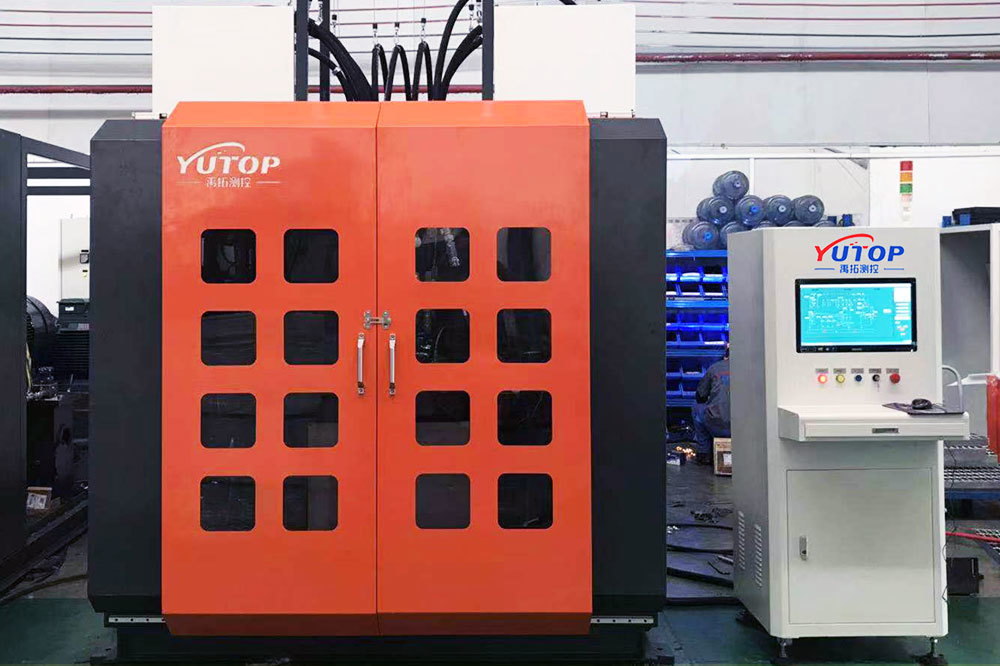
Automated Piston Pump Testing Equipment: An Overview
Automated testing uses advanced technology to conduct tests with minimal human intervention. This method comes with several advantages:
- **Precision and Accuracy**: Automated systems offer highly accurate measurements, reducing the risk of human error.
- **Efficiency**: They can conduct tests at a much faster rate, ideal for high-volume applications.
- **Data Management**: Many automated systems include software for data tracking and analysis, simplifying the documentation process.
On the downside, automated equipment typically involves a higher initial investment and may require specialized training to operate effectively.
Comparative Analysis: Manual vs. Automated Testing
When choosing between manual and automated piston pump testing equipment, consider the following factors:
1. Operational Efficiency
Automated systems excel in environments where speed and consistency are critical. For organizations handling numerous tests daily, automation can lead to significant time savings.
2. Accuracy of Results
Automated testing provides more reliable results, crucial for quality assurance processes. In contrast, manual methods can be subject to variations based on the technician’s skill level.
3. Cost Considerations
While manual equipment is less expensive upfront, operational costs can accumulate due to labor and potential inefficiencies. Automated systems, while pricier initially, can lead to long-term savings through improved efficiency.
4. Maintenance and Support
Manual systems usually require less specialized maintenance, while automated systems may need more frequent technical support and servicing.
Cost Analysis: Manual vs. Automated Solutions
Understanding the financial implications of both manual and automated testing systems is essential.
Initial Investment
The purchase price of manual testing equipment is generally lower. However, as operations scale, the cost of employing personnel can outweigh the initial savings.
Operating Costs
Automated systems can significantly reduce labor costs over time. The investment in automation can be justified through increased throughput and reduced errors, leading to fewer costly mistakes.
Long-Term Value
While the upfront cost of automated systems may be higher, they can offer superior long-term value through increased efficiency and accuracy, impacting profitability positively.
Future Trends in Piston Pump Testing Technology
As technology continues to advance, the future of piston pump testing equipment looks promising.
1. Integration of IoT
The Internet of Things (IoT) will enable real-time monitoring and data collection, allowing for predictive maintenance and improved operational management.
2. Artificial Intelligence
AI can enhance testing processes by analyzing data patterns, improving operational efficiency and accuracy.
3. Enhanced Customization
Future testing equipment will likely offer more customization options, allowing organizations to tailor solutions to their specific needs.
Best Practices for Piston Pump Testing
To ensure effective testing of piston pumps, organizations should consider the following best practices:
1. Regular Calibration
Ensure that all testing equipment is regularly calibrated to maintain accuracy.
2. Documentation
Keep detailed records of all test results to identify trends and potential issues.
3. Staff Training
Invest in training for staff to effectively operate and maintain testing equipment, regardless of whether it’s manual or automated.
4. Regular Maintenance
Implement a maintenance schedule for both manual and automated equipment to prolong their lifespan and ensure consistent performance.
Conclusion: Making the Right Choice
Choosing between manual and automated piston pump testing equipment ultimately depends on your organization’s specific needs, including operational scale, budget, and the level of expertise available. While manual systems may offer lower initial costs and simplicity, **automated systems** provide significant advantages in terms of efficiency, accuracy, and long-term value. By weighing these factors and considering industry trends, you can make an informed decision that enhances your operations and maintains the reliability of your piston pumps.
Frequently Asked Questions
1. What are the main differences between manual and automated piston pump testing equipment?
Manual testing requires human operation and is generally less expensive, while automated testing uses technology for precision and efficiency.
2. Is automated testing worth the investment?
Yes, for organizations with high testing volumes, automated systems can offer significant time and cost savings in the long run.
3. Can manual testing equipment be upgraded to automated systems?
In many cases, existing manual systems can be enhanced with automated components or software solutions, but it depends on the specific equipment and setup.
4. How often should piston pumps be tested?
Testing frequency depends on the application and industry standards, but regular testing is recommended to ensure optimal performance.
5. What are the benefits of using IoT in piston pump testing?
IoT integration allows for real-time monitoring, predictive maintenance, and enhanced data collection, leading to improved operational decision-making.
PREVIOUS:

Room 207, 2nd Floor, Block C, Building 1 (Self-designated), No. 3 Yunkai Road, Yunpu Industrial Zone, Huangpu District, Guangzhou City,China


