

Top Advantages of Using a Test Bench for Excavator Hydraulics
Top Advantages of Using a Test Bench for Excavator Hydraulics Table of Contents 1. Introduction to Excavator Hydraulics 2. What is a Test Bench? 2.1 Types of Test Benches 3. Why Use a Test Bench for Excavator Hydraulics? 3.1 Improving Performance 3.2 Ensuring Safety 3.3 Extending Equipment Lifespan 4. Key Features of a Quality Test Bench 4.1 Accurate Measurement Tools 4.2 Use
Feb 07,2026

Top Advantages of Using a Test Bench for Excavator Hydraulics
Table of Contents
1. Introduction to Excavator Hydraulics
2. What is a Test Bench?
2.1 Types of Test Benches
3. Why Use a Test Bench for Excavator Hydraulics?
3.1 Improving Performance
3.2 Ensuring Safety
3.3 Extending Equipment Lifespan
4. Key Features of a Quality Test Bench
4.1 Accurate Measurement Tools
4.2 User-Friendly Interface
4.3 Robust Construction
5. Best Practices for Using Test Benches
5.1 Regular Maintenance
5.2 Staff Training
6. Common FAQs about Test Benches for Excavator Hydraulics
6.1 How often should I test my hydraulic system?
6.2 What are the signs that my hydraulic system needs testing?
6.3 Can I use a test bench for other hydraulic equipment?
6.4 What should I look for when purchasing a test bench?
6.5 How do I interpret the test results?
7. Conclusion
1. Introduction to Excavator Hydraulics
Excavators play a pivotal role in construction, mining, and various industrial applications. Their efficiency largely hinges on the performance of their hydraulic systems. These systems use hydraulic fluid to transfer energy, enabling excavators to perform powerful movements such as digging, lifting, and rotating. Given the critical nature of hydraulics in excavator functionality, understanding how to optimize and maintain these systems is paramount. This is where a **test bench** comes into play.
2. What is a Test Bench?
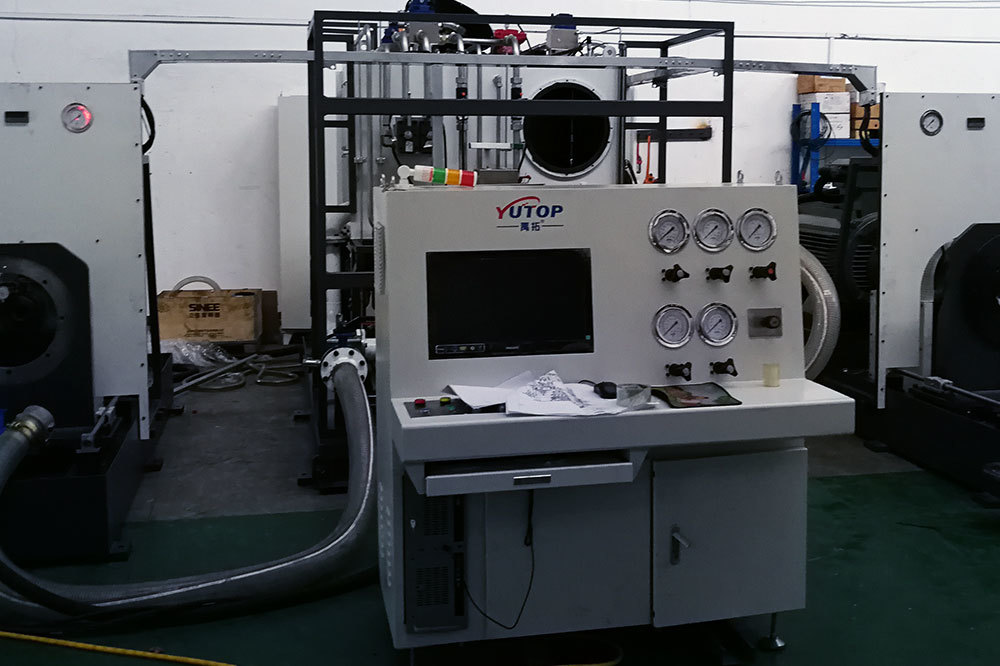
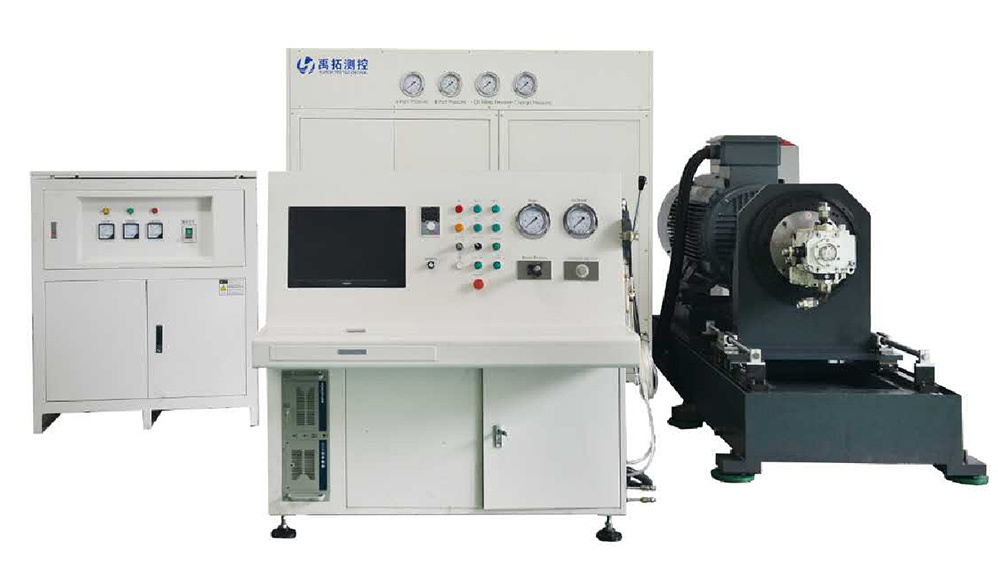
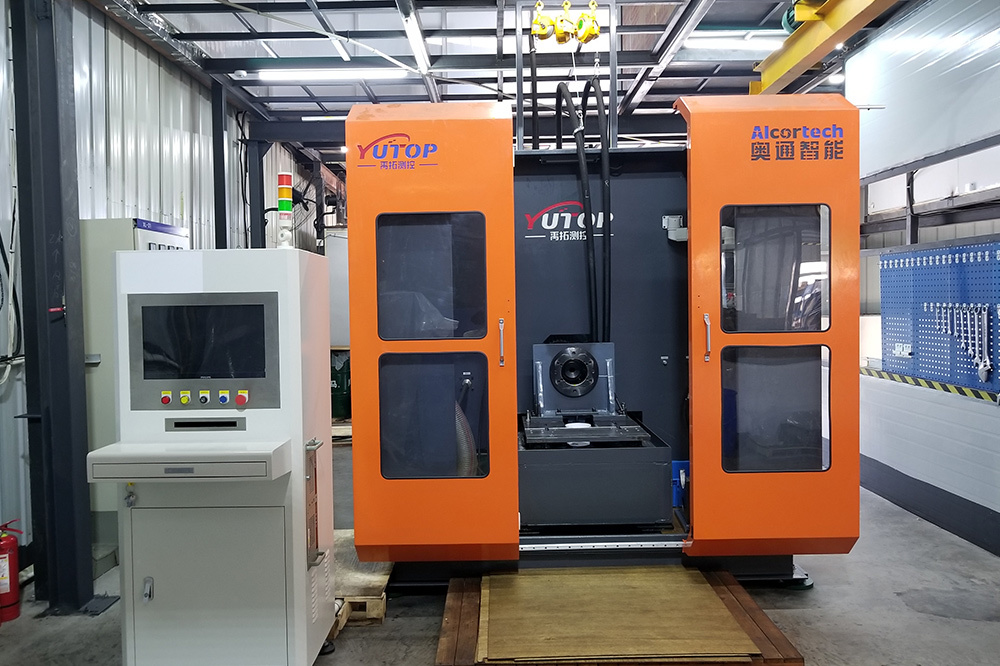
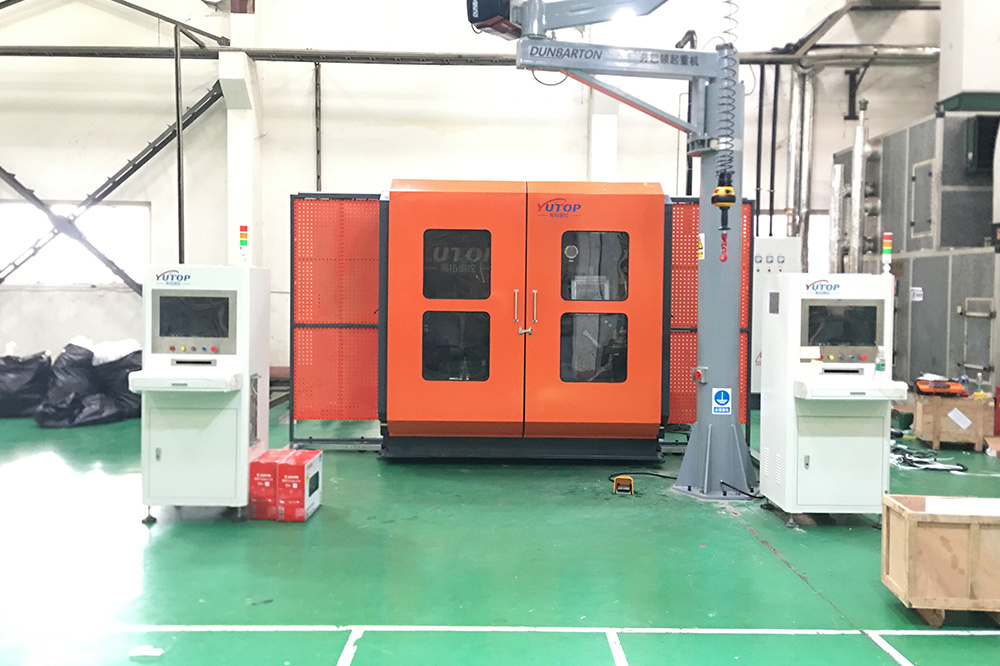
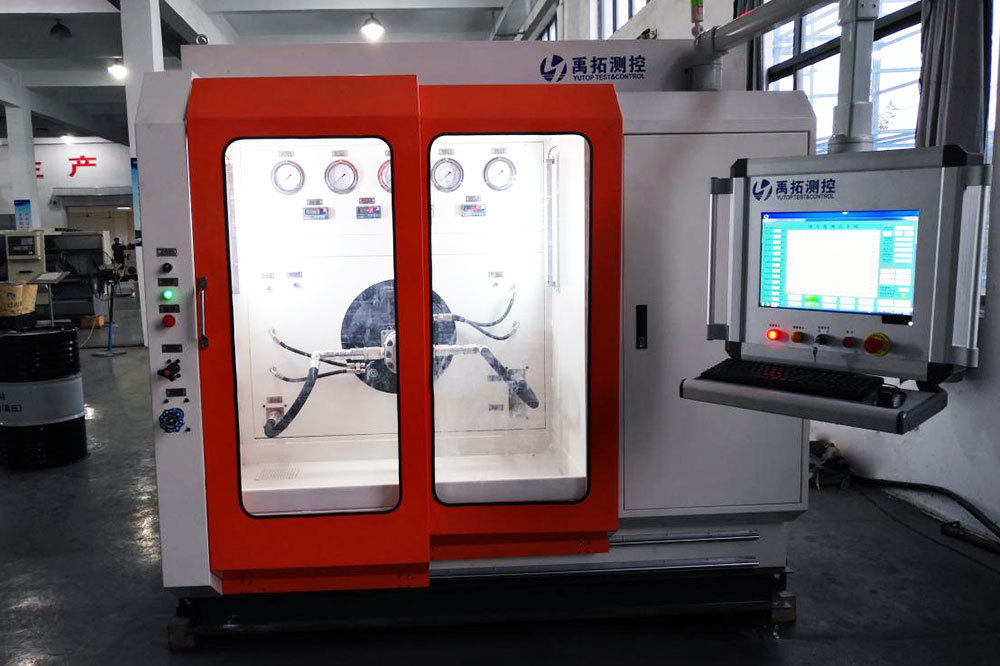
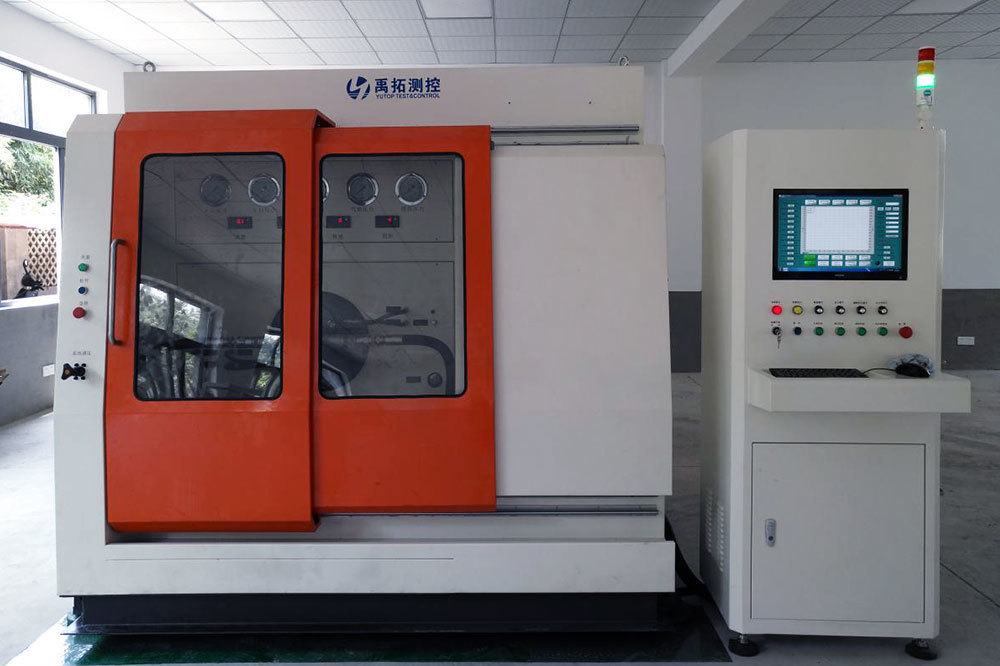
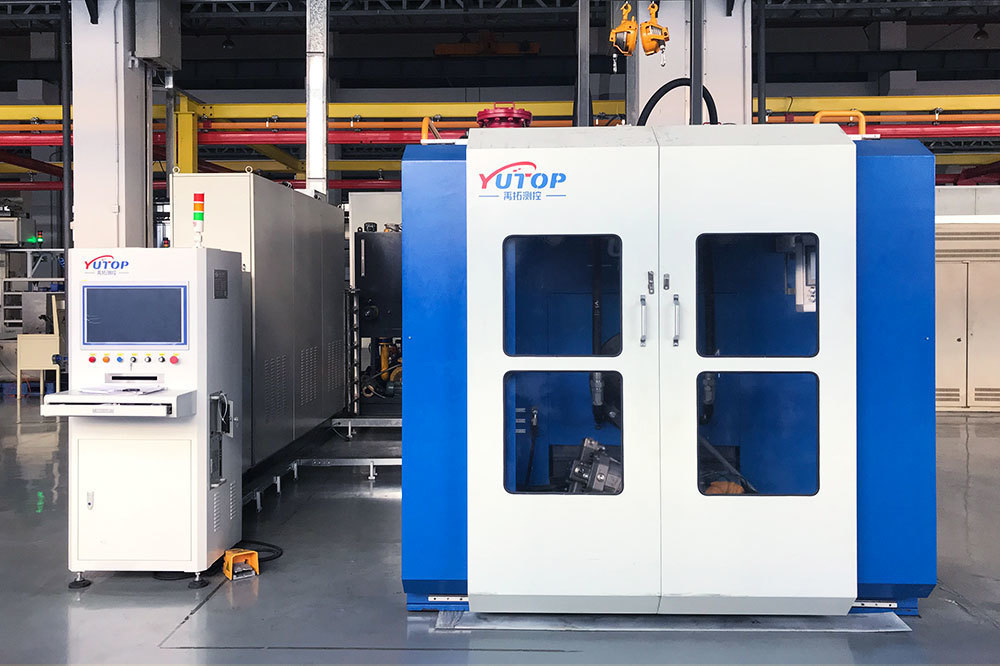
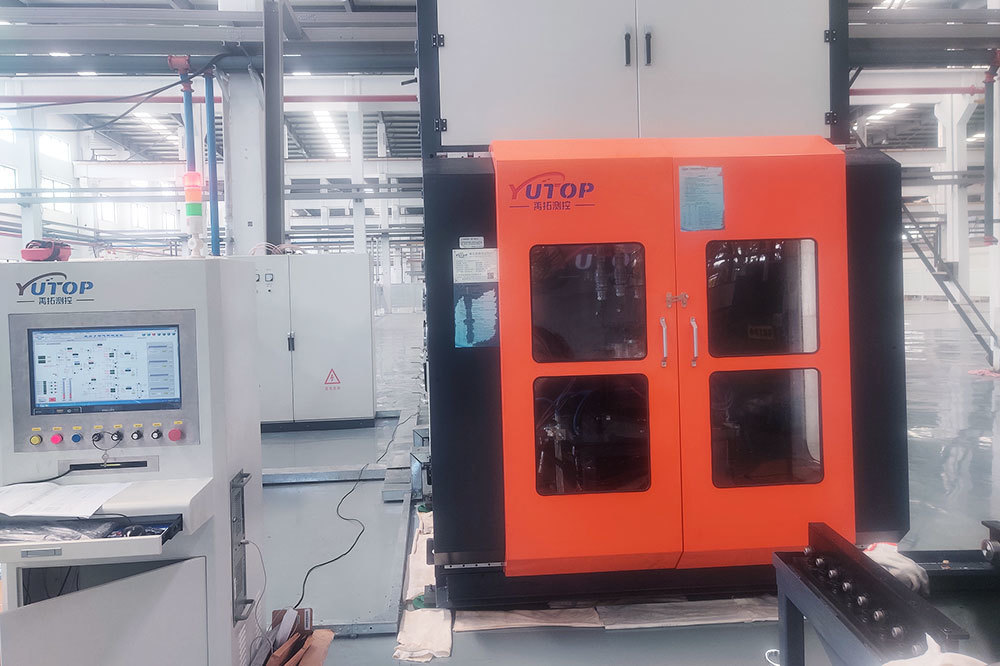
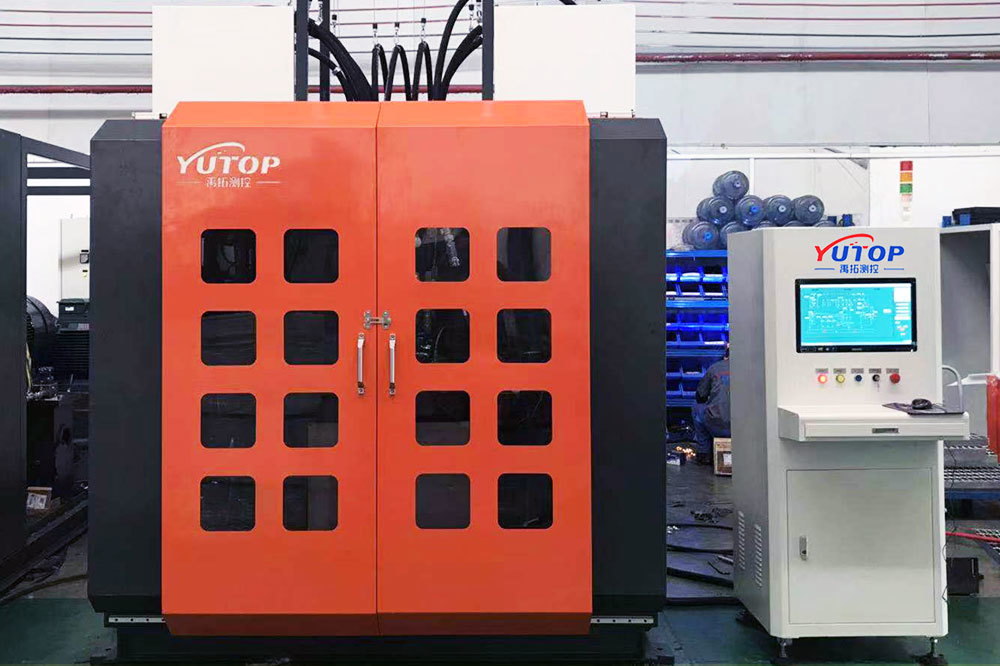
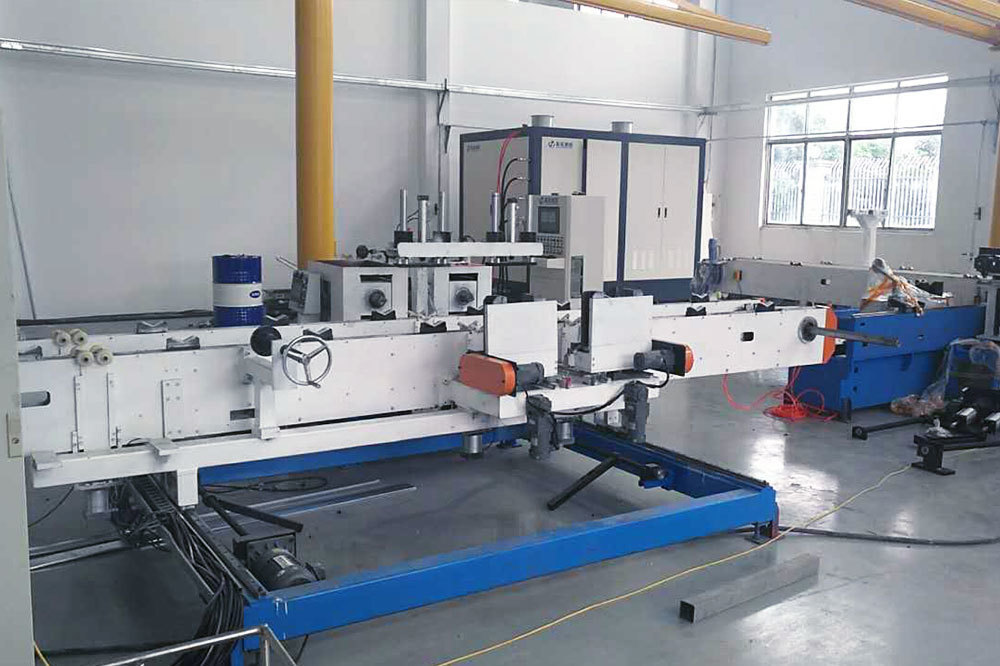
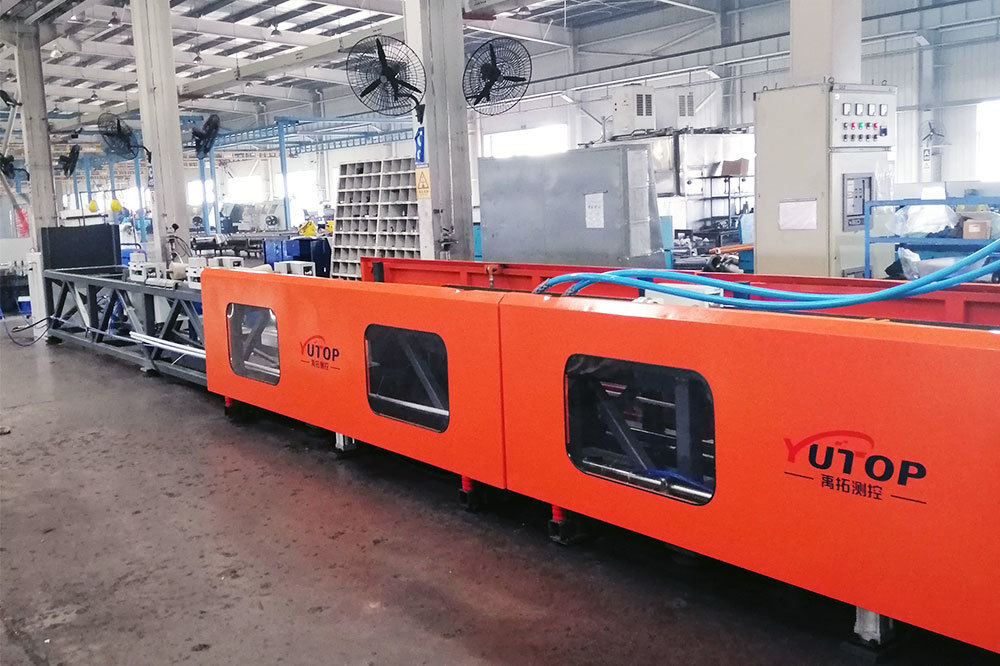
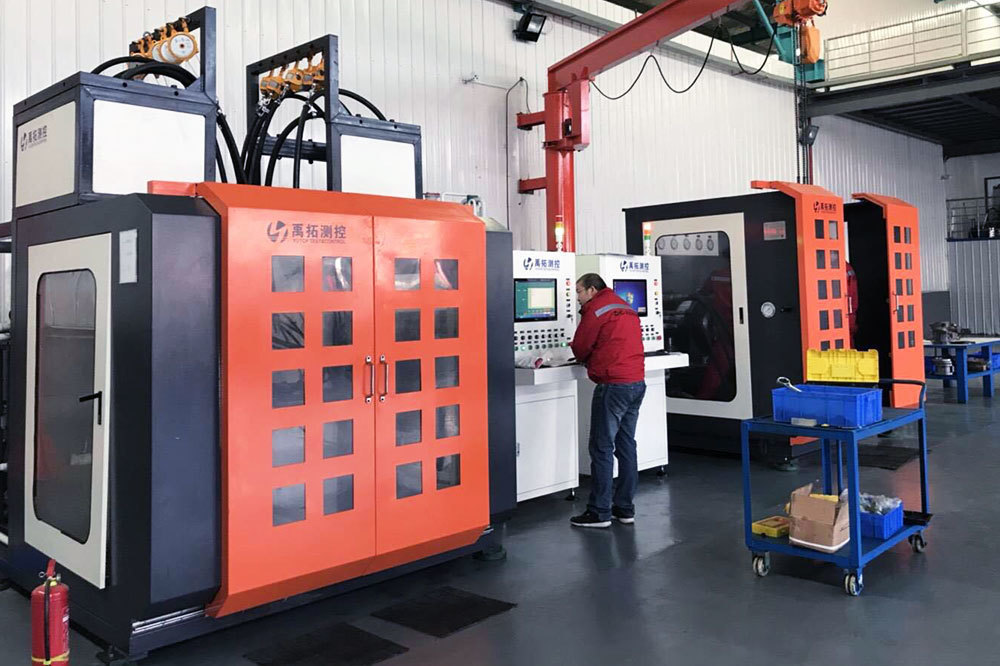
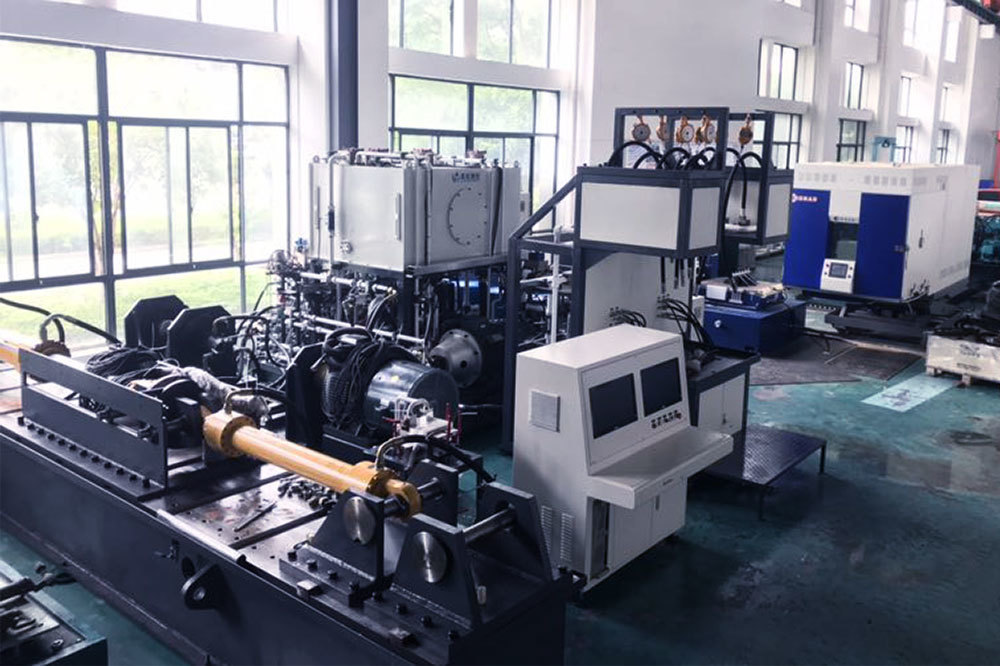
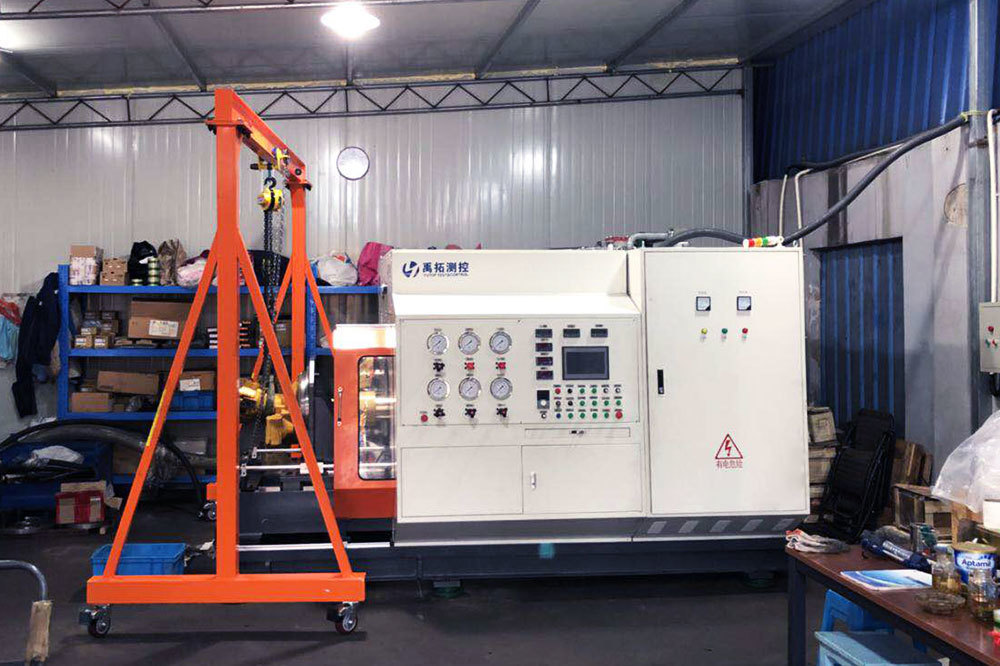
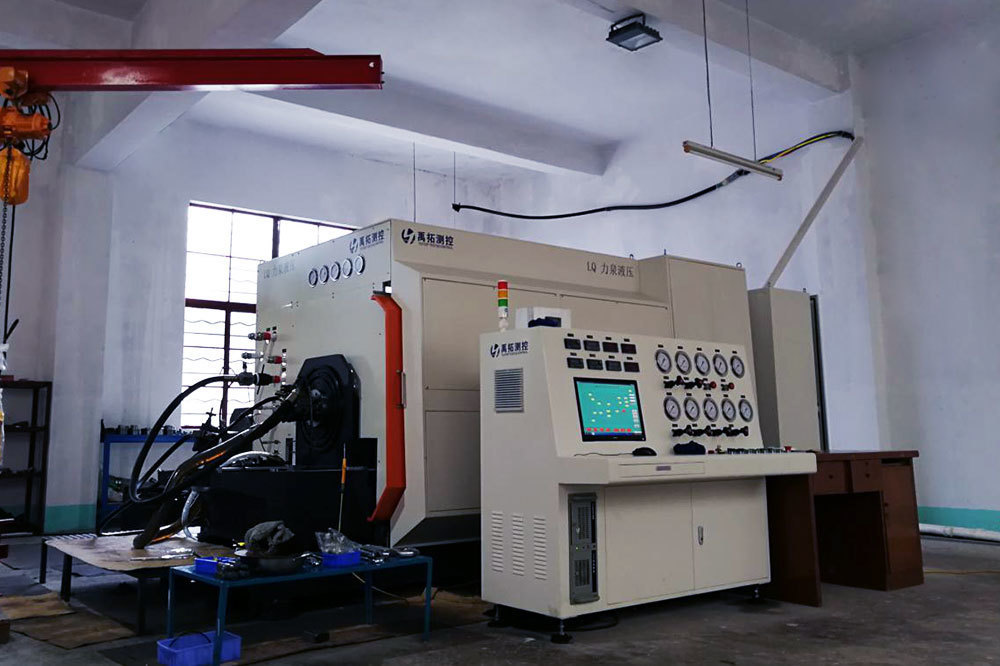
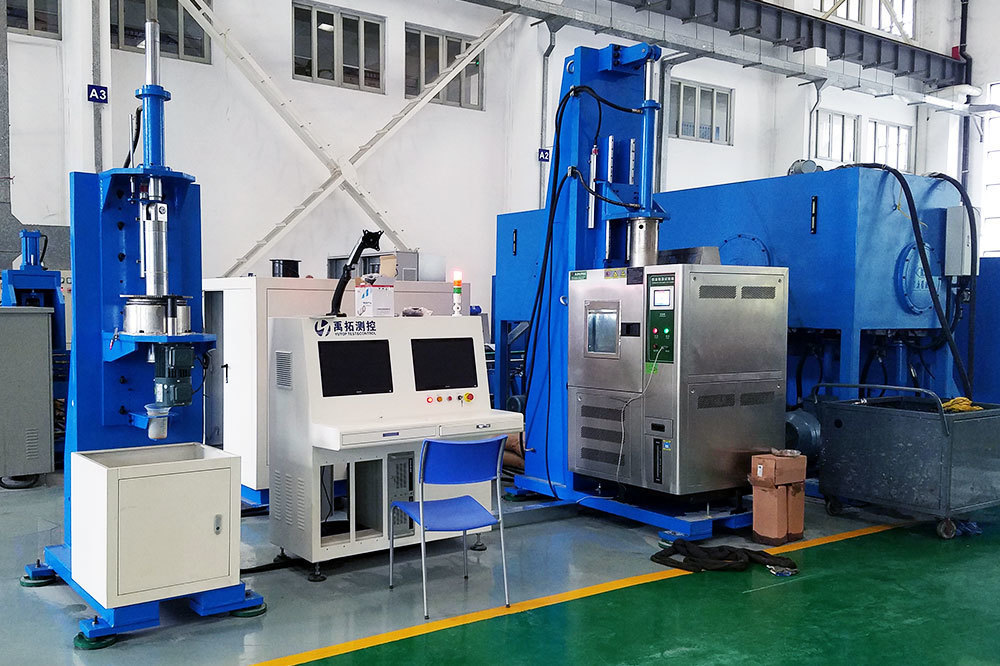
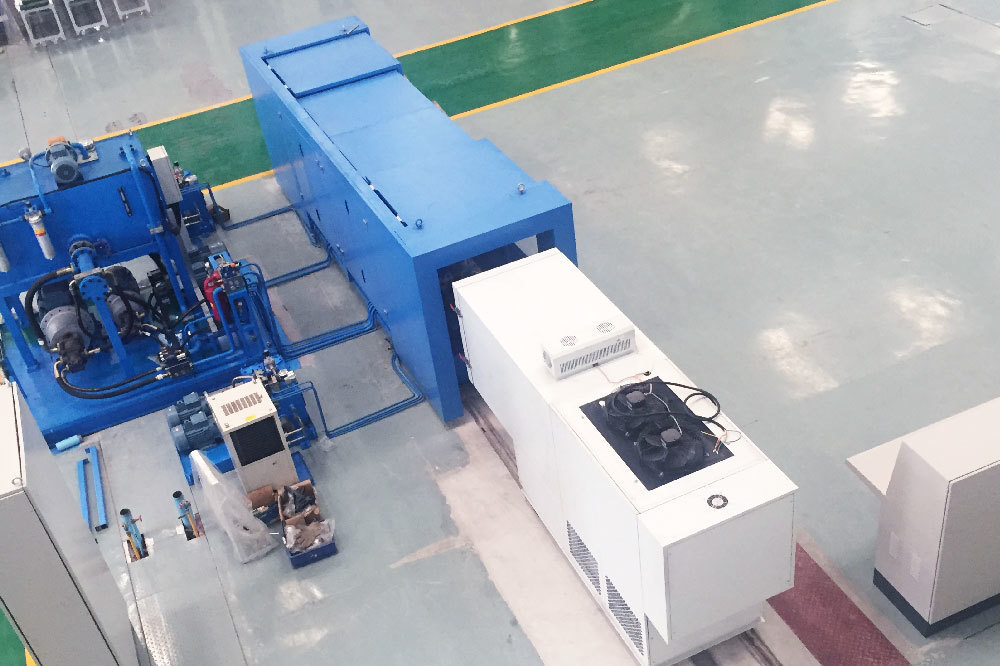
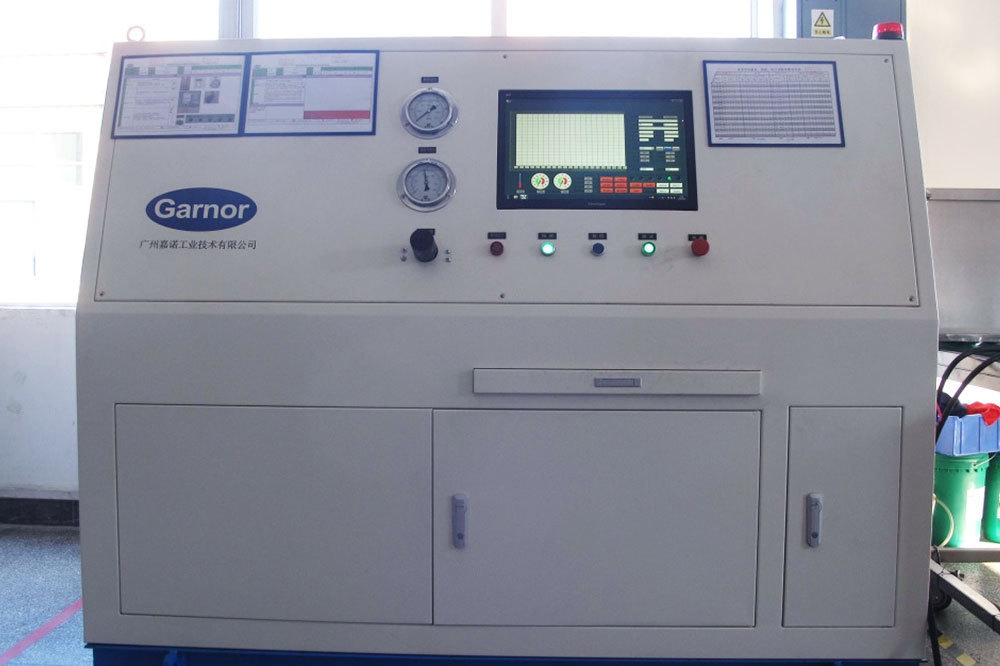
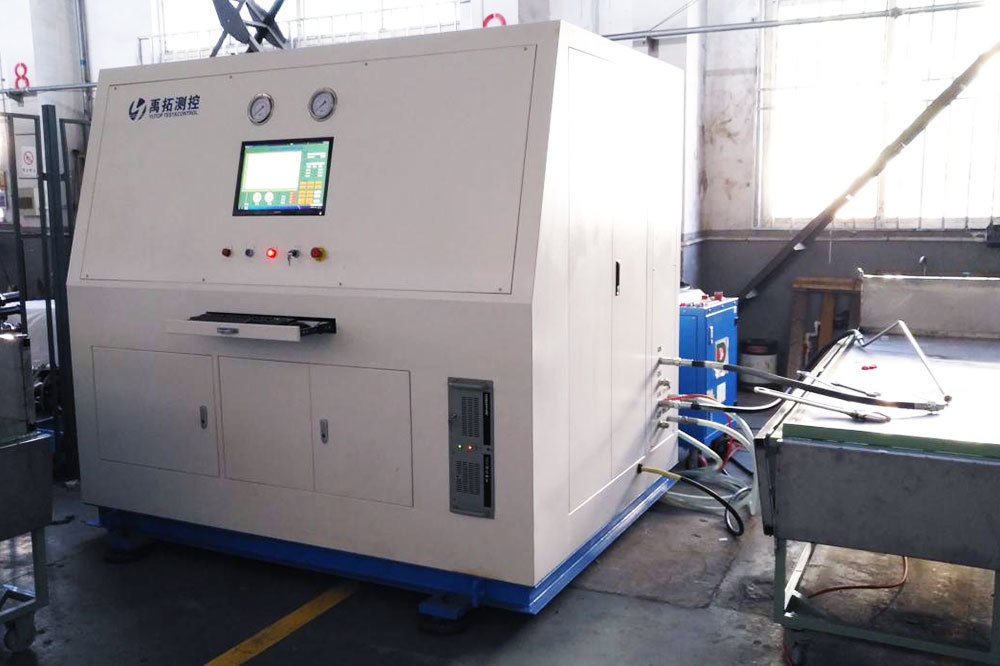
A test bench is a specialized piece of equipment designed to assess the performance of hydraulic systems, including those in excavators. It simulates real-world operating conditions, allowing for detailed analysis and troubleshooting of hydraulic components. By providing a controlled environment to test various parameters, test benches are invaluable for ensuring that hydraulic systems operate at peak efficiency and reliability.
2.1 Types of Test Benches
There are several types of test benches, each tailored for specific applications and equipment types:
- **Static Test Benches**: Used for testing hydraulic components in a stationary position.
- **Dynamic Test Benches**: Designed to simulate real-time operational conditions, allowing for more comprehensive testing.
- **Portable Test Benches**: Easy to transport, making them ideal for on-site testing.
3. Why Use a Test Bench for Excavator Hydraulics?
Implementing a test bench for excavator hydraulics brings numerous advantages that can significantly affect operational efficiency and safety.
3.1 Improving Performance
Regular testing with a hydraulic test bench allows for the identification of inefficiencies and performance issues. By assessing pressure levels, flow rates, and component integrity, operators can fine-tune their systems to enhance performance levels. This proactive approach not only maximizes the excavator's output but also reduces fuel consumption, resulting in cost savings.
3.2 Ensuring Safety
Faulty hydraulic systems pose serious safety risks, potentially leading to equipment failure or accidents on job sites. A test bench enables comprehensive testing of hydraulic circuits, ensuring that all components function correctly before they are put into service. This preventive measure minimizes the risk of hydraulic failures, promoting a safer working environment for operators and other personnel.
3.3 Extending Equipment Lifespan
By regularly testing hydraulic systems, potential problems can be detected and addressed before they escalate into costly repairs or replacements. A test bench helps operators maintain their excavators in optimal condition, extending the lifespan of hydraulic components and reducing overall maintenance costs.
4. Key Features of a Quality Test Bench
To maximize the benefits of using a test bench, it’s essential to choose one with the right features.
4.1 Accurate Measurement Tools
A quality test bench should come equipped with advanced measurement tools that provide accurate readings of pressure, flow, and temperature. These tools are vital for diagnosing issues within the hydraulic system.
4.2 User-Friendly Interface
An intuitive interface allows operators to easily navigate through testing procedures and interpret results. A user-friendly design reduces the learning curve and increases efficiency when conducting tests.
4.3 Robust Construction
Durability is crucial for a test bench, given the rigors of industrial environments. A well-constructed test bench can withstand heavy use and continue to perform accurately over time.
5. Best Practices for Using Test Benches
To achieve the best results from a test bench, adhering to certain practices is essential.
5.1 Regular Maintenance
Routine maintenance of the test bench itself is critical. Keeping the equipment in good condition ensures accurate testing results and prolongs the life of the bench.
5.2 Staff Training
Training staff on the proper use of the test bench is vital for safety and effectiveness. Well-trained operators can efficiently troubleshoot issues and interpret results, leading to better decisions regarding hydraulic system maintenance.
6. Common FAQs about Test Benches for Excavator Hydraulics
To further clarify the utility and importance of test benches in hydraulic systems, we address some common questions.
6.1 How often should I test my hydraulic system?
Regular testing is recommended, particularly before and after extensive use. Monthly checks can help identify potential issues early.
6.2 What are the signs that my hydraulic system needs testing?
Indicators include decreased performance, unusual noises, fluid leaks, or erratic movements in the excavator.
6.3 Can I use a test bench for other hydraulic equipment?
Yes, many test benches are versatile and can be used for various hydraulic systems, but it is essential to ensure compatibility.
6.4 What should I look for when purchasing a test bench?
Consider accuracy, feature set, ease of use, and durability. Selecting a bench that meets your specific needs will yield better results.
6.5 How do I interpret the test results?
Test results can provide insight into system performance, including flow rates and pressure levels. Consulting the test bench's manual or a hydraulic expert can aid in interpreting the data.
7. Conclusion
In conclusion, utilizing a test bench for excavator hydraulics offers **significant advantages** that can enhance performance, ensure safety, and extend the lifespan of machinery. By focusing on regular testing, operators can identify inefficiencies and prevent issues before they lead to costly repairs or unsafe conditions. Investing in a quality test bench is a proactive step towards optimizing your excavator's hydraulic system, ultimately resulting in improved operational efficiency and reduced downtime. As the construction industry remains competitive, embracing tools like hydraulic test benches will keep your equipment performing at its best.
PREVIOUS:

Room 209, 2nd Floor, No.12, No.828 Maogang Road, Huangpu District, Guangzhou,China.


