






Elevate Your Operations: The Power of a Unified Hydraulic Testing Framework
Elevate Your Operations: The Power of a Unified Hydraulic Testing Framework In today’s fast-paced industrial landscape, the effectiveness of hydraulic systems can significantly impact overall operational efficiency. A unified hydraulic testing framework is essential for businesses in the electrical and instrumentation sector to ensure that their systems function optimally. This article delves into
Feb 19,2026
Elevate Your Operations: The Power of a Unified Hydraulic Testing Framework
In today’s fast-paced industrial landscape, the effectiveness of hydraulic systems can significantly impact overall operational efficiency. A unified hydraulic testing framework is essential for businesses in the electrical and instrumentation sector to ensure that their systems function optimally. This article delves into the intricacies of hydraulic testing, highlighting its importance, methodology, and the benefits of adopting a comprehensive approach.
Table of Contents
- What is Hydraulic Testing?
- The Importance of Hydraulic Testing in Operations
- Key Components of a Unified Hydraulic Testing Framework
- Benefits of a Unified Hydraulic Testing Approach
- Methodologies in Hydraulic Testing
- Choosing the Right Tools for Hydraulic Testing
- Case Studies: Successful Implementations
- Future Trends in Hydraulic Testing
- Frequently Asked Questions (FAQs)
What is Hydraulic Testing?
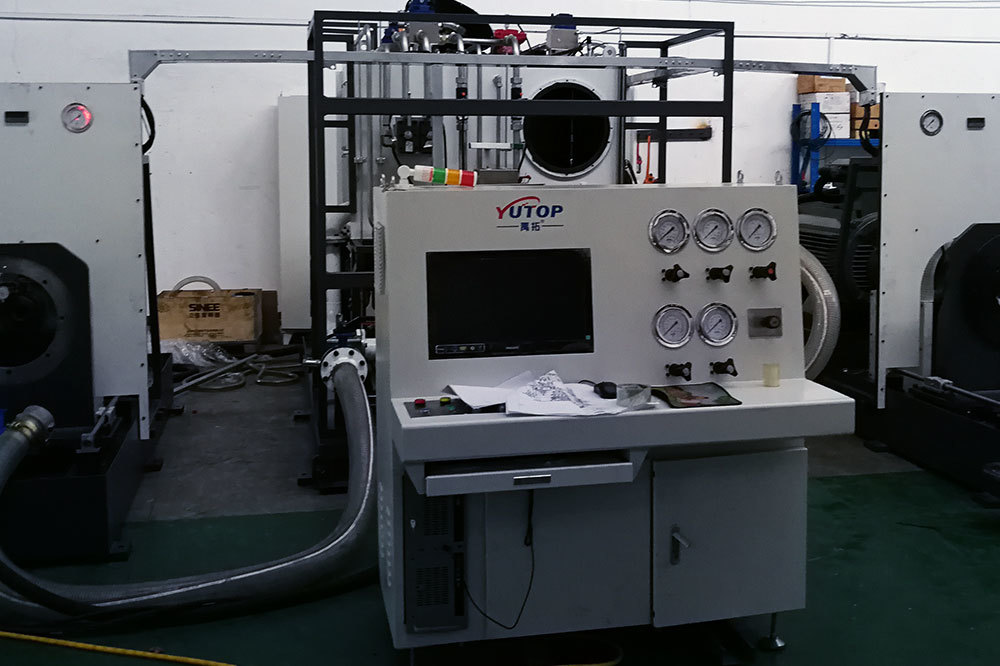
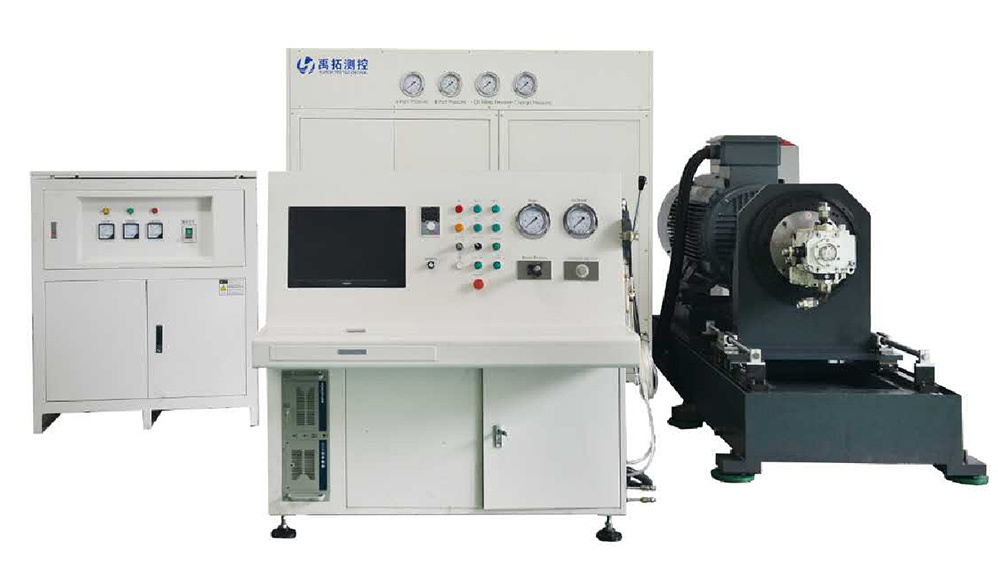
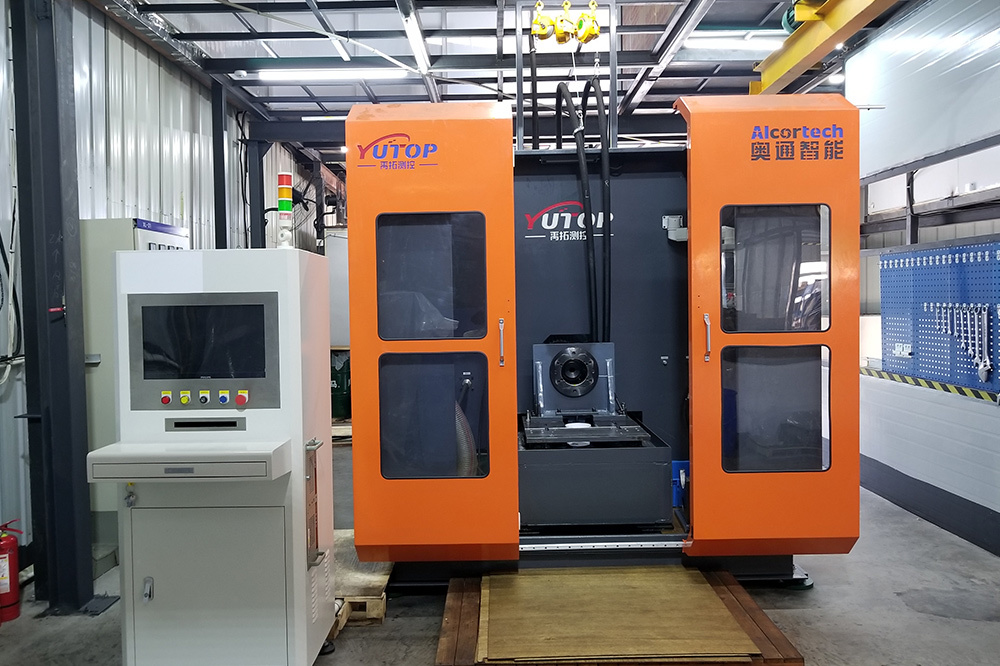
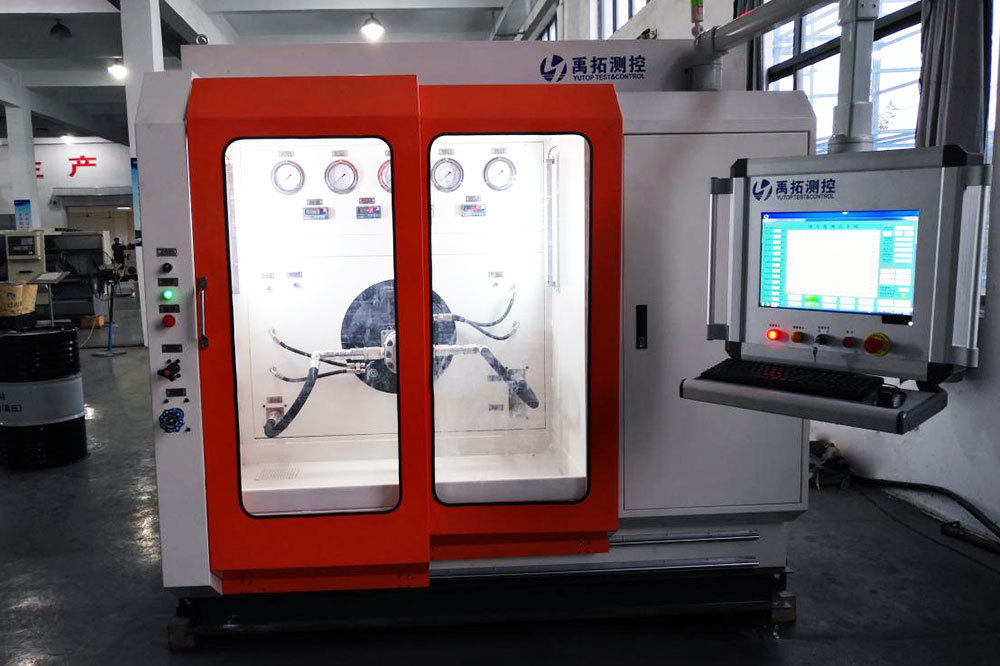
Hydraulic testing is a method employed to evaluate the integrity and performance of hydraulic systems. This process involves subjecting hydraulic components, such as pipes, pumps, and valves, to controlled pressure levels to identify potential leaks, weaknesses, or failures. The goal is to ensure that all components can withstand operational pressures and function safely and efficiently. By implementing a robust testing framework, organizations can gain insights into the condition and performance of their hydraulic systems.
Key Types of Hydraulic Testing
There are several key types of hydraulic testing that industries utilize, including:
- Pressure Testing: This method verifies the strength of components by applying pressure beyond their operational capacity to locate leaks and weaknesses.
- Leak Testing: Focuses on identifying any leaks within the hydraulic system, ensuring that all components are sealed properly.
- Functional Testing: Assesses the overall functionality of hydraulic systems under normal operating conditions to ensure all components work together efficiently.
The Importance of Hydraulic Testing in Operations
Hydraulic testing is critical for maintaining the reliability, efficiency, and safety of hydraulic systems. Neglecting this aspect can lead to catastrophic failures, resulting in significant downtime and financial loss. Implementing a unified hydraulic testing framework enhances the following aspects:
Safety and Compliance
Ensuring that hydraulic systems meet safety standards is paramount. Regular testing helps identify potential risks and ensures compliance with industry regulations, safeguarding personnel and equipment.
Cost Efficiency
By identifying issues early, organizations can avoid costly repairs and replacements. Investing in a unified hydraulic testing framework can significantly reduce maintenance costs over time.
Operational Efficiency
Effective hydraulic testing leads to improved system performance. A unified approach ensures all components work in harmony, minimizing energy consumption and maximizing productivity.
Key Components of a Unified Hydraulic Testing Framework
A unified hydraulic testing framework comprises several critical components that work together to enhance testing processes:
Standardized Procedures
Establishing standardized testing protocols ensures consistency and reliability across all tests. This includes defining the parameters for pressure, temperature, and duration of tests.
Integrated Technology
Leveraging advanced technology, such as digital pressure gauges, data loggers, and software solutions, enables real-time monitoring and analysis of test results. This integration allows for quicker decision-making and enhanced accuracy.
Training and Expertise
Having skilled personnel trained in hydraulic testing techniques is crucial. Continuous training ensures that staff members are up-to-date with the latest methodologies and technologies, promoting a culture of safety and excellence.
Benefits of a Unified Hydraulic Testing Approach
A unified approach to hydraulic testing offers numerous benefits for organizations:
Increased Reliability
Implementing a comprehensive testing framework enhances the reliability of hydraulic systems, ensuring they perform consistently under various conditions.
Improved Data Management
With integrated technology, organizations can collect and manage data effectively, leading to actionable insights that inform maintenance and operational strategies.
Enhanced Collaboration
A unified framework fosters collaboration between departments, enhancing communication and coordination in testing efforts.
Methodologies in Hydraulic Testing
There are various methodologies used in hydraulic testing, each serving specific purposes:
Static vs. Dynamic Testing
Static testing involves applying pressure to a system that is not in operation, while dynamic testing assesses performance during system operation. Understanding the appropriate methodology for each situation is critical for effective testing.
Destructive vs. Non-Destructive Testing
Destructive testing involves testing components to failure, whereas non-destructive testing assesses components without causing damage. Organizations often choose a combination of both methods depending on their objectives.
Choosing the Right Tools for Hydraulic Testing
Selecting the appropriate tools is vital for successful hydraulic testing. Here are some key considerations:
Measurement Accuracy
Investing in high-quality pressure gauges and flow meters ensures accurate measurements, which are essential for reliable testing results.
Compatibility
Tools must be compatible with the specific hydraulic fluids and components used in the system to avoid damage and ensure accurate results.
Ease of Use
Choosing user-friendly tools simplifies the testing process, making it easier for operators to conduct tests and interpret results.
Case Studies: Successful Implementations
Examining real-world applications of unified hydraulic testing frameworks provides valuable insights. Here are two case studies that highlight successful implementations:
Case Study 1: Manufacturing Industry
A leading manufacturer of hydraulic equipment adopted a unified testing framework that integrated advanced data analytics tools. This implementation reduced their failure rate by 25% and improved overall system performance significantly.
Case Study 2: Construction Sector
A construction company focused on hydraulic machinery optimized their testing process by standardizing procedures across all sites. As a result, they achieved a 30% reduction in downtime and enhanced compliance with safety regulations.
Future Trends in Hydraulic Testing
The landscape of hydraulic testing is evolving with technological advancements. Here are some future trends to watch:
Automation and AI
Automation and artificial intelligence are set to revolutionize hydraulic testing, enabling predictive maintenance and real-time monitoring. These technologies will enhance accuracy and efficiency, allowing for proactive decision-making.
Remote Monitoring Solutions
With the rise of IoT, remote monitoring solutions are becoming increasingly popular. These systems allow for continuous monitoring of hydraulic systems, providing instant alerts for any anomalies.
Frequently Asked Questions (FAQs)
1. What is the primary purpose of hydraulic testing?
The primary purpose of hydraulic testing is to ensure the integrity and functionality of hydraulic systems, identifying any potential leaks or weaknesses.
2. How often should hydraulic testing be performed?
The frequency of hydraulic testing depends on the operational demands and industry standards. Regular testing is recommended to ensure safety and performance.
3. What are the risks of not conducting hydraulic testing?
Neglecting hydraulic testing can lead to system failures, severe safety hazards, and significant financial losses due to downtime and repair costs.
4. Can hydraulic systems be tested without shutting down operations?
Yes, dynamic testing allows for the assessment of hydraulic systems while they are in operation, minimizing disruptions.
5. What advancements are shaping the future of hydraulic testing?
Advancements in automation, AI, and remote monitoring technologies are revolutionizing hydraulic testing, enhancing efficiency and accuracy.
Conclusion
Implementing a unified hydraulic testing framework can have profound impacts on operational efficiency, safety, and cost-effectiveness. By understanding the components, methodologies, and emerging trends in hydraulic testing, organizations can elevate their operations and ensure the longevity of their hydraulic systems. Embracing this approach not only boosts productivity but also fosters a culture of safety and reliability—crucial elements in today’s competitive industrial environment.
PREVIOUS:

Room 209, 2nd Floor, No.12, No.828 Maogang Road, Huangpu District, Guangzhou,China.


