

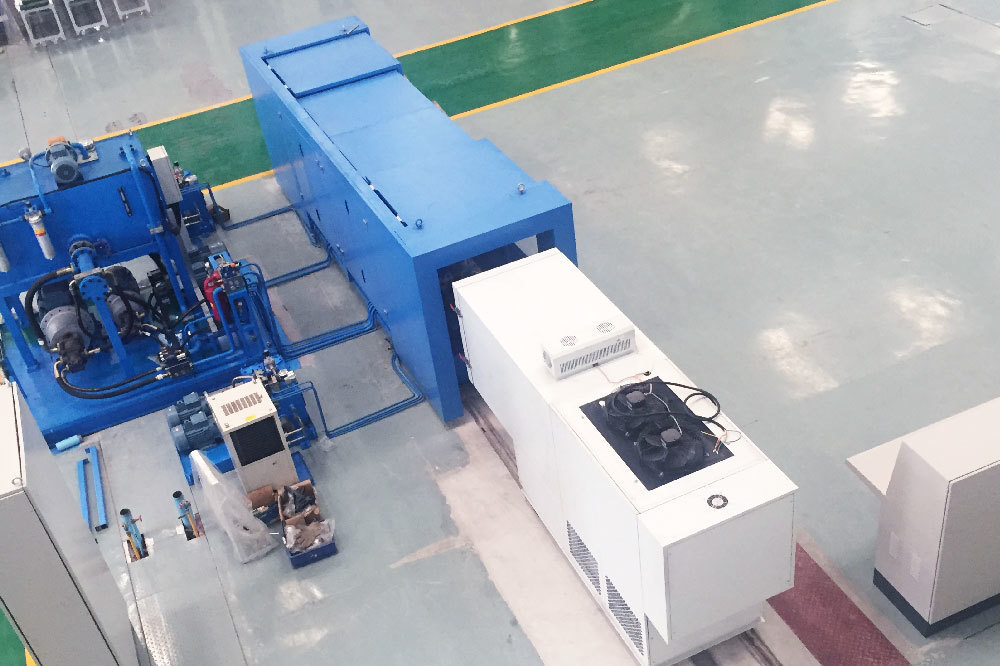
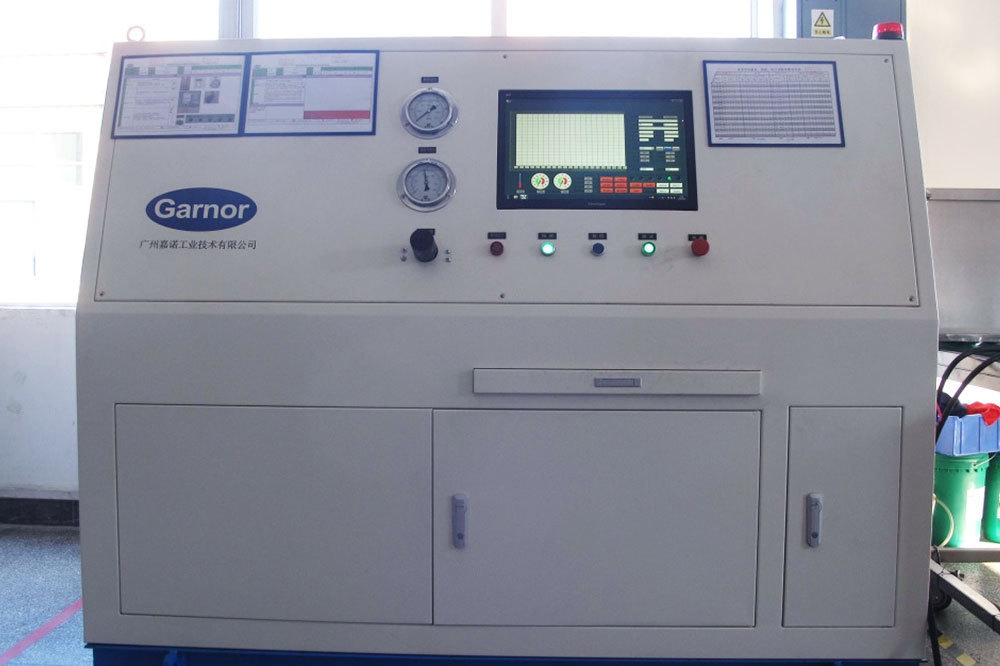
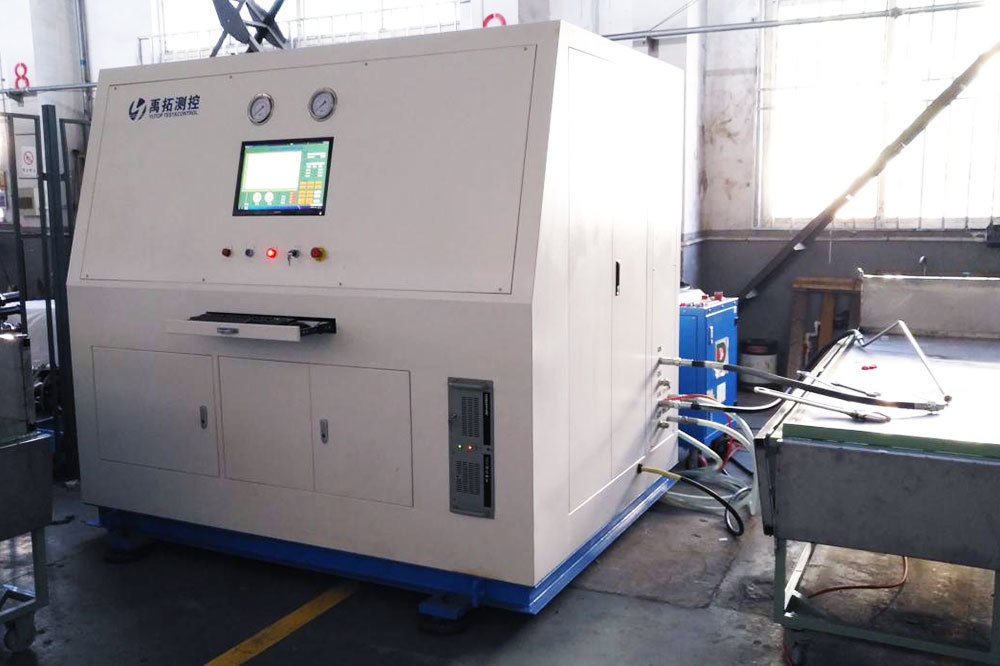
How Piston Pump Testing Equipment Can Improve Industrial Efficiency
How Piston Pump Testing Equipment Can Improve Industrial Efficiency Understanding Piston Pumps in Industrial Applications Piston pumps are a critical component in various industrial sectors, known for their ability to handle high-pressure applications. These pumps work by using a piston to create a vacuum, drawing in liquid and then displacing it through a discharge outlet. Their applications rang
Feb 25,2026
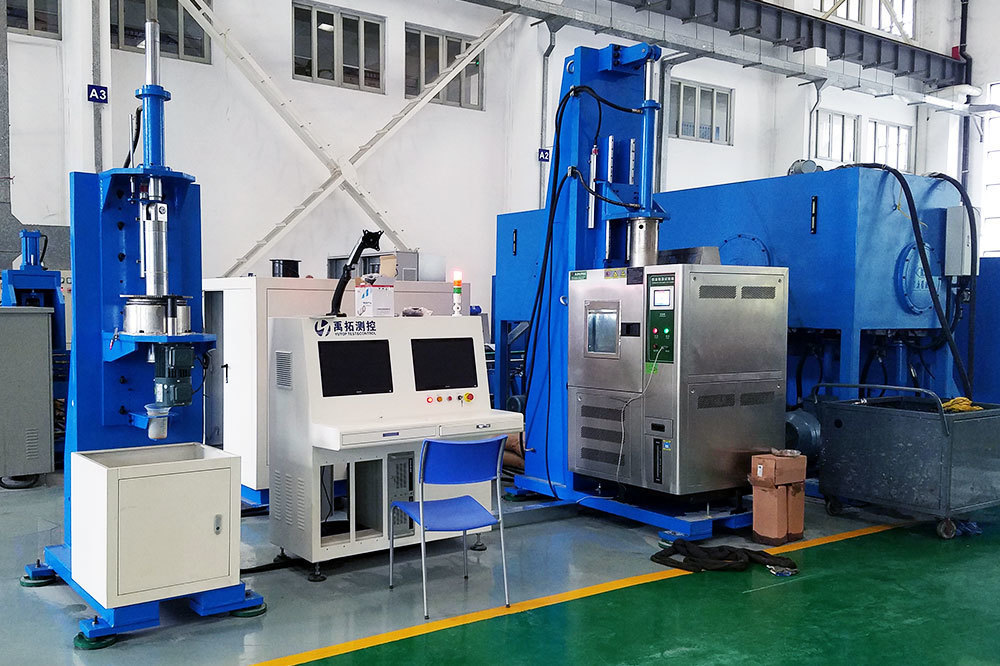
How Piston Pump Testing Equipment Can Improve Industrial Efficiency
Understanding Piston Pumps in Industrial Applications
Piston pumps are a critical component in various industrial sectors, known for their ability to handle high-pressure applications. These pumps work by using a piston to create a vacuum, drawing in liquid and then displacing it through a discharge outlet. Their applications range from hydraulic systems to chemical processing, making them indispensable in modern industry.
The Importance of Testing in Pump Performance
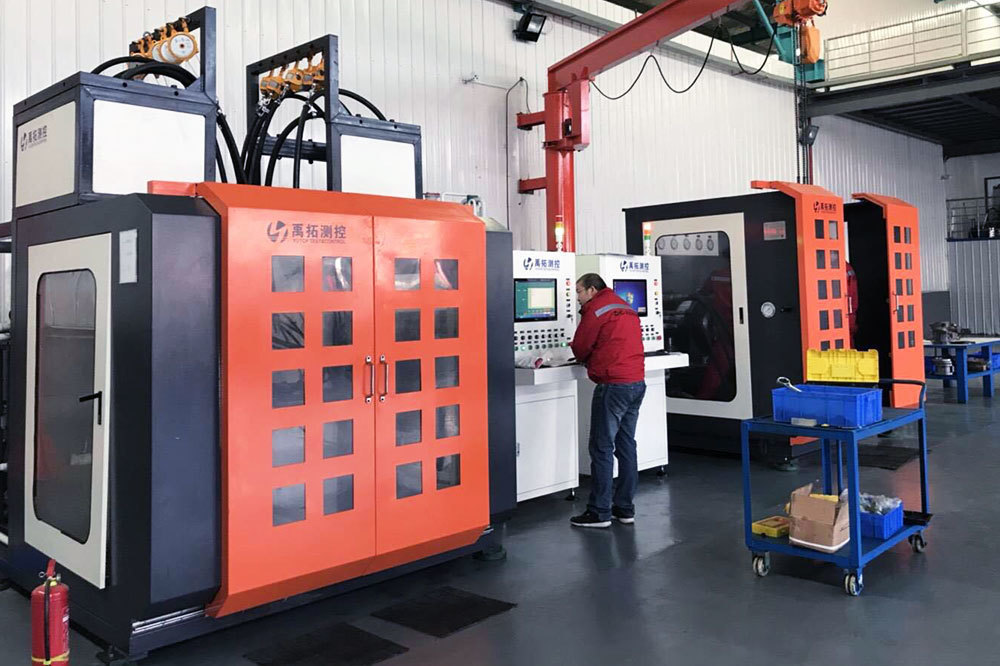
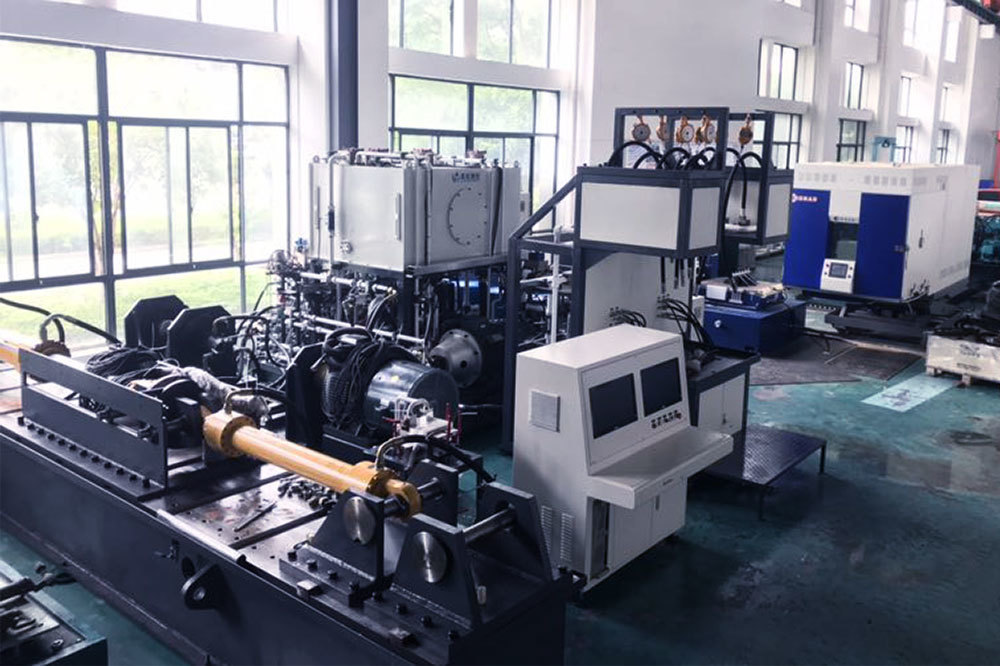
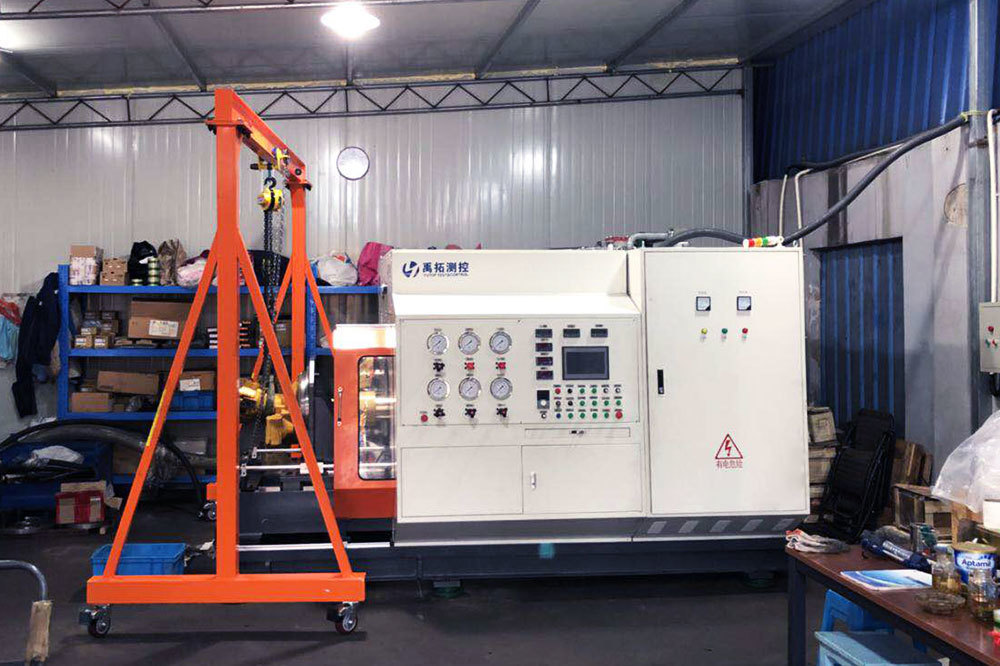
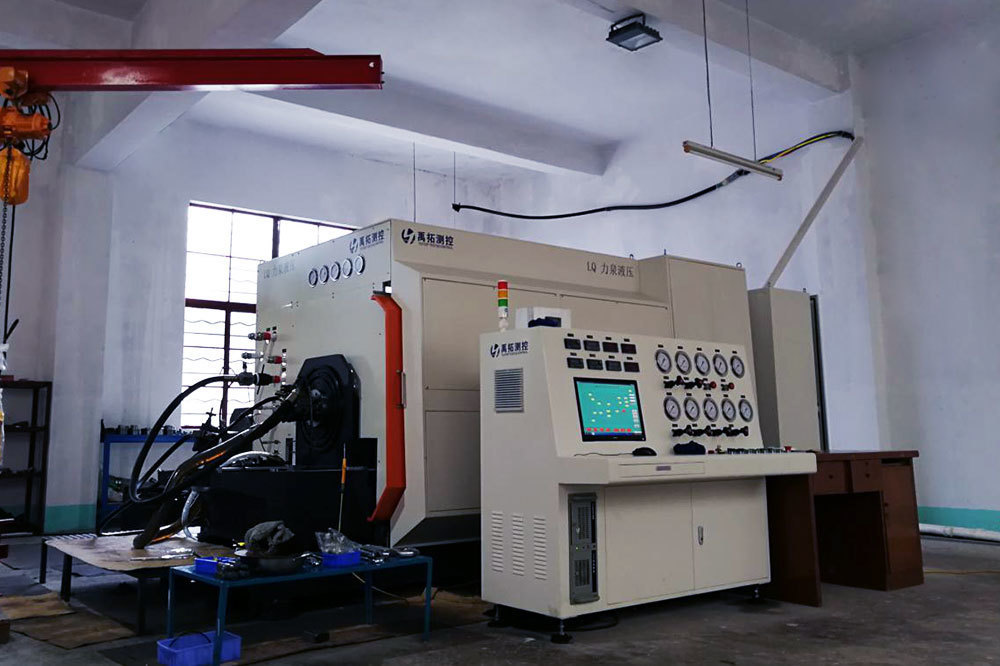
To ensure that piston pumps operate at peak efficiency, **testing** is crucial. Regular testing can help identify potential issues before they escalate into costly failures. By employing the right testing equipment, industries can ensure their pumps meet the required specifications and operational standards.
Key Benefits of Piston Pump Testing Equipment
1. **Enhanced Reliability**: Regular testing helps in maintaining the reliability of pumps, ensuring they perform optimally throughout their lifespan.
2. **Increased Efficiency**: By identifying inefficiencies, testing can help in making necessary adjustments to improve performance.
3. **Cost Savings**: Early detection of issues can significantly reduce repair costs and downtime, leading to substantial savings for businesses.
4. **Compliance and Safety**: Testing ensures compliance with industry standards and safety regulations, protecting workers and equipment alike.
Types of Piston Pump Testing Equipment
Understanding the different types of testing equipment available is essential for optimizing pump performance. Here are some commonly used tools:
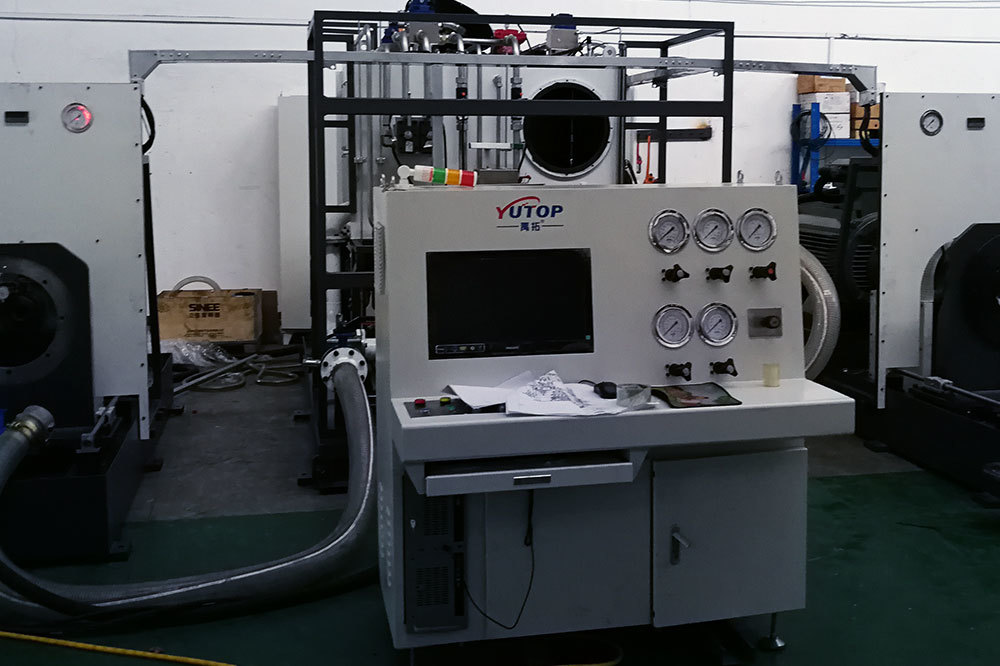
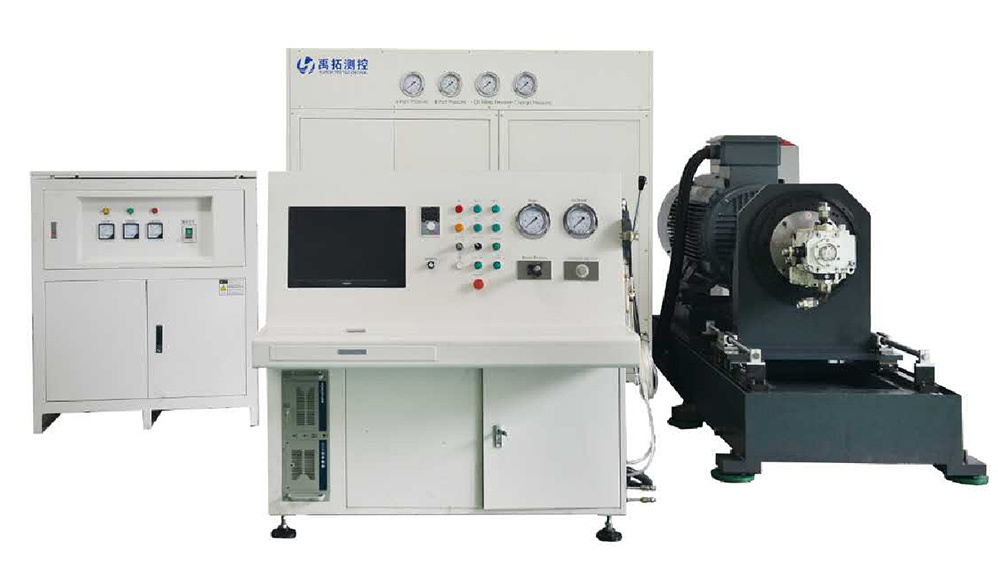
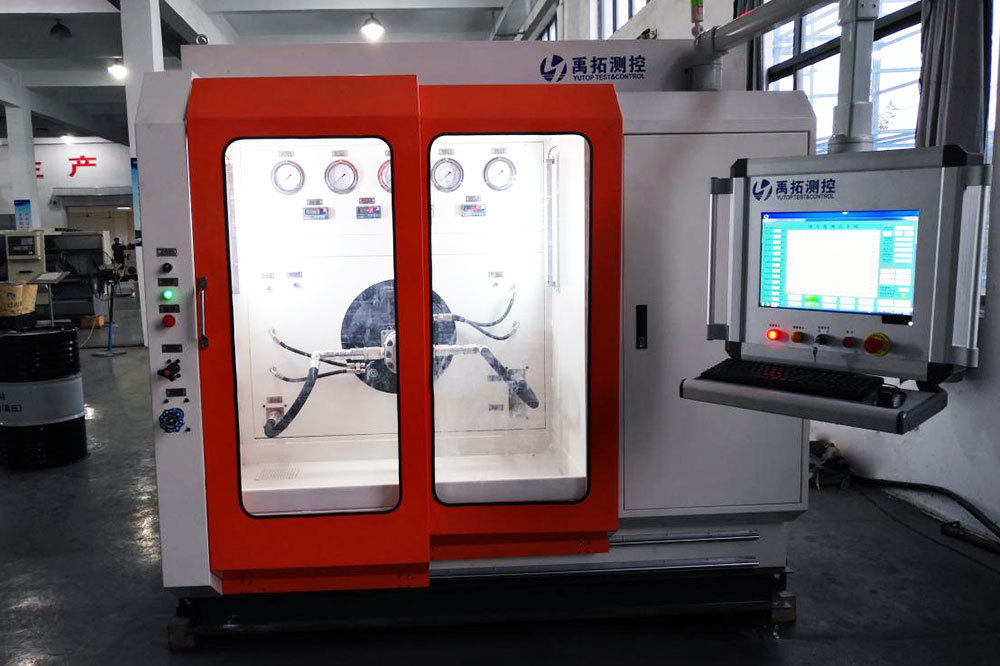
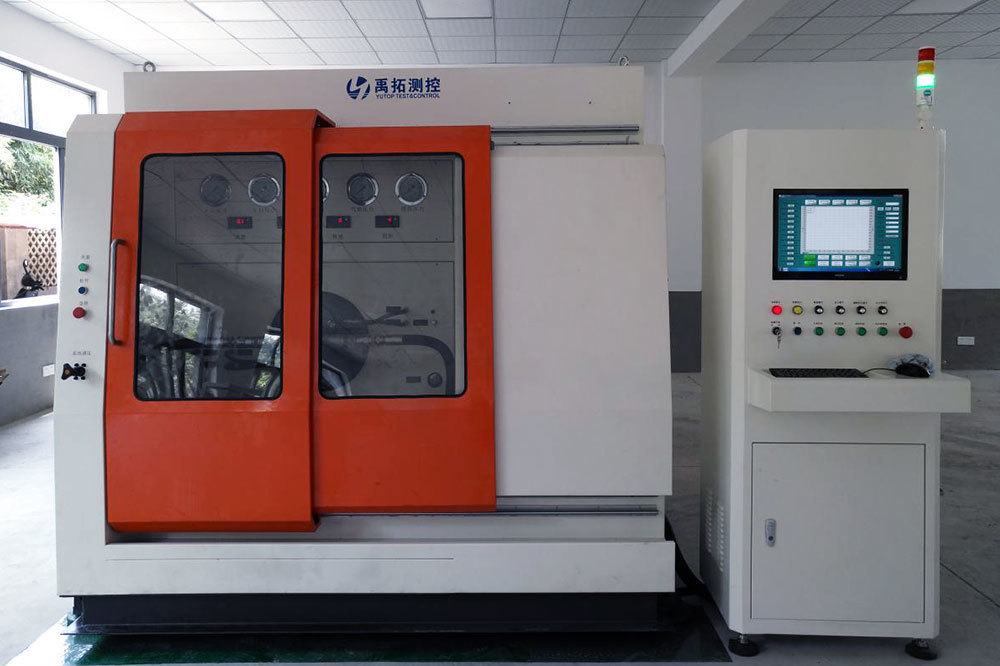
- **Pressure Test Gauges**: Measure the pressure output of the pump to ensure it meets specifications.
- **Flow Meters**: Assess the flow rate to determine if the pump is operating efficiently.
- **Vibration Analyzers**: Detect abnormal vibrations that indicate mechanical issues.
- **Leak Testers**: Identify leaks that could lead to performance loss or safety hazards.
Implementing a Testing Protocol for Piston Pumps
Creating an effective testing protocol is vital for maximizing the benefits of piston pump testing equipment. Here’s a step-by-step guide:
Step 1: Define Objectives
Determine what you aim to achieve with the testing. This could include improving efficiency, ensuring compliance, or minimizing downtime.
Step 2: Select the Appropriate Testing Equipment
Choose the right tools based on your specific needs and the types of piston pumps in use. Consider factors like pressure range, flow rate, and the specific characteristics of the fluids being pumped.
Step 3: Conduct Regular Testing
Establish a schedule for regular testing. This can be daily, weekly, or monthly, depending on the criticality of the application and the operating environment.
Step 4: Analyze Results
Collect and analyze data from tests to identify trends and potential issues. This analysis can help in making informed decisions regarding maintenance and upgrades.
Step 5: Make Adjustments and Improvements
Based on the test results, implement necessary adjustments to enhance pump performance. This may involve recalibrating equipment, replacing worn-out parts, or modifying operational procedures.
Common Challenges in Piston Pump Testing
While testing is essential, it does come with its challenges. Here are some of the most common issues faced during piston pump testing:
Inaccurate Measurements
Inaccurate readings can lead to false conclusions about pump performance. Ensuring proper calibration of testing equipment is vital to obtain reliable data.
Environmental Factors
Conditions such as temperature and humidity can affect pump performance and test results. It's important to standardize testing conditions whenever possible.
Resource Limitations
Some industries may face constraints in terms of budget or manpower, limiting their ability to perform thorough testing. Exploring cost-effective solutions can help mitigate this challenge.
Case Studies: Success Stories in Piston Pump Testing
Examining real-world examples of successful piston pump testing implementations can provide valuable insights. Here are a few case studies:
Case Study 1: Chemical Processing Plant
A chemical processing plant implemented a rigorous testing schedule for their piston pumps, leading to a 20% increase in efficiency. By utilizing pressure test gauges and flow meters, they identified bottlenecks in their system that were hindering performance.
Case Study 2: Hydraulic Systems Manufacturer
A manufacturer of hydraulic systems faced frequent pump failures due to undetected wear and tear. By introducing vibration analyzers into their testing regimen, they reduced unplanned downtime by 30%, significantly improving their operational efficiency.
Future Trends in Piston Pump Testing Technology
As technology continues to evolve, so does the equipment used for testing piston pumps. Emerging trends include:
Internet of Things (IoT) Integration
The integration of IoT technology will allow for real-time monitoring and data analysis, enabling quicker decision-making and predictive maintenance strategies.
Advanced Predictive Analytics
Using machine learning algorithms, industries can predict pump failures before they occur, saving time and resources.
Remote Testing Capabilities
Developments in remote testing equipment will allow for off-site monitoring and diagnostics, providing flexibility and enhancing operational efficiency.
FAQs about Piston Pump Testing Equipment
What is the primary purpose of piston pump testing equipment?
The main purpose is to assess the performance and reliability of piston pumps, ensuring they operate efficiently and comply with industry standards.
How often should piston pumps be tested?
Testing frequency can vary based on usage but generally ranges from monthly to quarterly, with more frequent testing for critical applications.
Can testing equipment be calibrated?
Yes, most testing equipment can and should be calibrated regularly to ensure accurate readings and reliable performance.
What are the signs that a piston pump needs maintenance?
Common signs include unusual noises, decreased flow rates, and increased energy consumption, which may indicate the need for maintenance or testing.
Is it cost-effective to invest in piston pump testing equipment?
Yes, investing in testing equipment can lead to long-term savings by preventing costly failures and reducing downtime.
Conclusion
In conclusion, utilizing piston pump testing equipment is essential for improving industrial efficiency. By adopting a structured testing protocol, businesses can enhance reliability, increase operational efficiency, and ultimately save on costs. With the continuous advancements in testing technology, the future looks promising for industries reliant on piston pumps. Investing in robust testing practices not only ensures compliance but also positions businesses for sustained success in a competitive landscape.

Room 207, 2nd Floor, Block C, Building 1 (Self-designated), No. 3 Yunkai Road, Yunpu Industrial Zone, Huangpu District, Guangzhou City,China


