

Exploring Different Types of Test Benches for Excavator Hydraulic Systems
Exploring Different Types of Test Benches for Excavator Hydraulic Systems Table of Contents 1. Introduction to Excavator Hydraulic Systems 2. Importance of Test Benches in Hydraulic Systems 3. Types of Test Benches for Excavator Hydraulic Systems 3.1 Static Test Benches 3.2 Dynamic Test Benches 3.3 Mobile Test Benches 3.4 Computerized Test Benches 4. E
Mar 05,2026

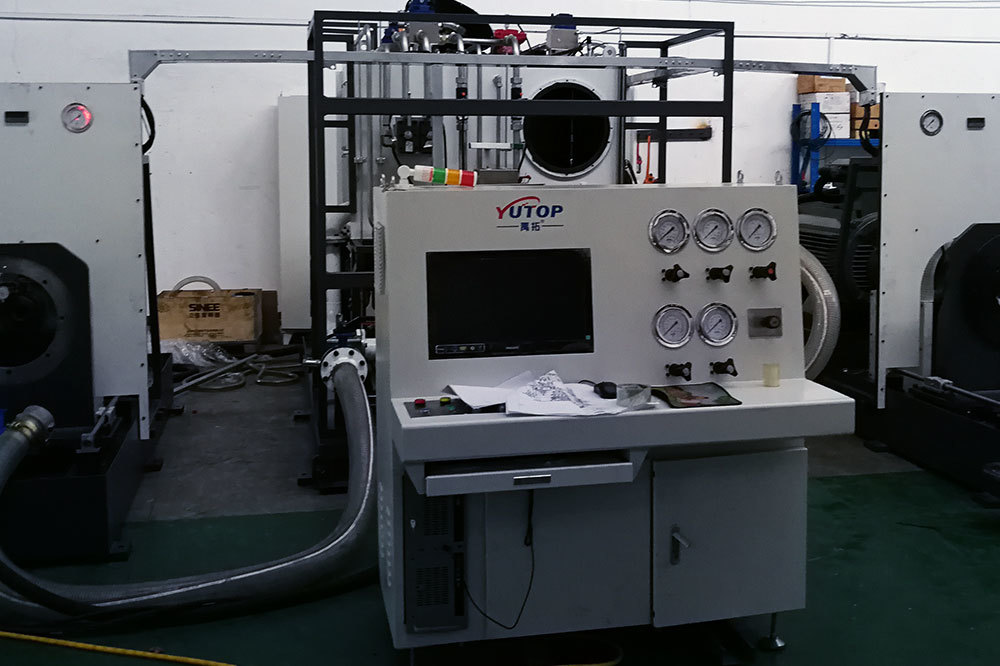
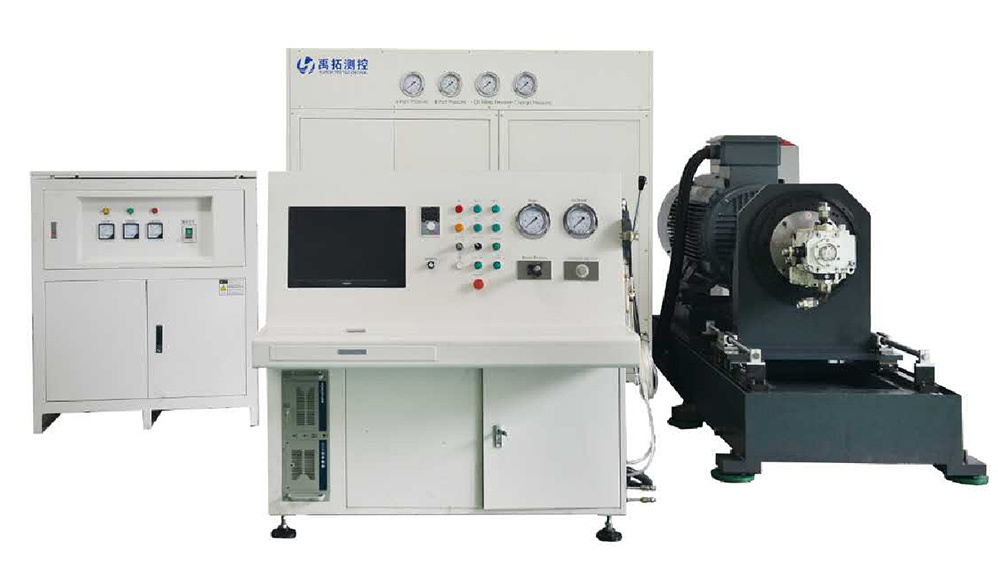
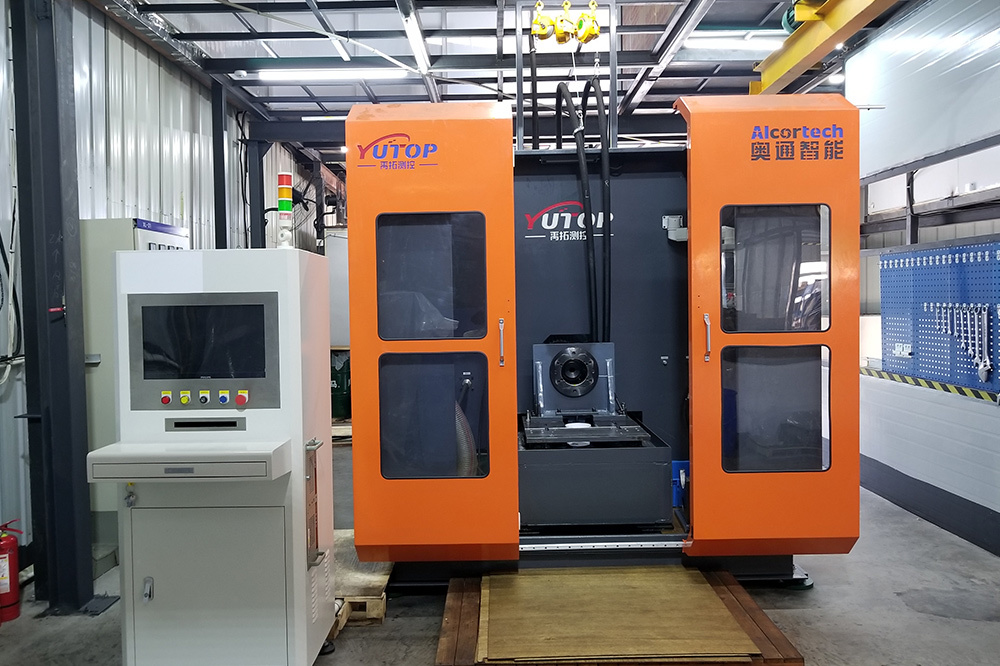
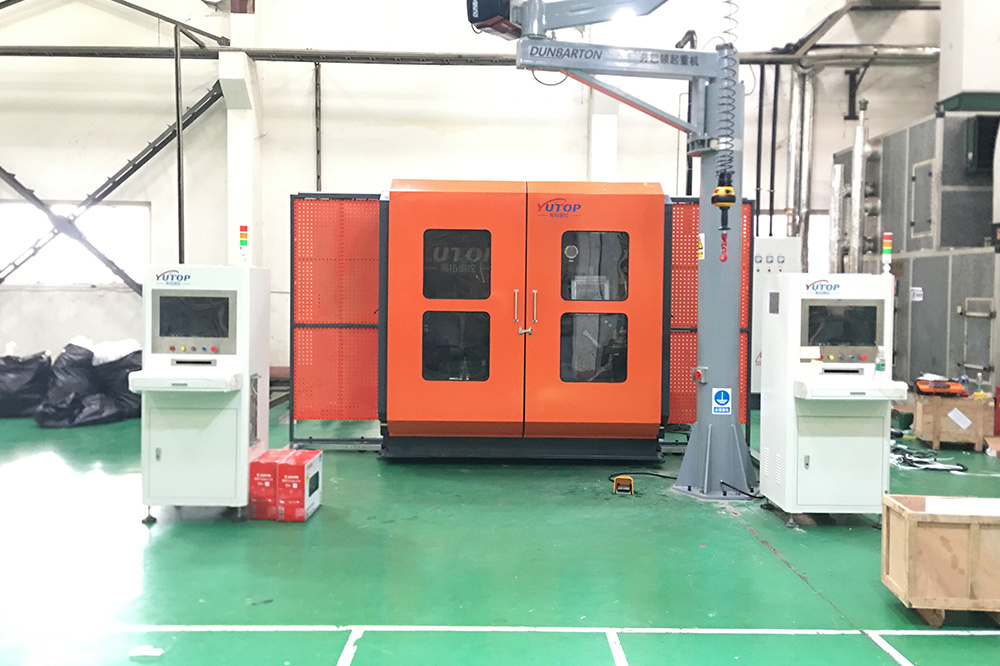
Exploring Different Types of Test Benches for Excavator Hydraulic Systems
Table of Contents
- 1. Introduction to Excavator Hydraulic Systems
- 2. Importance of Test Benches in Hydraulic Systems
- 3. Types of Test Benches for Excavator Hydraulic Systems
- 3.1 Static Test Benches
- 3.2 Dynamic Test Benches
- 3.3 Mobile Test Benches
- 3.4 Computerized Test Benches
- 4. Essential Features to Look for in Test Benches
- 5. How to Choose the Right Test Bench
- 6. Maintenance Tips for Test Benches
- 7. The Future of Test Bench Technology in Excavation
- 8. Frequently Asked Questions
- 9. Conclusion
1. Introduction to Excavator Hydraulic Systems
Excavator hydraulic systems are integral components that allow these powerful machines to perform a variety of tasks, from digging trenches to lifting heavy loads. The efficiency and effectiveness of these systems depend on the hydraulic components, including pumps, valves, and cylinders. Proper testing and maintenance of these components are crucial to ensure optimal performance and prevent costly breakdowns. This is where **test benches** come into play.
2. Importance of Test Benches in Hydraulic Systems
Test benches serve as a critical tool for diagnosing and assessing the performance of hydraulic systems. They allow technicians to simulate operational conditions and evaluate system functionality under controlled circumstances. This leads to several benefits, including:
- **Enhanced Performance**: Regular testing helps ensure that hydraulic systems operate at peak efficiency.
- **Extended Lifespan**: Identifying and rectifying issues early can prolong the life of expensive hydraulic components.
- **Safety Assurance**: Test benches help in detecting leaks or weaknesses in hydraulic systems, reducing the risk of accidents.
- **Cost-Effectiveness**: Investing in quality test benches can save significant repair costs in the long run.
3. Types of Test Benches for Excavator Hydraulic Systems
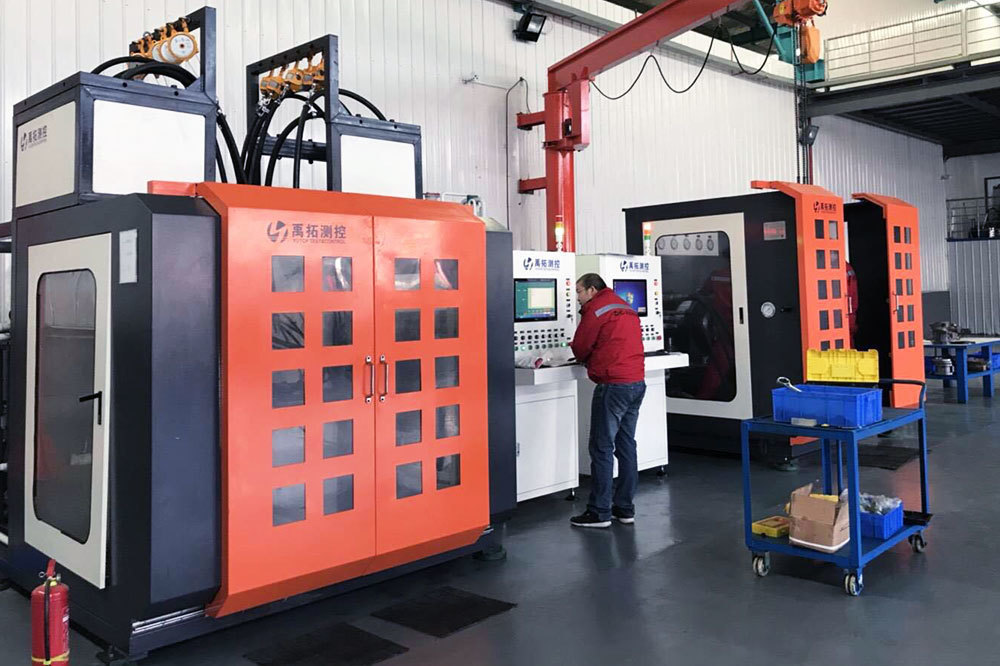
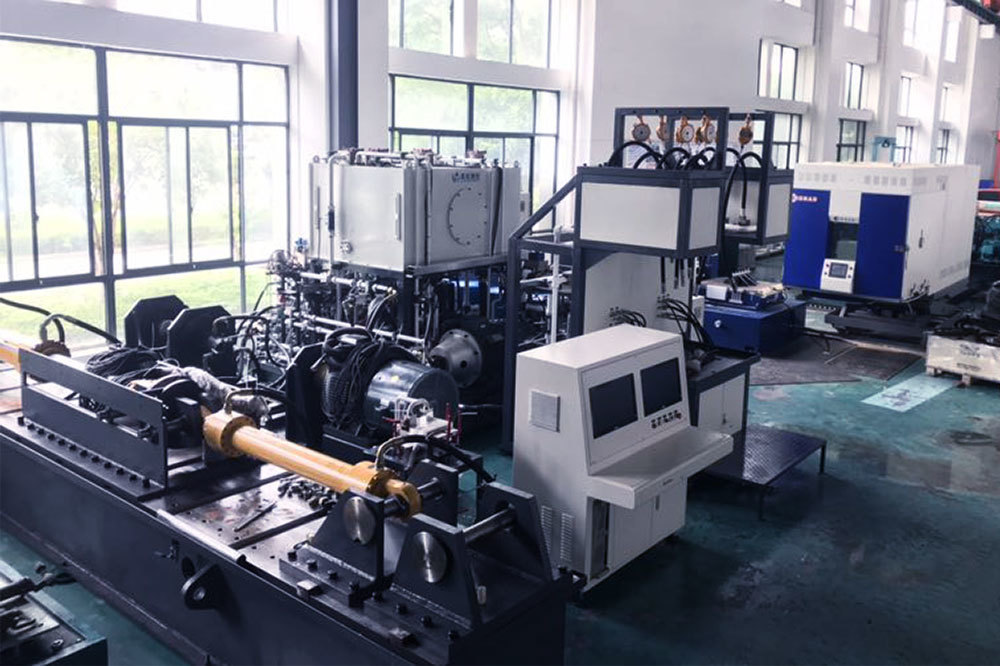
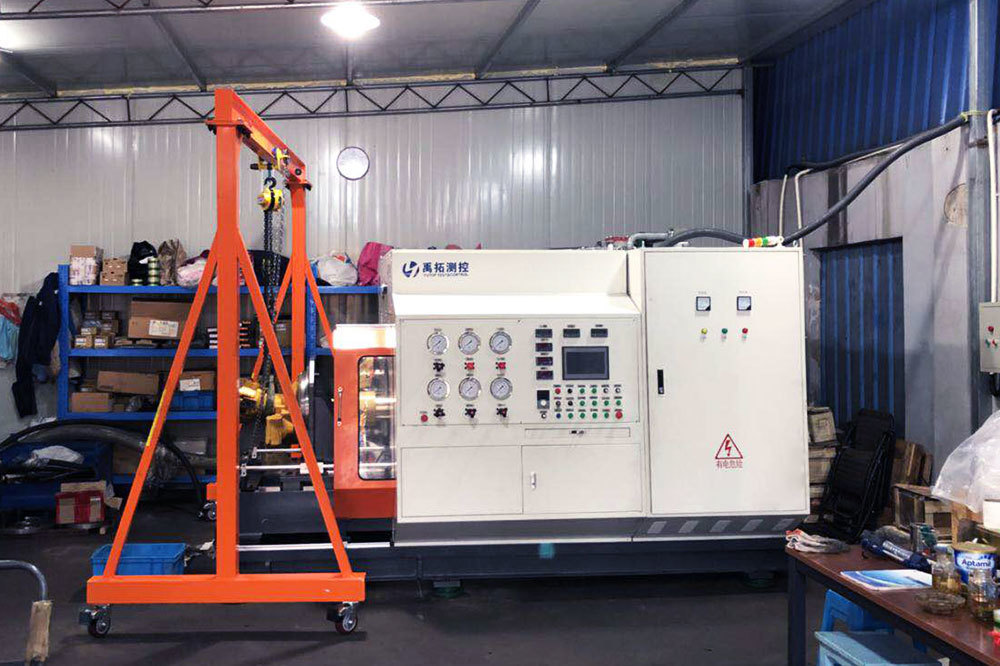
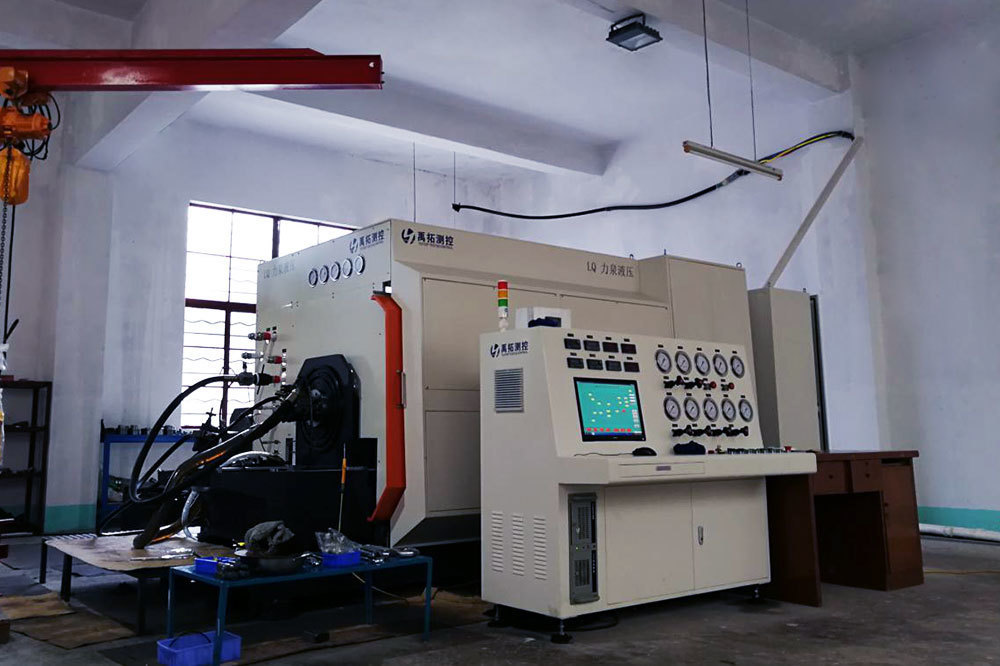
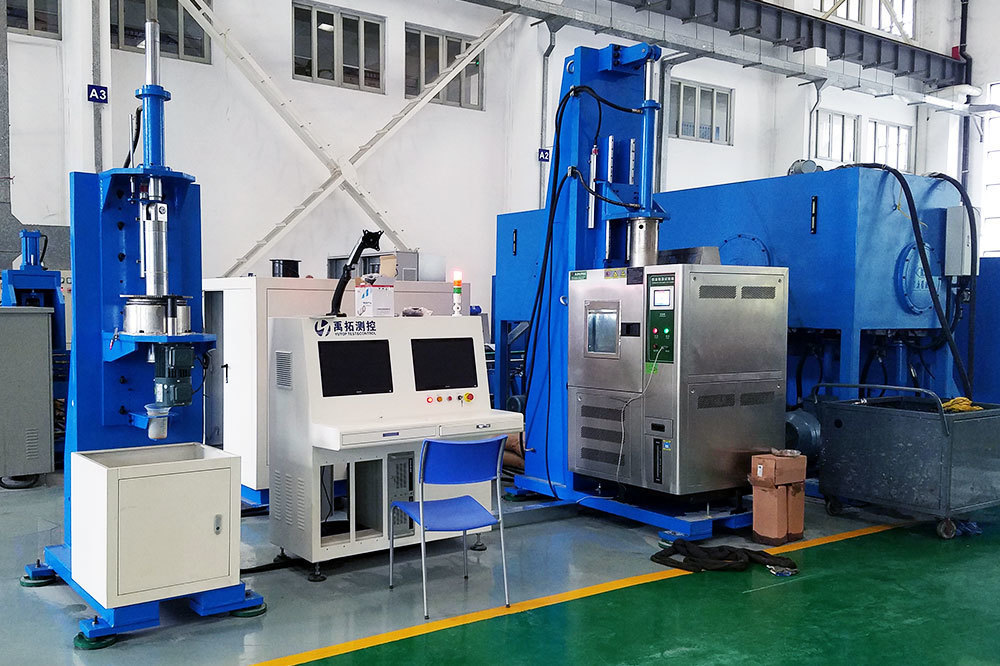
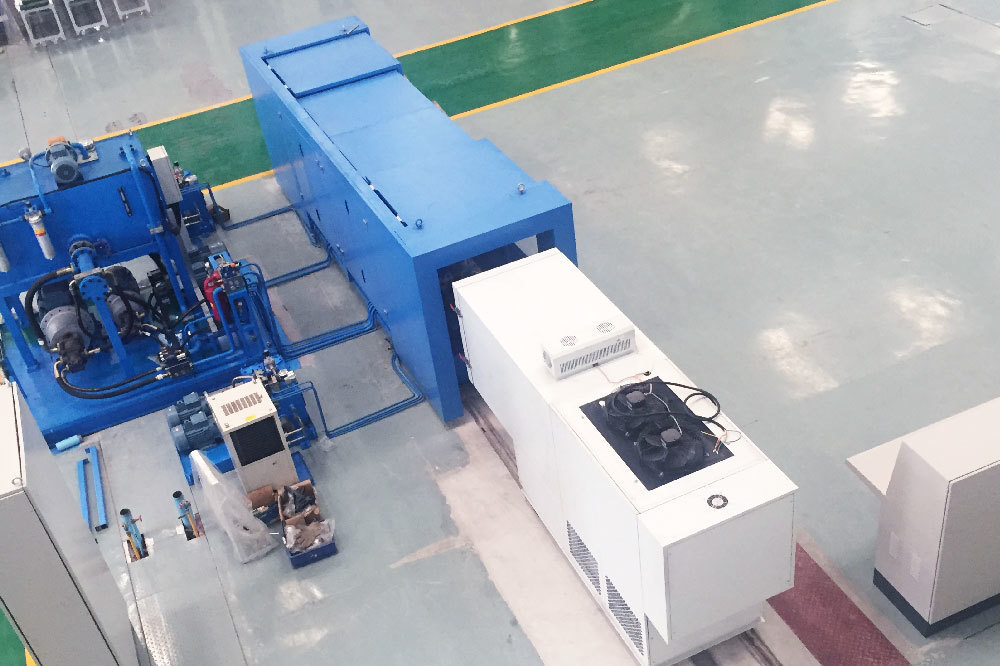
There are various types of test benches designed for excavator hydraulic systems, each with unique capabilities and applications. Understanding these different types is essential for selecting the right one for your needs.
3.1 Static Test Benches
Static test benches are designed to test hydraulic components under fixed conditions. They are ideal for evaluating individual components like pumps and valves. By applying pressure and measuring output, technicians can determine if a component meets required specifications. Key features include:
- Fixed setups that allow for precise measurements
- Ability to simulate various pressure scenarios
- Easy integration with data acquisition systems for performance analysis
3.2 Dynamic Test Benches
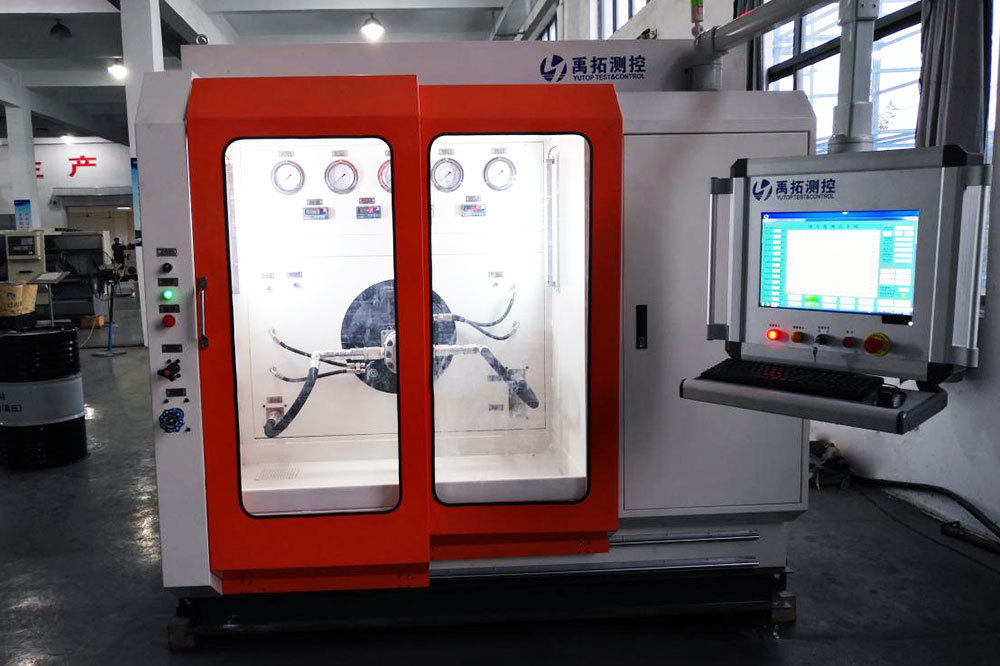
Dynamic test benches provide a real-time testing environment for hydraulic systems. Unlike static benches, they simulate actual working conditions, allowing for a more comprehensive evaluation. These test benches are critical for assessing the performance of entire hydraulic circuits. Notable attributes include:
- Real-time performance monitoring
- Ability to simulate different operational scenarios and loads
- Versatility for testing complete systems rather than individual components
3.3 Mobile Test Benches
Mobile test benches are designed for fieldwork, enabling technicians to conduct tests on-site as hydraulic systems operate in real environments. This mobility contributes to more efficient troubleshooting and repairs. Features of mobile test benches include:
- Compact and portable design
- Integrated power sources for remote testing
- User-friendly interfaces for quick setup and operation
3.4 Computerized Test Benches
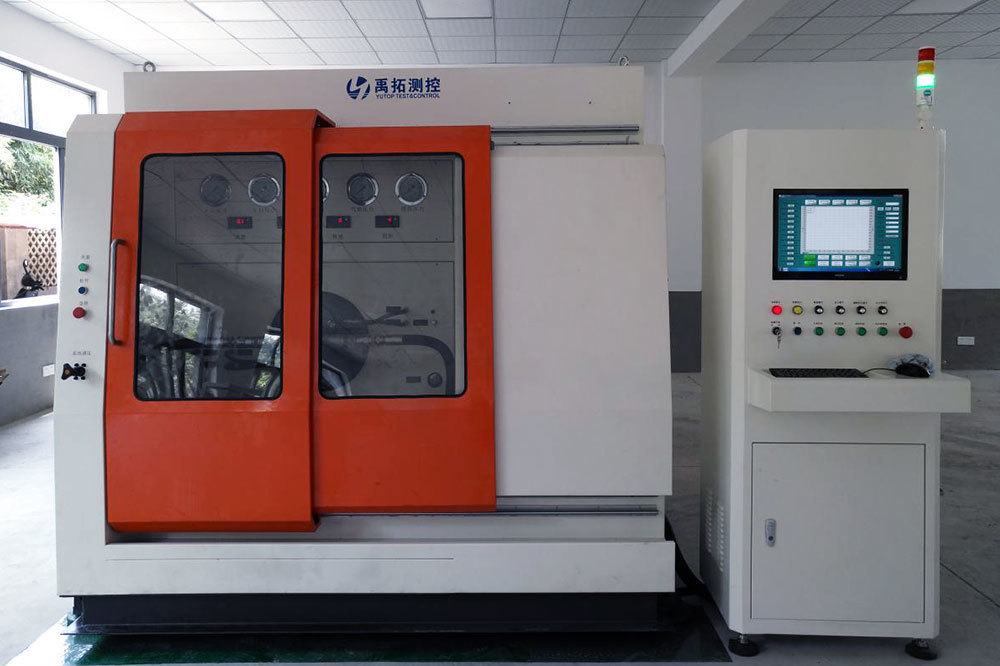
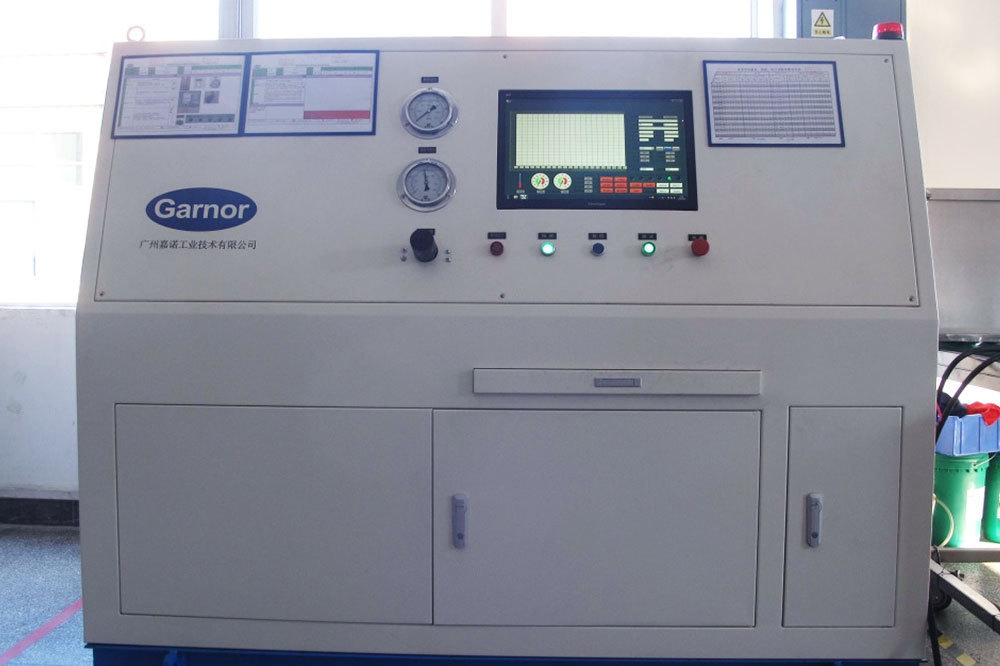
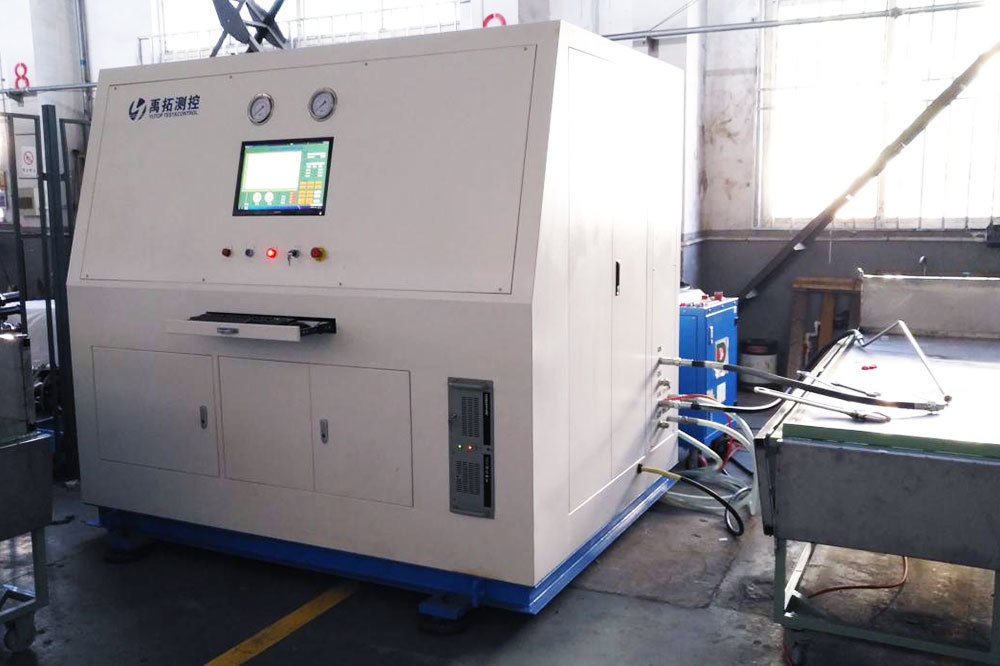
Computerized test benches leverage advanced technology to provide detailed diagnostics and accurate performance metrics. These systems can collect and analyze data, allowing for in-depth assessments of hydraulic components. Benefits include:
- Automated testing processes for increased efficiency
- Enhanced data analysis capabilities
- Integration with other diagnostic tools for comprehensive evaluations
4. Essential Features to Look for in Test Benches
When selecting a test bench for excavator hydraulic systems, certain features can significantly impact its effectiveness. Here are essential attributes to consider:
- **Measurement Accuracy**: Look for benches with high-precision measuring instruments to ensure reliable results.
- **Load Simulation Capabilities**: The ability to simulate various loads can help replicate real-world conditions.
- **User Interface**: A user-friendly interface can simplify operation and data interpretation.
- **Data Logging**: Test benches that log data allow for long-term performance tracking and analysis.
- **Compliance Standards**: Ensure that the test bench adheres to industry standards for safety and performance.
5. How to Choose the Right Test Bench
Choosing the right test bench for excavator hydraulic systems can be a daunting task. Here are some factors to consider:
- **Type of Testing Required**: Determine whether you need static, dynamic, or specialized testing capabilities.
- **System Compatibility**: Ensure that the test bench is compatible with the specific hydraulic systems you work with.
- **Budget Considerations**: While quality is crucial, it’s important to find a balance that meets your budget without compromising on essential features.
- **Manufacturer Reputation**: Research manufacturers to ensure you are selecting a reliable, high-quality test bench.
6. Maintenance Tips for Test Benches
Proper maintenance of test benches is vital to ensure longevity and reliable performance. Here are some key maintenance tips:
- **Regular Calibration**: Periodically calibrate measuring instruments to maintain accuracy.
- **Routine Inspections**: Conduct regular inspections for wear and tear on components and connections.
- **Cleanliness**: Keep the test bench clean to prevent contamination that could affect performance.
- **Software Updates**: For computerized models, keep software updated to benefit from the latest features and security patches.
7. The Future of Test Bench Technology in Excavation
As technology evolves, so does the design and functionality of test benches. The future of test bench technology in excavator hydraulic systems appears promising with advancements in automation, data analytics, and IoT integration. Key trends to watch include:
- **Increased Automation**: Automation will lead to quicker and more efficient testing processes.
- **Enhanced Data Analytics**: Advanced analytics will provide deeper insights into system performance and predictive maintenance.
- **Smart Technology Integration**: The integration of IoT will enable real-time monitoring and diagnostics of hydraulic systems.
8. Frequently Asked Questions
What is a test bench?
A test bench is a specialized setup used to evaluate the performance of hydraulic components or systems under controlled conditions.
Why are test benches important for hydraulic systems?
Test benches help diagnose issues, ensure safety, enhance performance, and prolong the life of hydraulic systems.
How do I know which type of test bench is right for my needs?
Consider the type of testing required, system compatibility, and your budget when selecting a test bench.
What maintenance is required for test benches?
Regular calibration, routine inspections, cleanliness, and software updates are essential for maintaining test benches.
What advancements are being made in test bench technology?
Future advancements include increased automation, enhanced data analytics, and smart technology integration for real-time monitoring.
9. Conclusion
Investing in the right test bench for excavator hydraulic systems can significantly improve performance, safety, and the lifespan of hydraulic components. By understanding the various types of test benches available and their respective features, you can make an informed decision that meets your specific needs. As technology continues to advance, embracing these innovations will ensure your hydraulic systems remain at peak efficiency, ultimately supporting the productivity and success of your excavation projects.

Room 207, 2nd Floor, Block C, Building 1 (Self-designated), No. 3 Yunkai Road, Yunpu Industrial Zone, Huangpu District, Guangzhou City,China


