

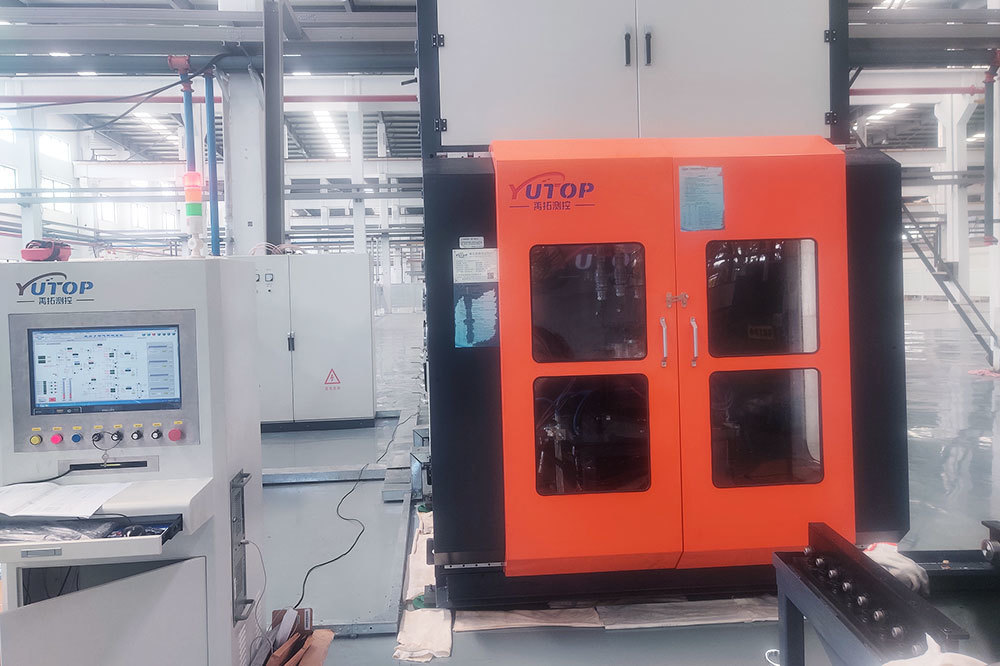
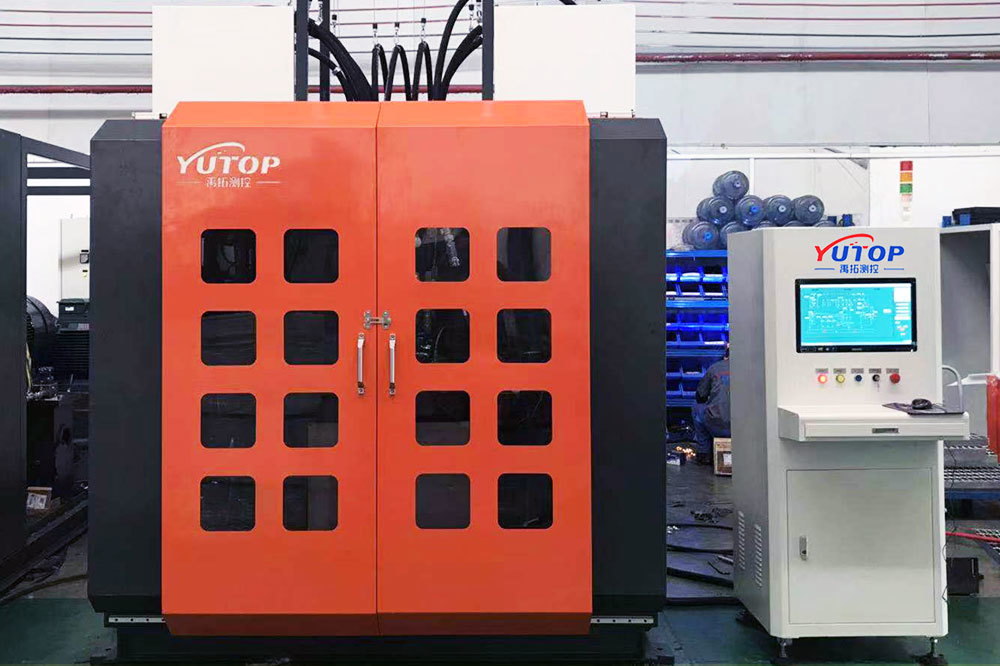
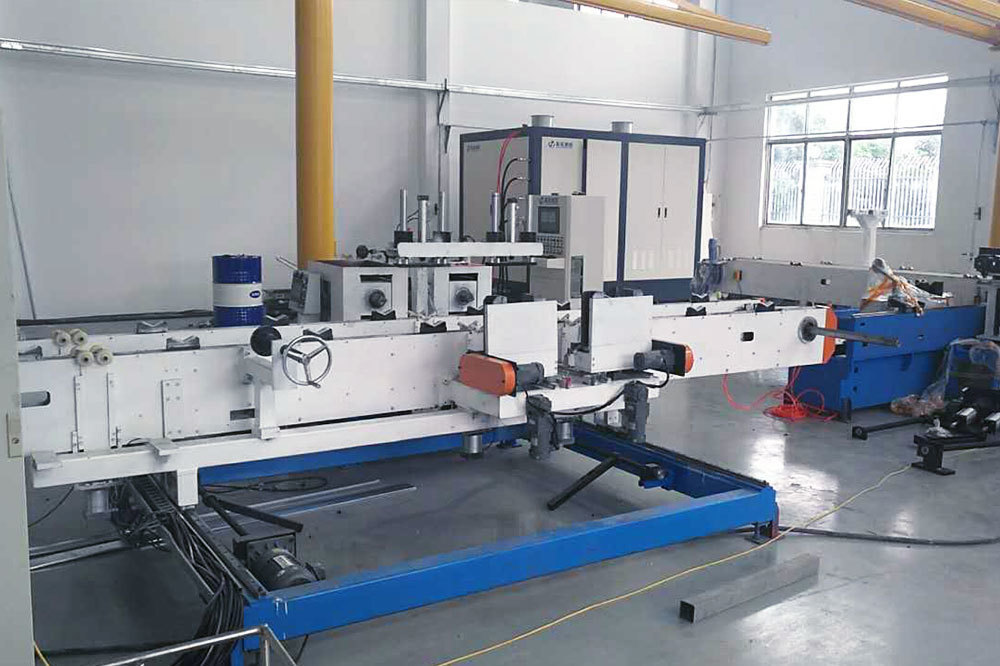
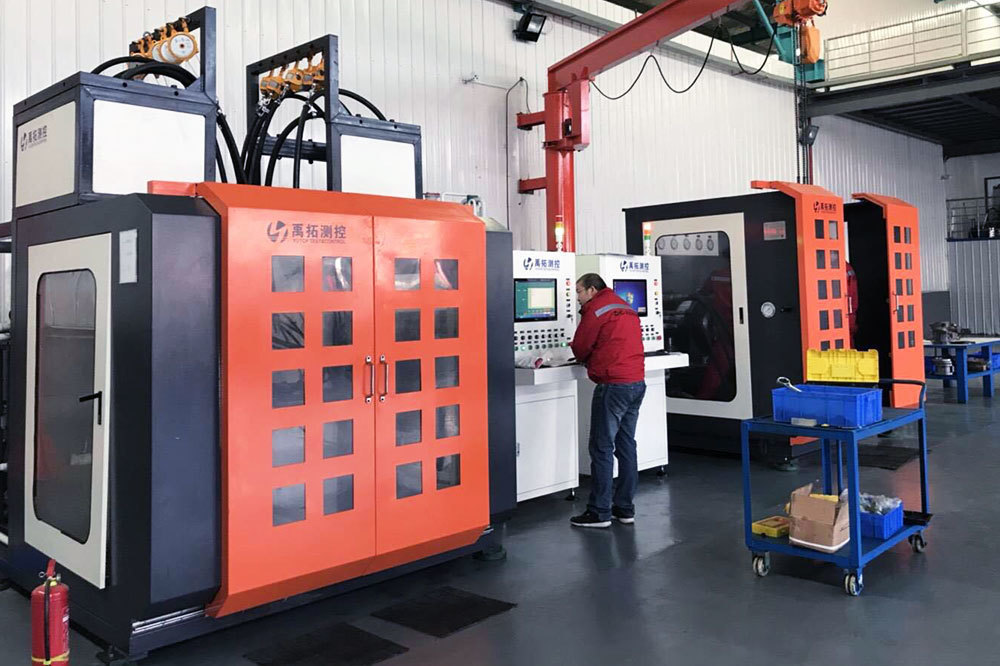
A Comprehensive Guide to Operating Hydraulic Pump Performance Test Benches
A Comprehensive Guide to Operating Hydraulic Pump Performance Test Benches Table of Contents 1. Introduction to Hydraulic Pump Performance Testing 2. Understanding Hydraulic Pumps and Their Functions 3. The Importance of Hydraulic Pump Performance Testing 4. Key Components of a Hydraulic Pump Performance Test Bench 5. Operating Procedures for Hydraulic Pump Performance Test Be
Mar 11,2026
A Comprehensive Guide to Operating Hydraulic Pump Performance Test Benches
Table of Contents
- 1. Introduction to Hydraulic Pump Performance Testing
- 2. Understanding Hydraulic Pumps and Their Functions
- 3. The Importance of Hydraulic Pump Performance Testing
- 4. Key Components of a Hydraulic Pump Performance Test Bench
- 5. Operating Procedures for Hydraulic Pump Performance Test Benches
- 6. Troubleshooting Common Issues in Test Bench Operations
- 7. Best Practices for Maintaining Hydraulic Test Benches
- 8. Future Trends in Hydraulic Pump Testing Technology
- 9. Frequently Asked Questions
- 10. Conclusion
1. Introduction to Hydraulic Pump Performance Testing
Hydraulic pump performance is critical in various industries, from automotive to manufacturing. Understanding how to operate hydraulic pump performance test benches effectively is essential for ensuring optimal functionality and efficiency. In this guide, we will delve into the intricacies of hydraulic pump performance testing, providing you with the necessary knowledge and tools to maximize your operations.
2. Understanding Hydraulic Pumps and Their Functions
Hydraulic pumps convert mechanical energy into hydraulic energy, enabling the transfer of fluids in various systems. These pumps are classified into several types, including:
2.1 Positive Displacement Pumps
Positive displacement pumps, such as gear pumps and piston pumps, move fluid by trapping a fixed amount and forcing it into the discharge.
2.2 Dynamic Pumps
Dynamic pumps, including centrifugal pumps, use rotational kinetic energy to move the hydraulic fluid, relying on the velocity of the fluid for flow.
3. The Importance of Hydraulic Pump Performance Testing
Performance testing is crucial for several reasons:
3.1 Ensuring Efficiency
Regular testing helps identify inefficiencies in pump operation, ensuring that the system operates at its optimal capacity.
3.2 Preventing Failures
By diagnosing potential issues early, performance testing can prevent catastrophic pump failures that may lead to costly downtime.
3.3 Enhancing Safety
Testing performance ensures that hydraulic systems operate safely under prescribed limits, reducing the risks associated with overpressure and leaks.
4. Key Components of a Hydraulic Pump Performance Test Bench
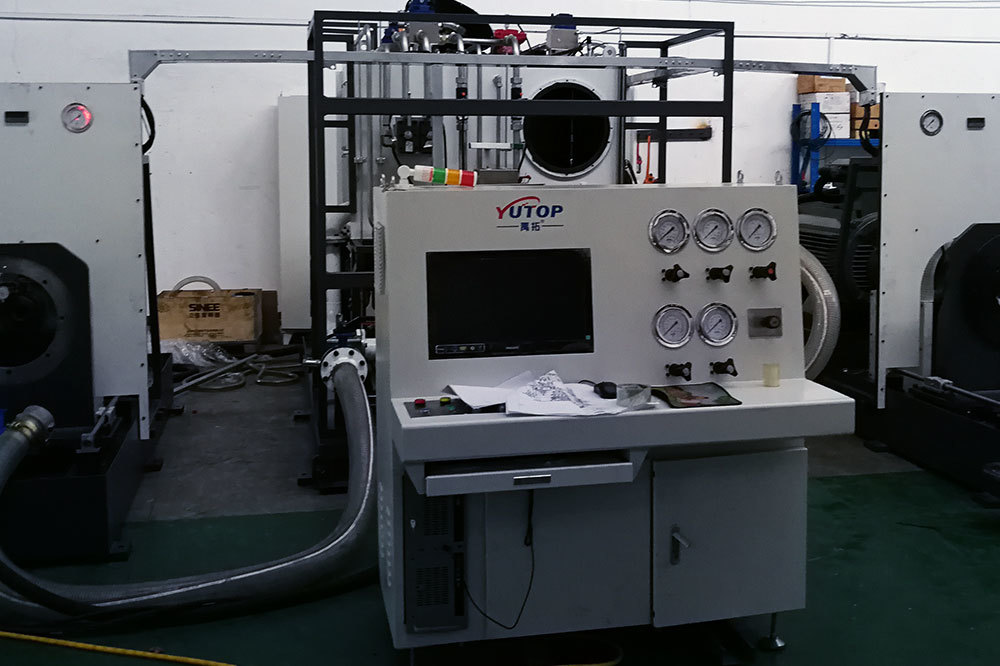
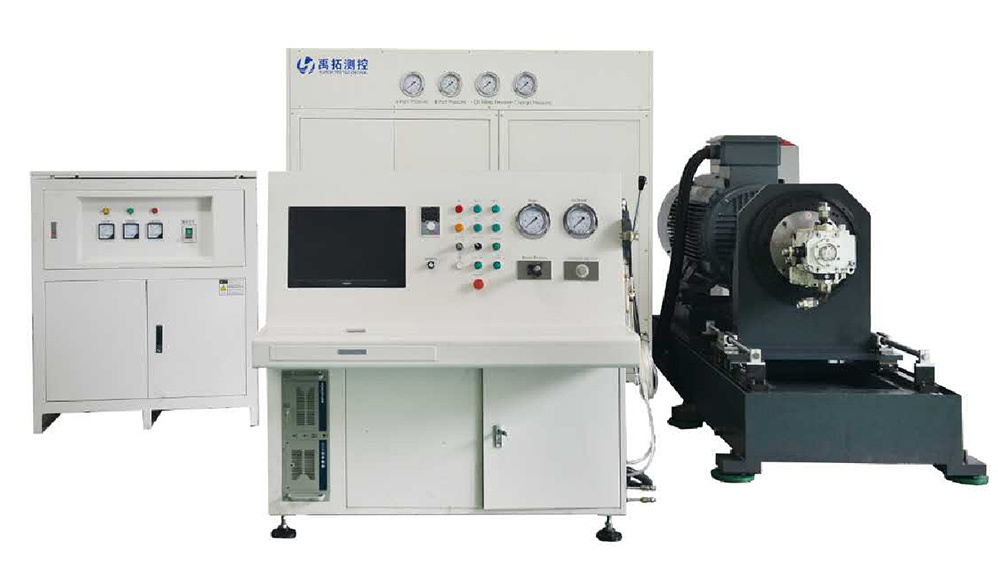
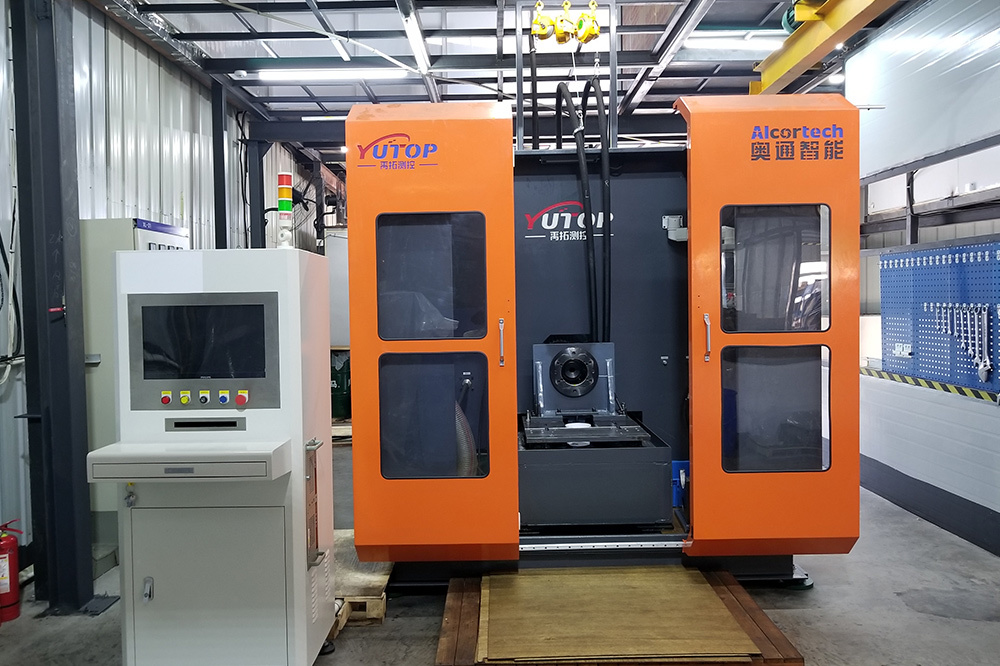
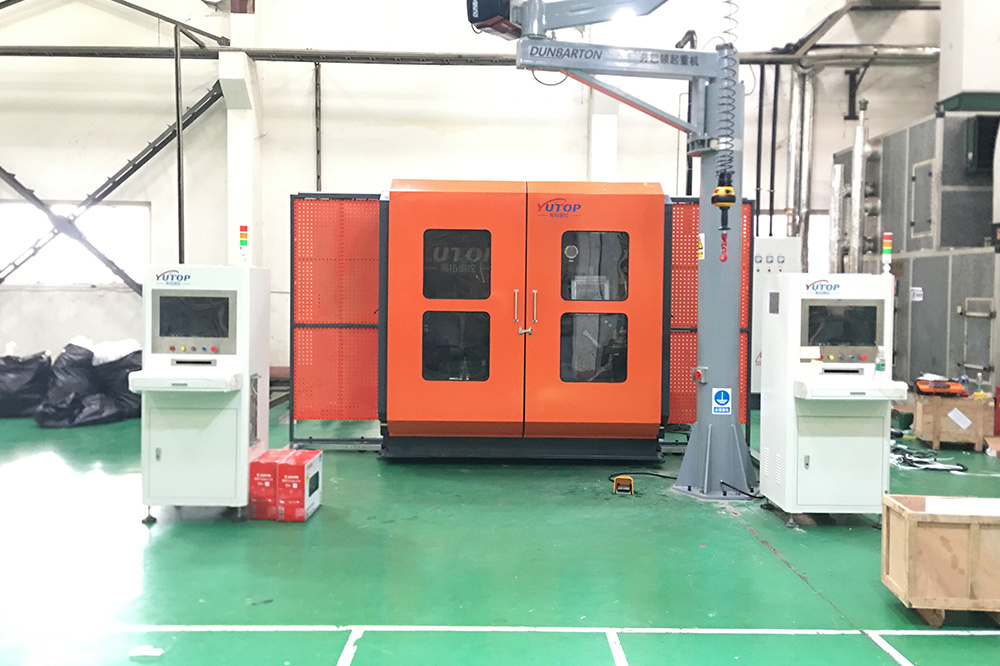
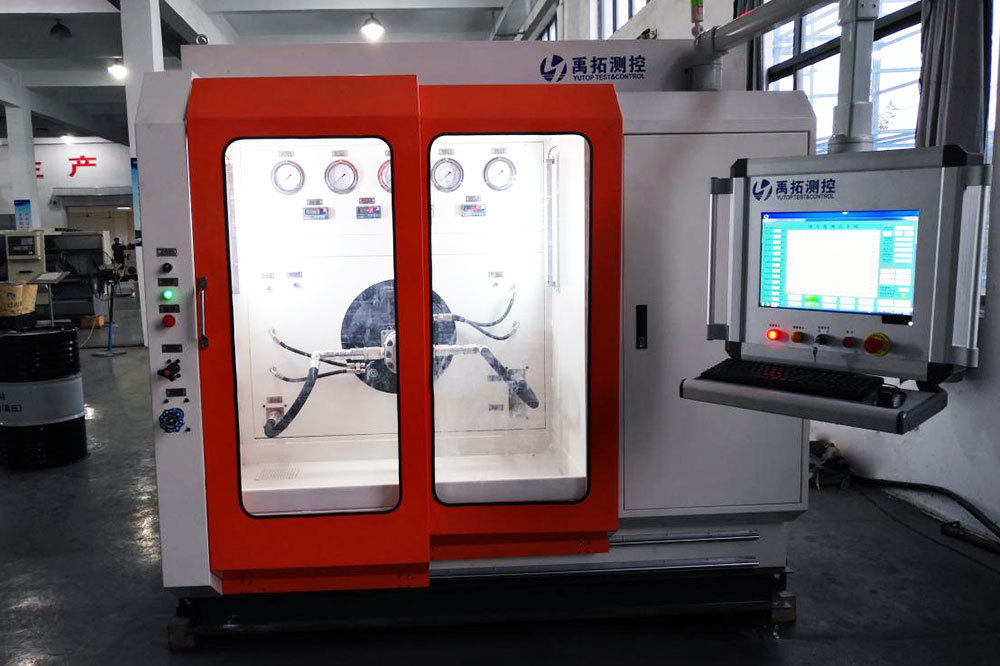
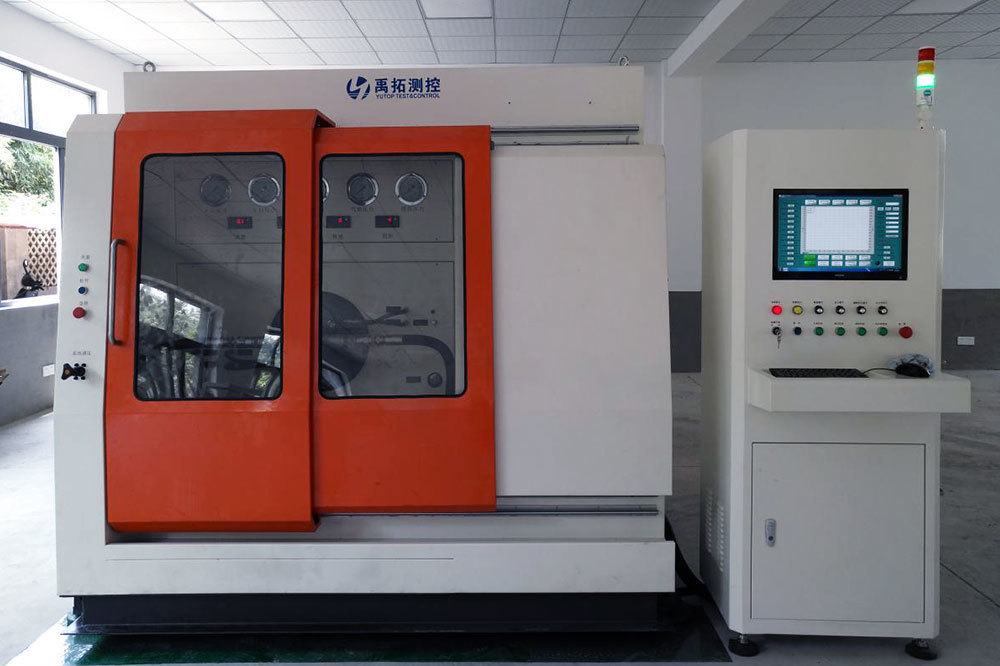
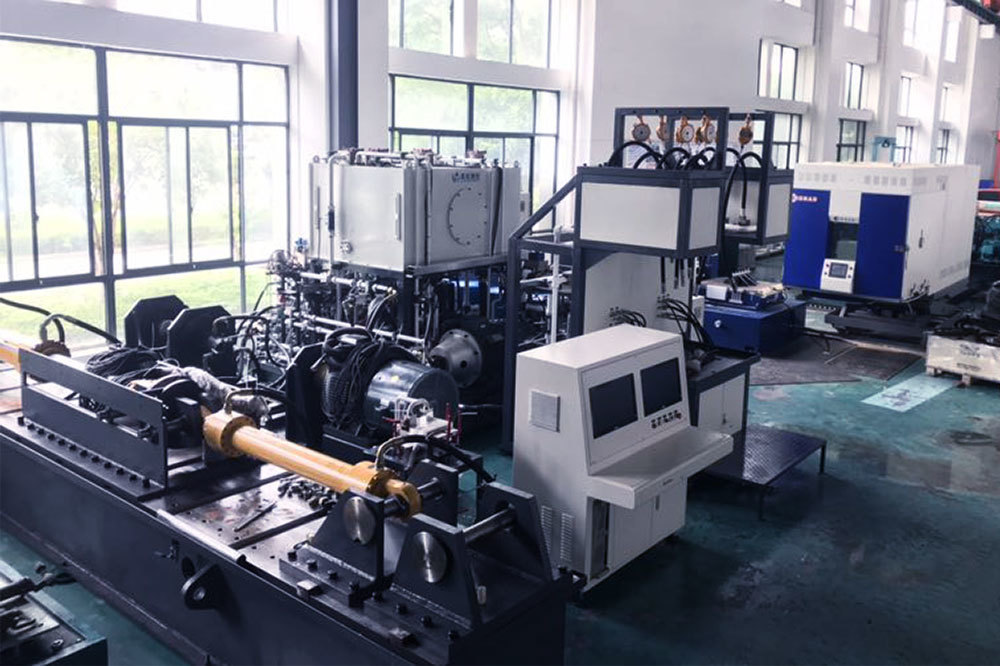
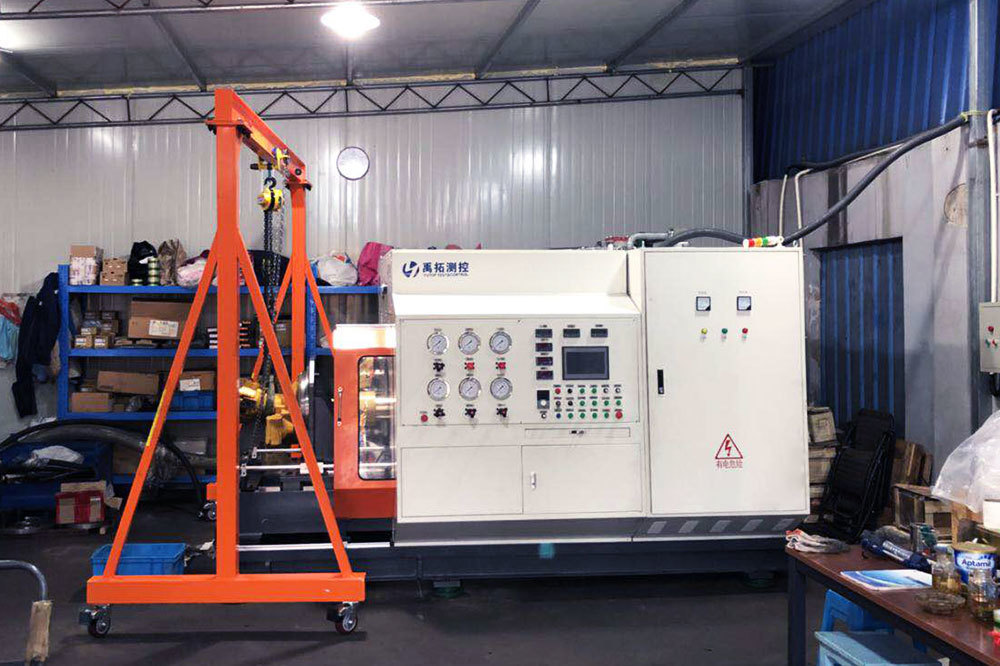
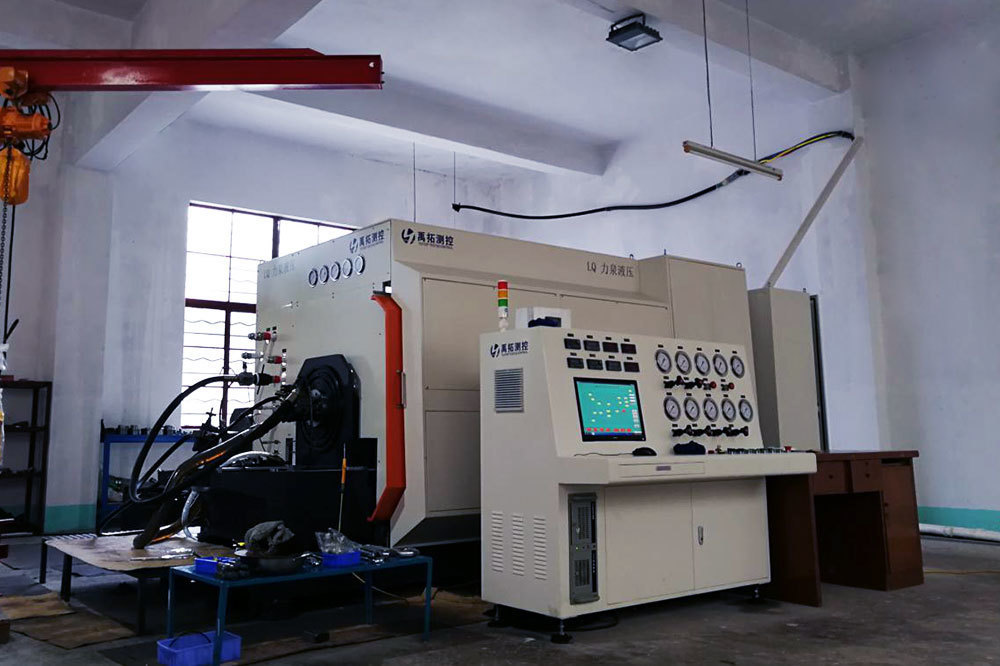
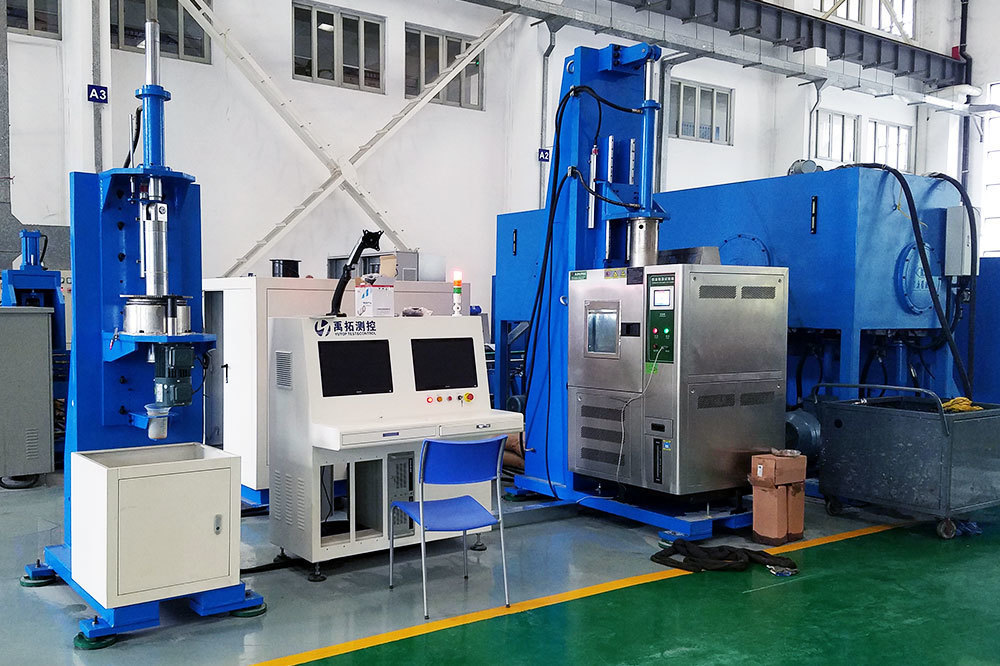
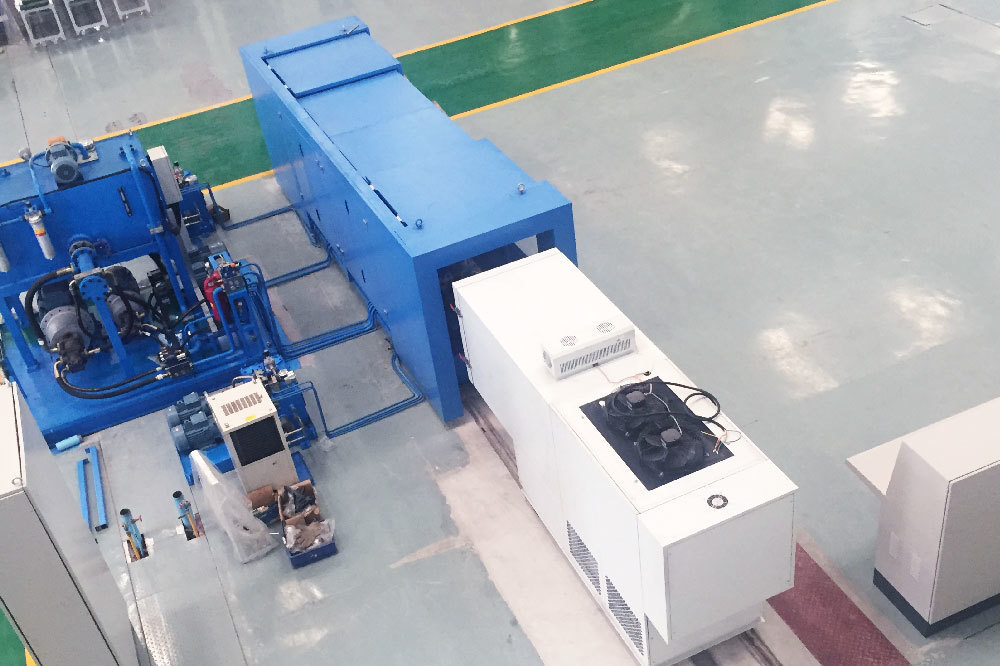
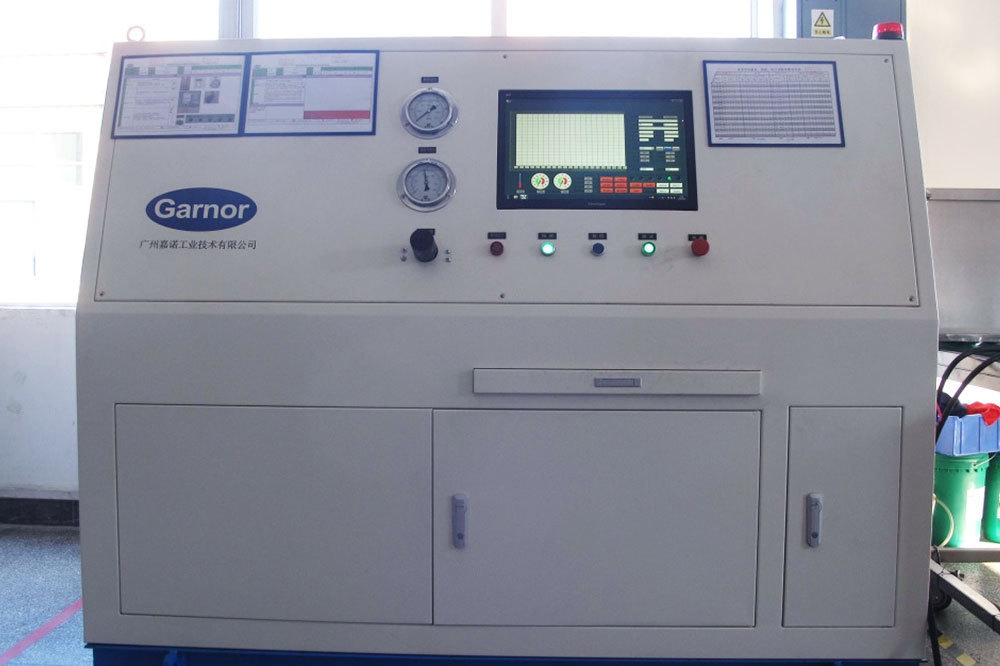
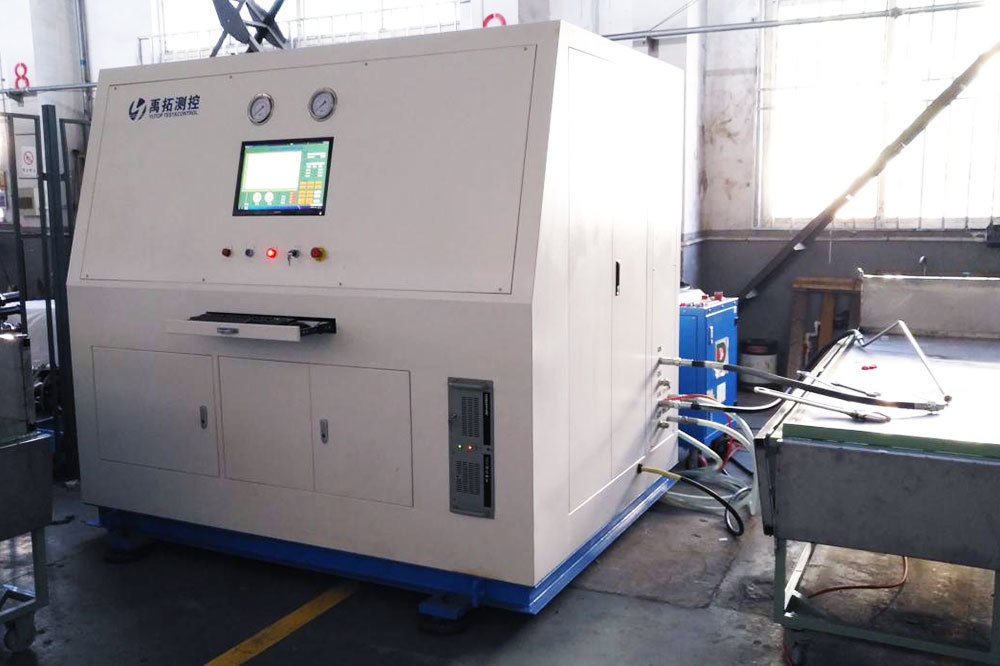
A hydraulic pump performance test bench consists of several integral components that facilitate accurate testing.
4.1 Power Supply Unit
This component provides the necessary energy to operate the hydraulic pump during testing.
4.2 Flow Meter
Flow meters measure the volume of hydraulic fluid passing through the system, providing critical data for performance evaluation.
4.3 Pressure Gauge
Pressure gauges allow operators to monitor the pressure within the hydraulic system, ensuring it remains within safe operating limits.
4.4 Control Valves
Control valves regulate the flow of the hydraulic fluid, allowing for adjustments in the testing conditions.
4.5 Data Acquisition System
This system collects and records data during testing, facilitating analysis and reporting on pump performance.
5. Operating Procedures for Hydraulic Pump Performance Test Benches
Operating a hydraulic pump performance test bench involves several steps to ensure accurate and reliable results.
5.1 Preparation
Before testing, ensure that the test bench is clean and all components are functioning correctly. Verify that the hydraulic fluid is in good condition and at the appropriate level.
5.2 Connecting the Hydraulic Pump
Securely connect the hydraulic pump to the test bench, ensuring that all fittings are tight and leak-free.
5.3 Setting Up the Test Conditions
Adjust the control valves and configure the data acquisition system according to the testing requirements.
5.4 Conducting the Test
Start the pump and monitor the performance parameters, including flow rate and pressure. Record data as necessary for later analysis.
5.5 Analyzing Results
After testing, analyze the collected data to determine the pump's performance. Compare results against manufacturer specifications and industry standards.
6. Troubleshooting Common Issues in Test Bench Operations
Throughout testing, various issues may arise. Here are some common problems and their solutions:
6.1 Low Flow Rate
If the flow rate is lower than expected, check for blockages in the lines or air leaks in the system.
6.2 Fluctuating Pressure Readings
Fluctuating pressure readings may indicate a faulty pressure gauge or control valve malfunction. Inspect and replace components as necessary.
6.3 Overheating
If the hydraulic fluid is overheating, check for inadequate cooling or excessive load on the pump. Ensure that the system is not being pushed beyond its capacity.
7. Best Practices for Maintaining Hydraulic Test Benches
Maintaining your hydraulic pump performance test bench is vital for longevity and reliability.
7.1 Regular Inspections
Conduct routine inspections of all components to identify wear and tear before it leads to failure.
7.2 Fluid Maintenance
Regularly check the hydraulic fluid for contamination and change it according to the manufacturer’s recommendations.
7.3 Training Personnel
Ensure that all personnel operating the test bench are adequately trained in its operation and safety protocols.
8. Future Trends in Hydraulic Pump Testing Technology
As technology evolves, so do the methods and tools for hydraulic pump testing. Some trends to watch include:
8.1 Automation and AI Integration
The integration of automated systems and artificial intelligence can enhance testing efficiency and accuracy, reducing human error.
8.2 Advanced Data Analytics
Utilizing advanced data analytics tools will enable better prediction of pump performance and maintenance needs.
8.3 Eco-Friendly Fluids
The development of environmentally friendly hydraulic fluids is becoming increasingly important, promoting sustainability in hydraulic systems.
9. Frequently Asked Questions
9.1 What is a hydraulic pump performance test bench used for?
A hydraulic pump performance test bench is used to evaluate the efficiency and performance of hydraulic pumps, ensuring they operate within specified parameters.
9.2 How often should hydraulic pumps be tested?
The frequency of testing depends on the pump's usage and industry standards, but regular testing is recommended to maintain optimal performance.
9.3 What are the common signs of hydraulic pump failure?
Common signs include unusual noises, reduced pressure, and fluid leaks.
9.4 Can I test different types of hydraulic pumps on the same bench?
Yes, as long as the test bench is equipped to handle the specifications of different pump types.
9.5 What safety precautions should be taken during testing?
Always wear appropriate safety gear, ensure all components are secure, and monitor pressure levels closely to prevent accidents.
10. Conclusion
Operating hydraulic pump performance test benches involves a thorough understanding of hydraulic systems, attention to detail, and adherence to best practices. By implementing the procedures outlined in this guide, you can enhance the efficiency and longevity of your hydraulic pumps. Regular testing not only ensures optimal performance but also promotes safety and reliability in hydraulic systems. Embrace the advancements in technology and maintain a proactive approach to testing to stay ahead in the industry.

Room 207, 2nd Floor, Block C, Building 1 (Self-designated), No. 3 Yunkai Road, Yunpu Industrial Zone, Huangpu District, Guangzhou City,China


