

The Science Behind Piston Pump Testing Equipment: A Comprehensive Deep Dive
The Science Behind Piston Pump Testing Equipment: A Deep Dive Piston pumps are vital components in numerous industrial applications, known for their robustness and efficiency in transferring fluids. As industries continue to evolve, the need for accurate testing equipment becomes increasingly significant. This article delves into the science behind piston pump testing equipment, exploring its prin
Mar 23,2026
The Science Behind Piston Pump Testing Equipment: A Deep Dive
Piston pumps are vital components in numerous industrial applications, known for their robustness and efficiency in transferring fluids. As industries continue to evolve, the need for accurate testing equipment becomes increasingly significant. This article delves into the science behind piston pump testing equipment, exploring its principles, methodologies, and applications in-depth.
Table of Contents
- 1. Introduction to Piston Pumps
- 2. Understanding Piston Pump Testing Equipment
- 3. Components of Piston Pump Testing Equipment
- 4. Testing Methodologies for Piston Pumps
- 5. Key Performance Metrics for Piston Pumps
- 6. Technological Advancements in Piston Pump Testing
- 7. Applications of Piston Pump Testing Equipment
- 8. Future Trends in Piston Pump Testing Equipment
- 9. Conclusion
- 10. Frequently Asked Questions
1. Introduction to Piston Pumps
Piston pumps are positive displacement pumps that utilize a piston to move fluids through a chamber. These pumps are widely used across various industries, including oil and gas, water treatment, and chemical processing. Their ability to generate high pressures and handle various fluid viscosities makes them a preferred choice for many applications. Understanding the underlying science and mechanics of piston pumps is crucial for optimizing their performance and ensuring reliability.
2. Understanding Piston Pump Testing Equipment
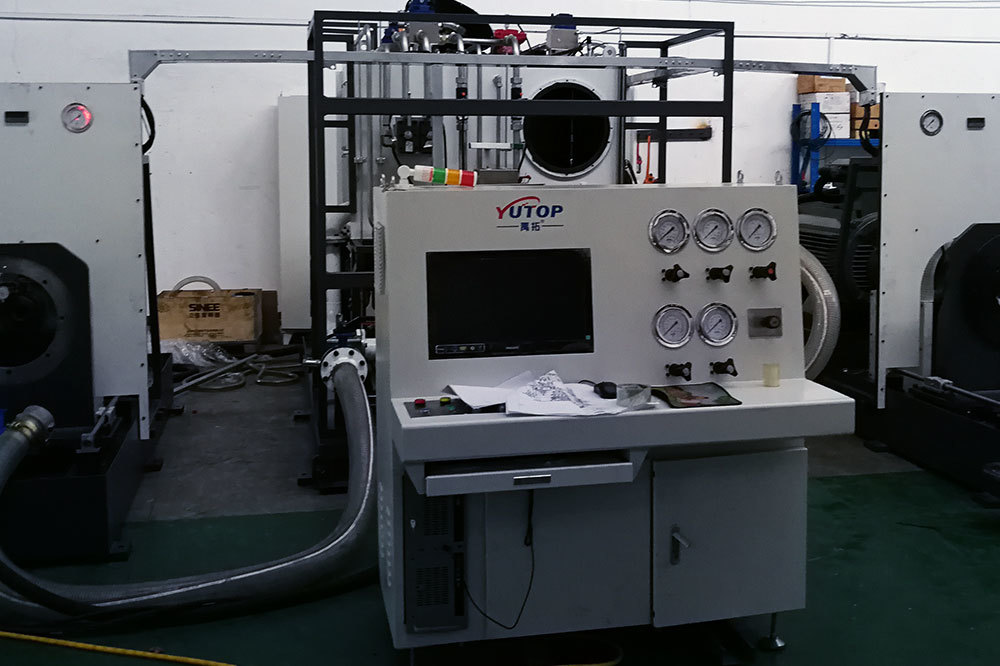
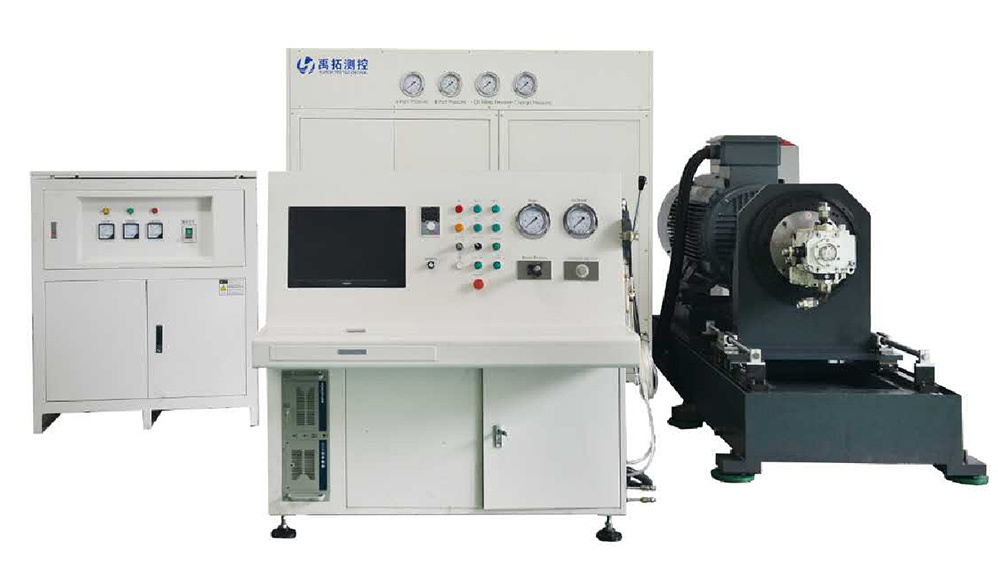
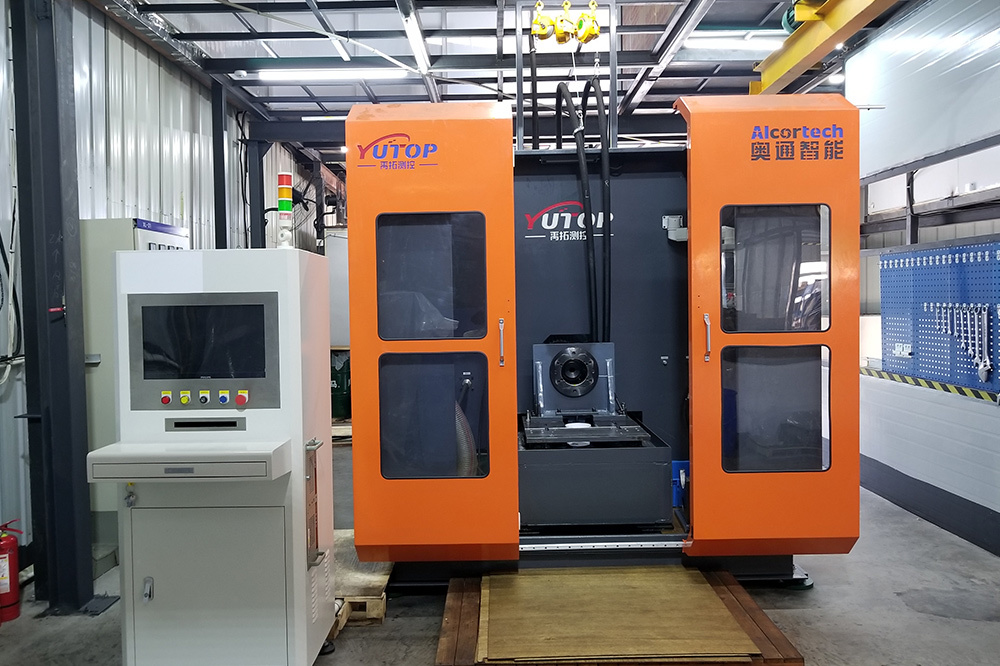
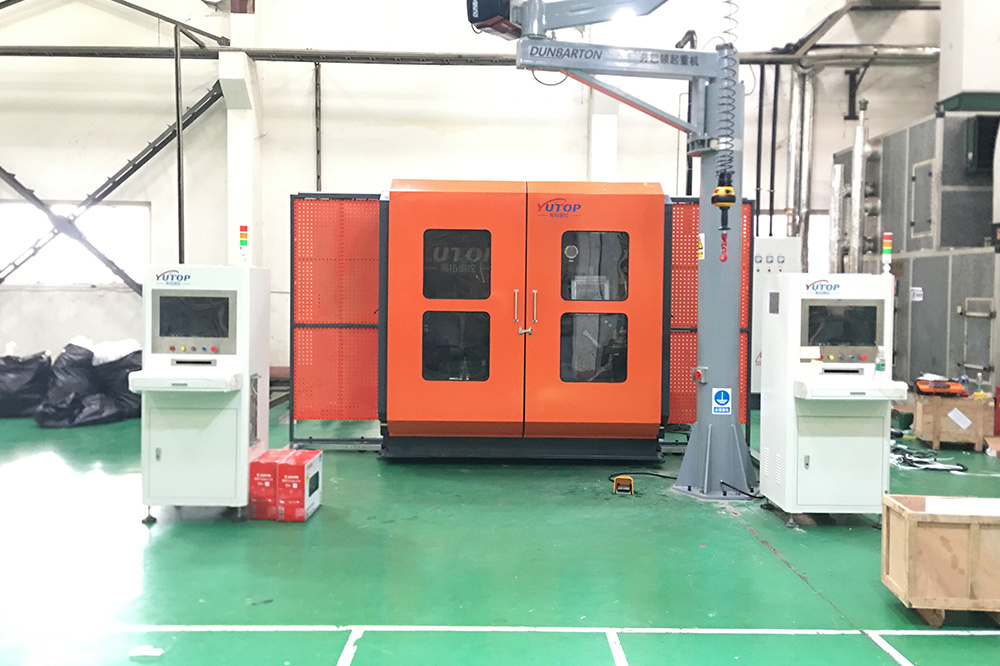
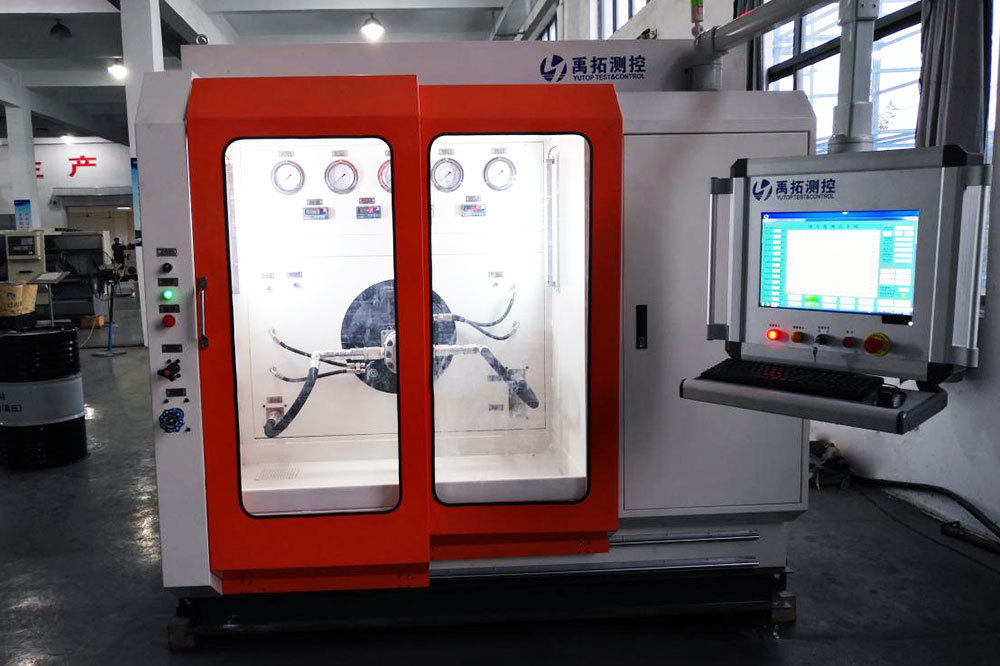
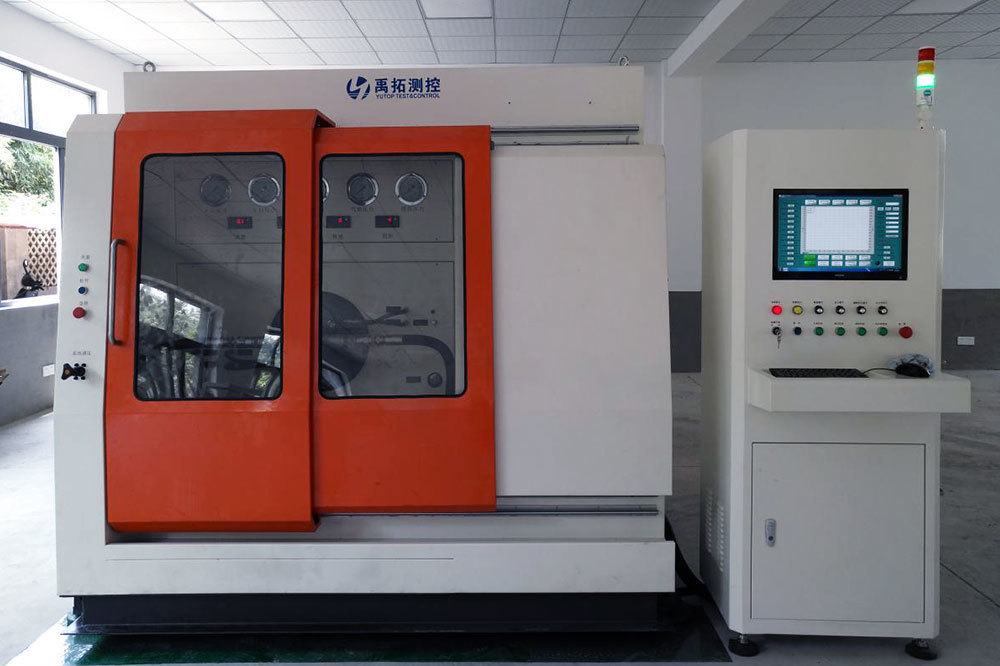
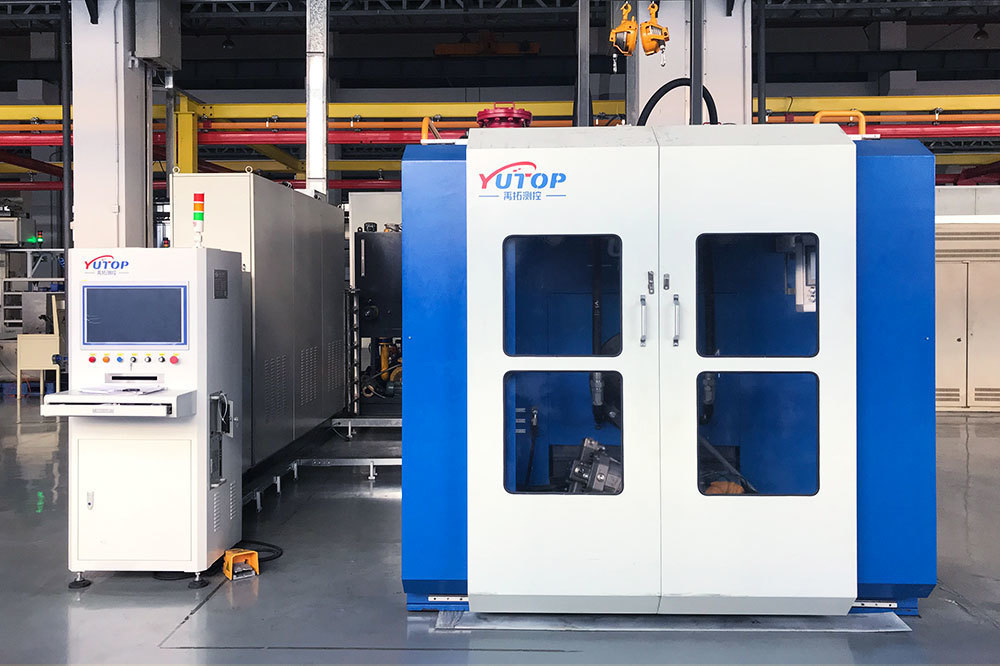
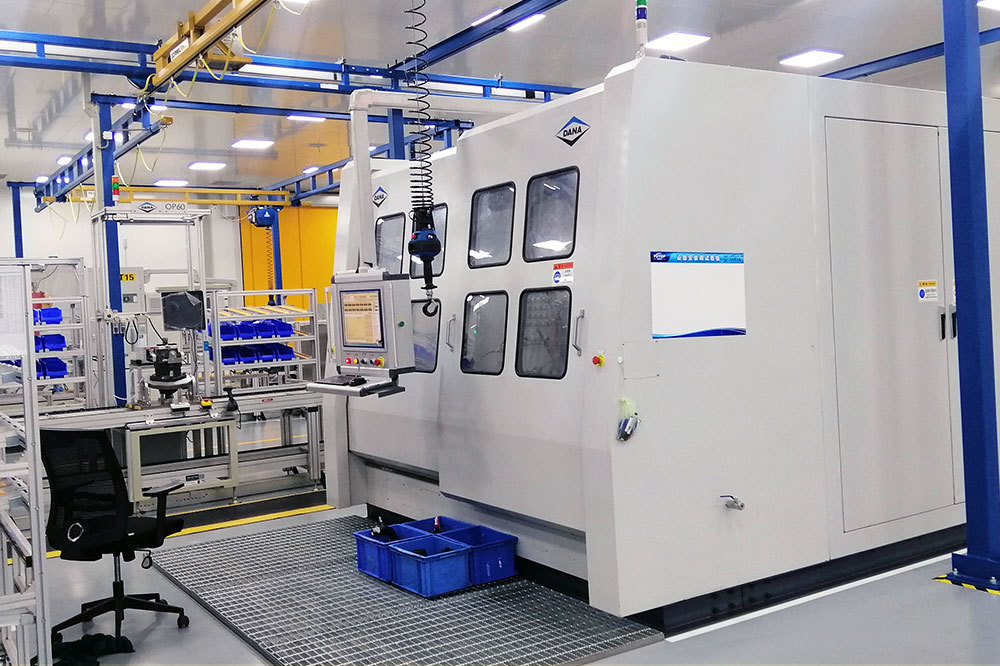
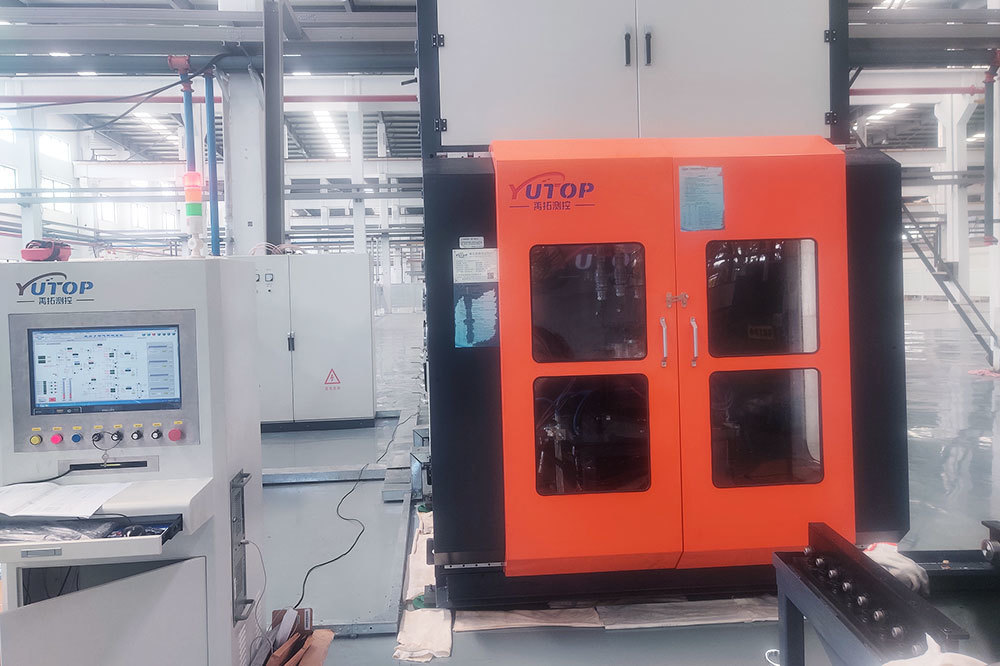
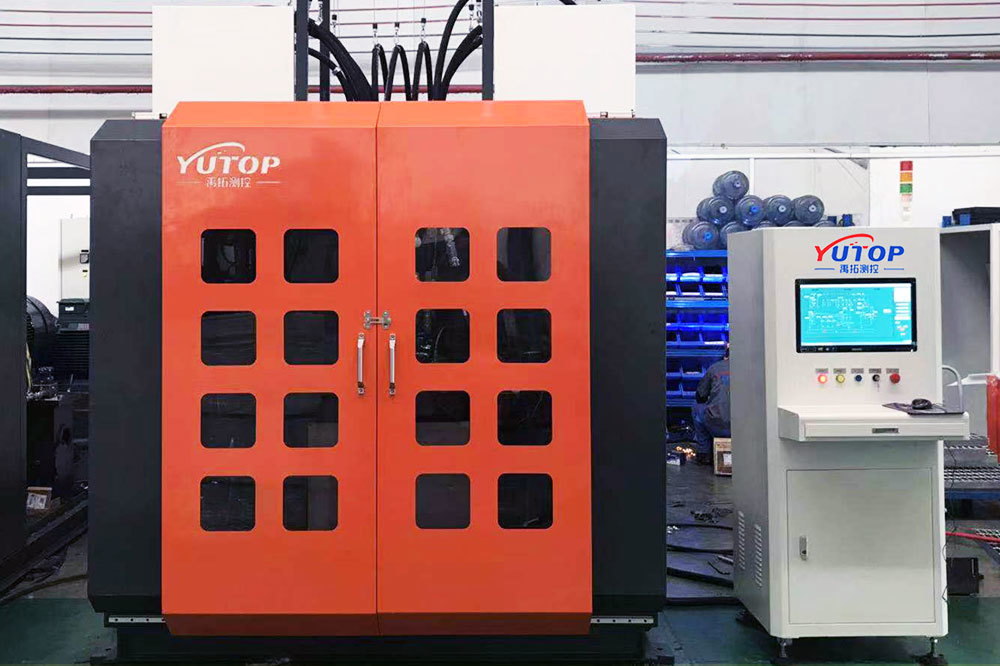
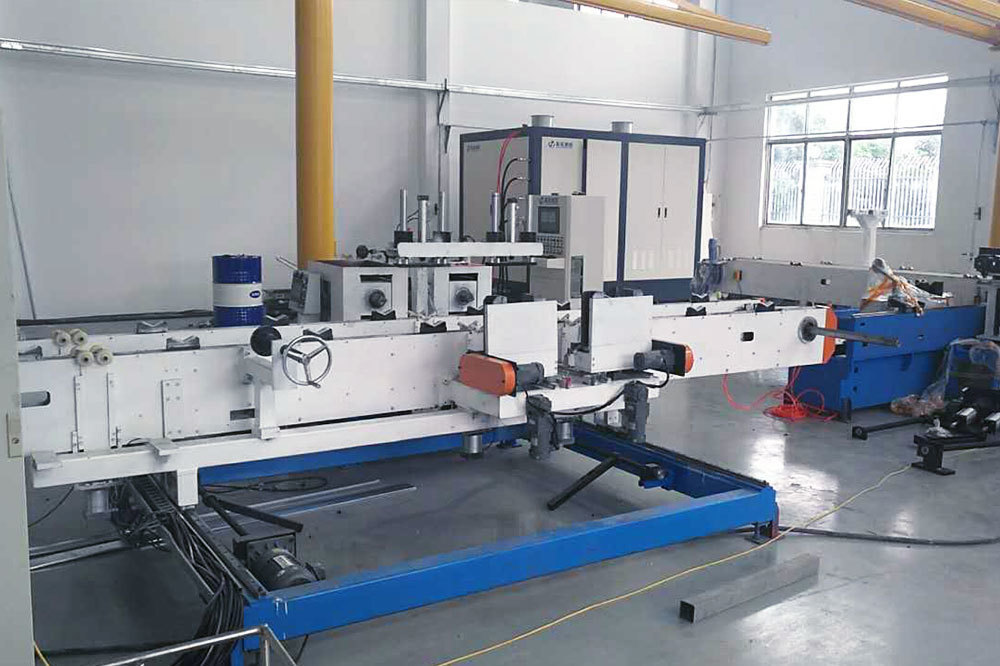
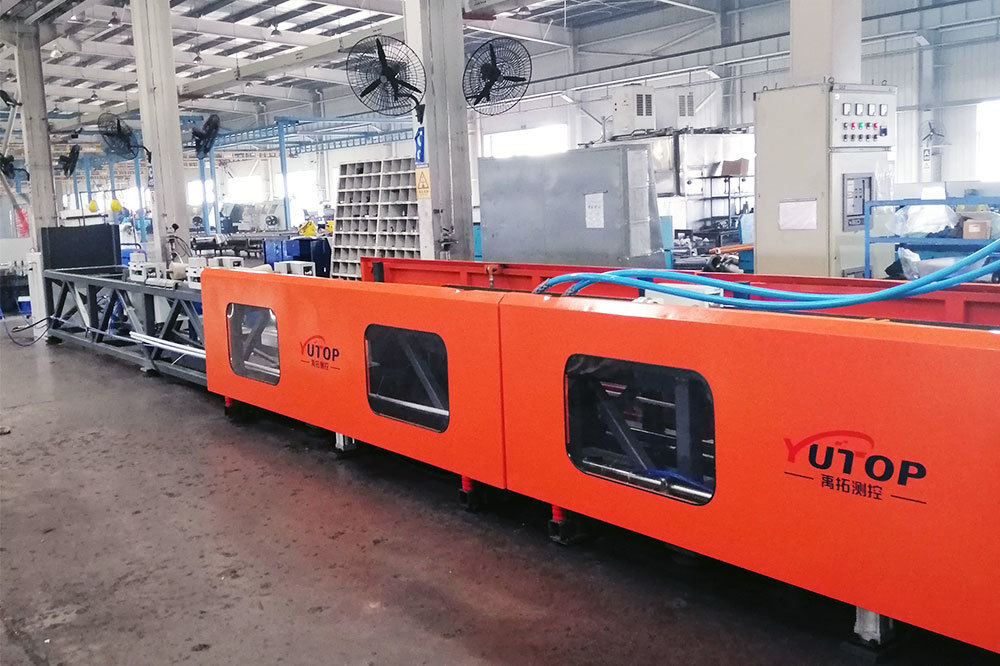
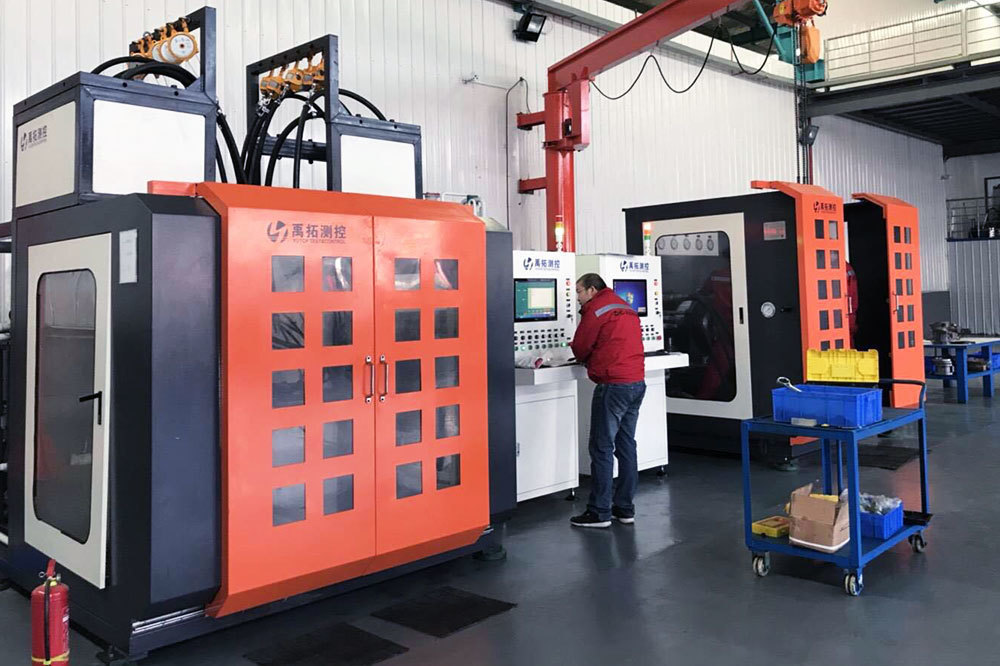
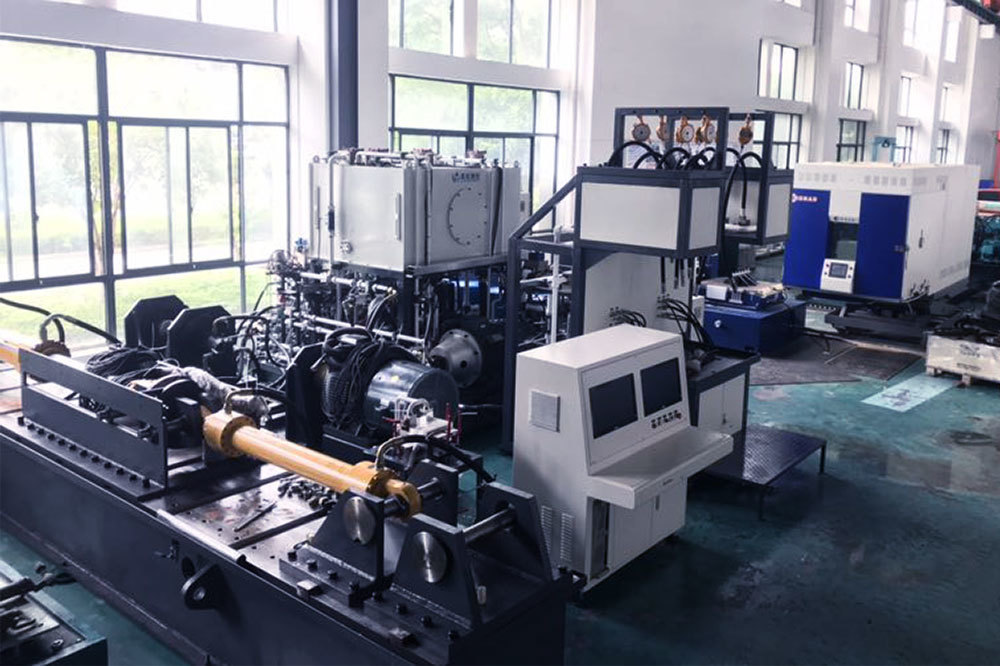
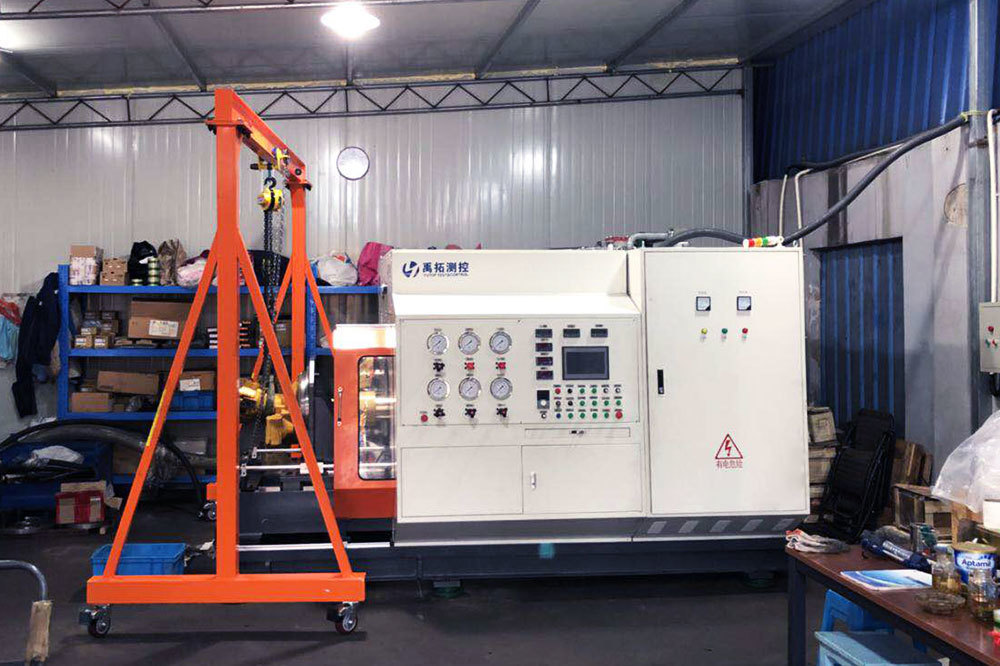
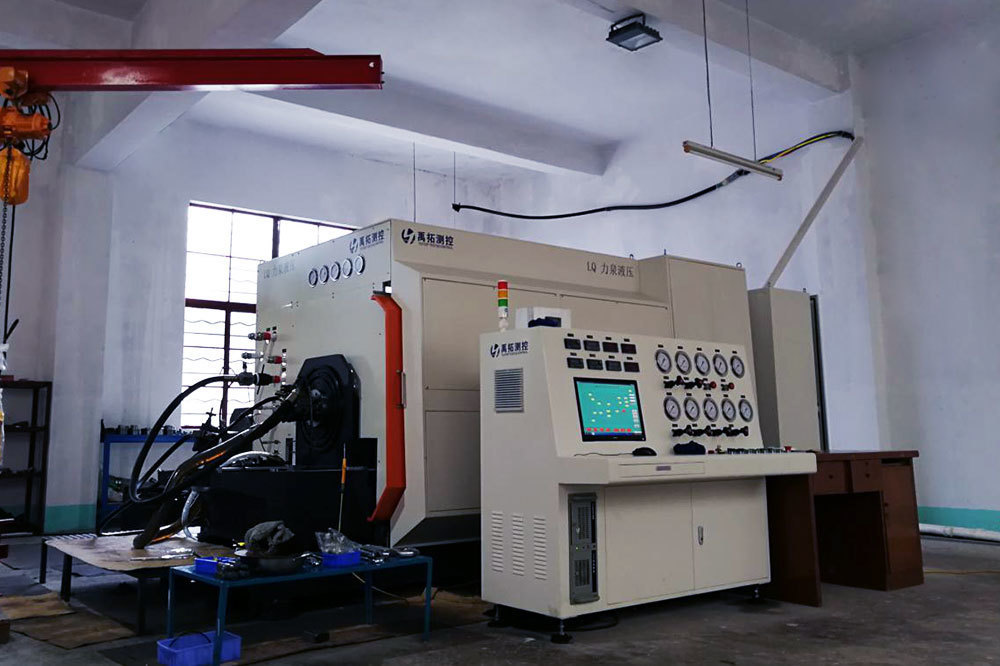
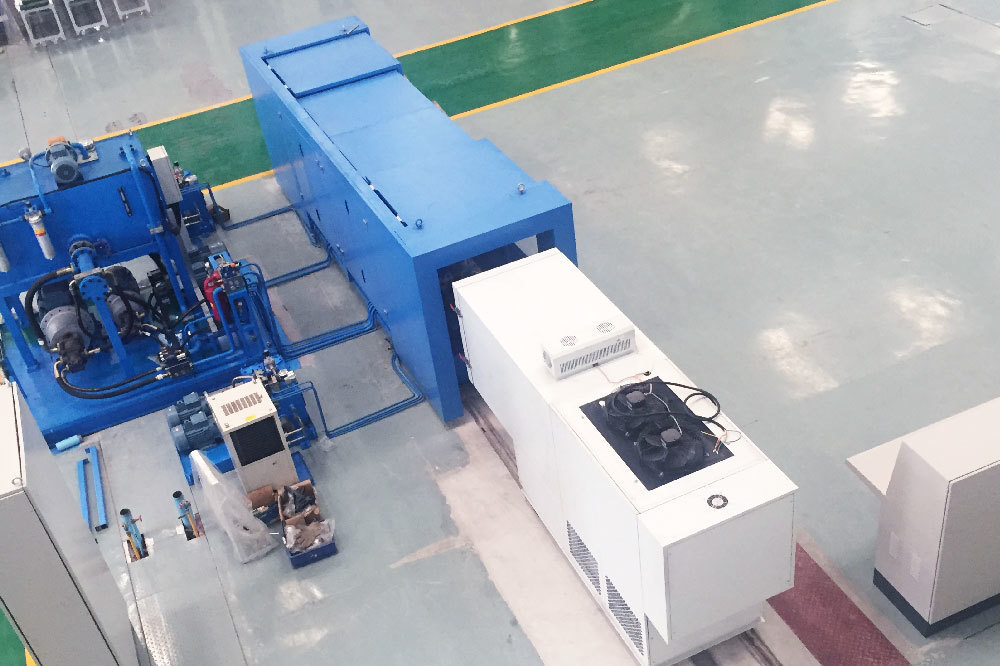
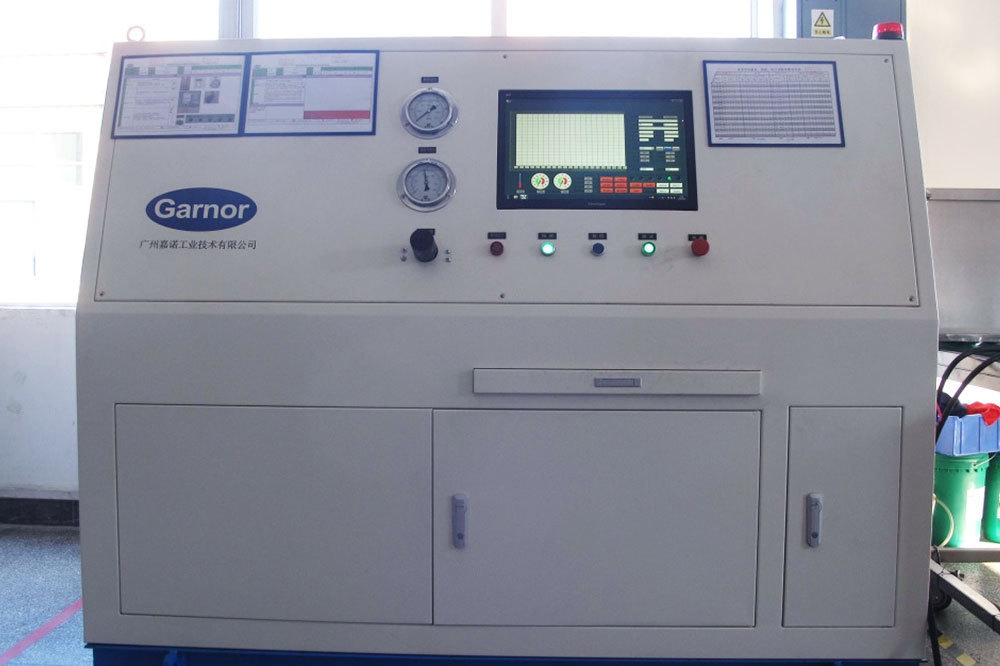
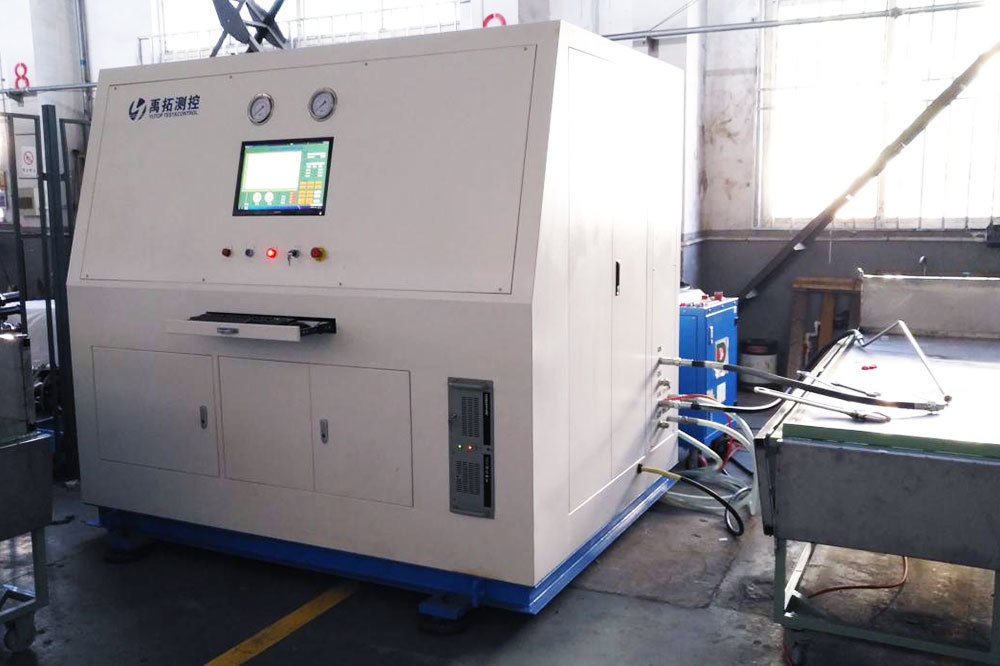
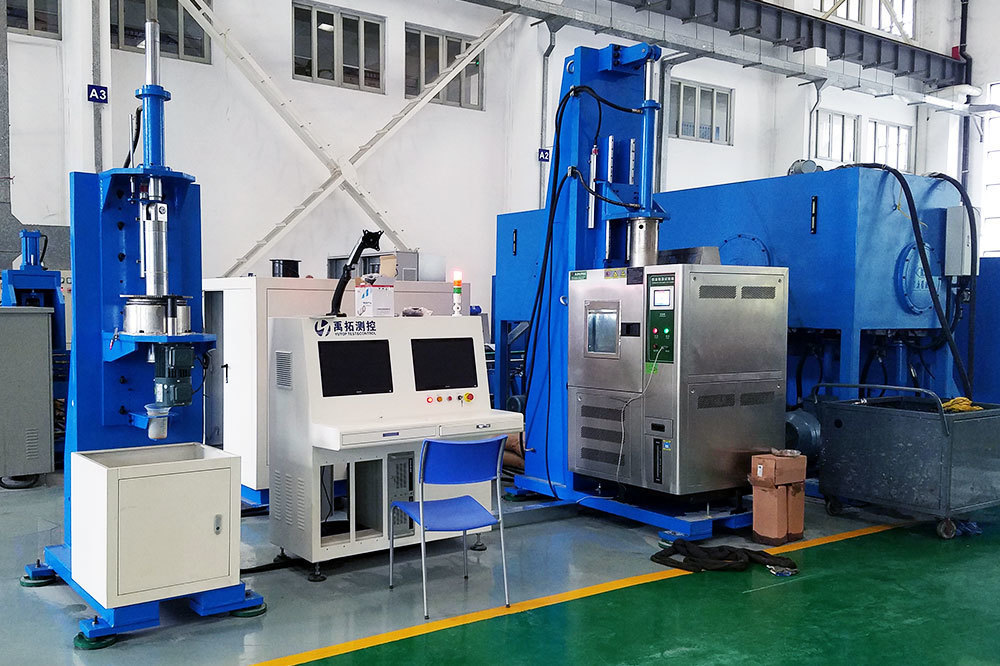
Piston pump testing equipment is essential for assessing the performance, efficiency, and durability of piston pumps. This equipment enables engineers and technicians to simulate operational conditions and evaluate various metrics, including flow rate, pressure, and efficiency. The testing process ensures that pumps meet industry standards and perform as expected under real-world conditions.
2.1 Importance of Testing
Testing piston pumps is fundamental in ensuring their operational reliability. Rigorous testing can help identify potential failures before they occur, thereby reducing downtime and maintenance costs. Additionally, it supports compliance with industry regulations and safety standards, critical for applications involving hazardous materials.
3. Components of Piston Pump Testing Equipment
Understanding the components of piston pump testing equipment is essential for effective utilization and maintenance. The primary components include:
3.1 Flow Meters
Flow meters measure the volume or mass of fluid passing through a system. In piston pump testing, they provide critical data on the pump's flow rate, which is vital for assessing performance.
3.2 Pressure Gauges
Pressure gauges monitor the pressure within the system, allowing for real-time insights into the pump's performance. They help identify any anomalies during testing, such as pressure drops or surges.
3.3 Control Systems
Modern testing equipment often includes advanced control systems that automate the testing process. These systems can be programmed to conduct specific tests and record data for analysis.
3.4 Data Acquisition Systems
Data acquisition systems collect and analyze data from various sensors and instruments. This data is essential for evaluating pump performance and making informed decisions about maintenance and operational adjustments.
4. Testing Methodologies for Piston Pumps
Various testing methodologies are employed to evaluate the performance of piston pumps. Each method has unique advantages and is suited to different applications.
4.1 Hydrostatic Testing
Hydrostatic testing involves filling the pump with water and pressurizing it to ensure that it can withstand the desired operational pressures without failing. This method is effective for identifying leaks and structural weaknesses.
4.2 Performance Testing
Performance testing assesses how well a piston pump operates under specified conditions. This includes measuring flow rate, pressure, and efficiency to determine if the pump meets the desired specifications.
4.3 Endurance Testing
Endurance testing evaluates the longevity and durability of a piston pump by subjecting it to extended operational conditions. This testing helps identify wear and tear over time, providing insights into expected lifespan and maintenance schedules.
5. Key Performance Metrics for Piston Pumps
When testing piston pumps, several key performance metrics are evaluated to ensure optimal function:
5.1 Flow Rate
The flow rate is one of the most critical metrics, representing the volume of fluid the pump can move in a given time frame. This measurement helps gauge pump efficiency and suitability for specific applications.
5.2 Efficiency
Efficiency measures how effectively a pump converts input energy into hydraulic energy. A higher efficiency rating indicates a more effective pump, leading to reduced operational costs and energy consumption.
5.3 Pressure Rating
The pressure rating indicates the maximum pressure the pump can handle safely. This metric is crucial for ensuring that pumps operate within safe limits and helps prevent catastrophic failures.
5.4 NPSH Required (Net Positive Suction Head)
NPSH is critical for assessing the pump's ability to avoid cavitation, a phenomenon that can severely damage pumps. Understanding the NPSH required helps in selecting the right pump and ensuring proper installation and operation.
6. Technological Advancements in Piston Pump Testing
The field of piston pump testing is continually evolving, driven by advancements in technology. Some of the most notable developments include:
6.1 Automation and Remote Monitoring
Automation in testing processes reduces human error and enhances accuracy. Remote monitoring technologies enable real-time data collection and analysis, allowing for quicker decision-making and predictive maintenance strategies.
6.2 Advanced Materials
The introduction of advanced materials in pump construction improves durability and resistance to wear and corrosion. This leads to longer-lasting pumps and reduces the frequency of maintenance and replacements.
6.3 Simulation Software
Sophisticated simulation software is now available to model pump performance under various conditions. This technology allows engineers to predict how pumps will behave in real-world scenarios without conducting physical tests, saving time and resources.
7. Applications of Piston Pump Testing Equipment
Piston pump testing equipment is utilized in numerous applications across various industries:
7.1 Oil and Gas Industry
In the oil and gas sector, piston pumps play a crucial role in transporting crude oil and other fluids. Testing ensures that pumps can handle the extreme pressures and harsh conditions typical in this industry.
7.2 Water Treatment
Piston pumps are used in water treatment facilities to move water through filtration and purification systems. Testing equipment ensures that these pumps operate efficiently, providing clean and safe water.
7.3 Chemical Processing
In chemical processing, piston pumps are essential for transferring corrosive and viscous fluids. Testing equipment helps maintain the integrity and performance of pumps, which is critical for safety and efficiency.
8. Future Trends in Piston Pump Testing Equipment
As technology continues to advance, the future of piston pump testing equipment looks promising. Some anticipated trends include:
8.1 Increased Focus on Sustainability
With growing environmental concerns, the industry will likely place greater emphasis on sustainable practices. This includes designing more efficient pumps and testing methods that minimize energy consumption and waste.
8.2 Integration of Artificial Intelligence
AI and machine learning technologies are expected to enhance testing processes by providing predictive analytics and optimizing performance based on real-time data.
8.3 Enhanced Safety Protocols
As industries continue to prioritize safety, future testing equipment will likely incorporate advanced safety features and protocols to mitigate risks associated with high-pressure systems.
9. Conclusion
The significance of piston pump testing equipment cannot be overstated. As industries increasingly rely on these pumps for various applications, understanding the science behind testing methodologies is essential for ensuring reliability, efficiency, and safety. By investing in advanced testing equipment and methodologies, companies can optimize pump performance and reduce operational costs, paving the way for a more efficient future.
10. Frequently Asked Questions
10.1 What is a piston pump?
A piston pump is a type of positive displacement pump that uses a piston to move fluids through a chamber. It is known for its ability to generate high pressures and handle various fluid viscosities.
10.2 Why is testing important for piston pumps?
Testing ensures that piston pumps operate efficiently, meet industry standards, and can withstand operational conditions without failure. It helps identify potential issues before they lead to costly downtime.
10.3 What are the key performance metrics for piston pumps?
The key performance metrics include flow rate, efficiency, pressure rating, and NPSH required. These metrics help assess the pump's performance and suitability for specific applications.
10.4 How does automation improve piston pump testing?
Automation reduces human error, enhances accuracy, and streamlines the testing process. It allows for real-time data collection and analysis, enabling quicker decision-making.
10.5 What is the future of piston pump testing equipment?
The future trends include a greater focus on sustainability, the integration of artificial intelligence for predictive analytics, and enhanced safety protocols to ensure reliable operation in high-pressure environments.

Room 207, 2nd Floor, Block C, Building 1 (Self-designated), No. 3 Yunkai Road, Yunpu Industrial Zone, Huangpu District, Guangzhou City,China


