

How to Choose the Right Test Bench for Your Excavator’s Hydraulic Needs
How to Choose the Right Test Bench for Your Excavator’s Hydraulic Needs When it comes to maintaining the performance and longevity of excavators, ensuring that their hydraulic systems operate at peak efficiency is crucial. One of the most effective ways to achieve this is by using a suitable test bench designed specifically for hydraulic applications. In this article, we will delve deep into how t
Mar 29,2026

How to Choose the Right Test Bench for Your Excavator’s Hydraulic Needs
When it comes to maintaining the performance and longevity of excavators, ensuring that their hydraulic systems operate at peak efficiency is crucial. One of the most effective ways to achieve this is by using a suitable test bench designed specifically for hydraulic applications. In this article, we will delve deep into how to choose the right test bench for your excavator's hydraulic needs, exploring vital aspects such as features, types, specifications, and maintenance requirements.
Table of Contents
- Understanding Hydraulic Systems in Excavators
- The Importance of Test Benches for Excavator Hydraulics
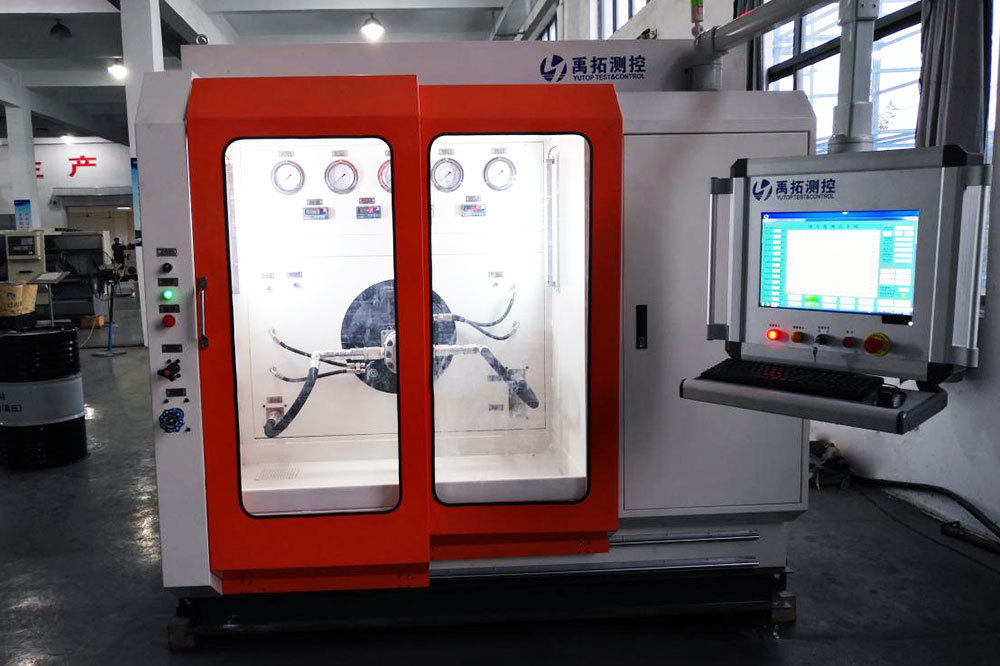
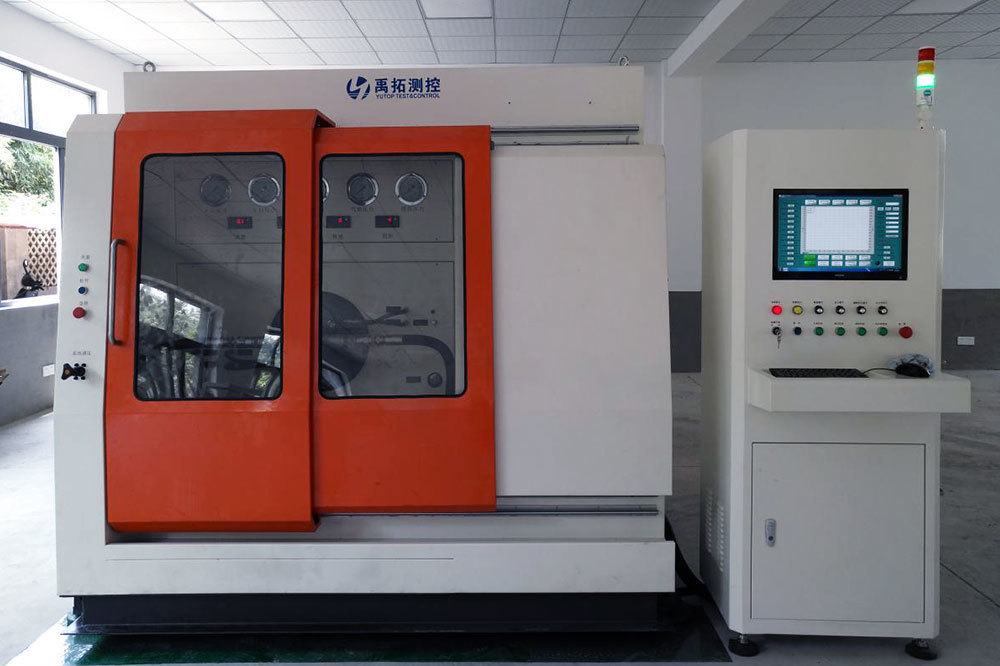
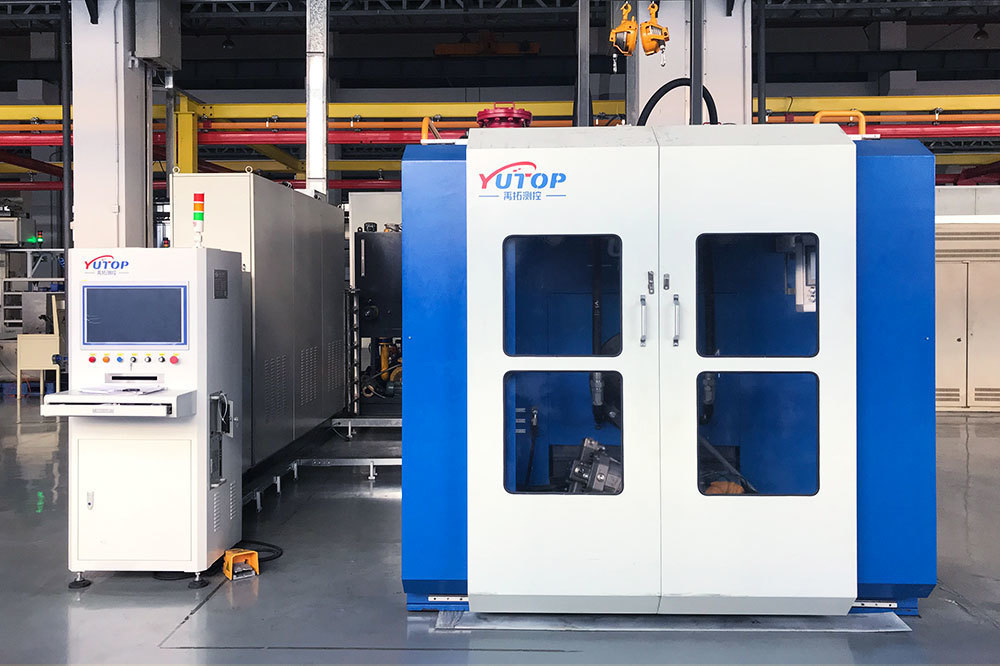
- Types of Test Benches Available
- Key Features to Consider When Choosing a Test Bench
- Size and Capacity Requirements for Your Excavator
- Budget Considerations for Test Bench Selection
- Maintaining Your Hydraulic Test Bench
- Frequently Asked Questions
- Conclusion
Understanding Hydraulic Systems in Excavators
Hydraulic systems are the backbone of modern excavators, enabling them to perform various tasks, from lifting and digging to moving heavy loads. These systems utilize hydraulic fluid to transmit power, making them incredibly efficient for heavy machinery operations. Understanding how these systems work is essential when selecting a test bench.
A typical hydraulic system consists of several key components, including:
1. **Hydraulic Pumps**: These devices convert mechanical energy into hydraulic energy, supplying fluid to the system.
2. **Actuators**: These components, such as cylinders and motors, convert hydraulic energy back into mechanical energy to perform work.
3. **Valves**: Valves control the flow and direction of the hydraulic fluid, allowing for precise movements.
4. **Reservoirs**: These hold hydraulic fluid, ensuring a constant supply to the system.
Knowing the intricacies of hydraulic systems will help you appreciate the importance of a specialized test bench.
The Importance of Test Benches for Excavator Hydraulics
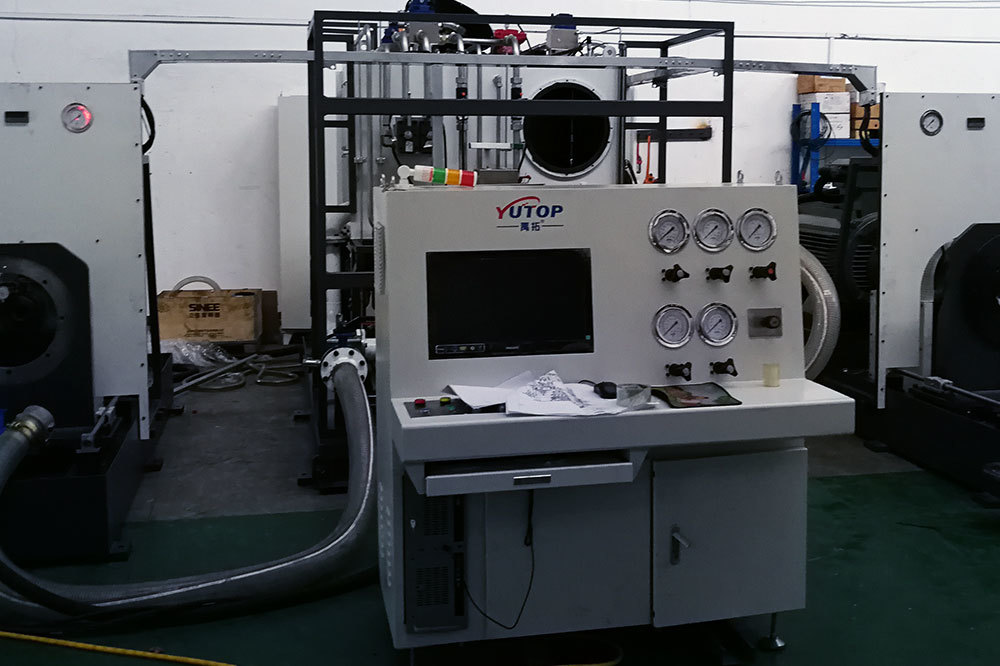
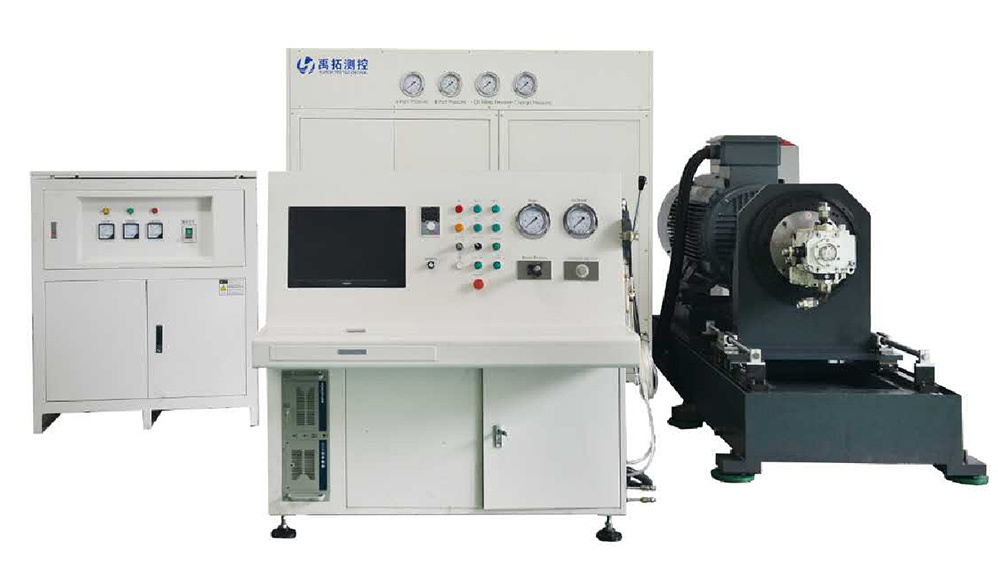
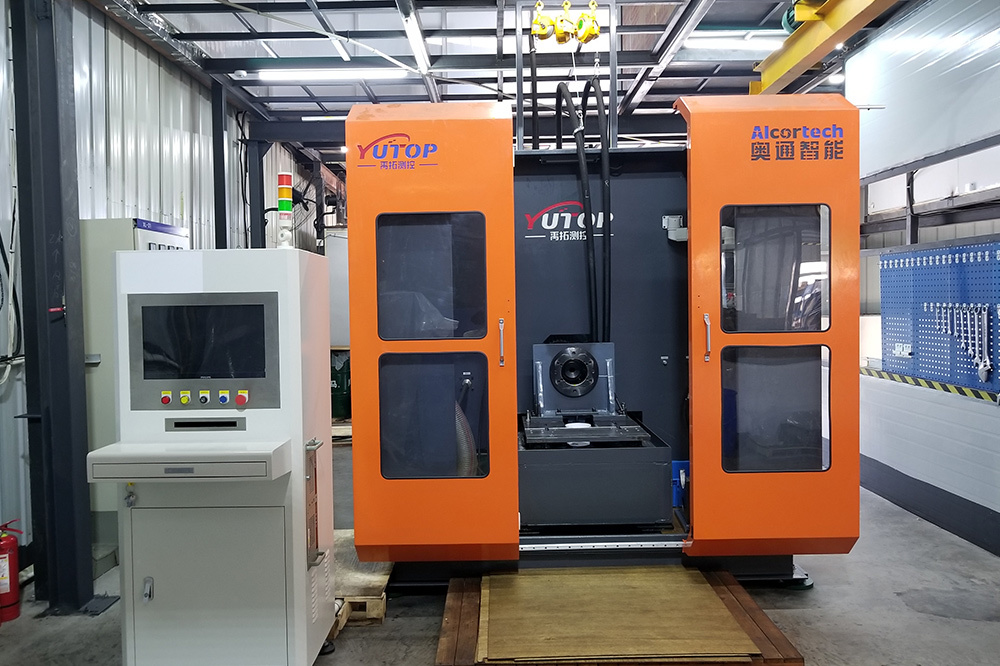
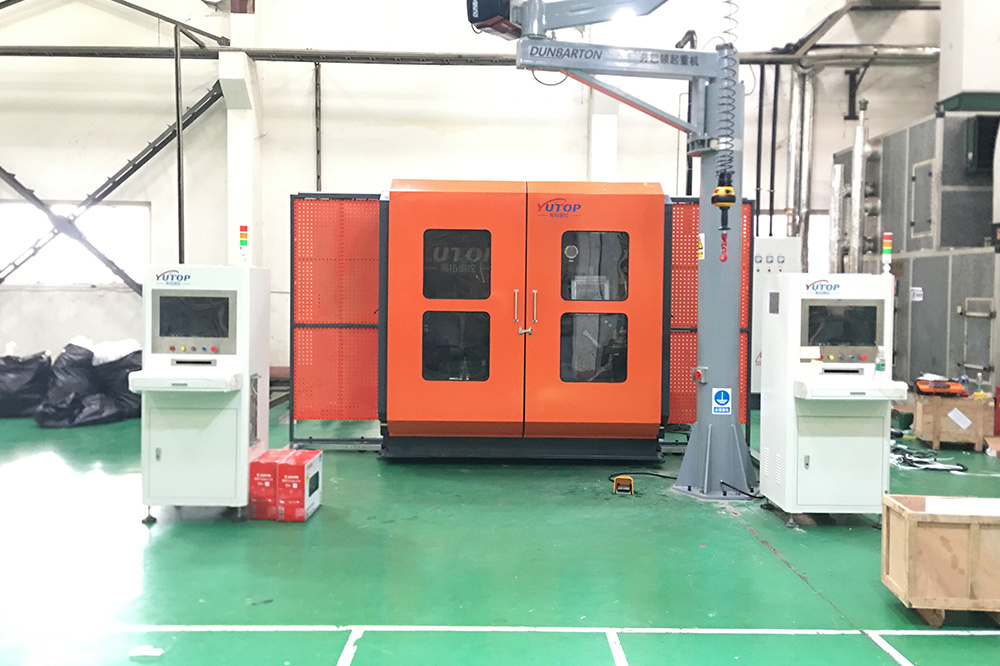
Test benches provide an optimal environment for analyzing and troubleshooting hydraulic systems. Regular testing ensures that components are functioning correctly and helps identify potential issues before they lead to significant failures. The benefits of using a test bench include:
- **Efficiency**: Quickly diagnose problems, reducing downtime.
- **Accuracy**: Measure fluid flow, pressure, and other parameters with precision.
- **Maintenance Planning**: Identify wear patterns and forecast maintenance needs.
- **Performance Optimization**: Ensure all hydraulic components operate at their best.
Investing in a quality test bench can save money in the long run by minimizing repair costs and extending the lifespan of your excavator.
Types of Test Benches Available
Choosing the right test bench involves understanding the various types available on the market. Here are the most common options:
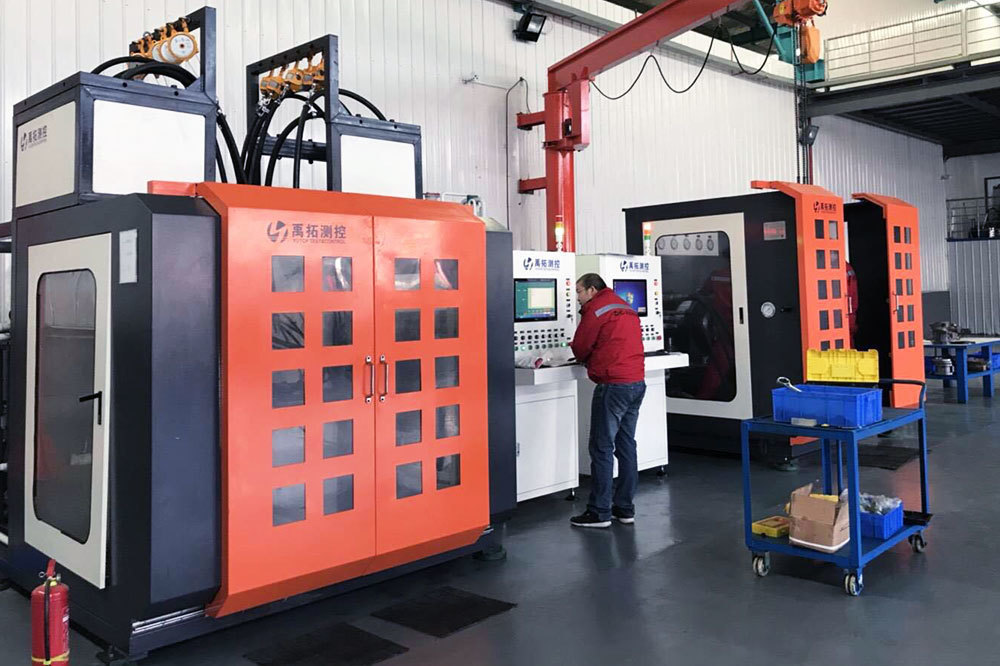
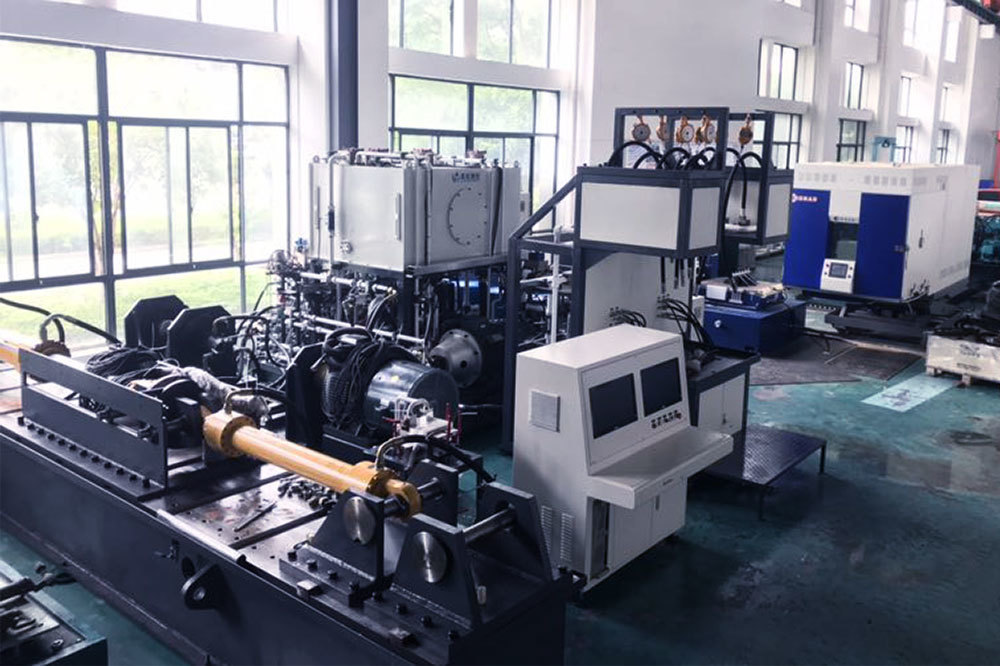
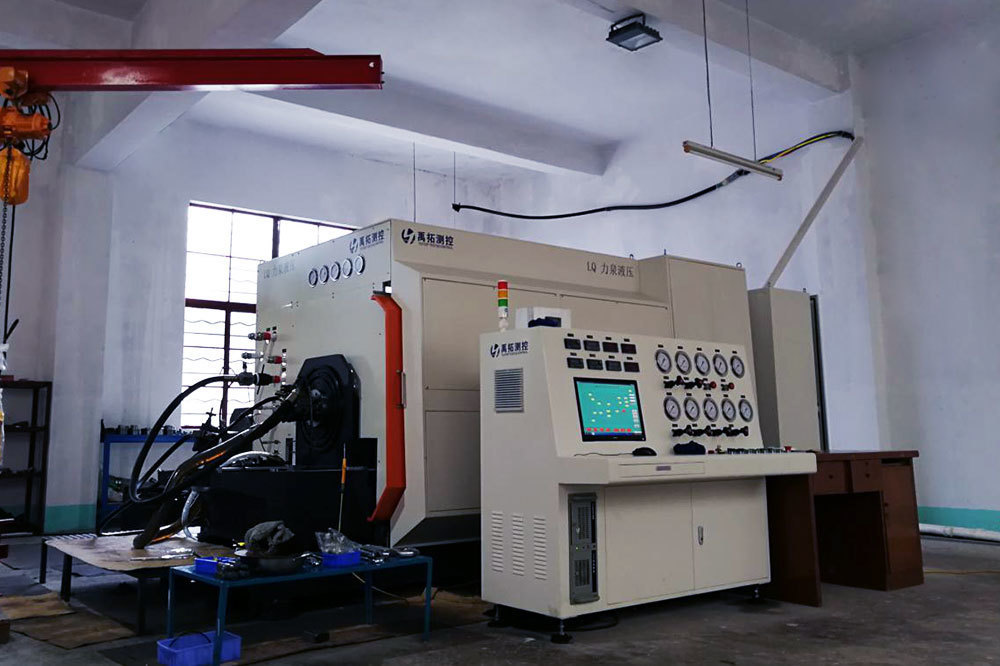
1. Static Test Benches
Static test benches are designed for bench testing components like pumps and valves without any movement. They provide a controlled environment for evaluating performance metrics such as pressure and flow rates.
2. Dynamic Test Benches
Dynamic test benches allow for in-motion testing of hydraulic systems, making them ideal for evaluating the overall functionality of excavators. These benches simulate real-world operational conditions, providing deeper insights into system performance.
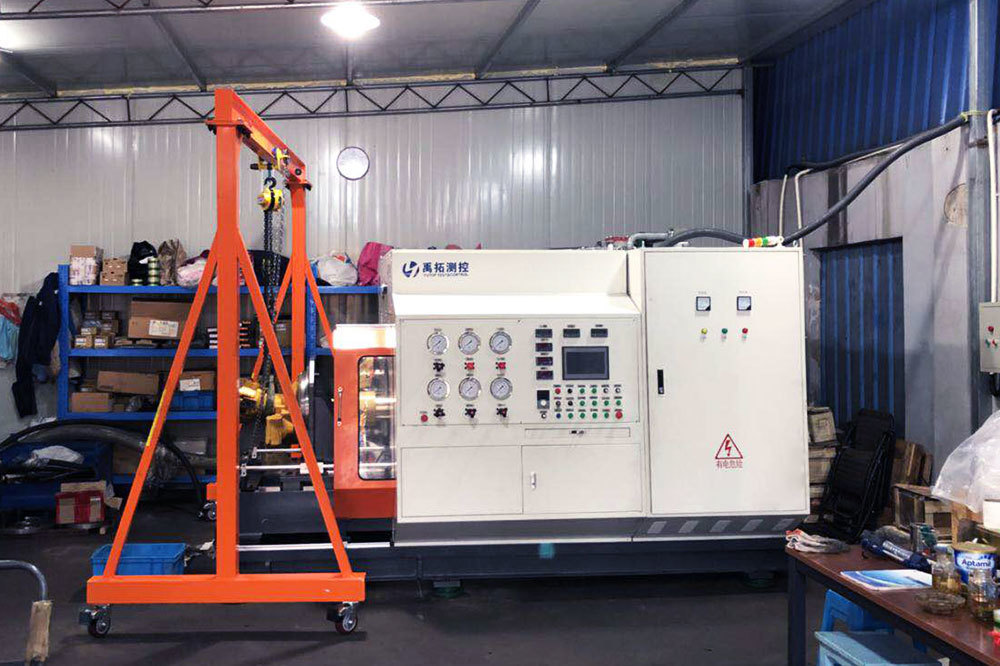
3. Portable Test Benches
For on-site needs, portable test benches offer versatility and convenience. These models are lightweight and easy to transport, making them suitable for field testing and emergency repairs.
4. Custom Test Benches
For specialized applications, custom test benches can be designed to meet unique operational requirements. Consult with manufacturers to create a solution tailored to your excavator's specific hydraulic needs.
Key Features to Consider When Choosing a Test Bench
When selecting a hydraulic test bench, several critical features should be taken into account:
1. Measurement Capabilities
Ensure the test bench can accurately measure key parameters such as pressure, flow rate, and temperature. The precision of these measurements directly impacts your ability to assess hydraulic performance.
2. Compatibility
Check that the test bench is compatible with the specific hydraulic components of your excavator. This includes fittings and hoses, as incorrect compatibility can lead to inaccurate results or even damage.
3. Ease of Use
User-friendly interfaces and clear instructions are crucial for efficient operation. Look for test benches that offer intuitive controls and straightforward setup processes.
4. Durability and Construction
A robust test bench should be made of high-quality materials to withstand frequent use. Consider factors like corrosion resistance and overall build quality.
5. Calibration and Maintenance
Choose a test bench that is easy to calibrate and maintain. Regular calibration ensures accuracy, while simple maintenance procedures keep the unit operational for years.
Size and Capacity Requirements for Your Excavator
Evaluating the size and capacity of the test bench is essential. Consider the following aspects:
1. Excavator Size
Larger excavators will typically require a more substantial test bench with higher capacity. Ensure the bench can handle the maximum flow and pressure specifications of your excavator’s hydraulic system.
2. Workspace Availability
Assess the available space in your workshop or job site. The size of the test bench should fit comfortably without compromising safety or workflow.
3. Future Needs
Consider your long-term needs. If you plan to expand your fleet or require testing for other machinery, investing in a larger, more versatile test bench may be beneficial.
Budget Considerations for Test Bench Selection
Your budget will play a significant role in determining the best test bench for your needs. Here are some factors to keep in mind:
1. Initial Investment
Higher-quality test benches often come with a higher price tag. While it may be tempting to opt for cheaper options, consider the long-term value and durability of more expensive models.
2. Operational Costs
Consider the cost of running and maintaining the test bench. Models that are energy-efficient or require less frequent calibration and maintenance can save you money over time.
3. Warranty and Support
Evaluate the warranty and customer support offered by manufacturers. A robust warranty can provide peace of mind and safeguard your investment.
Maintaining Your Hydraulic Test Bench
To ensure the longevity and accuracy of your test bench, regular maintenance is essential. Here are some maintenance tips:
1. Regular Calibration
Schedule regular calibration checks to ensure measurement accuracy. Follow the manufacturer’s recommendations for calibration frequency.
2. Cleanliness
Keep the test bench clean and free from debris. Regularly inspect hoses and fittings for leaks or wear.
3. Routine Inspections
Conduct routine inspections to identify any wear and tear or potential issues. Addressing concerns early can prevent costly repairs.
4. Proper Storage
When not in use, store the test bench in a dry, protected area to prevent environmental damage.
Frequently Asked Questions
1. What is a hydraulic test bench used for?
A hydraulic test bench is used to evaluate the performance and functionality of hydraulic components in machinery, such as excavators.
2. How do I know what size test bench I need?
Consider the maximum flow and pressure specifications of your excavator’s hydraulic system and ensure the test bench can accommodate these requirements.
3. Can I use a test bench for other types of machinery?
Yes, many test benches can be customized or adapted for use with different types of machinery, depending on their specifications.
4. What maintenance does a test bench require?
Regular calibration, cleanliness, routine inspections, and proper storage are essential for maintaining a hydraulic test bench.
5. How much should I budget for a test bench?
The cost of a test bench can vary widely based on features and specifications, so it’s essential to evaluate your needs and consider long-term value.
Conclusion
Choosing the right test bench for your excavator's hydraulic needs is a decision that requires thoughtful consideration. By understanding the intricacies of hydraulic systems, evaluating your specific requirements, and taking into account key features and budget considerations, you can select a test bench that not only meets your current needs but also adapts to future demands. Proper maintenance of your test bench will ensure it continues to operate efficiently, enhancing the performance and longevity of your excavator's hydraulic systems. Investing in the right test bench is essential for ensuring the reliable operation of your excavator and maximizing your productivity on the job site.
PREVIOUS:

Room 209, 2nd Floor, No.12, No.828 Maogang Road, Huangpu District, Guangzhou,China.


