

Mastering the Calibration Process for Hydraulic Pump Performance Test Benches: A Comprehensive Guide
Understanding the Calibration Process for Hydraulic Pump Performance Test Benches Hydraulic systems play a critical role in various industrial applications, where precision and reliability are paramount. One crucial component within this sphere is the hydraulic pump performance test bench. Calibration of these benches ensures accurate readings and optimal performance of hydraulic pumps. This artic
Apr 04,2026

Understanding the Calibration Process for Hydraulic Pump Performance Test Benches
Hydraulic systems play a critical role in various industrial applications, where precision and reliability are paramount. One crucial component within this sphere is the hydraulic pump performance test bench. Calibration of these benches ensures accurate readings and optimal performance of hydraulic pumps. This article provides an in-depth exploration of the calibration process, its importance, and best practices for achieving precision in hydraulic testing.
The Importance of Calibration in Hydraulic Testing
Calibration is the process of adjusting and verifying the accuracy of measurement devices against a known standard. In hydraulic pump performance test benches, calibration is vital for several reasons:
- **Accuracy**: Ensuring that the test bench provides precise measurements is crucial for reliable results.
- **Consistency**: Regular calibration helps maintain consistent performance over time, reducing discrepancies in test results.
- **Safety**: Accurate calibration minimizes risks associated with hydraulic system failures, enhancing safety for operators and equipment.
- **Regulatory Compliance**: Many industries require adherence to specific standards, making calibration an essential part of regulatory compliance.
Components of a Hydraulic Pump Performance Test Bench
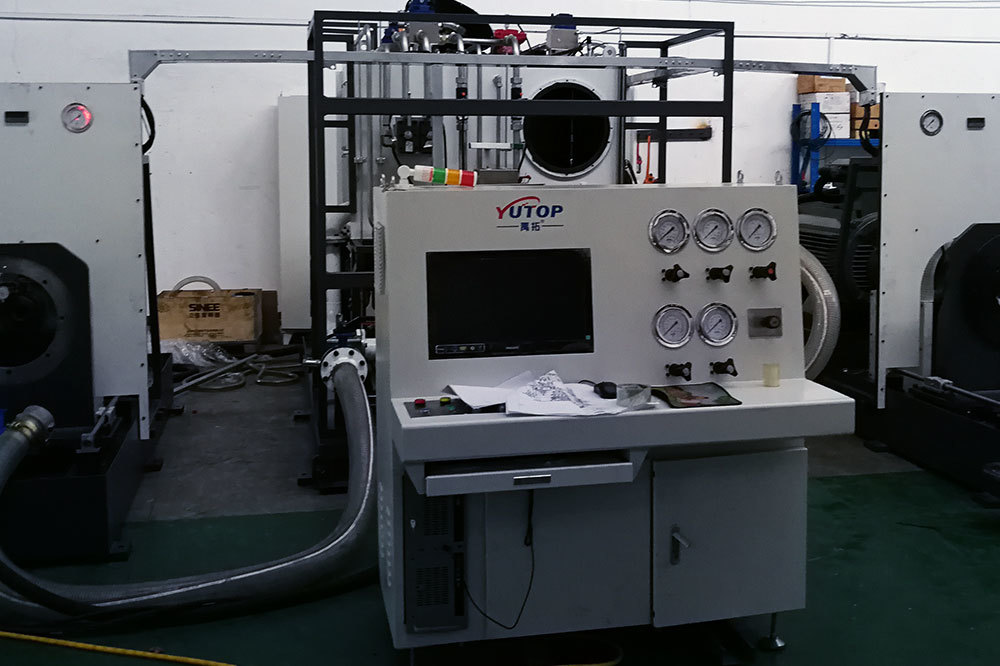
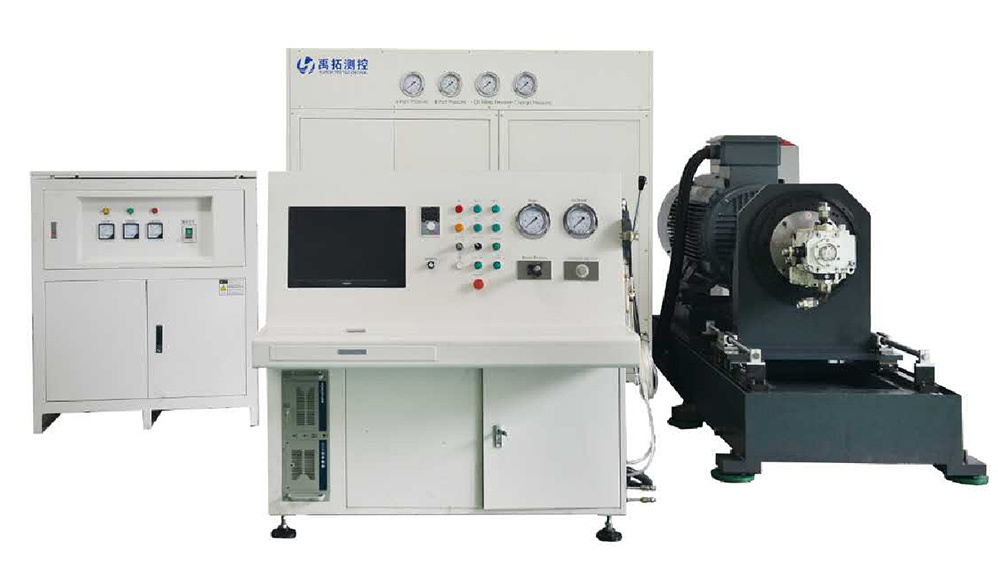
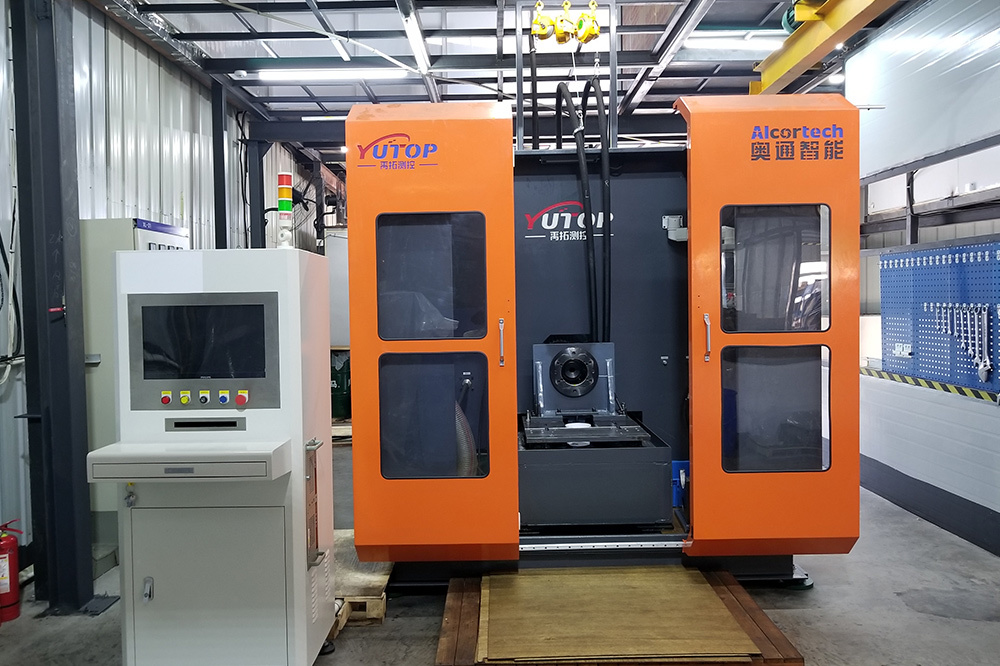
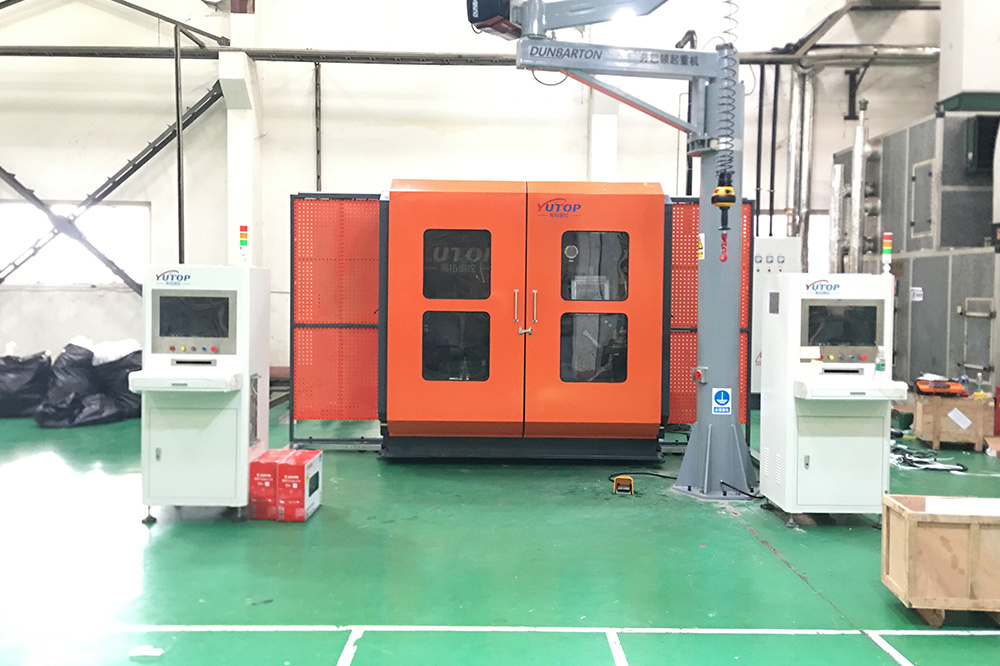
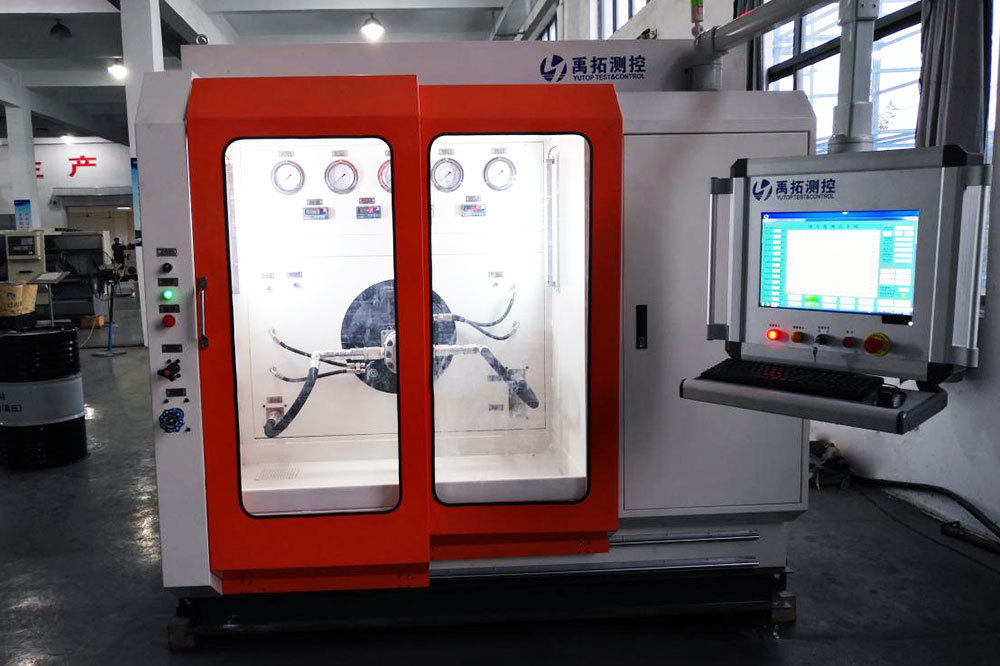
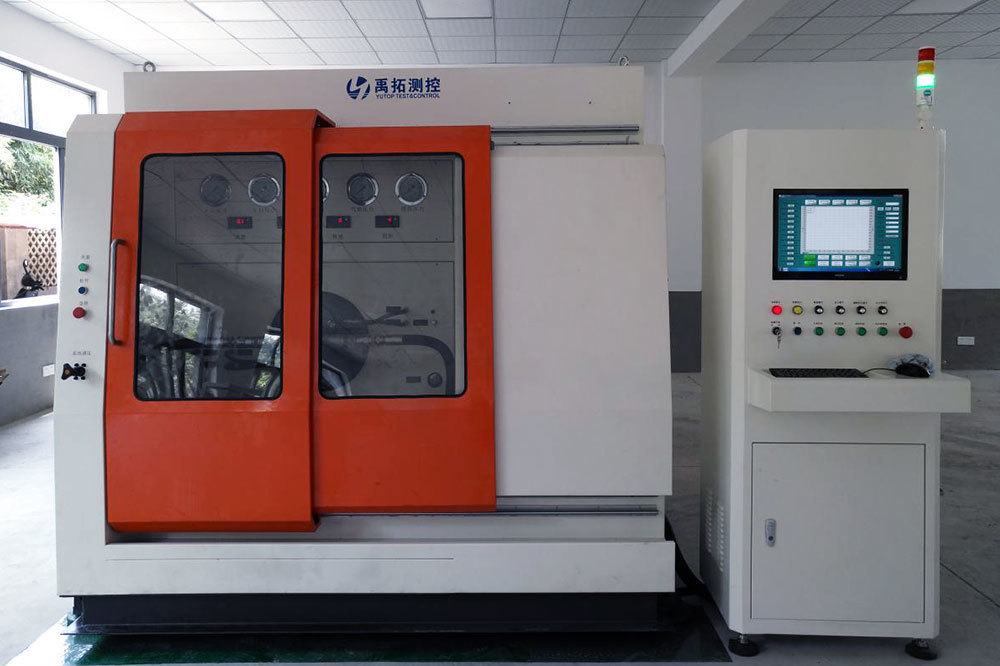
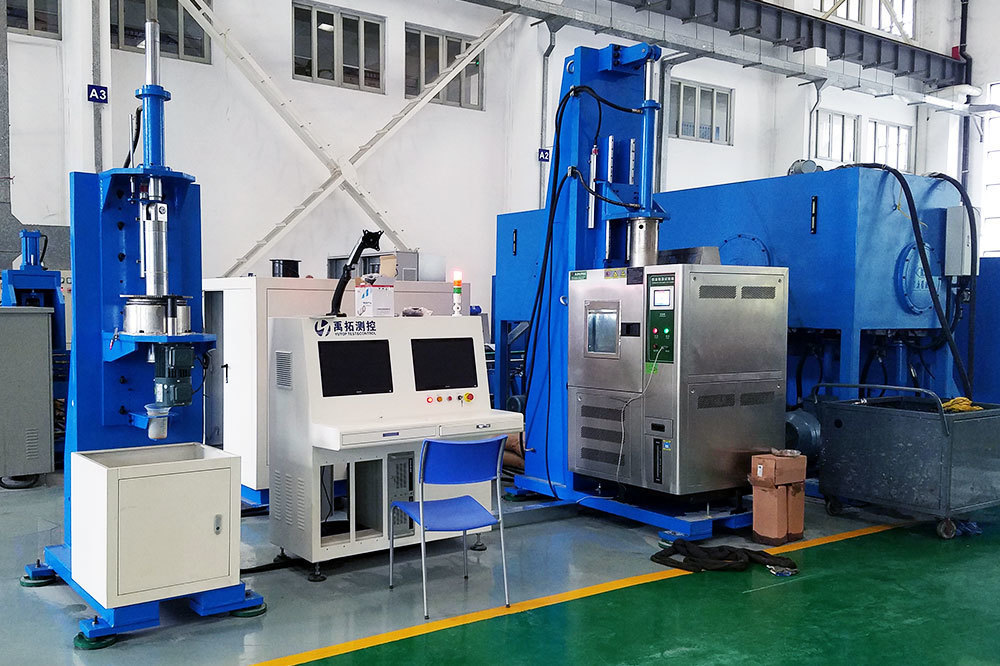
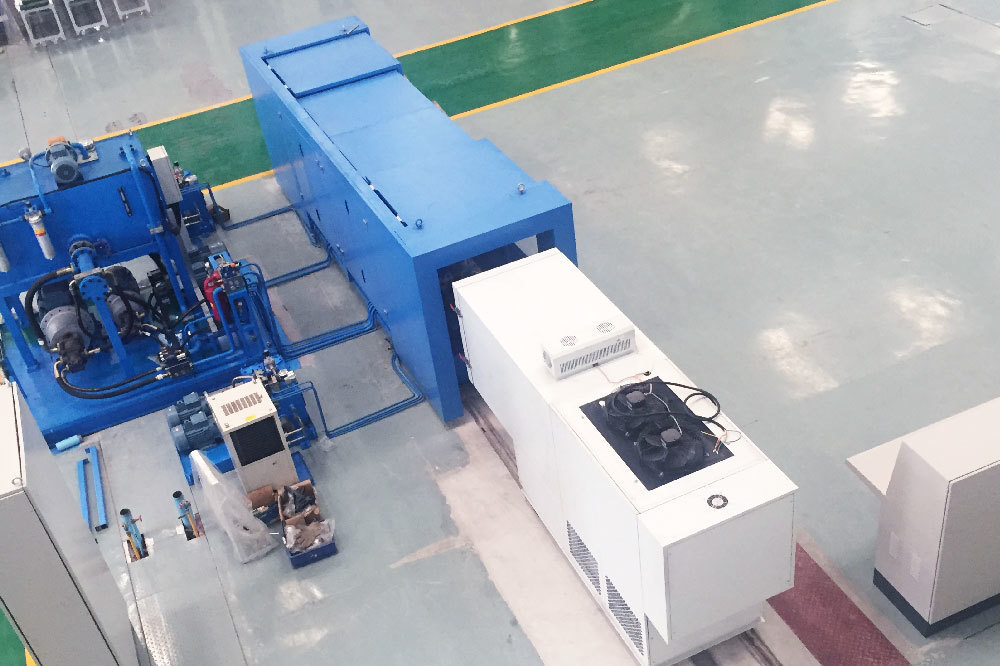
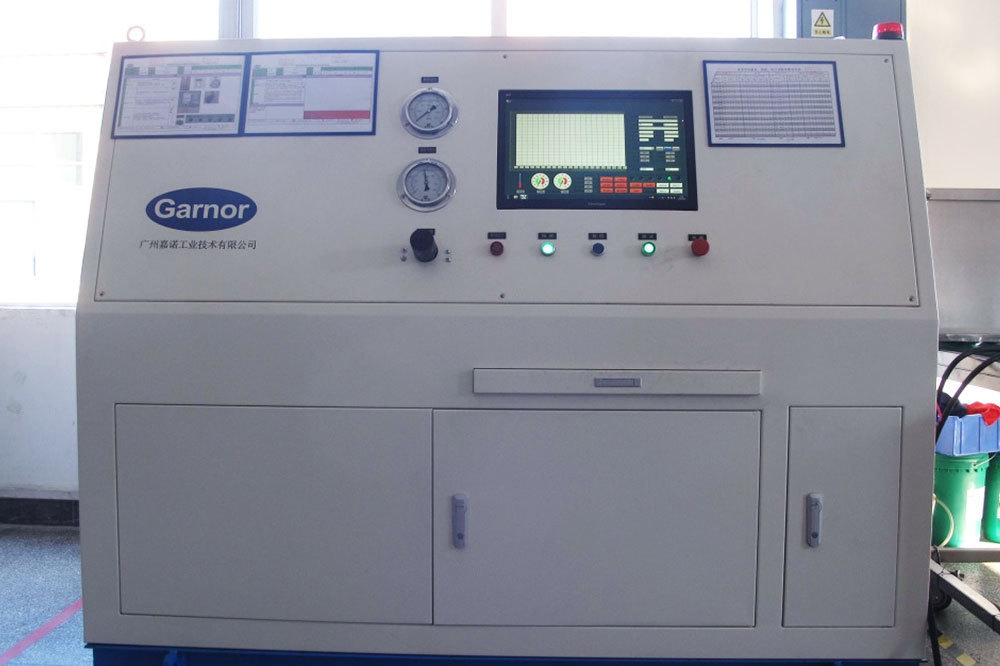
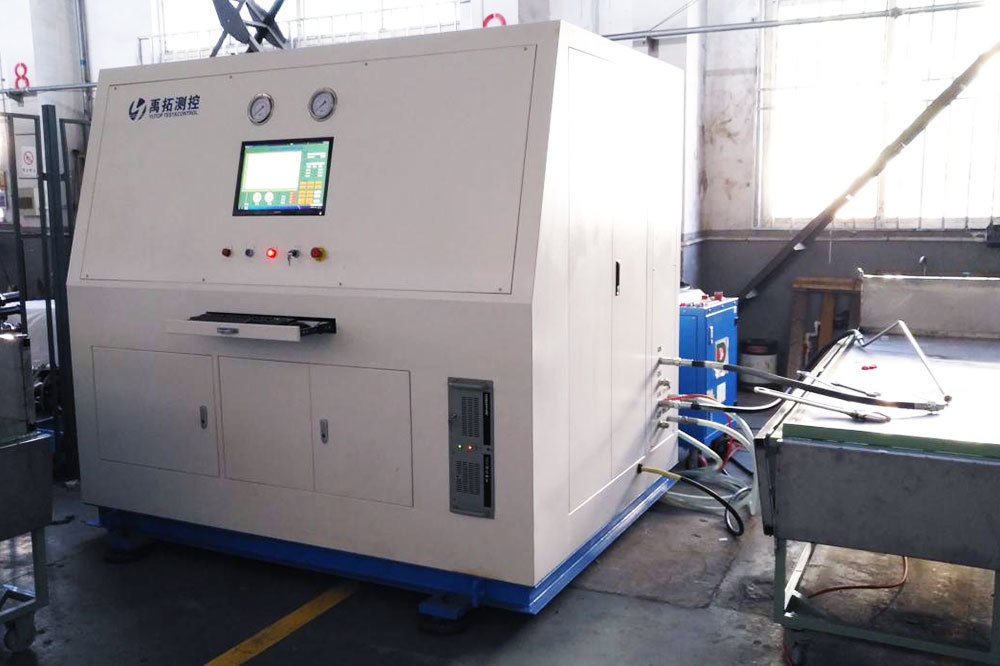
Understanding the key elements of a hydraulic pump performance test bench is essential for effective calibration. These components typically include:
1. Hydraulic Pump
The heart of the test bench, the hydraulic pump, generates fluid flow and pressure necessary for testing.
2. Flow Meter
A flow meter measures the volume of hydraulic fluid passing through the system. Accurate flow measurement is vital for determining pump performance.
3. Pressure Gauge
Pressure gauges provide real-time pressure readings, enabling operators to monitor pump output accurately.
4. Control Valves
Control valves regulate fluid flow and pressure within the test bench, influencing the testing environment.
5. Data Acquisition System
This system collects and analyzes data from various sensors, allowing for detailed performance analysis.
6. Test Reservoir
The test reservoir houses hydraulic fluid, ensuring adequate supply during tests while facilitating easy fluid management.
The Calibration Process: Step-by-Step Guide
The calibration process for hydraulic pump performance test benches involves several key steps to ensure accuracy and reliability. Below is a comprehensive guide to effectively calibrating your test bench.
Step 1: Preliminary Inspection
Before calibration, conduct a thorough inspection of the test bench. Check for any signs of wear, leaks, or damage. Ensure all components are functioning correctly, and replace any faulty parts.
Step 2: Establish Calibration Standards
Identify the standards against which you will calibrate your test bench. This may include manufacturer specifications or industry standards. Ensure that you have access to calibrated reference instruments for accurate comparison.
Step 3: Calibrate the Flow Meter
1. Connect the flow meter to a known standard flow source.
2. Compare the readings from the flow meter against the standard.
3. Adjust the flow meter calibration settings as necessary, following the manufacturer's guidelines.
Step 4: Calibrate the Pressure Gauge
1. Attach a calibrated pressure gauge to the system.
2. Generate known pressure levels using the hydraulic pump.
3. Compare the readings from the test gauge to the standard gauge.
4. Adjust the test gauge calibration as needed.
Step 5: Test Control Valves
1. Check the control valves' response to adjustments.
2. Ensure that they open and close at the specified pressures and flow rates.
3. Replace any malfunctioning valves before proceeding.
Step 6: Validate Data Acquisition System
1. Check the data acquisition system’s calibration against known inputs.
2. Ensure that it accurately records pressure, flow, and other relevant parameters.
3. Conduct tests to confirm data accuracy and reliability.
Best Practices for Effective Calibration
To maximize the effectiveness of the calibration process, consider the following best practices:
1. Regular Calibration Schedule
Establish a routine calibration schedule based on usage and manufacturer recommendations. Regular calibration helps maintain accuracy over time.
2. Use Qualified Personnel
Ensure that trained professionals conduct the calibration process. Their expertise will enhance accuracy and efficiency.
3. Maintain Environmental Conditions
Conduct calibration in controlled environments to minimize external influences on measurements.
4. Document Calibration Results
Keep detailed records of calibration results, adjustments made, and any issues encountered. This documentation aids in future calibrations and audits.
5. Continuous Training
Invest in ongoing training for personnel to keep them up-to-date with the latest calibration techniques and technologies.
Common Calibration Challenges and Solutions
Calibration processes can encounter various challenges. Here are some common issues and their solutions:
1. Inconsistent Readings
Inconsistent readings can arise from faulty components or improper setup. Regularly inspect all parts and ensure proper installation.
2. Environmental Influences
Temperature fluctuations and vibrations can affect measurements. Conduct calibrations in a stable environment free from interference.
3. Lack of Standardization
Without established standards, calibrations may lack accuracy. Always refer to industry standards or manufacturer guidelines.
Conclusion
In summary, mastering the calibration process for hydraulic pump performance test benches is essential for maintaining the accuracy and reliability of hydraulic systems. By understanding the significant components, following a structured calibration process, and adhering to best practices, operators can ensure optimal performance and compliance. Regular calibration not only enhances safety but also extends the lifespan of hydraulic equipment. Investing time and resources in thorough calibration processes ultimately leads to improved efficiency and productivity in various industrial applications.
FAQs
1. How often should hydraulic pump performance test benches be calibrated?
Calibration frequency depends on usage but typically should occur at least once a year or as recommended by the manufacturer.
2. What tools are necessary for calibrating a hydraulic pump performance test bench?
Essential tools include calibrated flow meters, pressure gauges, data acquisition systems, and basic hand tools for adjustments.
3. Can calibration be performed in-house?
Yes, calibration can be performed in-house if you have qualified personnel and the necessary equipment. However, for critical measurements, consider using third-party calibration services.
4. What are the consequences of not calibrating hydraulic test benches?
Failure to calibrate can lead to inaccurate measurements, compromised safety, increased wear on equipment, and potential regulatory non-compliance.
5. What is the role of a data acquisition system in calibration?
A data acquisition system collects and analyzes data from various sensors, providing insights into the performance of the hydraulic pump during testing. Accurate data is crucial for effective calibration and performance analysis.
PREVIOUS:

Room 209, 2nd Floor, No.12, No.828 Maogang Road, Huangpu District, Guangzhou,China.


