

From Complexity to Simplicity: The Benefits of One-Stop Hydraulic Testing Solutions
From Complexity to Simplicity: The Benefits of One-Stop Hydraulic Testing Solutions Introduction to Hydraulic Testing Solutions In an ever-evolving industrial landscape, the demand for reliable and efficient hydraulic systems is at an all-time high. Hydraulic systems are the backbone of many industries, from manufacturing to construction. However, ensuring their reliability and efficiency requires
Apr 10,2026
From Complexity to Simplicity: The Benefits of One-Stop Hydraulic Testing Solutions
Introduction to Hydraulic Testing Solutions
In an ever-evolving industrial landscape, the demand for reliable and efficient hydraulic systems is at an all-time high. Hydraulic systems are the backbone of many industries, from manufacturing to construction. However, ensuring their reliability and efficiency requires rigorous testing and evaluation. This is where one-stop hydraulic testing solutions come into play. By consolidating various testing needs into a single service provider, businesses can significantly simplify their operations, reduce costs, and enhance system performance. In this article, we will explore the myriad benefits of adopting one-stop hydraulic testing solutions, providing insights into how they convert complexity into simplicity.
Understanding Hydraulic Testing
What is Hydraulic Testing?
Hydraulic testing involves examining the integrity and performance of hydraulic systems through various methods, including pressure tests, flow tests, and leak detection. These tests are crucial for ensuring that hydraulic components, such as pumps, cylinders, and hoses, operate effectively under pressure. Regular testing helps prevent catastrophic failures and extends the lifespan of hydraulic equipment.
The Importance of Regular Hydraulic Testing
Regular hydraulic testing is vital for several reasons:
- Safety: Ensures that systems operate safely under pressure without leaks or failures.
- Performance: Helps maintain optimal performance by identifying potential issues before they escalate.
- Compliance: Ensures adherence to industry standards and regulations, avoiding legal repercussions.
The Complexity of Traditional Hydraulic Testing
Challenges Faced by Businesses
Traditionally, hydraulic testing has been a complex process, often involving multiple service providers, equipment, and protocols. Businesses face several challenges, including:
- Coordination: Managing multiple contracts and schedules can be time-consuming and complicated.
- Cost: Engaging different service providers can lead to increased costs due to overlapping services.
- Inconsistency: Varying standards and methodologies can result in inconsistent test results and quality.
Why the Traditional Approach is Inefficient
The traditional method of hydraulic testing often leads to operational inefficiencies. With disparate testing services, businesses may experience delays, miscommunication, and ultimately, increased downtime. This complexity can hinder productivity and negatively impact overall operational performance.
The Rise of One-Stop Hydraulic Testing Solutions
What are One-Stop Hydraulic Testing Solutions?
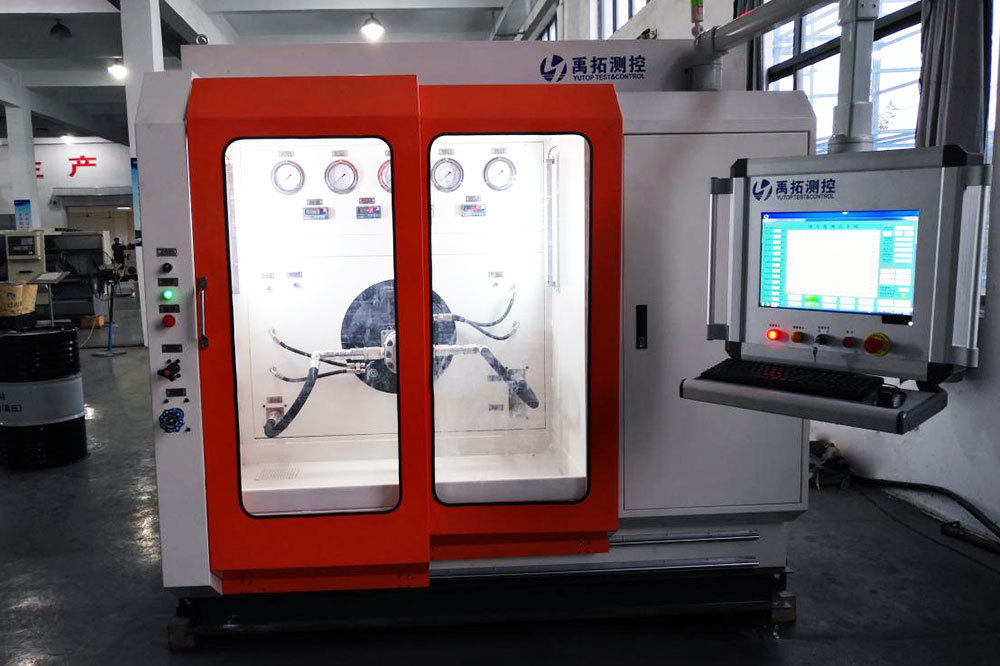
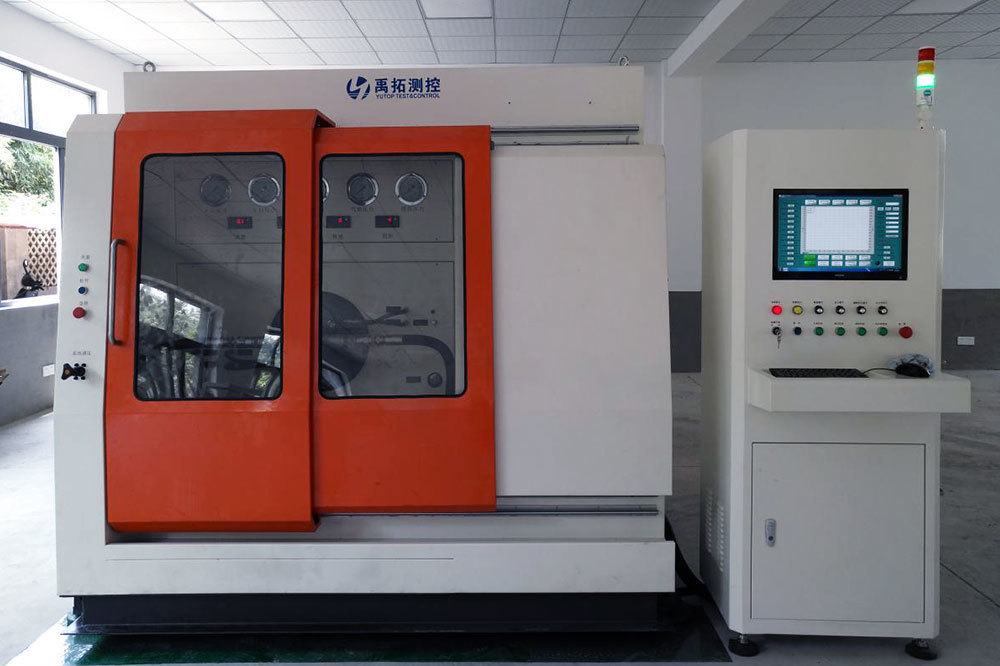
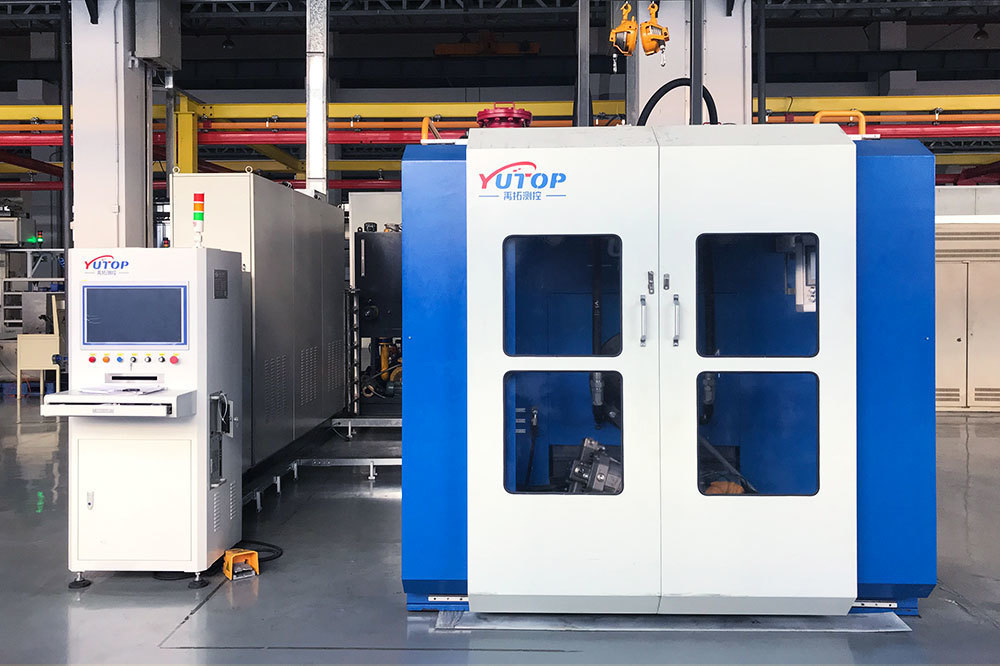
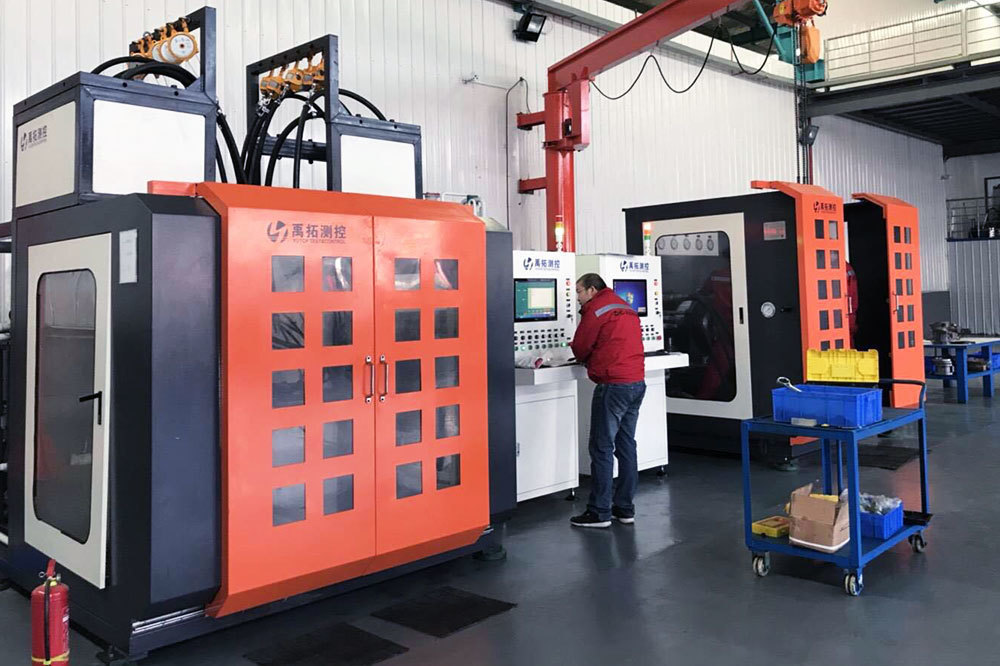
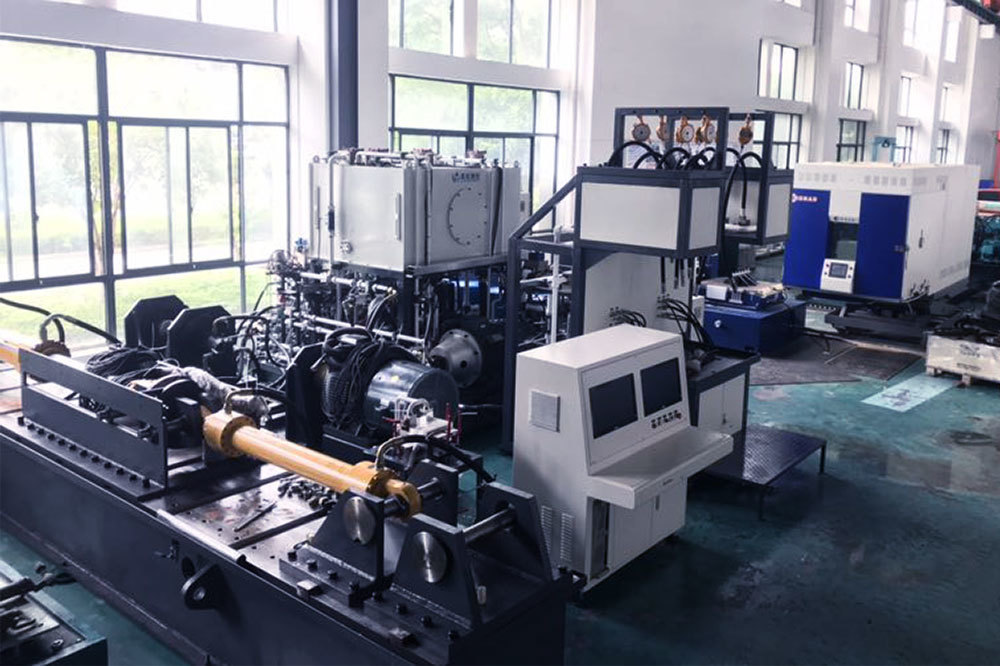
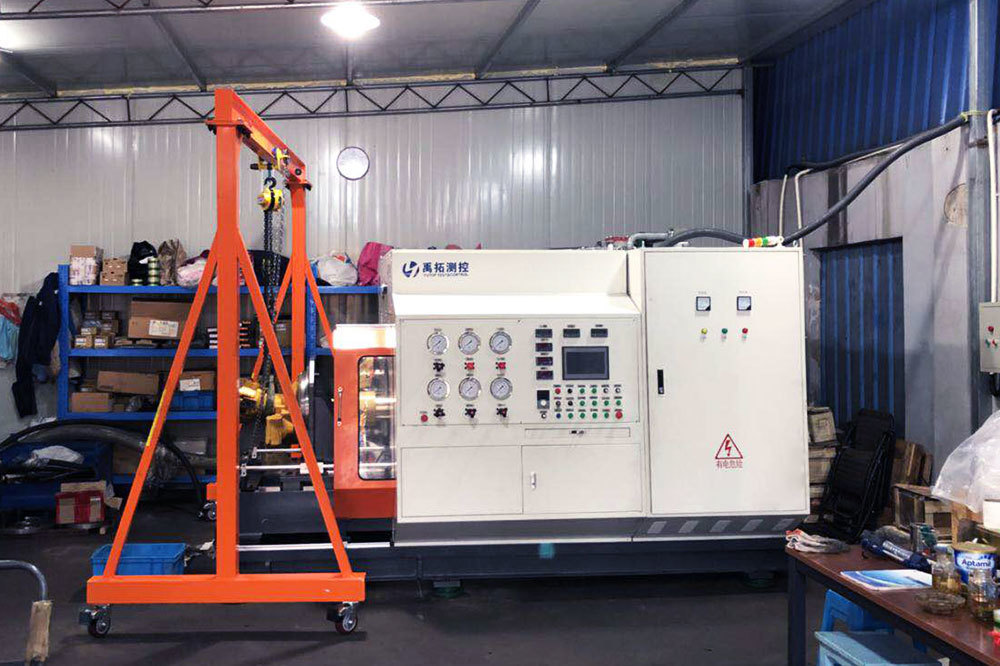
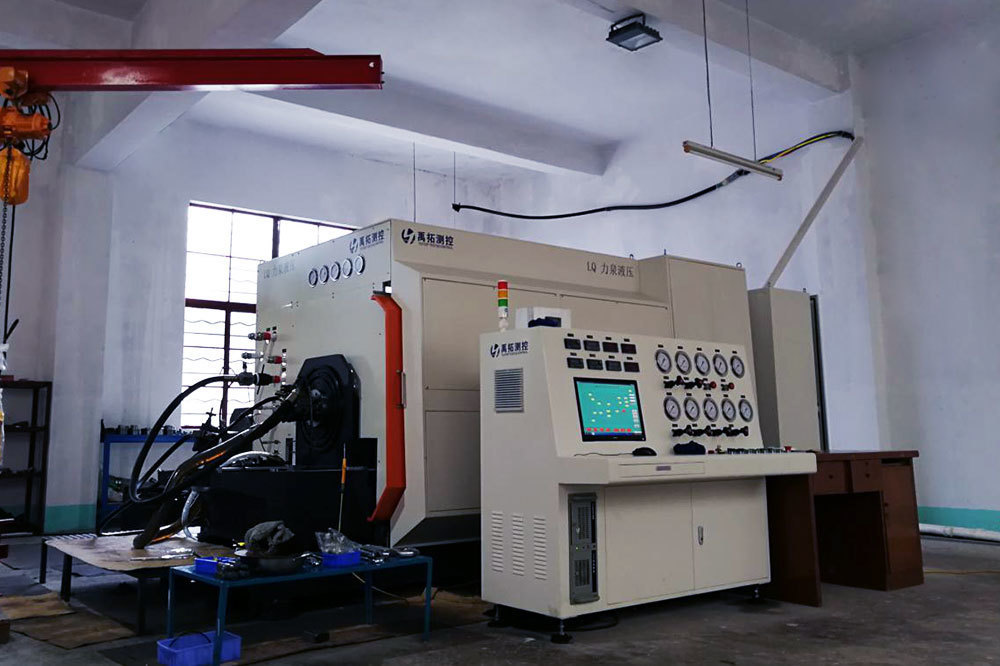
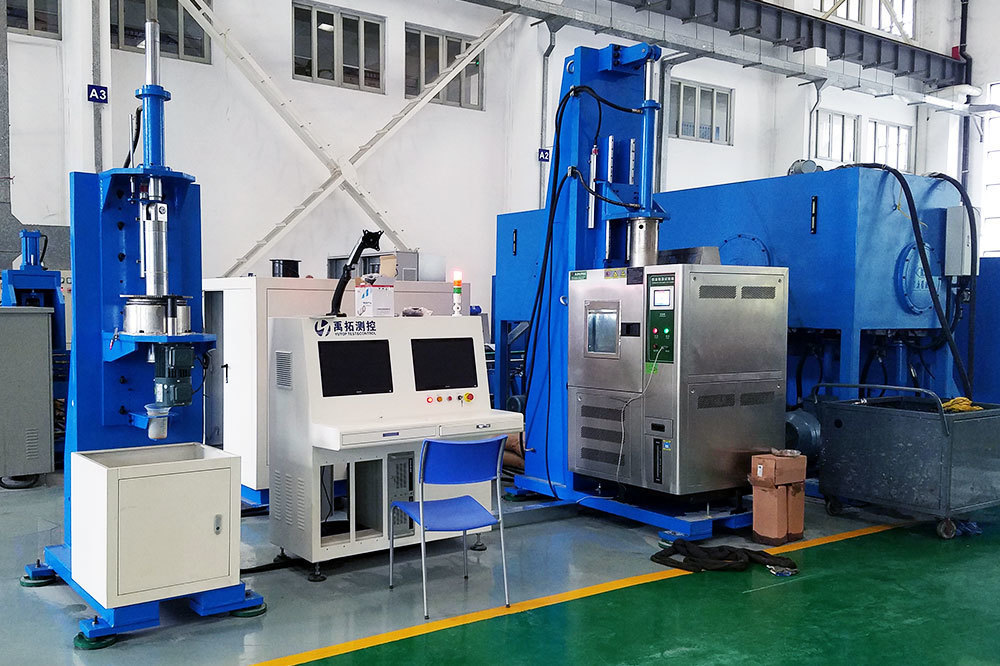
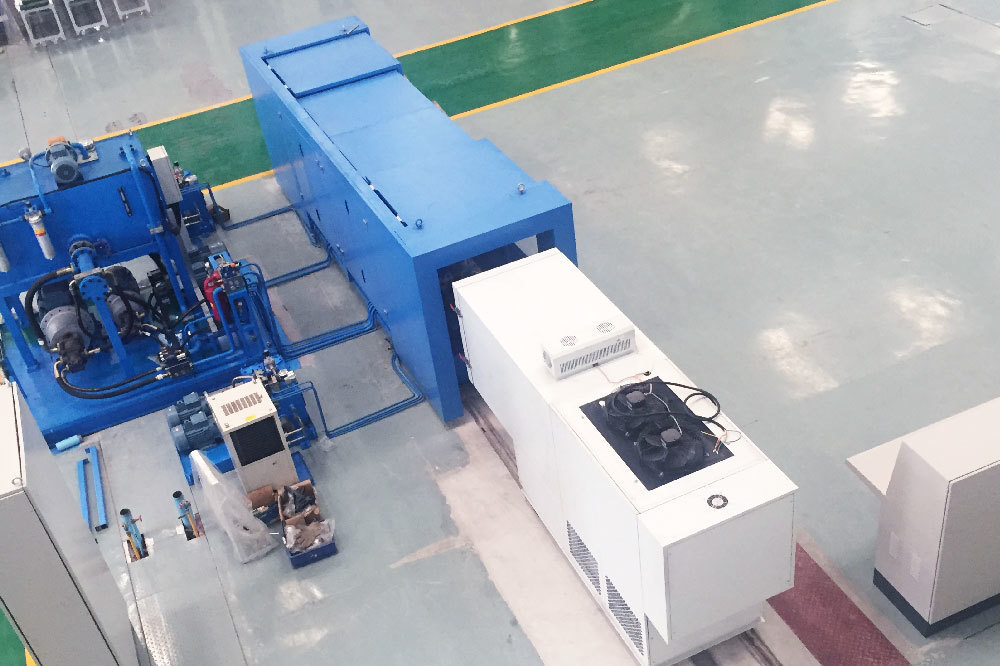
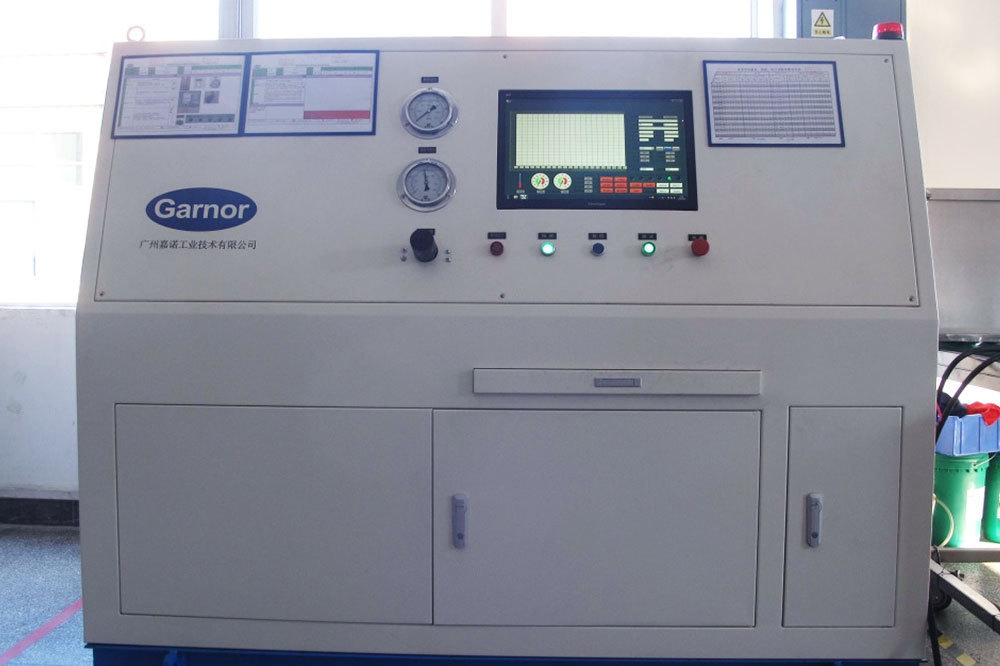
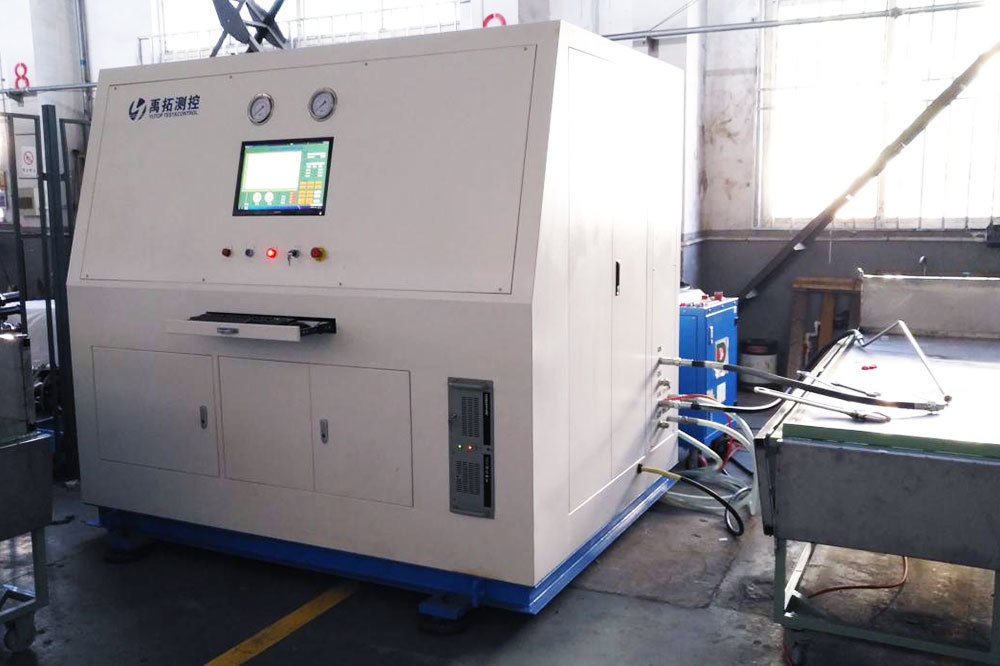
One-stop hydraulic testing solutions are integrated service offerings that combine multiple testing capabilities under a single provider. These solutions streamline the testing process, offering comprehensive services from a single source. This approach aims to simplify the experience for businesses by reducing the need to engage with multiple vendors.
Key Features of One-Stop Solutions
One-stop hydraulic testing solutions offer several key features:
- Comprehensive Services: These solutions often include pressure testing, flow rate testing, leak detection, and system diagnostics.
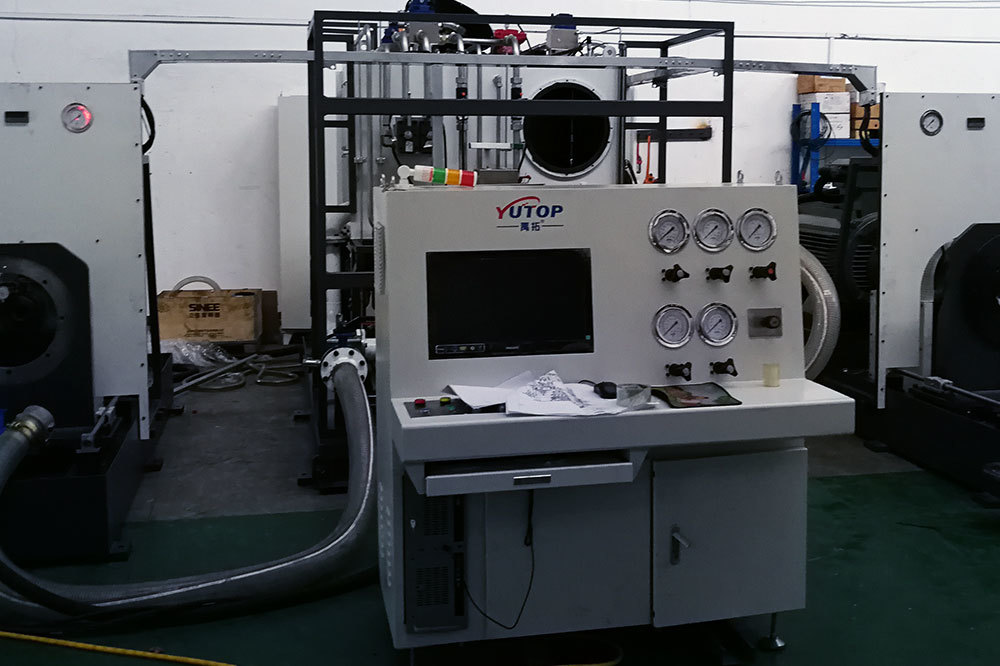
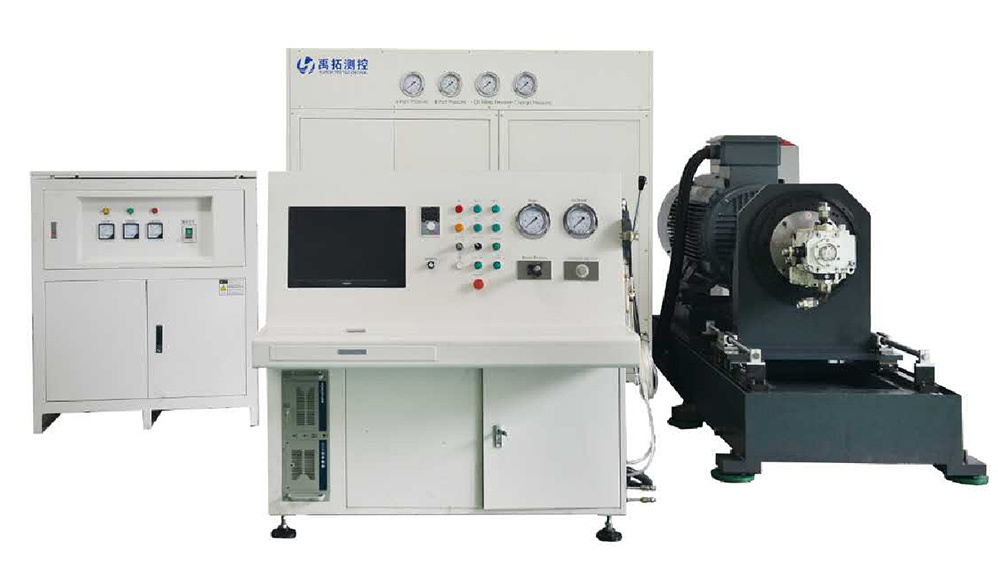
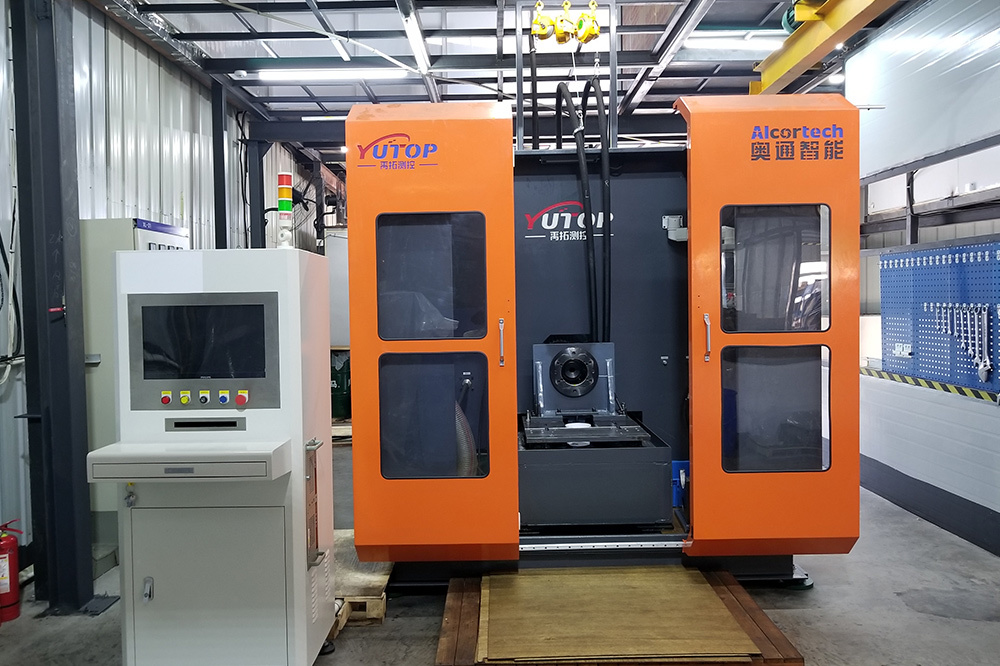
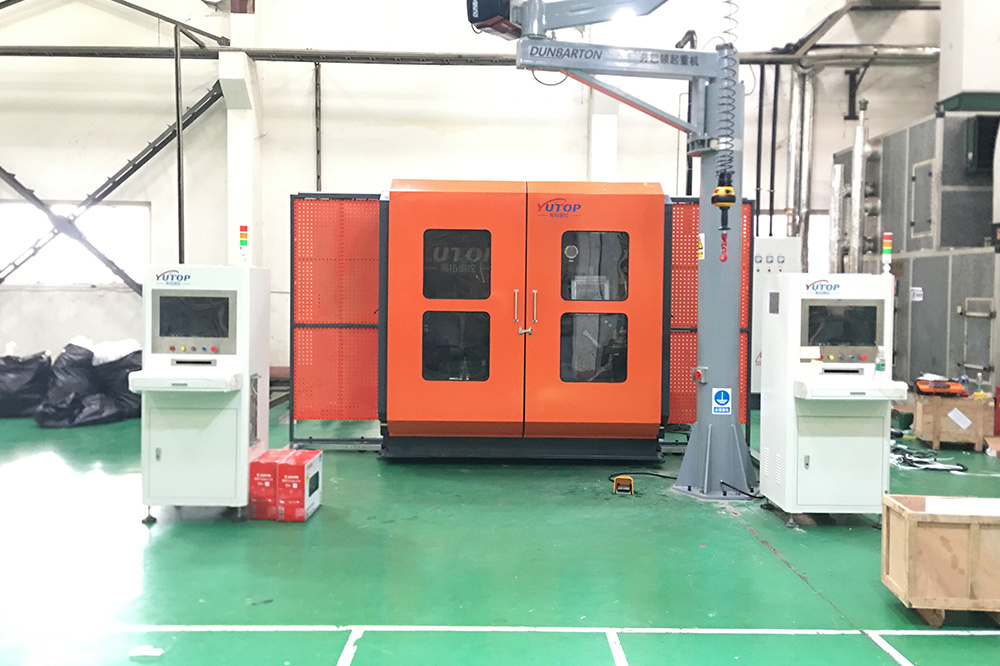
- Advanced Technology: Providers utilize state-of-the-art equipment and technology to ensure accurate and reliable testing results.
- Expertise: Access to a team of experienced professionals who understand the complexities of hydraulic systems.
Benefits of One-Stop Hydraulic Testing Solutions
1. Simplified Processes
By consolidating testing services into one provider, businesses can streamline their testing processes. This simplification leads to fewer logistical challenges and reduced administrative burden. Companies can focus on their core operations rather than managing multiple testing contracts and schedules.
2. Cost-Effectiveness
Engaging a single provider for all hydraulic testing needs can lead to significant cost savings. By reducing the number of vendors, businesses can negotiate better rates and eliminate redundant services. Additionally, streamlined testing processes can reduce downtime, leading to further savings.
3. Enhanced Accuracy and Reliability
One-stop solutions typically employ standardized testing methods and advanced technology, leading to more accurate results. Consistency in testing procedures enhances reliability, allowing businesses to make informed decisions based on precise data.
4. Improved Safety
With comprehensive testing services offered by experts, businesses can enhance the safety of their hydraulic systems. Regular and thorough testing ensures that potential issues are identified and addressed before they lead to catastrophic failures, ultimately safeguarding personnel and equipment.
5. Time Efficiency
Time is a critical factor in any business operation. One-stop hydraulic testing solutions significantly reduce the time spent on scheduling and coordinating tests. With a single point of contact, businesses can expedite the entire testing process, allowing for quicker resolutions and smoother operations.
Choosing the Right One-Stop Hydraulic Testing Provider
Criteria for Selection
Selecting the right hydraulic testing solution provider is essential for maximizing the benefits. Consider the following criteria:
- Experience and Expertise: Look for providers with a proven track record and specialized knowledge in hydraulic systems.
- Range of Services: Ensure they offer the specific testing services your business requires.
- Technology and Equipment: Inquire about their testing technology to ensure it meets industry standards.
- Customer Support: Evaluate their responsiveness and willingness to provide ongoing support and consultation.
Questions to Ask Potential Providers
Before finalizing a provider, ask the following questions:
- What is your experience with hydraulic testing?
- Can you provide references from similar clients?
- What equipment do you use for testing?
- How do you ensure the accuracy of your testing results?
Real-World Applications of One-Stop Hydraulic Testing Solutions
Case Studies
Let’s explore a couple of case studies illustrating the effectiveness of one-stop hydraulic testing solutions:
Case Study 1: Manufacturing Facility
A manufacturing facility faced challenges with frequent hydraulic system failures, leading to production downtime. By switching to a one-stop hydraulic testing solution, the facility was able to conduct comprehensive testing on all hydraulic systems. They identified critical issues promptly, resulting in a 30% reduction in downtime and substantial cost savings over the year.
Case Study 2: Construction Company
A construction company operating multiple hydraulic cranes struggled with coordinating various testing services. They implemented a one-stop solution that streamlined their testing process. This resulted in improved operational efficiency, allowing the company to complete projects ahead of schedule while maintaining safety standards.
FAQs About One-Stop Hydraulic Testing Solutions
1. What is the main advantage of one-stop hydraulic testing solutions?
The primary advantage is the simplification of the testing process, allowing businesses to engage with a single provider for all their hydraulic testing needs, reducing complexity and improving efficiency.
2. How can one-stop solutions save costs?
They can save costs by reducing the need for multiple service contracts, eliminating redundancies, and enabling better negotiation on pricing.
3. Are one-stop hydraulic testing solutions suitable for all industries?
Yes, they are suitable for various industries, including manufacturing, construction, and transportation, where hydraulic systems play a crucial role.
4. How often should hydraulic systems be tested?
Regular testing is recommended, typically every six months to a year, depending on the operational environment and usage patterns.
5. Can one-stop hydraulic testing solutions help with compliance?
Absolutely! They ensure that all testing meets industry standards and regulatory requirements, helping businesses maintain compliance and avoid penalties.
Conclusion
In conclusion, the shift from traditional hydraulic testing methods to one-stop hydraulic testing solutions represents a significant advancement in ensuring the reliability and efficiency of hydraulic systems. By simplifying processes and consolidating services, businesses can enjoy enhanced accuracy, improved safety, and substantial cost savings. As industries continue to evolve, adopting integrated solutions will be key to maintaining competitiveness and operational excellence. Embracing one-stop hydraulic testing solutions enables businesses to focus on what they do best while ensuring their hydraulic systems operate at peak performance.
PREVIOUS:

Room 209, 2nd Floor, No.12, No.828 Maogang Road, Huangpu District, Guangzhou,China.


