

Essential Insights on Gear Pump Test Benches: Enhancing Performance and Reliability
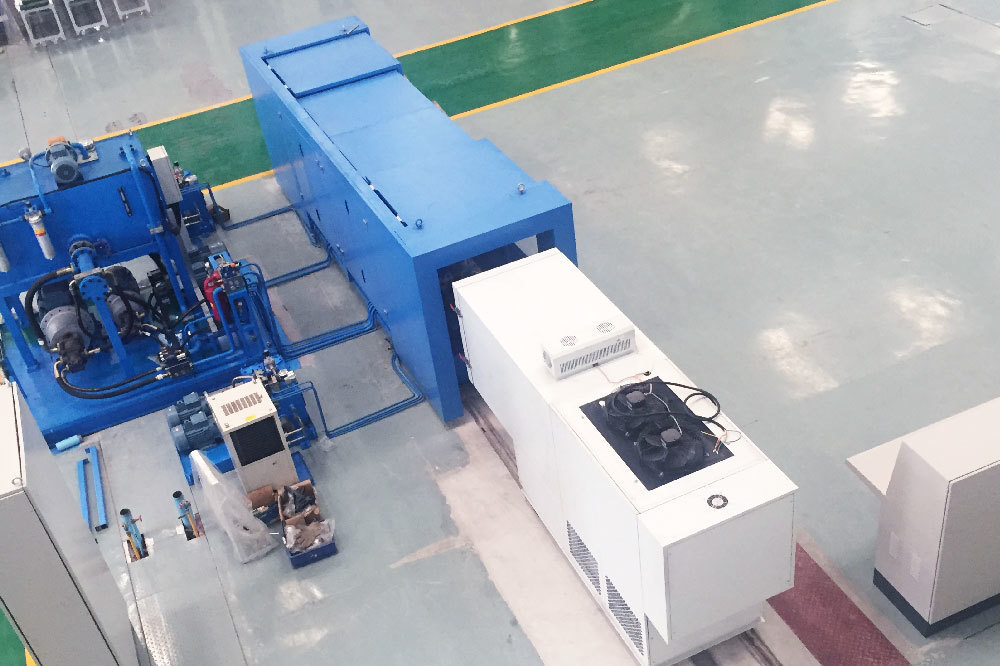
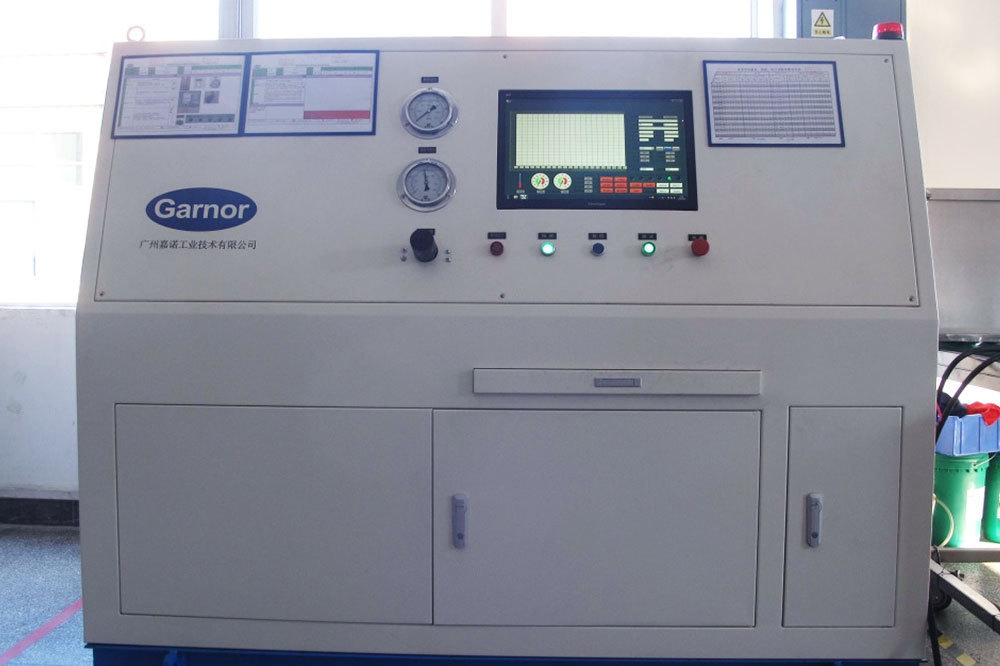
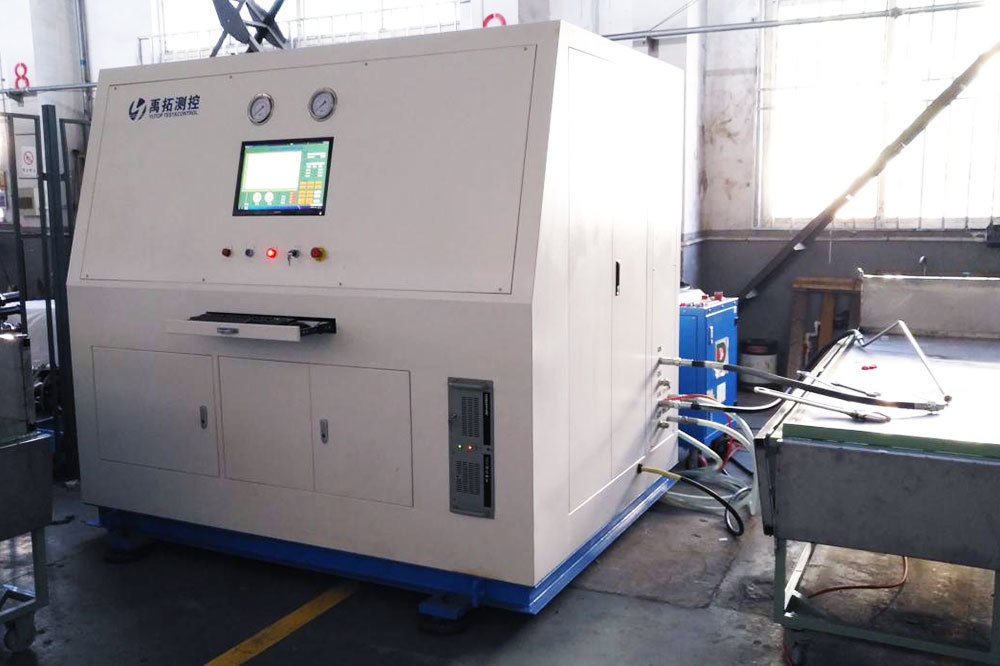
In the industrial equipment sector, especially in the realm of pumps and vacuum devices, gear pumps play a crucial role due to their ability to move high-viscosity fluids efficiently. To ensure these pumps operate at peak performance, a gear pump test bench becomes an invaluable tool. This specialized equipment is designed to assess various parameters of gear pumps, including flow rate, pressure,
May 25,2026
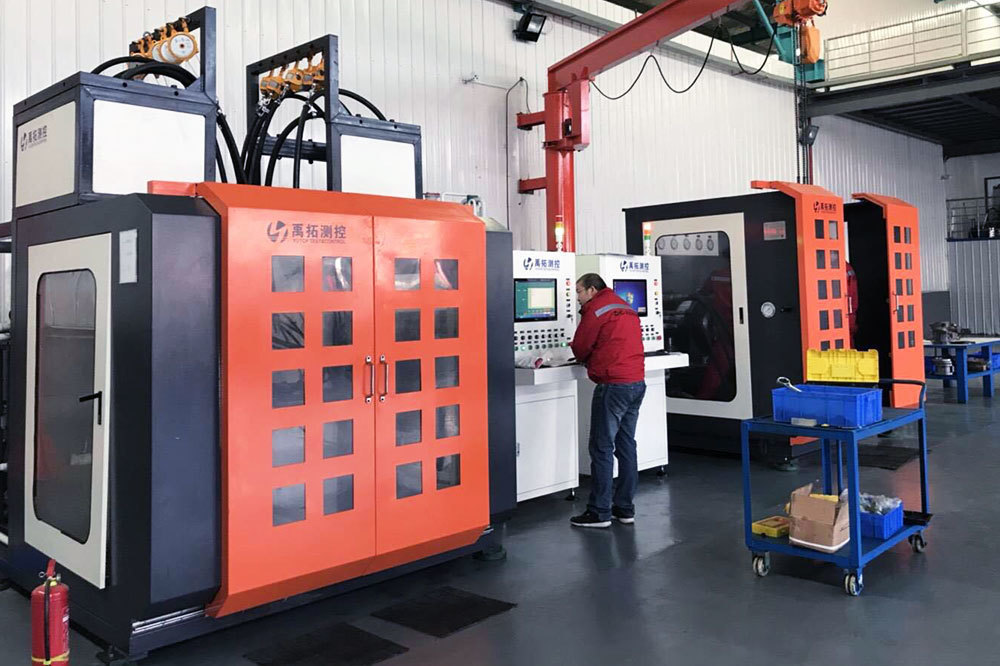
In the industrial equipment sector, especially in the realm of pumps and vacuum devices, gear pumps play a crucial role due to their ability to move high-viscosity fluids efficiently. To ensure these pumps operate at peak performance, a gear pump test bench becomes an invaluable tool. This specialized equipment is designed to assess various parameters of gear pumps, including flow rate, pressure, and efficiency, under simulated operational conditions.
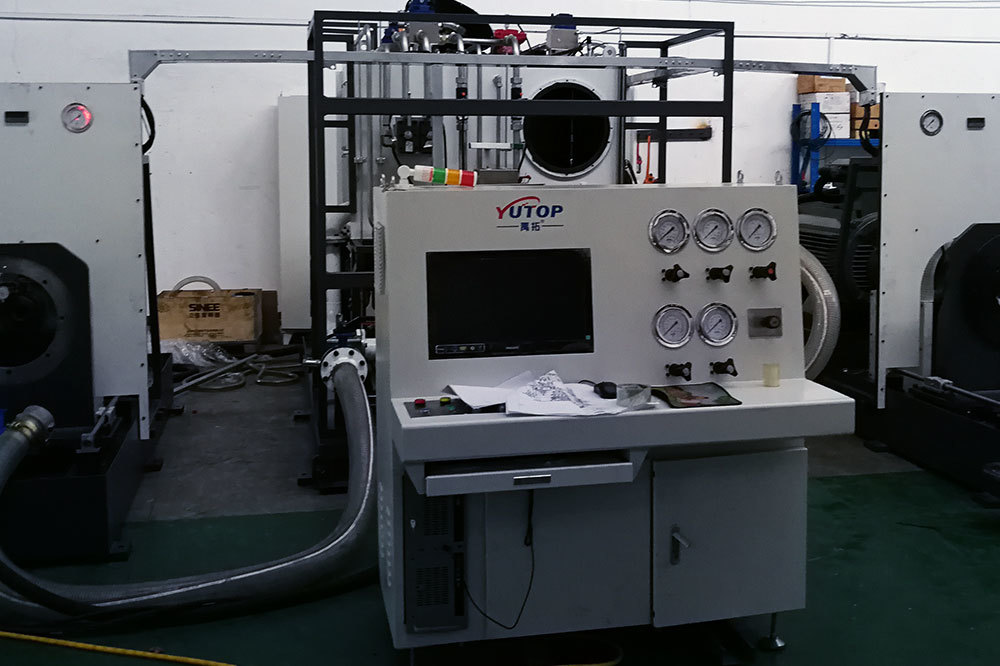
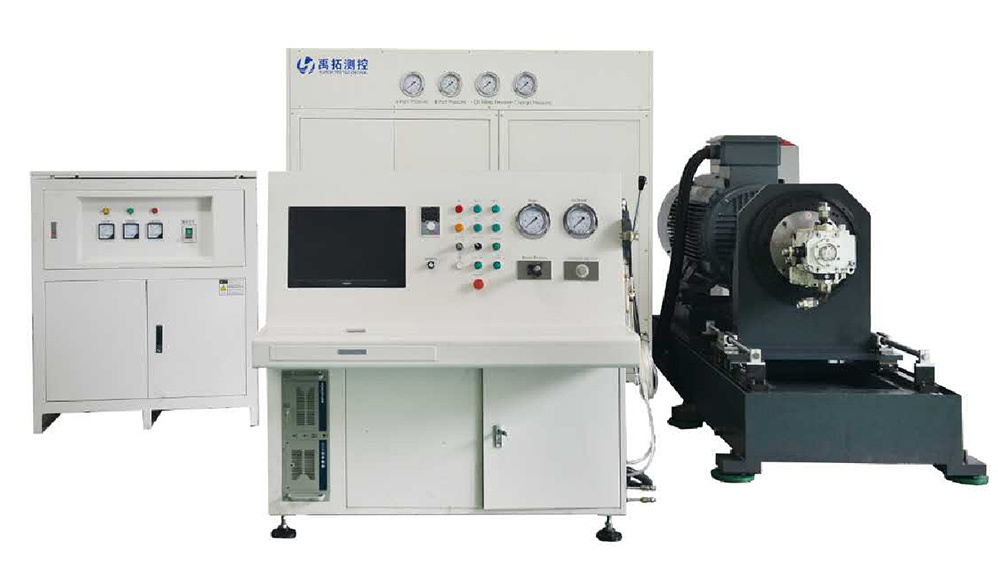
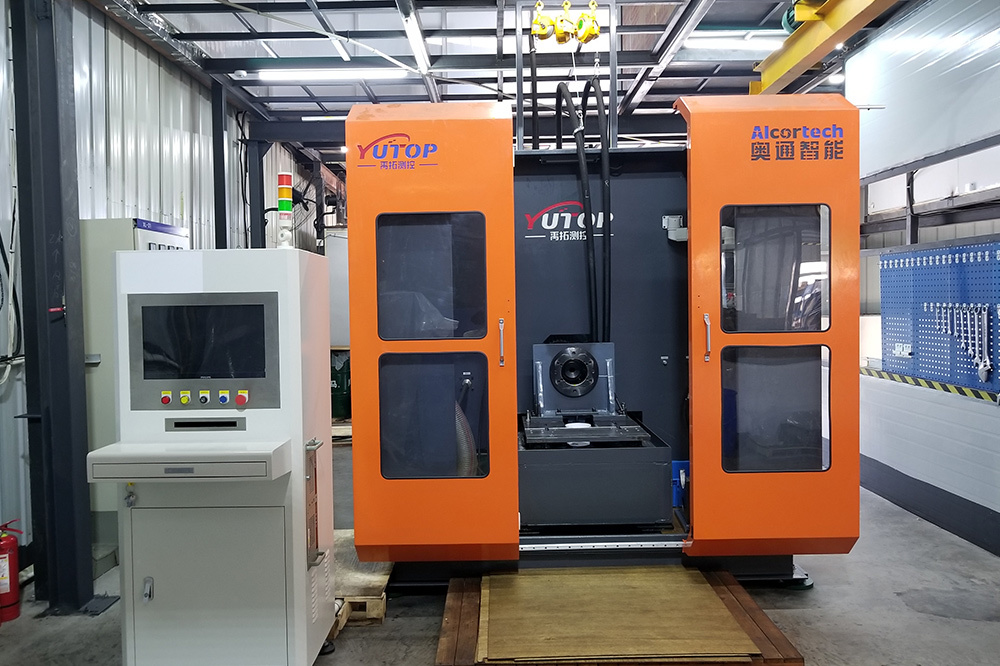
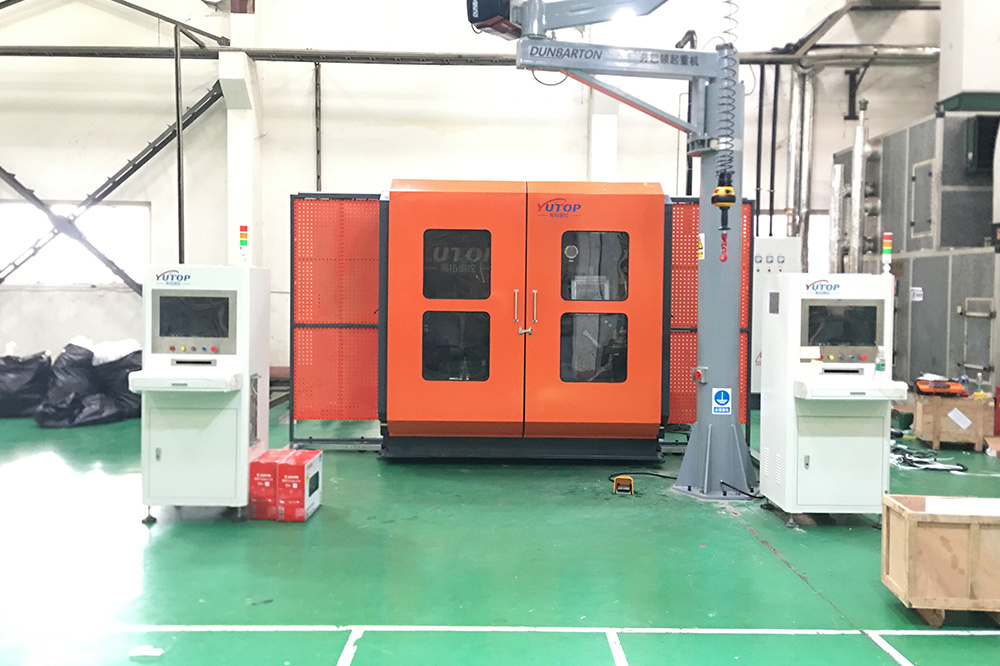
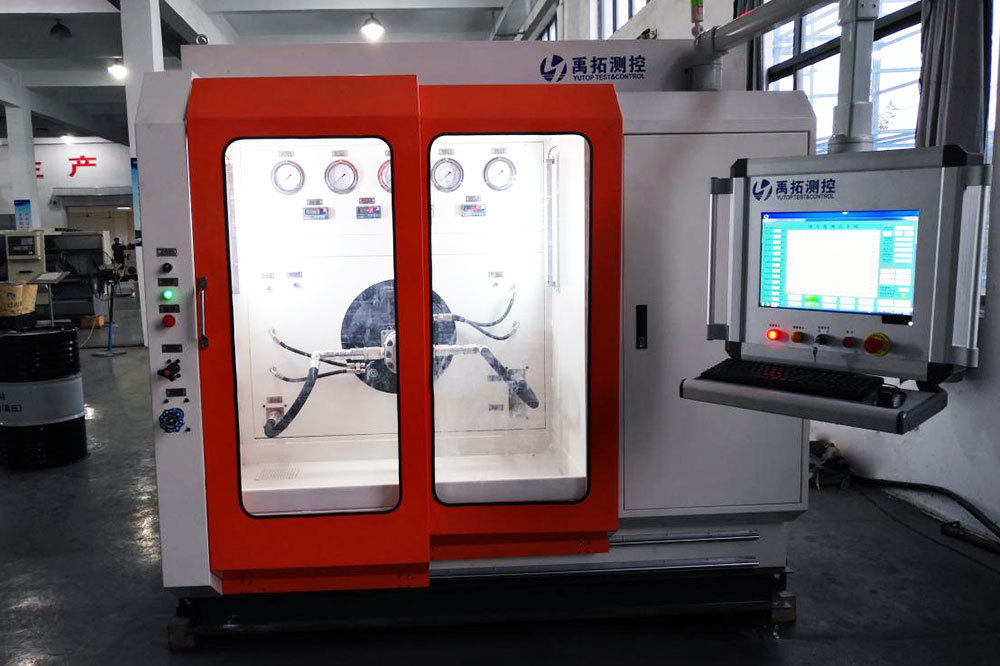
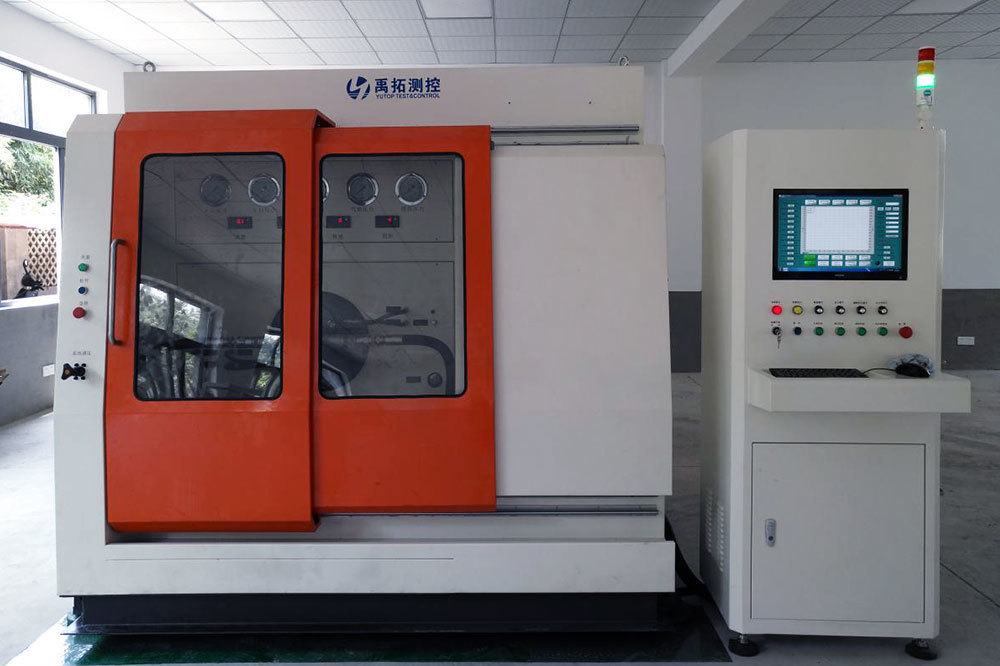
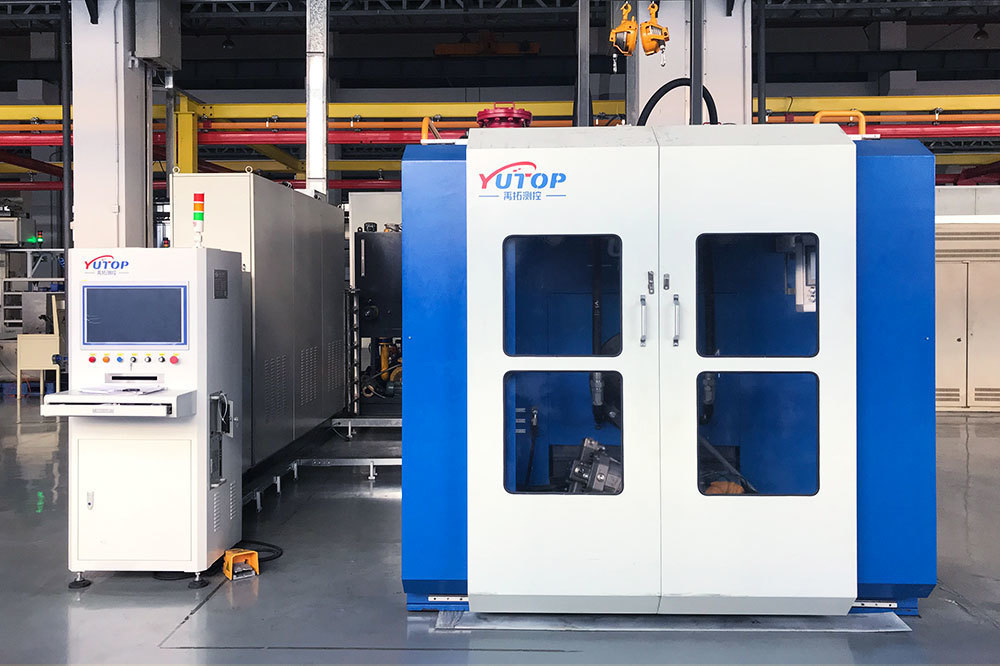
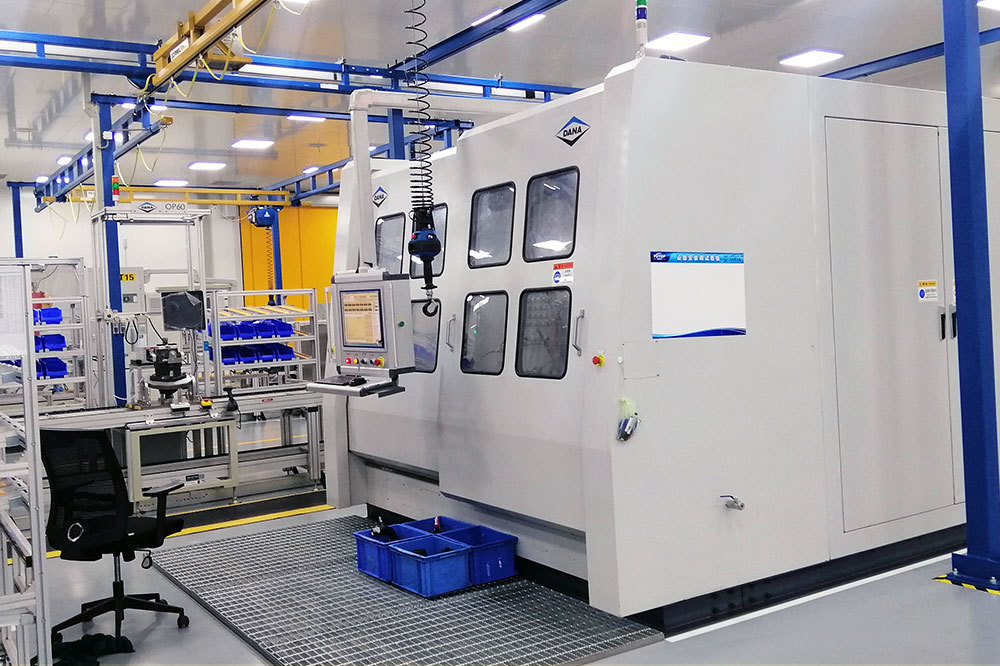
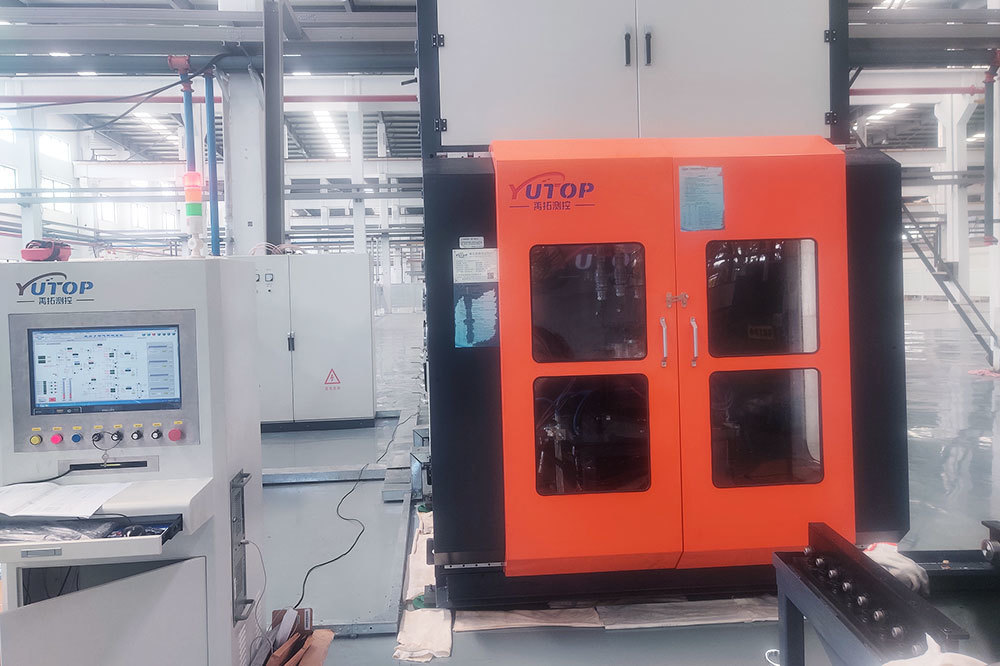
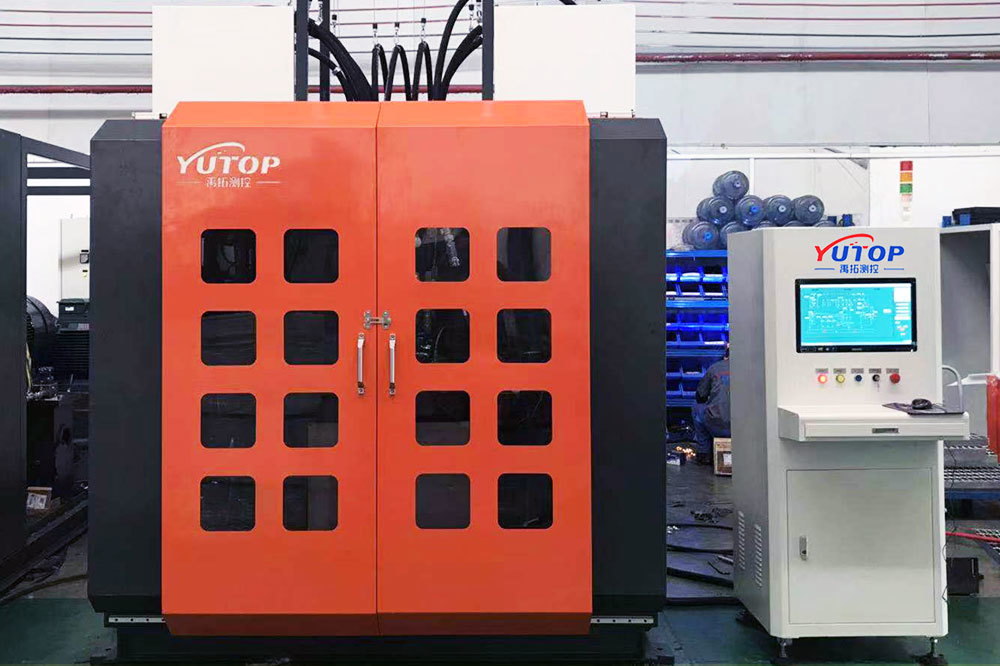
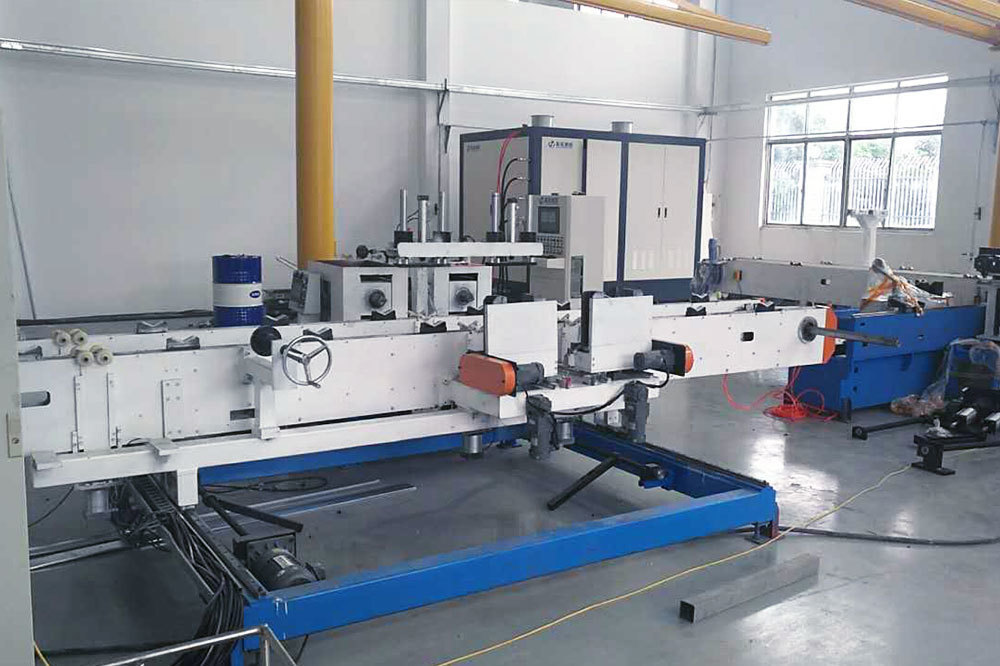
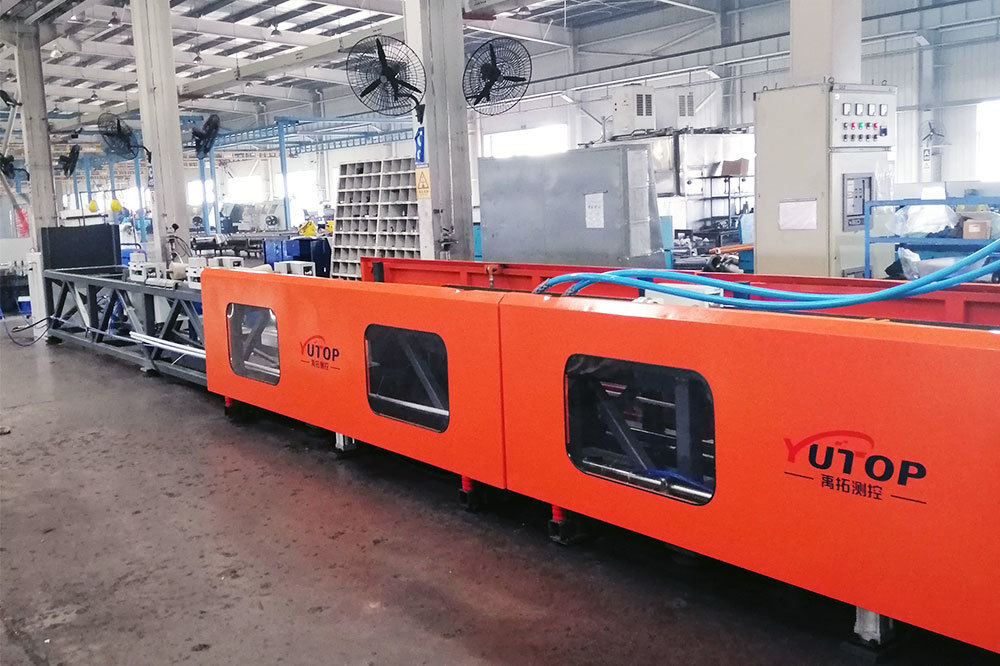
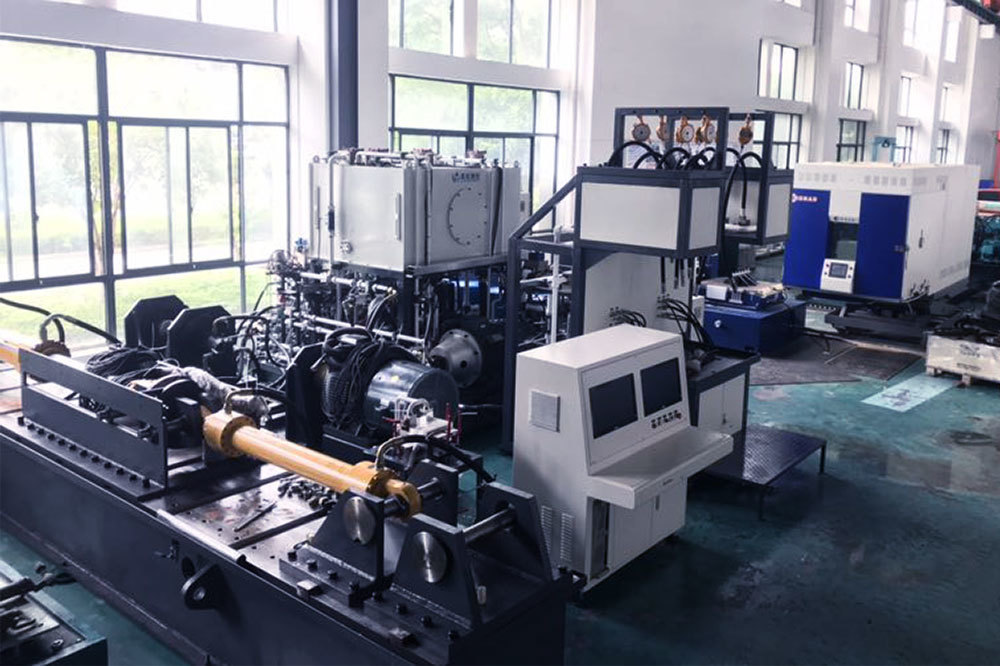
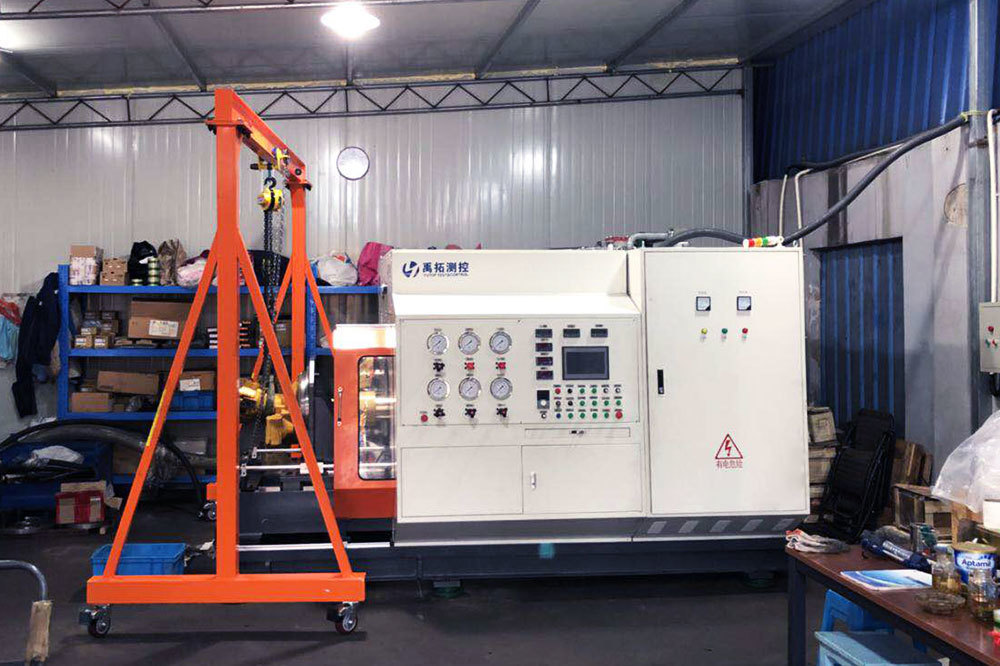
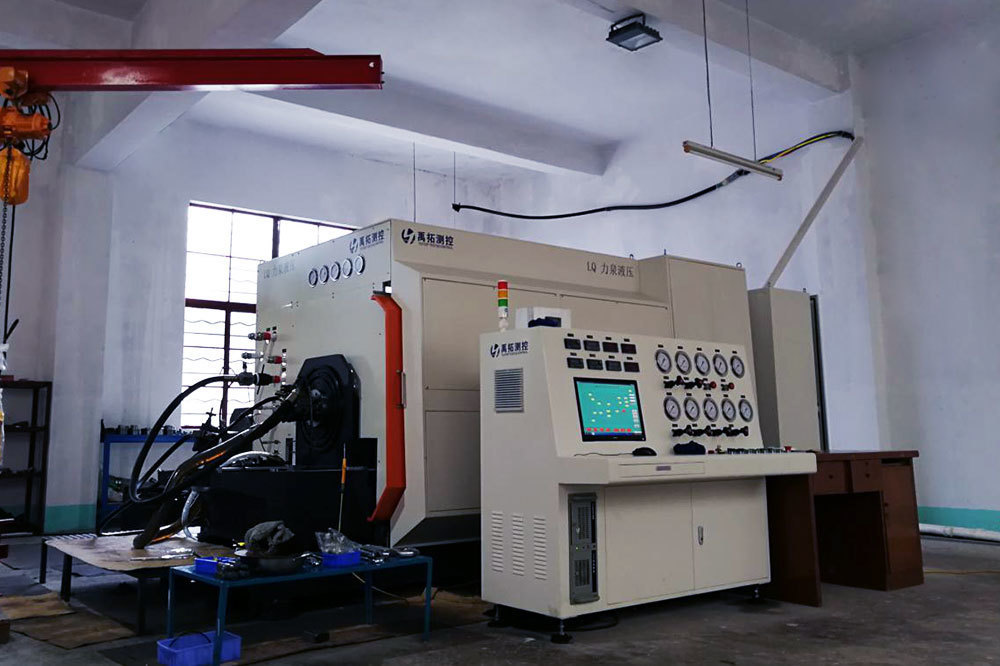
A gear pump test bench typically consists of several key components, such as a drive motor, flow meters, pressure gauges, and control units. These components work together to create an environment where engineers can conduct detailed performance evaluations. For instance, by adjusting the pump speed and monitoring the resulting flow rate, engineers can identify the optimal operational parameters for specific applications.
One of the primary benefits of using a gear pump test bench is the ability to detect issues early in the pump's lifecycle. By simulating real-world conditions, potential problems such as cavitation, wear, or leakage can be identified before the pump is deployed in a production setting. Early detection not only enhances the reliability of the pumps but also minimizes maintenance costs and downtime.
Moreover, understanding the performance characteristics of gear pumps through rigorous testing allows engineers to make informed decisions regarding design modifications or replacements. This process ensures that the pumps meet the required specifications for various industrial applications, from automotive to chemical processing.
In addition to performance testing, gear pump test benches can also be utilized for research and development purposes. Engineers can experiment with new materials or designs, testing their viability without the risk associated with field trials. This capability fosters innovation and can lead to the development of more efficient and durable gear pumps.
In conclusion, a gear pump test bench is an essential tool for professionals in the industrial equipment sector. It not only assists in evaluating the performance and reliability of gear pumps but also plays a significant role in research and development. By investing time and resources into utilizing these test benches, companies can enhance their operational efficiency and ensure their pumps are ready for the challenges of demanding applications. Understanding the importance of gear pump testing will empower professionals to make strategic decisions that drive success in their operations.
A gear pump test bench typically consists of several key components, such as a drive motor, flow meters, pressure gauges, and control units. These components work together to create an environment where engineers can conduct detailed performance evaluations. For instance, by adjusting the pump speed and monitoring the resulting flow rate, engineers can identify the optimal operational parameters for specific applications.
One of the primary benefits of using a gear pump test bench is the ability to detect issues early in the pump's lifecycle. By simulating real-world conditions, potential problems such as cavitation, wear, or leakage can be identified before the pump is deployed in a production setting. Early detection not only enhances the reliability of the pumps but also minimizes maintenance costs and downtime.
Moreover, understanding the performance characteristics of gear pumps through rigorous testing allows engineers to make informed decisions regarding design modifications or replacements. This process ensures that the pumps meet the required specifications for various industrial applications, from automotive to chemical processing.
In addition to performance testing, gear pump test benches can also be utilized for research and development purposes. Engineers can experiment with new materials or designs, testing their viability without the risk associated with field trials. This capability fosters innovation and can lead to the development of more efficient and durable gear pumps.
In conclusion, a gear pump test bench is an essential tool for professionals in the industrial equipment sector. It not only assists in evaluating the performance and reliability of gear pumps but also plays a significant role in research and development. By investing time and resources into utilizing these test benches, companies can enhance their operational efficiency and ensure their pumps are ready for the challenges of demanding applications. Understanding the importance of gear pump testing will empower professionals to make strategic decisions that drive success in their operations.
PREVIOUS:

Room 209, 2nd Floor, No.12, No.828 Maogang Road, Huangpu District, Guangzhou,China.


