

Best Practices for Using a Test Bench to Diagnose Hydraulic Issues in Excavators
Best Practices for Using a Test Bench to Diagnose Hydraulic Issues in Excavators Table of Contents Understanding Hydraulic Systems in Excavators Importance of Diagnosing Hydraulic Issues Overview of Test Benches Setting Up the Test Bench Calibrating the Test Bench Performing Hydraulic Tests Troubleshooting Common Hydraulic Issues Maintaining the Test Bench Freq
Jun 09,2026

Best Practices for Using a Test Bench to Diagnose Hydraulic Issues in Excavators
Table of Contents
- Understanding Hydraulic Systems in Excavators
- Importance of Diagnosing Hydraulic Issues
- Overview of Test Benches
- Setting Up the Test Bench
- Calibrating the Test Bench
- Performing Hydraulic Tests
- Troubleshooting Common Hydraulic Issues
- Maintaining the Test Bench
- Frequently Asked Questions
Understanding Hydraulic Systems in Excavators
Excavators rely heavily on hydraulic systems to operate their various functions, such as digging, lifting, and rotating. These systems utilize hydraulic fluid to transmit force and power throughout the machine. Understanding how hydraulic systems work is essential for diagnosing issues effectively. Key components include hydraulic pumps, cylinders, valves, and hydraulic fluid itself. Each component plays a crucial role in the overall functionality of the excavator.
Components of Hydraulic Systems
To effectively diagnose hydraulic issues, familiarity with the core components is necessary:
- Hydraulic Pumps: Responsible for generating flow and pressure in the system.
- Hydraulic Cylinders: Translate hydraulic energy into mechanical force.
- Valves: Control the flow and direction of hydraulic fluid.
- Hydraulic Fluid: Acts as a medium for power transmission, lubrication, and cooling.
Importance of Diagnosing Hydraulic Issues
Timely diagnosis of hydraulic issues in excavators is crucial to maintain operational efficiency and prevent costly repairs. Hydraulic malfunctions can lead to decreased performance, increased fuel consumption, and potential safety hazards. By identifying and addressing these issues early, operators can extend the lifespan of their machinery and enhance overall productivity.
Recognizing Symptoms of Hydraulic Problems
Operators should be vigilant for common symptoms of hydraulic issues, such as:
- Unusual noises during operation, indicating potential pump or hydraulic fluid issues.
- Slow or unresponsive hydraulic functions, suggesting possible flow restrictions.
- Leaking hydraulic fluid, pointing to seal or hose failures.
- Excessive heat generation, indicating fluid breakdown or pump strain.
Overview of Test Benches
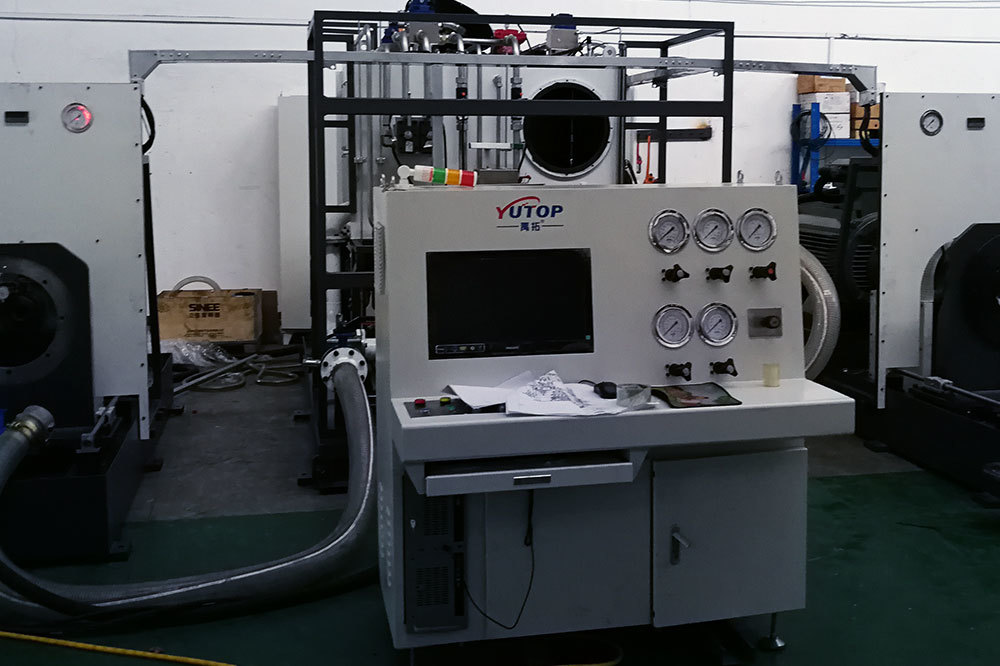
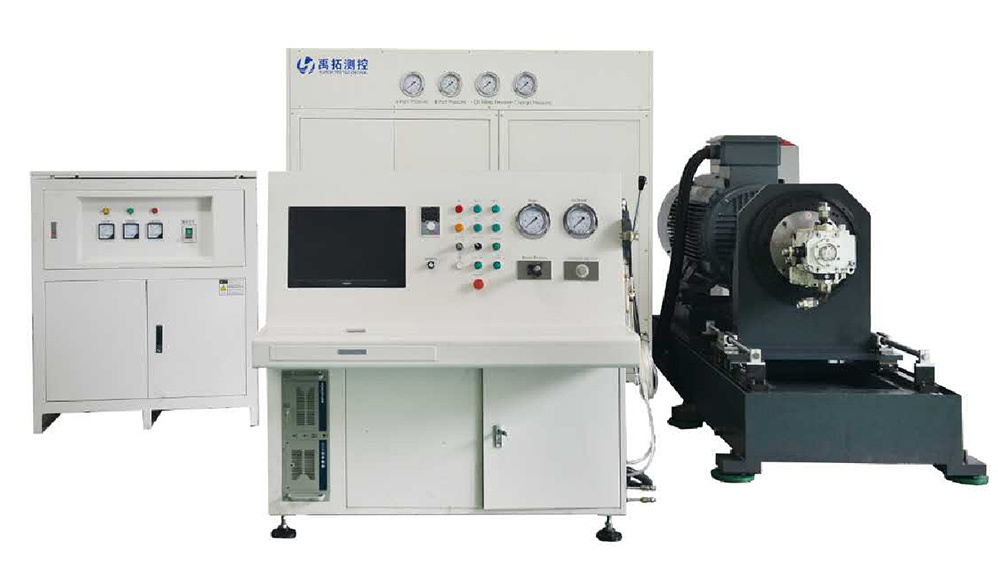
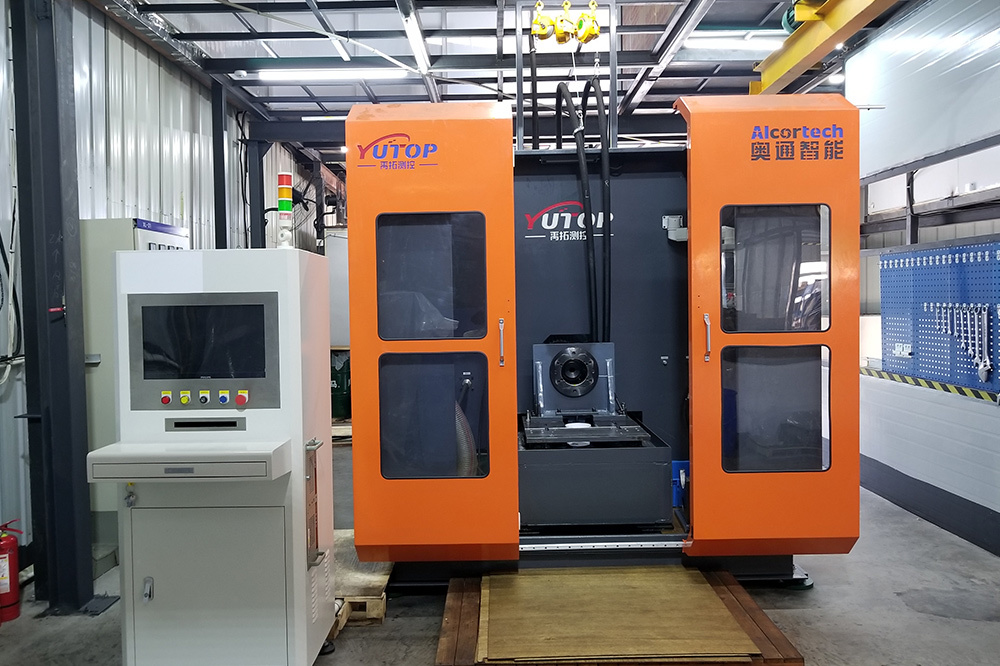
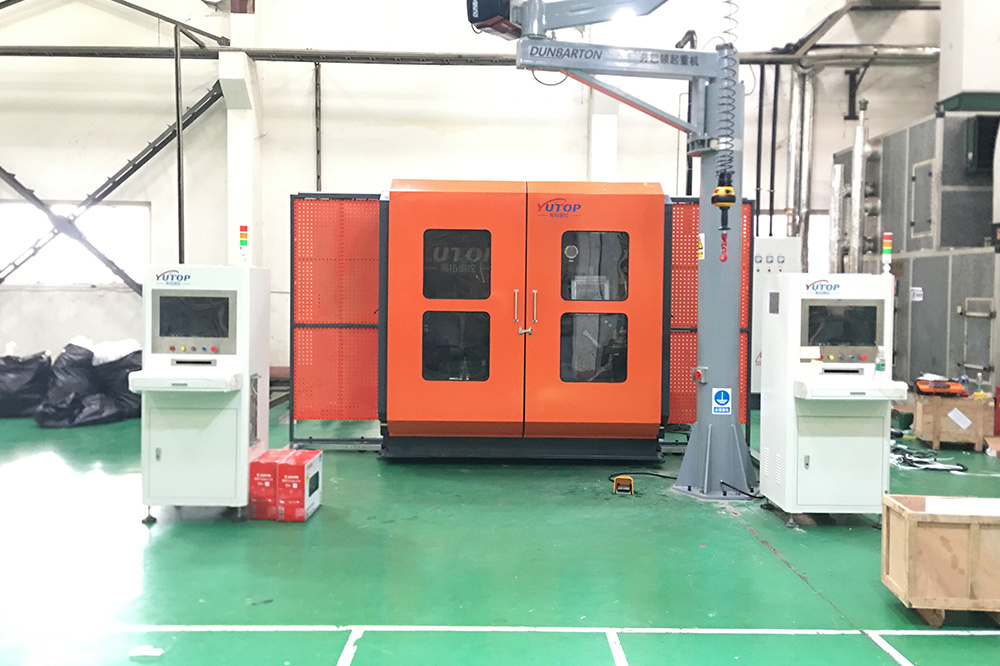
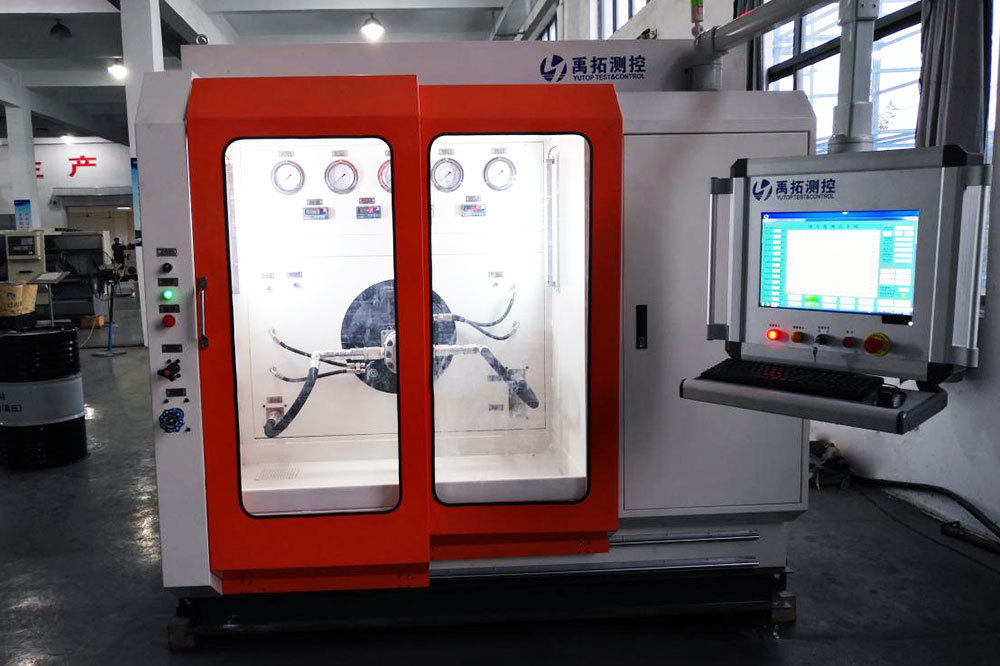
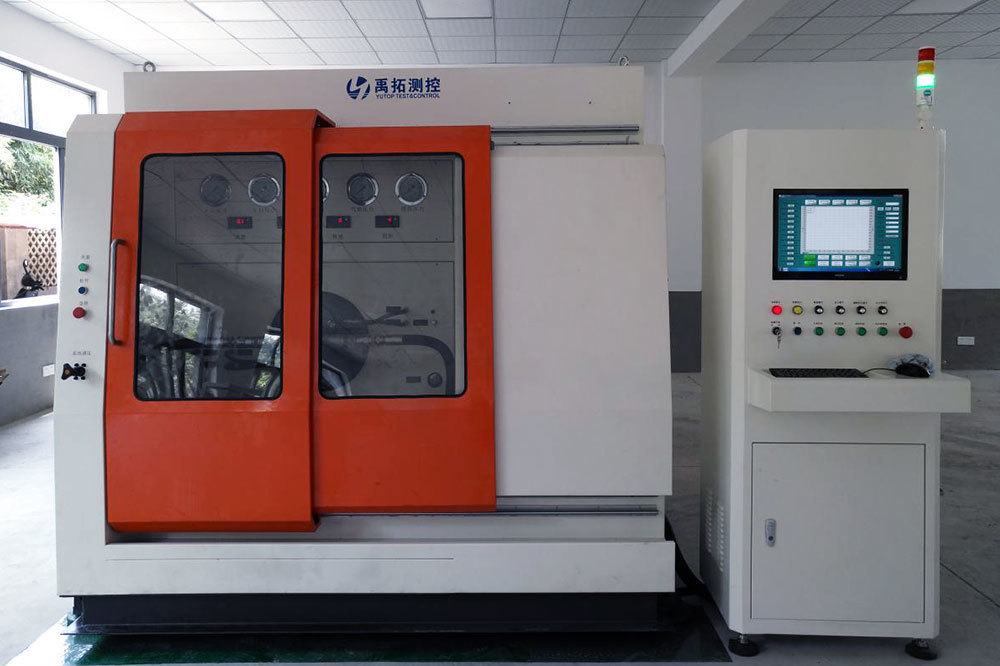
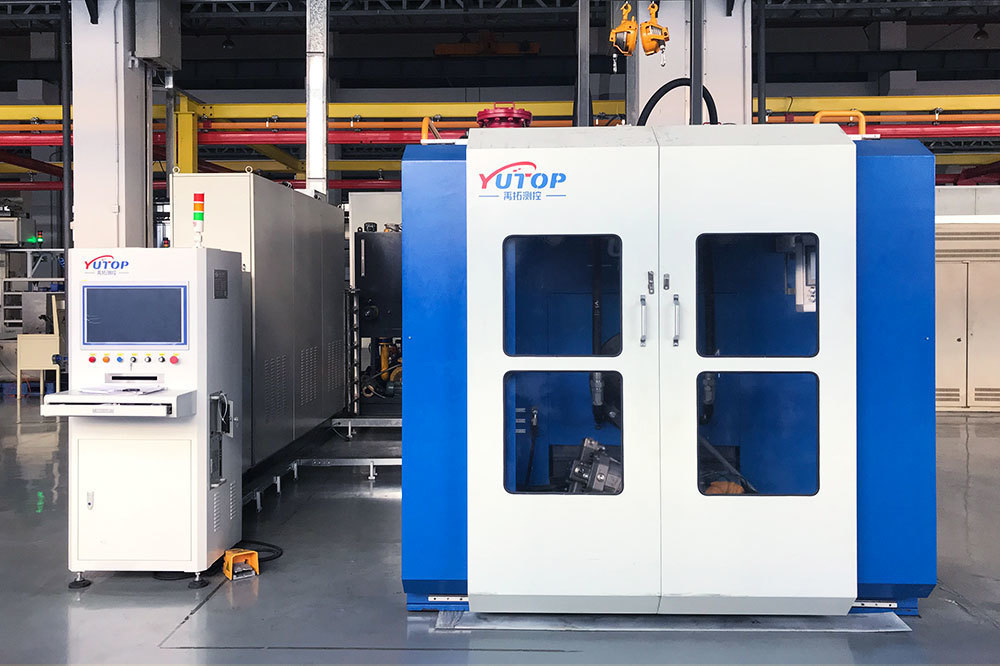
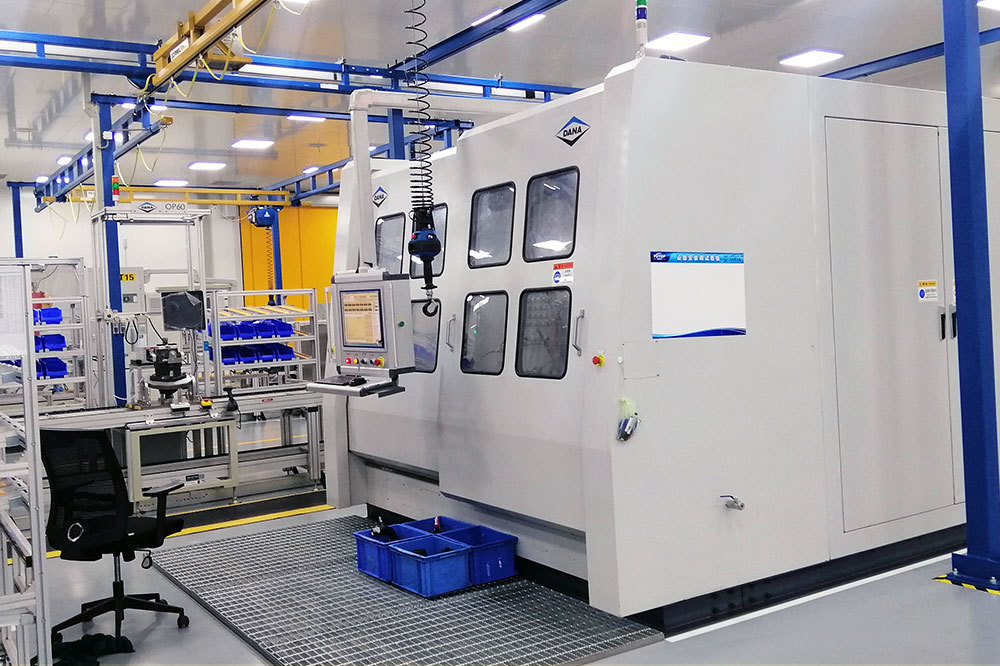
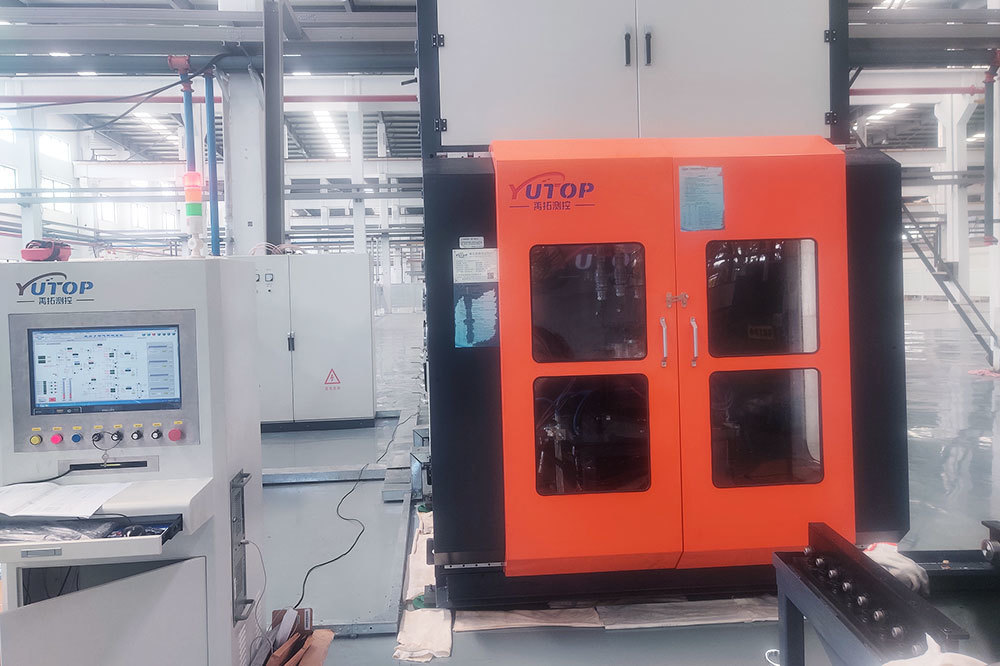
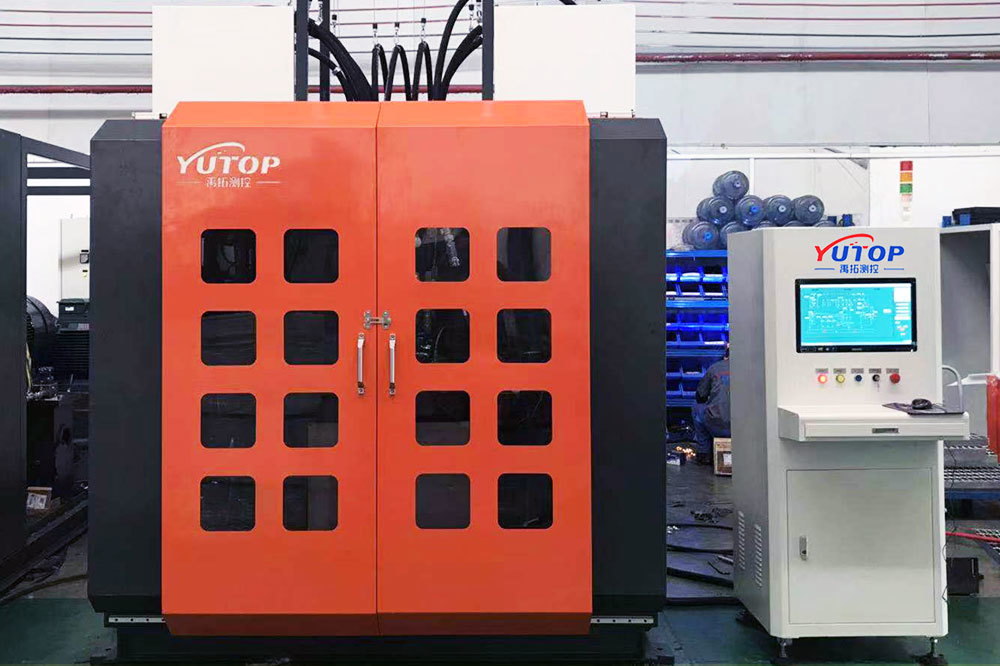
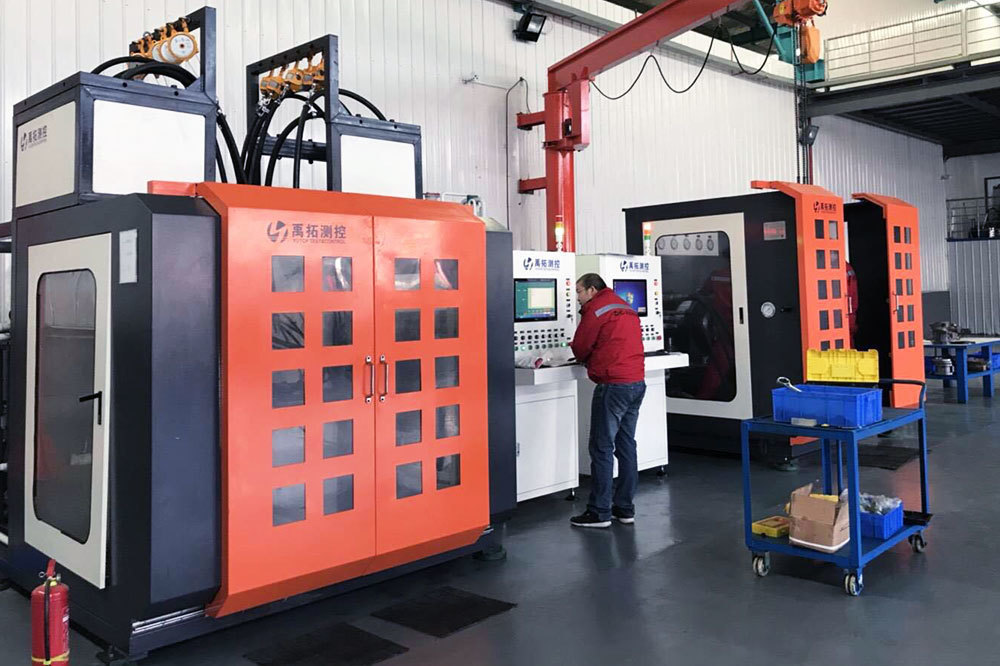
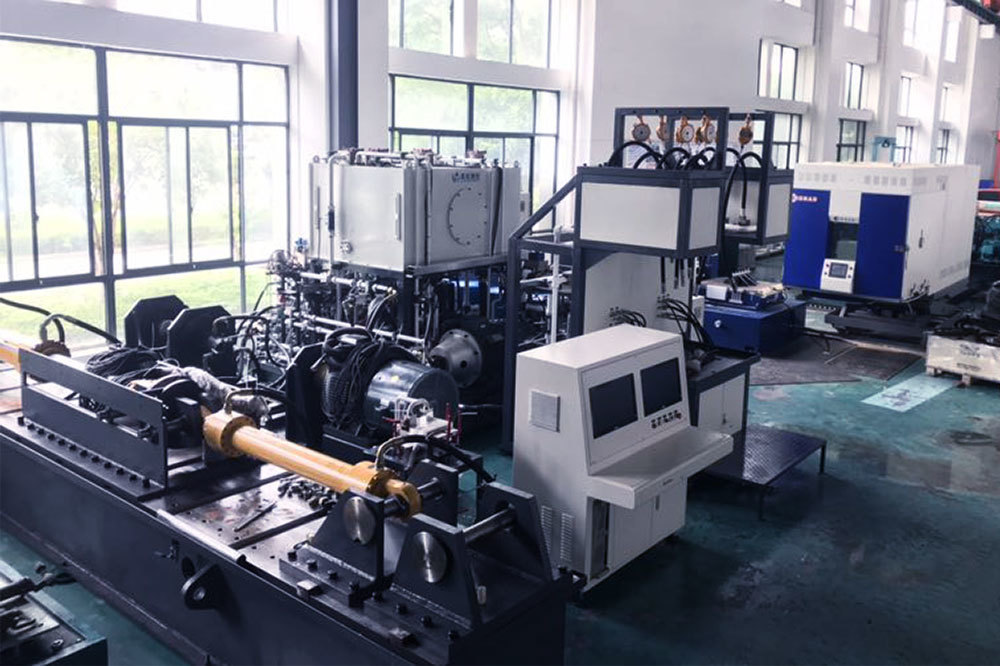
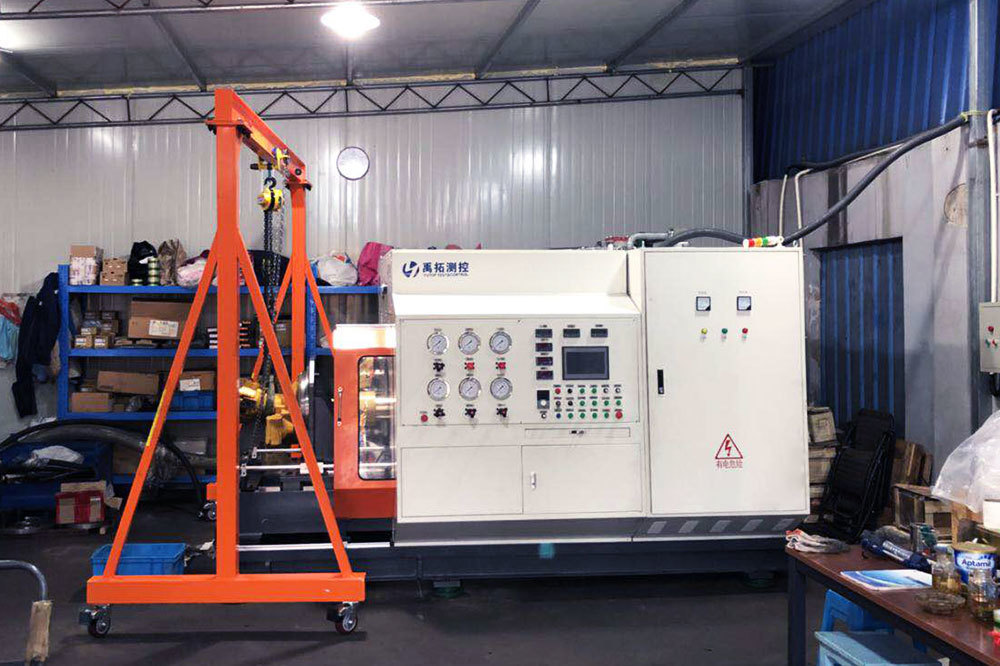
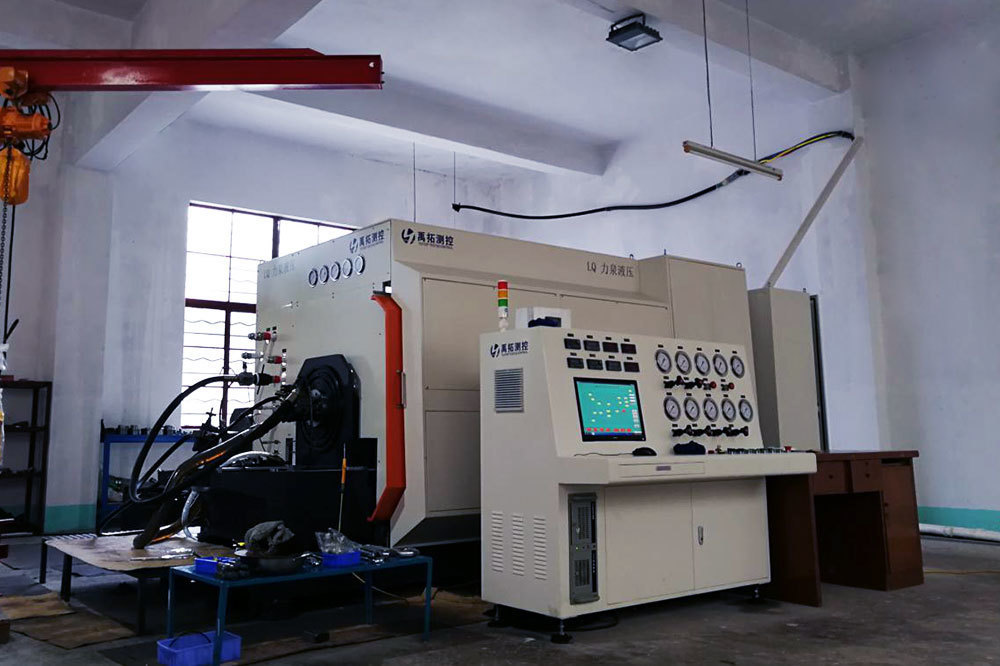
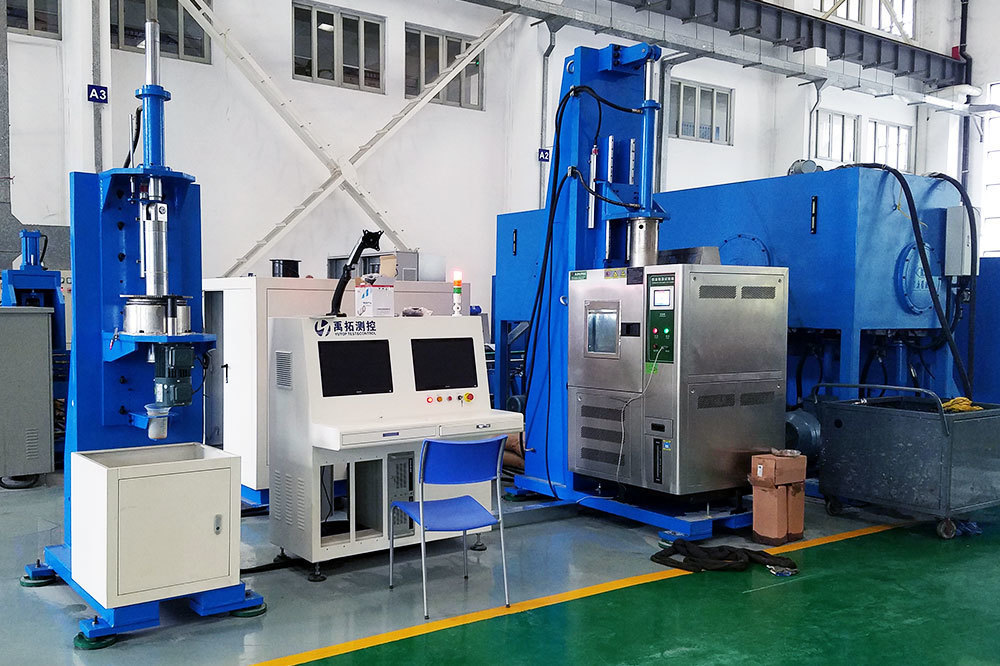
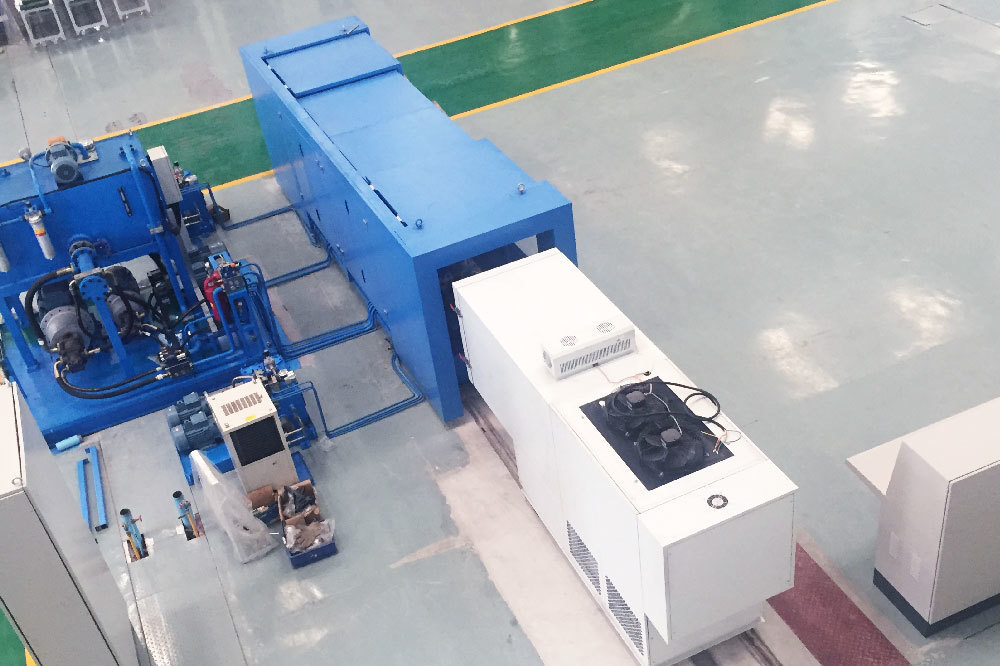
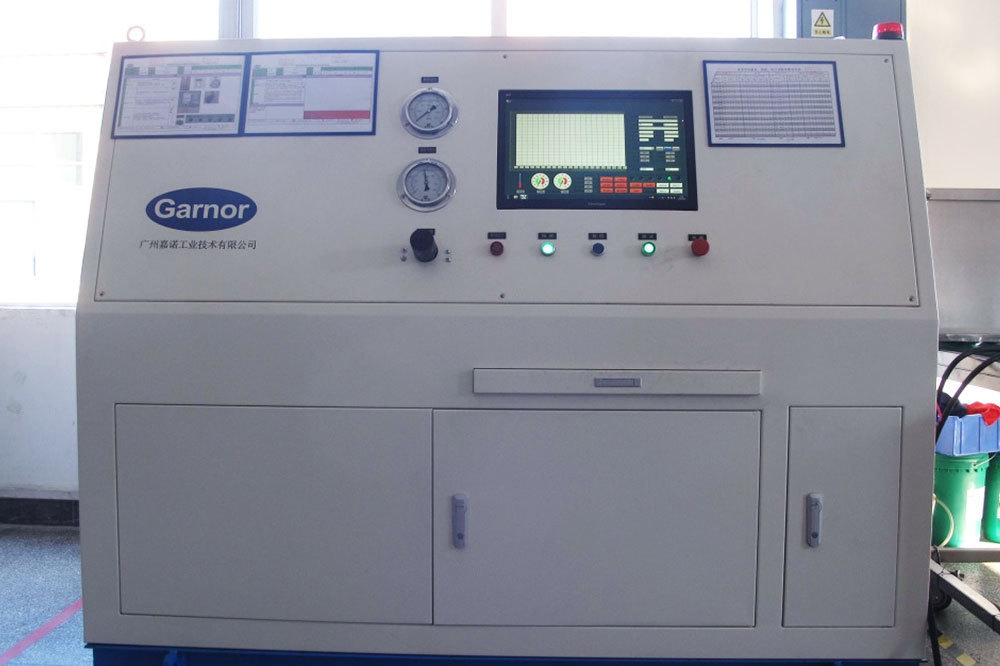
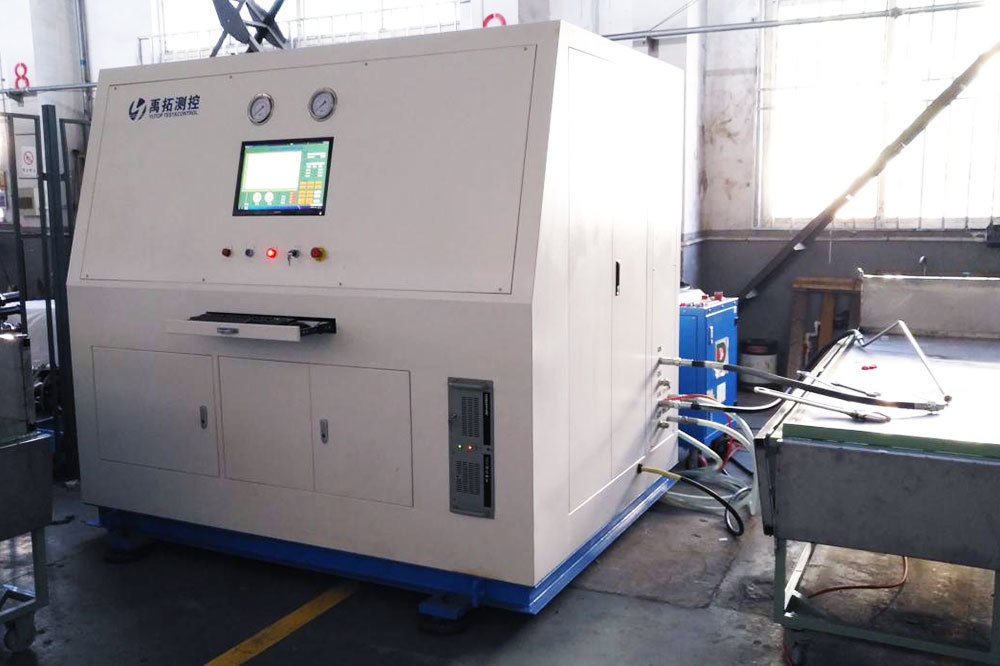
A test bench is a vital tool in diagnosing hydraulic problems. It allows technicians to simulate various operating conditions and measure the performance of hydraulic components effectively. Test benches come equipped with essential features, such as pressure gauges, flow meters, and control valves, enabling precise testing and analysis.
Types of Test Benches
There are various types of test benches available for hydraulic diagnostics:
- Fixed Test Benches: Ideal for stationary components and offer comprehensive testing capabilities.
- Portable Test Benches: Designed for on-site diagnostics, these are versatile and user-friendly.
- Custom Test Benches: Tailored to specific hydraulic systems, providing specialized testing options.
Setting Up the Test Bench
Proper setup of the test bench is critical for accurate diagnosis. Follow these steps to ensure optimal functionality:
1. Selecting the Location
Choose a clean, dry environment to prevent contamination of hydraulic components. Ensure the area is well-ventilated to dissipate any heat generated during testing.
2. Connecting the Hydraulic Components
Carefully connect the excavator’s hydraulic components to the test bench. Ensure all fittings are secure to prevent leaks and ensure accurate readings.
3. Checking for Leaks
Before beginning tests, inspect all connections for signs of leaks. Address any issues immediately to maintain safety and accuracy.
Calibrating the Test Bench
Calibration is crucial to ensure the test bench provides accurate measurements. Incorrect calibration can lead to misleading results, affecting the diagnosis.
1. Reviewing Manufacturer Specifications
Consult the manufacturer’s manual for specific calibration instructions tailored to the hydraulic components being tested.
2. Adjusting Pressure Settings
Set the pressure gauges according to the specifications of the hydraulic components being tested. This step ensures that the test conditions closely mimic actual operating scenarios.
3. Conducting Calibration Tests
Perform initial tests using known good components to verify the accuracy of the test bench. Make necessary adjustments based on the results.
Performing Hydraulic Tests
Once the test bench is set up and calibrated, it's time to conduct the tests. This phase involves measuring hydraulic performance under controlled conditions.
1. Flow Rate Testing
Measure the flow rate of hydraulic fluid through the system. This test helps identify blockages or malfunctioning pumps. Utilize flow meters for precise measurements.
2. Pressure Testing
Test the system’s pressure levels to ensure they meet operational specifications. Anomalies may indicate pump issues or leaks.
3. Performance Analysis
Analyze the data collected from the tests to identify any discrepancies from expected performance metrics. This analysis is crucial for pinpointing the root cause of hydraulic issues.
Troubleshooting Common Hydraulic Issues
Equipped with test bench data, technicians can begin troubleshooting hydraulic issues effectively.
1. Identifying Fluid Contamination
Fluid contamination can severely impact hydraulic performance. Check fluid quality and clarity, and replace contaminated fluid as necessary.
2. Inspecting for Leaks
Use the test bench to apply pressure and visually inspect for leaks around seals, hoses, and connections. Address any identified leaks promptly.
3. Analyzing Pump Performance
Evaluate pump operation based on flow and pressure tests. If the pump underperforms, it may require repairs or replacement.
Maintaining the Test Bench
Regular maintenance of the test bench ensures ongoing accuracy and reliability. Implement these best practices:
1. Routine Inspections
Conduct regular inspections of all components, including hoses, valves, and gauges, to identify wear and tear.
2. Fluid Replacement
Replace hydraulic fluid as recommended by the manufacturer to prevent contamination and maintain performance.
3. Calibration Checks
Periodically recalibrate the test bench to ensure accuracy over time. This step is vital for long-term reliability and performance.
Frequently Asked Questions
1. What are the signs of hydraulic issues in excavators?
Common signs include unusual noises, slow response times, fluid leaks, and overheating.
2. How often should I test hydraulic systems in excavators?
Regular testing is recommended, especially before and after extensive operation periods or after any noticeable issues arise.
3. Can I use a test bench for other hydraulic components?
Yes, test benches can often be adapted for various hydraulic systems, depending on the design and configurations.
4. What maintenance does a test bench require?
Test benches require routine inspections, fluid replacements, and periodic recalibrations to ensure optimal performance.
5. Is it necessary to be trained to use a test bench?
While basic use can be learned, comprehensive knowledge of hydraulic systems and careful handling of test equipment is crucial for accurate diagnostics.
Conclusion
Utilizing a test bench to diagnose hydraulic issues in excavators is an indispensable skill for maintenance professionals. By understanding the intricacies of hydraulic systems, implementing best practices for setup and calibration, and conducting thorough tests, technicians can effectively identify and resolve issues that may hinder excavation operations. Proper maintenance of both the excavator and the test bench itself ensures sustained performance and reliability, ultimately leading to enhanced productivity on the job site. Adopting these best practices will position you as a knowledgeable and efficient operator in the field.

Room 207, 2nd Floor, Block C, Building 1 (Self-designated), No. 3 Yunkai Road, Yunpu Industrial Zone, Huangpu District, Guangzhou City,China


