

The Future of Hydraulic Pump Performance Testing in the Automotive Industry
The Future of Hydraulic Pump Performance Testing in the Automotive Industry Table of Contents 1. Introduction to Hydraulic Pump Performance Testing 2. Importance of Hydraulic Pump Testing in Automotive Applications 3. Technological Advancements in Hydraulic Pump Testing 4. Modern Testing Methodologies for Hydraulic Pumps 5. Challenges in Hydraulic Pump Performance Testing
Jun 17,2026

The Future of Hydraulic Pump Performance Testing in the Automotive Industry
Table of Contents
- 1. Introduction to Hydraulic Pump Performance Testing
- 2. Importance of Hydraulic Pump Testing in Automotive Applications
- 3. Technological Advancements in Hydraulic Pump Testing
- 4. Modern Testing Methodologies for Hydraulic Pumps
- 5. Challenges in Hydraulic Pump Performance Testing
- 6. Future Trends in Hydraulic Pump Testing
- 7. Impacts of Hydraulic Pump Testing on the Automotive Industry
- 8. Conclusion
- 9. FAQs
1. Introduction to Hydraulic Pump Performance Testing
In the rapidly evolving automotive landscape, **hydraulic pumps** play a pivotal role in various systems, from steering to brakes. As the demand for **high-performance vehicles** increases, so does the necessity for effective hydraulic pump performance testing. This testing not only ensures reliability and efficiency but also significantly contributes to vehicle safety. In this article, we will delve into the **future of hydraulic pump performance testing**, highlighting the technological advancements and methodologies shaping this critical aspect of the automotive industry.
2. Importance of Hydraulic Pump Testing in Automotive Applications
Hydraulic pumps are essential components in modern vehicles, enabling power transfer and control in various systems. The importance of testing these pumps cannot be overstated for several reasons:
2.1 Enhancing Performance and Efficiency
Performance testing enables automotive engineers to evaluate the efficiency and effectiveness of hydraulic pumps under various conditions. By identifying inefficiencies, manufacturers can optimize pump designs and improve overall vehicle performance.
2.2 Ensuring Safety and Reliability
A malfunctioning hydraulic pump can lead to critical failures, jeopardizing safety. Rigorous testing helps ensure that pumps meet safety standards and perform reliably in real-world conditions, safeguarding both passengers and drivers.
2.3 Compliance with Industry Standards
Automotive manufacturers must adhere to stringent regulations and standards. Performance testing ensures that hydraulic pumps comply with these requirements, facilitating smoother certification processes and market entry.
3. Technological Advancements in Hydraulic Pump Testing
The automotive industry is witnessing remarkable technological advancements that are revolutionizing hydraulic pump performance testing. Key innovations include:
3.1 Automation and Robotics
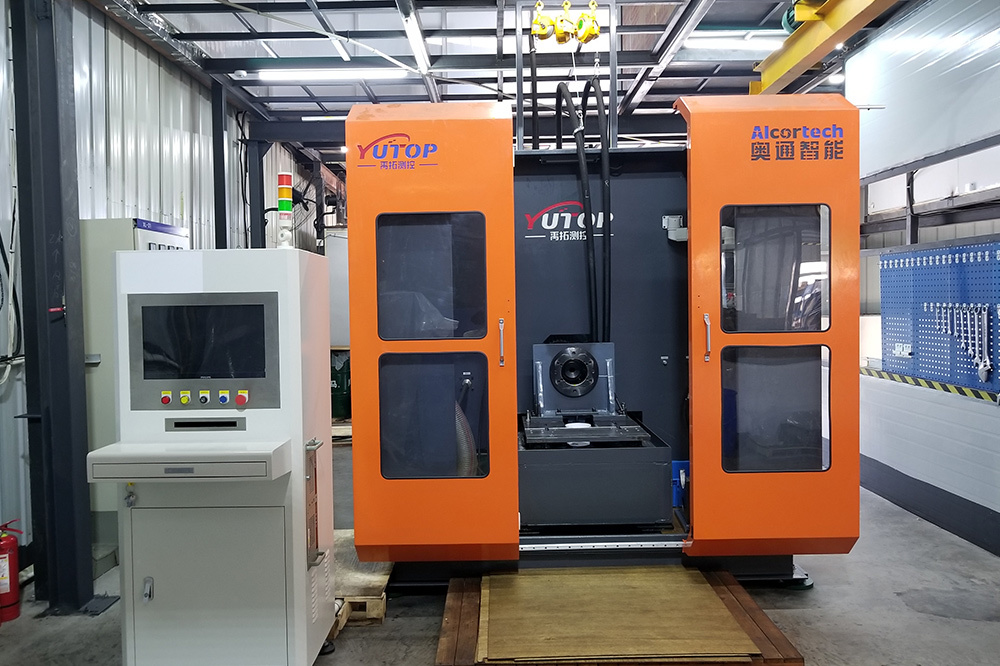
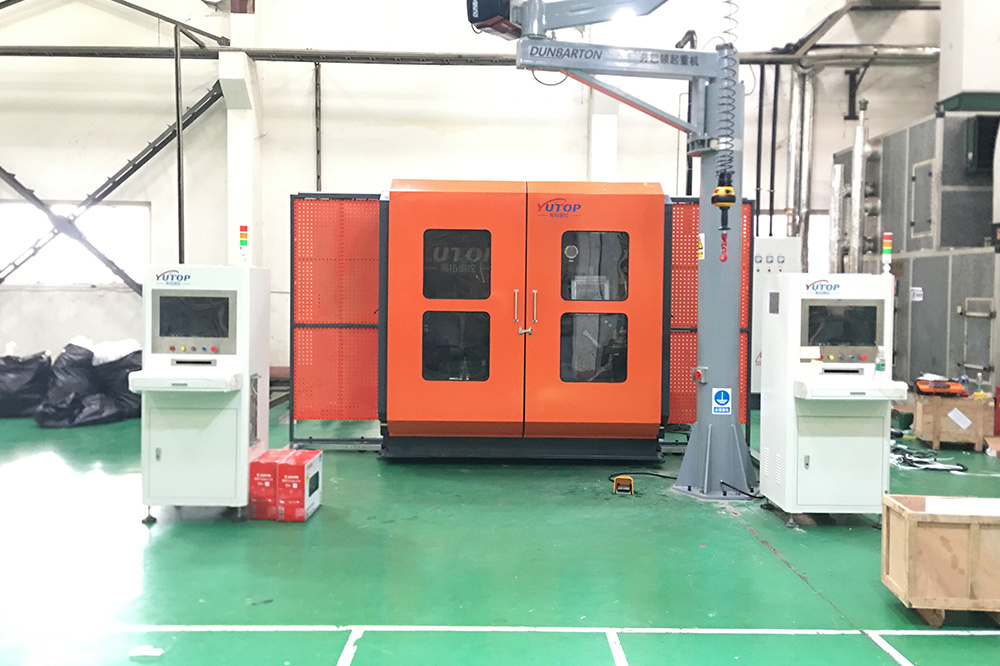
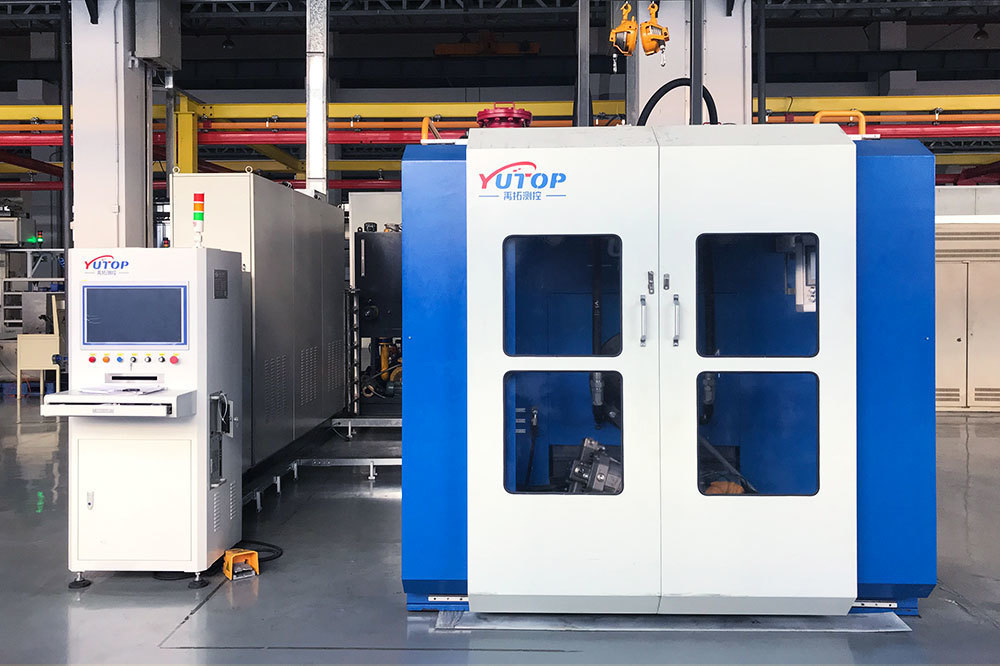
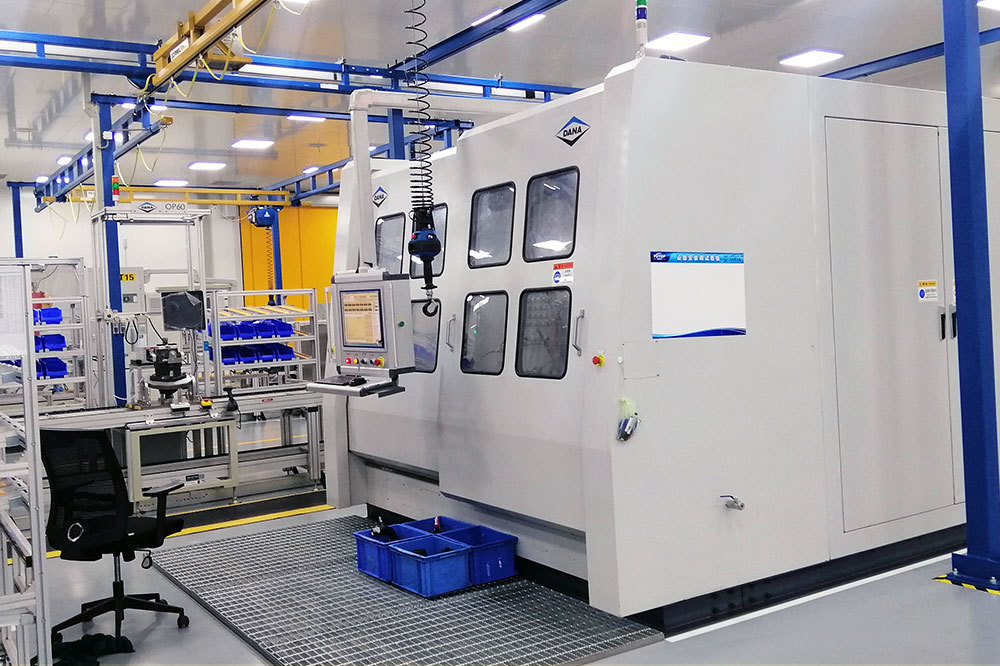
Automated testing platforms enhance the accuracy and efficiency of hydraulic pump testing. Robotics can perform repetitive tests with precision, reducing human error and increasing throughput.
3.2 Advanced Data Analytics
With the integration of big data analytics, automotive engineers can now analyze vast amounts of testing data to identify trends and anomalies. This leads to improved design iterations and performance predictions.
3.3 Digital Twins Technology
Digital twin technology allows manufacturers to create virtual models of hydraulic pumps. These models can simulate real-world conditions and performance, enabling engineers to conduct tests without physical prototypes, saving time and resources.
3.4 IoT Integration
The Internet of Things (IoT) facilitates real-time monitoring of hydraulic pump performance. Sensors embedded in pumps can transmit data to centralized systems, allowing for continuous performance assessment and early detection of potential issues.
4. Modern Testing Methodologies for Hydraulic Pumps
To ensure the highest standards of performance, various testing methodologies are employed in hydraulic pump performance testing:
4.1 Bench Testing
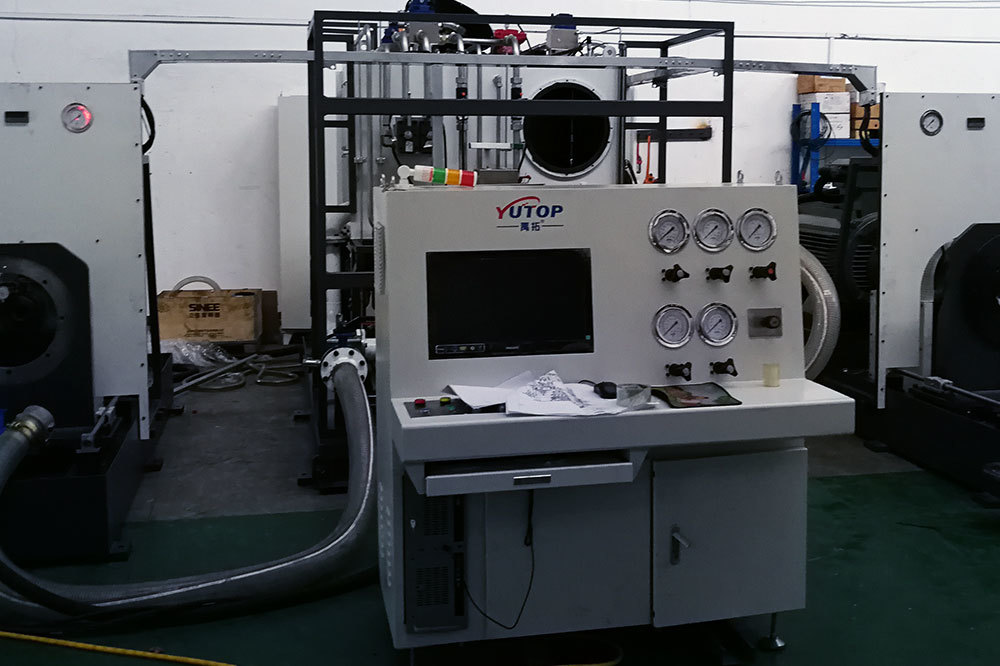
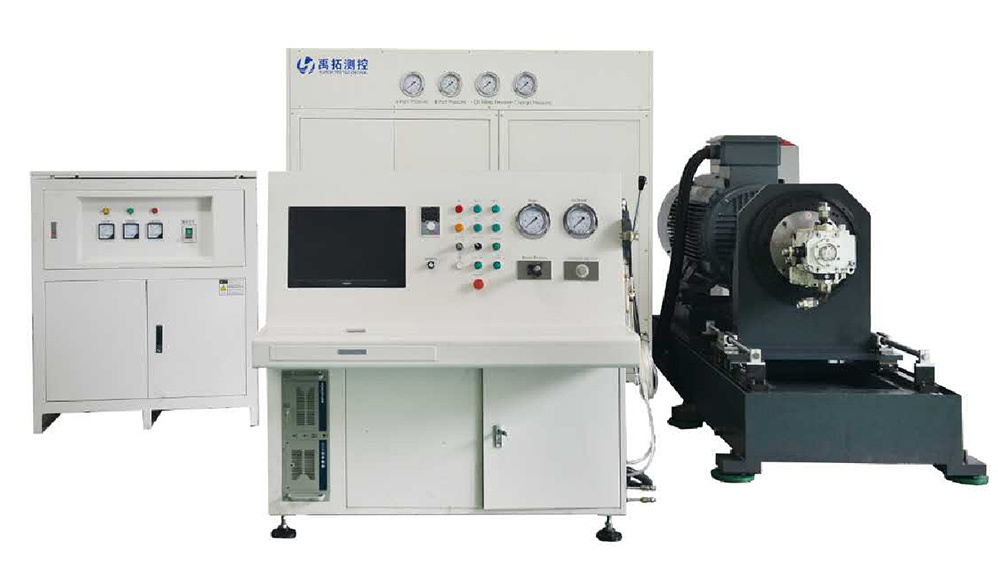
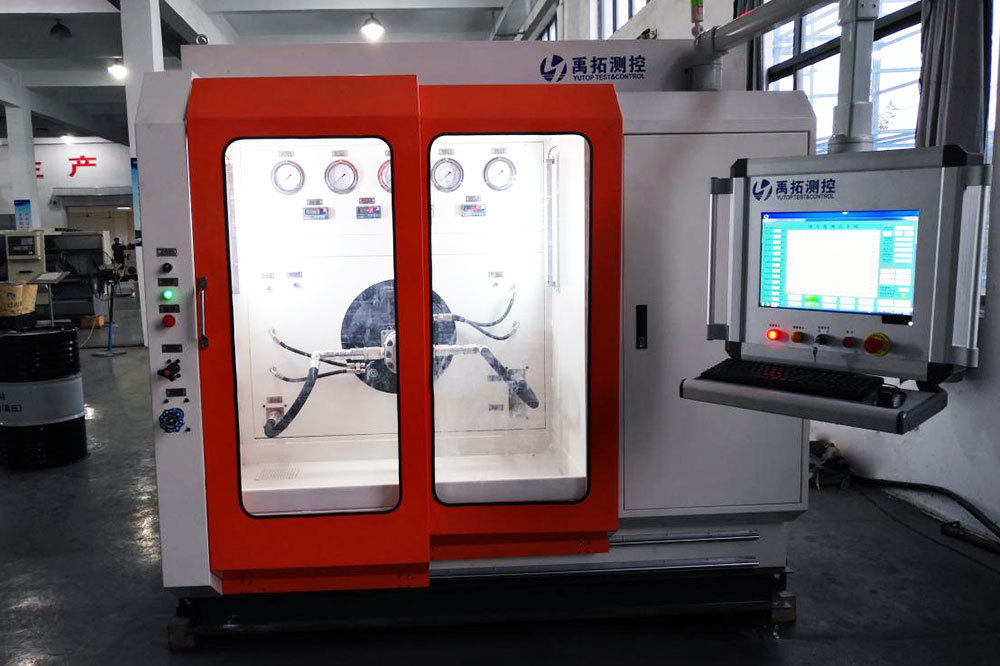
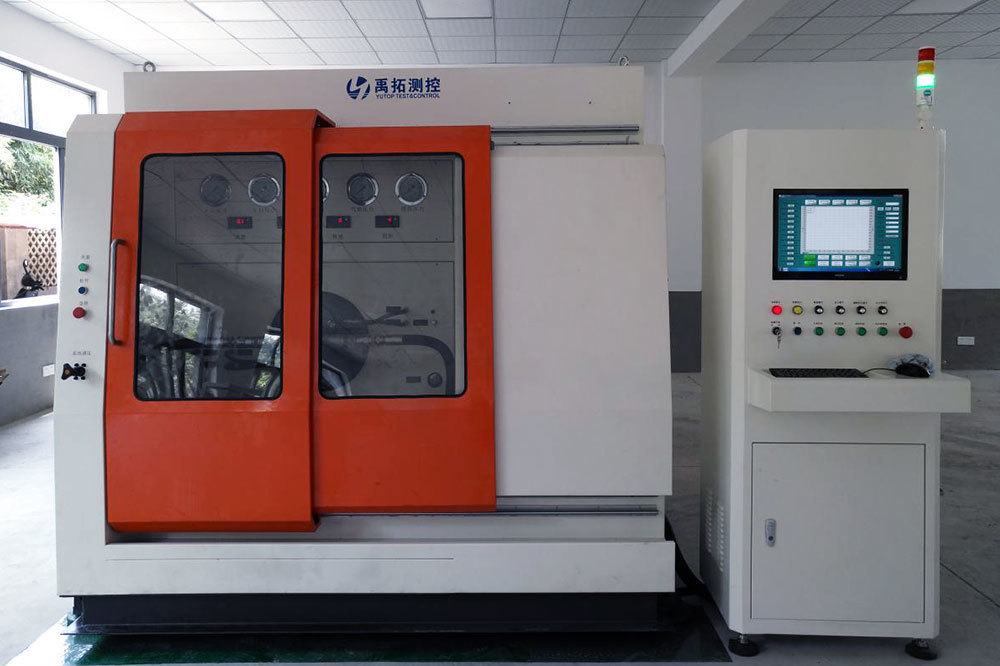
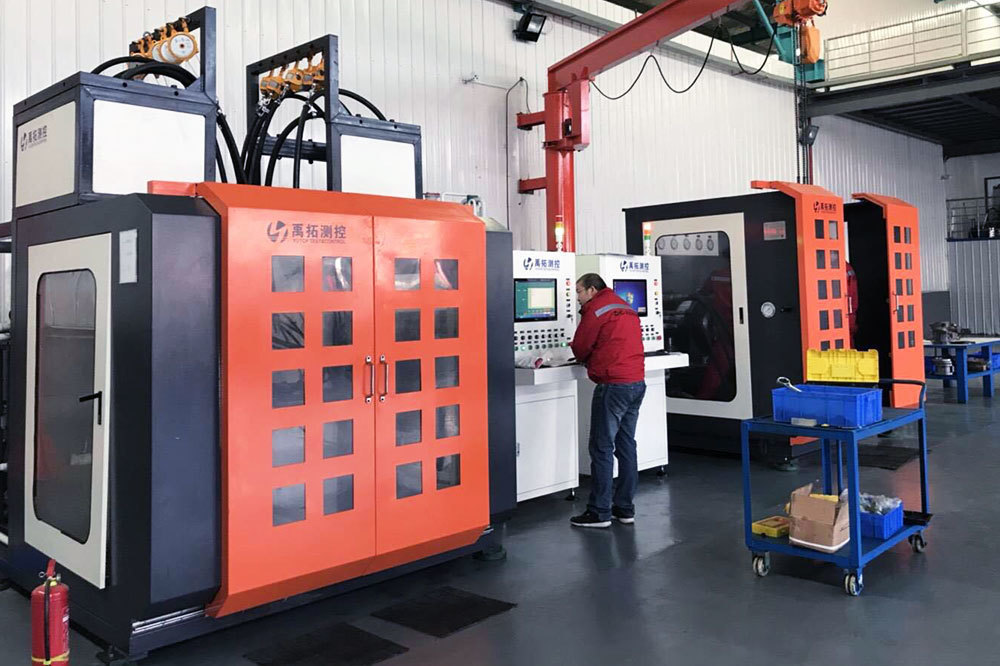
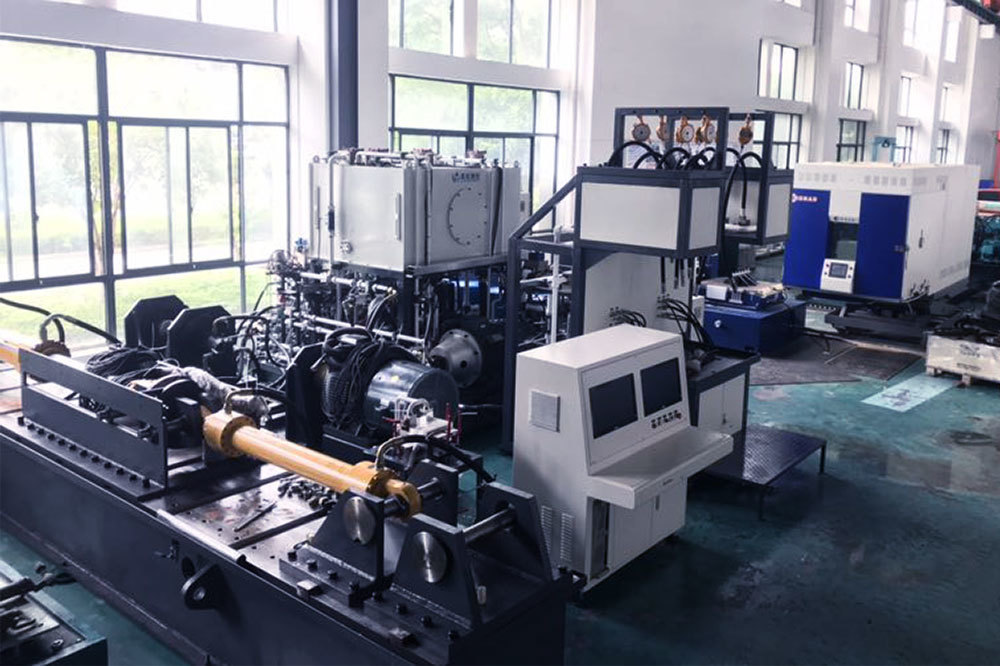
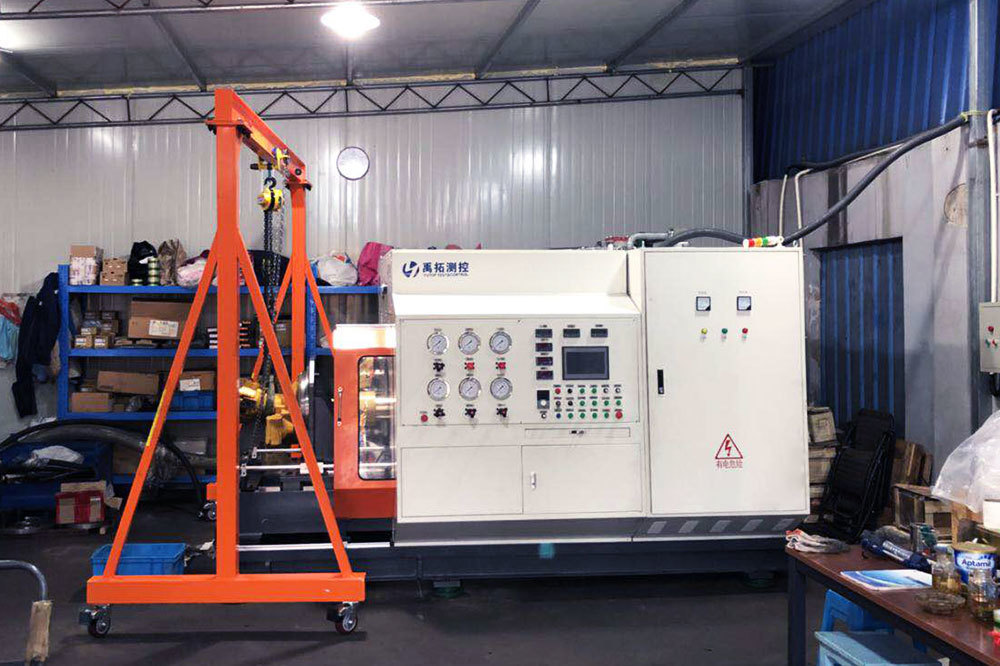
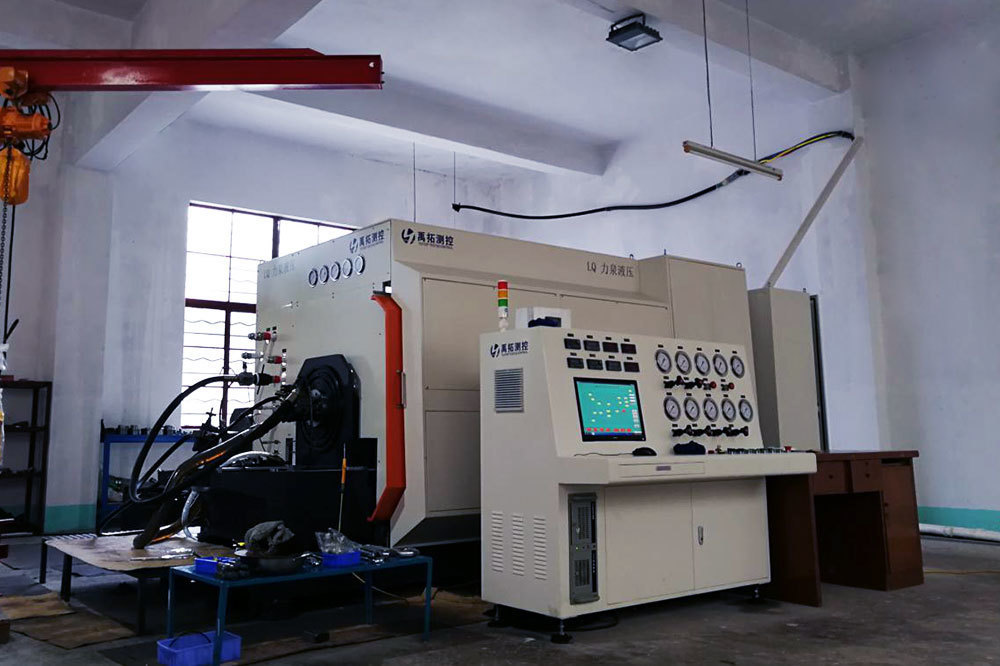
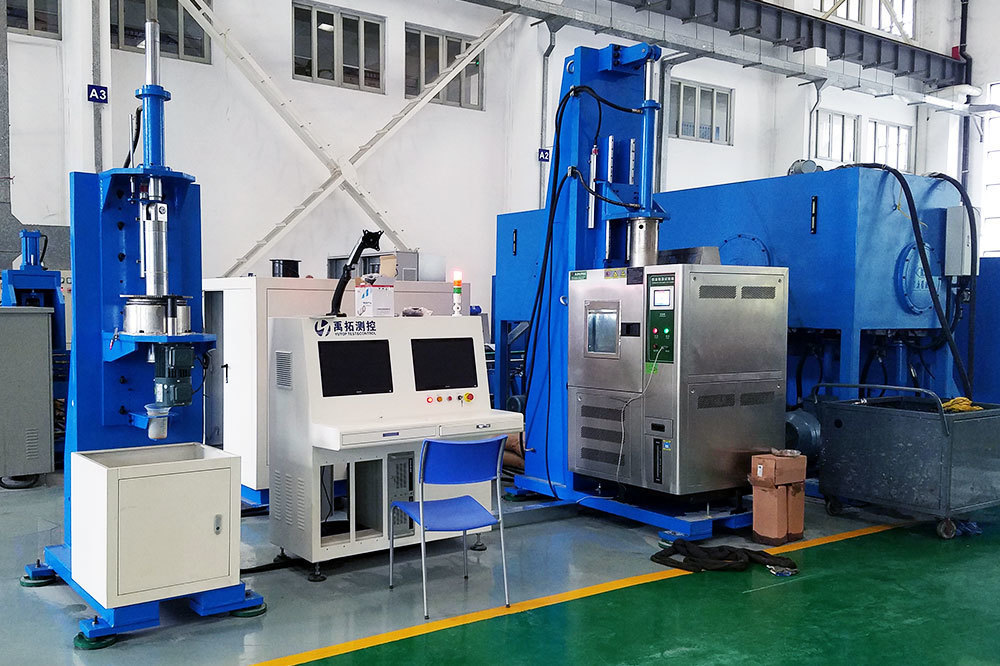
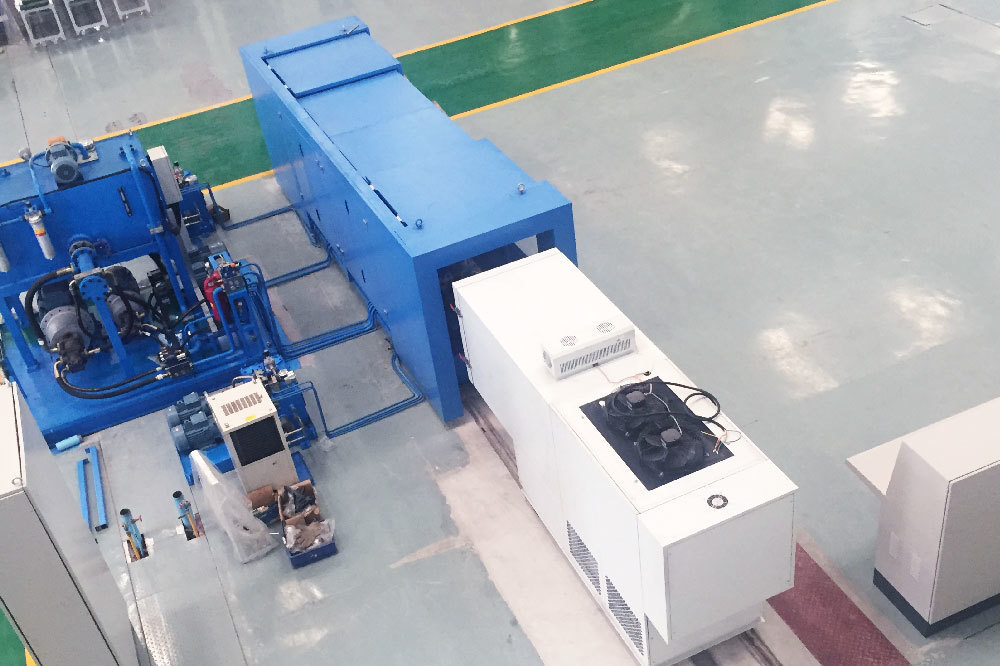
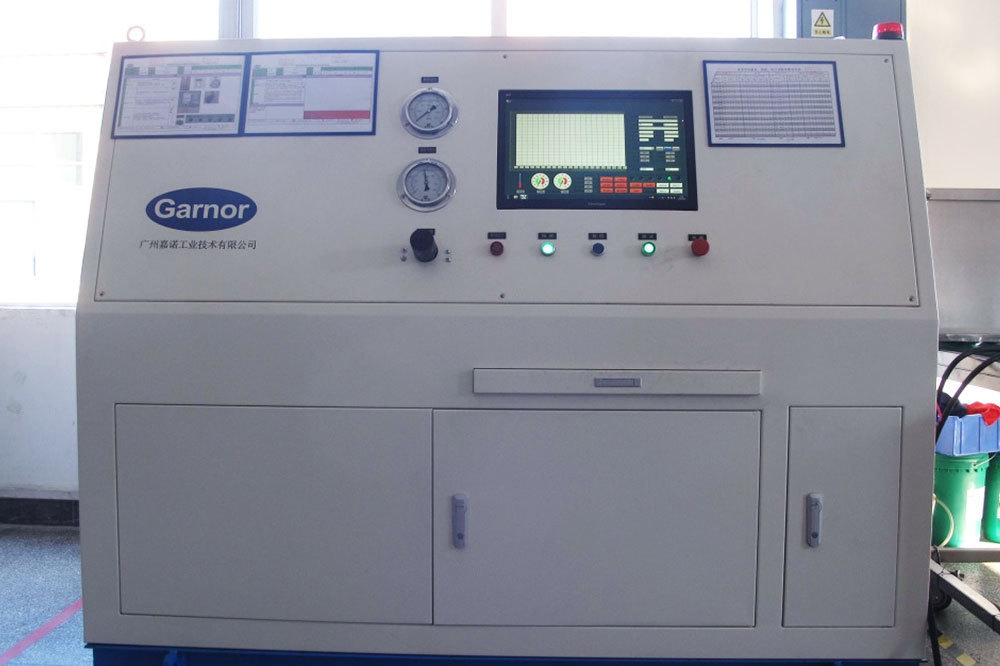
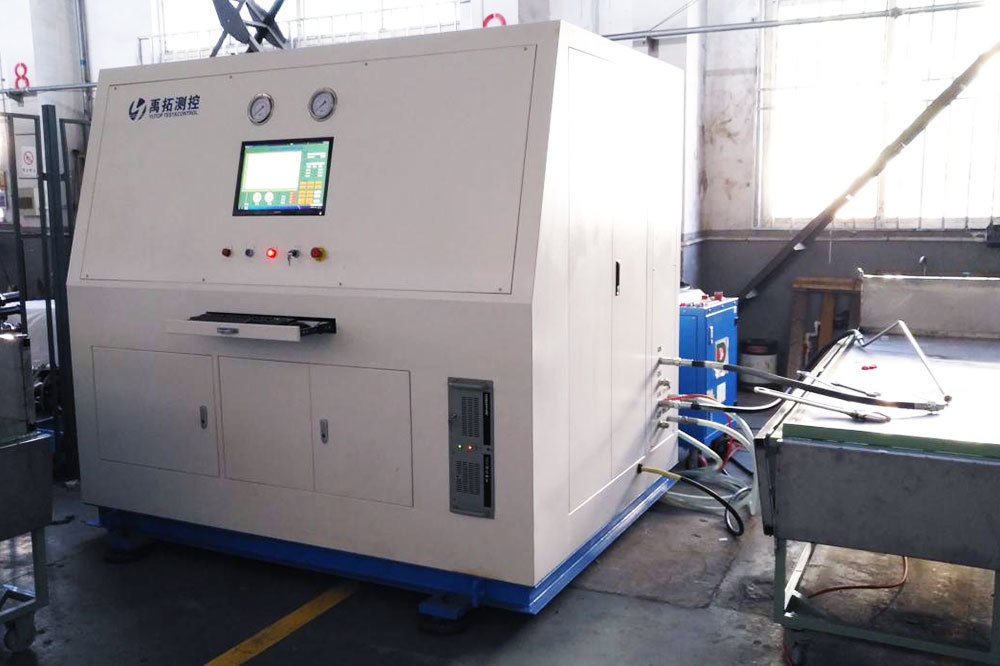
Bench testing remains a staple in hydraulic pump evaluation. This method involves assessing the pump's performance in a controlled environment, measuring parameters such as flow rate, pressure, and efficiency.
4.2 Field Testing
Field testing involves real-world operation assessments. This methodology helps engineers understand how hydraulic pumps perform under actual driving conditions, providing insights into durability and reliability.
4.3 Lifecycle Testing
Lifecycle testing evaluates the performance of hydraulic pumps over extended periods. This approach helps identify wear and tear patterns, ensuring that pumps can withstand long-term usage without compromising performance.
4.4 Accelerated Testing
Accelerated testing simulates years of usage within a shorter timeframe. This methodology is vital in identifying potential failure points and enabling manufacturers to make necessary design adjustments before market release.
5. Challenges in Hydraulic Pump Performance Testing
While advancements in hydraulic pump testing methodologies are promising, several challenges persist:
5.1 Cost Constraints
Investing in advanced testing technologies can be costly. Smaller manufacturers may find it challenging to allocate sufficient budgets for comprehensive testing, potentially compromising product quality.
5.2 Complexity of Systems
Modern vehicles incorporate increasingly complex hydraulic systems. Testing these systems requires sophisticated methodologies, which may not always be available, leading to gaps in performance evaluations.
5.3 Regulatory Compliance
Navigating the myriad of regulations governing hydraulic pump performance can be daunting. Staying compliant often requires continuous updates to testing protocols, demanding additional resources and expertise.
6. Future Trends in Hydraulic Pump Testing
As the automotive industry continues to evolve, several trends are emerging in hydraulic pump performance testing:
6.1 Increased Focus on Sustainability
With a global push towards sustainability, hydraulic pump testing will increasingly emphasize eco-friendly practices and materials. Manufacturers will need to adapt testing methodologies to assess the environmental impact of their products.
6.2 Enhanced Simulation Techniques
The future of hydraulic pump testing lies in advanced simulation techniques. These methods will allow for more accurate predictions of performance without the need for extensive physical testing, streamlining the development process.
6.3 Development of Smart Pumps
As IoT technology continues to advance, smart hydraulic pumps that can self-monitor and report performance metrics will become more prevalent. Testing methodologies will need to adapt to evaluate the performance of these innovative systems.
6.4 Integration of Machine Learning
Machine learning algorithms will play a crucial role in analyzing testing data. By identifying patterns and making predictions, these algorithms can help automotive engineers enhance pump designs and performance metrics effectively.
7. Impacts of Hydraulic Pump Testing on the Automotive Industry
The impacts of hydraulic pump performance testing extend beyond individual manufacturers:
7.1 Improved Vehicle Reliability
As testing methodologies evolve, the reliability of hydraulic pumps will improve, leading to safer vehicles and reduced recalls, ultimately enhancing consumer trust in automotive brands.
7.2 Enhanced Fuel Efficiency
More efficient hydraulic pumps contribute to better fuel economy, aligning with the industry's shift towards greener technologies and helping manufacturers meet stringent environmental regulations.
7.3 Economic Growth
As hydraulic pump testing becomes more sophisticated, manufacturers can bring higher-quality products to market more rapidly. This efficiency can drive economic growth in the automotive sector, fostering innovation and competitiveness.
8. Conclusion
The future of hydraulic pump performance testing in the automotive industry is poised for significant transformation. With advancements in technology, testing methodologies, and a growing emphasis on sustainability, manufacturers can enhance vehicle performance, safety, and reliability. By embracing these changes, the automotive industry will not only meet the evolving demands of consumers but also contribute to a more sustainable future.
9. FAQs
What is hydraulic pump performance testing?
Hydraulic pump performance testing evaluates the efficiency, reliability, and safety of hydraulic pumps under controlled and real-world conditions.
Why is hydraulic pump testing important in the automotive industry?
Testing ensures that hydraulic pumps operate efficiently and safely, meeting industry standards and enhancing overall vehicle performance and reliability.
What modern technologies are used in hydraulic pump testing?
Technologies such as automation, IoT integration, digital twins, and advanced data analytics are increasingly used in hydraulic pump performance testing.
What are the challenges faced in hydraulic pump performance testing?
Challenges include cost constraints, the complexity of modern hydraulic systems, and the need for regulatory compliance.
What trends will shape the future of hydraulic pump testing?
Future trends include a focus on sustainability, enhanced simulation techniques, the development of smart pumps, and the integration of machine learning for data analysis.
This comprehensive exploration of hydraulic pump performance testing highlights its critical role in the automotive industry. As technology continues to advance, staying abreast of these changes will be essential for manufacturers aiming to lead in a competitive market.

Room 207, 2nd Floor, Block C, Building 1 (Self-designated), No. 3 Yunkai Road, Yunpu Industrial Zone, Huangpu District, Guangzhou City,China


