

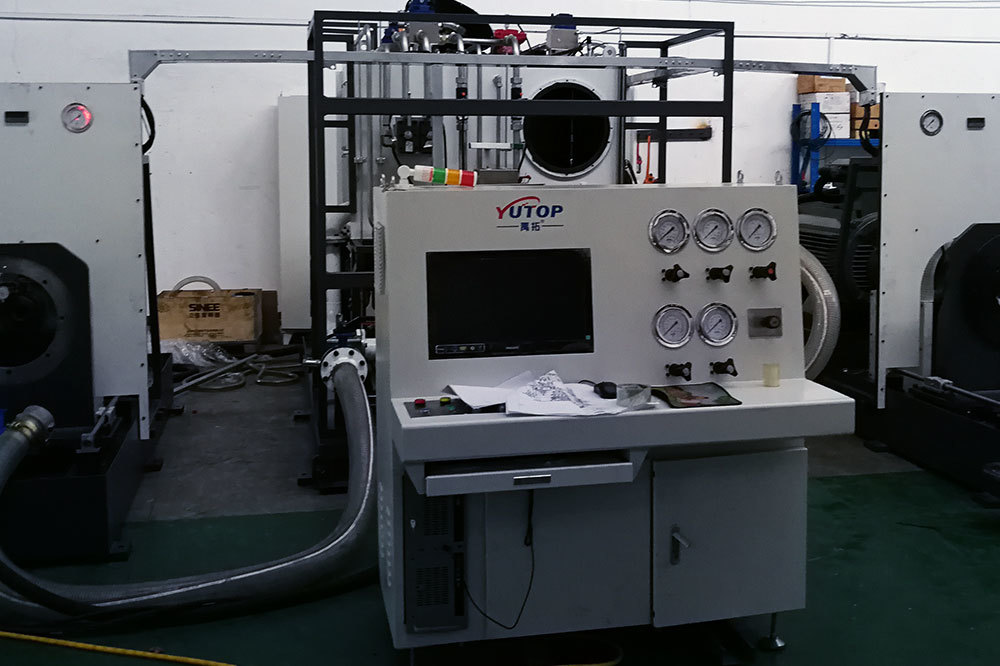
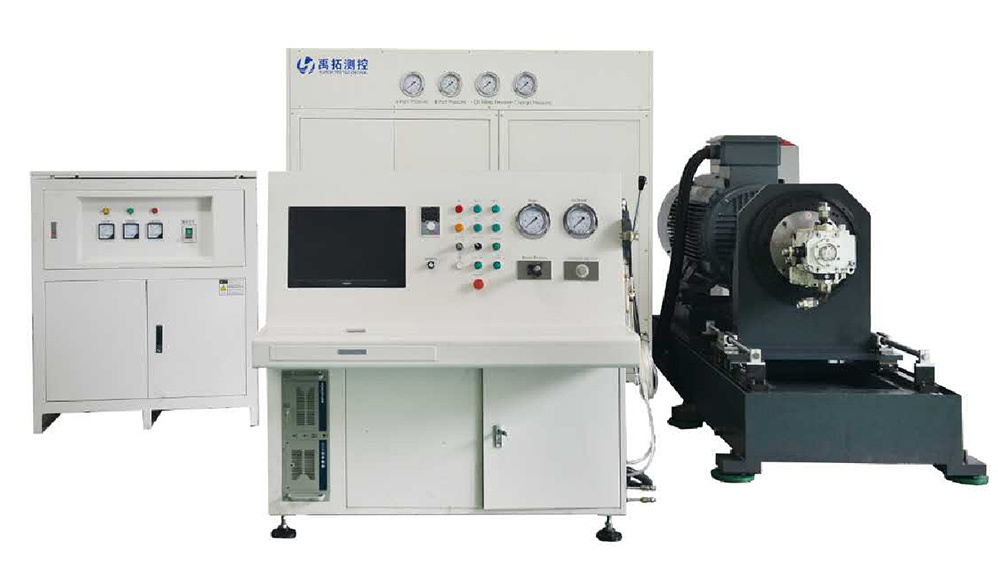
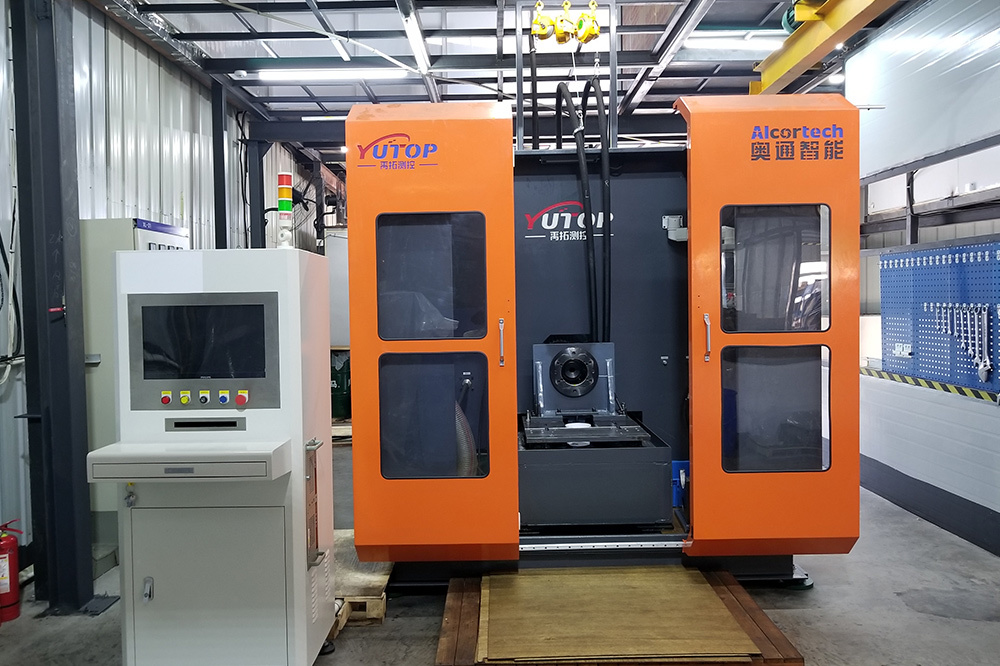
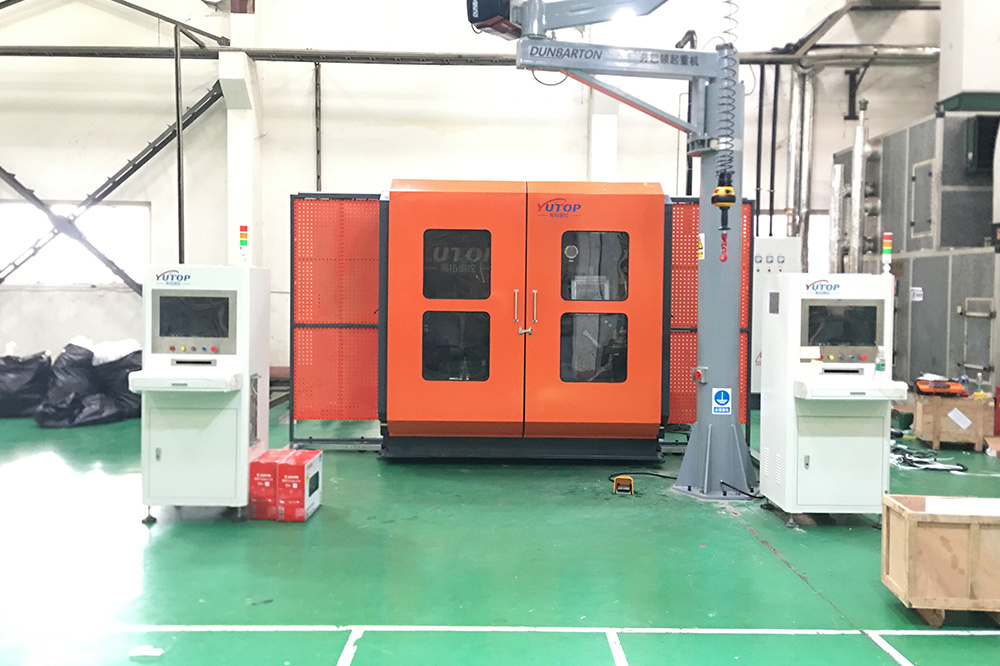
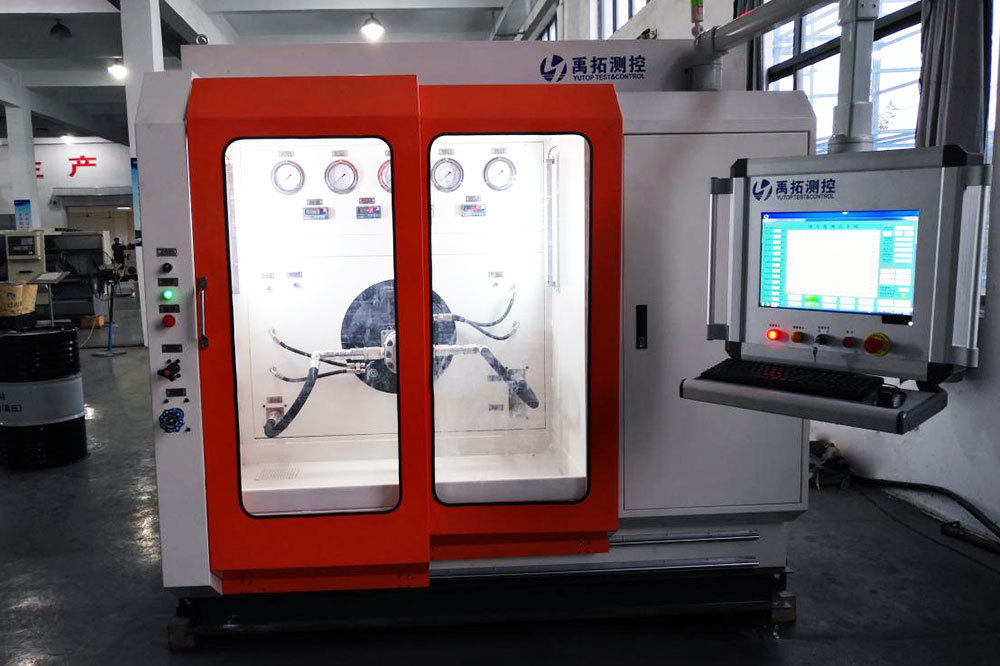
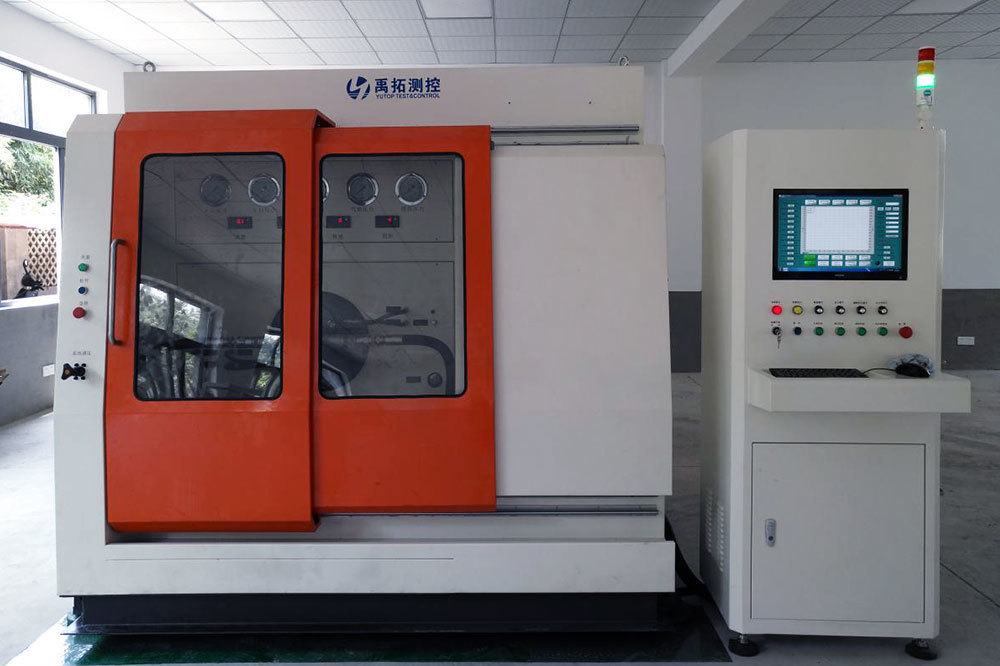
The Impact of Piston Pump Testing Equipment on Safety Standards
The Impact of Piston Pump Testing Equipment on Safety Standards Piston pumps are integral in many industrial applications, from water treatment to oil and gas operations. As industries continue to evolve and expand, the need for reliable and safe pump operations becomes increasingly paramount. This article explores the significant impact of piston pump testing equipment on safety standards and how
Jun 29,2026
The Impact of Piston Pump Testing Equipment on Safety Standards
Piston pumps are integral in many industrial applications, from water treatment to oil and gas operations. As industries continue to evolve and expand, the need for reliable and safe pump operations becomes increasingly paramount. This article explores the significant impact of piston pump testing equipment on safety standards and how these advancements contribute to overall operational integrity.
Table of Contents
- Understanding Piston Pumps: An Overview
- The Importance of Testing Equipment in Industrial Applications
- Safety Standards in the Pump Industry
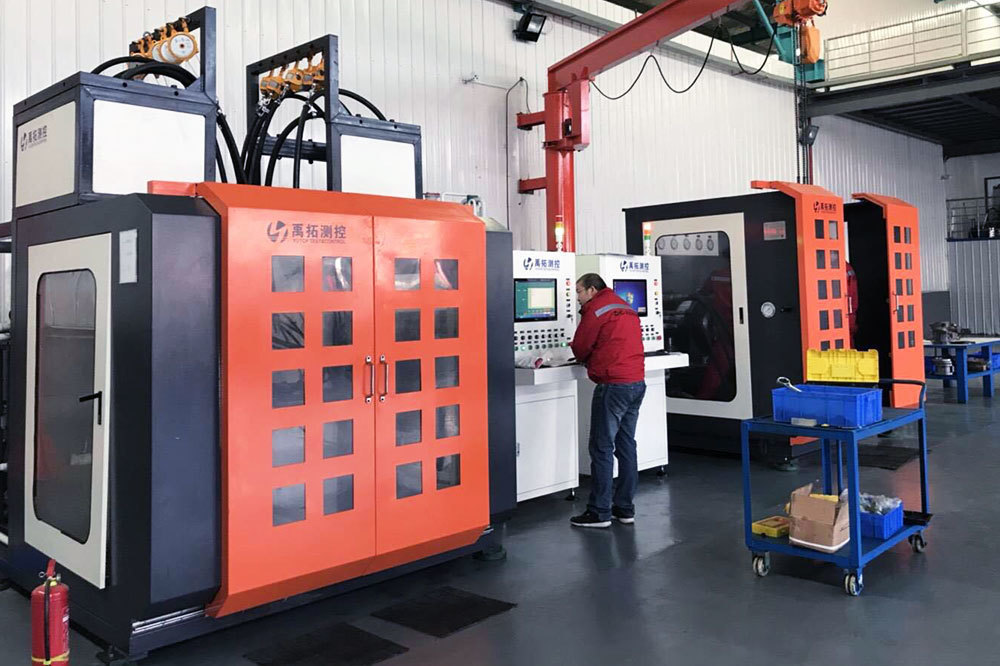
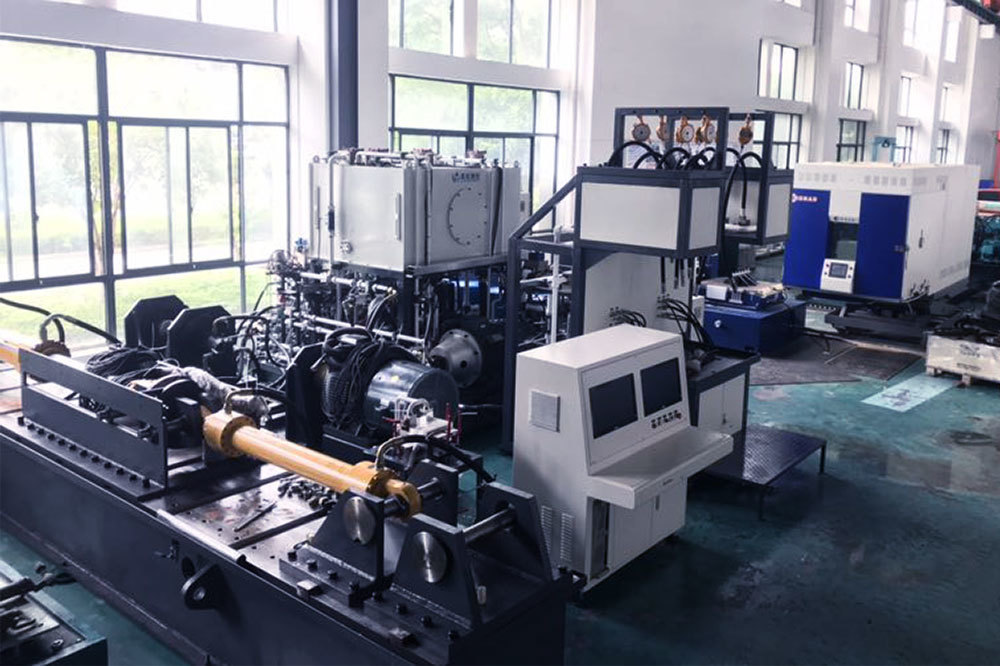
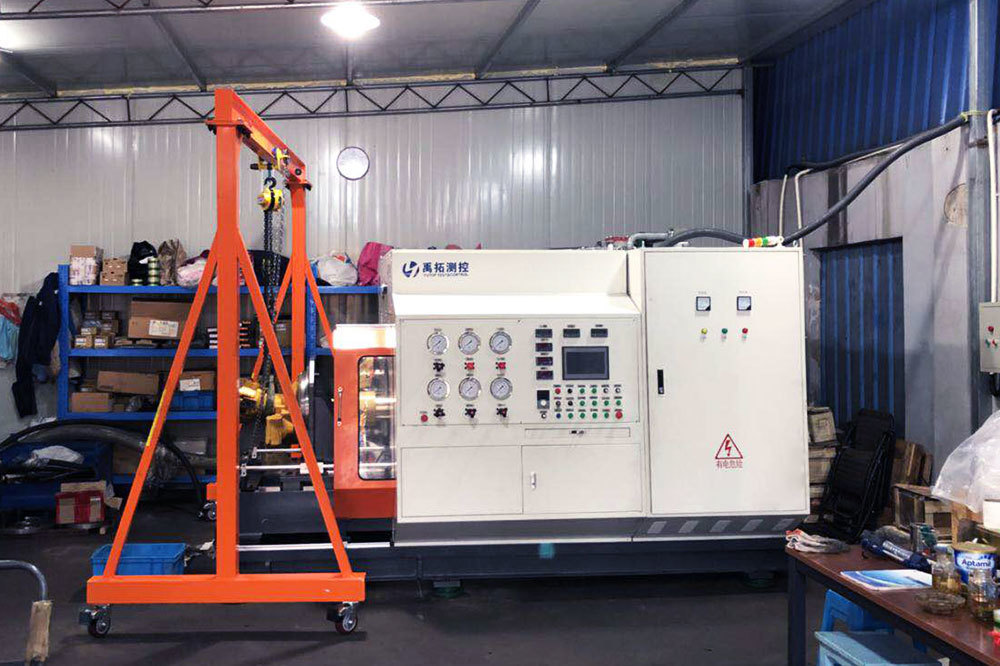
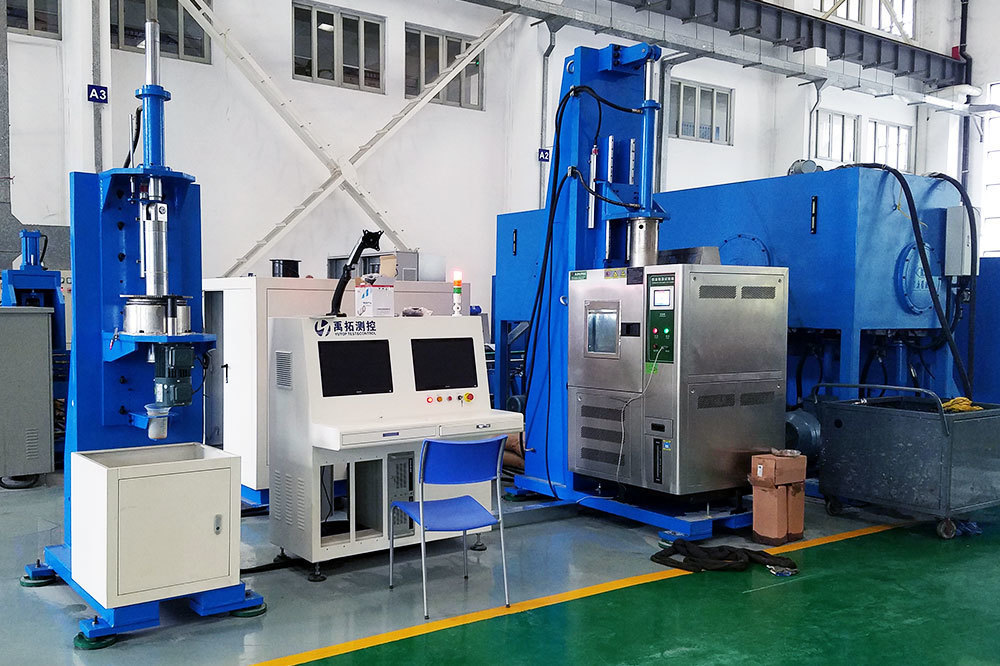
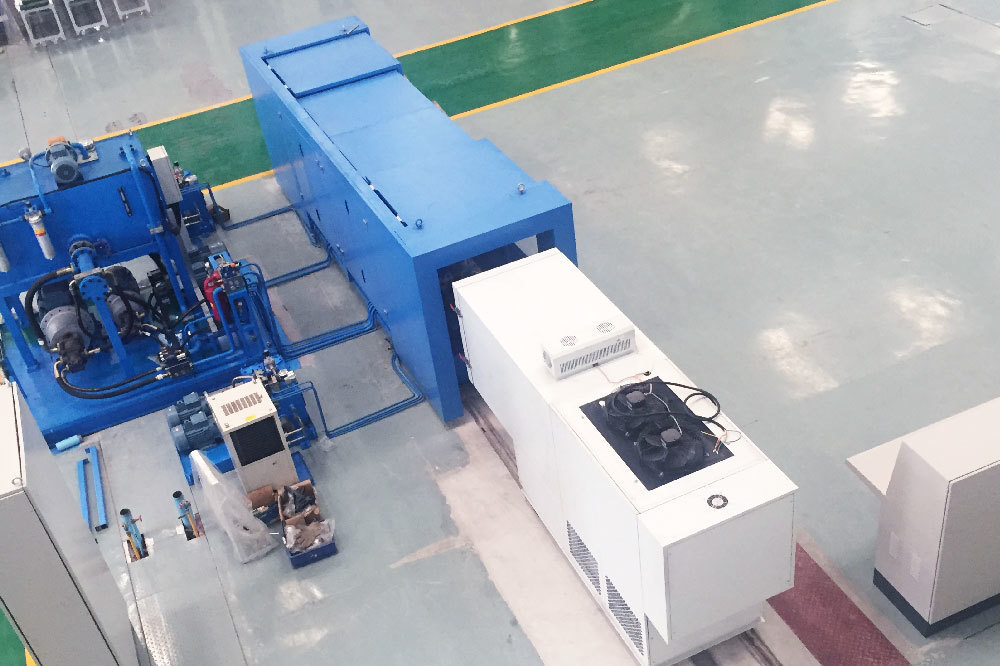
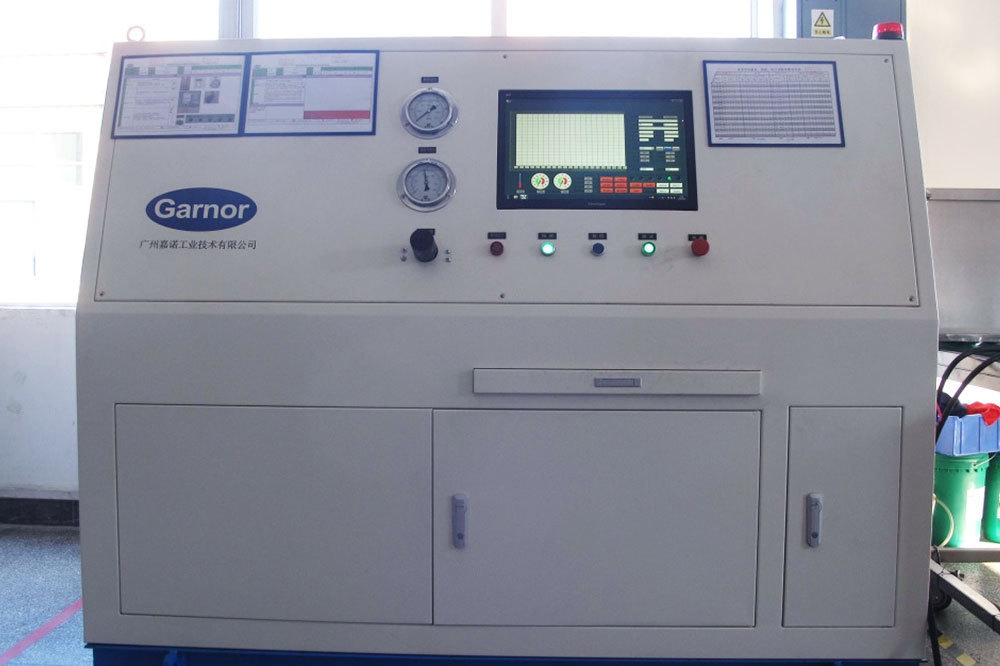
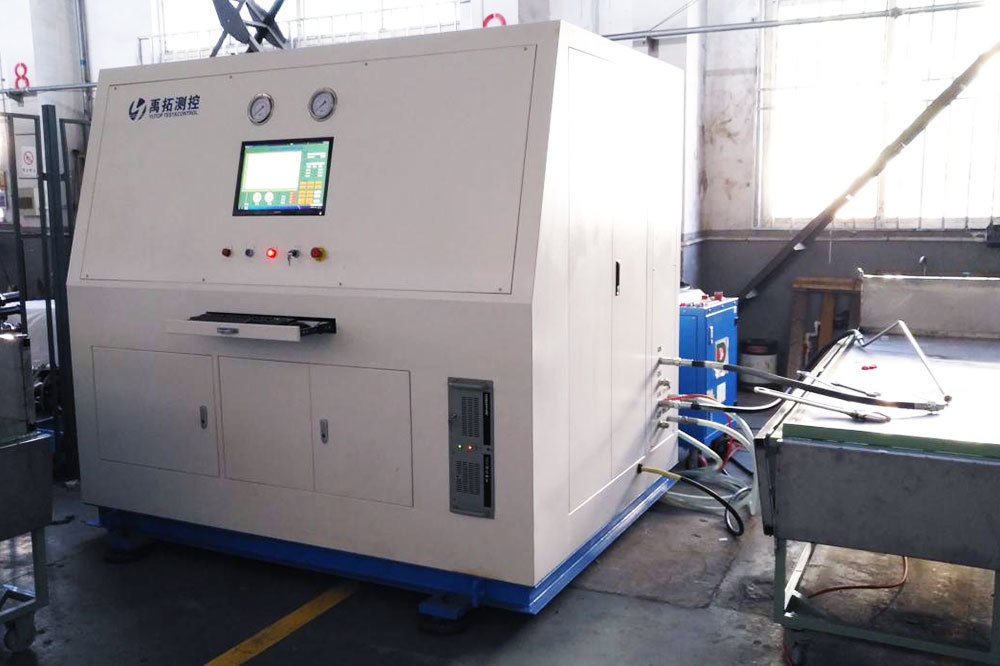
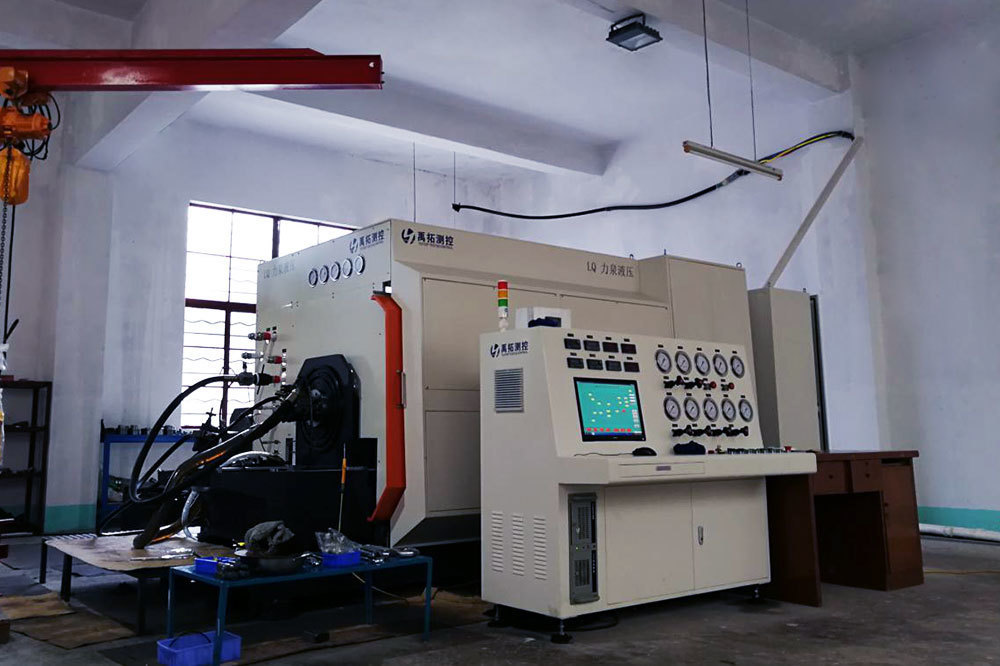
- Types of Piston Pump Testing Equipment
- How Testing Equipment Enhances Safety Standards
- Regulatory Compliance and Safety Assurance
- Investment in Advanced Testing Technology
- Future Trends in Piston Pump Testing Equipment
- FAQs
Understanding Piston Pumps: An Overview
Piston pumps operate on the principle of displacement, utilizing a reciprocating piston to push fluids through a chamber. These pumps are favored for their efficiency and ability to handle high-pressure applications. The design varies from single-acting to double-acting configurations, each catering to specific industrial needs. Understanding the mechanics of these pumps is essential for appreciating the importance of testing equipment.
Key Components of Piston Pumps
Every piston pump consists of critical components such as the cylinder, piston, valves, and inlet and outlet ports. Each element must function seamlessly to ensure optimal performance and safety. For instance, the seals used in the piston assembly play a crucial role in preventing leaks, which could lead to hazardous situations.
The Importance of Testing Equipment in Industrial Applications
Testing equipment is vital in ensuring that piston pumps operate within defined safety parameters. Regular testing can identify potential issues before they escalate, safeguarding both personnel and operations. This section focuses on the necessity of integrating advanced testing equipment into the maintenance protocols of piston pumps.
Why Regular Testing is Crucial
Routine testing helps maintain the integrity of piston pumps. It allows for the detection of wear and tear, pressure inconsistencies, and performance deviations. By establishing a regular testing schedule, companies can mitigate risks associated with pump failures, which can result in significant downtime and financial loss.
Safety Standards in the Pump Industry
Safety standards in the pump industry are guided by both national and international regulations. Organizations such as the American National Standards Institute (ANSI) and the International Organization for Standardization (ISO) set benchmarks that govern the design, testing, and operation of piston pumps.
Common Safety Regulations
Some of the critical safety standards include:
- **ANSI/HI 1.1-1.6**: These standards outline the performance and design requirements for pumps and related equipment.
- **ISO 9001**: This quality management standard ensures that manufacturers meet customer and regulatory requirements, enhancing safety.
- **OSHA Guidelines**: The Occupational Safety and Health Administration (OSHA) provides regulatory standards to protect workers in industrial environments.
Types of Piston Pump Testing Equipment
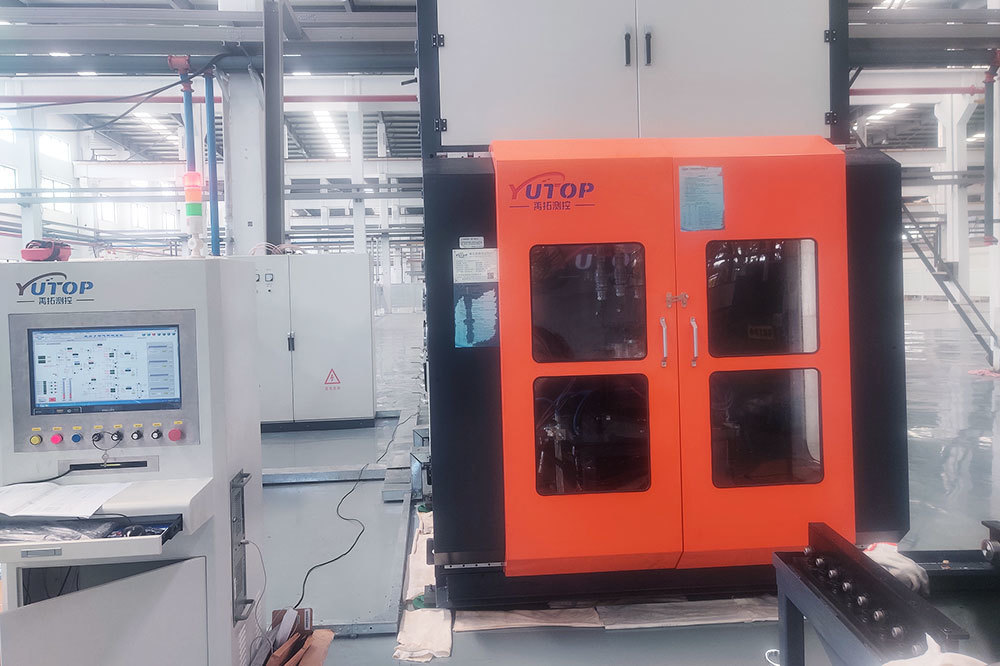
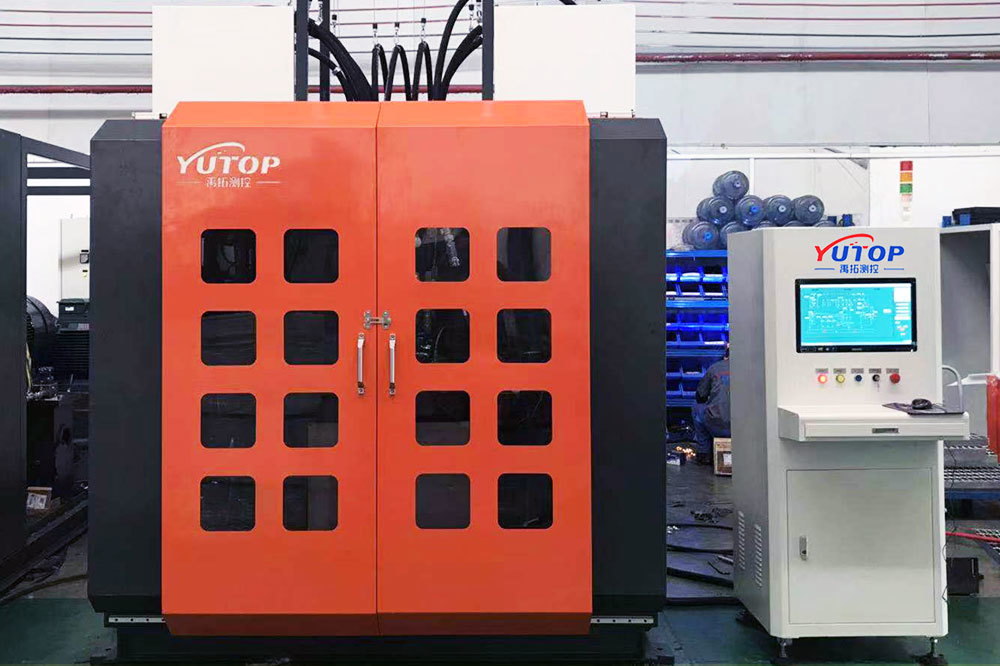
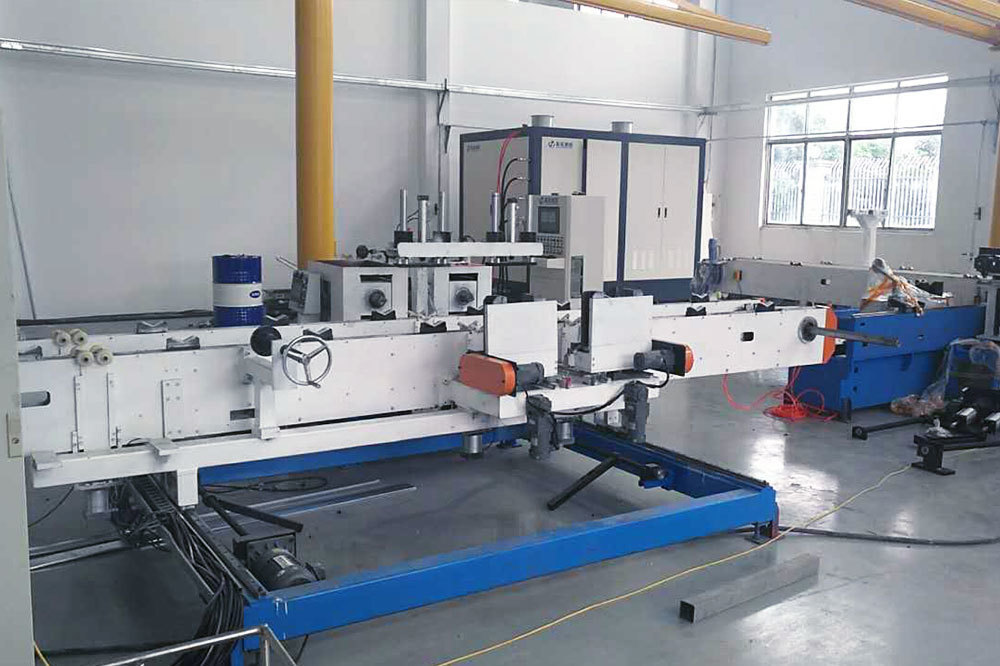
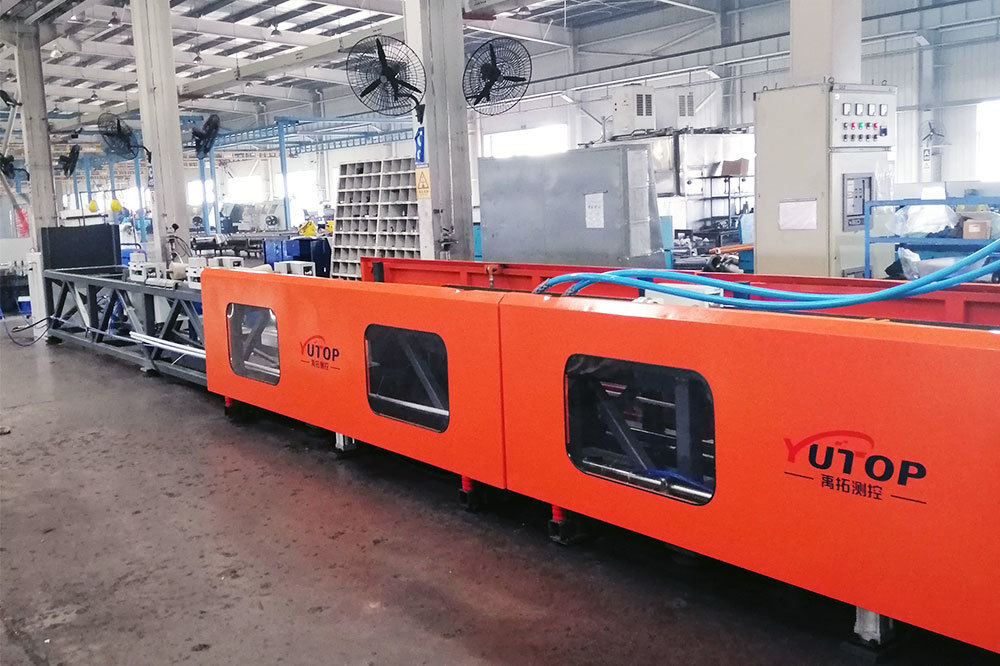
Investing in the right testing equipment enhances the reliability and safety of piston pumps. Various devices are available, each designed for specific testing needs. Below are some of the most common types of piston pump testing equipment.
Pressure Testing Equipment
Pressure testing equipment evaluates the pump's ability to withstand specified pressure levels without failure. This type of testing is crucial for identifying weak points in the pump's structure.
Flow Testing Devices
Flow testing devices measure the rate at which a fluid is displaced by the pump. This data is essential for determining the pump's efficiency and identifying any performance issues.
Leak Detection Systems
Leak detection systems are designed to identify any fluid leaks in the pump system. Early detection of leaks is critical to prevent environmental contamination and safety hazards.
Vibration Analysis Equipment
Vibration analysis equipment monitors the vibrations produced by the pump during operation. Unusual vibration patterns may indicate mechanical failures or misalignments that require immediate attention.
How Testing Equipment Enhances Safety Standards
The integration of advanced testing equipment significantly enhances safety standards across industrial operations. Here’s how:
Identifying Potential Failures Early
Effective testing allows for early detection of issues that could lead to catastrophic failures. By identifying these problems before they escalate, companies can implement corrective measures and avoid accidents.
Compliance with Safety Regulations
Regular testing ensures compliance with safety regulations, minimizing legal risks and potential fines. Companies that adhere to safety standards demonstrate a commitment to operational integrity and employee safety.
Improving Reliability and Efficiency
Testing equipment helps maintain the operational reliability of piston pumps, leading to increased efficiency. Reliable pumps reduce downtime, cutting costs associated with maintenance and repairs.
Regulatory Compliance and Safety Assurance
Compliance with safety regulations is non-negotiable in the industrial sector. Testing equipment plays a pivotal role in ensuring that companies meet these standards, maintaining safety and operational integrity.
The Role of Documentation
Accurate documentation of testing processes is crucial for demonstrating compliance. Companies should maintain detailed records of all testing activities, results, and corrective actions taken. This transparency builds trust with regulatory bodies and stakeholders.
Training and Safety Culture
Incorporating testing equipment into a safety program encourages a culture of safety. Training employees on the importance of testing and compliance fosters an environment where safety is prioritized and valued.
Investment in Advanced Testing Technology
Investing in advanced testing technology is essential for modern industrial applications. Companies that integrate cutting-edge equipment not only enhance safety but also improve overall operational performance.
The Financial Implications of Testing Equipment
While the initial investment in testing technology may seem significant, the long-term benefits far outweigh the costs. Enhanced safety measures lead to reduced risk of accidents, lower insurance premiums, and improved productivity.
Case Studies on Successful Implementations
Numerous companies have successfully integrated advanced testing equipment into their operations, leading to remarkable improvements in safety and efficiency. These case studies serve as a testament to the benefits of investing in quality testing technologies.
Future Trends in Piston Pump Testing Equipment
The future of piston pump testing equipment is poised for innovation. Emerging technologies and methodologies are set to redefine how testing is conducted across industries.
Automation and Smart Technologies
Automation in testing processes is becoming increasingly prevalent. Smart technologies equipped with IoT capabilities allow for real-time monitoring and data analysis, enhancing predictive maintenance strategies.
Increased Focus on Sustainability
With a growing emphasis on sustainability, testing equipment is evolving to support eco-friendly practices. Manufacturers are developing technologies that minimize waste and reduce environmental impact, aligning safety with sustainability goals.
FAQs
What is the purpose of piston pump testing equipment?
The primary purpose of piston pump testing equipment is to ensure that pumps operate safely and efficiently by identifying potential issues through regular testing.
How often should piston pumps be tested?
The frequency of testing depends on the pump's application and the manufacturer's recommendations, but regular testing every six months to a year is generally advised.
What safety standards apply to piston pumps?
Key safety standards include ANSI/HI 1.1-1.6, ISO 9001, and OSHA guidelines, which govern the design, testing, and operation of piston pumps.
How can testing improve pump reliability?
Testing helps identify wear and performance issues early, allowing for timely maintenance and reducing the likelihood of pump failures.
What emerging technologies are influencing pump testing?
Emerging technologies such as automation, smart sensors, and IoT capabilities are enhancing the efficiency and accuracy of pump testing processes.
Conclusion
The impact of piston pump testing equipment on safety standards cannot be overstated. By ensuring that pumps operate within safe parameters, companies can protect their employees, the environment, and their bottom line. Investing in advanced testing technologies not only enhances safety but also improves operational efficiency and compliance with regulations. As industries continue to evolve, embracing these innovations will be key to maintaining high safety standards and achieving sustainable growth.
PREVIOUS:

Room 209, 2nd Floor, No.12, No.828 Maogang Road, Huangpu District, Guangzhou,China.


