

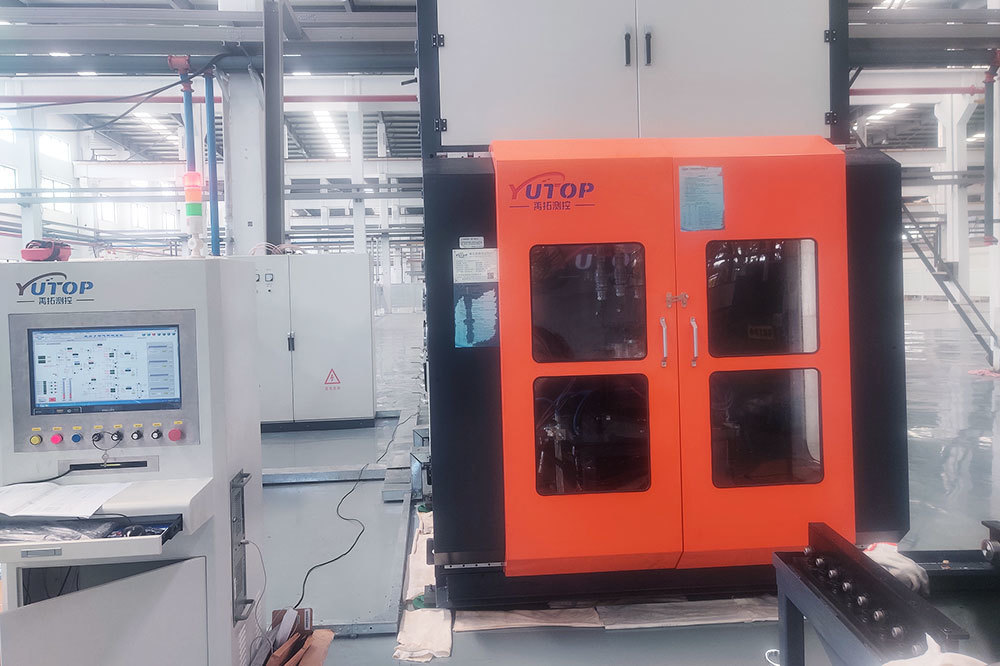
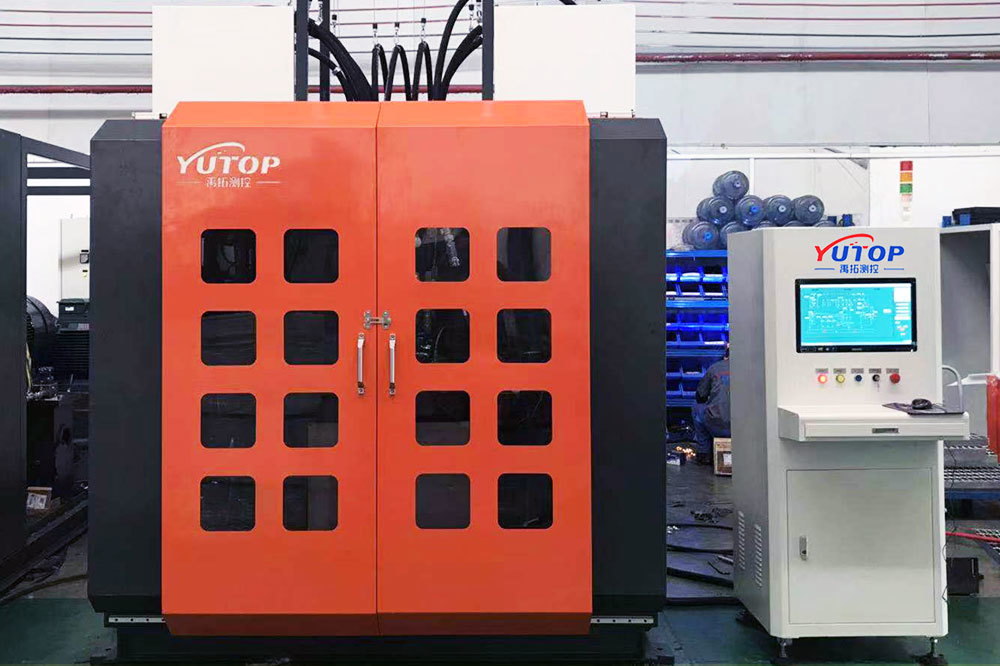
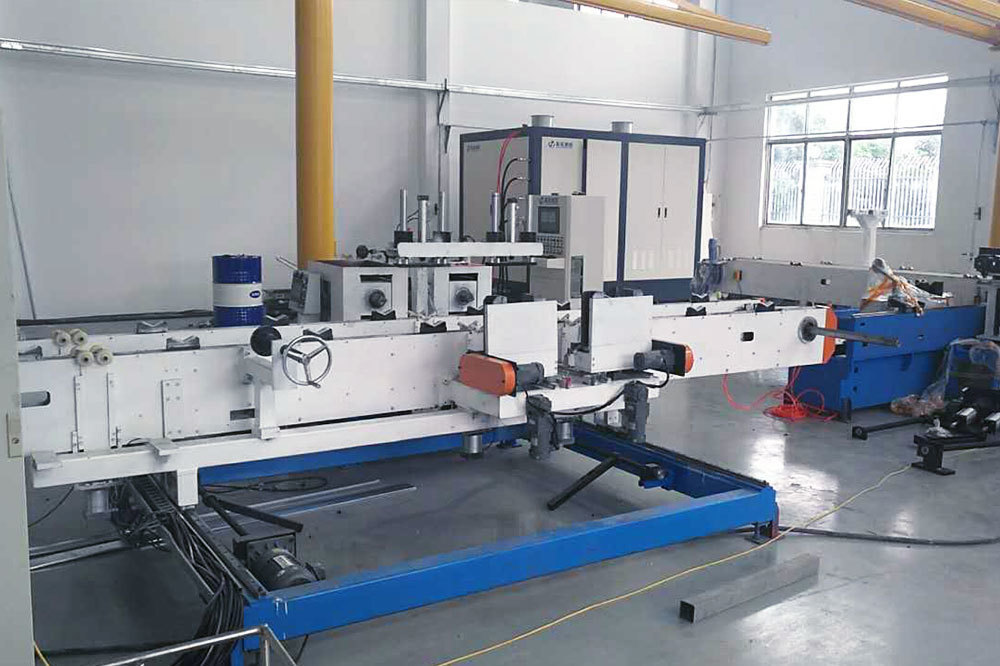
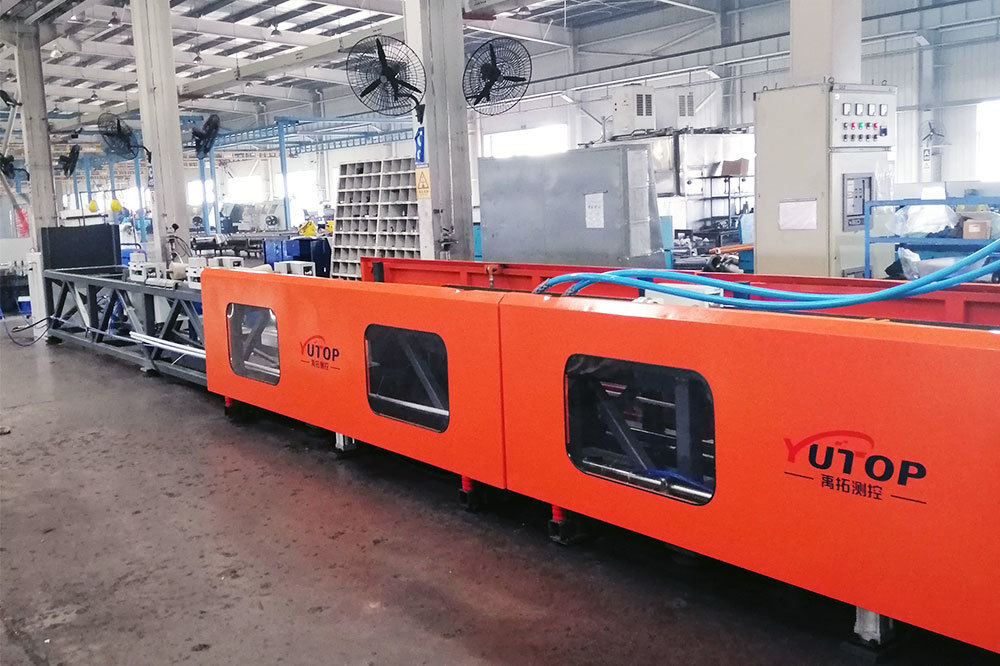
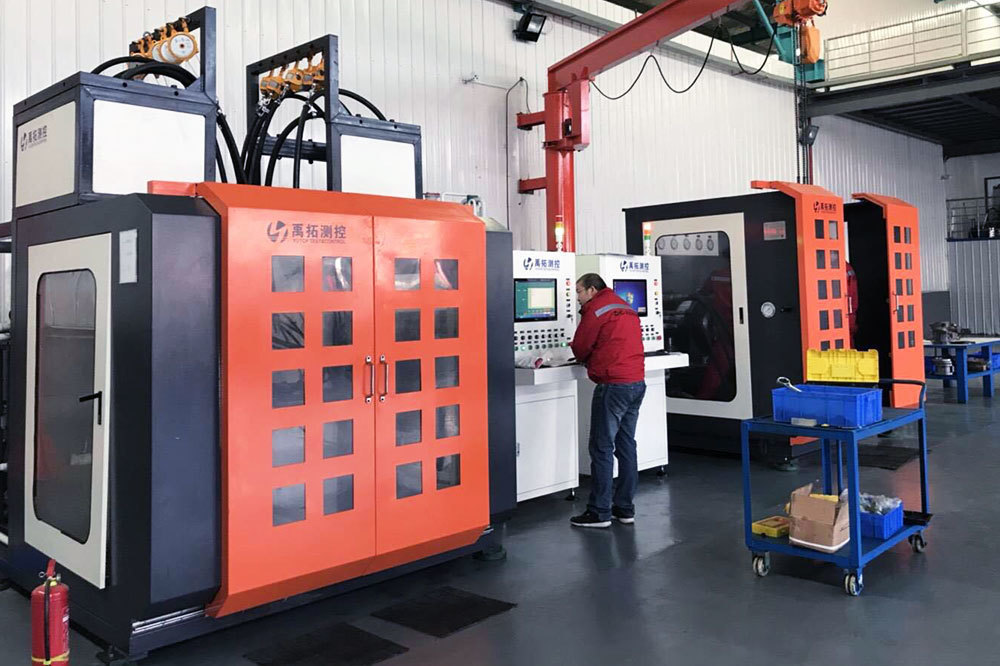
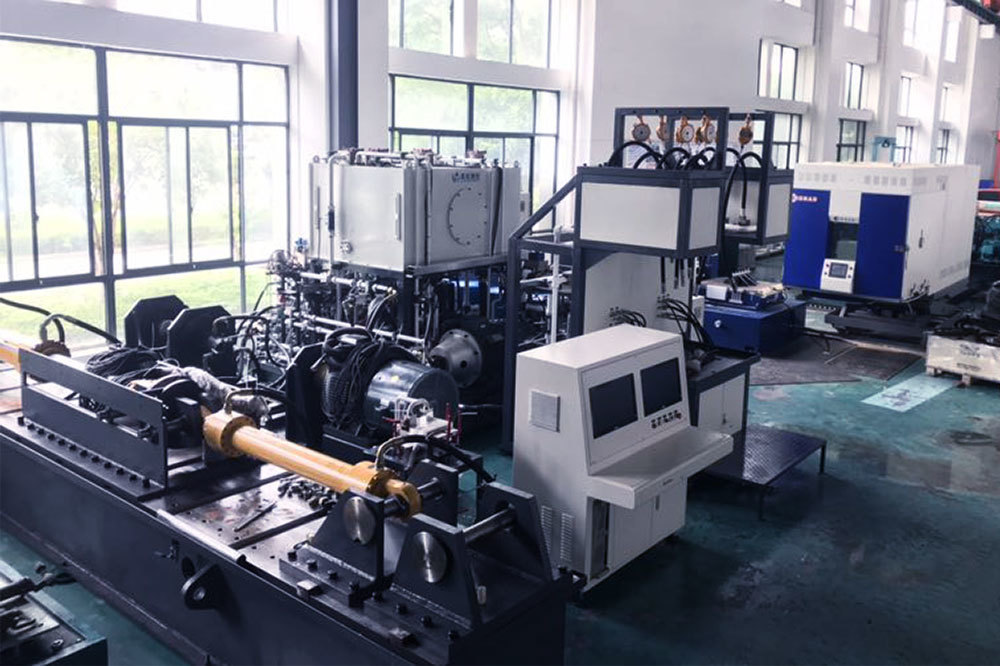
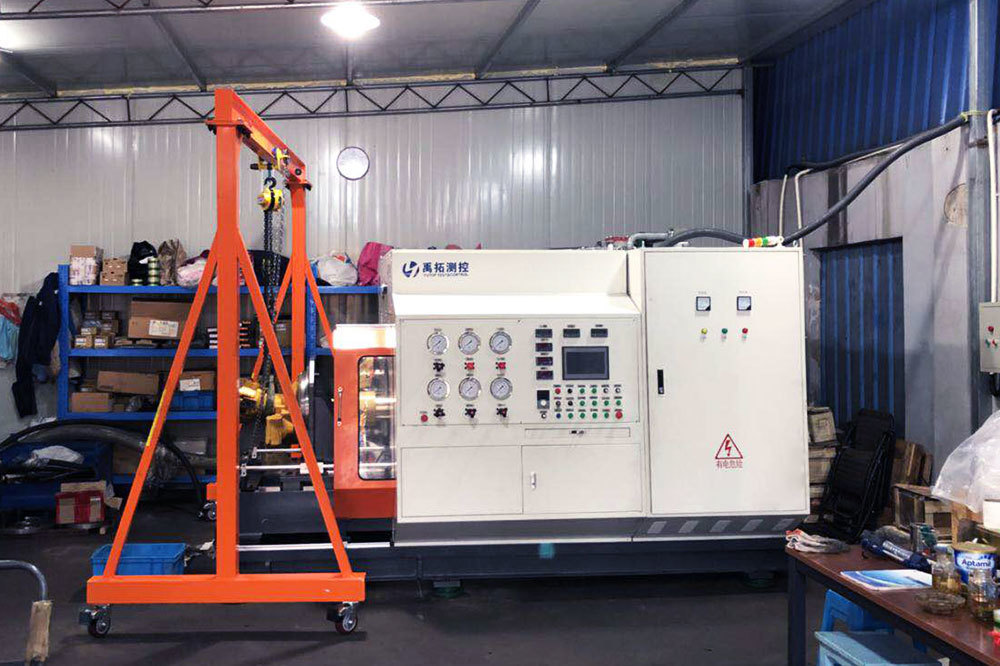
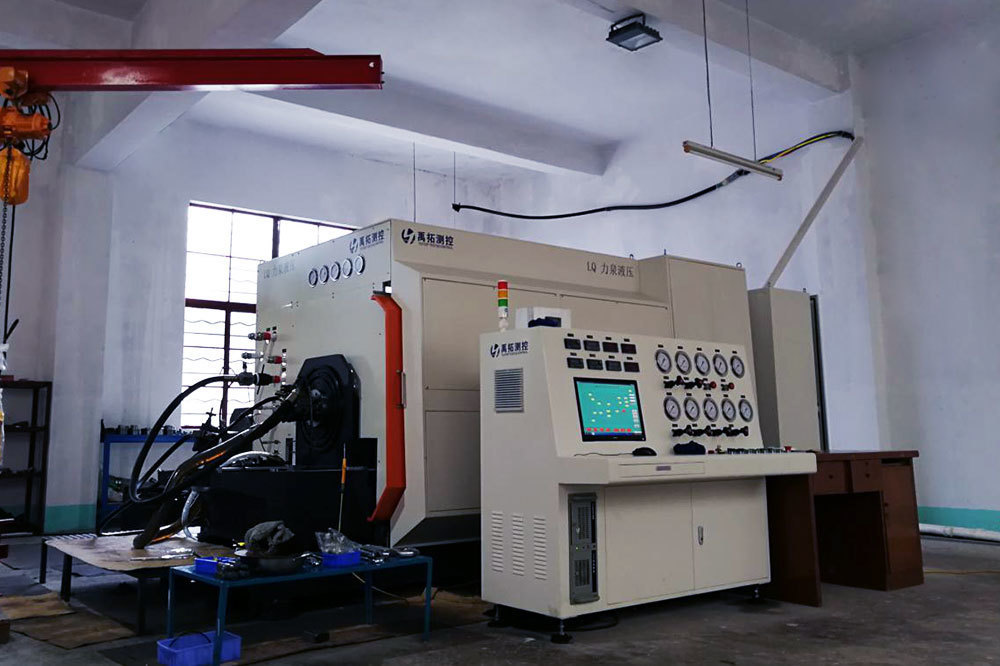
Innovations in Test Benches for Enhanced Excavator Hydraulic System Testing
Innovations in Test Benches for Enhanced Excavator Hydraulic System Testing Table of Contents Introduction to Excavator Hydraulic Systems The Importance of Testing Excavator Hydraulic Systems Historical Development of Test Benches Current Innovations in Test Bench Technology Automation and Smart Technologies in Testing Data Analysis and Reporting in Hydraulic Testing E
Jul 05,2026

Innovations in Test Benches for Enhanced Excavator Hydraulic System Testing
Table of Contents
- Introduction to Excavator Hydraulic Systems
- The Importance of Testing Excavator Hydraulic Systems
- Historical Development of Test Benches
- Current Innovations in Test Bench Technology
- Automation and Smart Technologies in Testing
- Data Analysis and Reporting in Hydraulic Testing
- Environmental Considerations in Test Bench Design
- Future Trends in Hydraulic System Testing
- Frequently Asked Questions
- Conclusion
Introduction to Excavator Hydraulic Systems
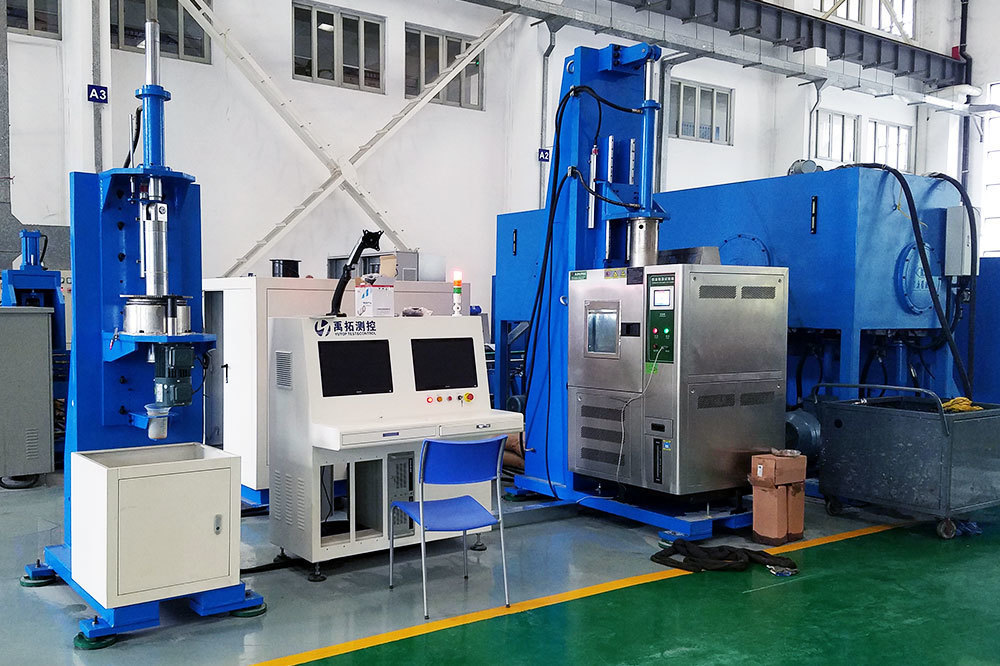
Excavators are pivotal in construction, mining, and various heavy-duty applications, harnessing the power of hydraulic systems to perform numerous tasks. These machines rely on a robust hydraulic system to facilitate movements and operations. Understanding the intricacies of hydraulic systems is vital for maintenance and performance optimization. The heart of this understanding lies in effective testing methodologies, which is where innovations in test benches come into play.
The Importance of Testing Excavator Hydraulic Systems
Regular and thorough testing of hydraulic systems in excavators is non-negotiable for ensuring safety and operational efficiency. Testing allows for:
- **Early detection of issues:** Identifying leaks, pressure drops, or component failures before they escalate.
- **Performance optimization:** Ensuring that the hydraulic system operates within specified parameters for maximum productivity.
- **Cost savings:** Preventing costly repairs and downtime by maintaining system integrity.
- **Regulatory compliance:** Adhering to safety regulations and industry standards.
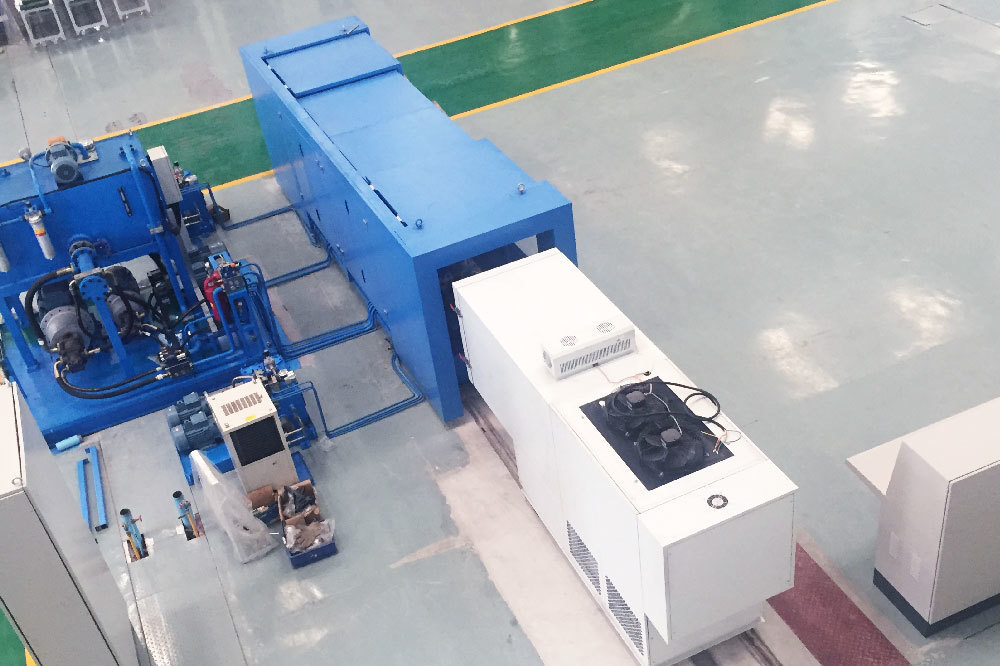
Each of these factors underlines the necessity of having advanced test benches that can provide accurate and reliable results.
Historical Development of Test Benches
The evolution of test benches in the hydraulic realm has been significant. Initially, they were rudimentary setups that offered limited functionality. As technology advanced, so did the complexity and capabilities of test benches.
- **Early 20th century:** Basic hydraulic test benches appeared, primarily focusing on manual testing methods.
- **Mid-20th century:** The introduction of electronic components provided some automation, reducing human error and enhancing accuracy.
- **Late 20th century to early 21st century:** The advent of computer technology revolutionized testing, allowing for data logging and analysis.
This historical context sets the stage for understanding the state-of-the-art innovations present in today's hydraulic test benches.
Current Innovations in Test Bench Technology
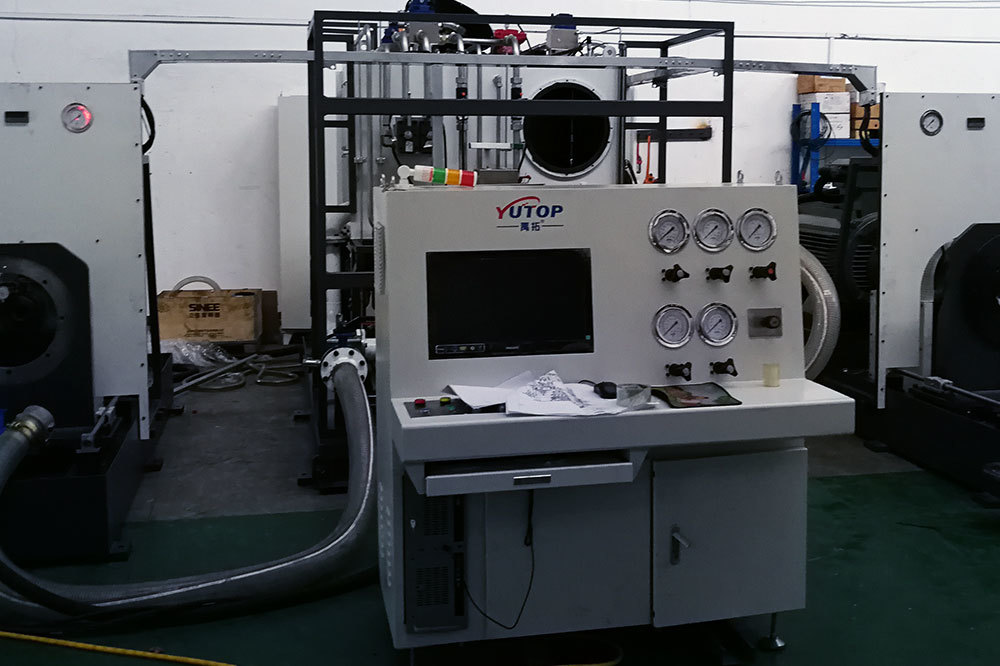
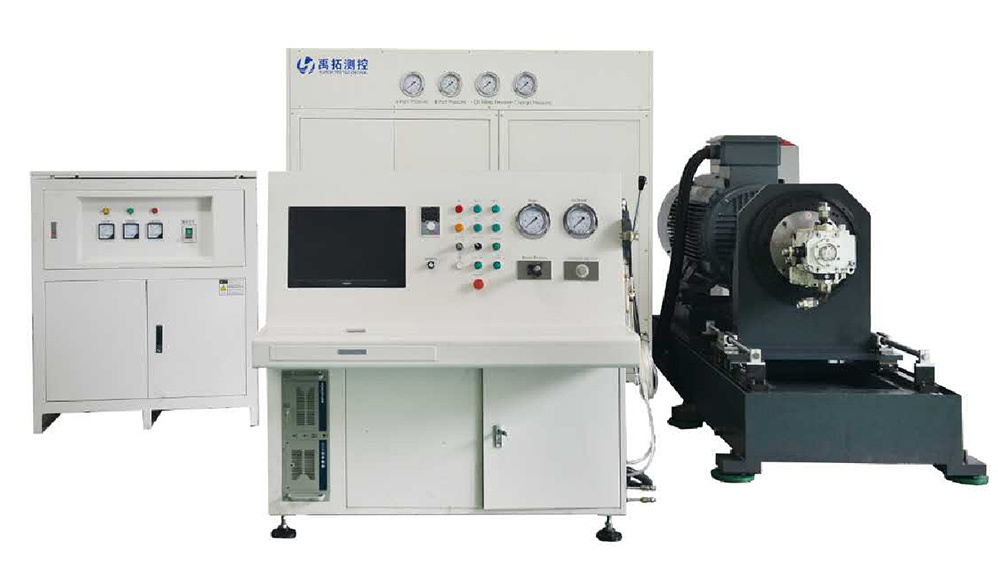
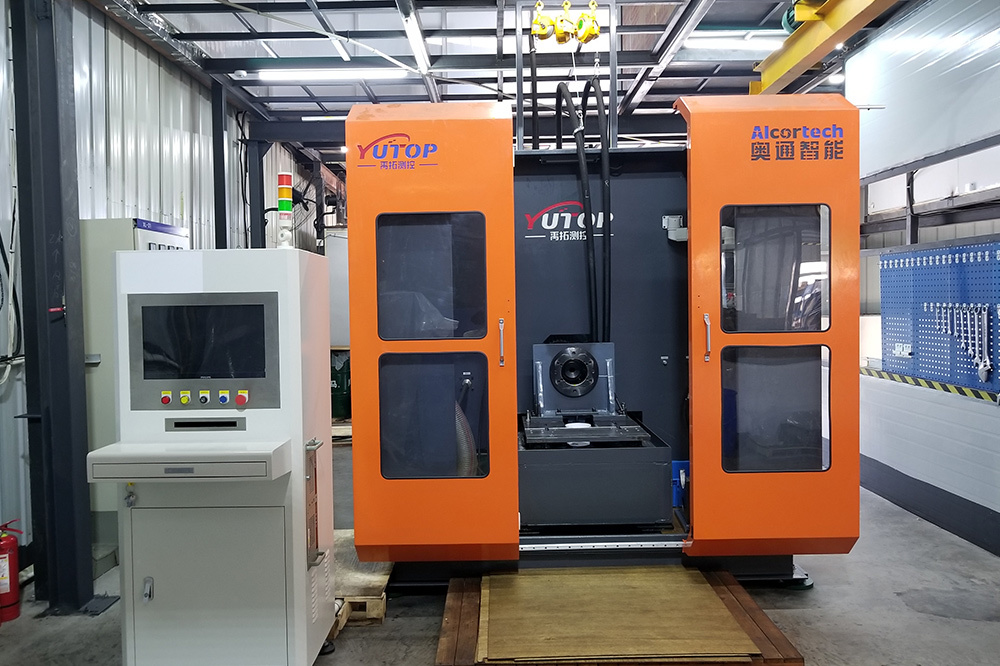
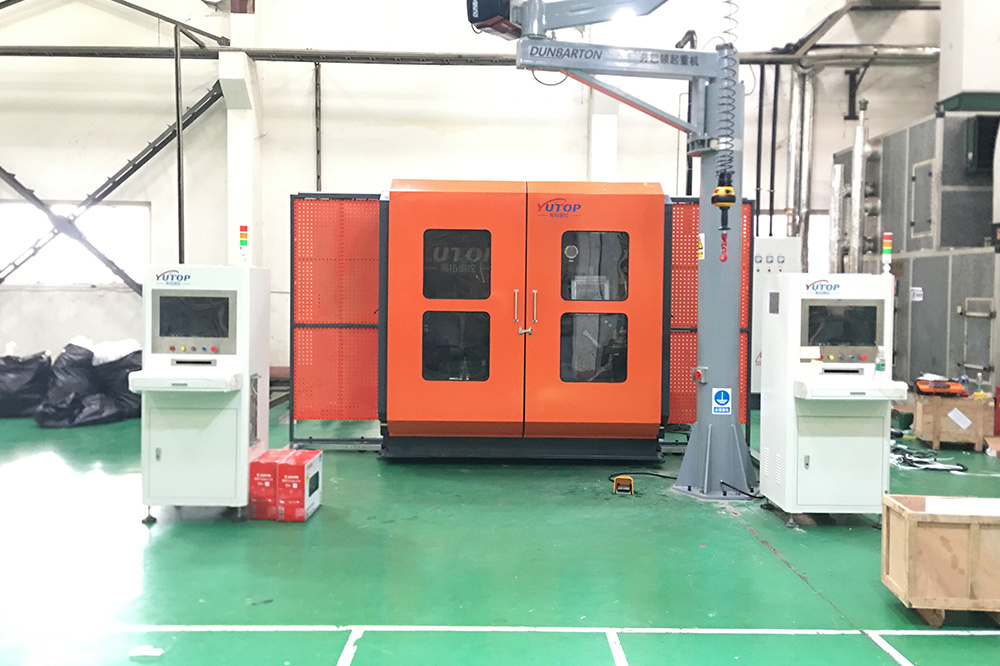
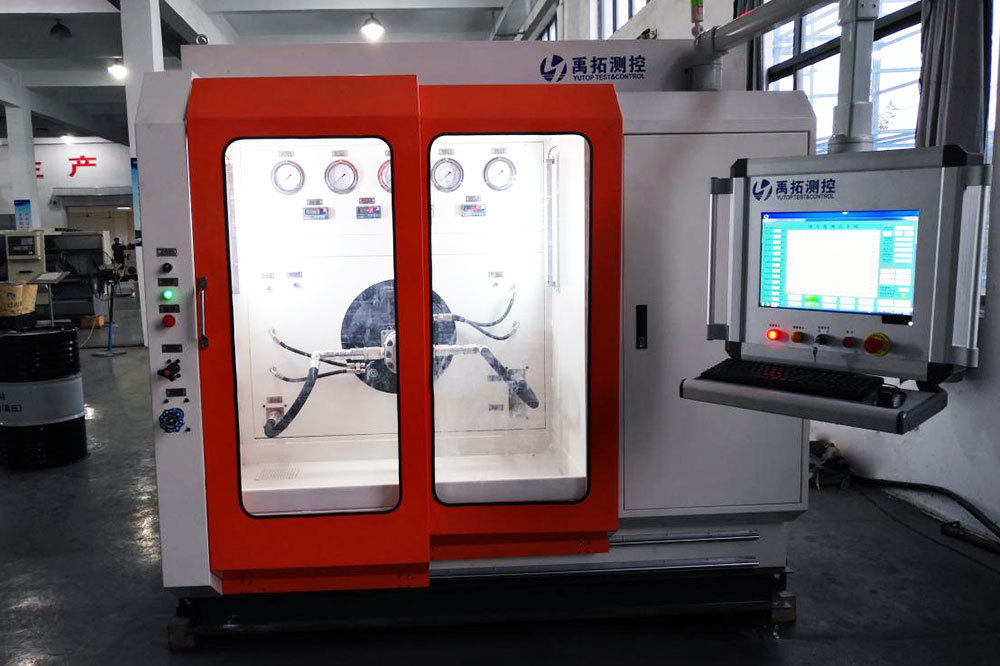
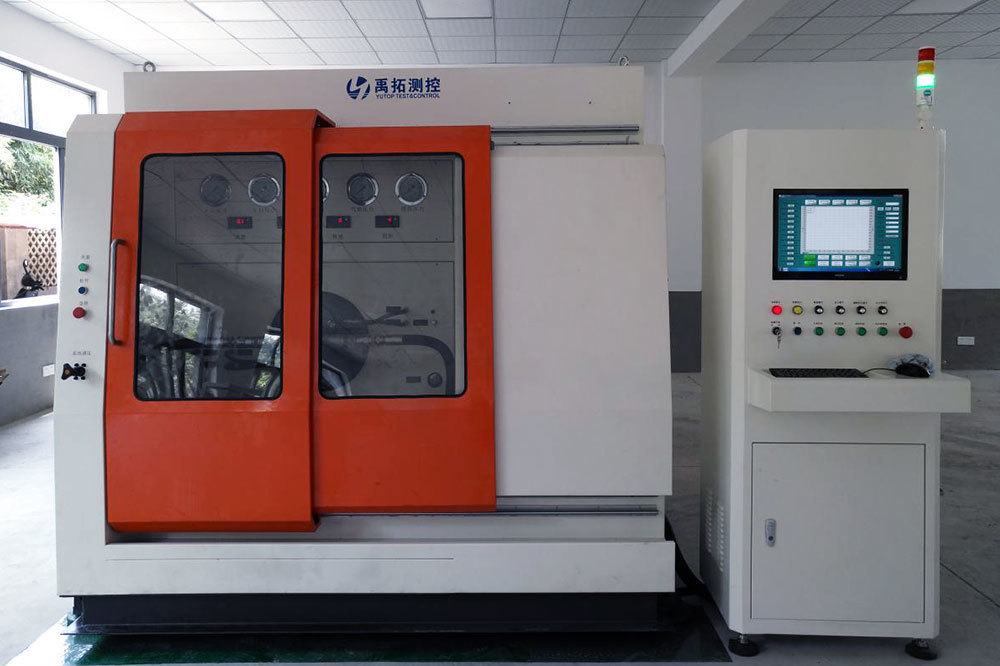
Today’s test benches are equipped with cutting-edge features that enhance their performance and usability. Key innovations include:
1. Modular Design
Modular test benches allow for customization based on specific testing requirements. Different modules can be integrated or removed, making it versatile for various hydraulic components.
2. Enhanced Sensory Technology
The integration of advanced sensors facilitates real-time monitoring of pressure, flow, and temperature. These sensors ensure precise testing conditions and comprehensive data collection.
3. User-Friendly Interfaces
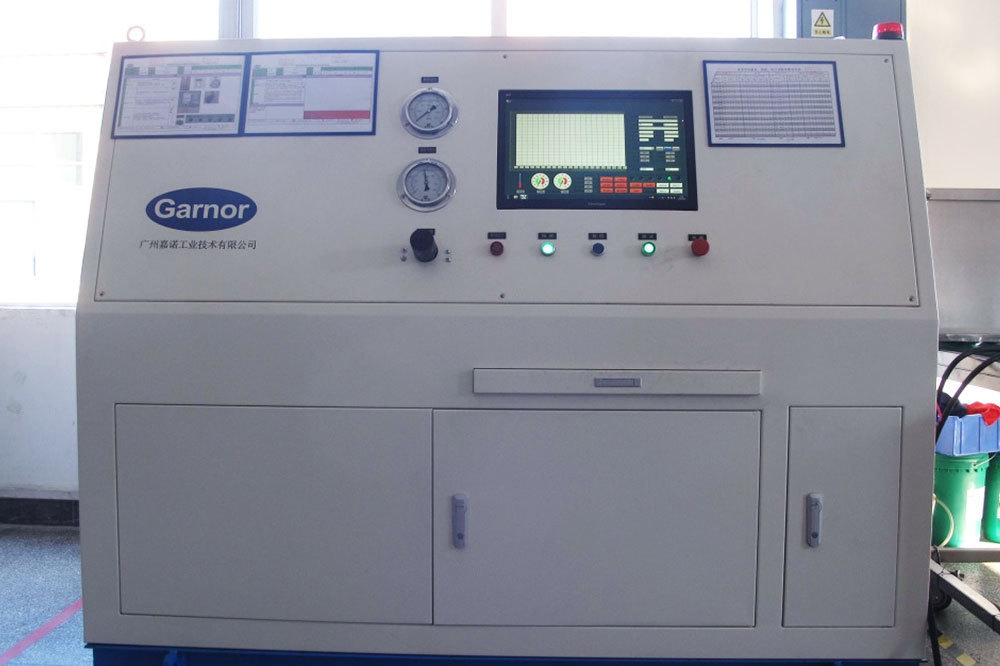
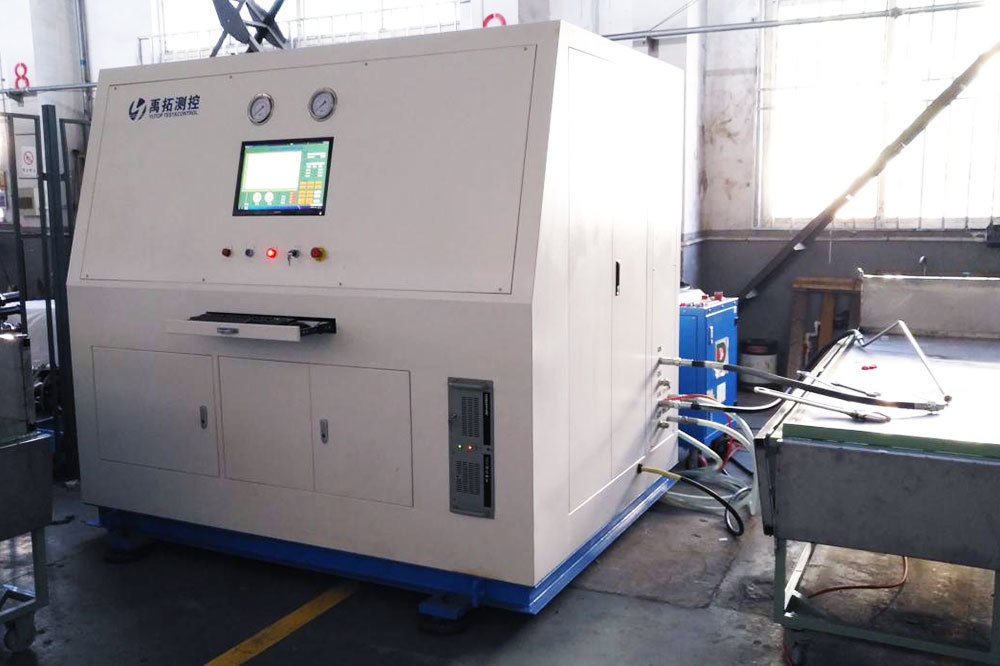
Modern test benches come equipped with intuitive interfaces, often featuring touchscreen controls. These interfaces simplify the operation and allow for easier data interpretation.
4. Remote Access and Control
With the rise of IoT (Internet of Things), many test benches now offer remote access capabilities. Technicians can monitor and control tests from remote locations, improving flexibility and efficiency.
5. Multi-Functional Testing Capabilities
Innovative designs enable testing of multiple hydraulic components simultaneously. This capability shortens test cycles and enhances overall productivity.
Automation and Smart Technologies in Testing
Automation is a game-changer in the hydraulic system testing landscape. Automated test benches streamline operations and enhance precision.
1. Automated Data Logging
Automated data logging systems capture test data without manual intervention. This reduces the chances of human error and ensures comprehensive records for future reference.
2. Predictive Maintenance
Using advanced analytics, automated test benches can predict potential failures based on historical data trends. This proactive approach minimizes unexpected downtimes.
3. Integration with ERP Systems
The ability to integrate test benches with Enterprise Resource Planning (ERP) systems optimizes the workflow. Maintenance schedules can be adjusted based on test results and insights gleaned from hydraulic performance.
Data Analysis and Reporting in Hydraulic Testing
Data analysis is critical for interpreting test results and making informed decisions. Innovations in this area include:
1. Advanced Software Solutions
Many modern test benches come with advanced software that facilitates in-depth data analysis. This software can generate detailed reports, visualize trends, and highlight anomalies.
2. Cloud-Based Storage Solutions
Cloud technology allows for secure storage of test data, making it accessible from anywhere. This feature enhances collaboration among teams and provides a historical database for reference.
3. Real-Time Feedback Mechanisms
Test benches with real-time feedback mechanisms enable technicians to make immediate adjustments during testing, enhancing accuracy and results.
Environmental Considerations in Test Bench Design
As industries increasingly focus on sustainability, test bench designs are evolving to meet environmental standards.
1. Energy Efficiency
Innovative test benches are designed to minimize energy consumption, utilizing energy-efficient pumps and motors. This not only reduces operational costs but also aligns with global sustainability initiatives.
2. Eco-Friendly Materials
Manufacturers are exploring eco-friendly materials for test bench construction. This shift contributes to reducing the ecological footprint of manufacturing processes.
Future Trends in Hydraulic System Testing
The future of hydraulic system testing is promising, with several trends likely to shape the industry:
1. AI and Machine Learning
Artificial intelligence (AI) and machine learning will further enhance predictive maintenance capabilities. These technologies can analyze massive datasets to identify patterns and predict future failures more accurately.
2. Increased Automation
The trend toward higher automation levels will continue, with fully automated test benches becoming commonplace. This will reduce labor costs and increase testing accuracy.
3. Integration with Augmented Reality (AR)
Augmented reality can revolutionize technician training and test bench operation. By overlaying digital information on the physical world, AR can help technicians understand complex systems better.
Frequently Asked Questions
1. What are the key components of an excavator's hydraulic system?
The primary components include hydraulic pumps, cylinders, valves, and hoses. Each part plays a crucial role in the system's overall functionality.
2. Why is regular testing of hydraulic systems important?
Regular testing helps identify potential failures and maintain system efficiency, directly impacting safety and operational costs.
3. How can automation improve the efficiency of hydraulic testing?
Automation reduces human error, speeds up processes, and allows for real-time monitoring, ultimately leading to more accurate results and reduced downtime.
4. What are the benefits of using modular test benches?
Modular test benches offer flexibility and customization, allowing organizations to adapt their testing processes to specific needs without investing in entirely new systems.
5. How does data analysis enhance hydraulic system testing?
Data analysis helps interpret test results effectively, revealing trends and potential issues that can inform maintenance and operational decisions.
Conclusion
Innovations in test benches have significantly advanced the field of hydraulic system testing for excavators. As technology continues to evolve, the integration of automation, smart technologies, and sustainable practices will likely redefine how these systems are tested and maintained. By embracing these innovations, we can enhance operational efficiency, ensure safety, and pave the way for a more sustainable future in the excavator industry.
This comprehensive overview not only highlights the current state of test bench technologies but also anticipates future trends that may further revolutionize hydraulic system testing. As the industry progresses, staying informed about these innovations will be essential for anyone involved in the maintenance and engineering of excavator hydraulic systems.
PREVIOUS:

Room 209, 2nd Floor, No.12, No.828 Maogang Road, Huangpu District, Guangzhou,China.


