

Why Choosing a One-Stop Hydraulic Testing Solution Can Save You Time and Resources
Why Choosing a One-Stop Hydraulic Testing Solution Can Save You Time and Resources In today's competitive market, organizations involved in hydraulic systems and equipment must prioritize efficiency and resource management. As we delve into the world of hydraulic testing, it becomes clear that opting for a one-stop solution can profoundly impact both time savings and resource allocation. This comp
Jul 17,2026
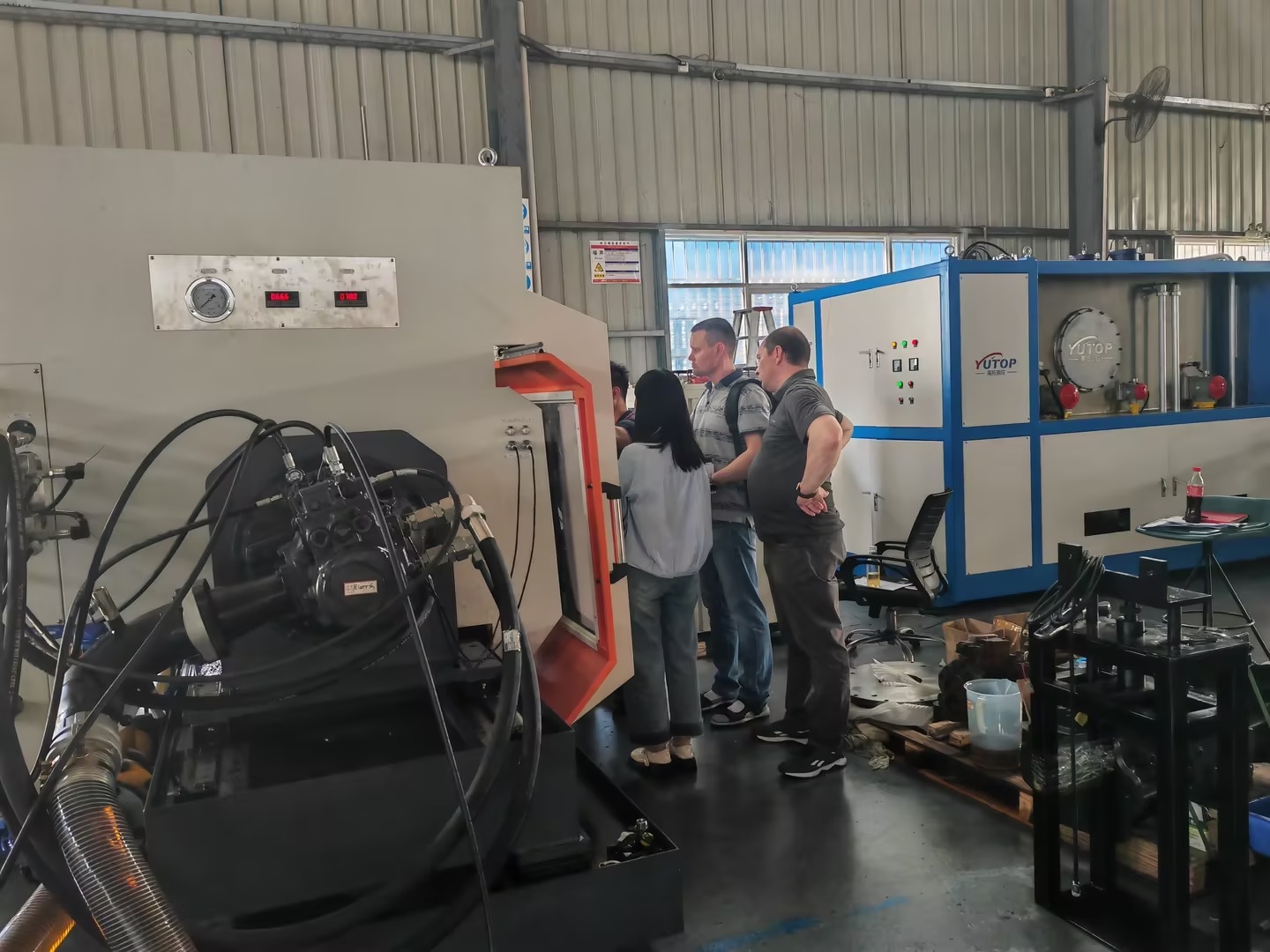
Why Choosing a One-Stop Hydraulic Testing Solution Can Save You Time and Resources
In today's competitive market, organizations involved in hydraulic systems and equipment must prioritize efficiency and resource management. As we delve into the world of hydraulic testing, it becomes clear that opting for a one-stop solution can profoundly impact both time savings and resource allocation. This comprehensive guide will explore the myriad benefits of choosing a consolidated hydraulic testing service, how it optimizes operations, and answers frequently asked questions about this essential aspect of hydraulic systems management.
The Importance of Hydraulic Testing in Modern Industries
Hydraulic testing is a crucial process in various industries, including manufacturing, construction, and automotive. It ensures that hydraulic systems function optimally, maintaining safety and efficiency. Regular testing can help identify potential issues before they escalate, saving time and costs associated with repairs or replacements.
Understanding Hydraulic Systems
Hydraulic systems rely on fluid under pressure to transmit power. These systems are prevalent due to their reliability and efficiency in transferring energy. However, they require regular maintenance and testing to ensure that they operate at peak performance.
What is Hydraulic Testing?
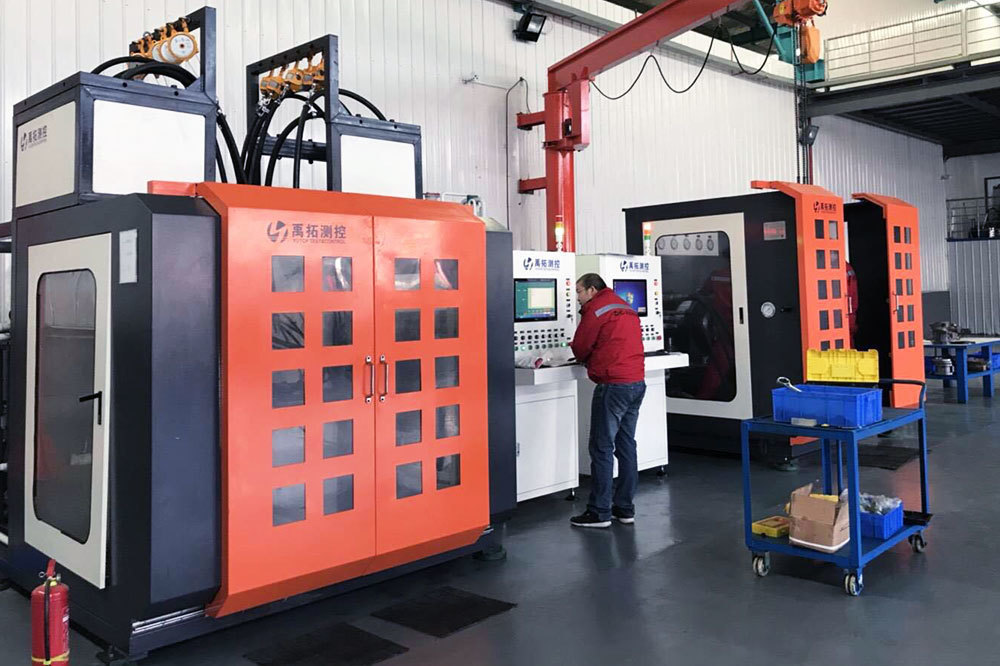
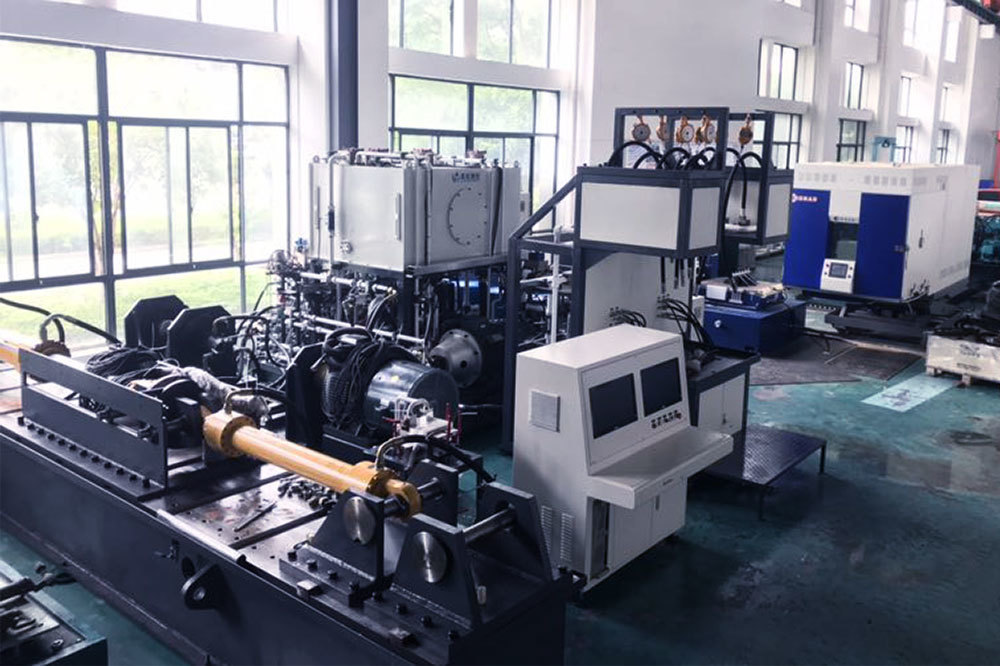
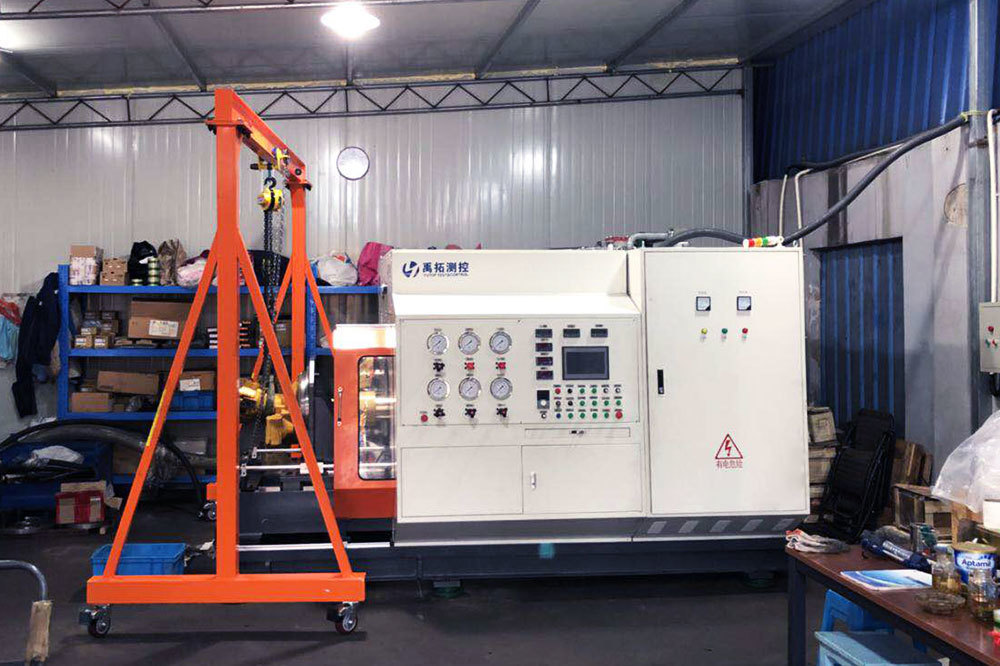
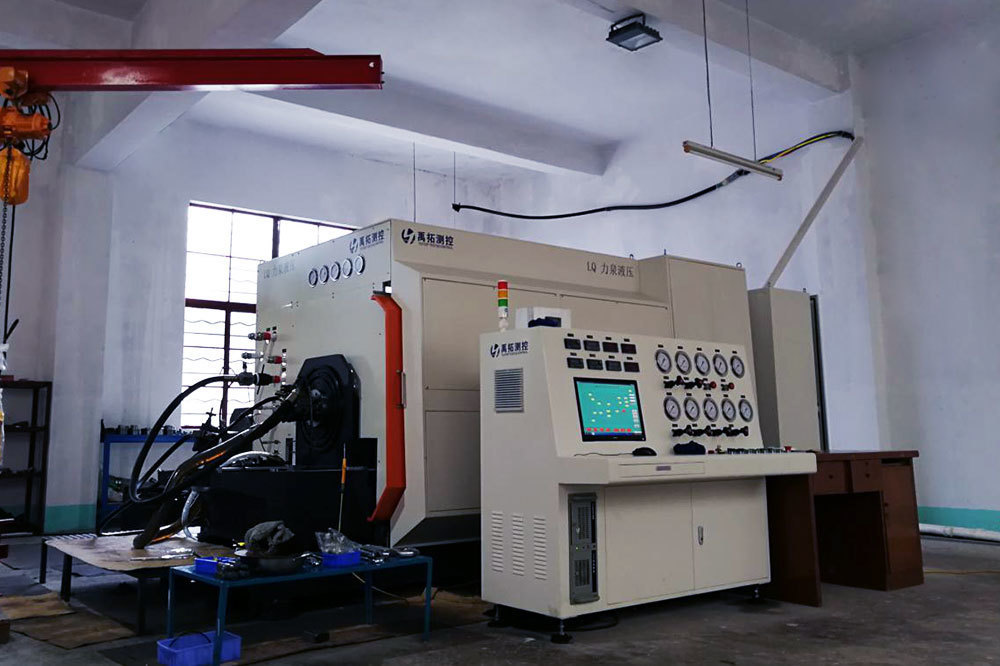
Hydraulic testing entails evaluating the performance, safety, and integrity of hydraulic components and systems. It involves various methods, including pressure testing, flow testing, and leak testing, to ensure that every part of the system meets industry standards and works efficiently.
Benefits of a One-Stop Hydraulic Testing Solution
Choosing a one-stop hydraulic testing solution offers numerous advantages that cater to different operational needs, from enhancing efficiency to reducing costs.
1. Streamlined Processes
A one-stop solution consolidates various testing services under one roof, allowing for smoother coordination and reduced downtime. Instead of juggling multiple vendors, companies can rely on a single provider for all their hydraulic testing needs. This streamlined approach minimizes the risks of miscommunication and ensures that operations run efficiently.
2. Cost-Effectiveness
By opting for comprehensive hydraulic testing services, businesses can achieve significant cost savings. Consolidating services reduces logistics costs and the financial burden of working with multiple suppliers. Furthermore, a singular focus on testing can lead to more competitive pricing and packages tailored to client needs.
3. Access to Expertise
One-stop hydraulic testing solutions often come with a team of skilled professionals who specialize in various testing methods and technologies. Businesses benefit from the collective expertise of these professionals, ensuring that they are receiving the highest quality service. This wealth of knowledge can lead to more thorough testing and quicker identification of potential issues.
Leveraging Advanced Technologies
Leading one-stop solutions invest in cutting-edge technology to enhance testing accuracy and efficiency. By utilizing advanced tools and techniques, they can provide more reliable results and insights that help organizations make informed decisions.
4. Comprehensive Reporting and Analysis
A unified testing service typically offers comprehensive reporting on the results of hydraulic tests. Detailed analyses of the data can reveal trends, performance metrics, and potential areas for improvement. This information is invaluable for maintenance planning and optimizing hydraulic systems.
5. Enhanced Safety Compliance
Safety is paramount in hydraulic operations. A one-stop solution ensures that all testing adheres to industry standards and regulatory requirements. This focus on safety compliance minimizes the risk of accidents and liabilities, creating a safer working environment.
Choosing the Right One-Stop Hydraulic Testing Provider
Selecting an appropriate hydraulic testing provider is critical to reaping the benefits of a one-stop solution. Here are some key factors to consider when making your choice.
1. Industry Experience
Look for a provider with a proven track record in the hydraulic testing industry. Experience often translates to a deeper understanding of challenges and solutions, enabling more efficient service delivery.
2. Range of Services Offered
Ensure that the provider offers a full suite of hydraulic testing services, including pressure testing, flow measurement, and leak detection. A varied service offering guarantees that all your testing needs can be met in one place.
3. Emphasis on Technology
Evaluate the provider's commitment to using advanced technology and equipment. Cutting-edge tools can significantly enhance testing accuracy and efficiency, directly impacting your operations.
4. Customer Support
Excellent customer support is essential for addressing queries and concerns throughout the testing process. Choose a provider known for responsive and helpful customer service.
5. Case Studies and References
Request case studies or references from previous clients. This evidence can provide insights into the provider's capabilities and customer satisfaction levels, guiding your decision-making process.
Frequently Asked Questions (FAQs)
1. What specific services are included in a one-stop hydraulic testing solution?
A comprehensive solution typically includes pressure testing, flow testing, leak detection, and system performance analysis. These services ensure that all aspects of a hydraulic system are thoroughly evaluated.
2. How often should hydraulic testing be conducted?
The frequency of hydraulic testing depends on the specific application and industry regulations. However, routine testing is generally recommended every six to twelve months to ensure optimal performance.
3. What are the signs that a hydraulic system needs testing?
Indicators include abnormal noises, leaks, decreased performance, or visible wear on components. If any such signs are present, it is prudent to schedule testing immediately.
4. Can I perform hydraulic testing in-house?
While it is possible to conduct some testing in-house, utilizing a professional one-stop solution typically yields more accurate results and ensures compliance with industry standards.
5. How can a one-stop solution impact my overall productivity?
By streamlining processes, reducing downtime, and providing expert insights, a one-stop hydraulic testing solution can significantly enhance overall productivity, allowing teams to focus on core operational tasks rather than logistics and management.
Conclusion
In the complex landscape of hydraulic systems, the advantages of choosing a one-stop hydraulic testing solution are clear. By investing in a comprehensive service that consolidates various testing methods, businesses can save time, reduce costs, and enhance operational efficiency. This strategic choice not only improves safety and compliance but also leverages expertise and advanced technology to ensure systems operate at peak performance. As industries evolve and demands increase, a one-stop hydraulic testing solution stands out as a smart, forward-thinking investment for organizations committed to success.
PREVIOUS:

Room 209, 2nd Floor, No.12, No.828 Maogang Road, Huangpu District, Guangzhou,China.


