


How Piston Pump Testing Equipment Contributes to Environmental Sustainability
How Piston Pump Testing Equipment Contributes to Environmental Sustainability Table of Contents 1. Introduction to Piston Pumps and Their Applications 2. Understanding Piston Pump Testing Equipment 3. The Importance of Testing for Environmental Sustainability 4. Enhancing Efficiency and Reducing Waste through Testing 5. Case Studies: Real-World Impacts of Testing Equipment 6. Regulato
Jul 23,2026
How Piston Pump Testing Equipment Contributes to Environmental Sustainability
Table of Contents
- 1. Introduction to Piston Pumps and Their Applications
- 2. Understanding Piston Pump Testing Equipment
- 3. The Importance of Testing for Environmental Sustainability
- 4. Enhancing Efficiency and Reducing Waste through Testing
- 5. Case Studies: Real-World Impacts of Testing Equipment
- 6. Regulatory Compliance and Its Role in Sustainability
- 7. Future Trends in Piston Pump Technology and Sustainability
- 8. Conclusion
- 9. FAQs
1. Introduction to Piston Pumps and Their Applications
Piston pumps are vital components in various industrial applications, offering robust solutions for fluid transfer. These pumps are commonly used in sectors such as oil and gas, water treatment, and chemical processing. Their design allows for high efficiency and precise control over fluid movement, making them an essential choice for many industries. As the global focus shifts towards sustainability, understanding how piston pump technology can align with eco-friendly practices becomes increasingly crucial.
2. Understanding Piston Pump Testing Equipment
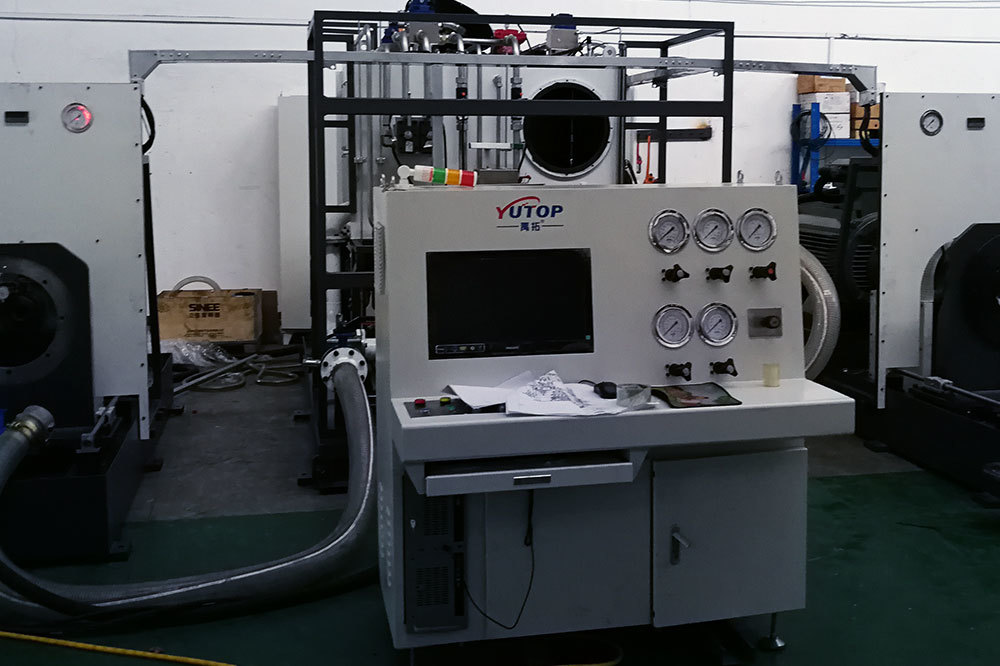
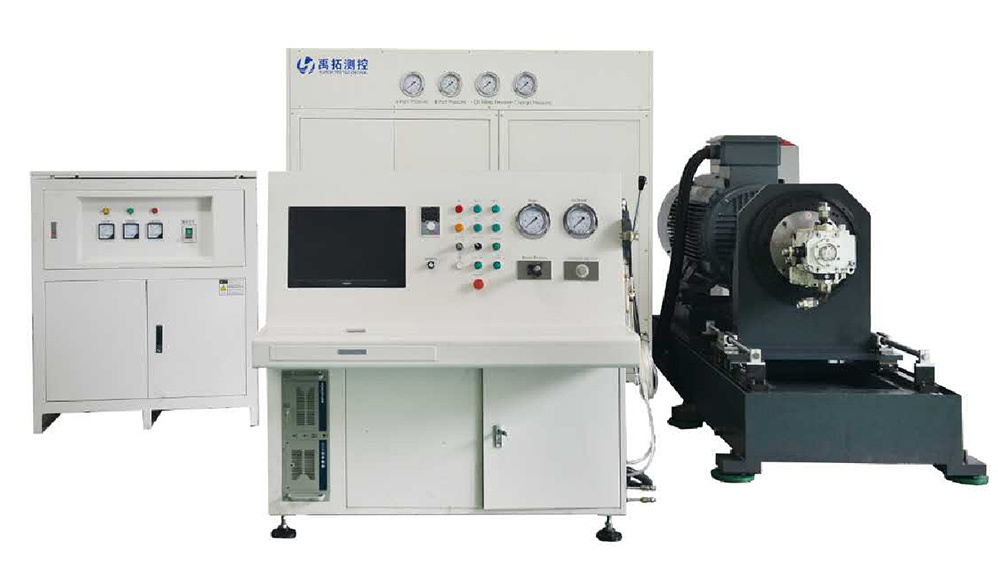
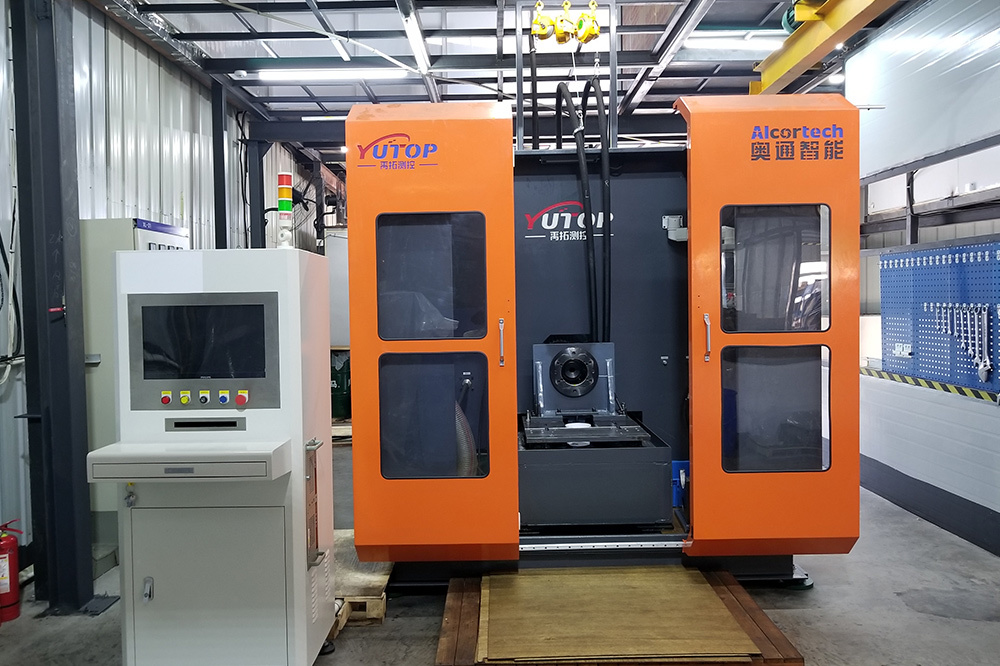
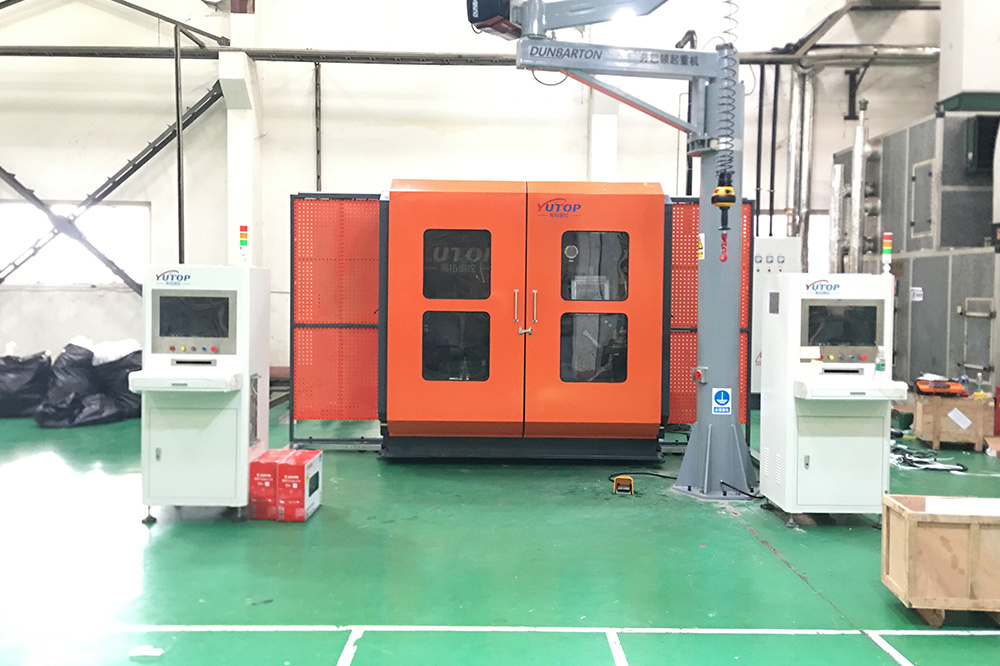
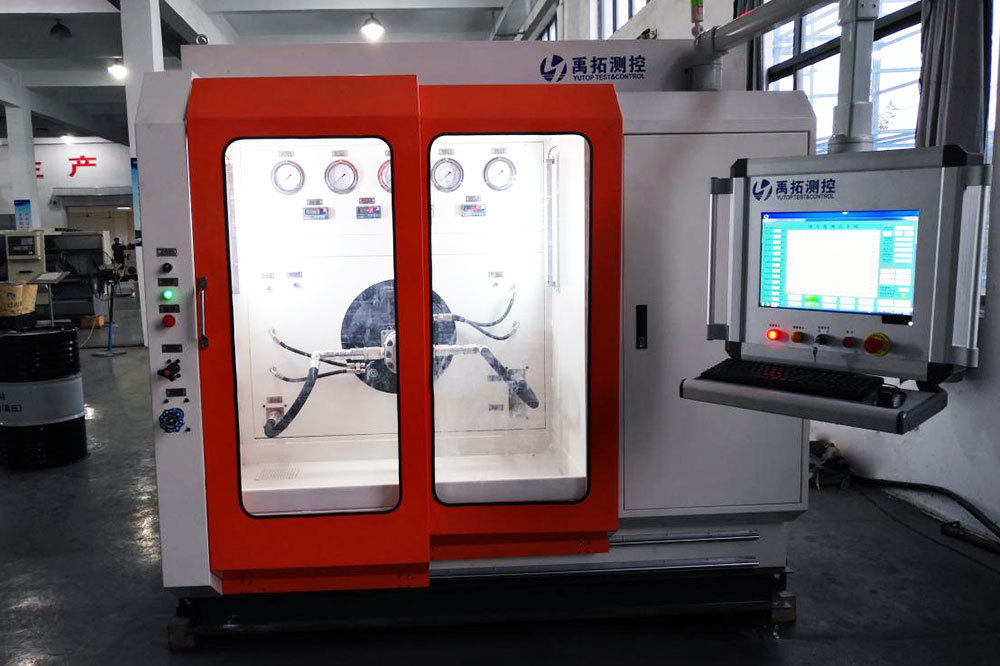
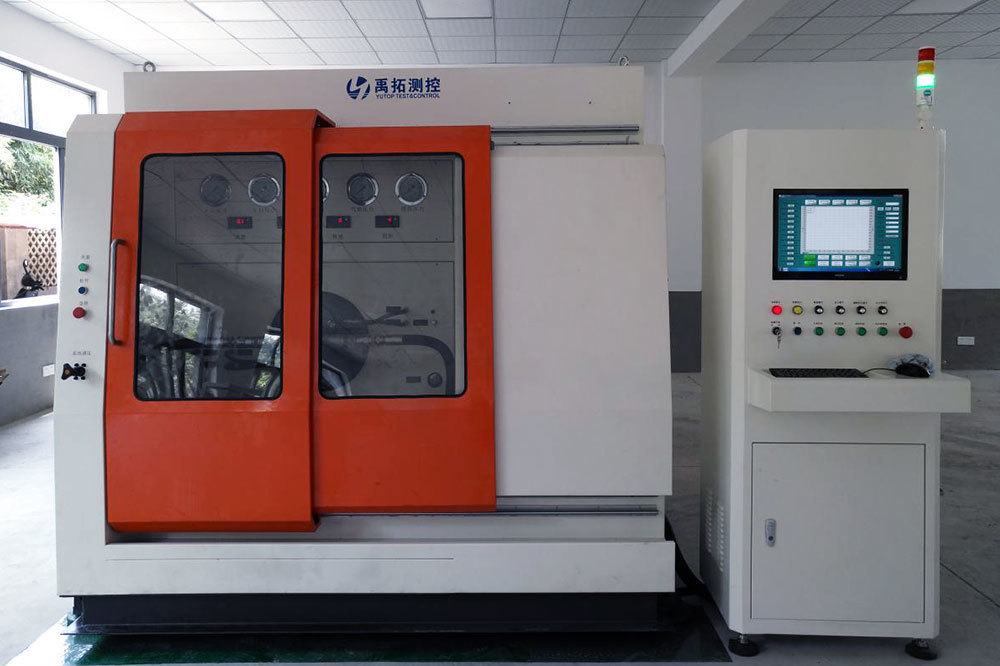
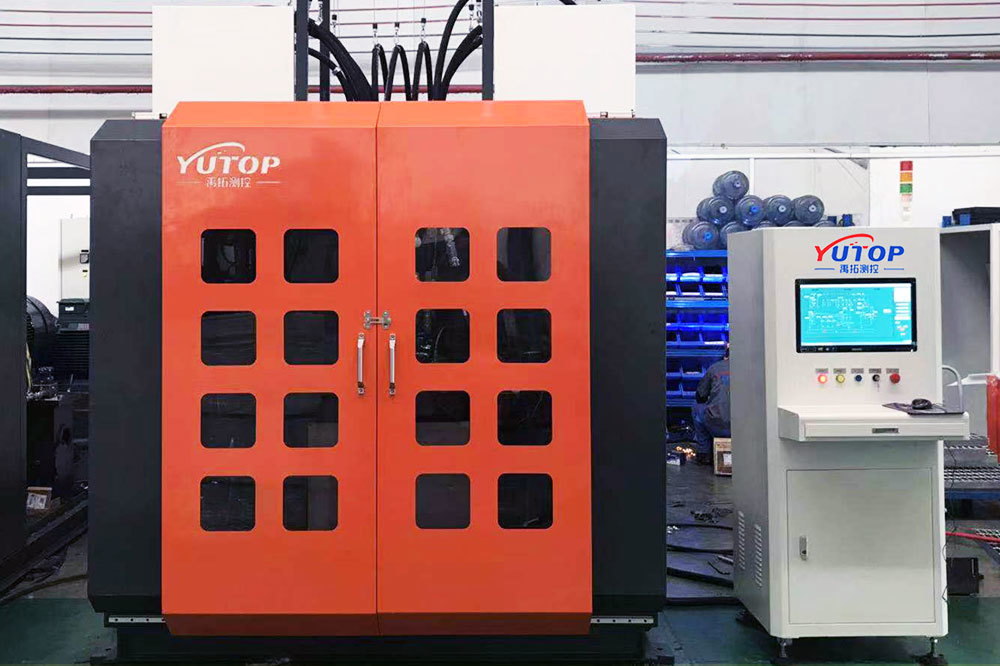
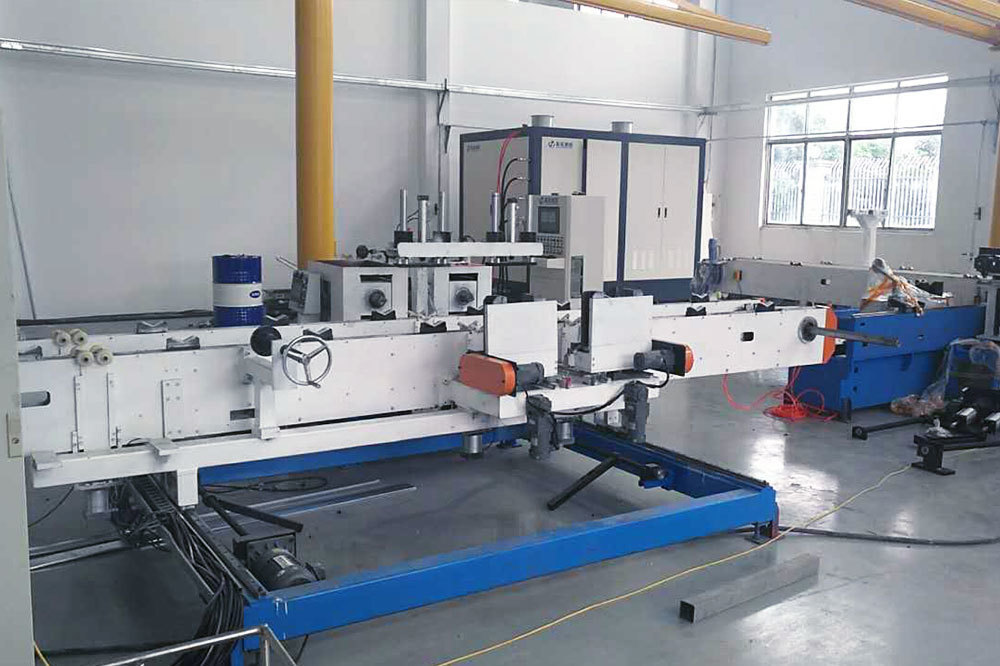
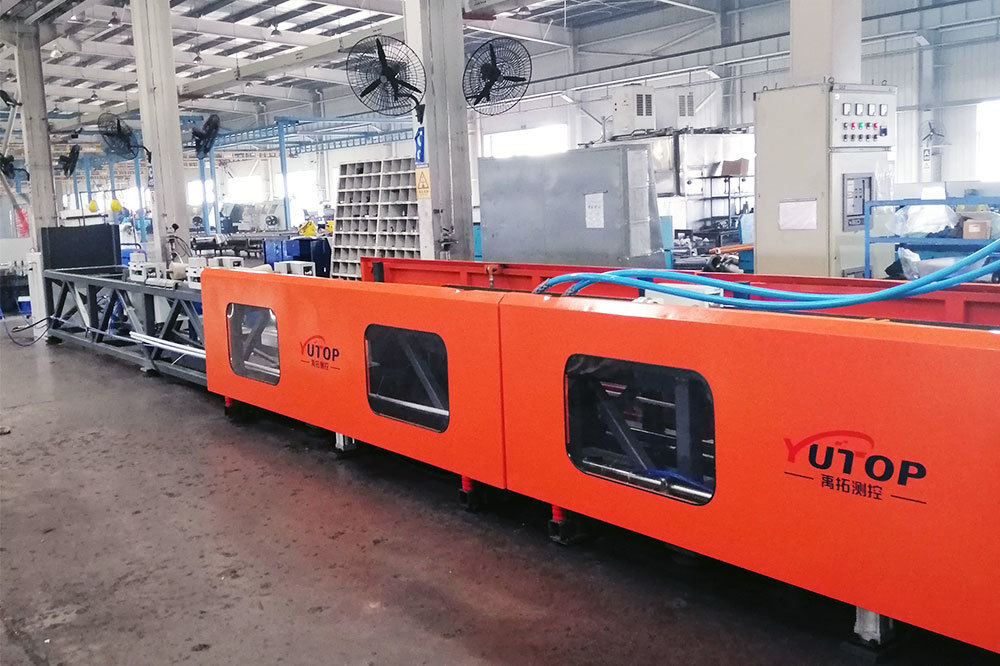
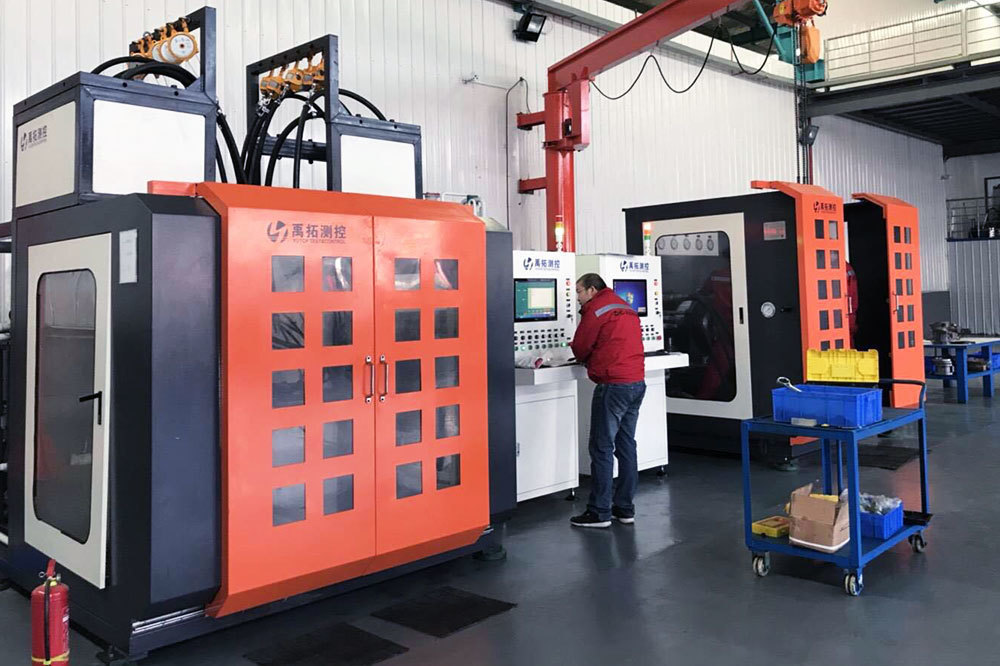
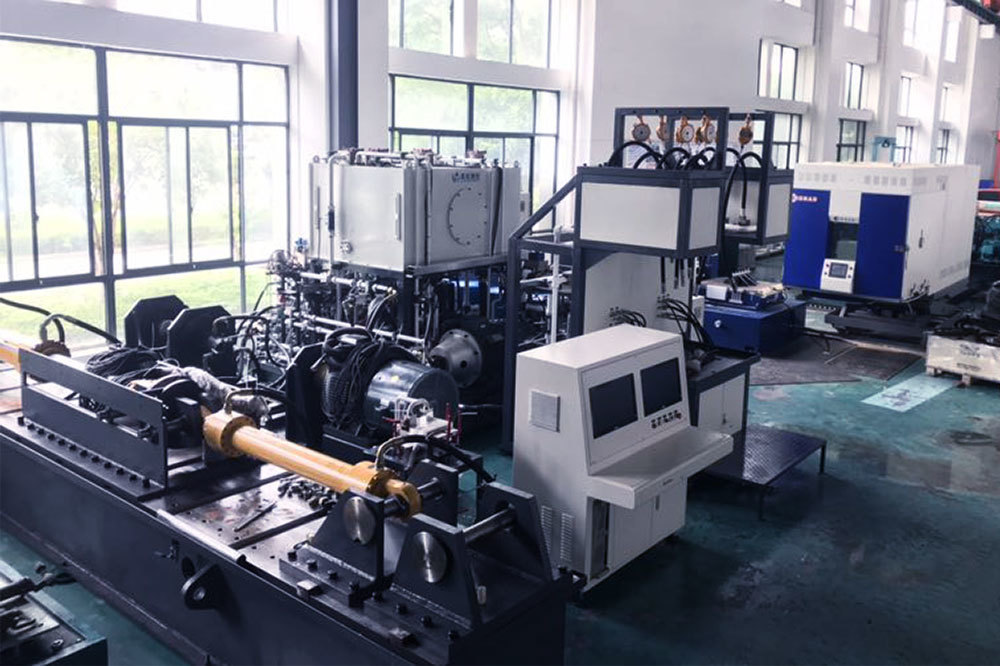
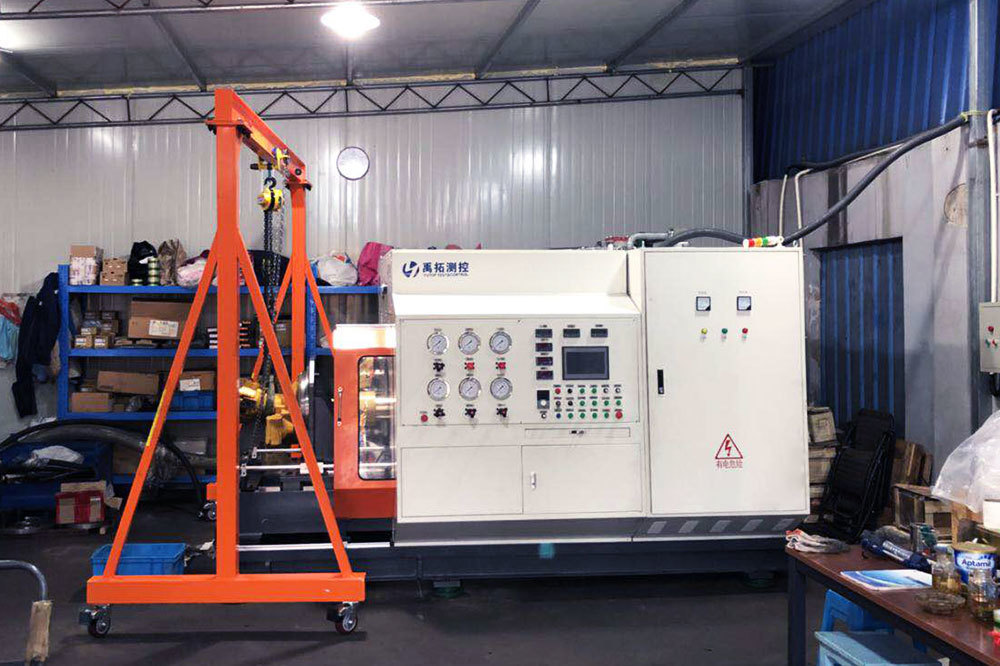
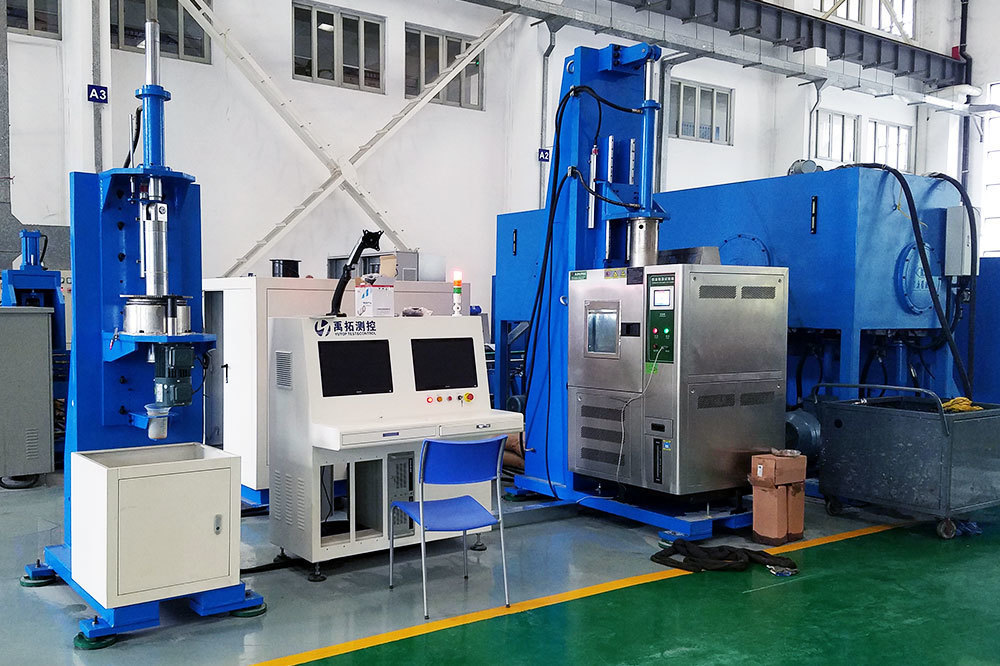
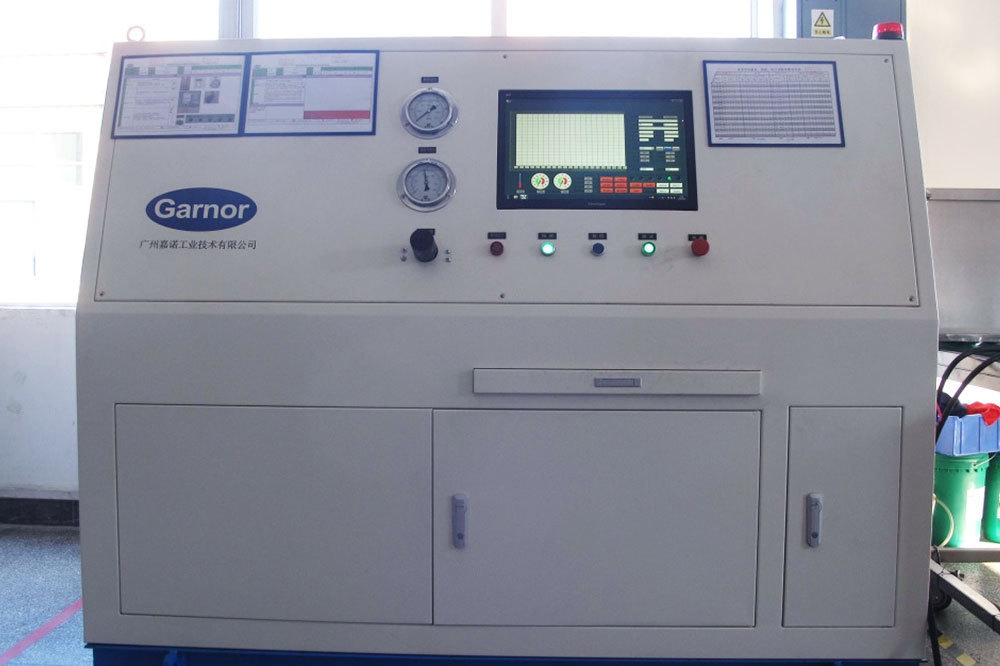
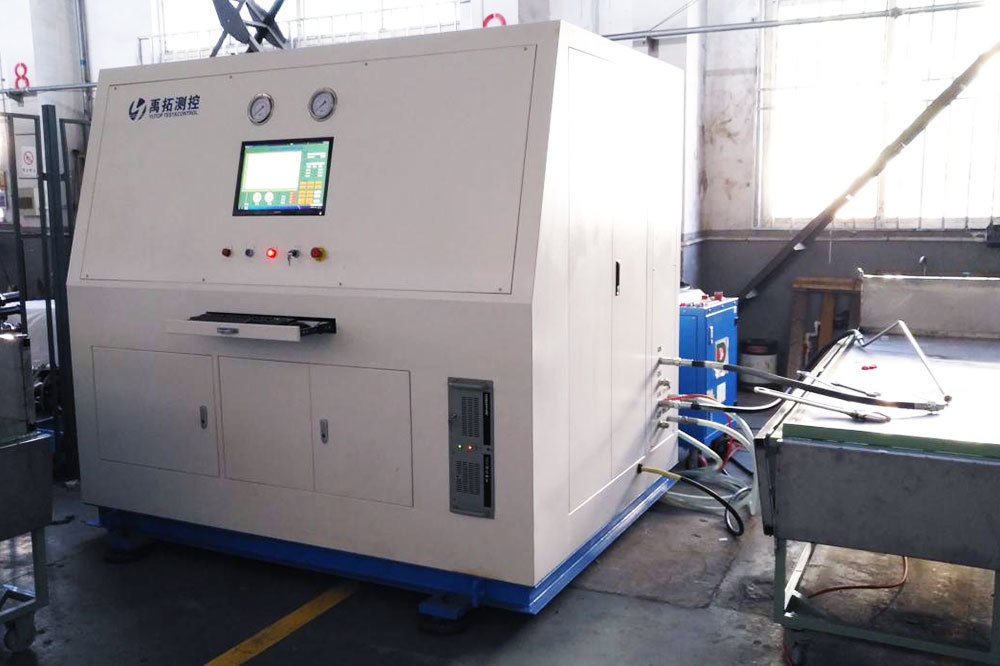
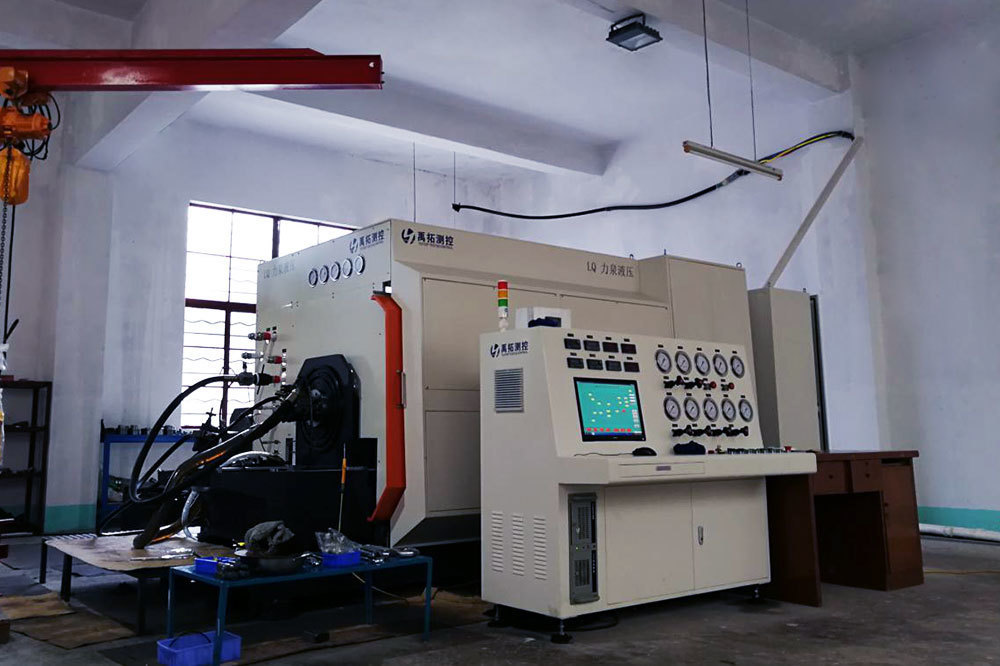
Piston pump testing equipment is engineered to assess the performance and reliability of piston pumps under various conditions. This equipment typically includes tools for measuring flow rates, pressure levels, and overall efficiency. By employing such testing equipment, organizations can ensure that their pumps operate within optimal parameters, thereby reducing waste and emissions. The significance of this testing cannot be overstated, as it directly correlates with environmental sustainability efforts.
The Components of Piston Pump Testing Equipment
The primary components of piston pump testing equipment include:
- **Flow Meters**: Essential for measuring the volume of fluid passing through the pump.
- **Pressure Gauges**: Used to monitor the pressure within the system and ensure it aligns with operational standards.
- **Data Loggers**: These devices capture and store performance data for analysis, enabling engineers to make informed decisions based on accurate information.
3. The Importance of Testing for Environmental Sustainability
Testing piston pumps is crucial for several reasons. Firstly, it enhances operational efficiency, which translates to reduced energy consumption. Secondly, regular testing can identify leaks or inefficiencies that contribute to environmental degradation. By addressing these issues promptly, companies can minimize their ecological footprint and contribute to sustainability goals.
Preventing Environmental Hazards
Unmonitored piston pumps can pose significant risks, including leaks of hazardous fluids. Testing equipment enables operators to detect issues early, thus preventing potential environmental disasters.
4. Enhancing Efficiency and Reducing Waste through Testing
The primary goal of piston pump testing is to enhance efficiency. When pumps operate at peak performance, they consume less energy and produce fewer emissions. This efficiency can lead to substantial cost savings for businesses, while also aligning with global sustainability initiatives.
Optimizing Pump Performance
Regular testing helps in fine-tuning the performance of piston pumps. Adjustments based on testing results can lead to improved flow rates and reduced energy demands. This optimization not only conserves resources but also enhances the lifespan of the equipment, further supporting environmental sustainability.
5. Case Studies: Real-World Impacts of Testing Equipment
Examining real-world applications of piston pump testing equipment can reveal significant contributions to environmental sustainability.
Case Study 1: Oil and Gas Industry
In the oil and gas sector, companies that implemented rigorous testing protocols for their piston pumps reported a 20% reduction in energy costs. This reduction was achieved through timely maintenance and optimization based on testing data, leading to lower emissions and a smaller carbon footprint.
Case Study 2: Water Treatment Facilities
Water treatment facilities utilizing piston pump testing equipment have seen improvements in water quality and reduced chemical usage. By ensuring pumps operate efficiently, these facilities can minimize waste and enhance their sustainability efforts.
6. Regulatory Compliance and Its Role in Sustainability
Compliance with environmental regulations is essential for any industry. Piston pump testing equipment aids organizations in adhering to these regulations by ensuring that their systems meet established environmental standards.
The Role of Testing in Compliance
Testing equipment provides verifiable data that can be used to demonstrate compliance with environmental regulations. This not only helps companies avoid penalties but also reinforces their commitment to sustainable practices.
7. Future Trends in Piston Pump Technology and Sustainability
As technology advances, the future of piston pumps and their testing equipment looks promising. Innovations such as integrated sensors, IoT connectivity, and advanced data analytics are set to revolutionize the industry.
Smart Piston Pumps
The rise of smart piston pumps equipped with sensors and IoT technology allows for real-time monitoring and optimization. This connectivity enhances efficiency and reduces resource consumption, making significant strides toward sustainability.
8. Conclusion
Piston pump testing equipment plays a critical role in promoting environmental sustainability across various industries. By ensuring optimal performance and compliance with regulations, testing equipment not only enhances efficiency but also prevents potential environmental hazards. As we move towards a more sustainable future, the importance of such technologies will only continue to grow.
9. FAQs
What is a piston pump?
A piston pump is a type of positive displacement pump that uses a piston to move fluid through a cylinder. They are known for their efficiency and ability to handle high-pressure applications.
How does piston pump testing equipment work?
Piston pump testing equipment works by measuring various performance metrics, such as flow rates and pressure levels, to assess the pump's efficiency and reliability.
Why is testing important for environmental sustainability?
Testing helps identify inefficiencies and potential leaks, which can contribute to waste and environmental degradation. By addressing these issues, companies can minimize their ecological footprint.
What industries commonly use piston pumps?
Piston pumps are widely used in industries such as oil and gas, water treatment, chemical processing, and food and beverage.
What are the benefits of using smart piston pumps?
Smart piston pumps equipped with IoT technology provide real-time data, allowing for better monitoring, optimization, and maintenance, which enhances efficiency and sustainability.
Incorporating rigorous testing practices for piston pumps not only leads to operational efficiency but also fosters a commitment to environmental sustainability that is crucial in today's world.

Room 207, 2nd Floor, Block C, Building 1 (Self-designated), No. 3 Yunkai Road, Yunpu Industrial Zone, Huangpu District, Guangzhou City,China


