

Understanding Hydraulic System Failures: Why a Test Bench is Essential for Optimal Performance
Understanding Hydraulic System Failures: Why a Test Bench is Essential for Optimal Performance Hydraulic systems are the backbone of numerous industries, powering everything from construction machinery to automotive components. However, these systems are not immune to failures, and understanding the root causes is essential for maintenance and repair. In this article, we will explore the intricaci
Jul 29,2026

Understanding Hydraulic System Failures: Why a Test Bench is Essential for Optimal Performance
Hydraulic systems are the backbone of numerous industries, powering everything from construction machinery to automotive components. However, these systems are not immune to failures, and understanding the root causes is essential for maintenance and repair. In this article, we will explore the intricacies of hydraulic system failures and emphasize the importance of a test bench in diagnosing and resolving these issues effectively.
Table of Contents
- Introduction to Hydraulic Systems
- Common Hydraulic System Failures
- Signs of Hydraulic System Failures
- Impact of Hydraulic Failures on Operations
- What is a Test Bench for Hydraulic Systems?
- The Importance of Using a Test Bench
- How to Effectively Use a Test Bench
- Best Practices for Hydraulic System Maintenance
- Frequently Asked Questions (FAQs)
- Conclusion
Introduction to Hydraulic Systems
Hydraulic systems operate on the principle of fluid dynamics, utilizing incompressible fluids to transmit and control power. These systems are characterized by their efficiency and ability to convey large forces through relatively small components. Various industries, including automotive, aerospace, and manufacturing, rely on hydraulic systems for efficient operation.
Common Hydraulic System Failures
Despite their robust design, hydraulic systems can encounter several failures that may hinder their performance. Understanding these common failures is critical for effective maintenance. Some of the prevalent issues include:
1. Fluid Contamination
Contaminants such as dirt, water, and other foreign particles can severely affect hydraulic fluid. Contamination can lead to wear and tear of components, resulting in system failures.
2. Leaks
Leakage can occur at various points in a hydraulic system, including hoses, fittings, and seals. Leaks not only diminish system efficiency but can also pose safety hazards.
3. Pump Failures
Pumps are vital in hydraulic systems, and any failure can halt operations. Common pump issues include cavitation, wear, and incorrect installation.
4. Cylinder Failures
Hydraulic cylinders are subject to various forms of failure, such as seal wear, rod damage, and internal leakage, which can compromise their effectiveness.
5. Overheating
Excessive heat can degrade hydraulic fluid and cause component failure. Overheating often results from inadequate cooling or excessive load on the system.
Signs of Hydraulic System Failures
Identifying the signs of hydraulic system failures early can prevent costly repairs and downtime. Here are some key indicators:
1. Unusual Noises
Gurgling, grinding, or whining noises often suggest problems such as low fluid levels or pump issues.
2. Reduced Performance
If machinery operates sluggishly or does not respond as expected, it may signify underlying hydraulic issues.
3. Fluid Leaks
Visible fluid leaks around hoses, cylinders, or fittings are clear indicators of potential failures.
4. Overheating
Excessive heat generation during operation can be a red flag, indicating that components may be working harder than necessary.
Impact of Hydraulic Failures on Operations
The repercussions of hydraulic failures extend beyond mere inconvenience. They can have significant effects on operations, including:
1. Downtime
Hydraulic failures can result in extensive downtime, affecting productivity and revenue. Unscheduled repairs disrupt workflow and lead to a loss of business opportunities.
2. Safety Hazards
Malfunctioning hydraulic systems can create hazardous conditions for operators and workers, increasing the risk of accidents.
3. Increased Repair Costs
Addressing failures after they occur often incurs higher costs than regular maintenance. Proactive measures can mitigate expenses.
What is a Test Bench for Hydraulic Systems?
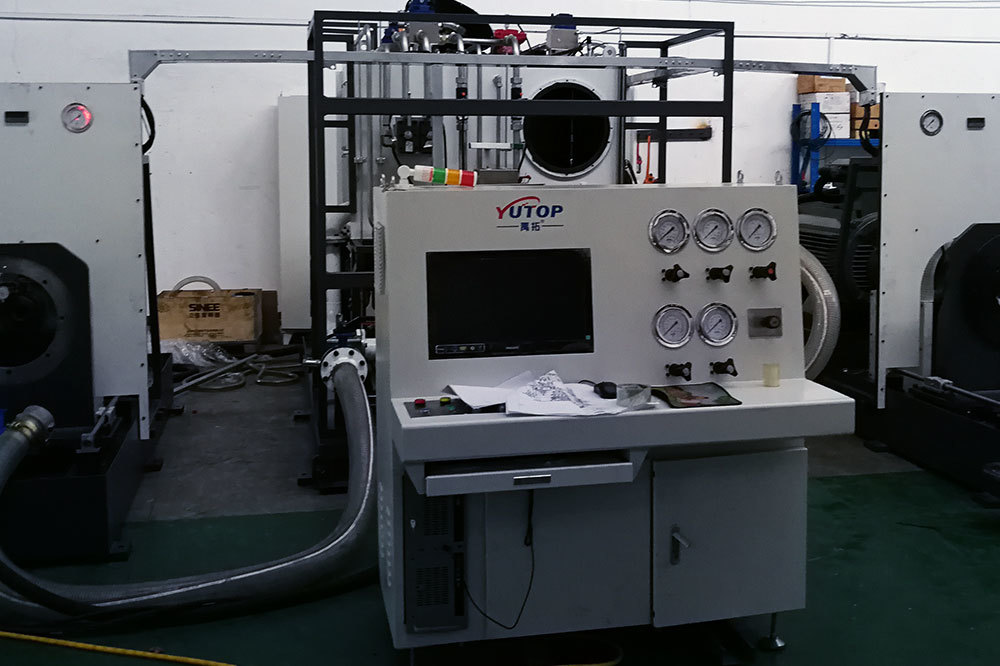
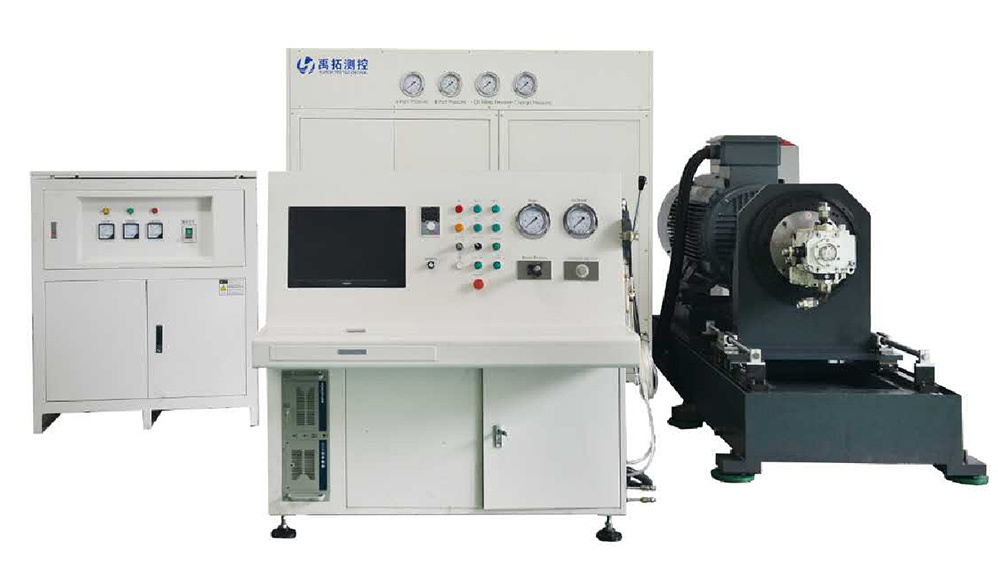
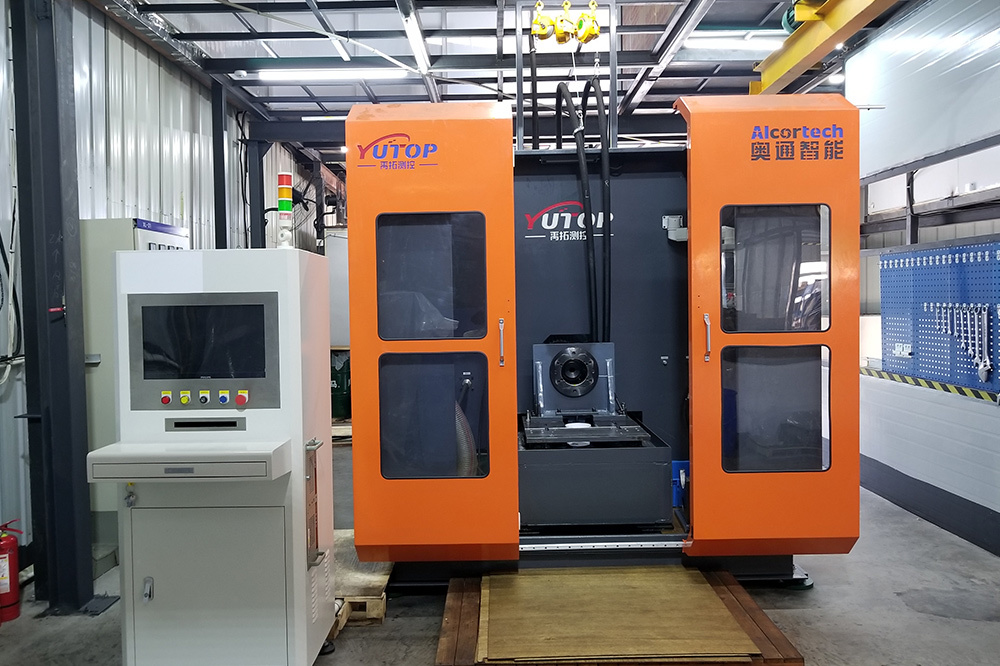
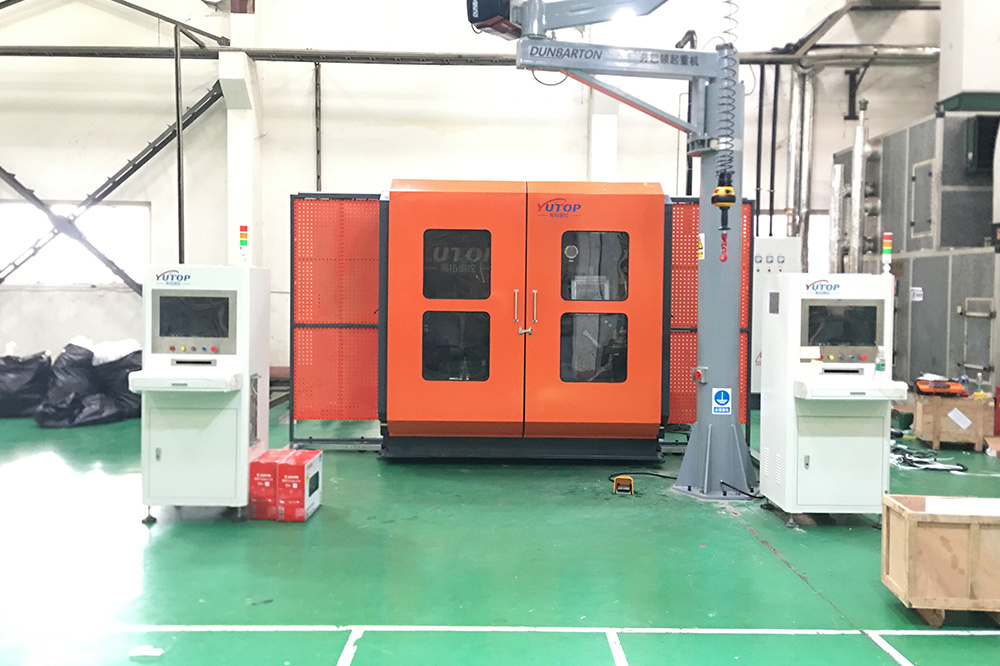
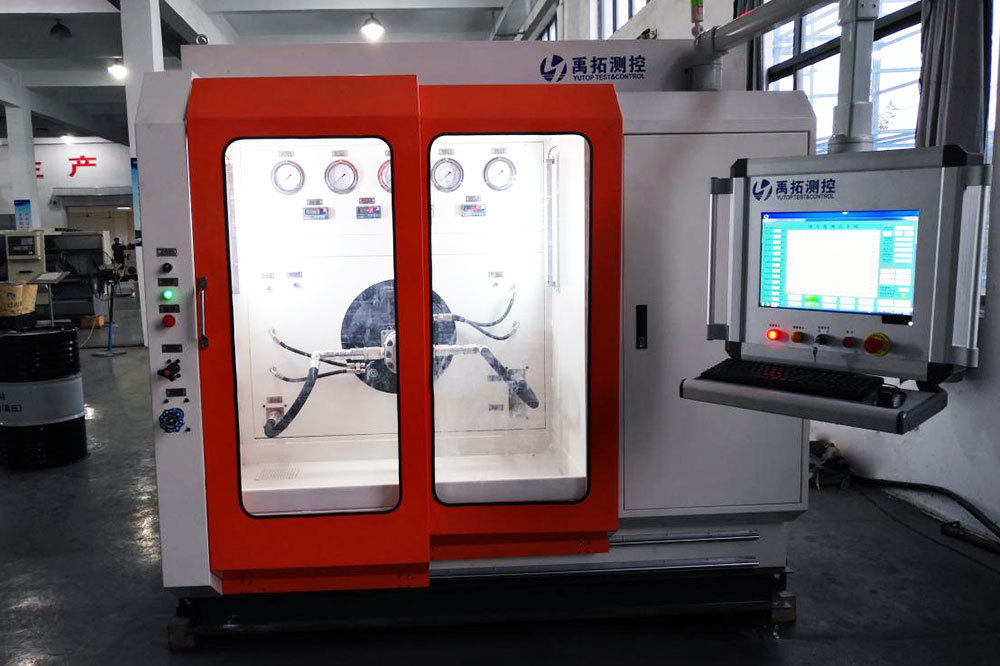
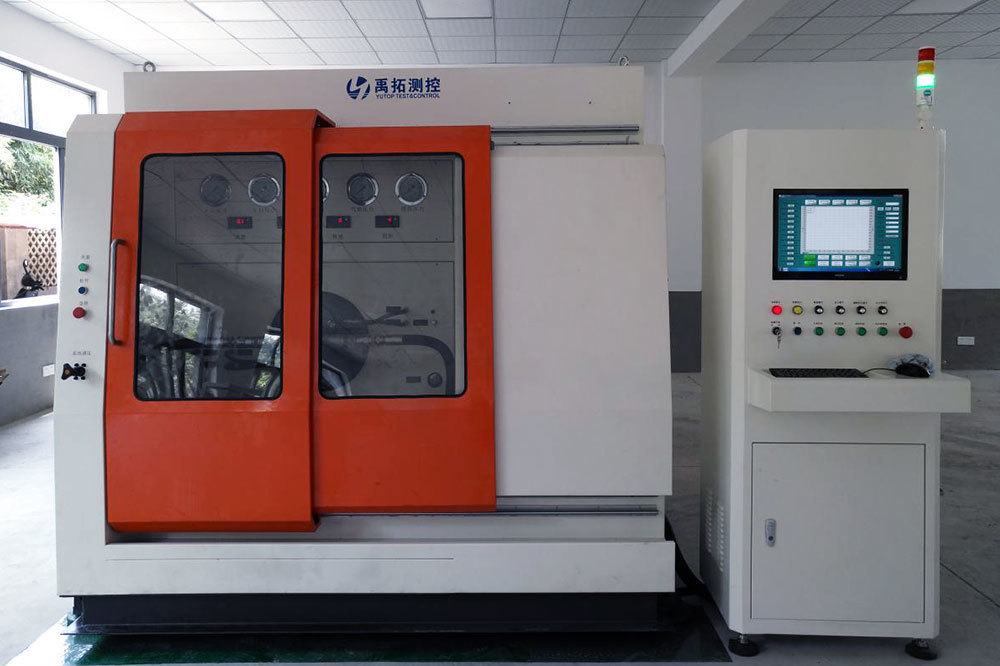
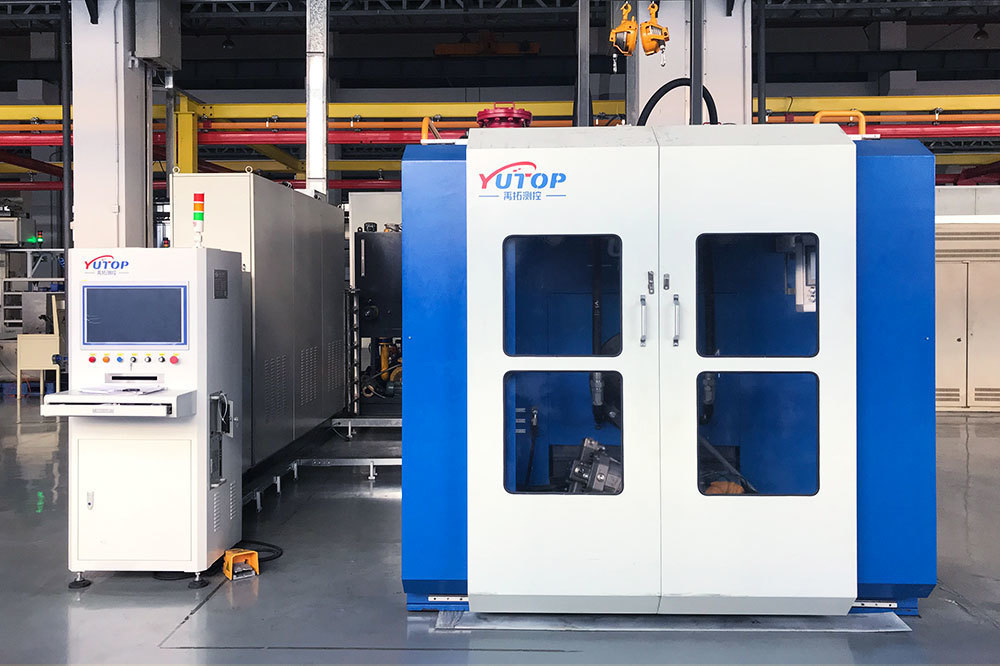
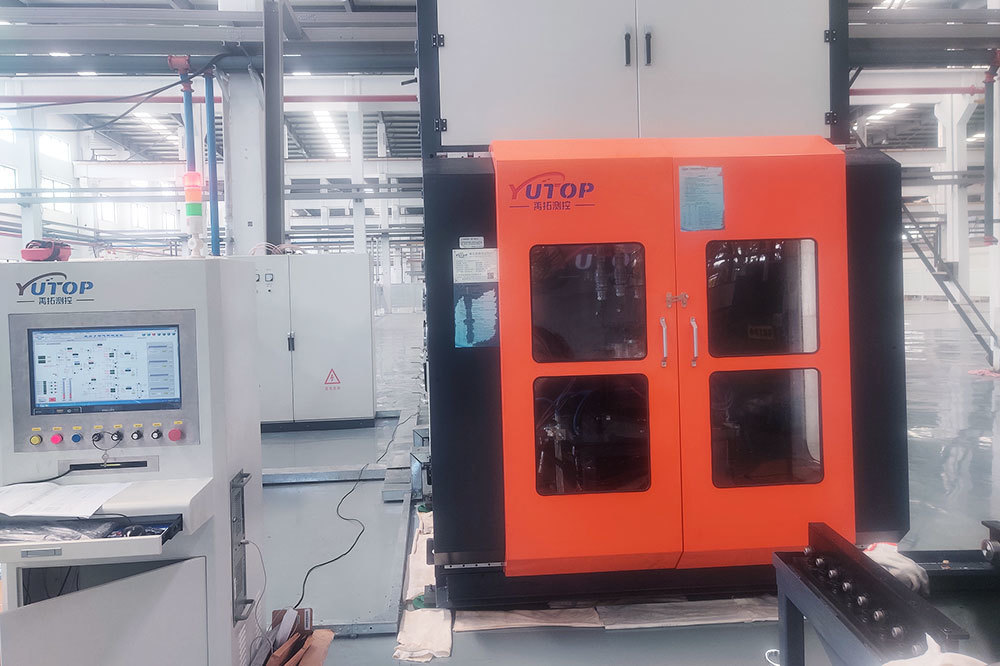
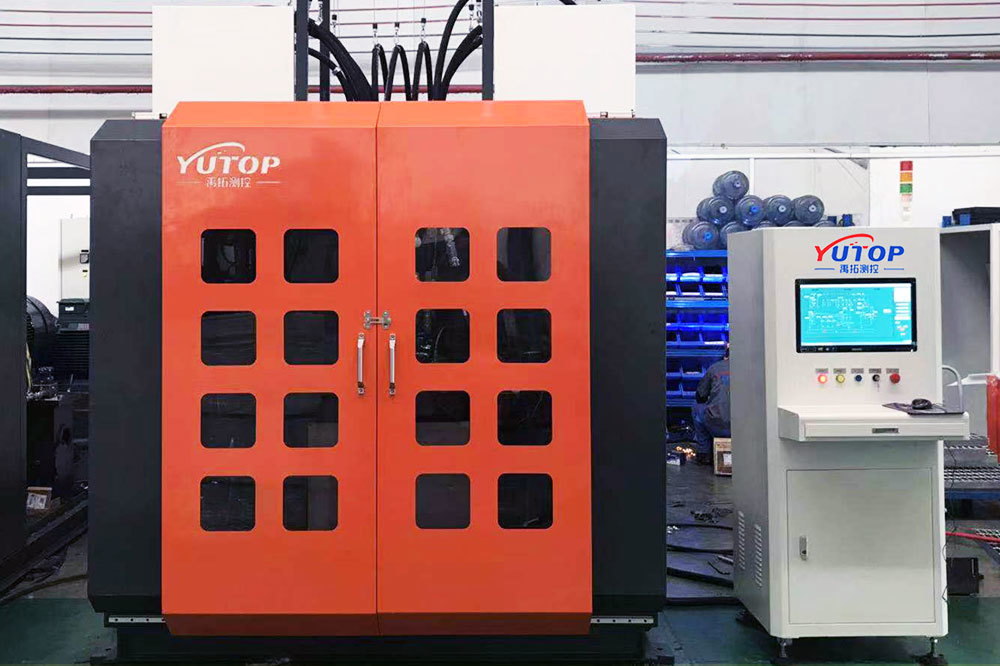
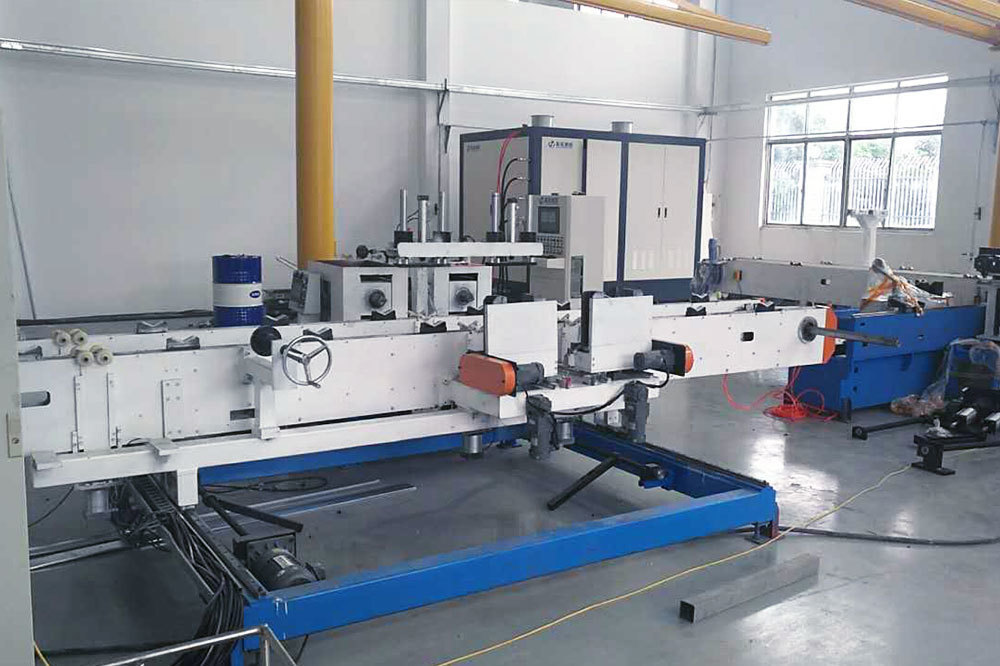
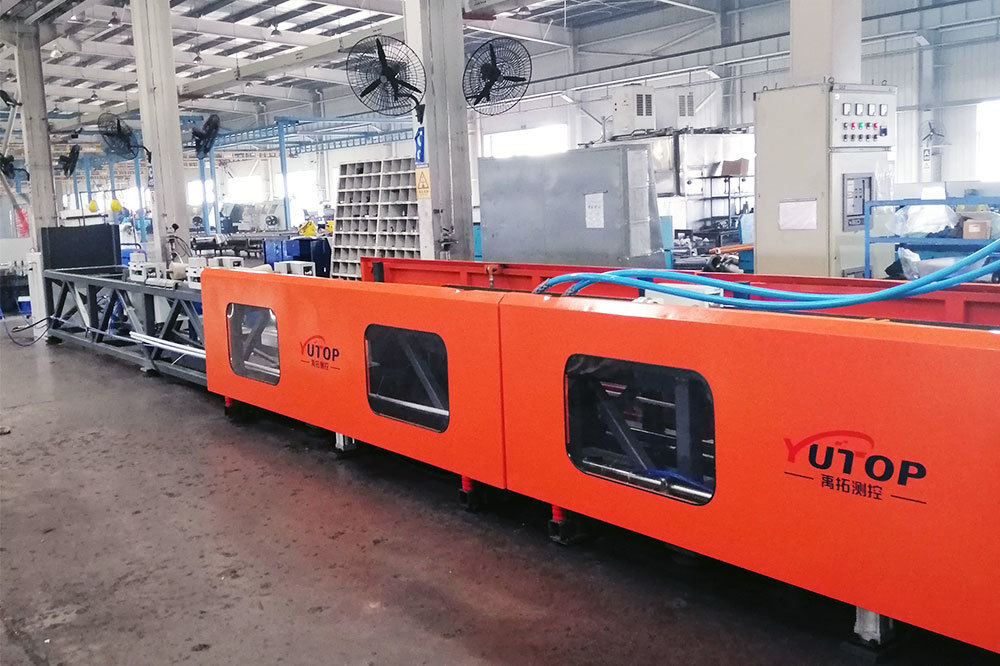
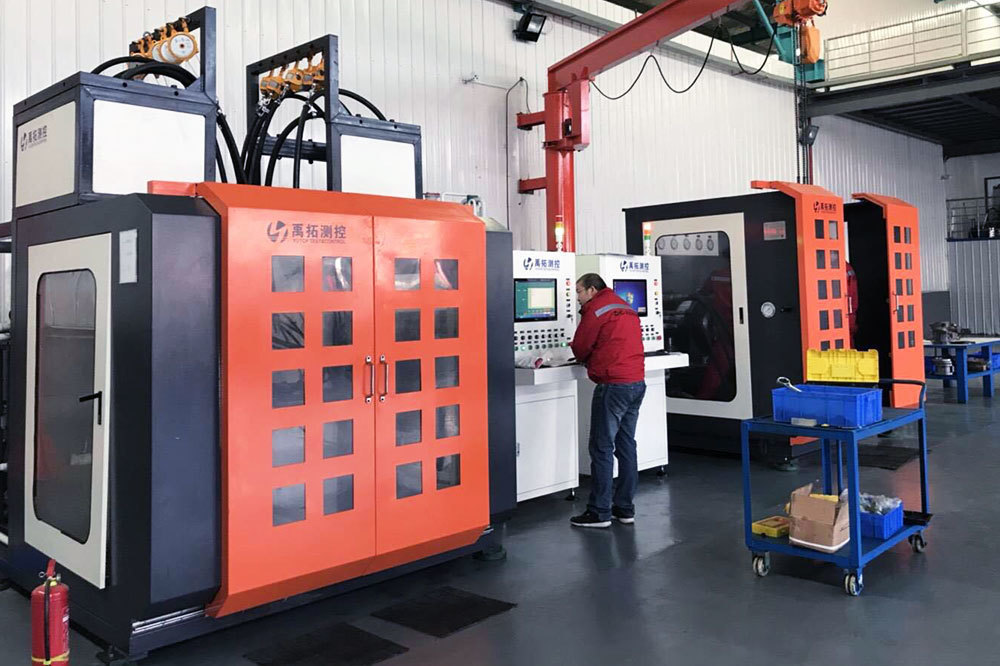
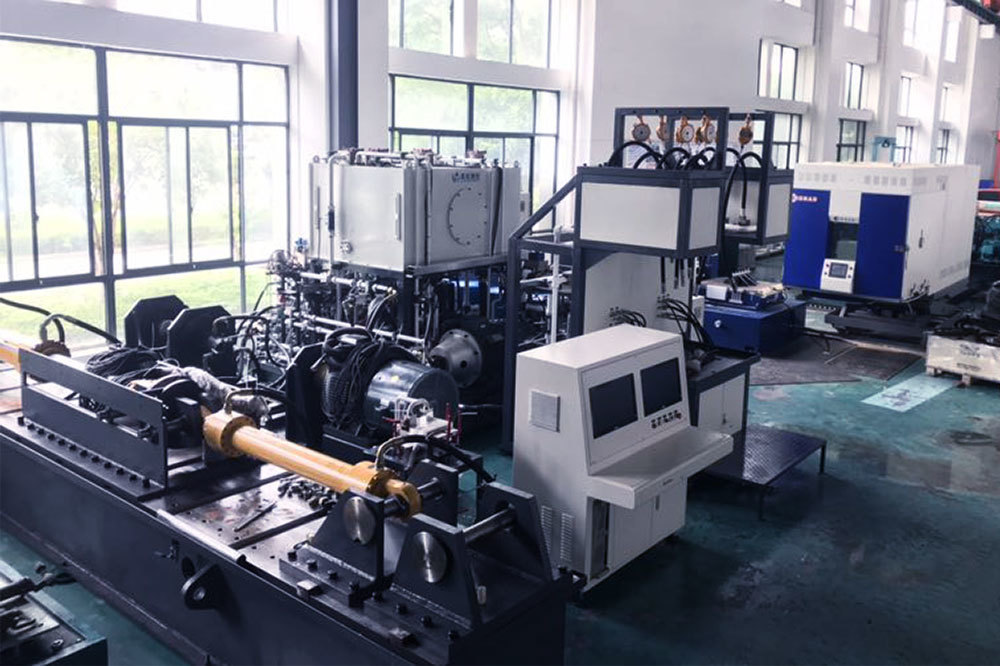
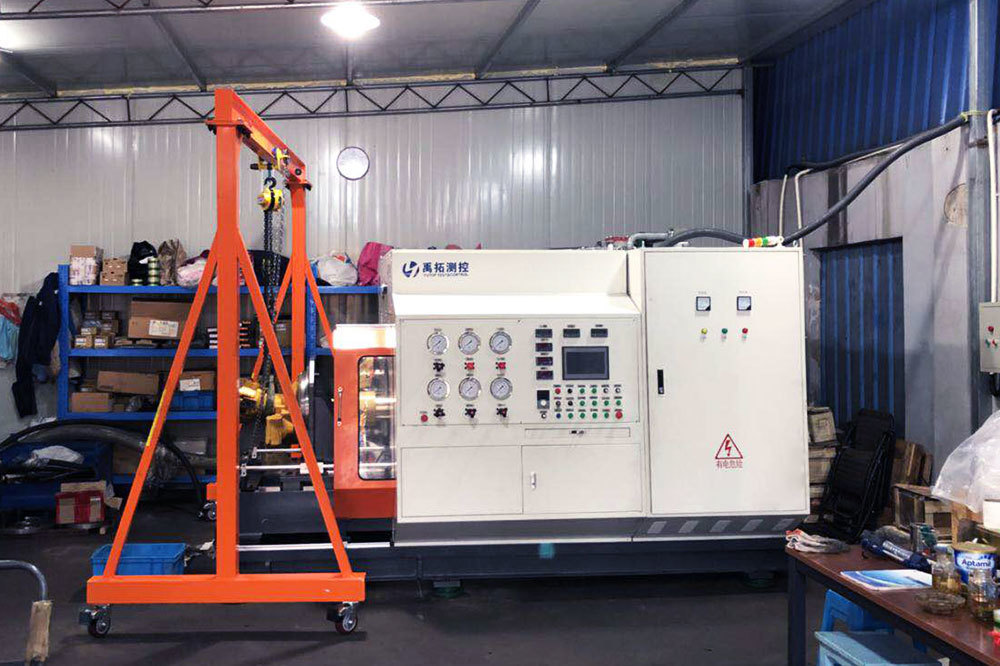
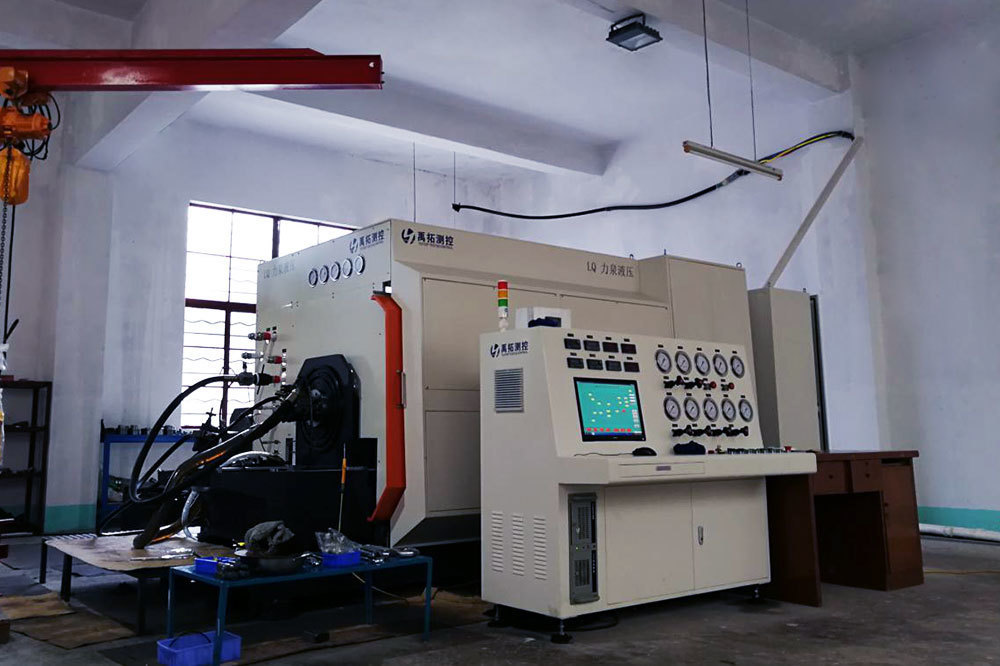
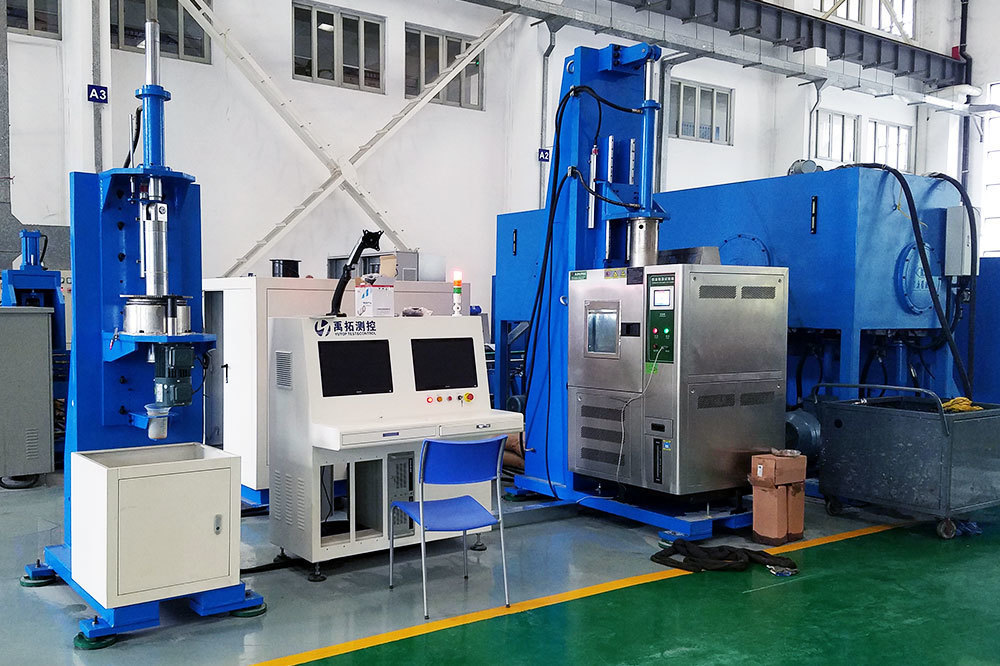
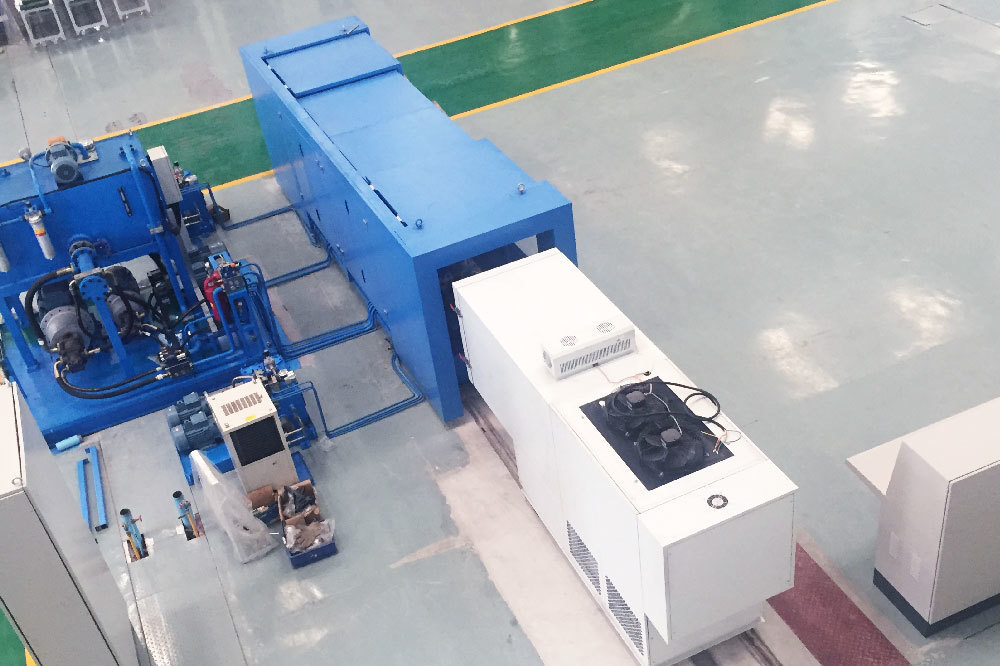
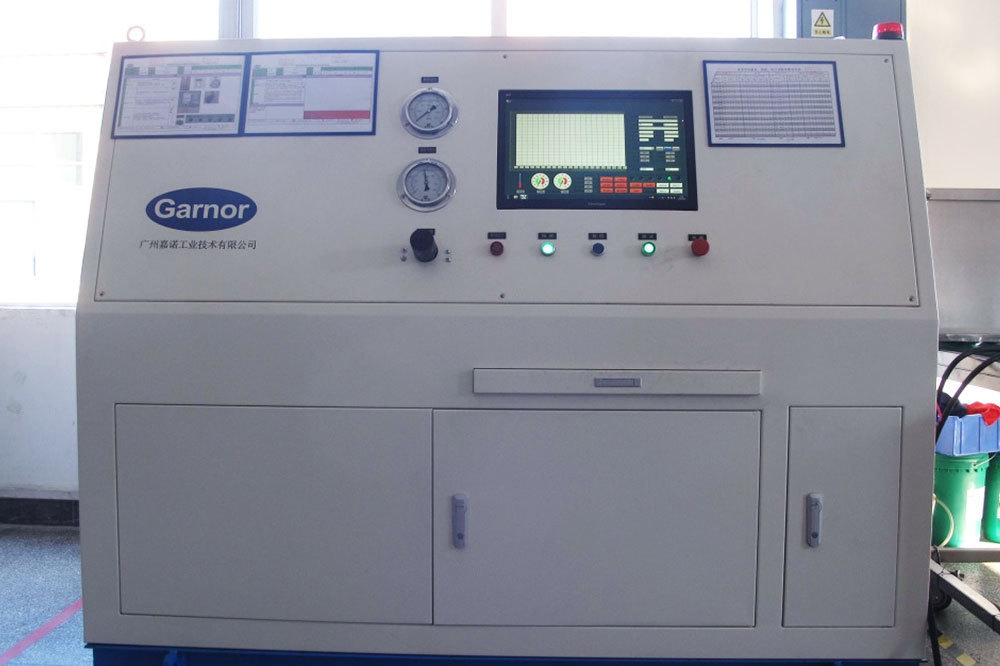
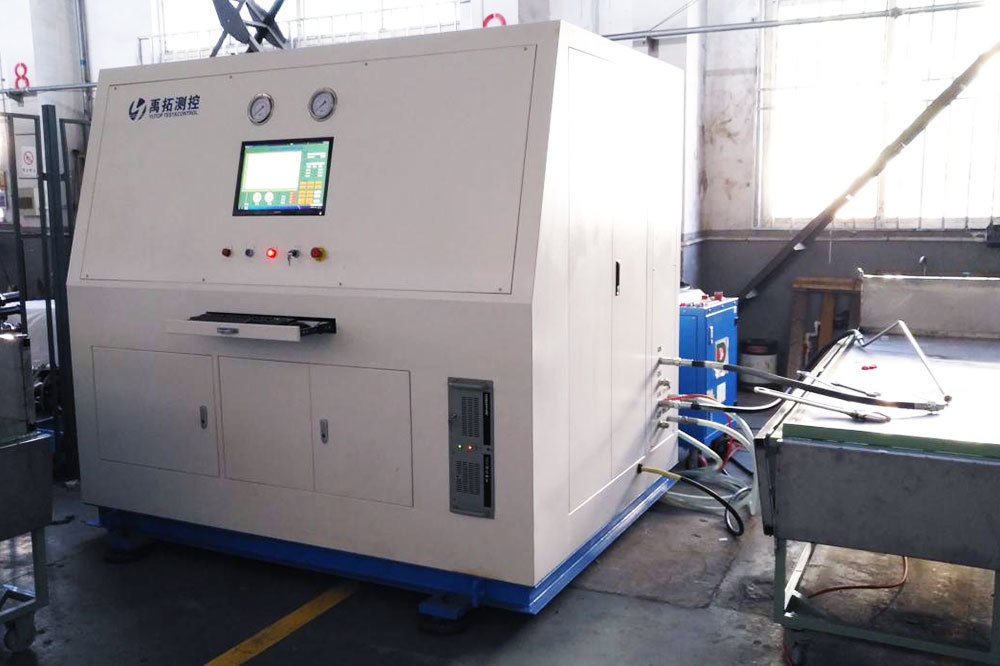
A test bench is a specialized apparatus used to evaluate the performance of hydraulic components and systems. It allows technicians to simulate operating conditions and diagnose issues in a controlled environment. Test benches can assess pumps, valves, cylinders, and other hydraulic components, providing critical data to ensure optimal performance.
The Importance of Using a Test Bench
Employing a test bench offers several benefits, including:
1. Accurate Diagnostics
A test bench enables precise diagnosis of hydraulic failures, allowing technicians to identify issues that may not be visible during routine inspections.
2. Performance Verification
Testing components under simulated conditions helps verify their performance and ensures they meet operational standards before reinstallation.
3. Proactive Maintenance
Regular testing on a test bench aids in identifying potential issues before they lead to failures, allowing for timely maintenance interventions.
4. Enhanced Safety
Ensuring that components function correctly before reinstallation enhances overall safety for operators and minimizes the risk of accidents.
How to Effectively Use a Test Bench
Utilizing a test bench effectively requires knowledge and proper procedures. Here’s how to do it:
1. Prepare the Test Bench
Ensure that the test bench is clean and calibrated. Check fluid levels and inspect all connections for damage or wear.
2. Set Up the Component
Securely mount the hydraulic component being tested to the bench. Ensure all connections are tight and leak-free.
3. Conduct Testing
Follow the manufacturer's guidelines for testing procedures. Monitor parameters such as pressure, flow rate, and temperature during operation.
4. Analyze Results
Carefully analyze the data collected during testing. Look for inconsistencies or deviations from expected performance benchmarks.
5. Document Findings
Keep meticulous records of test results, including any maintenance performed. This documentation aids in future diagnostics and maintenance planning.
Best Practices for Hydraulic System Maintenance
Maintaining hydraulic systems is crucial for extending their lifespan and ensuring operational efficiency. Consider the following best practices:
1. Regular Inspections
Conduct routine inspections to identify potential issues early. Check fluid levels, connections, and component conditions.
2. Fluid Management
Use high-quality hydraulic fluid and change it according to manufacturer recommendations. Contaminated fluid can lead to premature failures.
3. Address Leaks Promptly
Any signs of leakage should be addressed immediately to prevent further damage and safety hazards.
4. Training and Education
Ensure that personnel are trained in hydraulic system operations and maintenance to facilitate better understanding and proactive measures.
5. Utilize a Test Bench Regularly
Incorporate regular testing into maintenance schedules to ensure all components are functioning optimally.
Frequently Asked Questions (FAQs)
1. What are common signs of a hydraulic system failure?
Common signs include unusual noises, fluid leaks, reduced performance, and overheating during operation.
2. How often should hydraulic systems be tested using a test bench?
It is advisable to test hydraulic systems at least once a year or whenever maintenance is performed on key components.
3. What should I do if I find a leak in my hydraulic system?
Identify the source of the leak and take immediate action to repair or replace affected components. Do not operate the system until the issue is resolved.
4. Can I test hydraulic components without a test bench?
While it is possible to test certain components without a test bench, doing so may not provide accurate results. A test bench offers controlled conditions for reliable diagnostics.
5. What maintenance practices prolong the lifespan of hydraulic systems?
Regular inspections, timely fluid changes, prompt leak repairs, and continuous training for personnel are crucial for prolonging hydraulic system lifespan.
Conclusion
Understanding hydraulic system failures is vital for maintaining optimal performance in various applications. A test bench serves as an indispensable tool for accurately diagnosing issues, verifying component functionality, and implementing proactive maintenance strategies. By recognizing common failures, their signs, and adhering to best practices, industry professionals can enhance the reliability and longevity of hydraulic systems, ultimately ensuring smooth operations. Prioritizing the use of a test bench is essential in safeguarding the efficiency and safety of hydraulic applications.
PREVIOUS:

Room 207, 2nd Floor, Block C, Building 1 (Self-designated), No. 3 Yunkai Road, Yunpu Industrial Zone, Huangpu District, Guangzhou City,China


