

Understanding the Essential Role of Hydraulic Control in Electrical Testing Instruments
Understanding the Essential Role of Hydraulic Control in Electrical Testing Instruments Table of Contents 1. Introduction to Hydraulic Control in Electrical Testing 2. What is Hydraulic Control? 3. The Importance of Hydraulic Control in Electrical Testing Instruments 4. Mechanisms of Hydraulic Control in Electrical Testing 5. Advantages of Using Hydraulic Control 6. Key Ap
Aug 10,2026
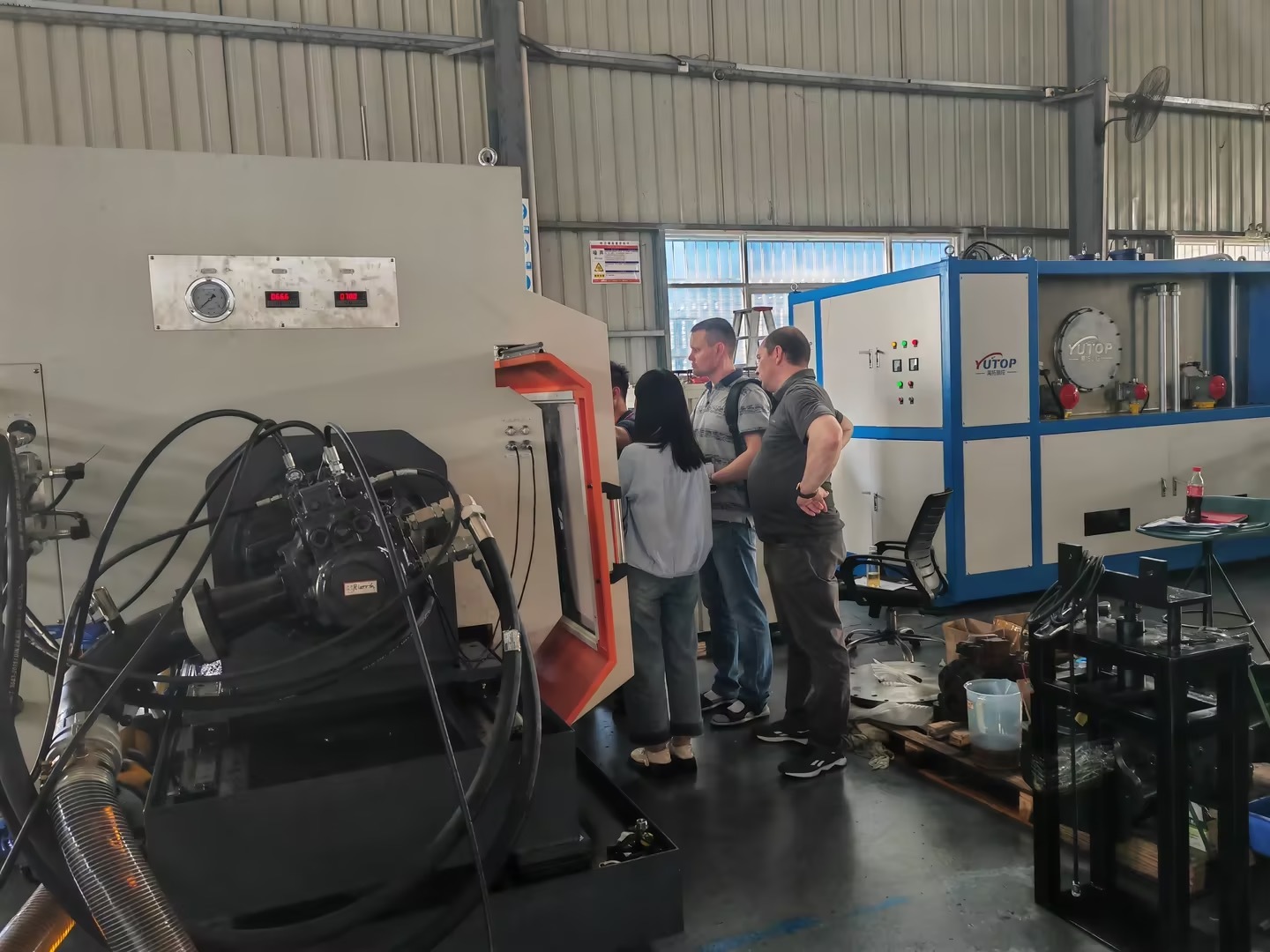
Understanding the Essential Role of Hydraulic Control in Electrical Testing Instruments
Table of Contents
- 1. Introduction to Hydraulic Control in Electrical Testing
- 2. What is Hydraulic Control?
- 3. The Importance of Hydraulic Control in Electrical Testing Instruments
- 4. Mechanisms of Hydraulic Control in Electrical Testing
- 5. Advantages of Using Hydraulic Control
- 6. Key Applications of Hydraulic Control in Electrical Testing Instruments
- 7. Future Trends in Hydraulic Control Technology
- 8. Conclusion
- 9. FAQs about Hydraulic Control in Electrical Testing Instruments
1. Introduction to Hydraulic Control in Electrical Testing
In the realm of electrical testing instruments, precision and reliability are paramount. Hydraulic control has emerged as a significant player in enhancing the functionality of these instruments. This article elaborates on the essential role hydraulic control plays in electrical testing, ensuring that devices operate efficiently and accurately.
2. What is Hydraulic Control?
Hydraulic control refers to the use of pressurized fluid to operate mechanical devices. In electrical testing instruments, hydraulic systems provide the necessary force to perform tasks such as calibration, testing, and measurement. The core principle behind hydraulic control is Pascal’s law, which states that pressure applied to a confined fluid is transmitted undiminished in all directions. This principle enables hydraulic systems to generate significant force while maintaining a compact design.
3. The Importance of Hydraulic Control in Electrical Testing Instruments
Hydraulic control is crucial in electrical testing instruments for several reasons:
3.1 Precision and Accuracy
Hydraulic systems allow for precise control over mechanical movements. This precision is essential in testing instruments that require exact measurements, such as oscilloscopes and multimeters.
3.2 Reliability Under Load
Electrical testing instruments often encounter varying loads. Hydraulic control systems can adapt to these changes, ensuring consistent performance regardless of the load conditions.
3.3 Enhanced Safety Features
With hydraulic control, safety mechanisms can be integrated more effectively. Pressure relief valves and other safety features help prevent accidents and ensure safe operation during testing.
4. Mechanisms of Hydraulic Control in Electrical Testing
Understanding how hydraulic control works in electrical testing instruments involves examining its key components.
4.1 Hydraulic Pumps
Hydraulic pumps are responsible for generating the pressure needed within the system. They convert mechanical energy into hydraulic energy, allowing for the movement of fluid through the system.
4.2 Actuators
Actuators, like hydraulic cylinders, convert hydraulic energy back into mechanical energy. They perform the actual work in the system, such as moving a testing probe to measure voltage or resistance.
4.3 Valves
Valves control the flow and direction of hydraulic fluid. They ensure that the system operates smoothly, allowing for adjustments during testing processes.
5. Advantages of Using Hydraulic Control
The integration of hydraulic control within electrical testing instruments offers numerous advantages.
5.1 Greater Force Output
Hydraulic systems can generate substantial force, which is essential for testing applications that require significant pressure to be applied.
5.2 Compact Design
Hydraulic components are often smaller than their mechanical counterparts, allowing for more compact instrument designs without sacrificing performance.
5.3 Energy Efficiency
Hydraulic systems can be more energy-efficient, especially when designed correctly. They can maintain performance with lower energy input compared to traditional mechanical systems.
6. Key Applications of Hydraulic Control in Electrical Testing Instruments
Hydraulic control finds its applications in various electrical testing instruments, enhancing their performance.
6.1 Hydraulic Multimeters
Innovative multimeters utilize hydraulic control to provide more accurate measurements in environments with fluctuating temperatures or pressures.
6.2 Oscilloscopes
Oscilloscopes equipped with hydraulic actuators allow for smoother, more precise movement of probes, enhancing their ability to capture high-frequency signals.
6.3 Insulation Resistance Testers
In insulation resistance testing, hydraulic control enables the application of consistent pressure, ensuring reliable resistance readings that meet industrial standards.
7. Future Trends in Hydraulic Control Technology
As technology evolves, so do the applications of hydraulic control in electrical testing instruments.
7.1 Automation and Smart Technologies
The future of hydraulic control will see greater integration with automation and smart technologies. Instruments will become more intelligent, capable of self-calibration, and real-time monitoring.
7.2 Enhanced Connectivity
With the rise of the Internet of Things (IoT), hydraulic testing instruments will increasingly feature enhanced connectivity, allowing for remote monitoring and data analysis.
7.3 Sustainable Practices
There is a growing emphasis on sustainable practices in all industries. Future hydraulic systems will focus on using eco-friendly fluids and materials while maintaining high performance.
8. Conclusion
Hydraulic control plays a pivotal role in the functionality of electrical testing instruments. By offering precision, reliability, and adaptability under various load conditions, hydraulic systems enhance the overall efficiency of testing processes. As technology continues to advance, the integration of hydraulic control will evolve, leading to smarter, more efficient instruments that meet the demanding standards of the electrical testing industry.
9. FAQs about Hydraulic Control in Electrical Testing Instruments
What are the primary benefits of hydraulic control in electrical testing instruments?
Hydraulic control provides precision, reliability, greater force output, and energy efficiency, making it an ideal choice for various testing applications.
How does hydraulic control enhance safety in electrical testing?
Hydraulic systems can integrate safety features like pressure relief valves, ensuring safe operation during testing procedures.
What types of electrical testing instruments commonly use hydraulic control?
Common instruments include multimeters, oscilloscopes, and insulation resistance testers, all benefiting from enhanced performance through hydraulic control.
Are there any drawbacks to using hydraulic control in electrical testing instruments?
While hydraulic systems are efficient, they require regular maintenance and monitoring to prevent leaks and ensure optimal performance.
How is hydraulic control technology expected to evolve in the future?
Future trends indicate increased automation, enhanced connectivity, and a focus on sustainable practices within hydraulic control systems in electrical testing instruments.

Room 207, 2nd Floor, Block C, Building 1 (Self-designated), No. 3 Yunkai Road, Yunpu Industrial Zone, Huangpu District, Guangzhou City,China


