

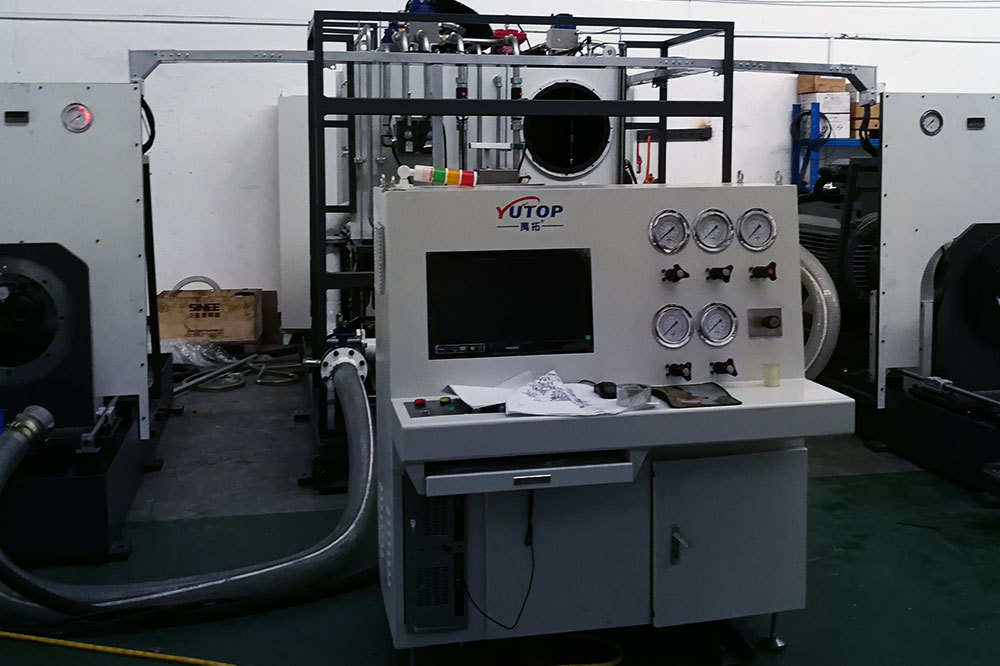
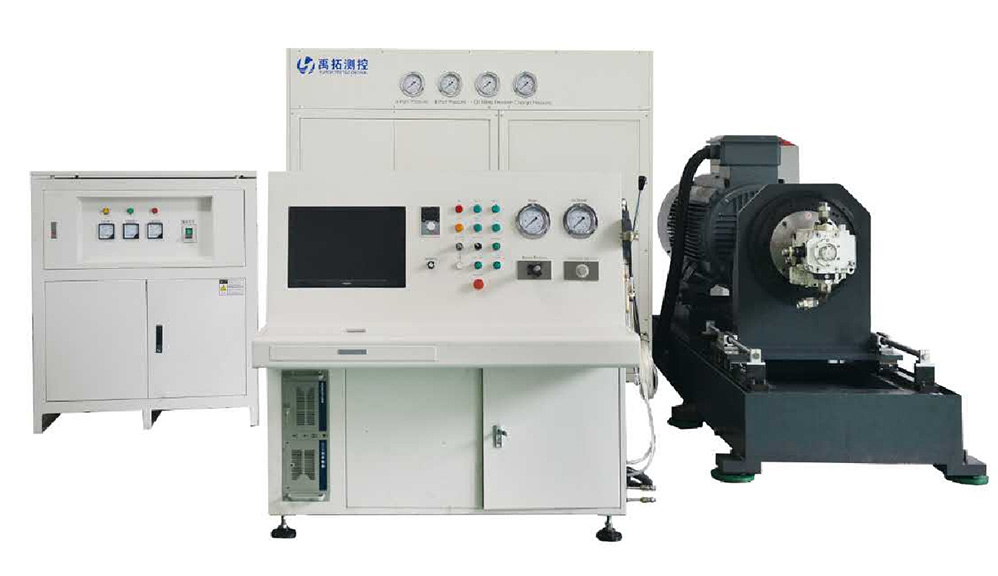
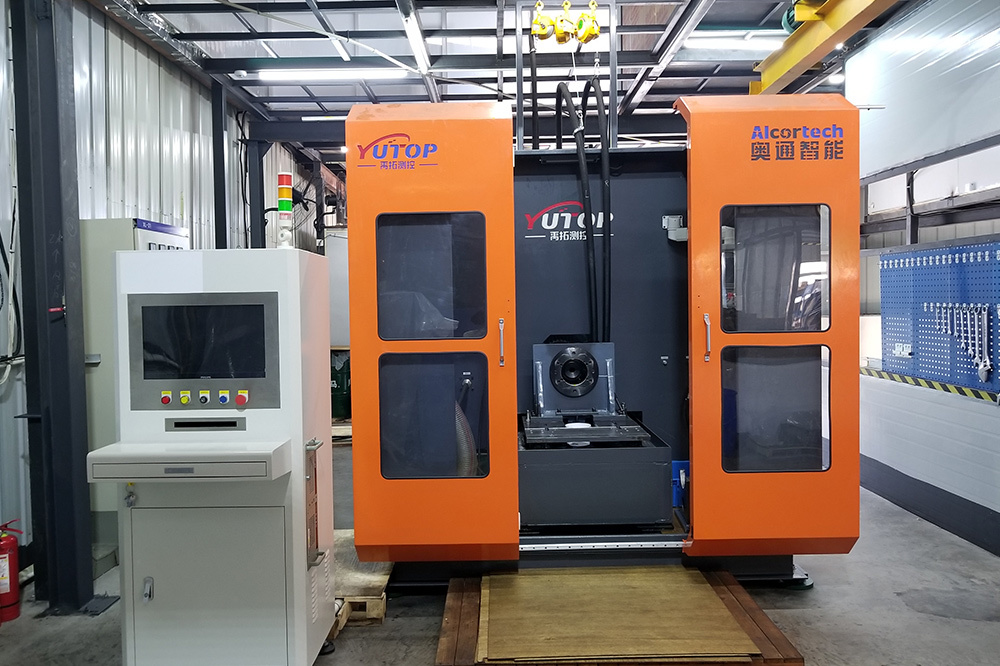
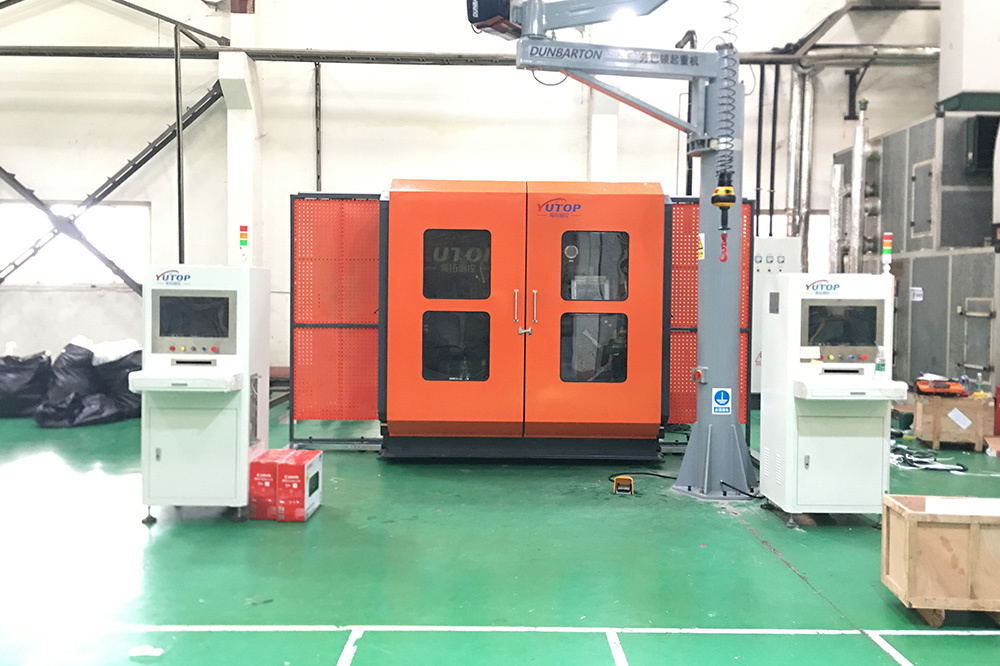
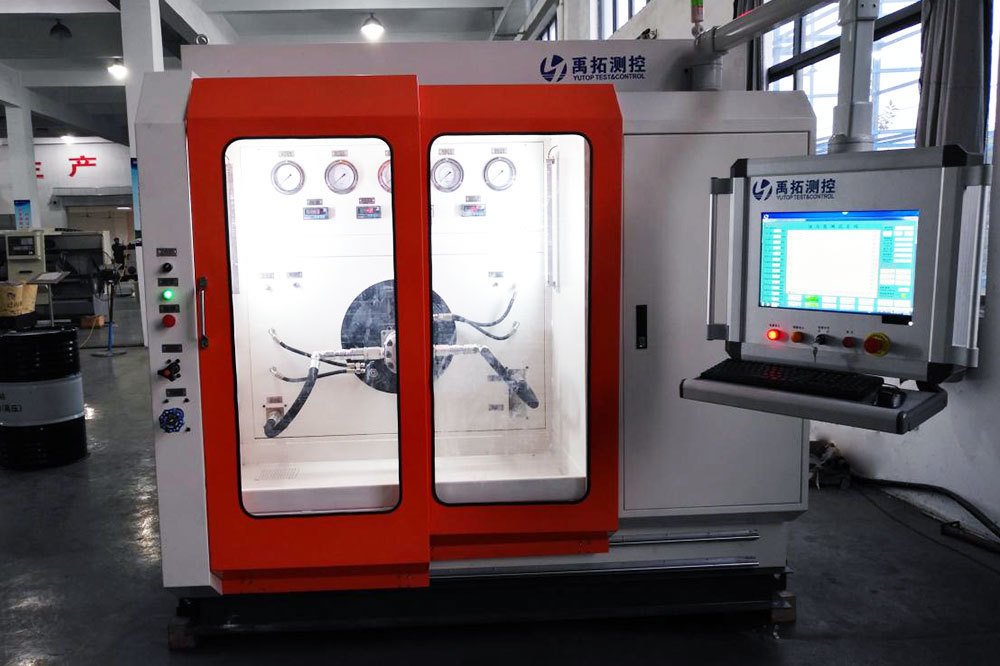
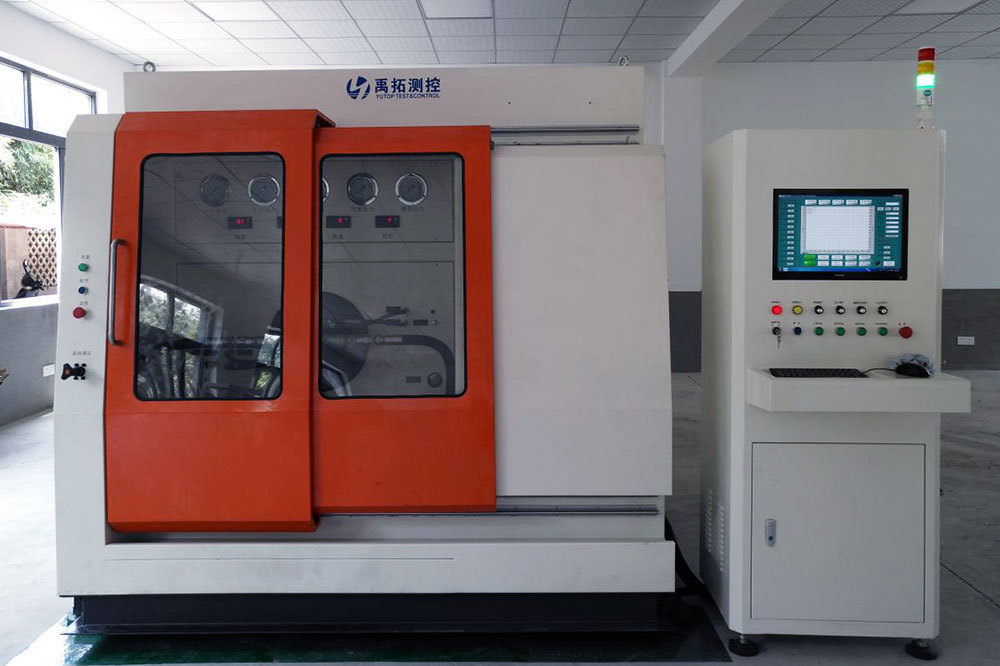
Troubleshooting Common Problems with Piston Pump Testing Equipment
Troubleshooting Common Problems with Piston Pump Testing Equipment Piston pumps are essential components in various industrial applications, providing reliable fluid transfer and pressure generation. However, like any machinery, they can encounter problems that affect their performance. Understanding how to troubleshoot these issues is crucial for ensuring optimal functionality and longevity. In t
Aug 16,2026
Troubleshooting Common Problems with Piston Pump Testing Equipment
Piston pumps are essential components in various industrial applications, providing reliable fluid transfer and pressure generation. However, like any machinery, they can encounter problems that affect their performance. Understanding how to troubleshoot these issues is crucial for ensuring optimal functionality and longevity. In this article, we will explore the common problems faced during piston pump testing, provide practical solutions, and share expert tips to enhance your troubleshooting process.
Understanding Piston Pump Basics
Before diving into troubleshooting, it’s important to understand the basic mechanics of piston pumps.
How Piston Pumps Work
Piston pumps operate by using a reciprocating piston to create a pressure differential, allowing fluid to be drawn into the pump chamber and expelled under pressure. They are known for their ability to handle high pressures and deliver consistent flow rates, making them ideal for various applications such as hydraulic systems, oil transfer, and wastewater treatment.
Common Applications of Piston Pumps
Piston pumps are widely used across different industries, including:
- **Hydraulic systems**: Providing power for machinery and equipment.
- **Chemical processing**: Transporting corrosive and viscous fluids.
- **Water treatment**: Managing water flow and pressure.
- **Food and beverage**: Ensuring hygienic fluid transfer during production.
Understanding these applications helps in identifying the specific challenges you may encounter during testing.
Common Problems with Piston Pump Testing Equipment
Now that we have a foundational understanding of piston pumps, let’s explore common problems that can occur during testing.
1. Inconsistent Flow Rate
One of the most frequent issues encountered is an inconsistent flow rate. This can lead to inefficiencies in your system and affect the overall performance of the machinery.
Causes
- **Clogged filters**: Debris in the fluid can obstruct flow.
- **Air leaks**: Air entering the pump can disrupt the piston’s efficiency.
- **Worn piston seals**: Deteriorated seals may not create a proper seal, leading to fluid bypass.
Solutions
- **Regular maintenance**: Check and clean filters frequently.
- **Inspect for leaks**: Conduct routine inspections to identify and repair leaks.
- **Replace worn components**: Regularly replace piston seals to maintain an effective seal.
2. Excessive Noise During Operation
Unusual noises during pump operation can be alarming and indicate underlying issues.
Causes
- **Cavitation**: This occurs when vapor bubbles form and collapse within the pump, causing noise and potential damage.
- **Misalignment**: If the pump is not properly aligned with the motor, vibrations can lead to noise.
- **Loose components**: Bolts and fittings that are not secure can create rattling sounds.
Solutions
- **Check fluid levels**: Ensure the pump is adequately filled to prevent cavitation.
- **Realign the pump**: Verify the alignment between the pump and motor and adjust if necessary.
- **Tighten fittings**: Regularly inspect and tighten all connections.
3. Overheating
Overheating can severely impact the performance and lifespan of a piston pump.
Causes
- **Insufficient lubrication**: Lubrication is crucial for minimizing friction.
- **High ambient temperatures**: Operating in hot environments can contribute to overheating.
- **Excessive pressure**: Operating above the pump’s rated pressure can cause overheating.
Solutions
- **Ensure adequate lubrication**: Regularly check lubrication levels and apply as necessary.
- **Monitor ambient conditions**: If possible, operate equipment in cooler environments.
- **Adhere to pressure ratings**: Always operate within the manufacturer's specified pressure limits.
4. Leakage Issues
Leaks can compromise the efficiency of piston pumps and pose safety risks.
Causes
- **Worn seals and gaskets**: Over time, seals can become worn and fail.
- **Corrosion**: Chemical exposure can deteriorate pump components.
- **Improper installation**: If gaskets and seals are not installed correctly, leaks can occur.
Solutions
- **Inspect seals regularly**: Regular checks can help catch wear and replace seals before they fail.
- **Use corrosion-resistant materials**: When possible, opt for materials that withstand your application’s chemical environment.
- **Proper installation**: Ensure all components are installed according to manufacturer specifications.
Effective Testing Methods for Piston Pumps
To effectively troubleshoot piston pump testing equipment, having a robust testing methodology is essential.
1. Visual Inspection
A thorough visual inspection can reveal many issues before they escalate. Check for leaks, wear, and any signs of damage.
2. Pressure Testing
Conduct pressure tests to determine if the pump operates within its specified limits. This can identify issues such as leaks or mechanical failures.
3. Flow Measurement
Using flow meters allows you to measure the output flow rate and identify inconsistencies that may point to underlying issues.
4. Noise Monitoring
Utilizing sound monitoring equipment can help detect unusual noises that may indicate problems such as cavitation or mechanical failure.
Preventative Maintenance Strategies
Implementing a regular maintenance schedule can significantly reduce the likelihood of encountering common piston pump problems.
1. Regular Lubrication
Ensure that all moving parts are consistently lubricated to reduce friction and wear.
2. Scheduled Inspections
Set up a routine inspection schedule to catch potential issues early. This includes checking seals, gaskets, and overall pump condition.
3. Training Personnel
Ensure that all operators are trained in proper pump operation and maintenance practices. This can help prevent misuse and identify issues early on.
4. Keeping Records
Maintain detailed records of maintenance activities and inspections. This helps in identifying patterns and potential recurring issues.
Frequently Asked Questions (FAQs)
1. What are the signs of a failing piston pump?
Common signs include inconsistent flow rates, abnormal noises, leaks, and overheating.
2. How often should I perform maintenance on my piston pump?
It’s recommended to follow the manufacturer’s maintenance schedule, typically every few months, depending on usage.
3. Can I repair a piston pump myself?
While some minor repairs can be done by trained personnel, major repairs should be handled by professionals to ensure safety and proper functioning.
4. What can cause cavitation in a piston pump?
Cavitation is often caused by low fluid levels, high temperatures, or excessive suction pressure.
5. How do I choose the right piston pump for my application?
Consider factors such as flow rate, pressure requirements, and the type of fluid being pumped to select the appropriate piston pump.
Conclusion
Troubleshooting common problems with piston pump testing equipment is essential for maintaining efficiency and reliability in industrial applications. By understanding the typical issues that can arise, implementing effective testing methods, and adopting preventative maintenance strategies, you can significantly enhance the performance and lifespan of your piston pumps. Regular inspections, timely repairs, and keeping informed about the latest technologies will ultimately contribute to a smooth operation and reduced downtime. By staying proactive, you ensure that your piston pump systems operate at peak efficiency, keeping your operations running smoothly.

Room 207, 2nd Floor, Block C, Building 1 (Self-designated), No. 3 Yunkai Road, Yunpu Industrial Zone, Huangpu District, Guangzhou City,China


