

The Future of Piston Pump Testing Equipment: Trends to Watch
The Future of Piston Pump Testing Equipment: Trends to Watch As industries continue to evolve, so does the equipment used within them. **Piston pumps**, renowned for their efficiency and versatility, play a crucial role in various sectors, including oil and gas, chemical processing, and water management. Understanding the **future of piston pump testing equipment** is essential for manufacturers,
Sep 09,2026
The Future of Piston Pump Testing Equipment: Trends to Watch
As industries continue to evolve, so does the equipment used within them. **Piston pumps**, renowned for their efficiency and versatility, play a crucial role in various sectors, including oil and gas, chemical processing, and water management. Understanding the **future of piston pump testing equipment** is essential for manufacturers, engineers, and industry stakeholders. In this article, we delve into emerging trends and technologies that are set to redefine how piston pumps are tested, ensuring higher performance, reliability, and sustainability.
Table of Contents
- 1. Introduction to Piston Pump Testing Equipment
- 2. Importance of Testing Piston Pumps
- 3. Current Trends in Piston Pump Testing
- 4. Automation in Piston Pump Testing
- 5. Sustainability Considerations in Testing
- 6. Digital Transformation and IoT Integration
- 7. The Role of Data Analytics in Testing
- 8. Future Outlook for Piston Pump Testing Equipment
- 9. Frequently Asked Questions
- 10. Conclusion
1. Introduction to Piston Pump Testing Equipment
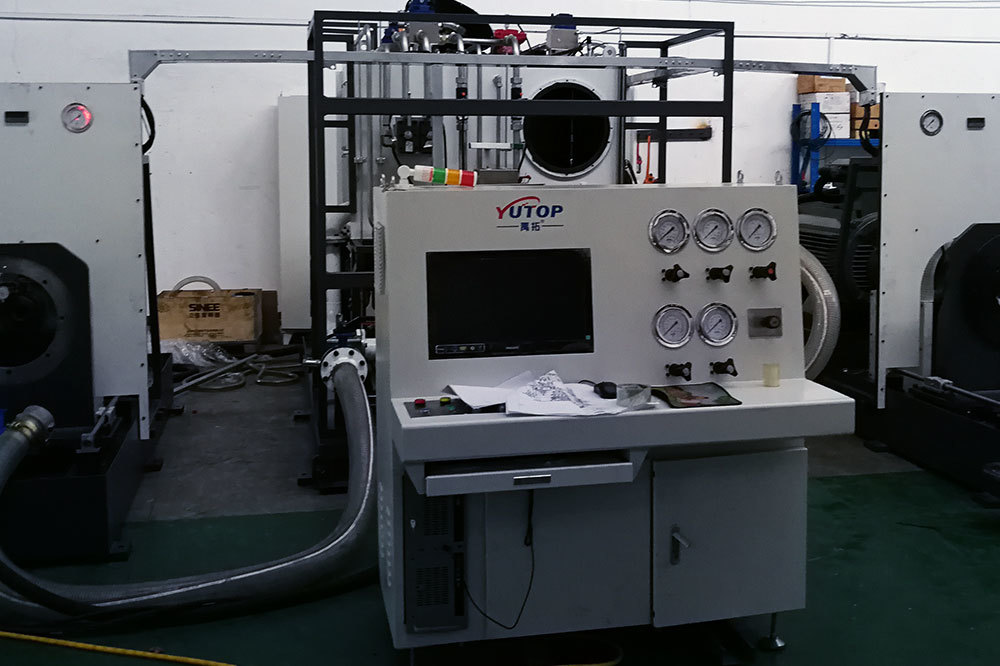
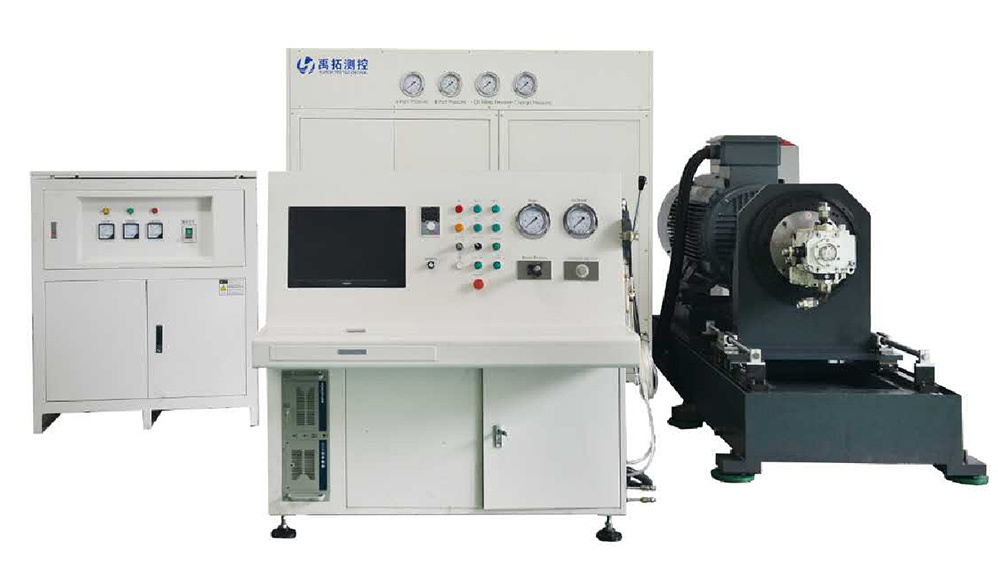
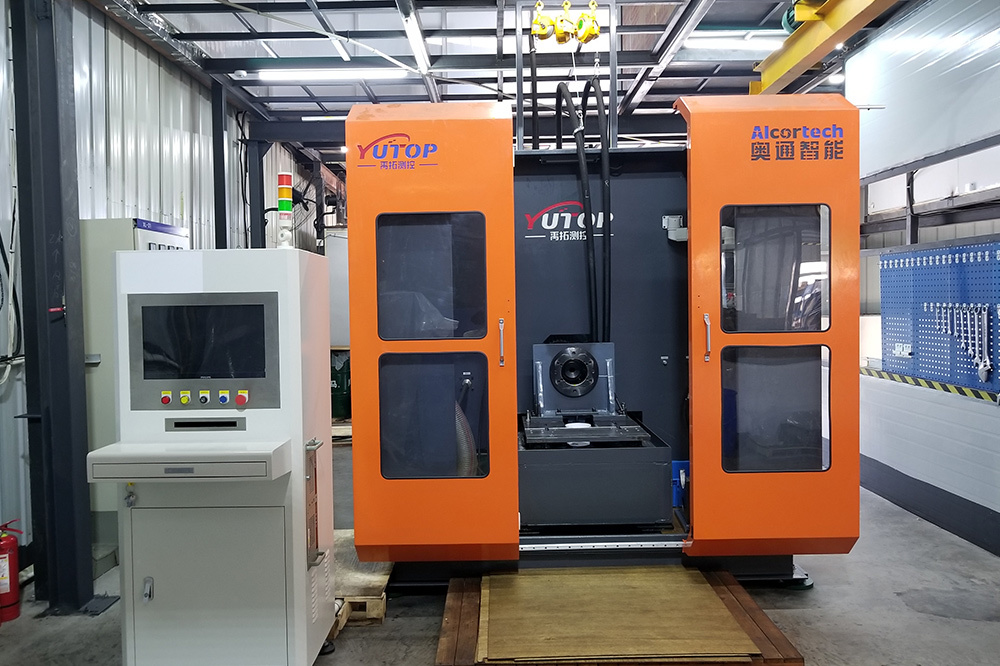
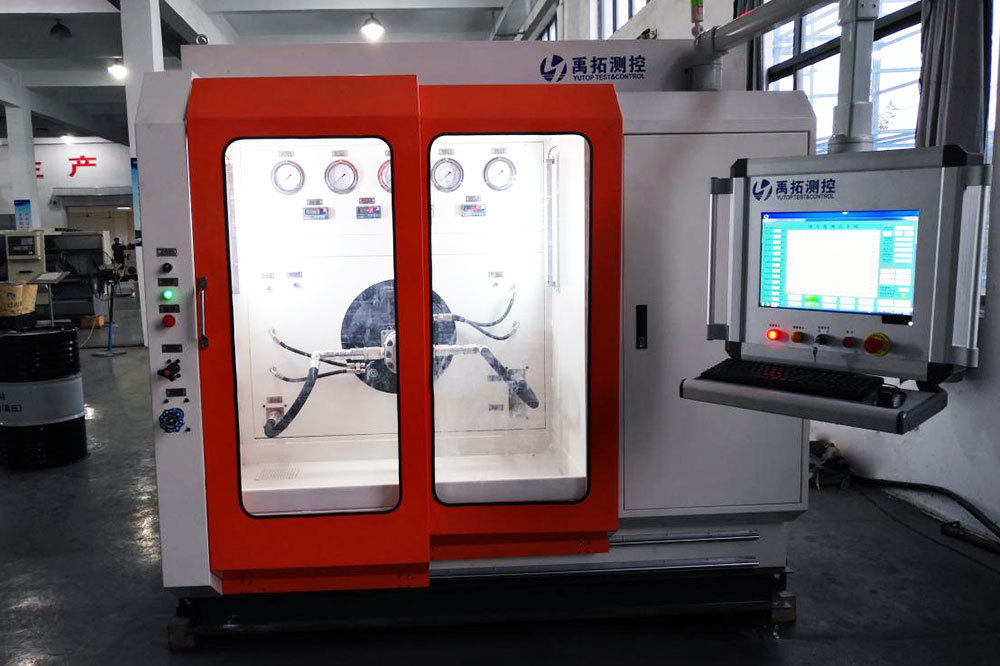
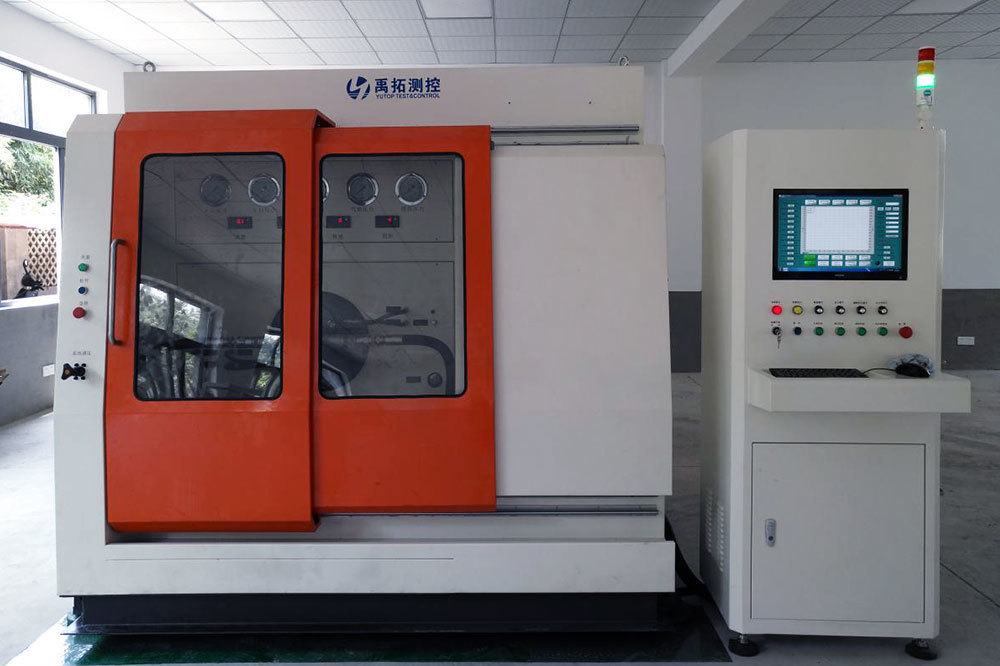
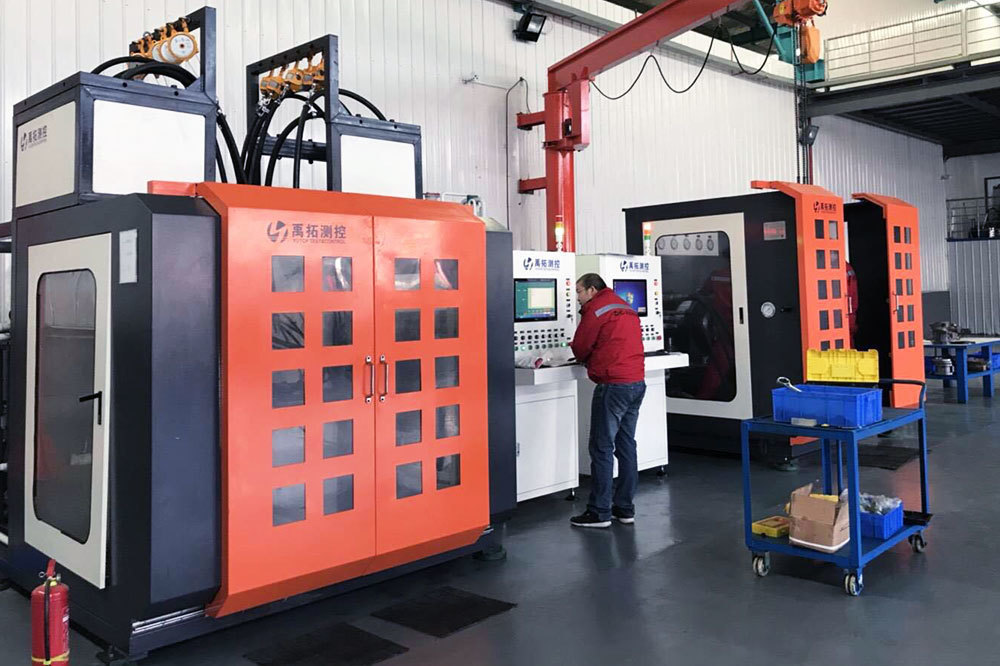
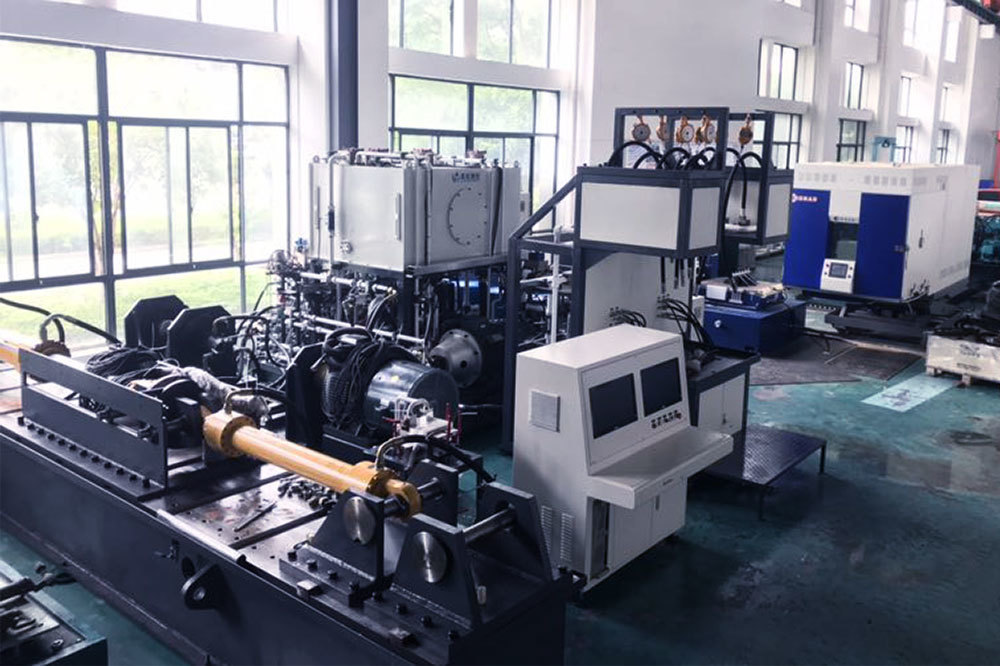
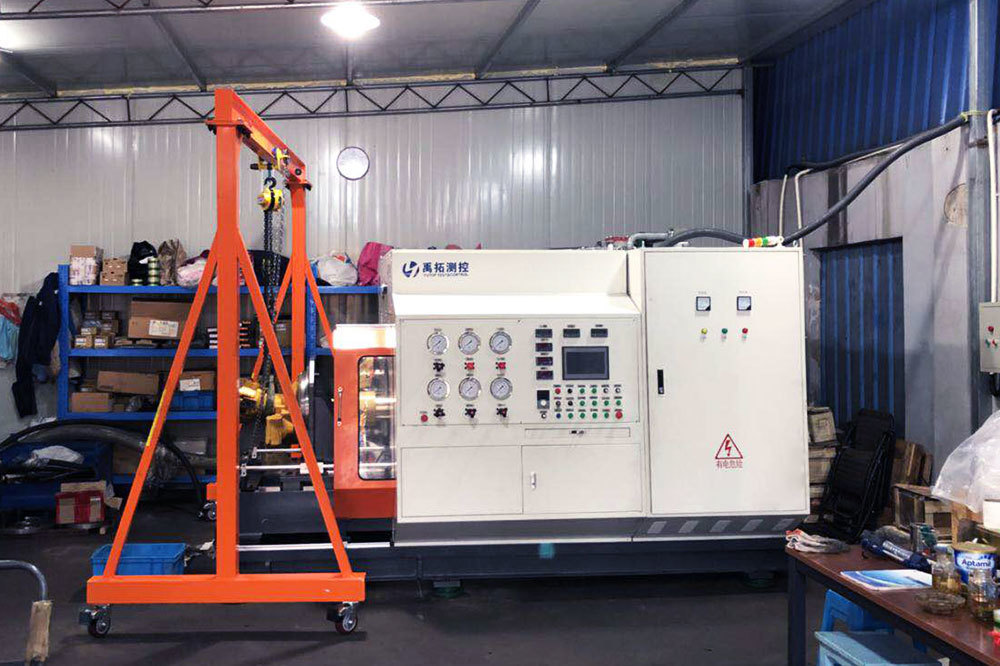
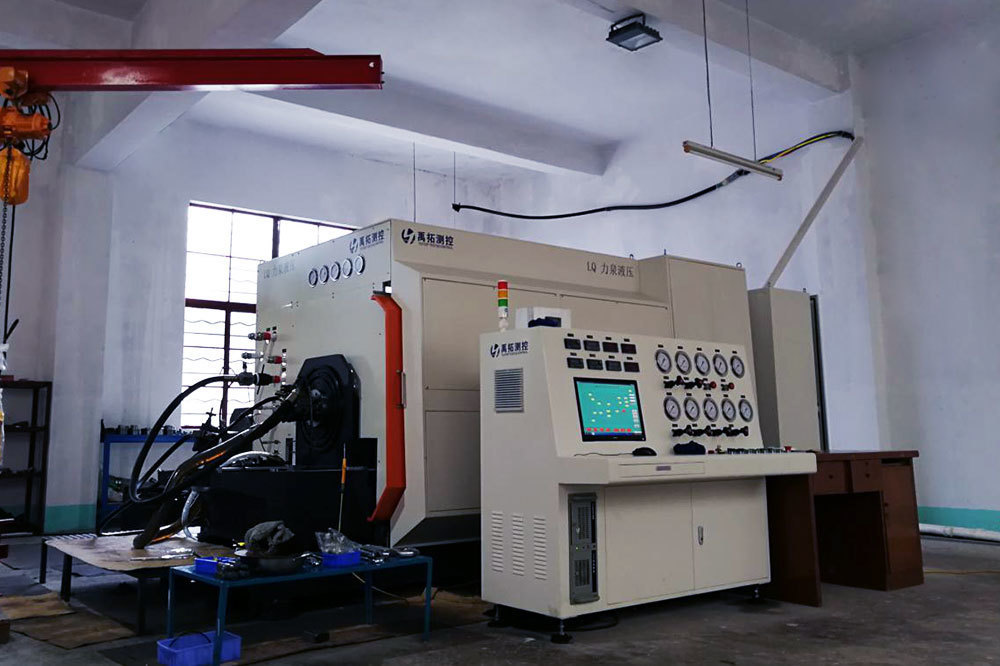
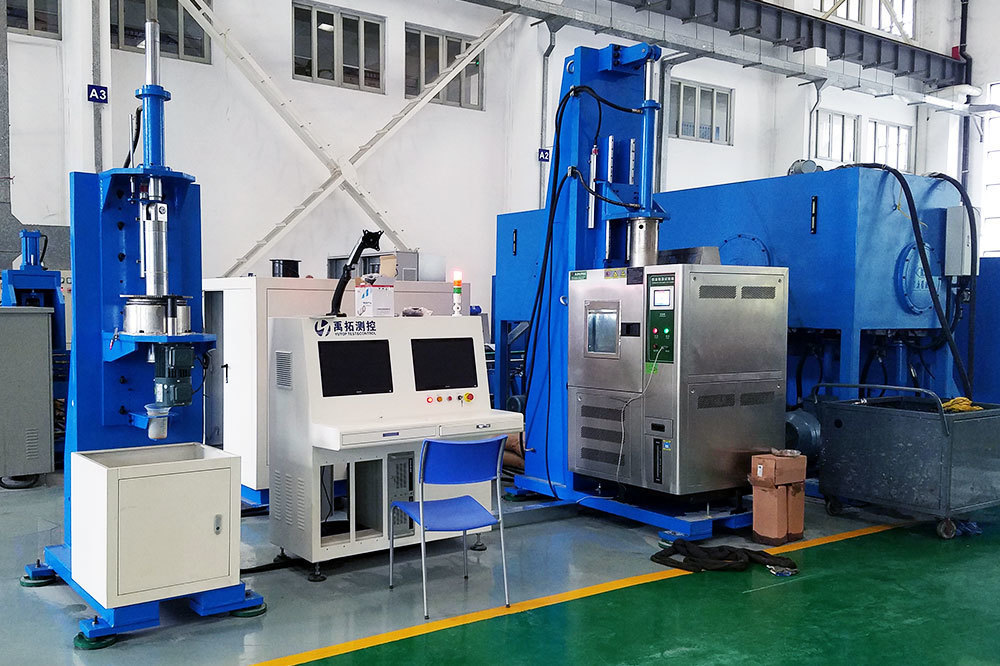
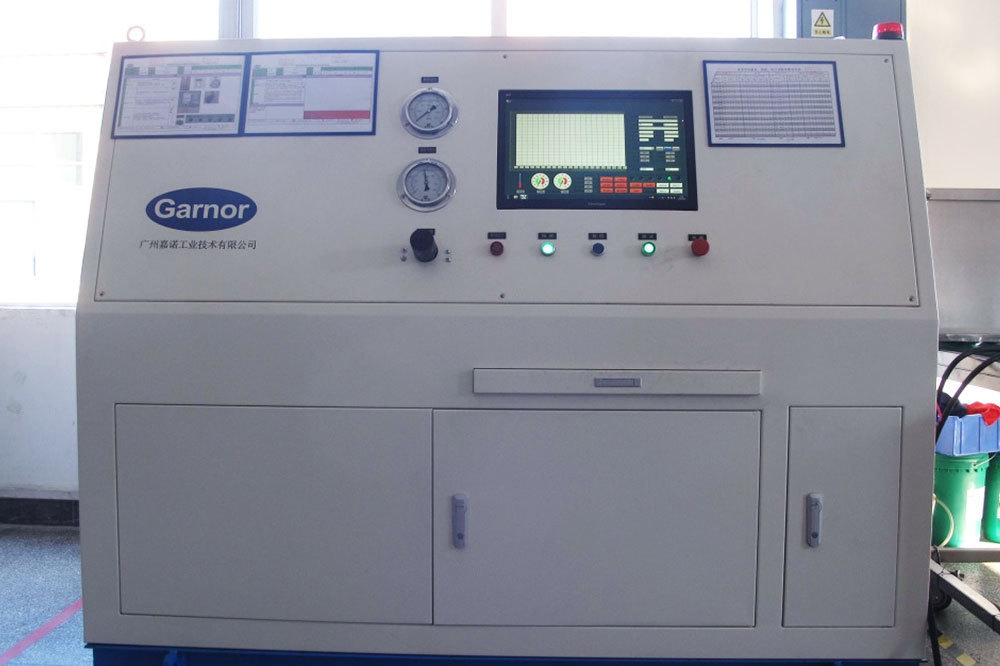
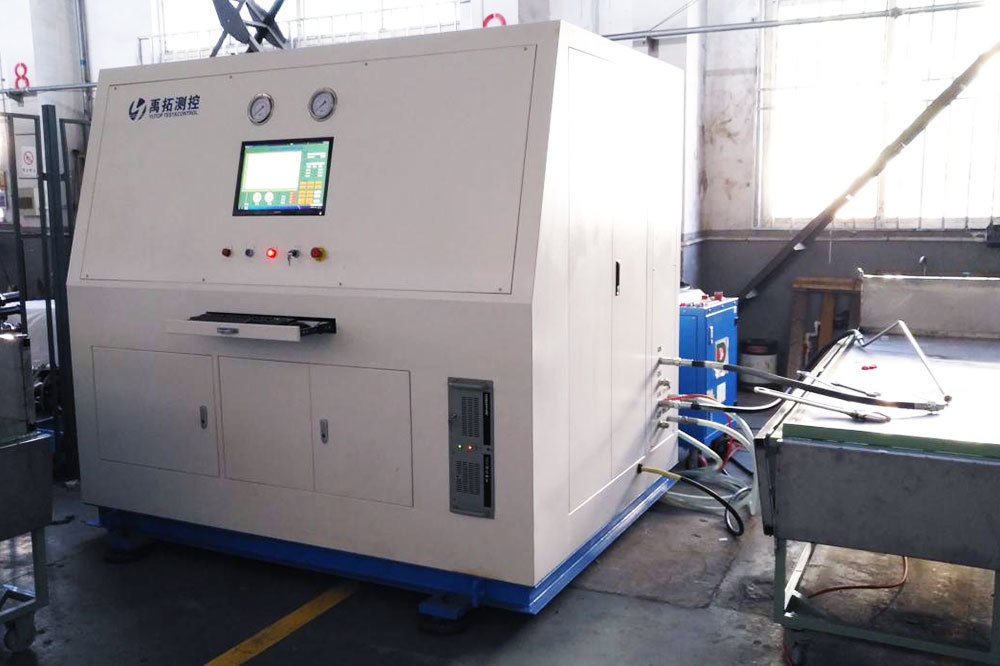
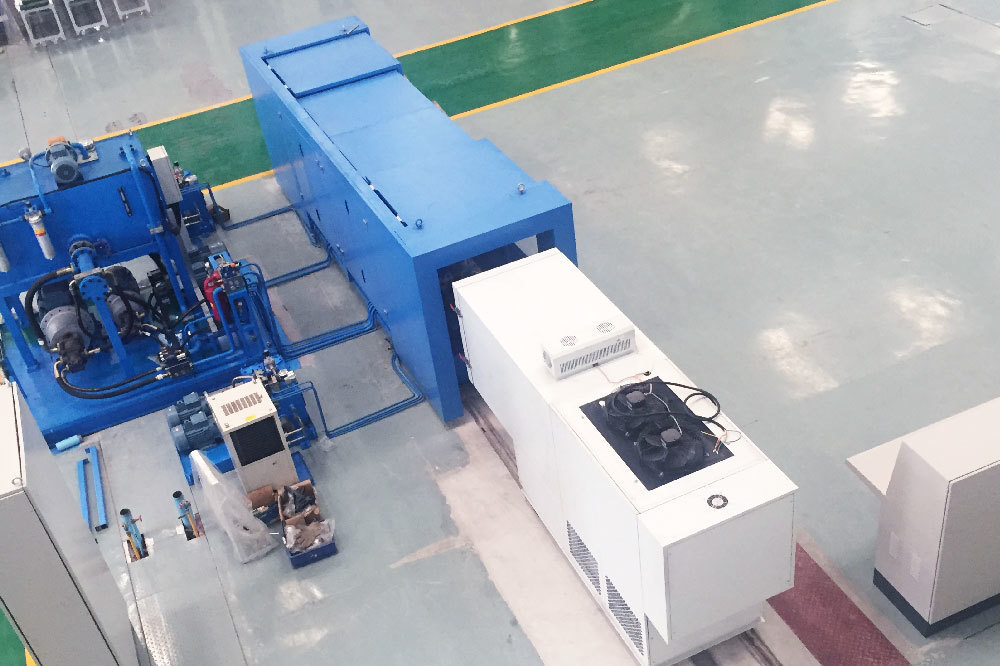
Piston pump testing equipment is designed to evaluate the performance, efficiency, and durability of piston pumps. These devices measure various parameters such as flow rate, pressure, and temperature under controlled conditions. The accuracy of testing plays a vital role in ensuring that pumps meet industry standards and customer expectations. As we look towards the future, it’s crucial to understand the technological advancements and trends impacting this equipment.
2. Importance of Testing Piston Pumps
Testing piston pumps is not merely a procedural formality; it's a critical component of pump engineering. Rigorous testing ensures that pumps operate safely and efficiently, reducing the risk of failures in the field. Here are several key reasons why testing is essential:
- **Performance Validation**: Testing verifies that the pump performs according to specifications, ensuring that it delivers the required flow rates and pressures.
- **Safety Assurance**: By identifying potential issues before deployment, testing helps prevent accidents and malfunctions that could endanger personnel and infrastructure.
- **Longevity and Maintenance**: Regular testing can help predict maintenance needs, extending the service life of the pump and reducing costly downtime.
- **Compliance with Standards**: Many industries have strict regulations regarding pump performance and safety. Testing helps manufacturers comply with these requirements.
3. Current Trends in Piston Pump Testing
Several trends are currently shaping the piston pump testing industry:
- **Increased Use of Automation**: Automation technologies are being integrated into testing equipment, allowing for more efficient and accurate testing processes.
- **Advanced Materials**: The development of new materials for piston pumps enhances their performance and longevity, necessitating more sophisticated testing methods.
- **Focus on Energy Efficiency**: As industries strive to reduce their carbon footprints, testing equipment is evolving to assess energy consumption and efficiency.
4. Automation in Piston Pump Testing
Automation is revolutionizing the way piston pump testing is conducted. Automated testing systems reduce human error and increase the consistency of results. Key benefits include:
- **Enhanced Precision**: Automated systems can conduct tests with high levels of accuracy, ensuring reliable data collection.
- **Time Efficiency**: Automated testing reduces the time required to complete tests, allowing for faster product development cycles.
- **Real-Time Monitoring**: Many automated testing solutions provide real-time data analysis, enabling instant decision-making and adjustments.
5. Sustainability Considerations in Testing
As industries become more environmentally conscious, the demand for sustainable practices in the testing of piston pumps is rising. This includes:
- **Eco-Friendly Testing Methods**: Utilizing testing methods that minimize waste and energy consumption.
- **Water and Resource Conservation**: Implementing techniques that conserve water and other resources during testing processes.
- **Lifecycle Analysis**: Conducting comprehensive assessments of the environmental impact of piston pumps throughout their lifecycle.
6. Digital Transformation and IoT Integration
The digital transformation is profoundly impacting piston pump testing. The integration of the **Internet of Things (IoT)** allows for unprecedented connectivity and data collection. Here’s how:
- **Connected Devices**: Piston pumps equipped with IoT sensors can transmit performance data in real-time, facilitating remote monitoring.
- **Data-Driven Insights**: The collection of extensive data enables predictive maintenance, reducing unexpected failures and optimizing performance.
- **Enhanced Collaboration**: Cloud-based platforms allow engineers and stakeholders to collaborate more effectively on testing processes and outcomes.
7. The Role of Data Analytics in Testing
Data analytics is becoming an essential component of piston pump testing. By analyzing test results, companies can uncover valuable insights that lead to improved pump designs and testing procedures. Key advantages include:
- **Identifying Trends**: Analyzing historical data can reveal trends in pump performance and reliability, guiding future designs.
- **Optimizing Testing Protocols**: Data analytics helps refine testing procedures, making them more efficient and effective.
- **Benchmarking Performance**: Companies can compare their pump performance against industry standards, ensuring they remain competitive.
8. Future Outlook for Piston Pump Testing Equipment
Looking ahead, several exciting developments are on the horizon for piston pump testing equipment:
- **Smart Testing Solutions**: The future will likely see an increase in smart testing solutions that leverage AI and machine learning to optimize testing processes and outcomes.
- **Greater Customization**: Manufacturers may offer more customizable testing equipment tailored to specific industrial applications.
- **Emphasis on Hybrid Testing Systems**: Combining traditional testing methods with advanced technologies will enhance the flexibility and scope of testing.
9. Frequently Asked Questions
1. What is a piston pump?
Piston pumps are positive displacement pumps that use a piston to move fluid through a cylinder, making them suitable for high-pressure applications.
2. Why is testing important for piston pumps?
Testing ensures that piston pumps meet performance standards, operate safely, and have a longer service life.
3. How has automation improved piston pump testing?
Automation enhances precision, reduces testing time, and enables real-time monitoring of test results.
4. What role does IoT play in piston pump testing?
IoT allows for real-time data collection and monitoring, facilitating predictive maintenance and improved performance insights.
5. What are the sustainability considerations in piston pump testing?
Sustainability in testing includes eco-friendly practices, water conservation, and lifecycle analysis for environmental impact.
10. Conclusion
The future of piston pump testing equipment is poised for transformation. With advancements in automation, digital technologies, and sustainability practices, the industry is moving toward more efficient, reliable, and environmentally friendly testing solutions. As we embrace these trends, stakeholders can ensure that piston pumps continue to meet the demands of various applications while enhancing performance and safety. Staying informed about these developments will empower manufacturers and engineers to adapt and thrive in an ever-evolving landscape.
PREVIOUS:

Room 207, 2nd Floor, Block C, Building 1 (Self-designated), No. 3 Yunkai Road, Yunpu Industrial Zone, Huangpu District, Guangzhou City,China


