

How a Gear Pump Test Bench Enhances Pump Performance Testing
How a Gear Pump Test Bench Enhances Pump Performance Testing Table of Contents 1. Introduction to Gear Pumps and Their Importance 2. Understanding Gear Pump Test Benches 3. Key Components of a Gear Pump Test Bench 3.1 The Role of Flow Meters 3.2 Pressure Measurement Systems 3.3 Control Systems and Data Acquisition 4. Benefits of Using a Gear Pump Test Bench 4.1 Improved Accuracy in Performance Tes
Nov 11,2025
How a Gear Pump Test Bench Enhances Pump Performance Testing
Table of Contents
1. Introduction to Gear Pumps and Their Importance
2. Understanding Gear Pump Test Benches
3. Key Components of a Gear Pump Test Bench
3.1 The Role of Flow Meters
3.2 Pressure Measurement Systems
3.3 Control Systems and Data Acquisition
4. Benefits of Using a Gear Pump Test Bench
4.1 Improved Accuracy in Performance Testing
4.2 Enhanced Reliability and Durability Assessments
5. Testing Methodologies for Gear Pumps
5.1 Standardized Testing Procedures
5.2 Custom Testing Scenarios
6. Common Applications of Gear Pump Test Benches
7. Maintenance and Calibration of Test Benches
8. FAQs about Gear Pump Performance Testing
9. Conclusion
1. Introduction to Gear Pumps and Their Importance
Gear pumps are essential components in various industrial applications, known for their ability to transfer fluids efficiently. Their design, featuring interlocking gears, enables the movement of liquids, including those that are viscous or contain solid particles. The reliability of gear pumps is critical; therefore, performance testing is paramount to ensure they operate at optimal efficiency.
2. Understanding Gear Pump Test Benches
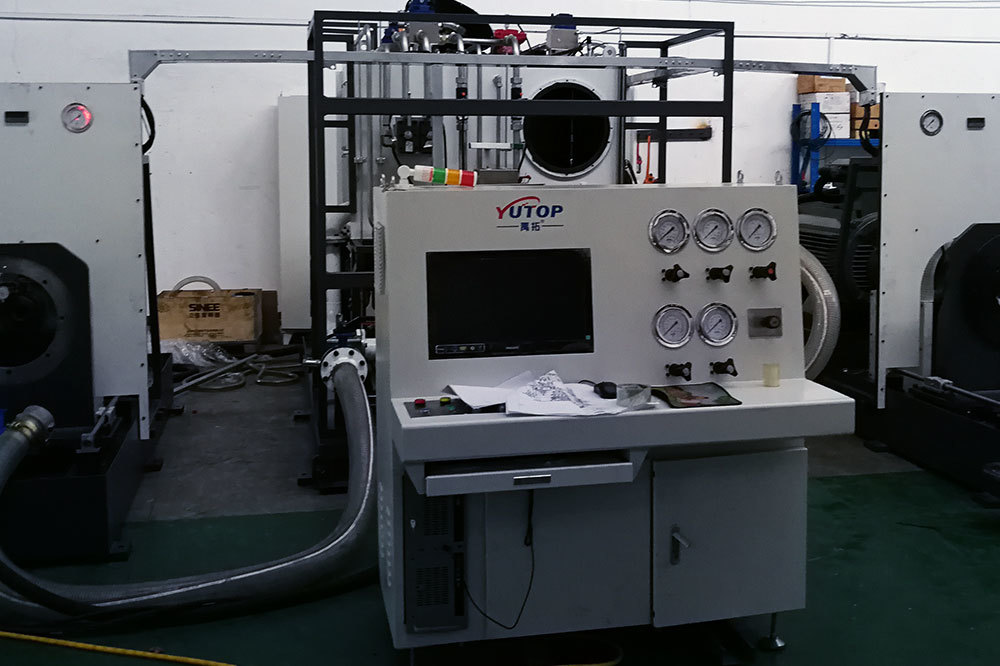
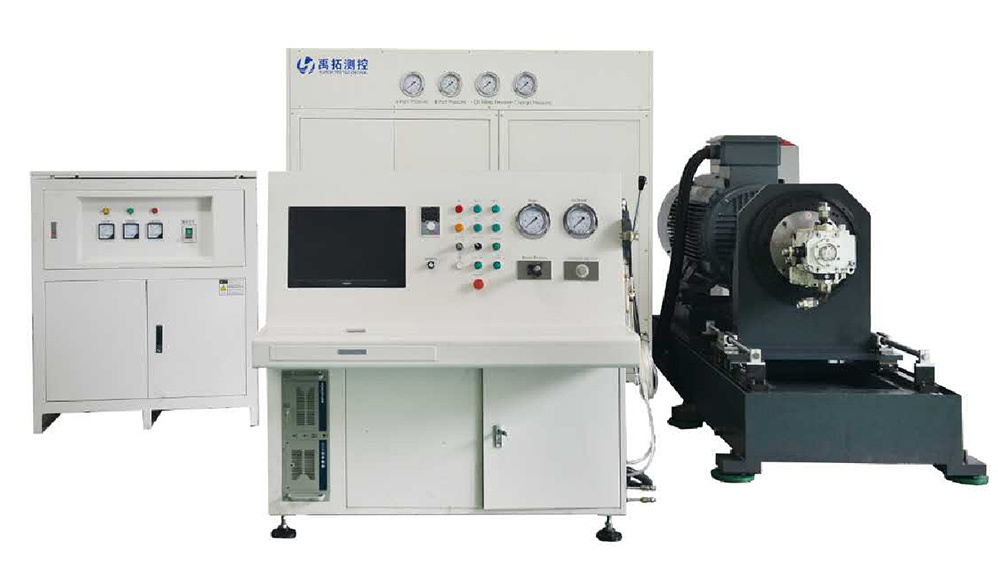
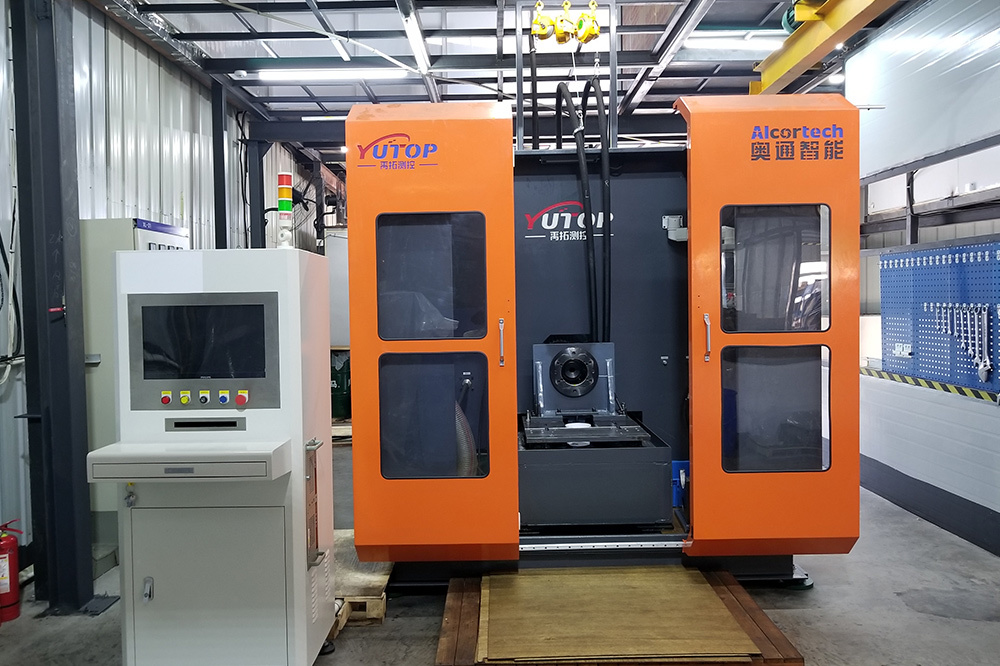
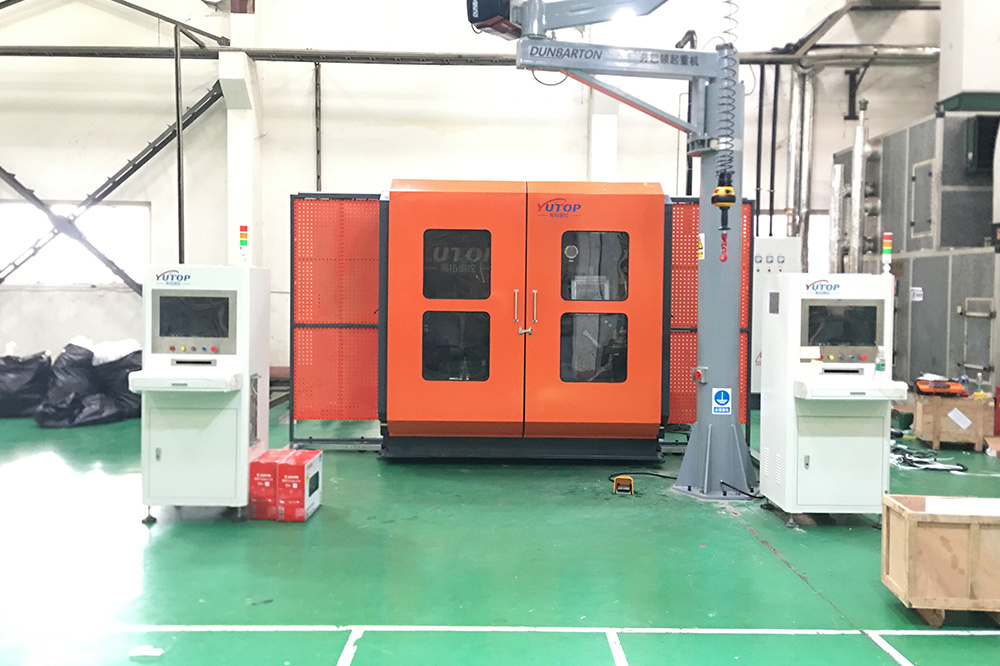
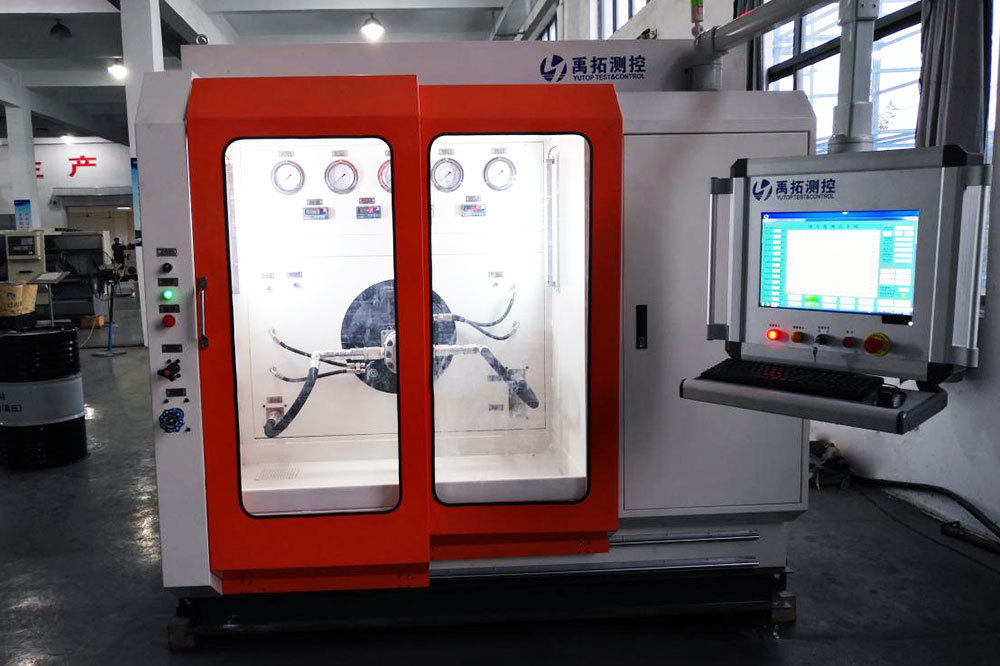
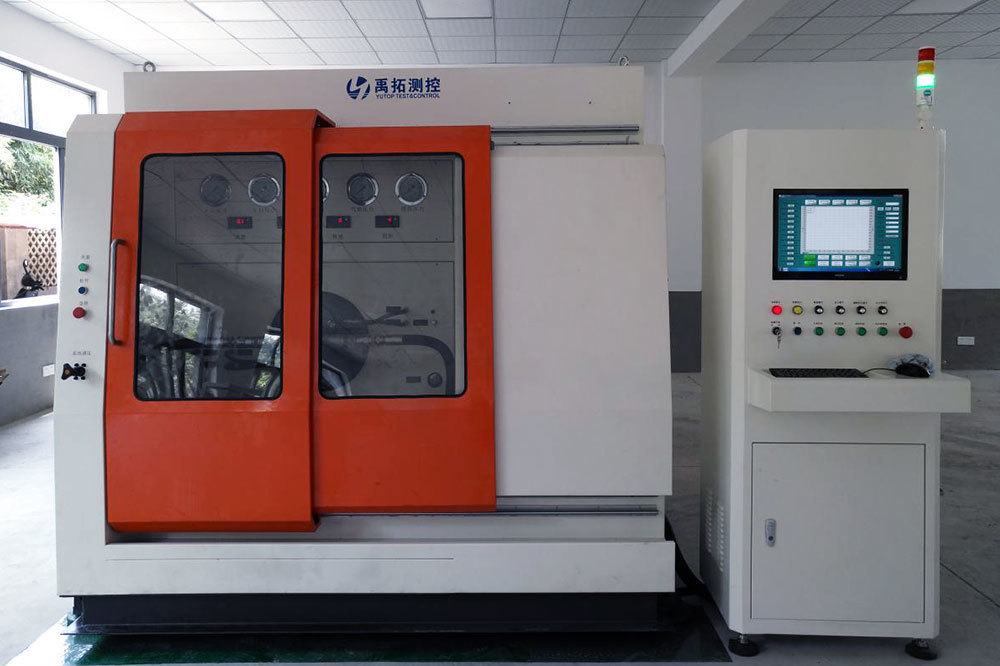
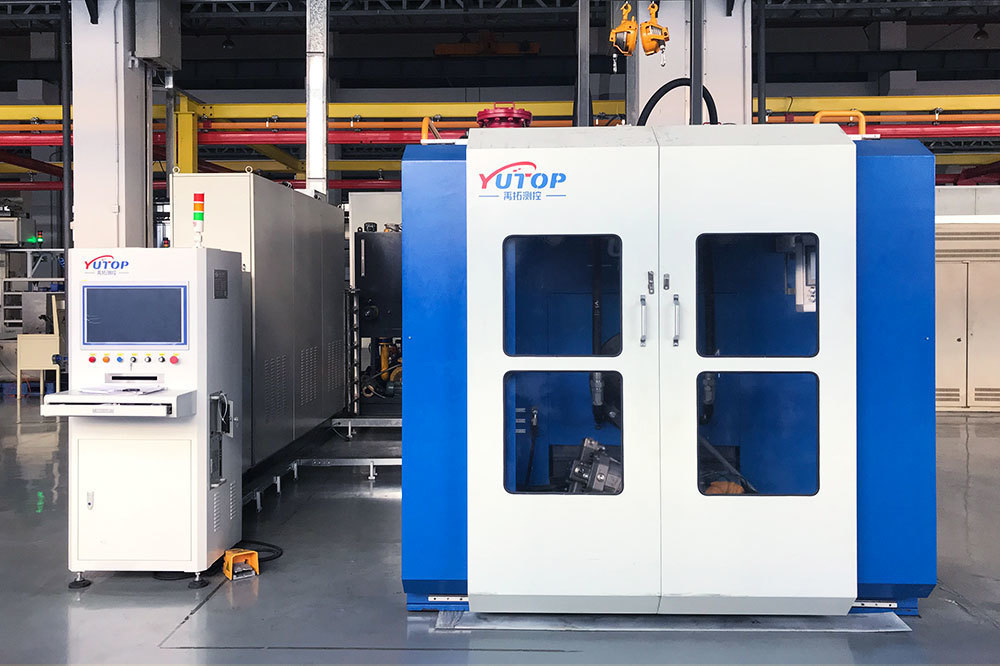
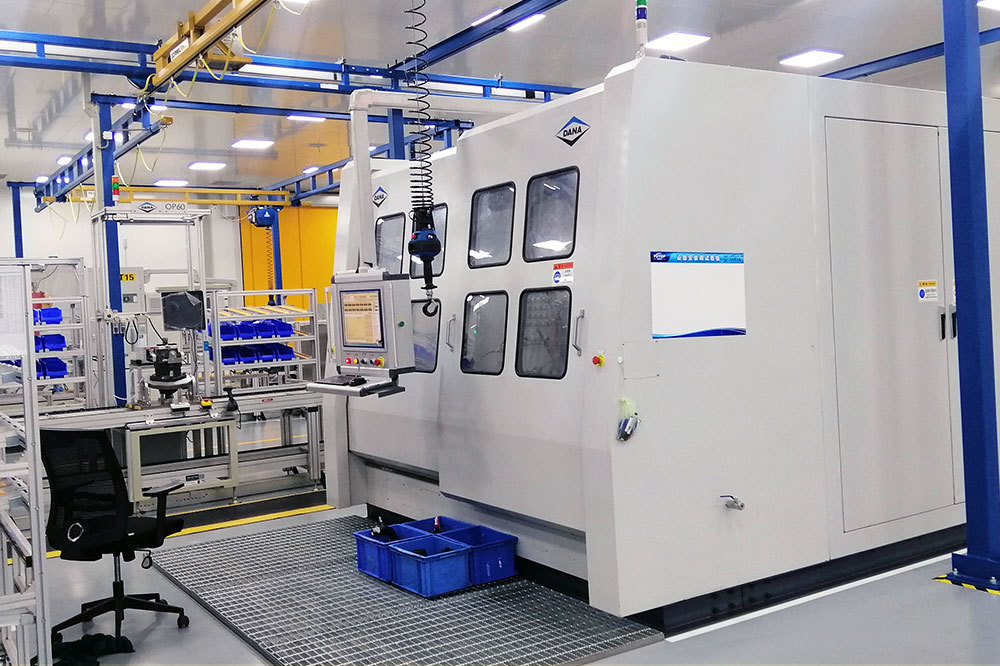
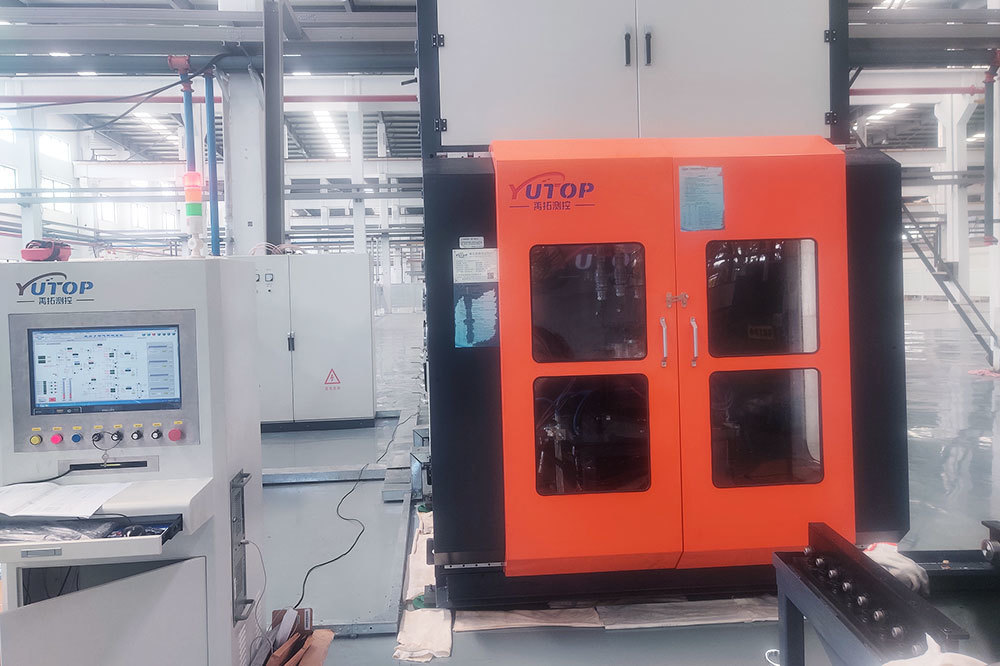
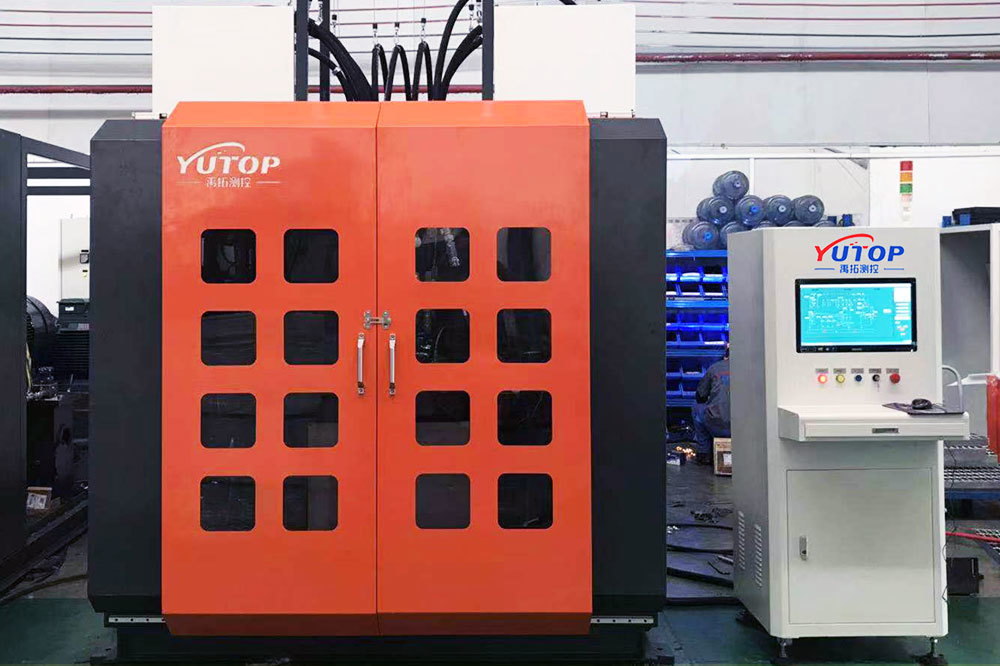
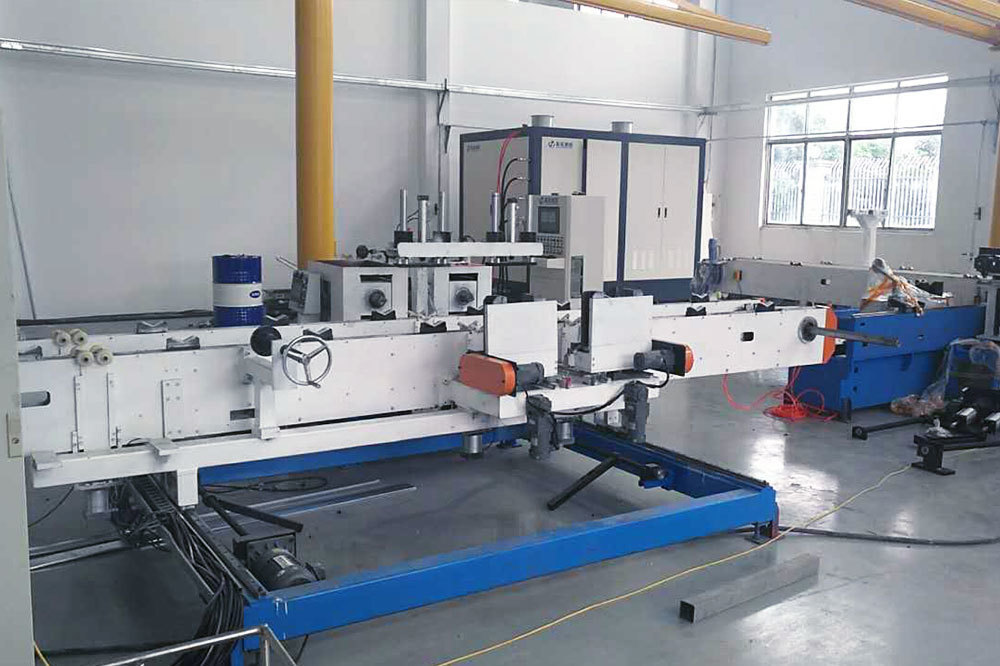
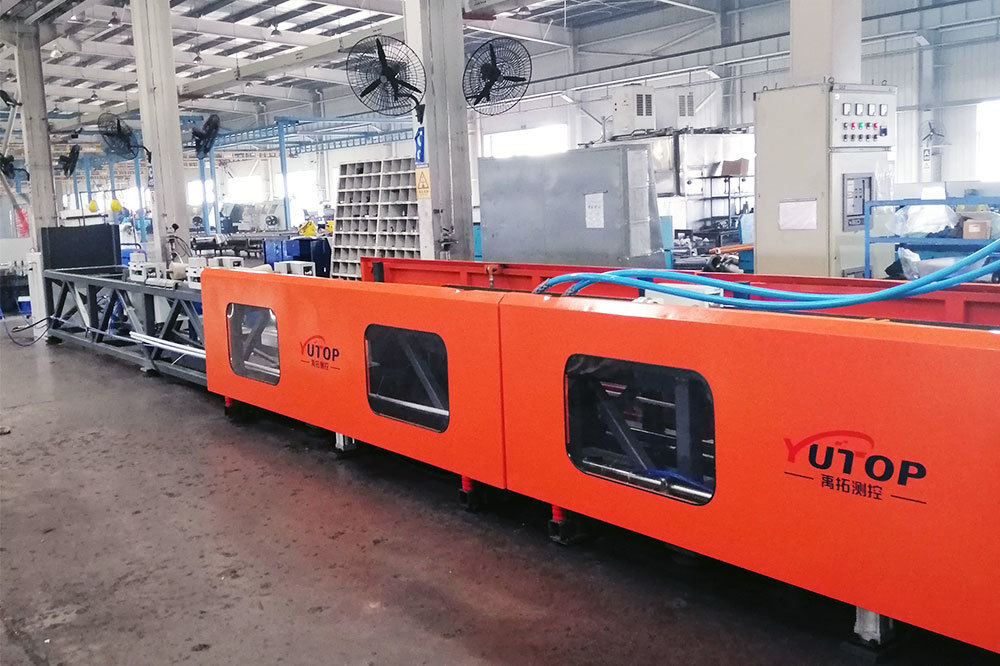
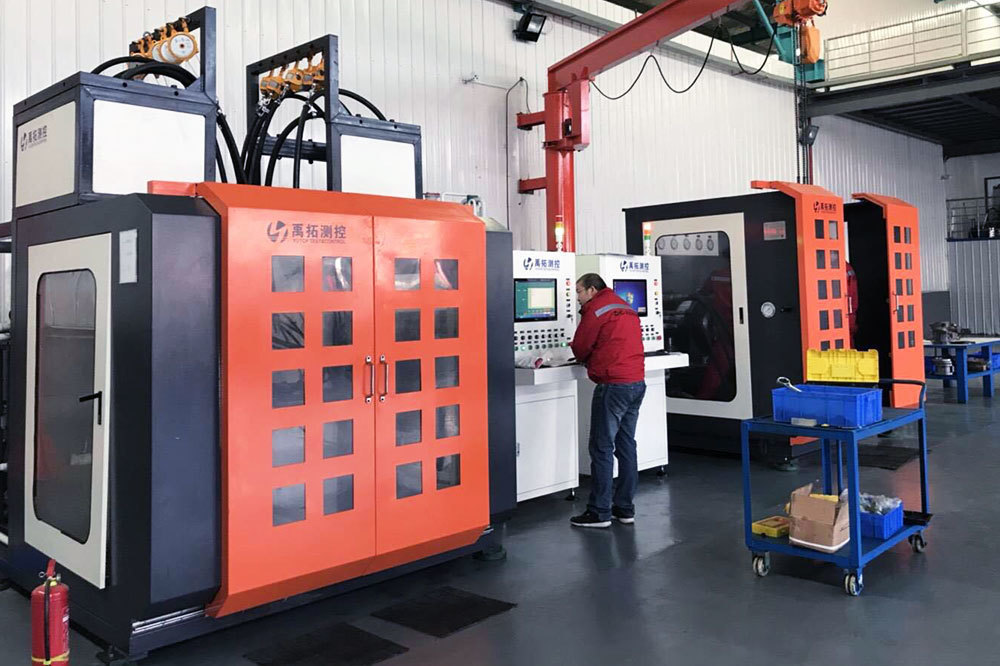
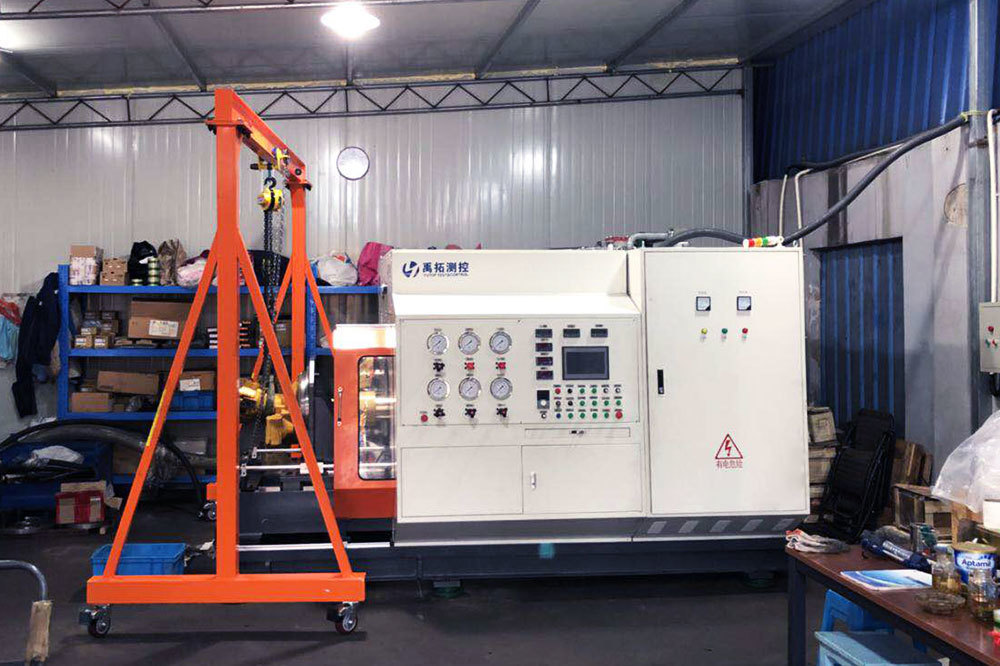
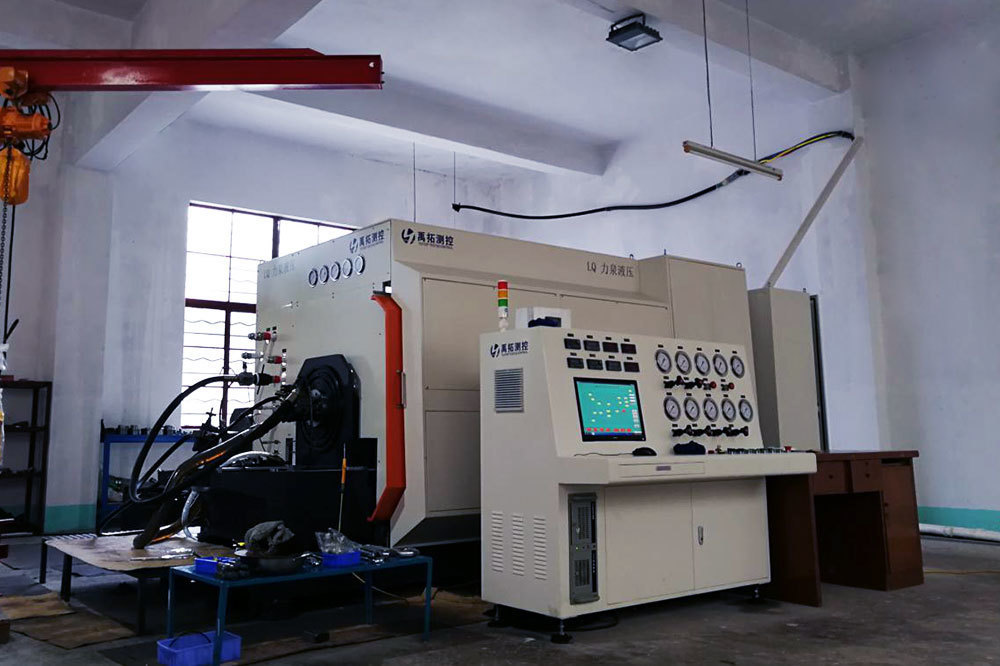
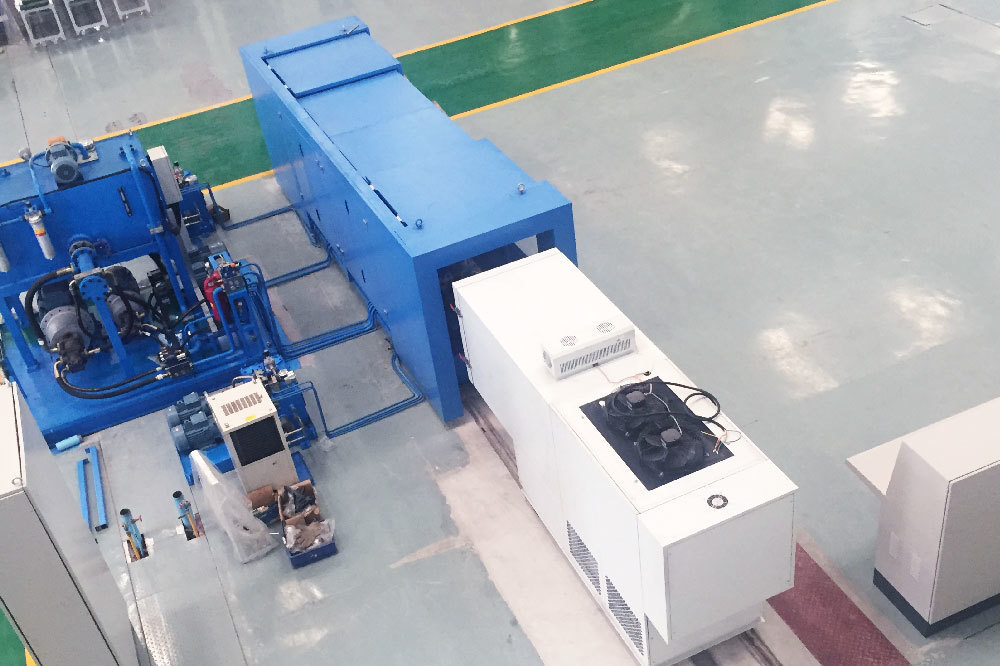
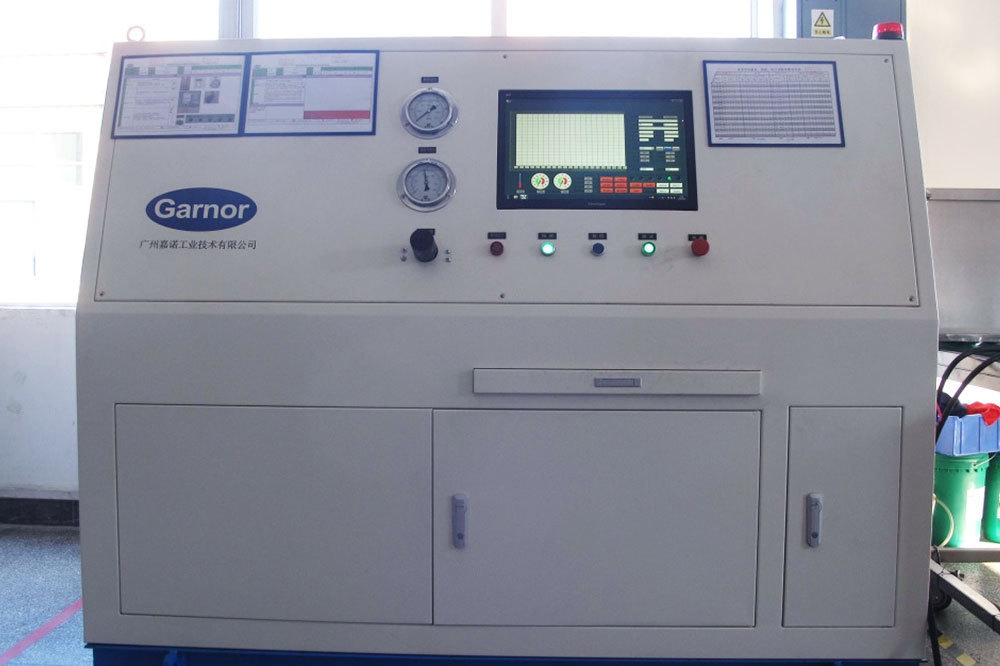
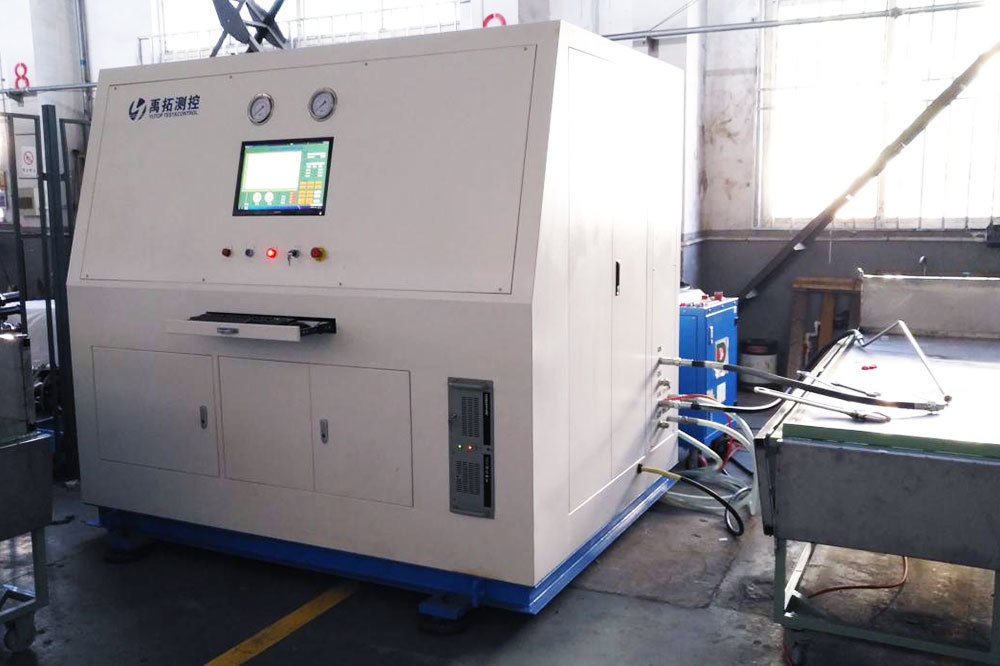
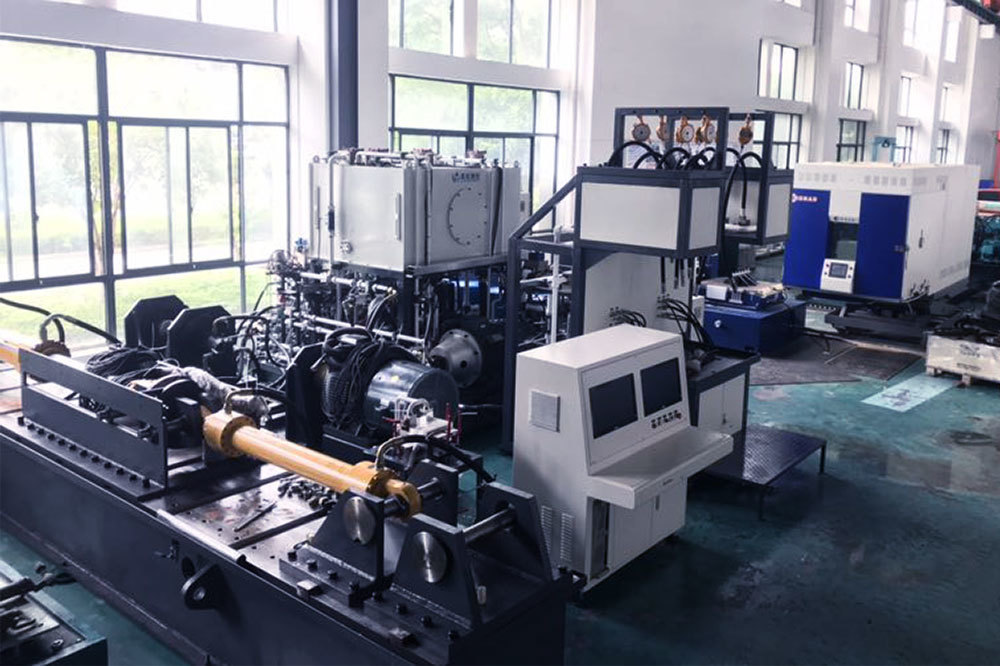
A gear pump test bench is a specialized setup designed to assess the performance of gear pumps under controlled conditions. This testing equipment provides a systematic approach to measure various performance parameters such as flow rate, pressure, and efficiency. By utilizing a test bench, manufacturers can simulate real-world scenarios, allowing for comprehensive evaluations that lead to improved product development.
3. Key Components of a Gear Pump Test Bench
The effectiveness of a gear pump test bench hinges on several key components, each designed to capture critical performance data.
3.1 The Role of Flow Meters
Flow meters are integral to the operation of a gear pump test bench. They measure the flow rate of the fluid being pumped, providing essential data that helps in evaluating pump efficiency and performance. Accurate flow measurement is vital for identifying any discrepancies that might affect the pump's operation.
3.2 Pressure Measurement Systems
Pressure measurement systems monitor the pressure within the pump and piping system. These systems help identify potential issues, such as cavitation or blockages, that could adversely affect pump performance. Monitoring pressure variations during tests allows engineers to assess how the pump reacts under different operating conditions.
3.3 Control Systems and Data Acquisition
Modern gear pump test benches incorporate advanced control systems and data acquisition tools. These systems facilitate the automation of testing procedures and the collection of performance data in real-time. The ability to analyze this data immediately allows for quicker adjustments and optimizations during the testing process.
4. Benefits of Using a Gear Pump Test Bench
Utilizing a gear pump test bench offers several advantages that contribute to the overall performance and reliability of gear pumps.
4.1 Improved Accuracy in Performance Testing
Accuracy is a cornerstone of pump testing. By employing a dedicated test bench, manufacturers can achieve precise measurements that reflect the pump's capabilities. This accuracy is crucial for making informed decisions regarding design modifications and improvements.
4.2 Enhanced Reliability and Durability Assessments
A gear pump test bench enables extensive testing of a pump's durability under various conditions. By simulating extreme operating environments, engineers can assess how pumps will perform over time, leading to the development of more reliable products.
5. Testing Methodologies for Gear Pumps
There are several methodologies employed during gear pump testing, each designed to provide insights into different aspects of pump performance.
5.1 Standardized Testing Procedures
Standardized testing procedures offer a benchmark for evaluating gear pumps. These procedures typically follow industry standards, ensuring consistency in testing and results that can be compared across various products.
5.2 Custom Testing Scenarios
Custom testing scenarios allow manufacturers to evaluate gear pumps in specific conditions tailored to their unique requirements. This flexibility ensures that pumps are tested for the exact applications they will encounter in the field, enhancing their overall reliability.
6. Common Applications of Gear Pump Test Benches
Gear pump test benches find application in numerous industries, including oil and gas, chemical processing, and food and beverage manufacturing. In each of these sectors, ensuring pump reliability and efficiency is crucial for operational success.
7. Maintenance and Calibration of Test Benches
Regular maintenance and calibration of gear pump test benches are essential for sustained performance. Calibration ensures that all measurement devices provide accurate readings, while maintenance prevents equipment failure that could compromise testing integrity.
8. FAQs about Gear Pump Performance Testing
What is the purpose of a gear pump test bench?
A gear pump test bench is used to evaluate the performance metrics of gear pumps, such as flow rate and pressure, under controlled conditions.
How does a gear pump perform under high viscosity conditions?
Gear pumps are well-suited for high viscosity fluids, and testing can reveal how performance varies with different fluid viscosities.
What are the key performance metrics for gear pumps?
Key metrics include flow rate, pressure, efficiency, and durability under varying operational conditions.
Can customized tests be performed on gear pumps?
Yes, custom tests can be designed to simulate specific operational environments, allowing for a thorough performance assessment.
How often should maintenance be performed on a test bench?
Routine maintenance should be conducted regularly, with calibration checks performed at least annually to ensure accurate performance measurements.
9. Conclusion
In summary, gear pump test benches play an indispensable role in enhancing pump performance testing. By providing a controlled environment for comprehensive assessments, they contribute to the development of reliable, efficient gear pumps tailored for various industrial applications. Investing in quality testing equipment and methodologies not only ensures accurate data but also fosters innovation and improvement in pump design, ultimately leading to better performance outcomes.

Room 207, 2nd Floor, Block C, Building 1 (Self-designated), No. 3 Yunkai Road, Yunpu Industrial Zone, Huangpu District, Guangzhou City,China


