

Essential Insights on Piston Pump Testing Equipment for Industrial Applications
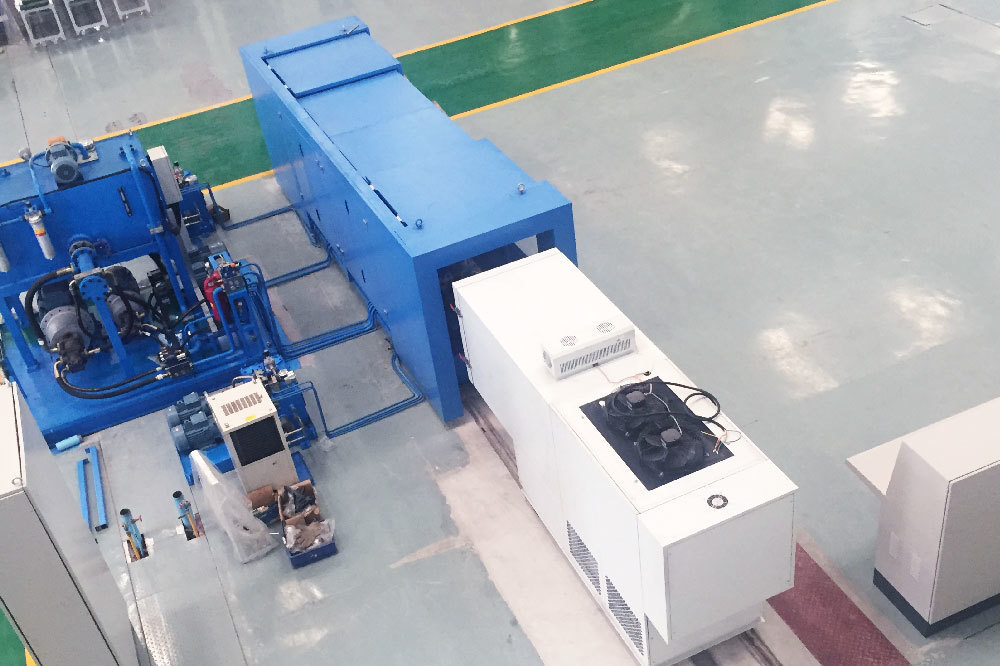
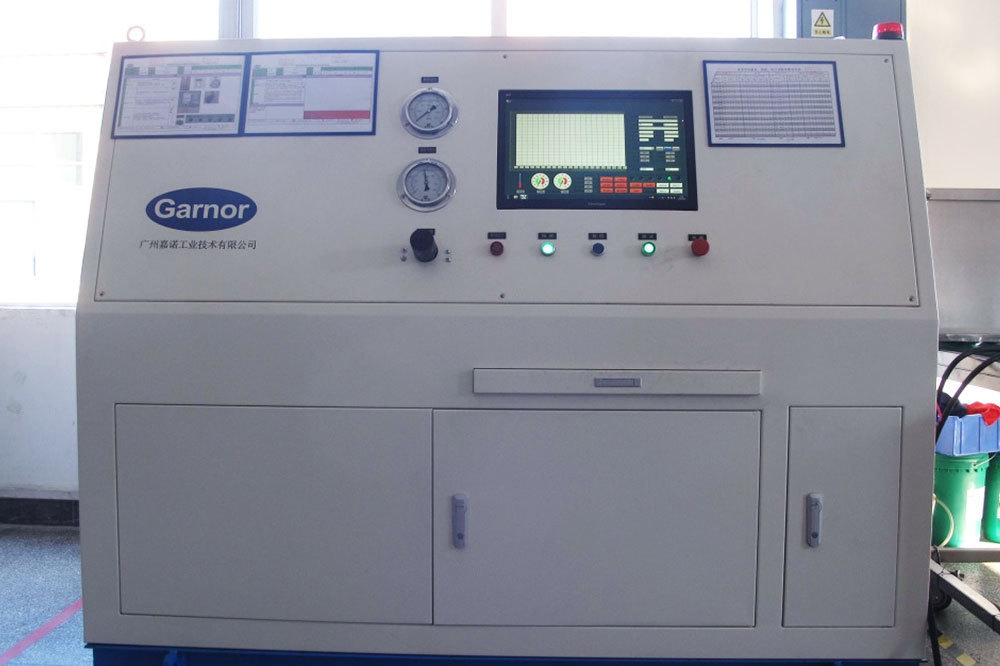
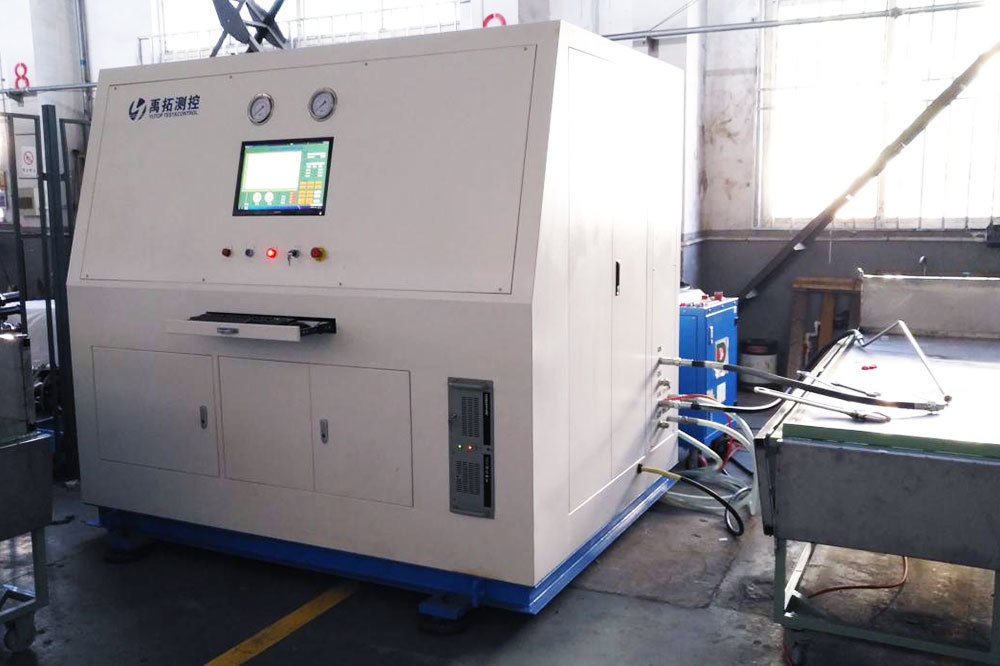
Piston pumps play a vital role in various industrial applications, providing reliable fluid handling solutions. To ensure their optimal performance, it is essential to use appropriate piston pump testing equipment. This equipment is designed to evaluate the functionality, efficiency, and durability of piston pumps under various operating conditions. Here are some key considerations and best practi
Nov 14,2025
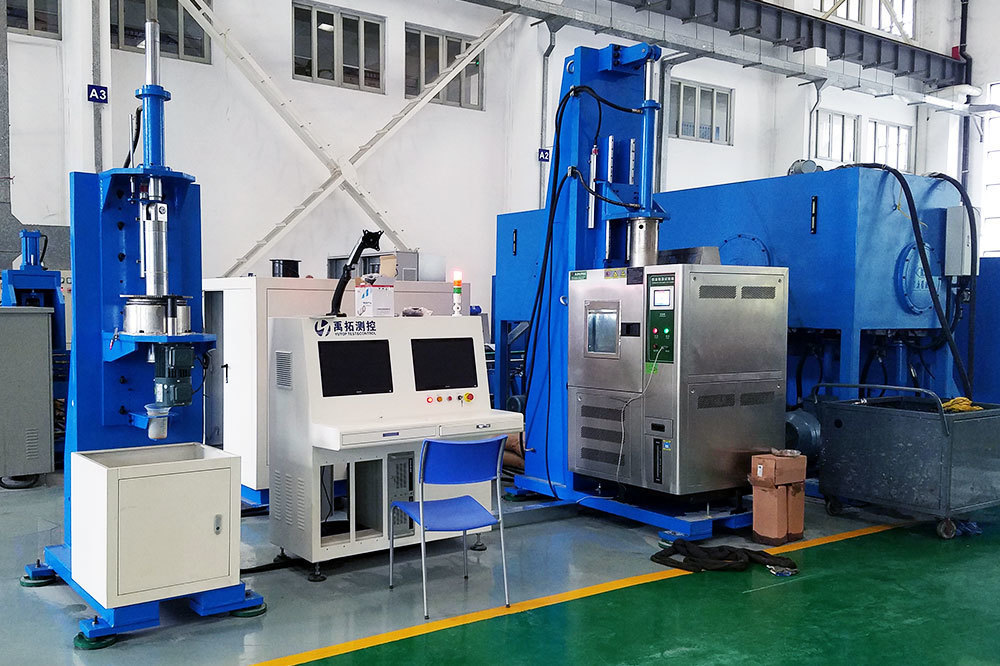
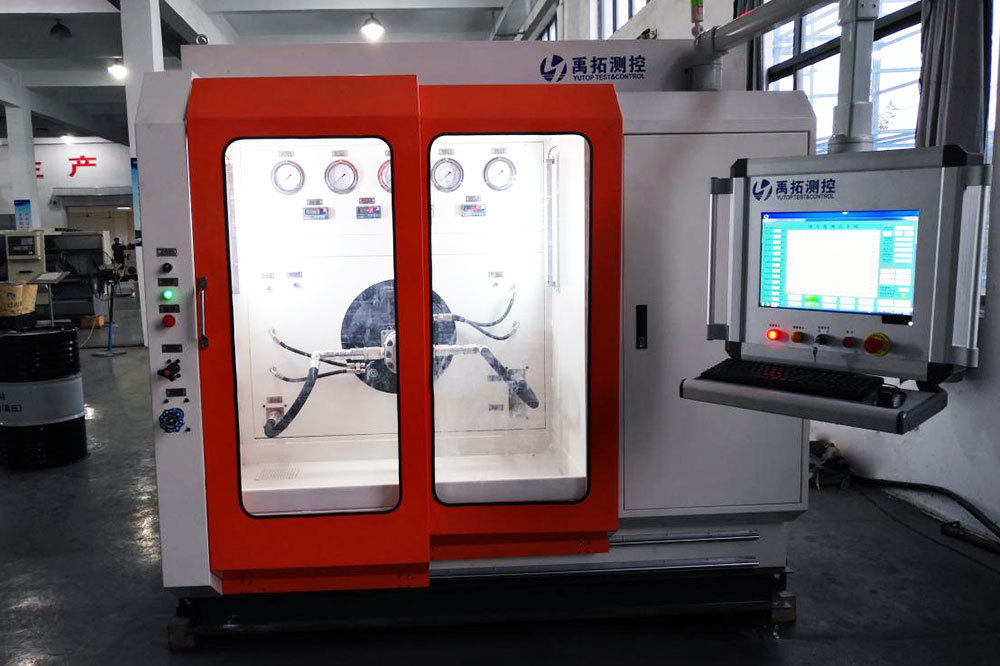
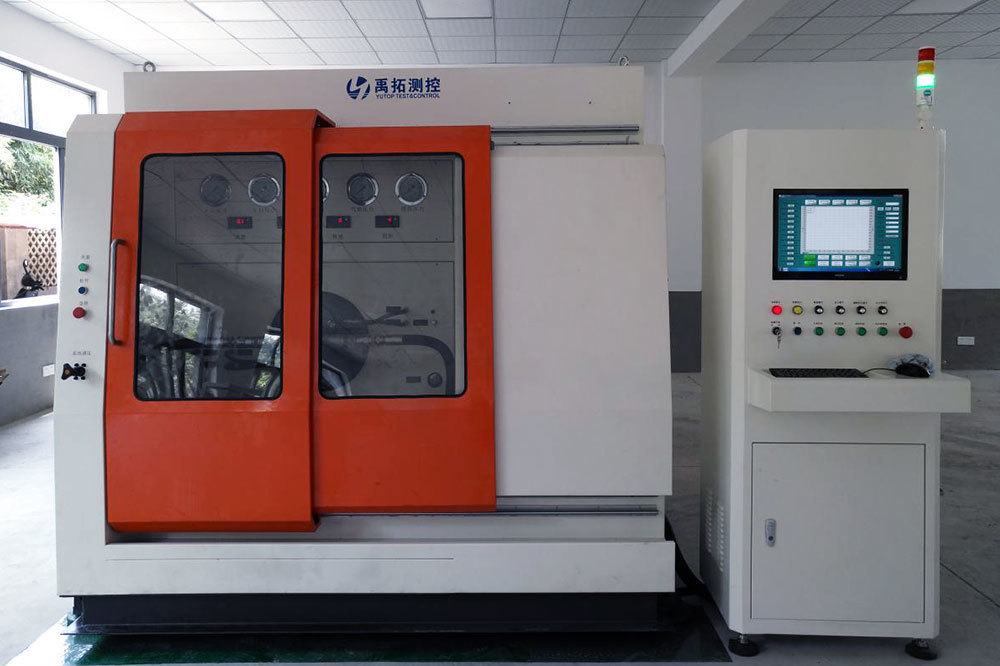
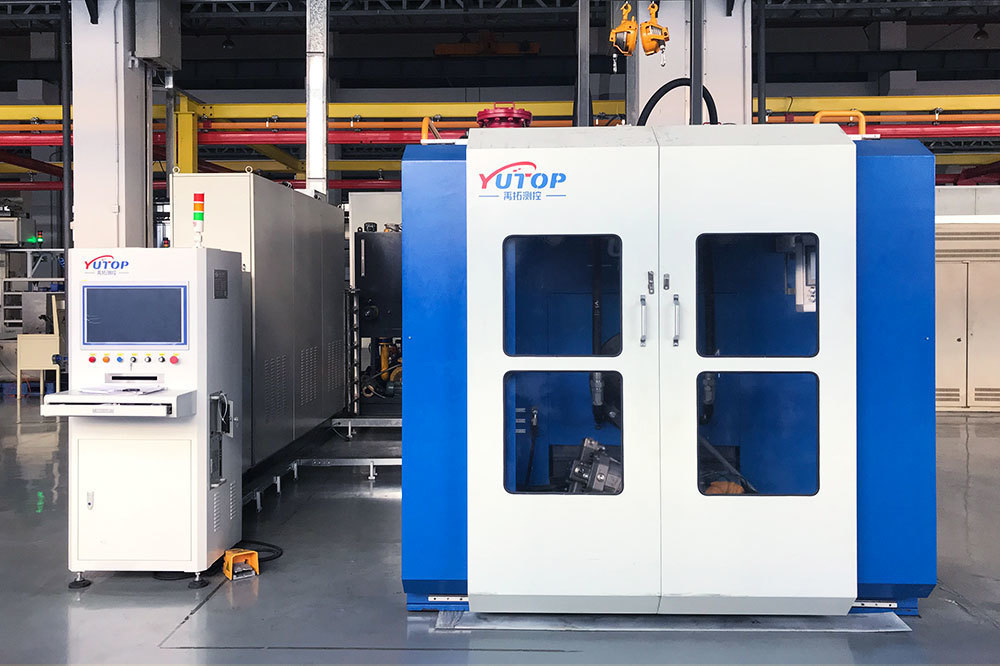
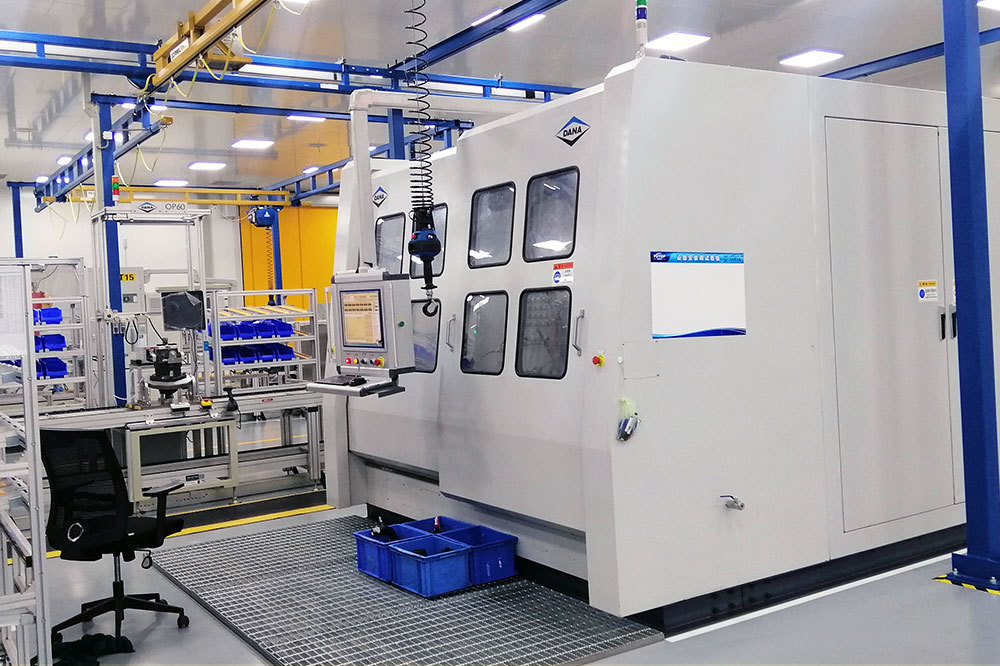
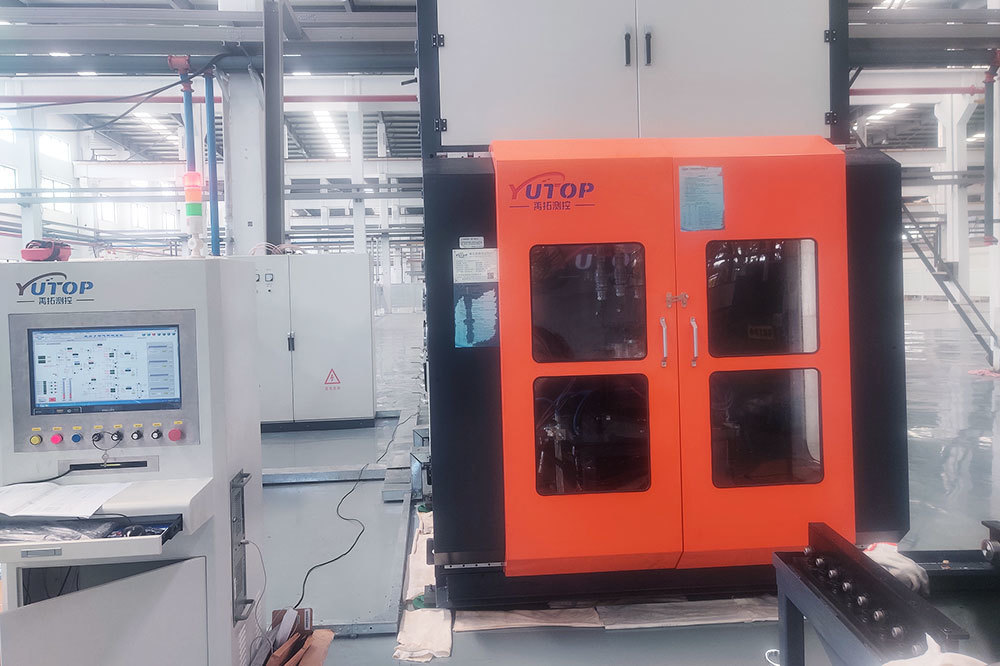
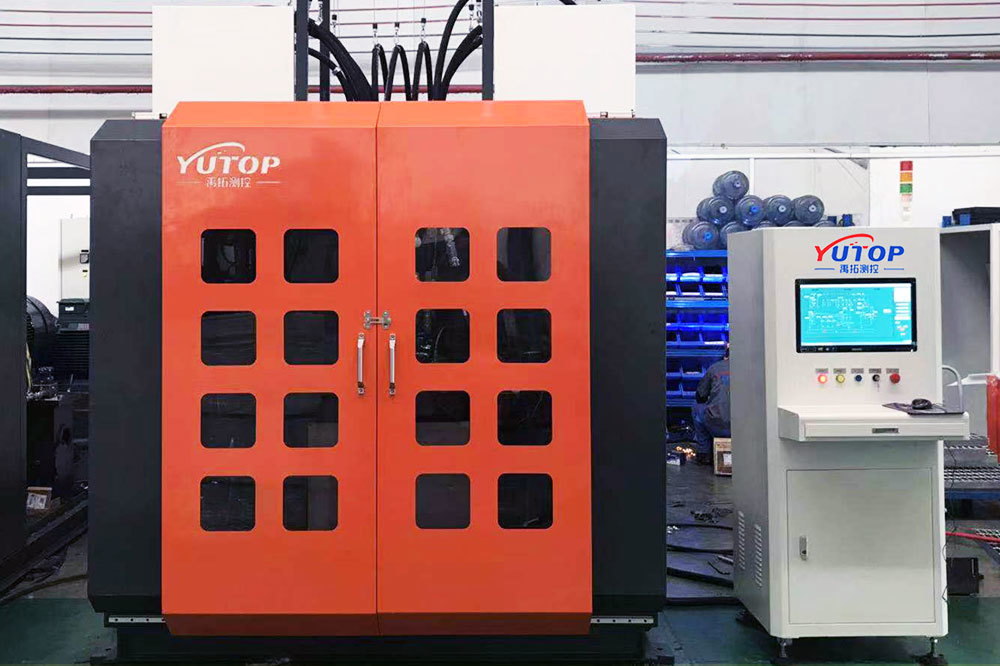
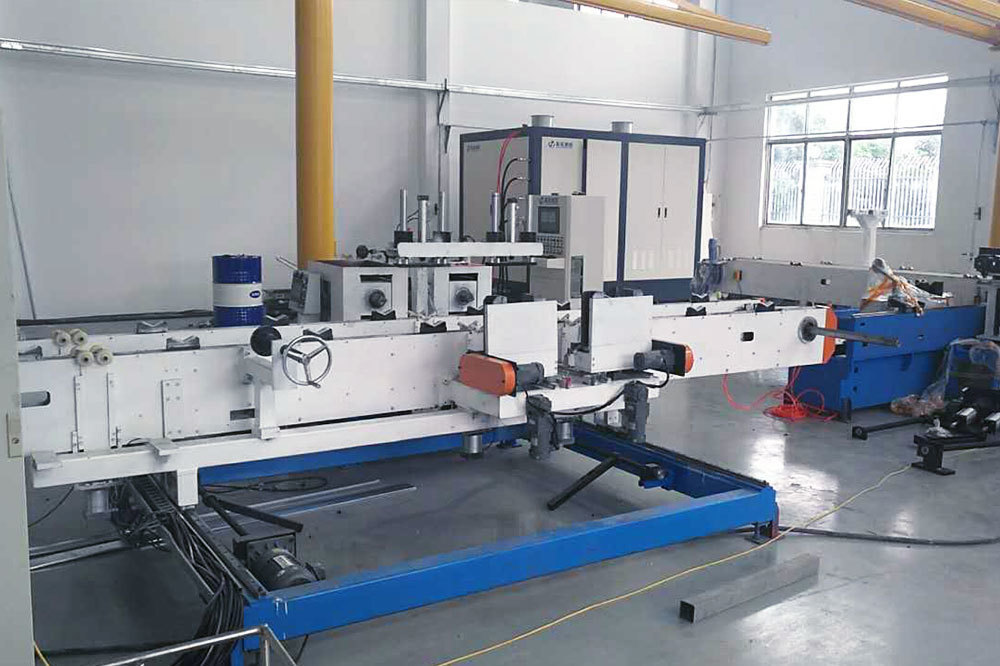
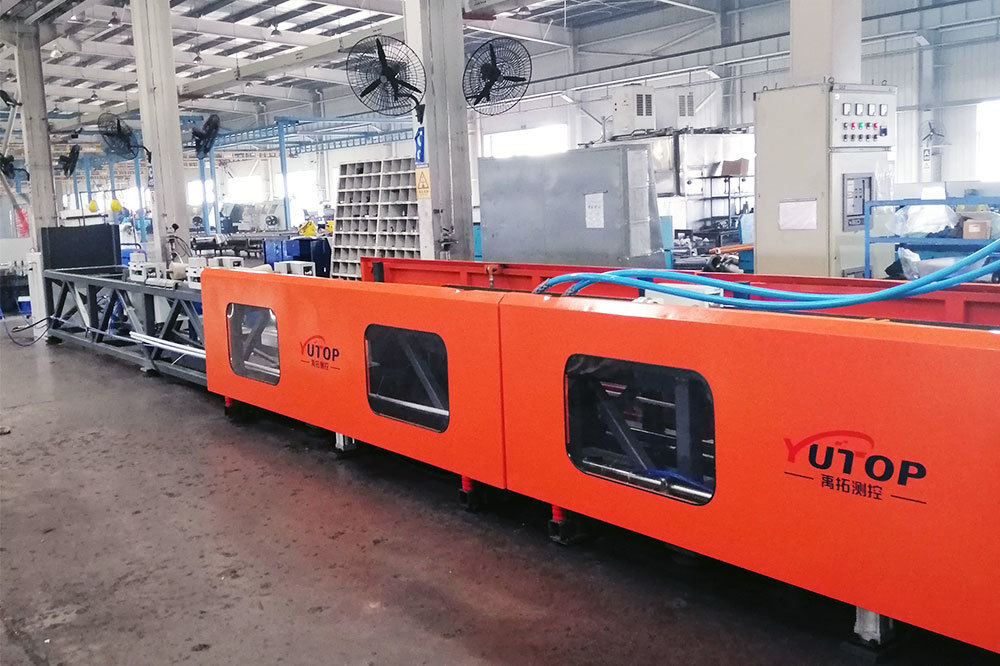
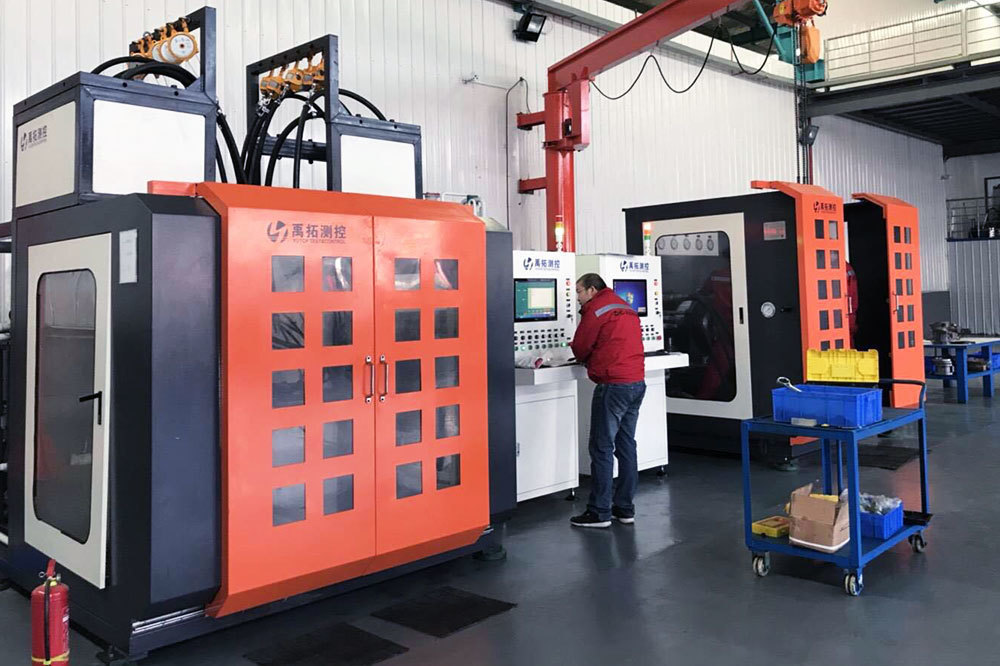
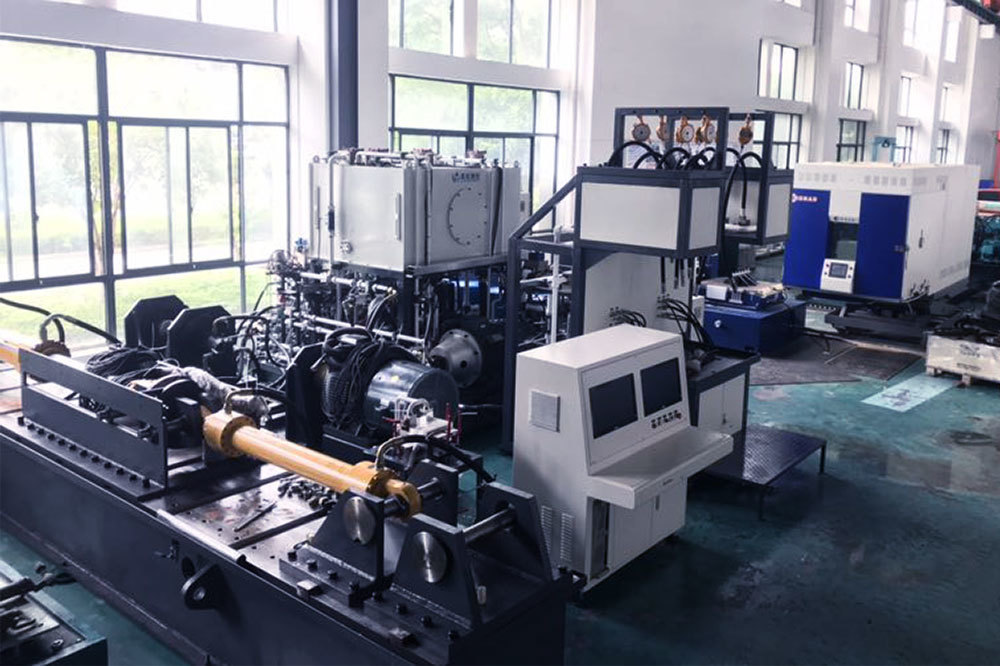
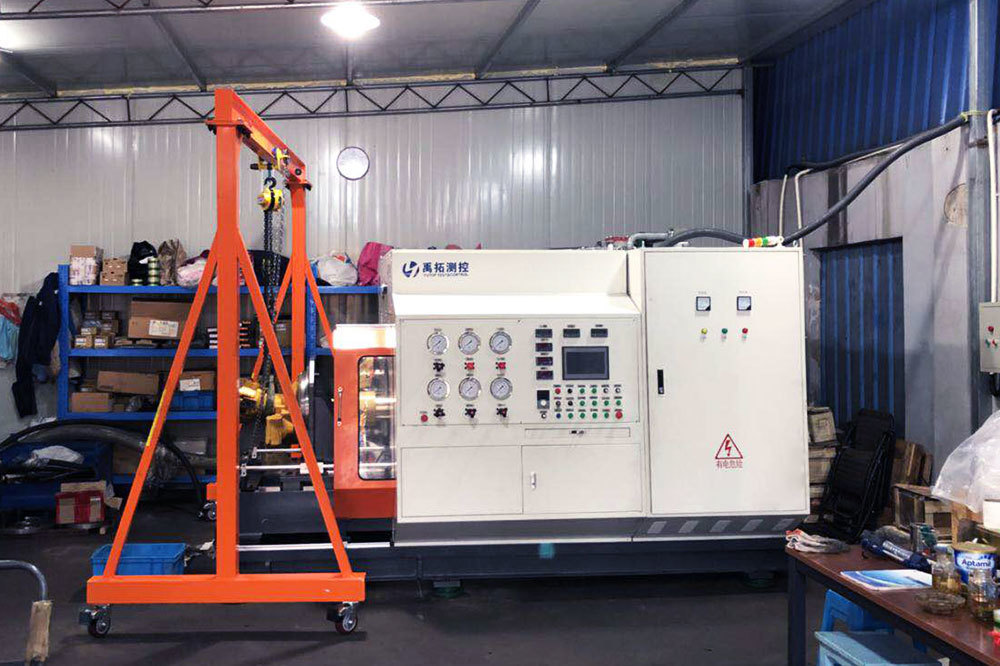
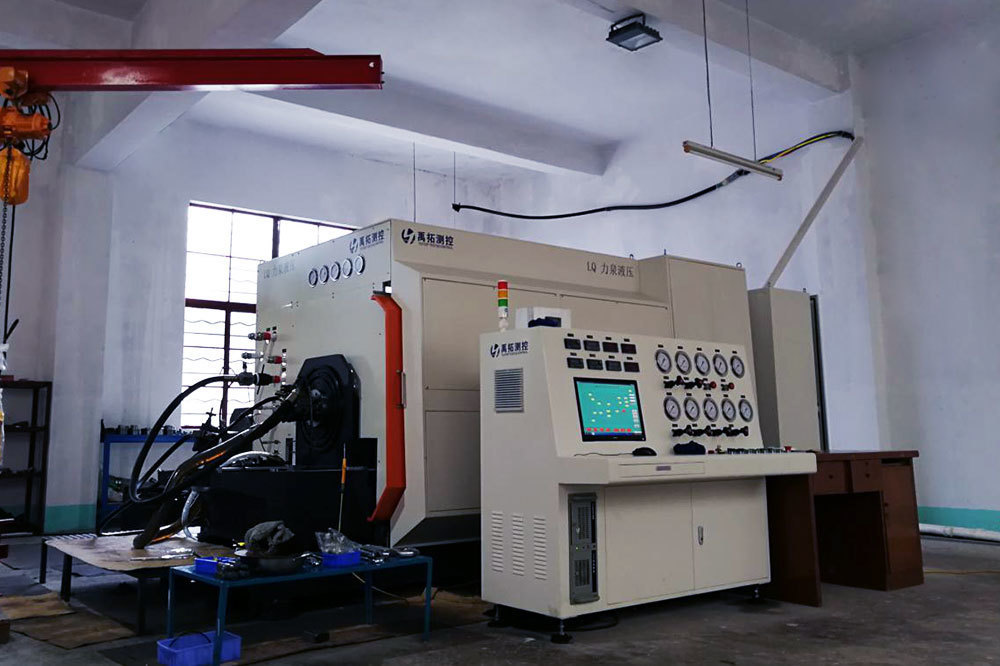
Piston pumps play a vital role in various industrial applications, providing reliable fluid handling solutions. To ensure their optimal performance, it is essential to use appropriate piston pump testing equipment. This equipment is designed to evaluate the functionality, efficiency, and durability of piston pumps under various operating conditions. Here are some key considerations and best practices for selecting and utilizing piston pump testing equipment effectively.
First and foremost, it’s crucial to identify the specific testing requirements for your piston pumps. Common tests include pressure tests, flow rate measurements, and efficiency assessments. Each of these tests provides valuable data that can be used to diagnose potential issues, optimize performance, and ensure adherence to operational standards. Therefore, your testing equipment should be capable of delivering precise measurements that correspond to these criteria.
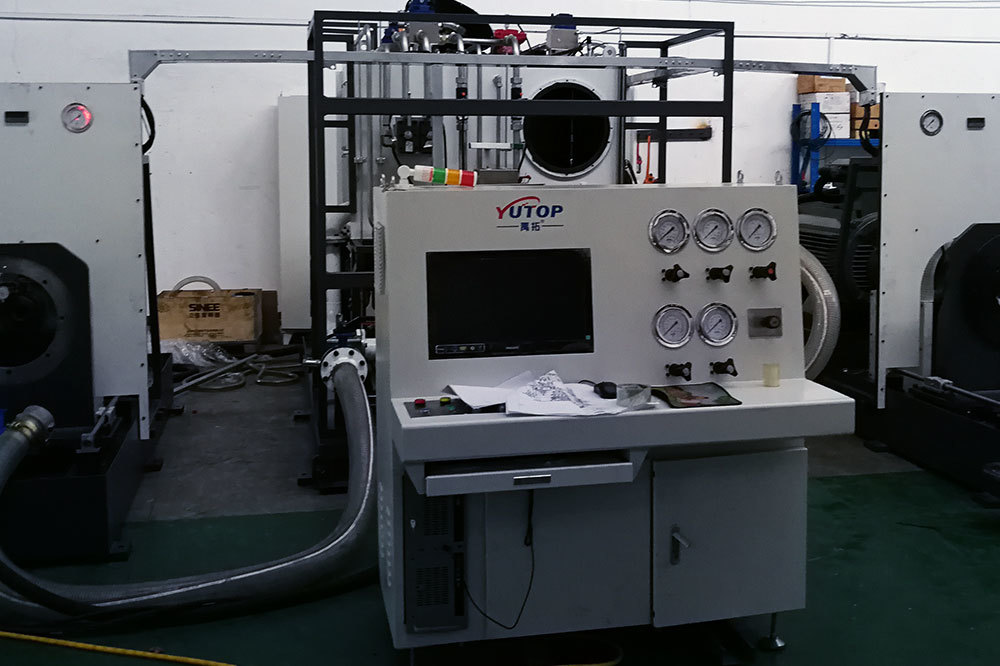
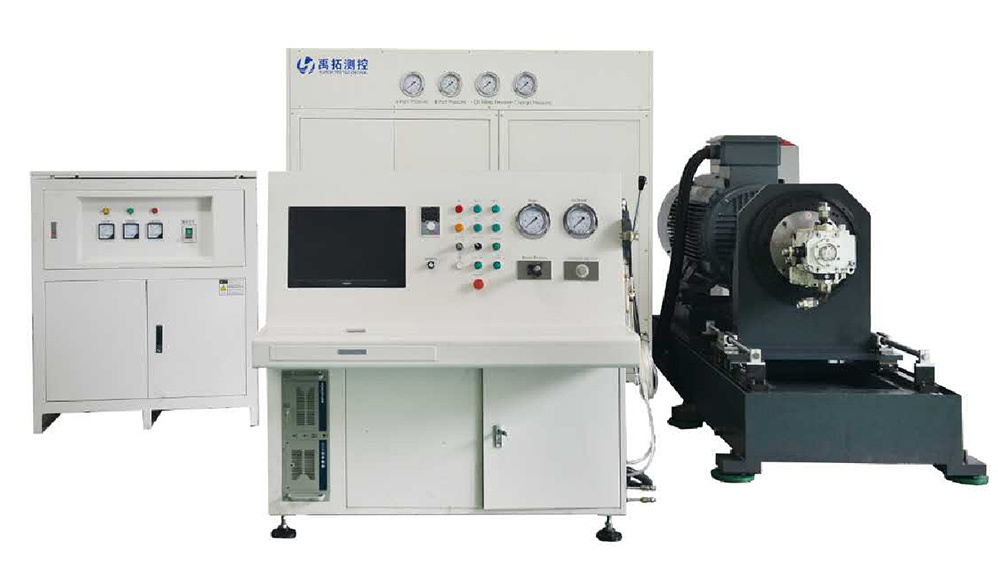
When selecting piston pump testing equipment, consider the following features: accuracy, range, and ease of use. High-precision sensors and gauges are essential for obtaining reliable data. The testing equipment should also cover a suitable range to accommodate different pump sizes and operating conditions. User-friendly interfaces can significantly improve the efficiency of testing procedures, allowing for quicker data collection and analysis.
Another critical aspect is the calibration of your testing equipment. Regular calibration ensures that your instruments are providing accurate readings, which is vital for making informed decisions regarding maintenance and operation. A well-calibrated system can help prevent premature pump failures and reduce operational downtime, ultimately saving costs and improving productivity.
In addition to the actual testing equipment, consider implementing a comprehensive testing protocol. This should outline step-by-step procedures for conducting various tests, recording results, and analyzing data. Documenting test results enables you to track trends over time, identify recurring issues, and make data-driven decisions regarding pump maintenance and replacement.
Training personnel on the use of piston pump testing equipment is equally important. Ensuring that your team understands how to operate the equipment effectively and interpret test results can enhance the overall reliability of your operations. Regular training sessions can help keep staff updated on the latest testing methodologies and equipment innovations.
Lastly, staying informed about advancements in piston pump testing technology can provide a competitive edge. New technologies may offer enhanced capabilities, such as automated testing processes, improved data analytics, and remote monitoring options. Embracing these innovations can lead to significant improvements in testing efficiency and accuracy.
In conclusion, piston pump testing equipment is a fundamental component of maintaining pump performance in industrial settings. By understanding the testing requirements, selecting appropriate equipment, and implementing effective protocols, professionals can ensure the reliability and efficiency of their piston pumps, ultimately contributing to improved operational success.
First and foremost, it’s crucial to identify the specific testing requirements for your piston pumps. Common tests include pressure tests, flow rate measurements, and efficiency assessments. Each of these tests provides valuable data that can be used to diagnose potential issues, optimize performance, and ensure adherence to operational standards. Therefore, your testing equipment should be capable of delivering precise measurements that correspond to these criteria.
When selecting piston pump testing equipment, consider the following features: accuracy, range, and ease of use. High-precision sensors and gauges are essential for obtaining reliable data. The testing equipment should also cover a suitable range to accommodate different pump sizes and operating conditions. User-friendly interfaces can significantly improve the efficiency of testing procedures, allowing for quicker data collection and analysis.
Another critical aspect is the calibration of your testing equipment. Regular calibration ensures that your instruments are providing accurate readings, which is vital for making informed decisions regarding maintenance and operation. A well-calibrated system can help prevent premature pump failures and reduce operational downtime, ultimately saving costs and improving productivity.
In addition to the actual testing equipment, consider implementing a comprehensive testing protocol. This should outline step-by-step procedures for conducting various tests, recording results, and analyzing data. Documenting test results enables you to track trends over time, identify recurring issues, and make data-driven decisions regarding pump maintenance and replacement.
Training personnel on the use of piston pump testing equipment is equally important. Ensuring that your team understands how to operate the equipment effectively and interpret test results can enhance the overall reliability of your operations. Regular training sessions can help keep staff updated on the latest testing methodologies and equipment innovations.
Lastly, staying informed about advancements in piston pump testing technology can provide a competitive edge. New technologies may offer enhanced capabilities, such as automated testing processes, improved data analytics, and remote monitoring options. Embracing these innovations can lead to significant improvements in testing efficiency and accuracy.
In conclusion, piston pump testing equipment is a fundamental component of maintaining pump performance in industrial settings. By understanding the testing requirements, selecting appropriate equipment, and implementing effective protocols, professionals can ensure the reliability and efficiency of their piston pumps, ultimately contributing to improved operational success.

Room 207, 2nd Floor, Block C, Building 1 (Self-designated), No. 3 Yunkai Road, Yunpu Industrial Zone, Huangpu District, Guangzhou City,China


