

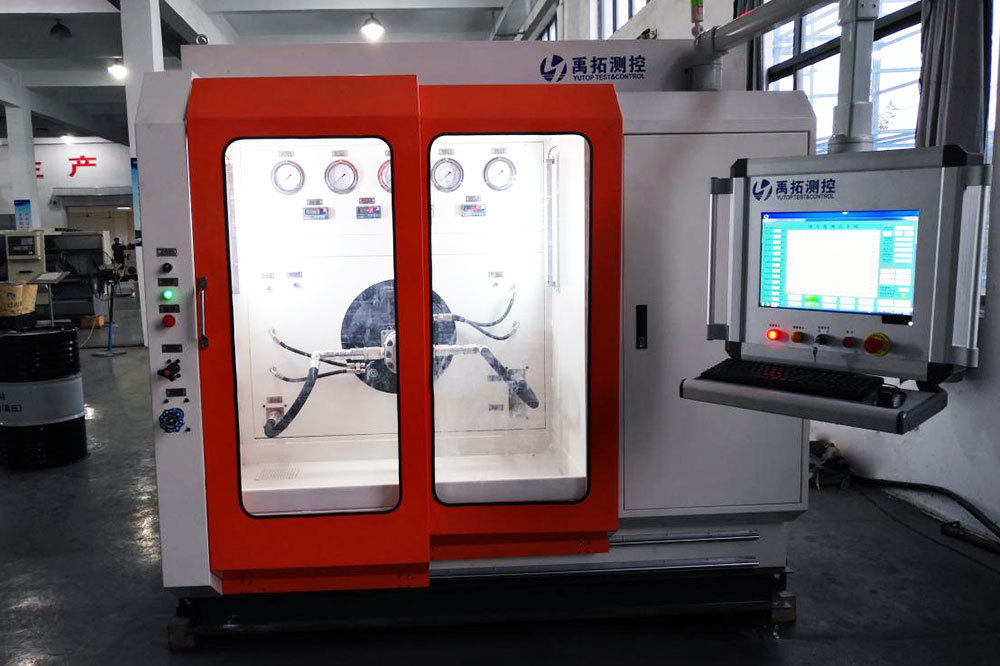
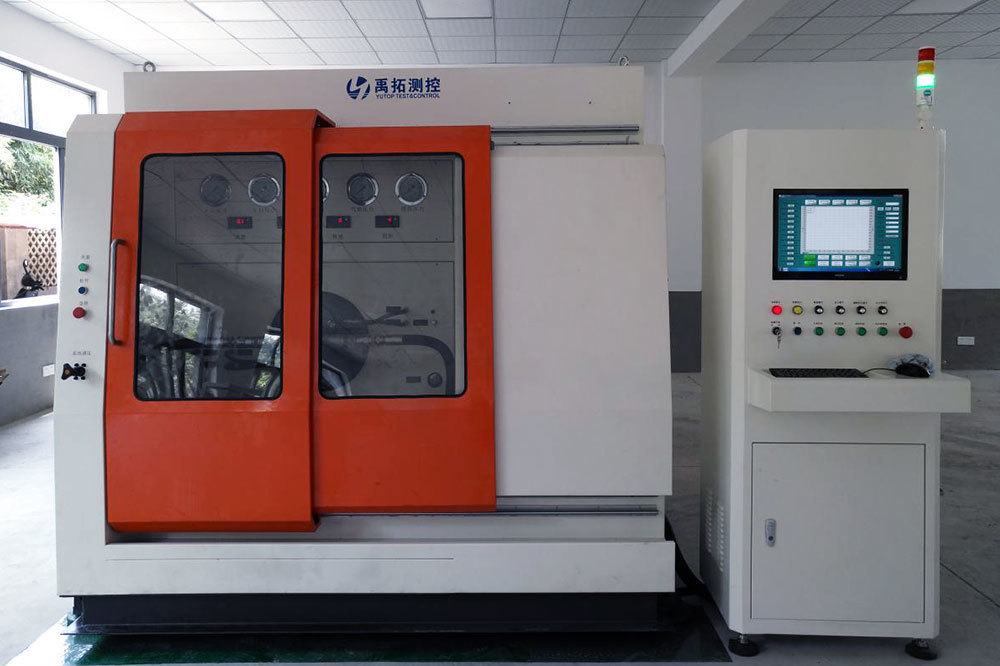
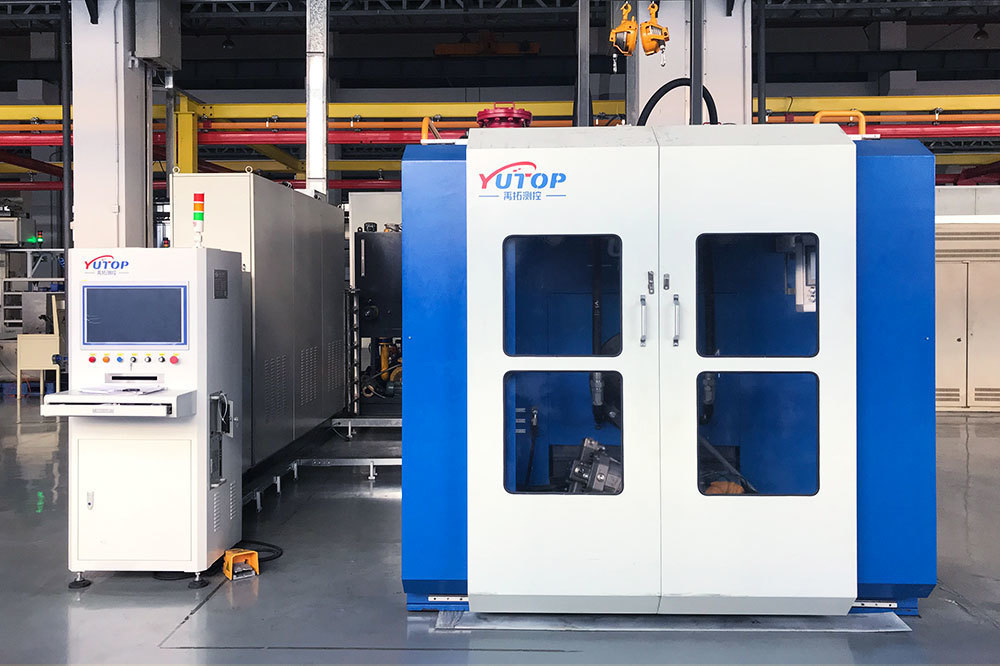
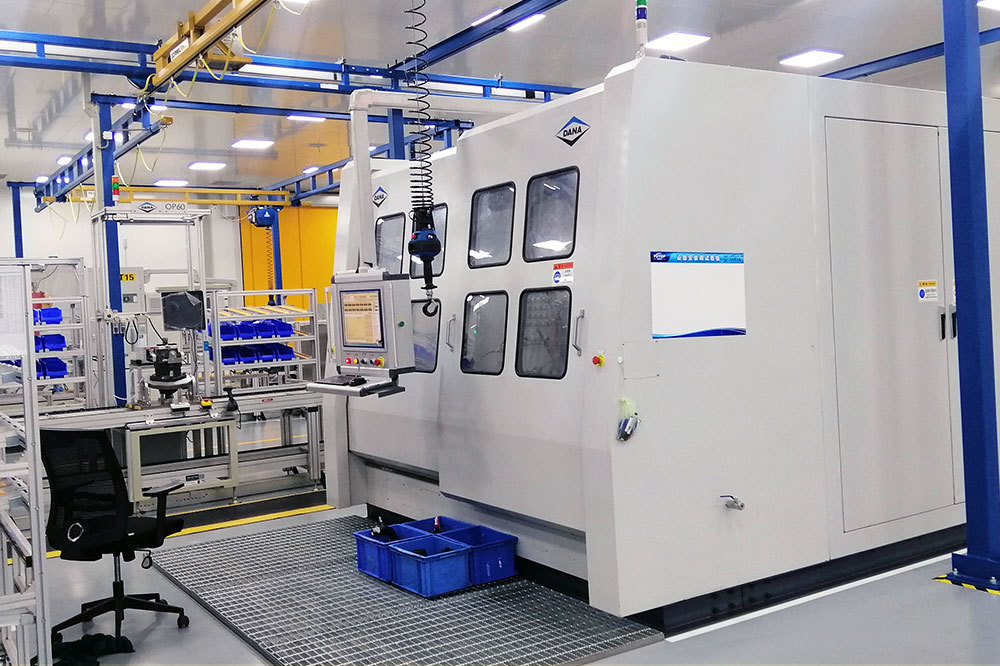
Efficient Parameter Testing: The Key Role of Hydraulic Testing Solutions
Efficient Parameter Testing: The Key Role of Hydraulic Testing Solutions Introduction to Hydraulic Testing Solutions In today’s fast-paced industrial landscape, ensuring the reliability and efficiency of electrical and instrumentation systems is paramount. Hydraulic testing solutions have emerged as indispensable tools in the realm of **parameter testing**. By simulating real-world conditions, the
Jan 20,2026

Efficient Parameter Testing: The Key Role of Hydraulic Testing Solutions
Introduction to Hydraulic Testing Solutions
In today’s fast-paced industrial landscape, ensuring the reliability and efficiency of electrical and instrumentation systems is paramount. Hydraulic testing solutions have emerged as indispensable tools in the realm of **parameter testing**. By simulating real-world conditions, these solutions effectively measure and validate the performance of electrical components, ensuring they meet stringent industry standards. This article delves into the essential role hydraulic testing plays in efficient parameter testing, highlighting methodologies, benefits, and best practices.
Understanding Parameter Testing in Electrical Instrumentation
Parameter testing refers to the systematic evaluation of various characteristics of electrical instruments and devices. These evaluations ensure that the instruments operate within specified parameters, offering safe and effective performance. Key aspects of parameter testing include:
1. Accuracy and Precision
Accuracy ensures that the instruments provide correct measurements, while precision relates to the consistency of these measurements over time. Utilizing hydraulic testing solutions enhances both accuracy and precision, making them integral to effective parameter testing.
2. Compliance with Industry Standards
Various industries operate under strict regulatory compliance standards. Hydraulic testing solutions help verify that instruments abide by these regulations, reducing the risk of failures and ensuring operational safety.
3. Performance Validation
Regular parameter testing allows organizations to validate the performance of their electrical instruments. This validation is crucial for maintaining operational integrity and minimizing downtime.
Key Components of Hydraulic Testing Solutions
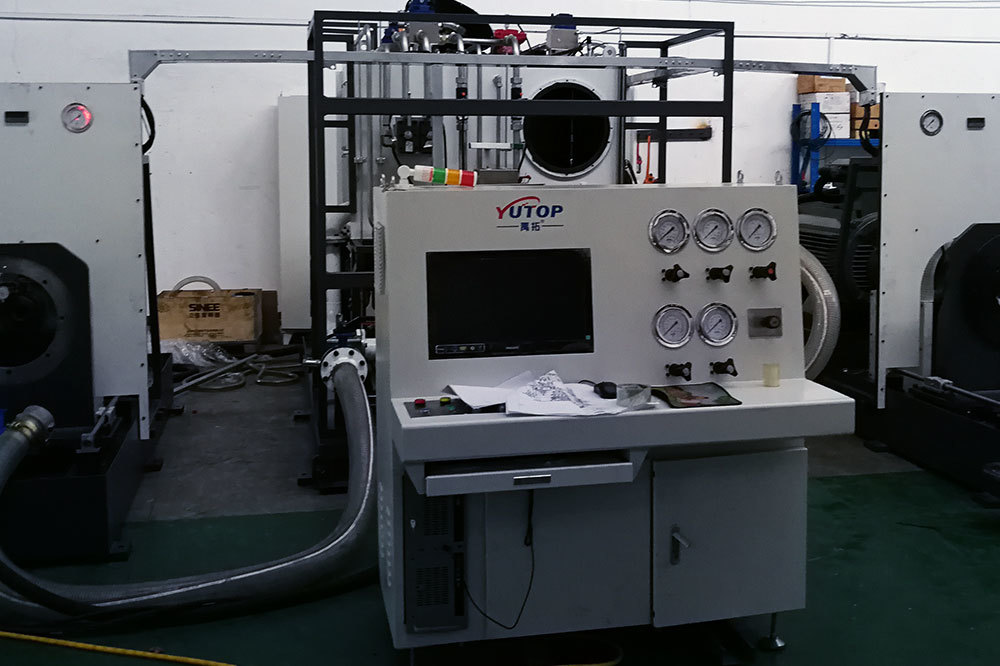
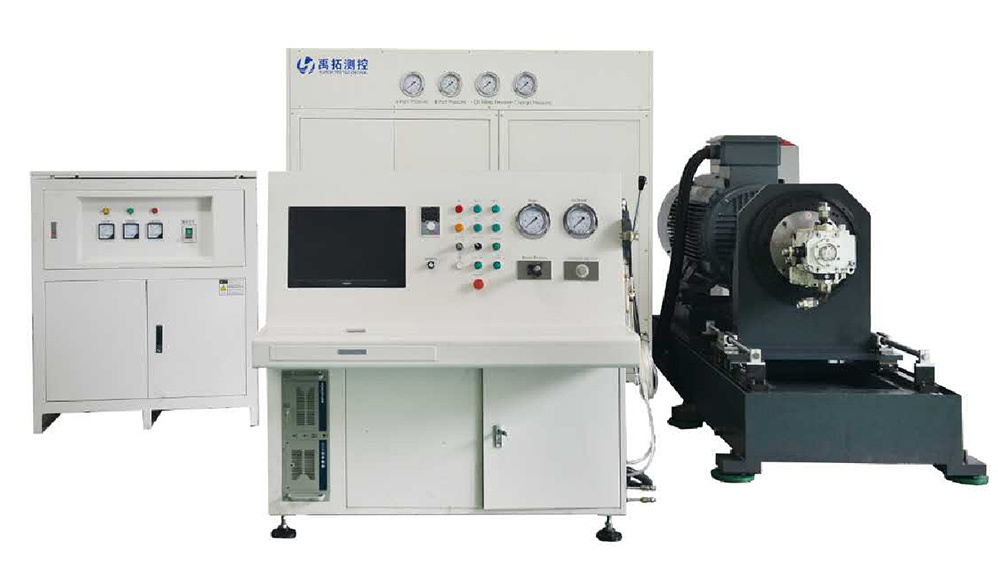
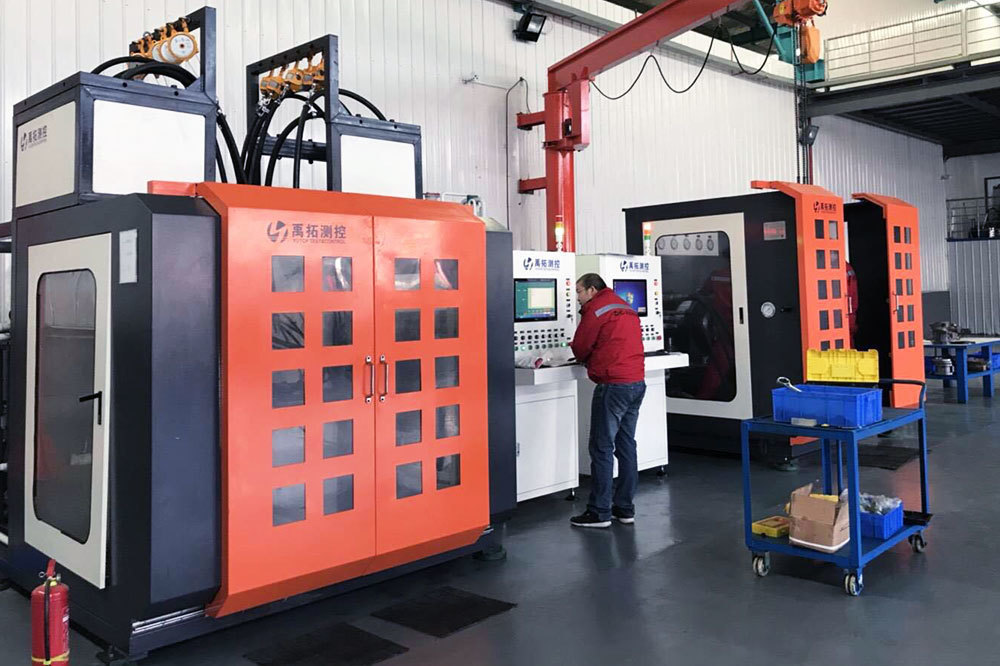
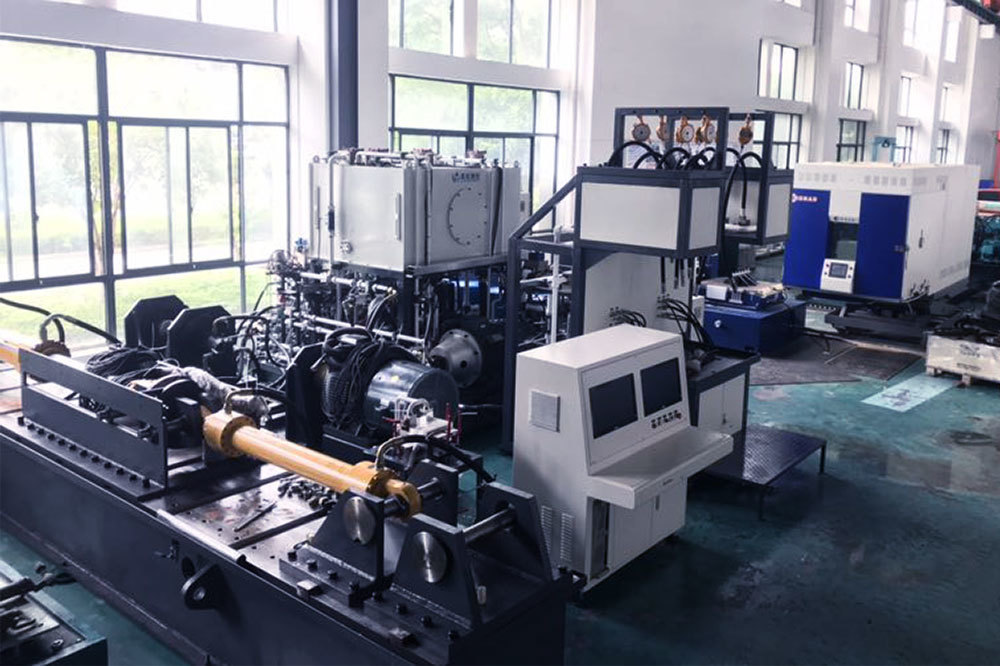
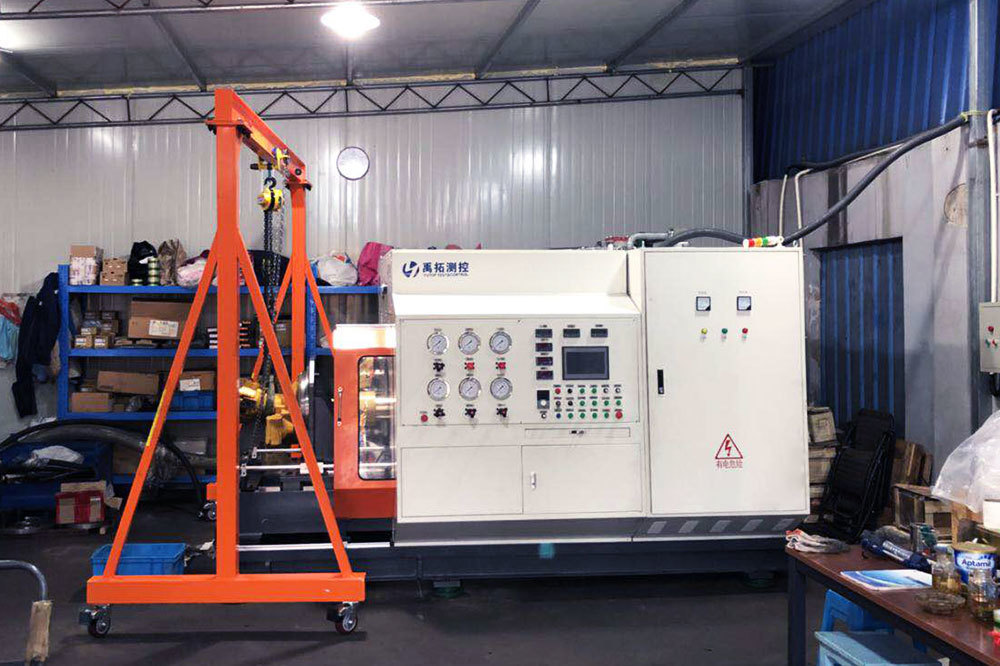
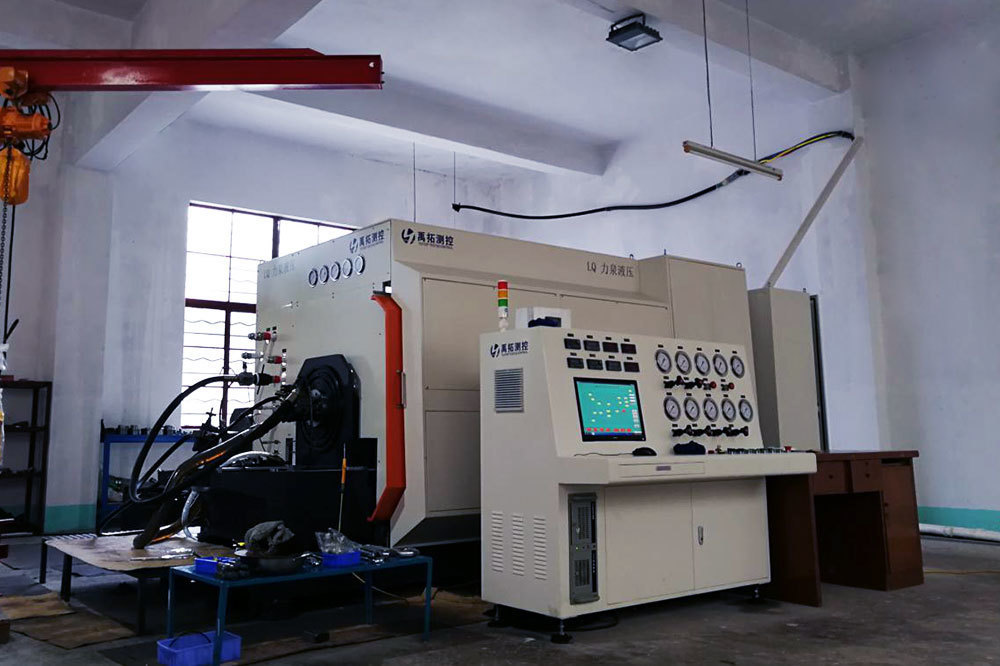
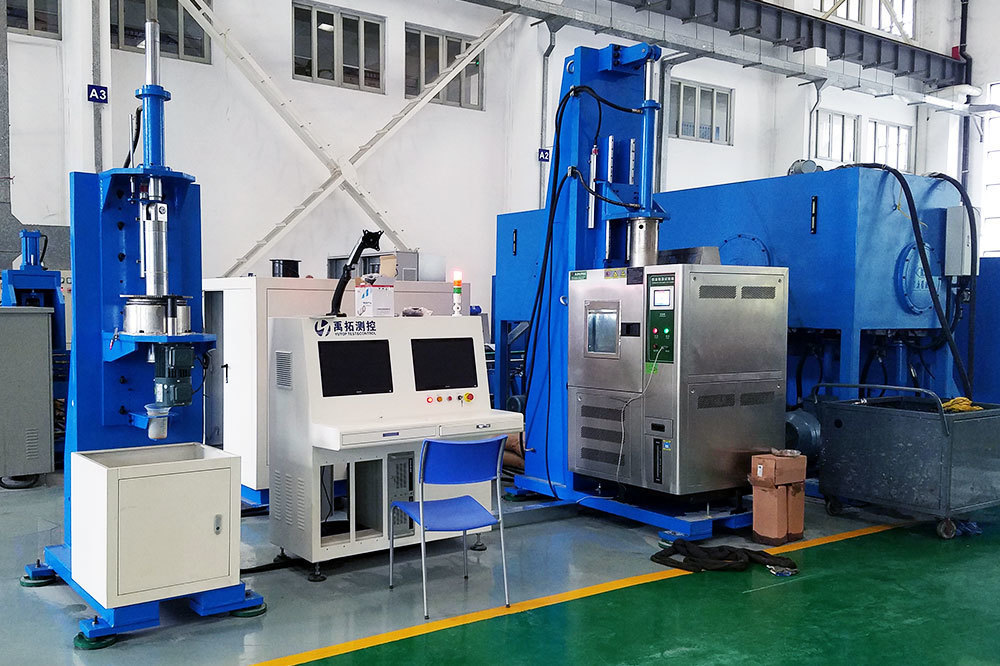
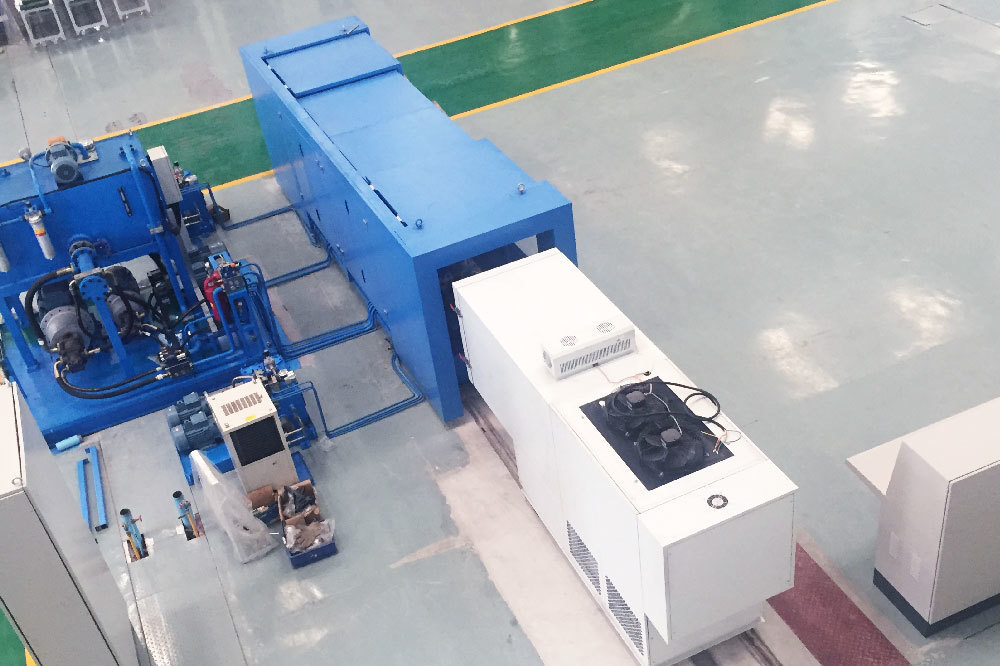
Hydraulic testing solutions encompass a range of equipment and methodologies designed to facilitate efficient parameter testing. Understanding these components is essential for maximizing their effectiveness.
1. Hydraulic Test Pumps
Hydraulic test pumps generate high-pressure fluid for testing the integrity and performance of various systems. These pumps can be tailored to meet specific testing requirements, making them versatile tools in parameter testing.
2. Pressure Gauges and Transducers
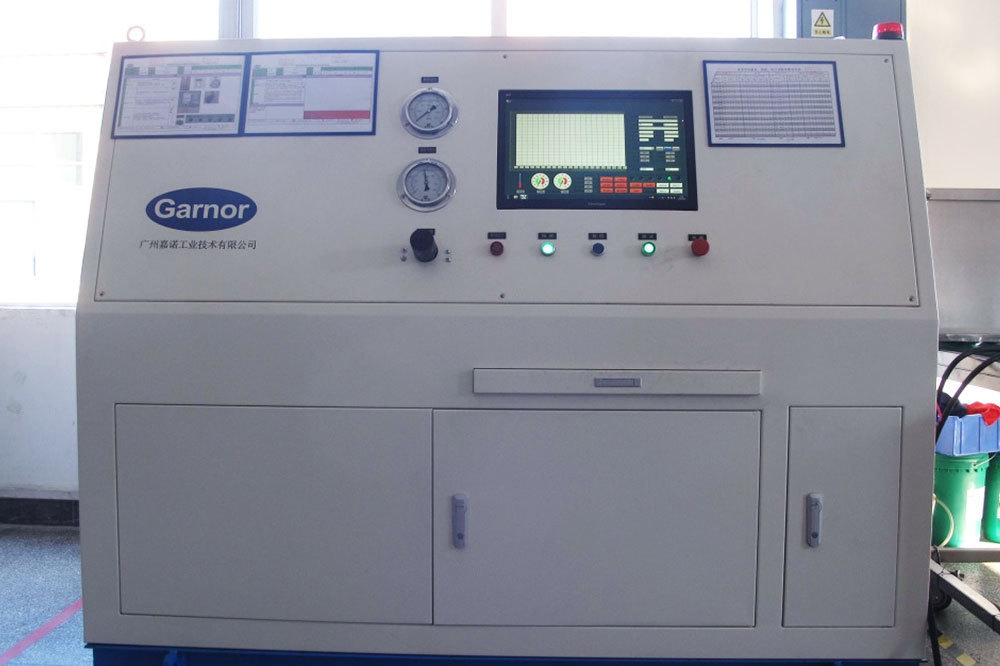
Pressure gauges and transducers provide real-time data on pressure levels during testing. Accurate readings are crucial for assessing instrument performance, and integrating digital gauges can enhance data collection and analysis.
3. Data Acquisition Systems
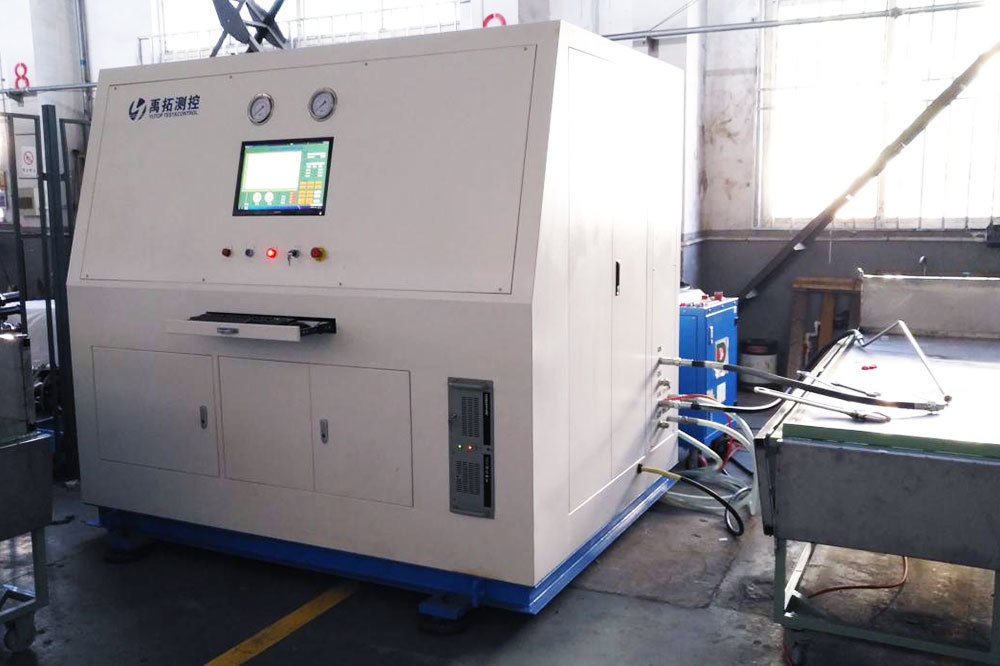
Data acquisition systems streamline the collection and analysis of testing data. These systems can store, process, and analyze data, allowing for more insightful evaluations and reporting.
The Importance of Efficient Hydraulic Testing Solutions
Efficiency in hydraulic testing translates to reduced operational costs, enhanced accuracy, and improved safety. Here’s why adopting efficient hydraulic testing solutions is vital:
1. Cost-Effectiveness
By identifying potential issues early on, efficient hydraulic testing can prevent costly failures and downtime. Investing in high-quality testing solutions pays off in the long run, as it mitigates the risk of expensive repairs.
2. Increased Reliability
Hydraulic testing provides a clear picture of an instrument’s reliability. Organizations can trust that their equipment will perform as expected, enhancing overall operational efficiency.
3. Enhanced Safety
Safety is a paramount concern in any industrial setting. Hydraulic testing helps identify weaknesses in systems before they lead to hazardous situations, ensuring the safety of personnel and equipment.
Best Practices for Implementing Hydraulic Testing Solutions
To maximize the benefits of hydraulic testing solutions, organizations should adhere to a set of best practices:
1. Regular Maintenance of Testing Equipment
Ensuring that all hydraulic testing equipment is well-maintained is crucial for obtaining accurate results. Regular calibration and servicing can prevent discrepancies in data.
2. Comprehensive Training for Personnel
Educating staff on the proper use of hydraulic testing equipment is essential. Comprehensive training ensures that personnel can operate machinery safely and efficiently, reducing the likelihood of errors.
3. Developing Standard Operating Procedures (SOPs)
Creating SOPs for hydraulic testing processes helps standardize testing methodologies, ensuring that all tests are conducted consistently and accurately.
Exploring the Types of Hydraulic Testing Methods
There are various hydraulic testing methods, each suited for different applications. Understanding these methods can aid organizations in selecting the right one for their needs.
1. Hydrostatic Testing
Hydrostatic testing involves filling a system with liquid, typically water, to assess its integrity under pressure. This method is commonly used for pipes and pressure vessels.
2. Pneumatic Testing
Pneumatic testing uses gas, usually air, to test the integrity of systems. Although less common than hydrostatic testing, it is essential for certain applications where water cannot be used.
3. Burst Testing
Burst testing involves applying pressure until a system fails, providing crucial data on the maximum pressure a system can withstand. This method is vital for understanding the limits of materials used in electrical instrumentation.
Case Studies of Successful Hydraulic Testing Implementation
To illustrate the effectiveness of hydraulic testing solutions, we can examine real-world case studies:
1. Case Study: Aerospace Industry
In the aerospace sector, a leading manufacturer adopted hydraulic testing solutions to ensure the integrity of hydraulic systems in aircraft. By implementing routine testing, they reduced failures by 30%, enhancing safety and reliability.
2. Case Study: Oil and Gas Sector
A major oil and gas company utilized hydraulic testing to assess the integrity of pipelines. The implementation of efficient testing protocols led to improved compliance rates and a significant reduction in leaks.
Future Trends in Hydraulic Testing Solutions
As technology continues to evolve, so too do hydraulic testing solutions. Several trends are shaping the future of this field:
1. Integration of IoT and Automation
The Internet of Things (IoT) is allowing for enhanced data collection and analysis in hydraulic testing. Automated systems can provide real-time monitoring and alerts, increasing efficiency.
2. Advancements in Material Technology
The development of new materials for hydraulic systems can improve performance and durability. Testing solutions must adapt to these advancements to ensure continued accuracy in parameter testing.
3. Emphasis on Sustainability
As industries shift towards greener practices, hydraulic testing solutions will increasingly focus on sustainable methods. This shift includes using eco-friendly fluids and reducing waste during testing processes.
Frequently Asked Questions (FAQs)
1. What is hydraulic testing used for?
Hydraulic testing is primarily used to verify the integrity and performance of hydraulic systems, including pipes, vessels, and instrumentation.
2. How does hydraulic testing improve safety?
By identifying weaknesses and potential failures before they occur, hydraulic testing enhances safety in industrial environments, protecting personnel and equipment.
3. What are the differences between hydrostatic and pneumatic testing?
Hydrostatic testing uses liquids to assess system integrity, while pneumatic testing utilizes gases. Hydrostatic testing is generally preferred for its safety and accuracy in many applications.
4. How often should hydraulic testing be conducted?
The frequency of hydraulic testing depends on industry standards and the specific application, but regular testing is recommended to ensure ongoing safety and reliability.
5. Can hydraulic testing solutions be customized?
Yes, hydraulic testing solutions can be tailored to meet the specific needs of various applications, ensuring optimal performance in parameter testing.
Conclusion
Efficient parameter testing is critical for ensuring the reliability and safety of electrical and instrumentation systems. Hydraulic testing solutions play a vital role in this process, offering accurate, cost-effective, and efficient methods for evaluating system performance. As industries continue to evolve, embracing innovative hydraulic testing technologies and methodologies will be essential for maintaining high standards of safety and operational integrity. By implementing best practices and staying informed about industry trends, organizations can position themselves for success in the ever-changing landscape of electrical instrumentation and hydraulic testing.

Room 207, 2nd Floor, Block C, Building 1 (Self-designated), No. 3 Yunkai Road, Yunpu Industrial Zone, Huangpu District, Guangzhou City,China


