

Understanding Hydraulic Motor Test Systems: Ensuring Reliability and Performance
Hydraulic motor test systems play a crucial role in the validation, assessment, and optimization of hydraulic motors and their associated components. As a fundamental element of hydraulic machinery, these systems are designed to evaluate the performance characteristics of hydraulic motors under various operational conditions. This is vital for ensuring that the motors function efficiently and reli
Jan 21,2026
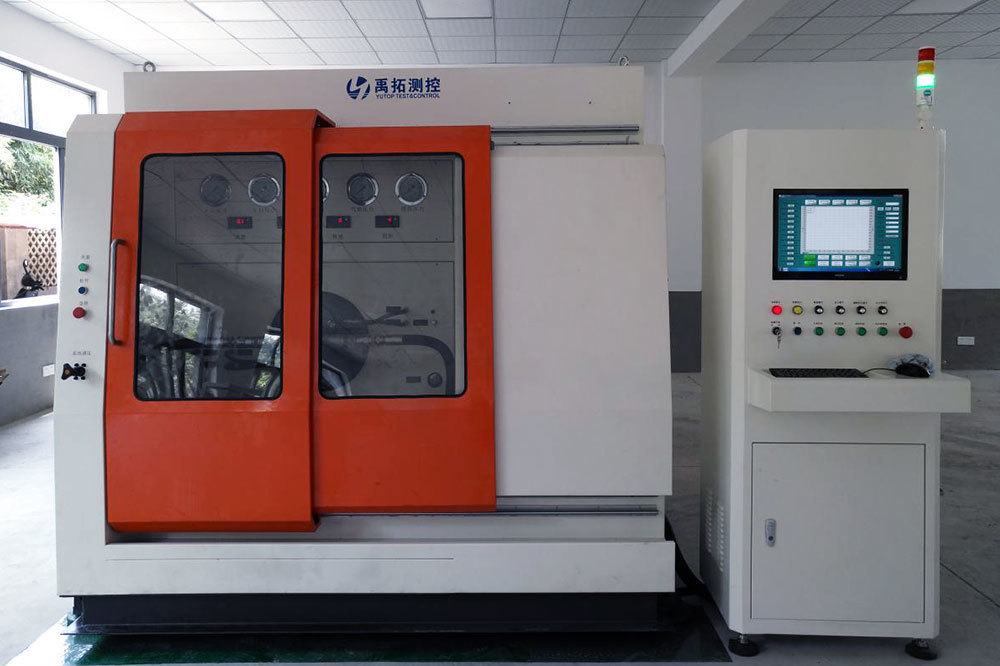
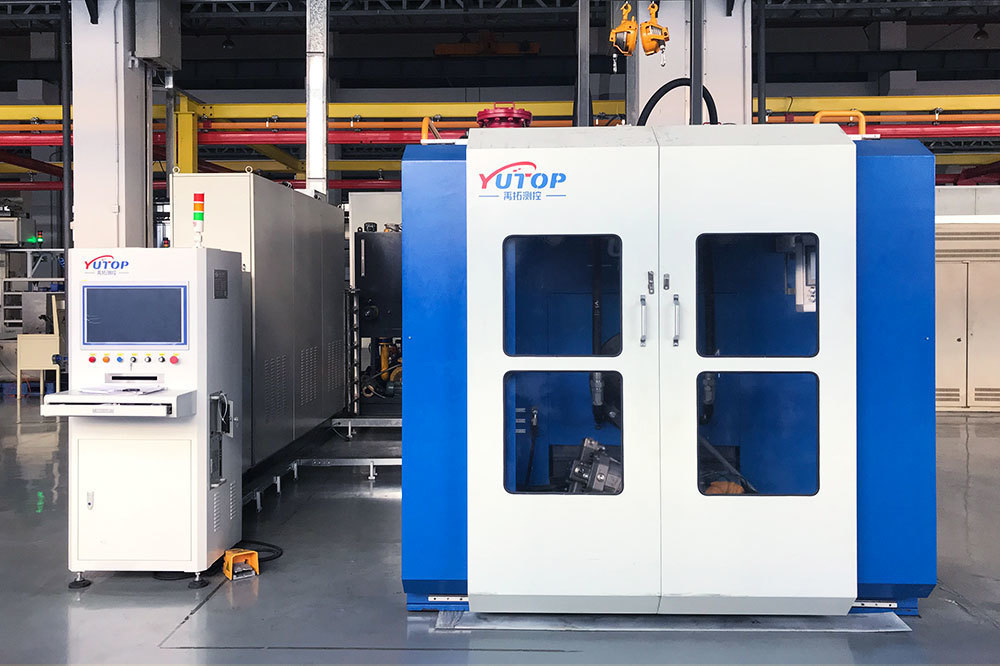
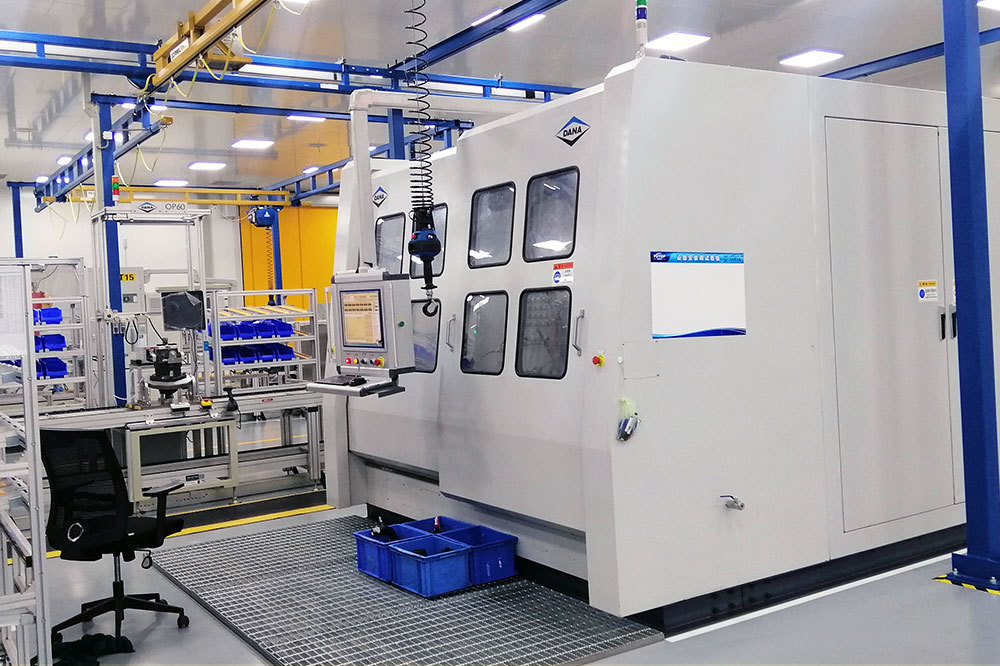
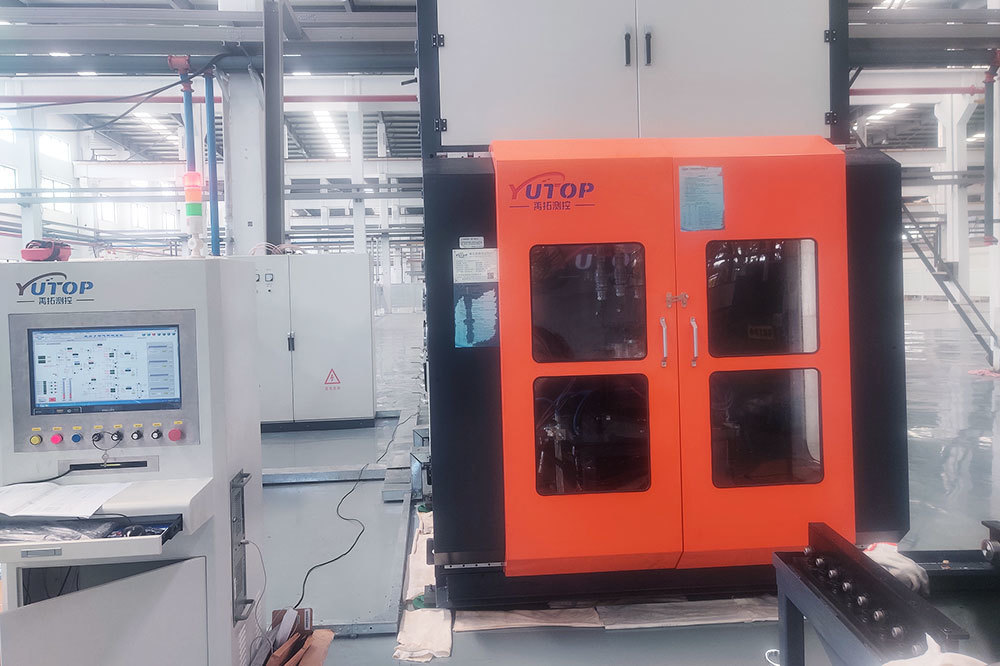
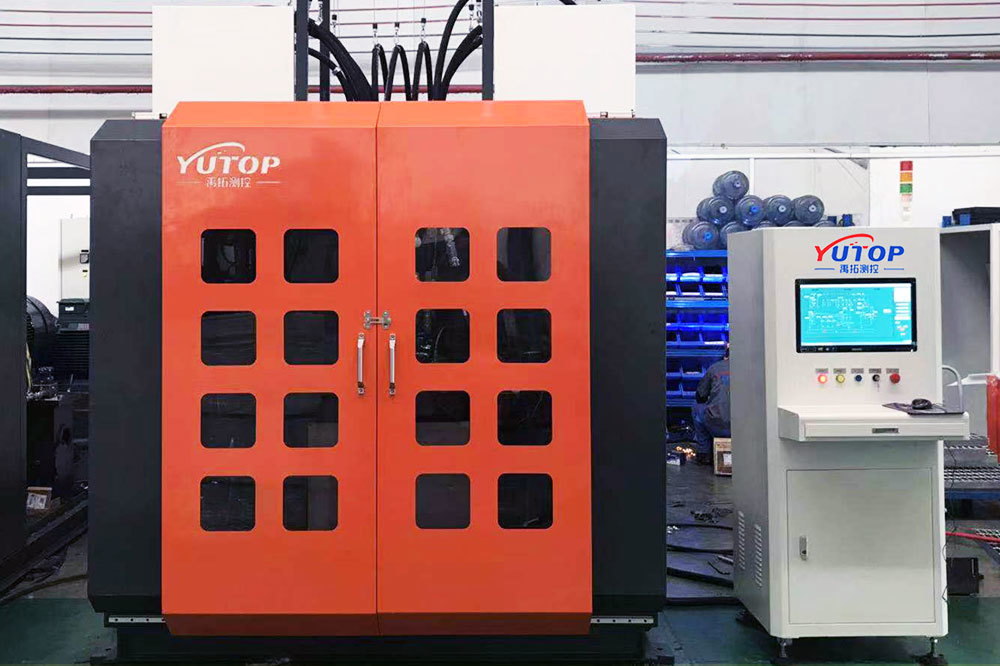
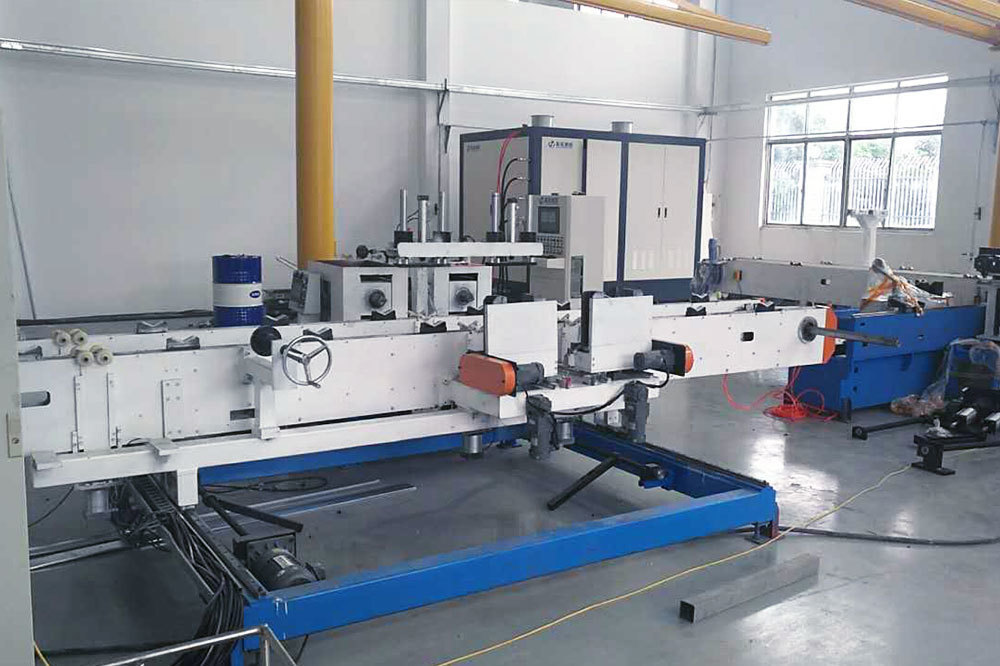
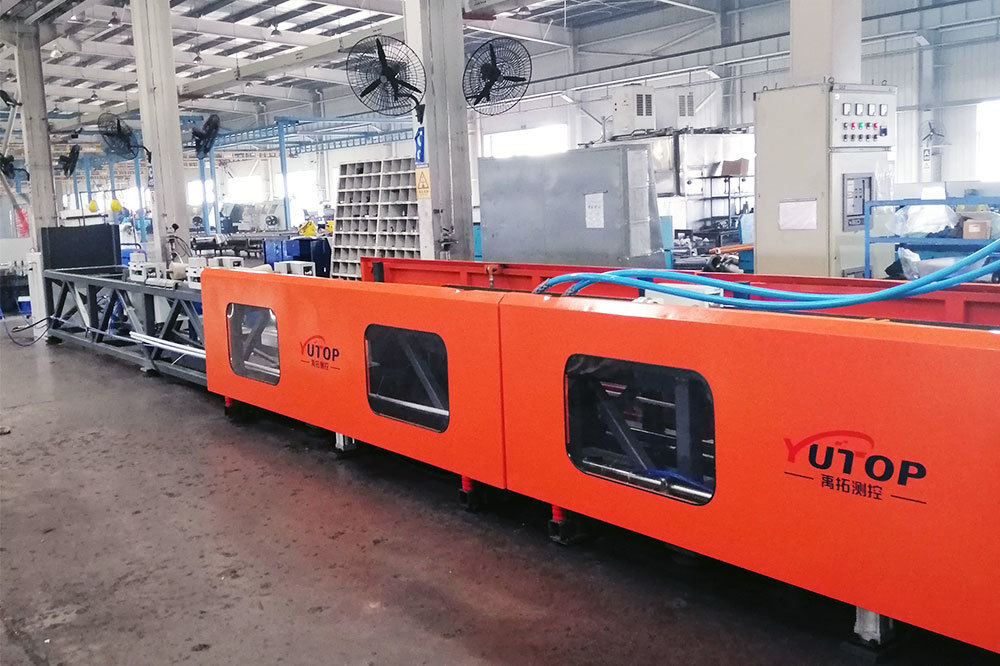
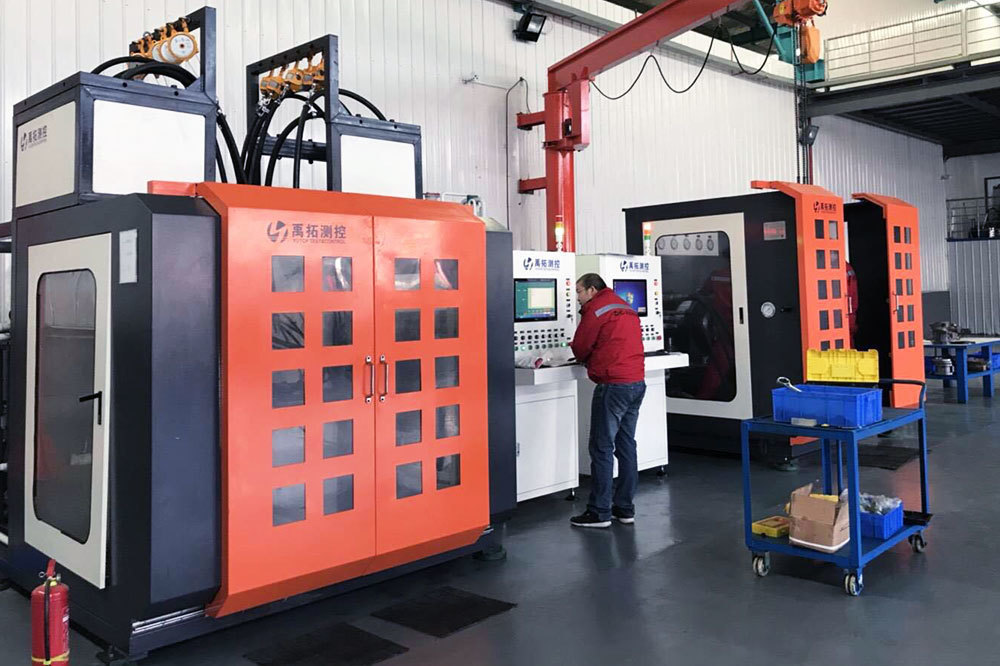
Hydraulic motor test systems play a crucial role in the validation, assessment, and optimization of hydraulic motors and their associated components. As a fundamental element of hydraulic machinery, these systems are designed to evaluate the performance characteristics of hydraulic motors under various operational conditions. This is vital for ensuring that the motors function efficiently and reliably in their intended applications, which can range from industrial machinery to mobile equipment.
One of the primary functions of a hydraulic motor test system is to simulate real-world operating conditions. By doing so, engineers and technicians can assess parameters such as torque, speed, pressure, and flow rates. This comprehensive evaluation helps identify any potential issues or inefficiencies within the motor, allowing for timely interventions and adjustments to enhance performance. Furthermore, it contributes to ensuring that the hydraulic motors meet industry standards and specifications.
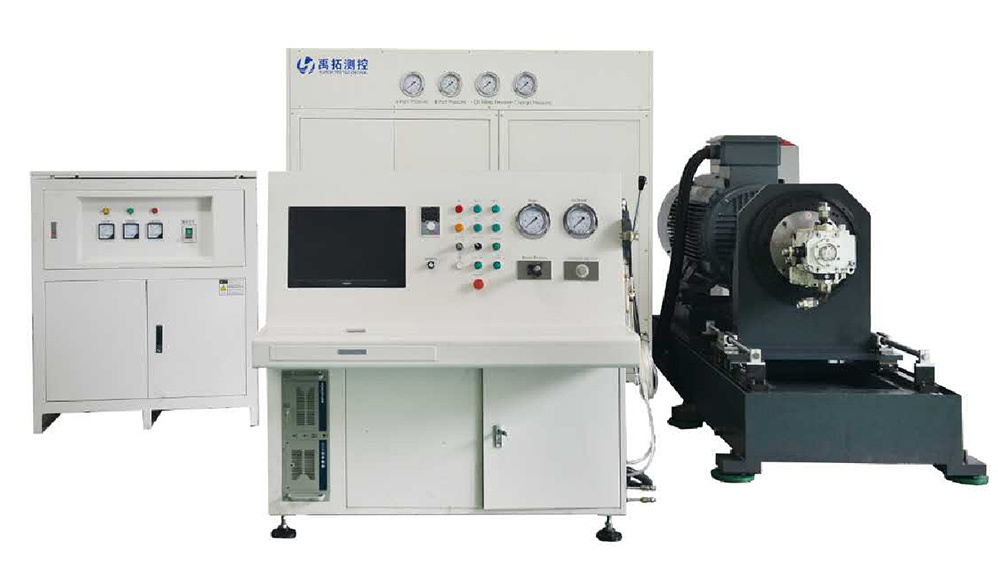
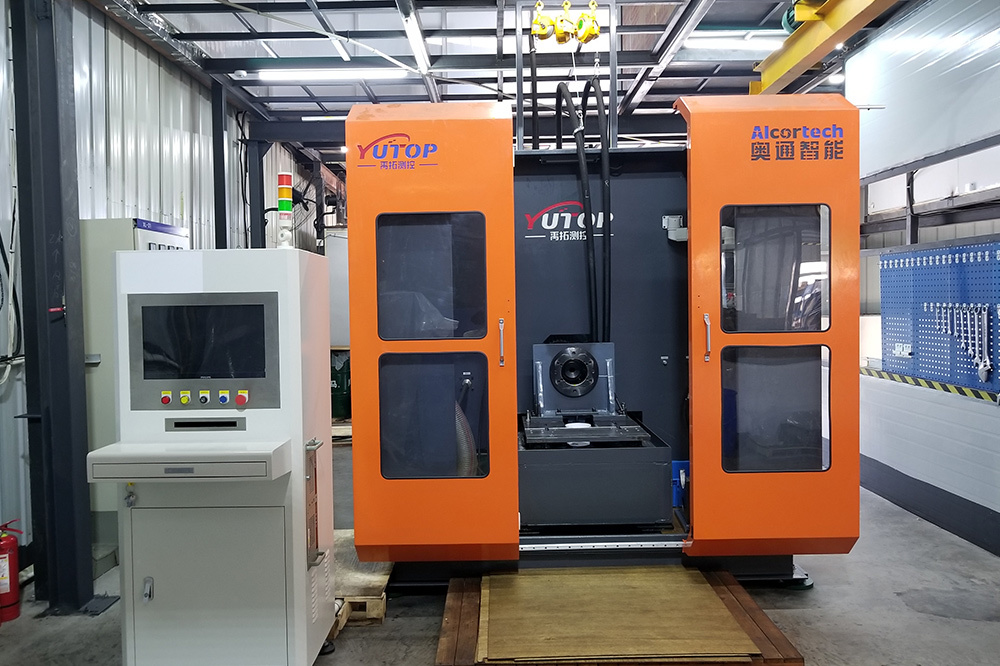
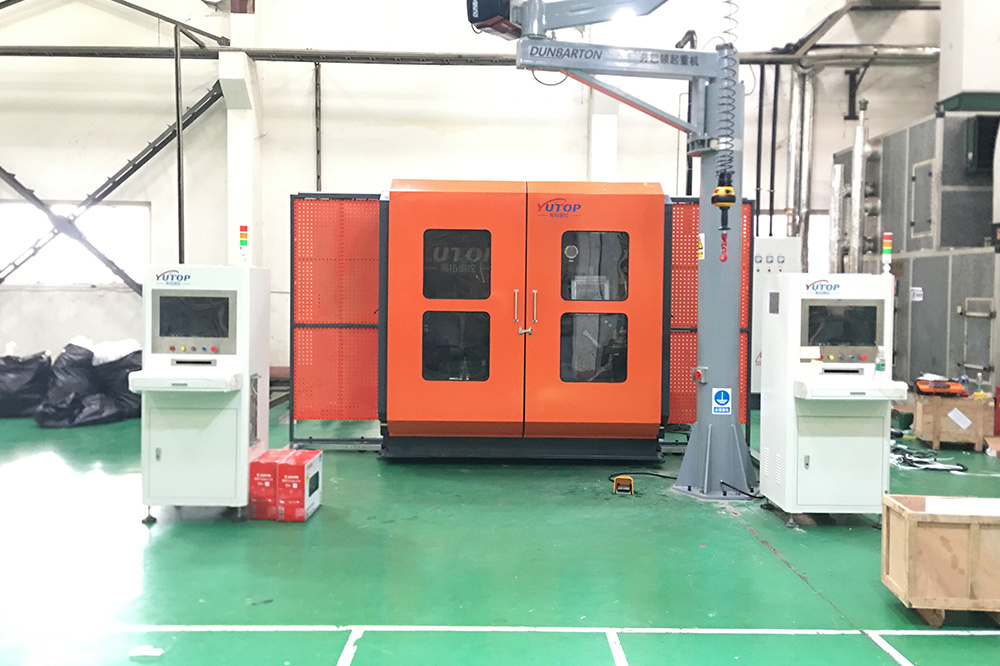
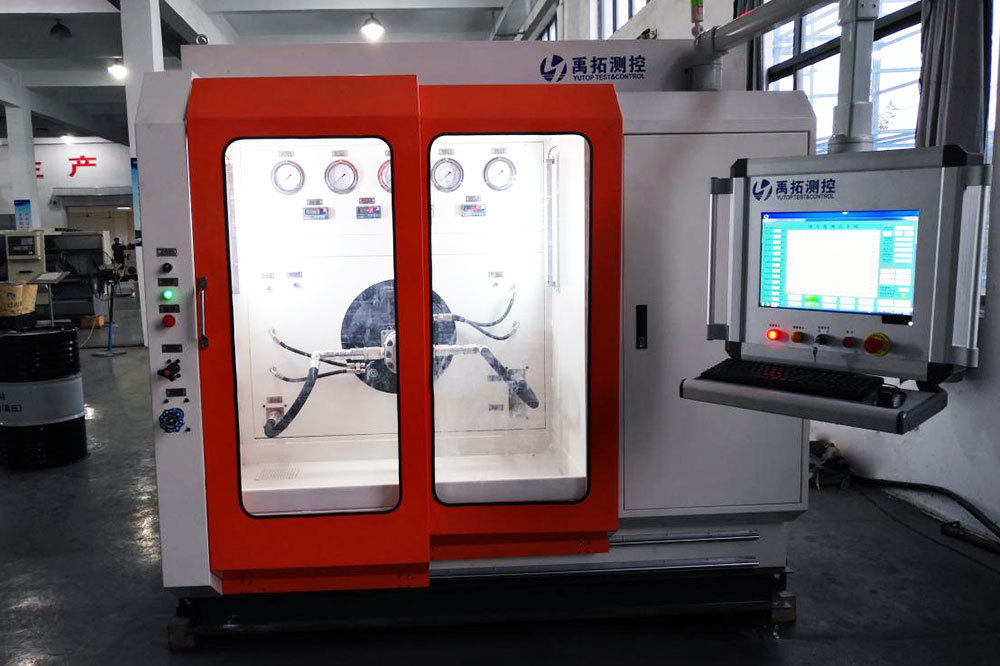
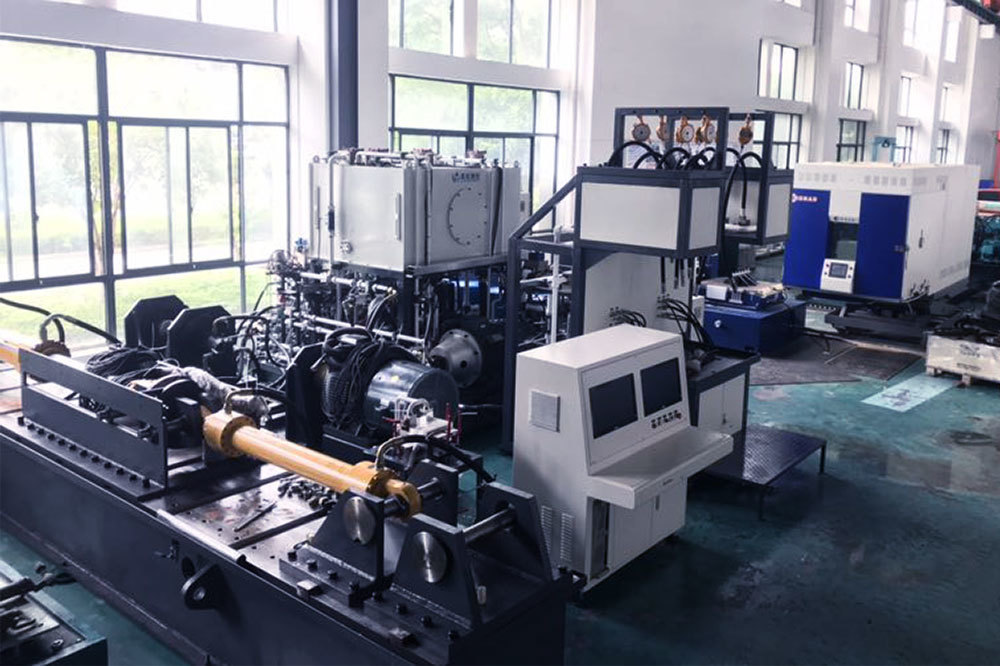
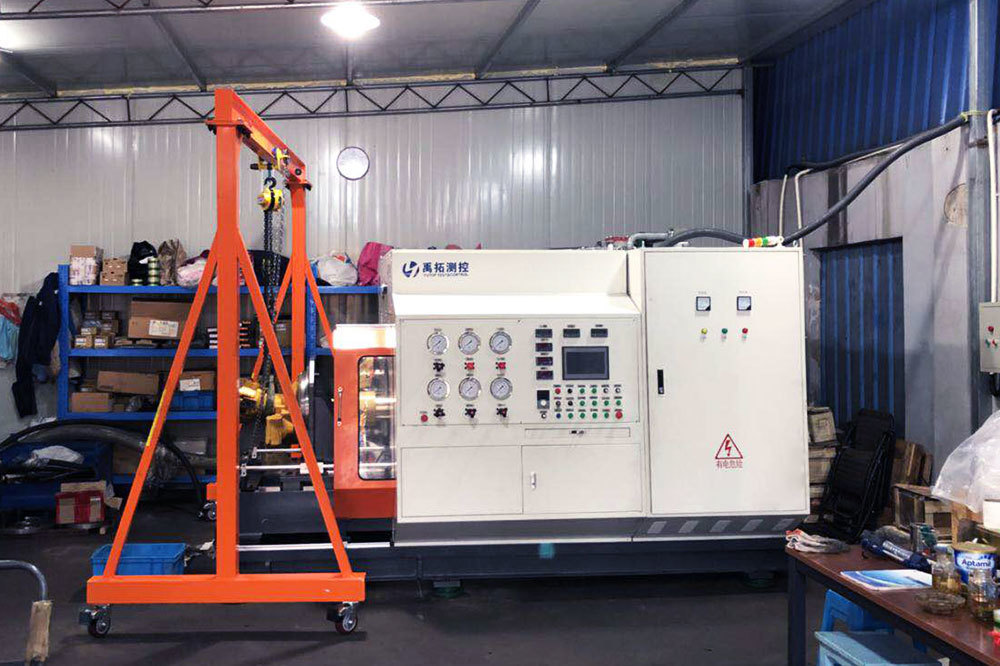
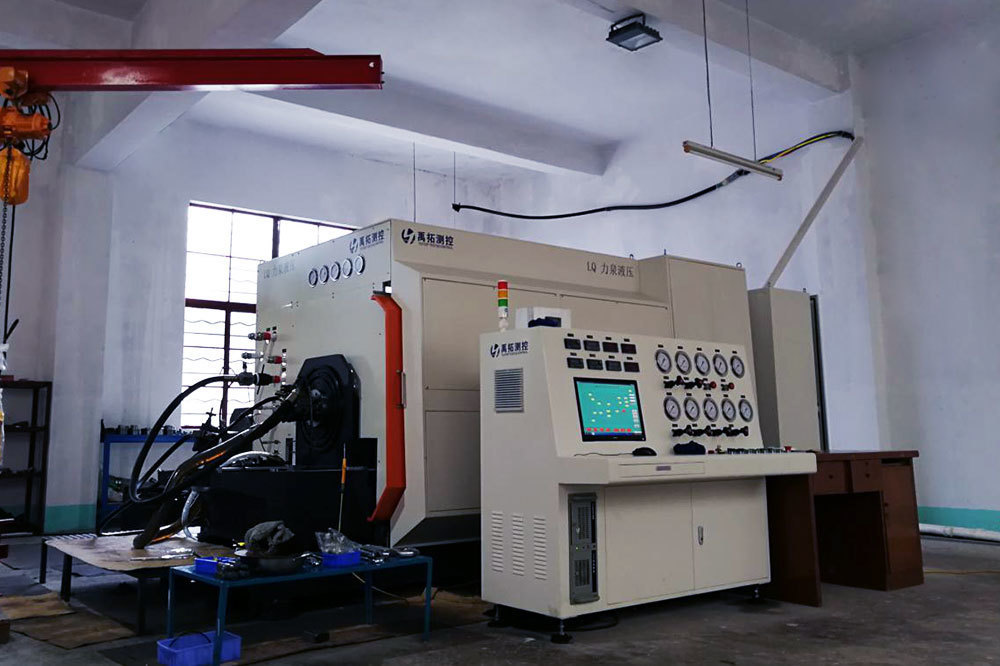
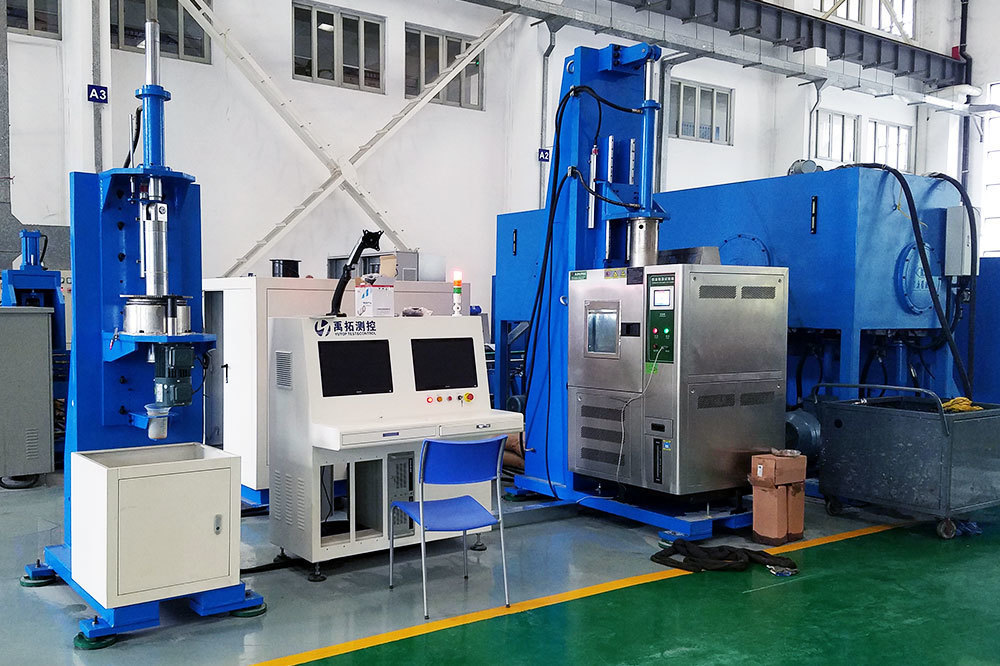
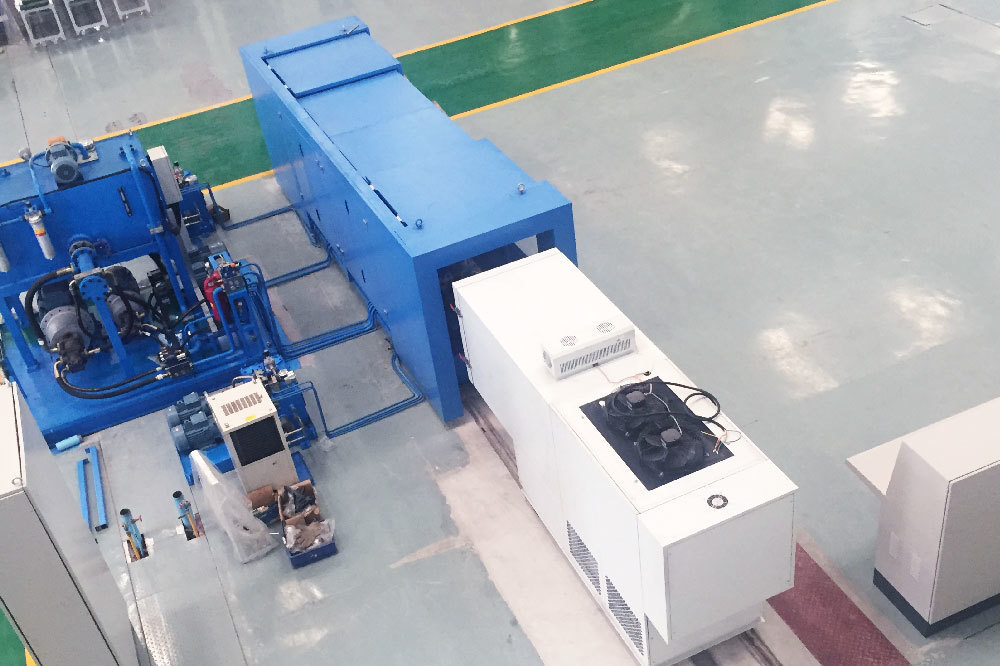
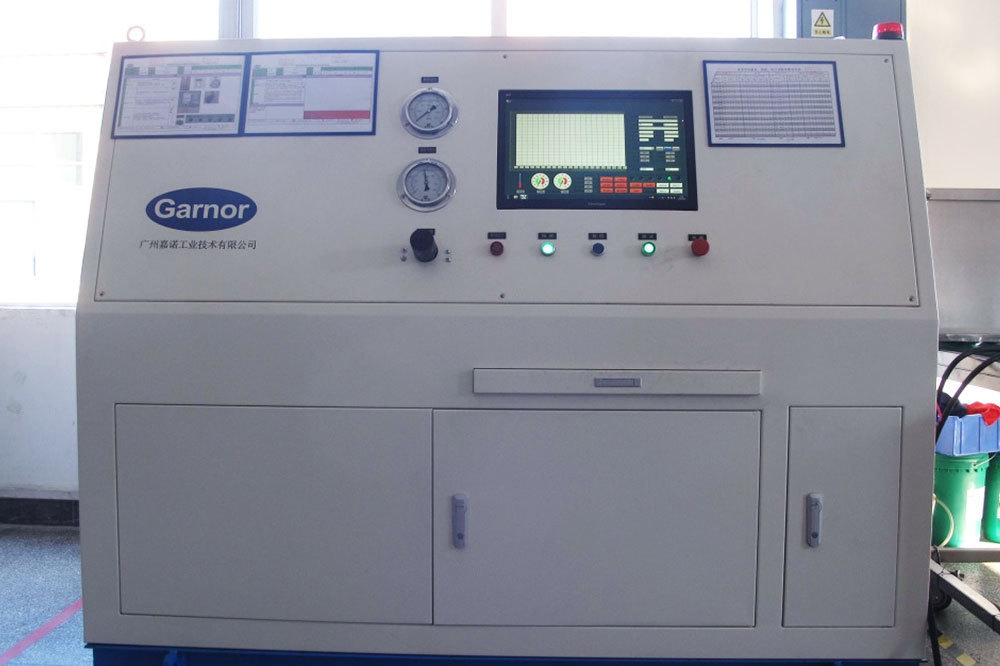
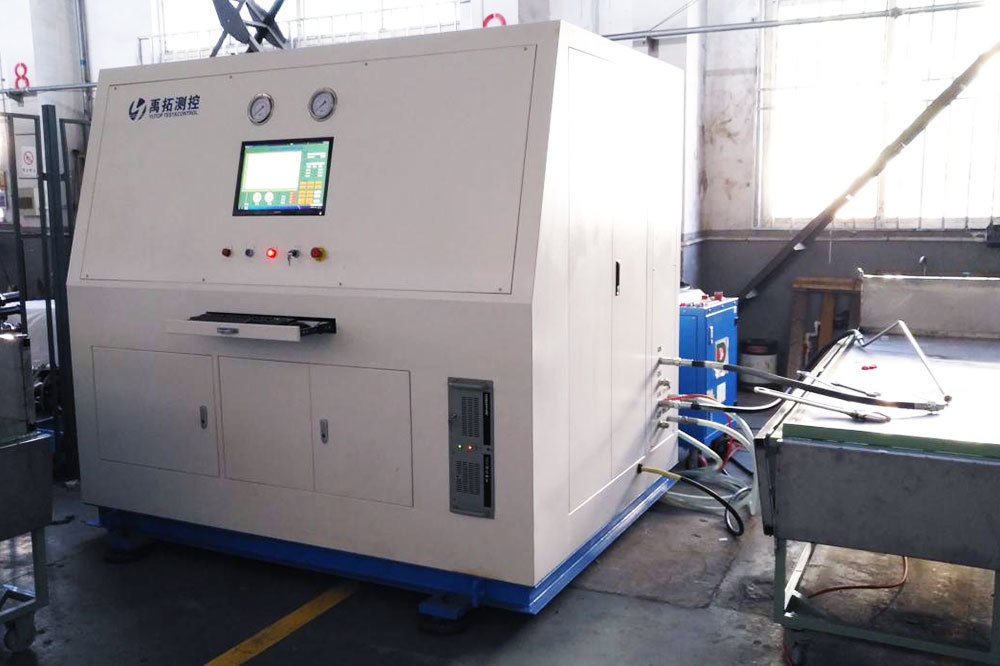
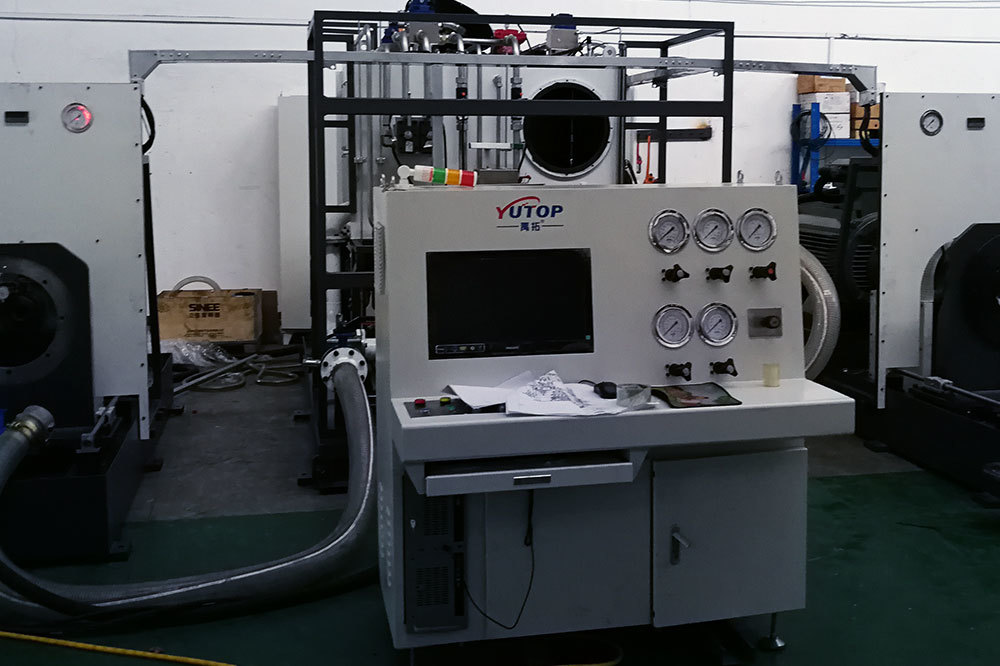
The components of a hydraulic motor test system typically include a hydraulic power unit, control systems, data acquisition systems, and various sensors. The hydraulic power unit generates the necessary pressure and flow to drive the motor being tested. Control systems allow operators to manipulate test parameters and monitor performance in real time. Data acquisition systems collect and analyze performance data, providing insights into the motor's operational capabilities.
Proper calibration of the hydraulic motor test system is essential for obtaining accurate results. Regular maintenance and verification of the system components ensure that testing remains consistent and reliable. This not only enhances the quality of the data collected but also extends the lifespan of the test equipment itself.
Another significant aspect of hydraulic motor test systems is their role in research and development. By enabling engineers to experiment with new designs and technologies, these systems support innovation in hydraulic motor technology. This iterative process of testing, feedback, and refinement can lead to the development of more efficient motors, which can ultimately reduce energy consumption and improve the sustainability of hydraulic systems.
Moreover, hydraulic motor test systems contribute to quality assurance in manufacturing. By implementing rigorous testing protocols, manufacturers can ensure that only motors that meet stringent quality criteria reach the market. This not only safeguards the reputation of manufacturers but also enhances the end-user's confidence in the reliability and performance of the hydraulic motors they utilize.
In summary, hydraulic motor test systems are indispensable tools in the industrial sector, providing critical insights into the performance and reliability of hydraulic motors. By simulating operational conditions, enabling precise data collection, and supporting innovation, these systems help ensure that hydraulic motors operate efficiently and effectively in a wide range of applications. Understanding the importance of these test systems is essential for professionals involved in the design, manufacturing, and maintenance of hydraulic machinery.
One of the primary functions of a hydraulic motor test system is to simulate real-world operating conditions. By doing so, engineers and technicians can assess parameters such as torque, speed, pressure, and flow rates. This comprehensive evaluation helps identify any potential issues or inefficiencies within the motor, allowing for timely interventions and adjustments to enhance performance. Furthermore, it contributes to ensuring that the hydraulic motors meet industry standards and specifications.
The components of a hydraulic motor test system typically include a hydraulic power unit, control systems, data acquisition systems, and various sensors. The hydraulic power unit generates the necessary pressure and flow to drive the motor being tested. Control systems allow operators to manipulate test parameters and monitor performance in real time. Data acquisition systems collect and analyze performance data, providing insights into the motor's operational capabilities.
Proper calibration of the hydraulic motor test system is essential for obtaining accurate results. Regular maintenance and verification of the system components ensure that testing remains consistent and reliable. This not only enhances the quality of the data collected but also extends the lifespan of the test equipment itself.
Another significant aspect of hydraulic motor test systems is their role in research and development. By enabling engineers to experiment with new designs and technologies, these systems support innovation in hydraulic motor technology. This iterative process of testing, feedback, and refinement can lead to the development of more efficient motors, which can ultimately reduce energy consumption and improve the sustainability of hydraulic systems.
Moreover, hydraulic motor test systems contribute to quality assurance in manufacturing. By implementing rigorous testing protocols, manufacturers can ensure that only motors that meet stringent quality criteria reach the market. This not only safeguards the reputation of manufacturers but also enhances the end-user's confidence in the reliability and performance of the hydraulic motors they utilize.
In summary, hydraulic motor test systems are indispensable tools in the industrial sector, providing critical insights into the performance and reliability of hydraulic motors. By simulating operational conditions, enabling precise data collection, and supporting innovation, these systems help ensure that hydraulic motors operate efficiently and effectively in a wide range of applications. Understanding the importance of these test systems is essential for professionals involved in the design, manufacturing, and maintenance of hydraulic machinery.

Room 207, 2nd Floor, Block C, Building 1 (Self-designated), No. 3 Yunkai Road, Yunpu Industrial Zone, Huangpu District, Guangzhou City,China


