

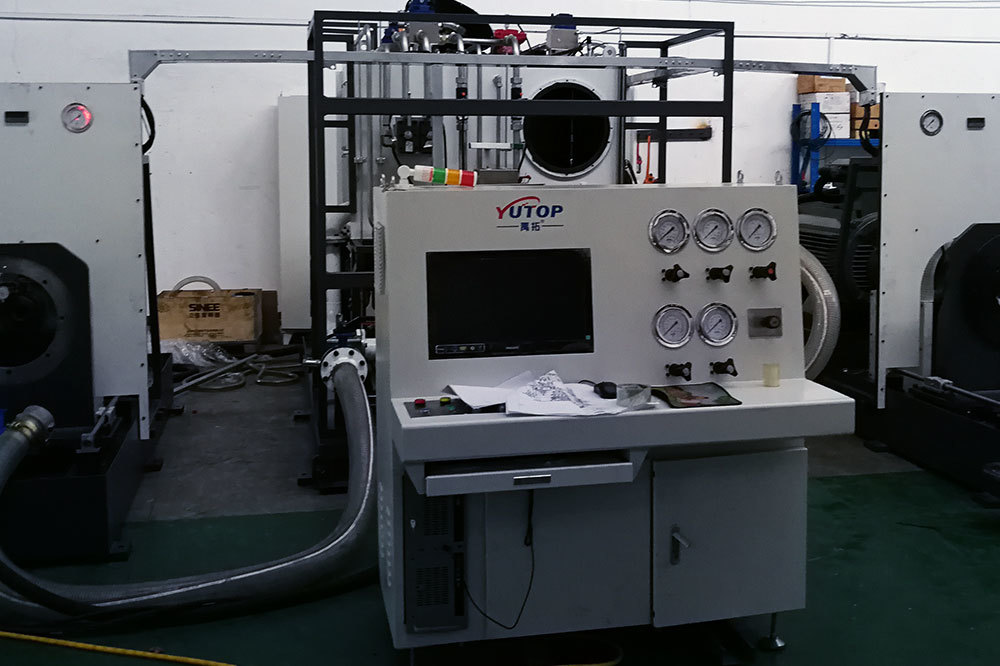
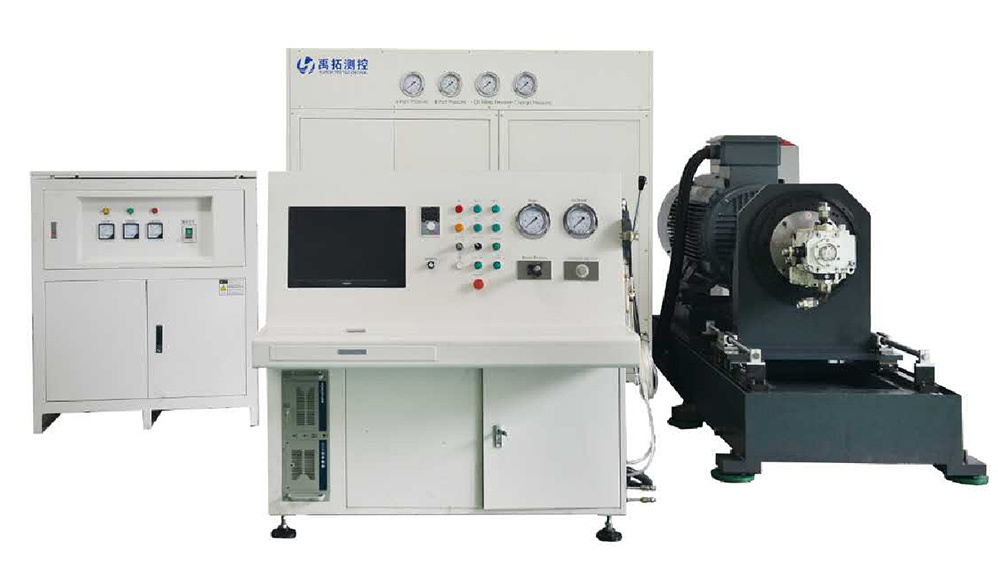
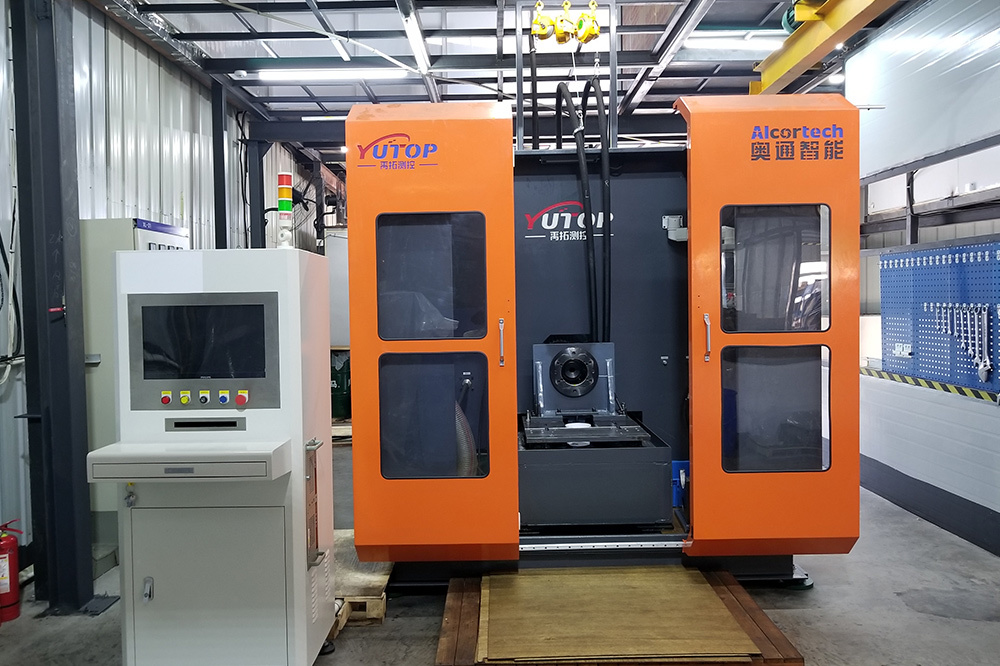
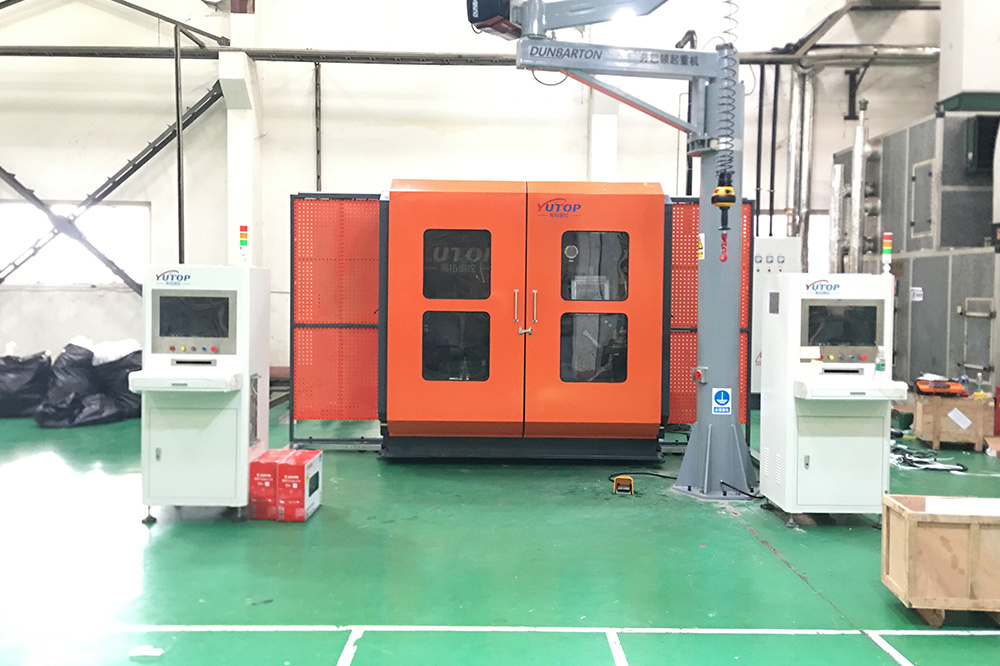
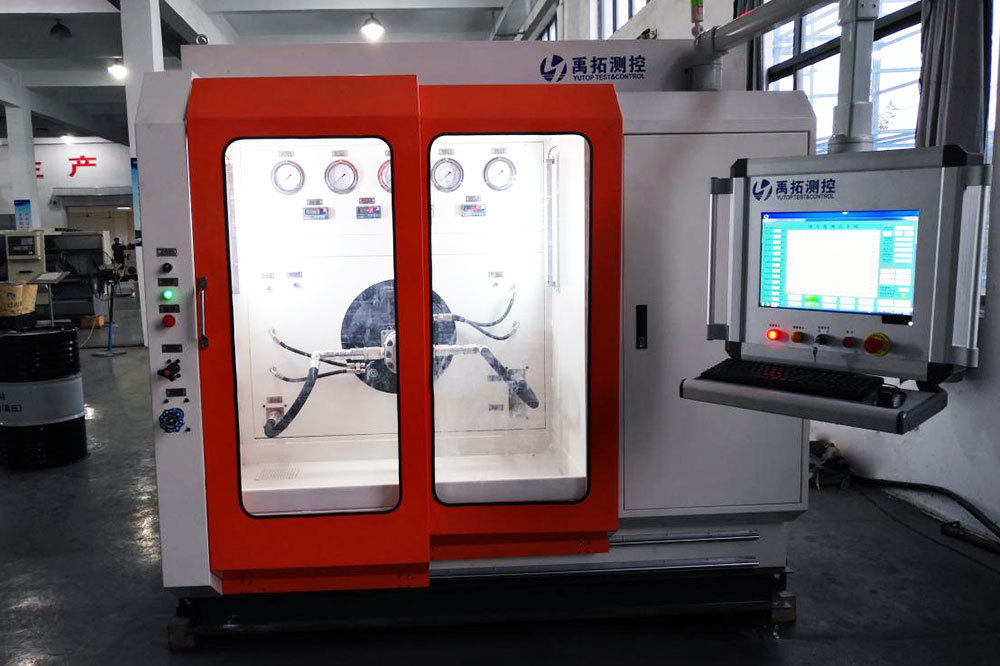
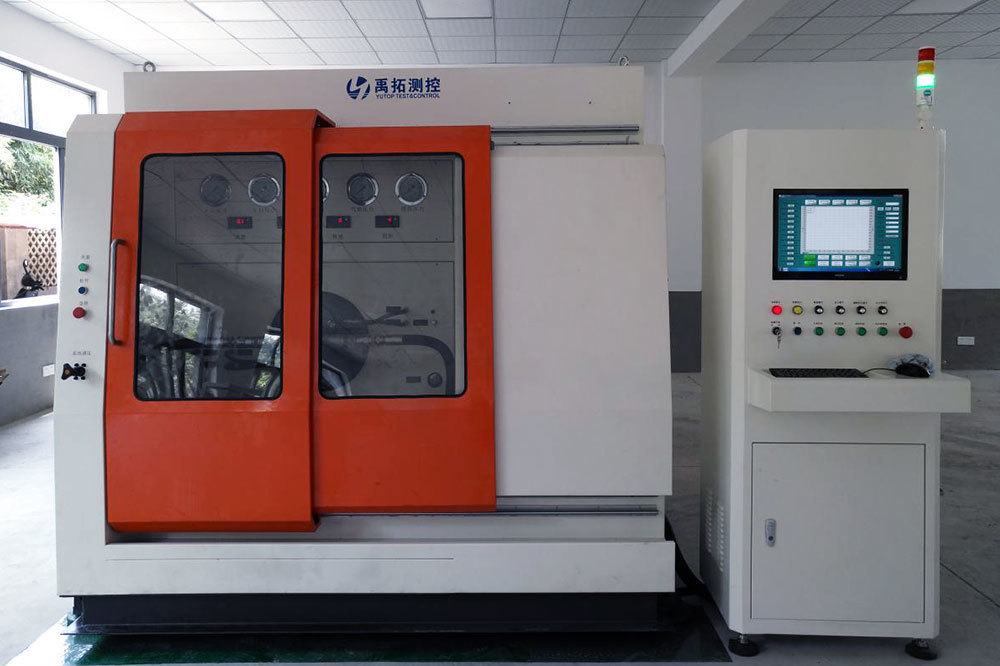
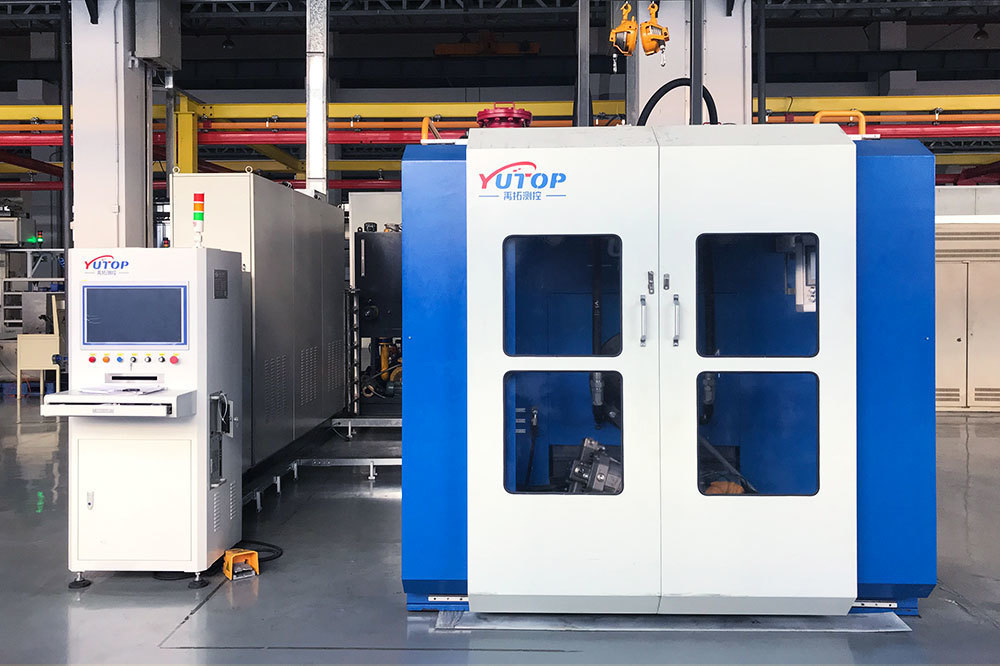
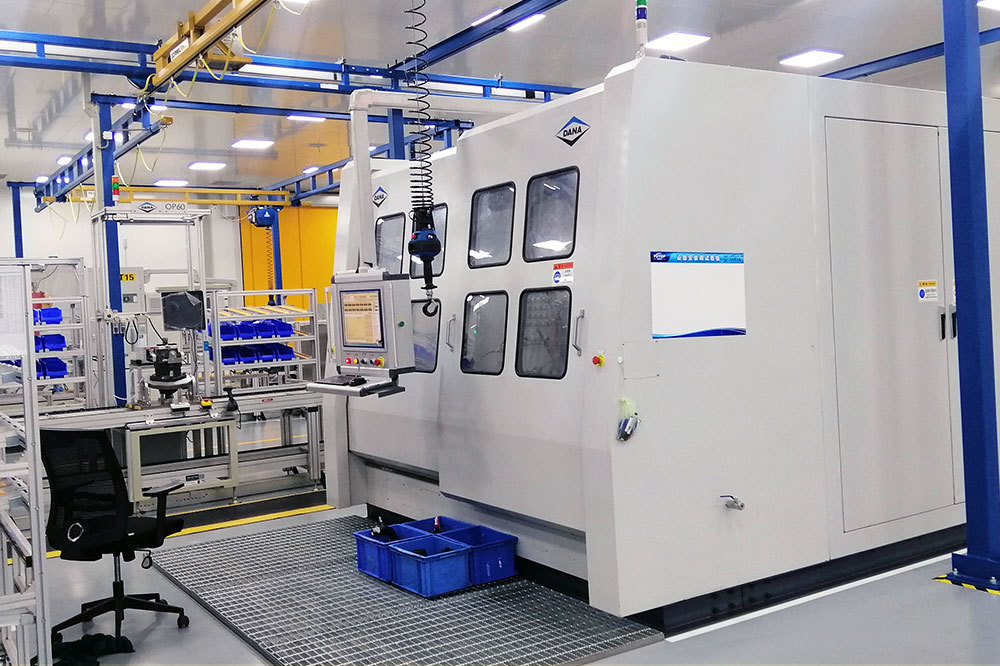
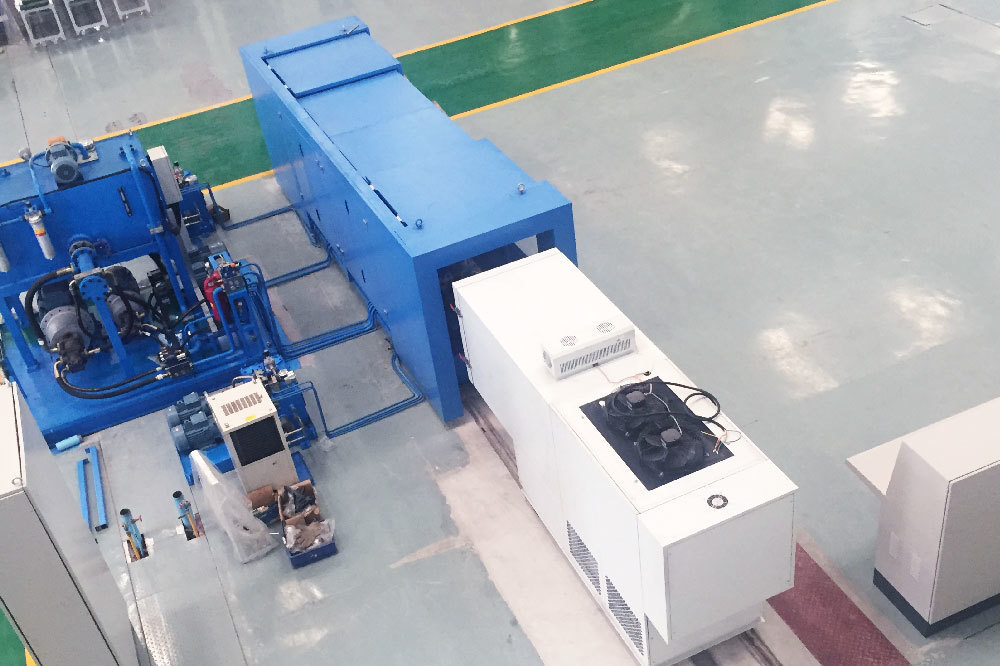
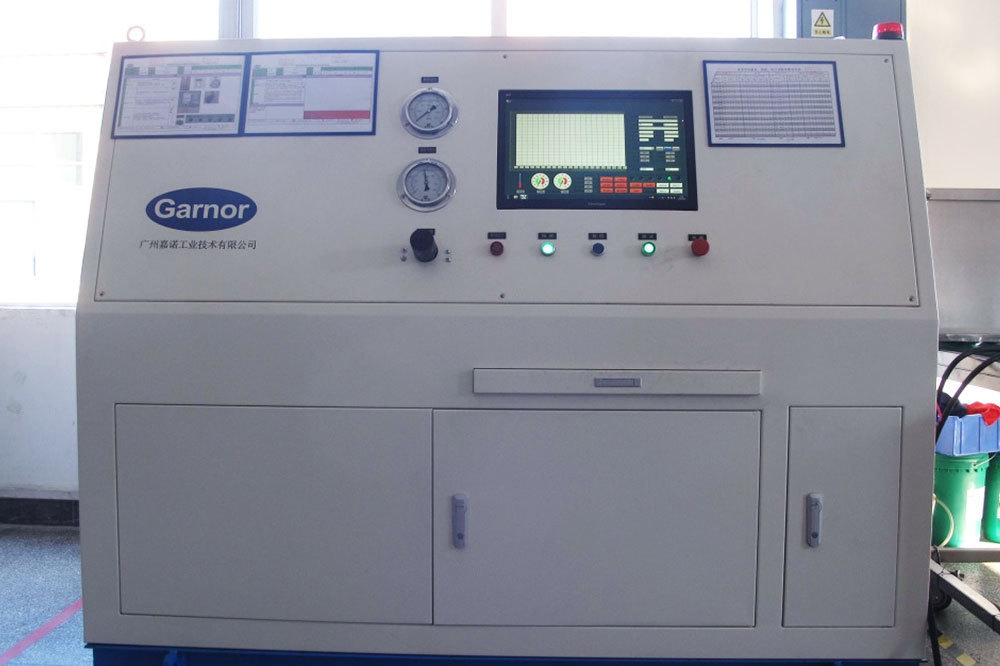
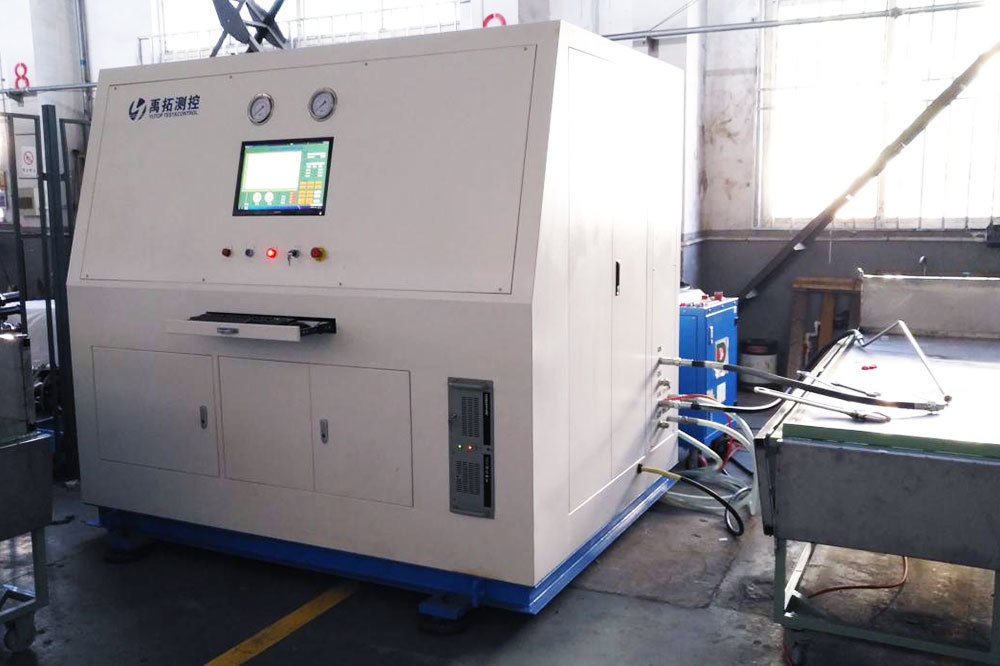
A Comprehensive Guide to Maintaining Your Piston Pump Testing Equipment
A Comprehensive Guide to Maintaining Your Piston Pump Testing Equipment Table of Contents 1. Introduction to Piston Pumps 2. Importance of Regular Maintenance for Piston Pumps 3. Key Components of Piston Pumps 3.1 Plungers 3.2 Cylinders 3.3 Valves 3.4 Seals 4. Essential Maintenance Tips for Piston Pump Testing
Jan 22,2026
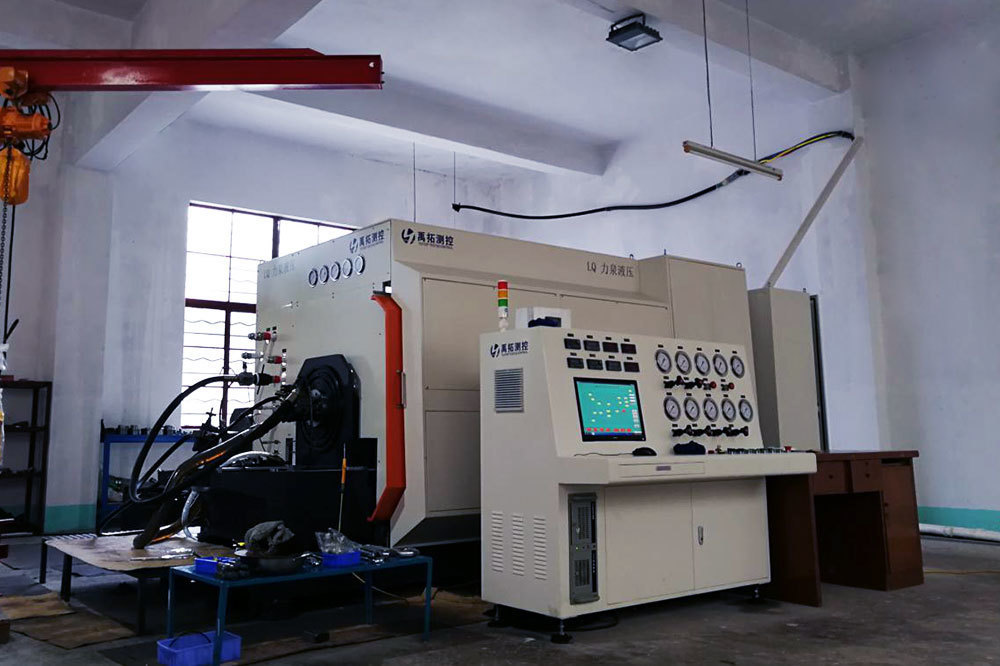
A Comprehensive Guide to Maintaining Your Piston Pump Testing Equipment
Table of Contents
- 1. Introduction to Piston Pumps
- 2. Importance of Regular Maintenance for Piston Pumps
- 3. Key Components of Piston Pumps
- 4. Essential Maintenance Tips for Piston Pump Testing Equipment
- 5. Troubleshooting Common Issues
- 6. Advanced Maintenance Techniques
- 7. Best Practices for Longevity
- 8. Conclusion
- 9. Frequently Asked Questions
1. Introduction to Piston Pumps
Piston pumps are essential components in various industrial applications, offering reliable fluid movement in a variety of systems. Their design enables them to handle high pressures and deliver consistent flow rates, making them indispensable in sectors such as oil and gas, chemical processing, and wastewater management. However, like all mechanical systems, piston pumps require **regular maintenance** to ensure optimal performance and avoid costly downtimes.
2. Importance of Regular Maintenance for Piston Pumps
Maintenance is crucial for any machinery, but it is especially vital for piston pumps due to their operational demands. Regular maintenance helps to:
- **Prevent Failures**: Identifying and rectifying minor issues before they escalate into major problems.
- **Enhance Efficiency**: Well-maintained pumps operate more efficiently, leading to lower energy consumption.
- **Extend Lifespan**: Proper care can significantly extend the operational lifespan of piston pumps, protecting your investment.
- **Ensure Safety**: Regular checks prevent hazardous situations that can arise from pump failures, ensuring a safer working environment.
3. Key Components of Piston Pumps
Understanding the key components of piston pumps can help in their maintenance. The primary parts include:
3.1 Plungers
Plungers are responsible for the actual movement of fluid within the pump. They create pressure and are subject to wear and tear. Regular inspection for **wear signs** is essential.
3.2 Cylinders
The cylinder houses the plunger and contains the fluid being pumped. It’s vital to check for any signs of corrosion or damage that could affect performance.
3.3 Valves
Valves control the flow of fluid into and out of the pump. Ensuring they are clean and functioning properly is crucial for maintaining flow rates.
3.4 Seals
Seals prevent leaks and maintain pressure within the system. Regularly checking for wear and replacing them as necessary is vital to avoid fluid loss.
4. Essential Maintenance Tips for Piston Pump Testing Equipment
To keep your piston pumps in top condition, consider these essential maintenance tips:
4.1 Routine Checks
Perform daily and weekly checks on your equipment. Look for abnormal noises, vibrations, or leaks. Maintaining a detailed log of these checks can help in early detection of potential issues.
4.2 Lubrication Practices
Proper lubrication reduces friction and wear on moving parts. Ensure that you use the manufacturer-recommended lubricants and follow their guidelines on lubrication frequency.
4.3 Cleaning Procedures
Regularly clean your piston pump to prevent build-up that can cause inefficiencies. Use appropriate cleaning agents that do not damage the components and ensure all parts are dried thoroughly before reassembling.
5. Troubleshooting Common Issues
Even with careful maintenance, issues may arise. Here are some common problems with their potential causes and solutions:
- **Low Pressure**: Check for leaks, worn seals, or valve malfunctions.
- **Noise**: Excessive noise can indicate mechanical failure or inadequate lubrication.
- **Overheating**: Ensure that the pump is not experiencing excessive workload and that cooling systems are functioning properly.
6. Advanced Maintenance Techniques
For those looking to implement advanced maintenance protocols, consider the following:
- **Predictive Maintenance**: Utilizing sensors to monitor pump performance and predict failures before they occur.
- **Vibration Analysis**: Regularly assessing vibrations can help detect internal issues early on.
7. Best Practices for Longevity
Implementing best practices can significantly enhance the lifespan of your piston pumps:
- **Operational Training**: Ensure that all personnel are trained on proper pump operation and maintenance techniques.
- **Scheduled Maintenance**: Establish a rigorous maintenance schedule tailored to your operational demands.
- **Documentation**: Keep comprehensive records of maintenance activities and any changes made to the pump system.
8. Conclusion
Maintaining your piston pump testing equipment is essential to ensuring its longevity, efficiency, and safety. By implementing a comprehensive maintenance plan that includes routine checks, lubrication, cleaning, and troubleshooting, you can avoid costly breakdowns and extend the life of your equipment. Emphasizing training and documentation will further enhance your maintenance efforts. Embrace these practices to keep your piston pumps operating at their best and safeguard your investment.
9. Frequently Asked Questions
1. How often should I perform maintenance on my piston pump?
Regular maintenance should be performed according to the manufacturer's recommendations, typically on a daily, weekly, or monthly basis depending on usage intensity.
2. What are the signs I need to replace seals in my piston pump?
Look for visible wear, leaks, or a drop in pressure, which can indicate that seals need replacing.
3. Can I use any lubricant for my piston pump?
No, always use lubricants recommended by the manufacturer to avoid damaging your pump components.
4. What should I do if my piston pump overheats?
Check for excessive workload, inspect the cooling system, and allow the pump to cool down before further investigation.
5. Is it necessary to clean my piston pump regularly?
Yes, regular cleaning is crucial to prevent build-up and maintain optimal performance of your piston pump.

Room 207, 2nd Floor, Block C, Building 1 (Self-designated), No. 3 Yunkai Road, Yunpu Industrial Zone, Huangpu District, Guangzhou City,China


