


Essential Guide to Bench Testing for Komatsu Hydraulic Pumps
When it comes to ensuring the performance of Komatsu hydraulic pumps, a dedicated testing bench is an indispensable tool in the automotive repair industry. The primary purpose of a bench for Komatsu hydraulic pump testing is to evaluate the pump's functionality, efficiency, and overall health before reinstallation or usage in machinery. This process can significantly reduce the likelihood of opera
Feb 28,2026
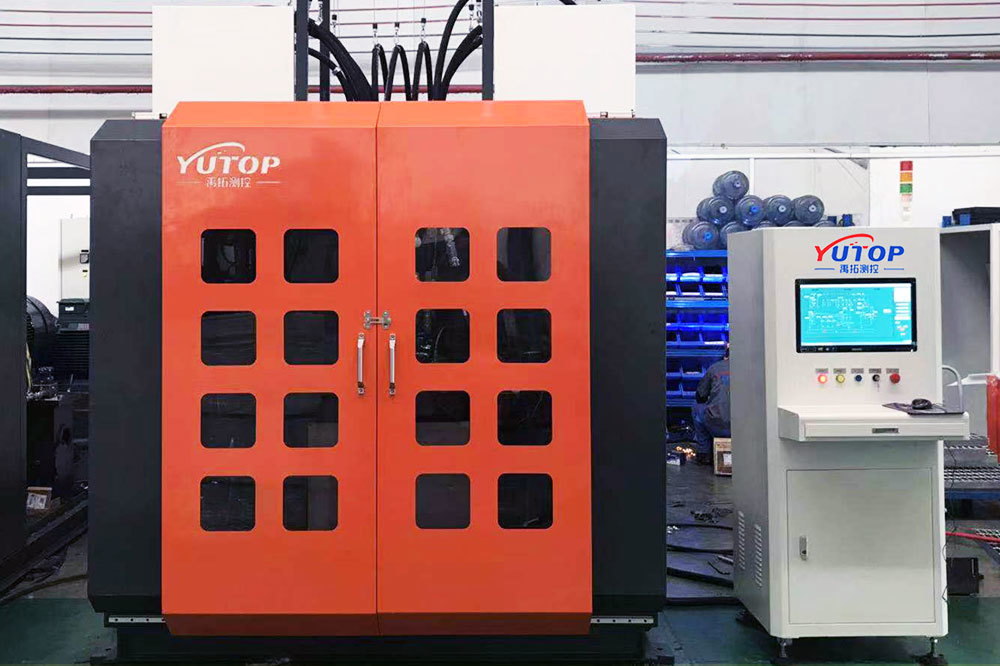
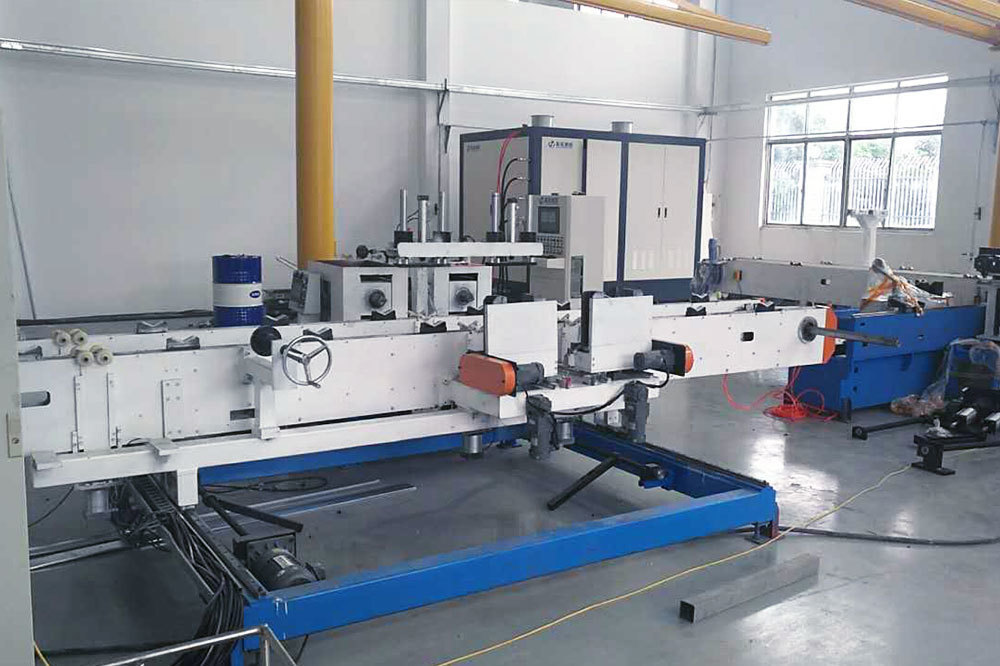
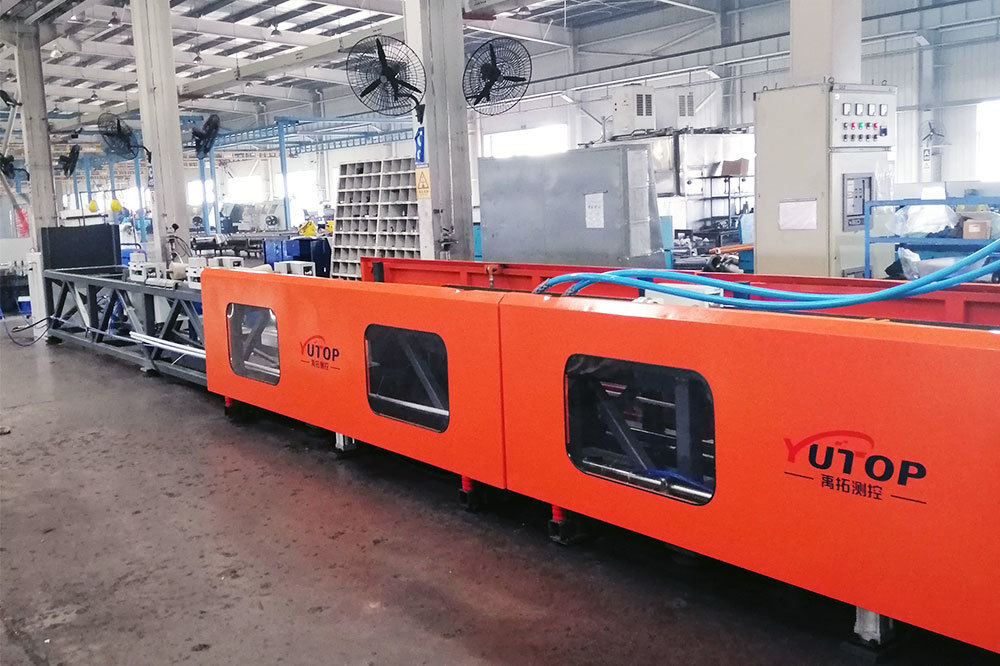
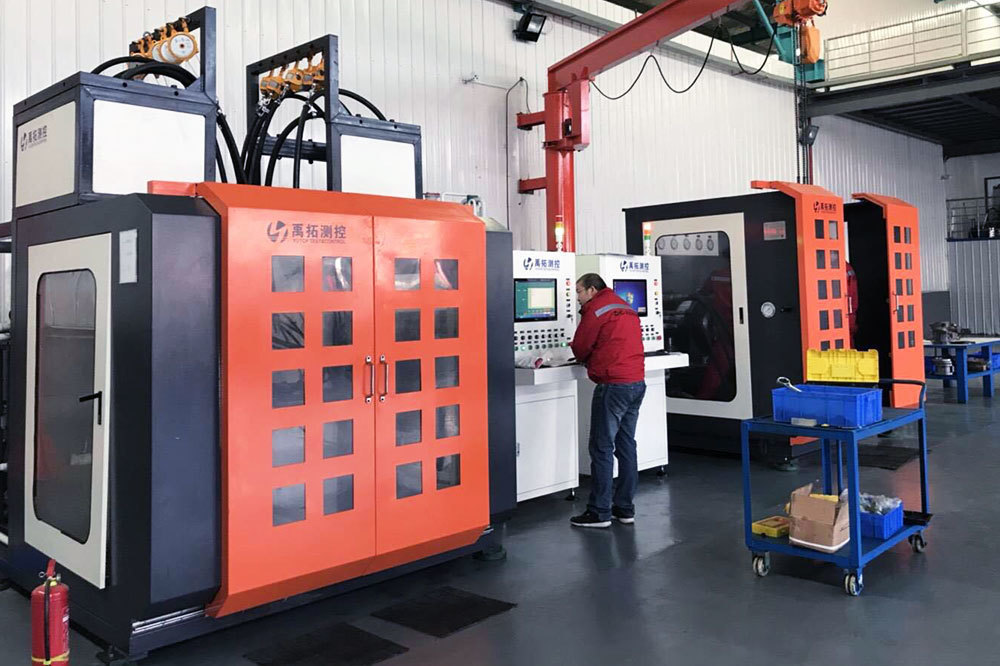
When it comes to ensuring the performance of Komatsu hydraulic pumps, a dedicated testing bench is an indispensable tool in the automotive repair industry. The primary purpose of a bench for Komatsu hydraulic pump testing is to evaluate the pump's functionality, efficiency, and overall health before reinstallation or usage in machinery. This process can significantly reduce the likelihood of operational failures and enhance the longevity of hydraulic systems.
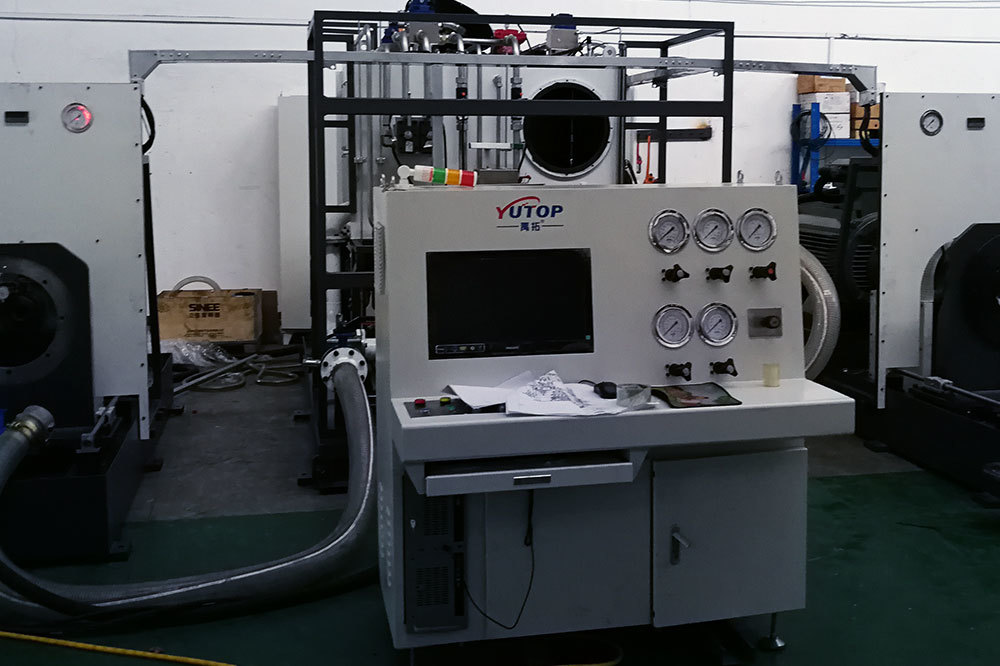
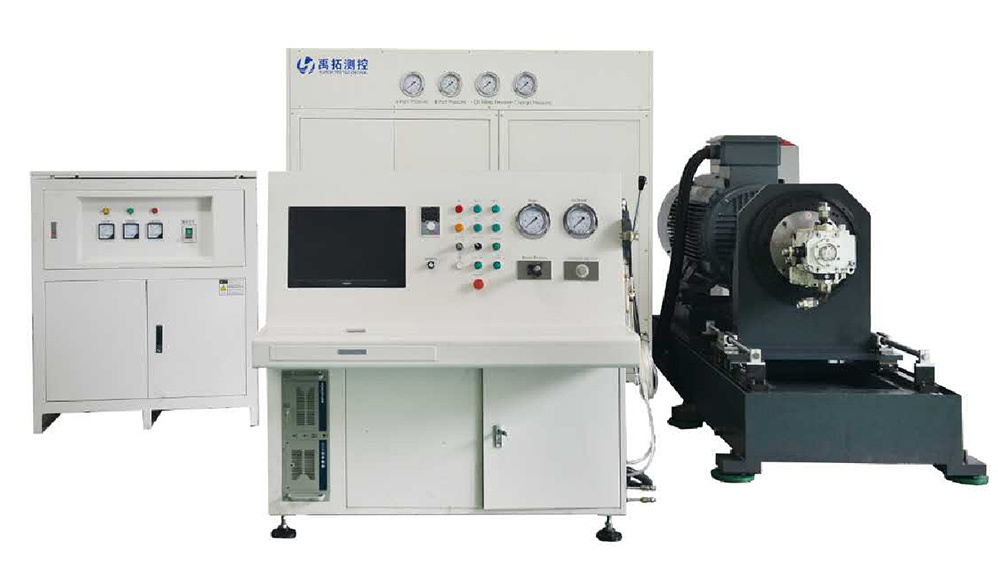
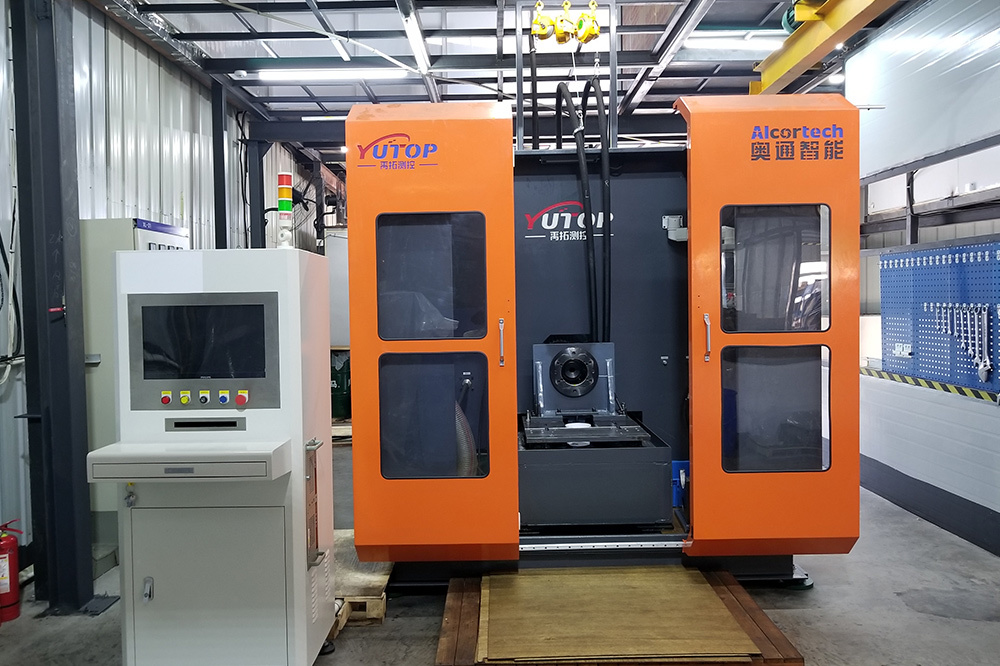
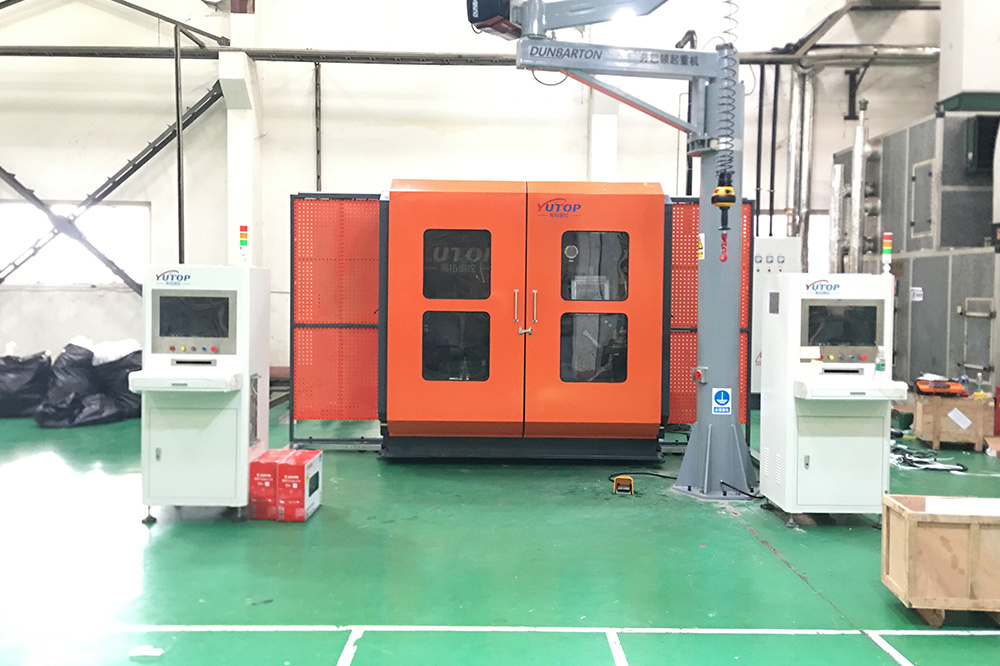
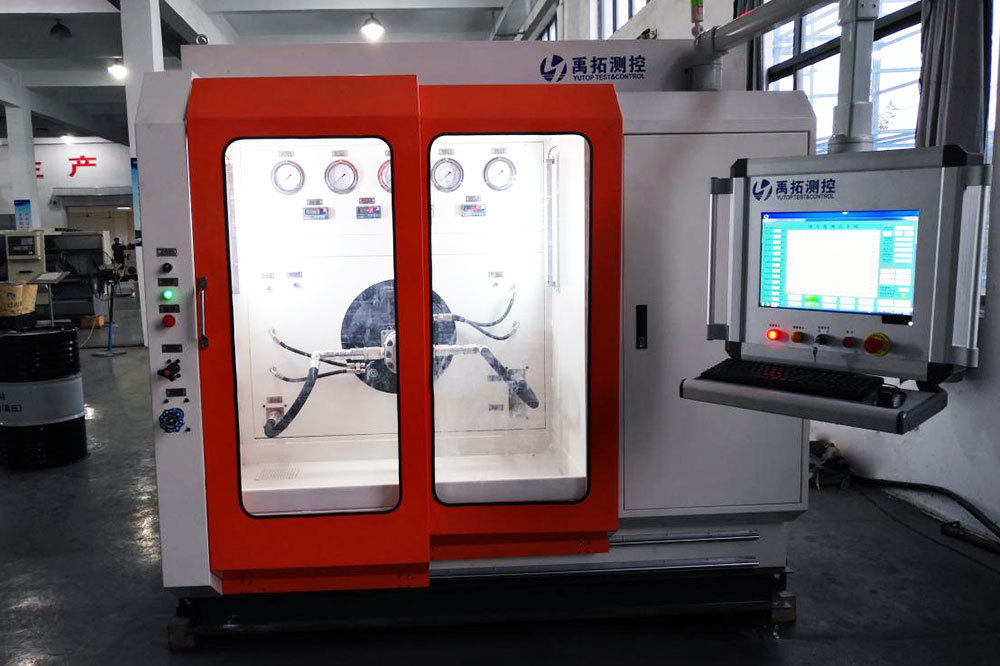
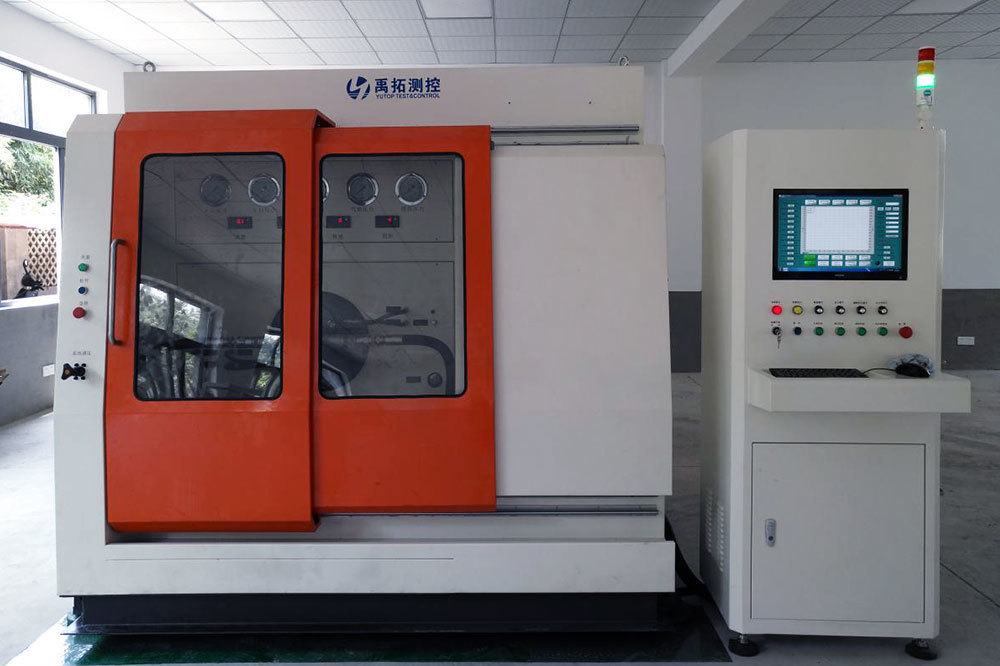
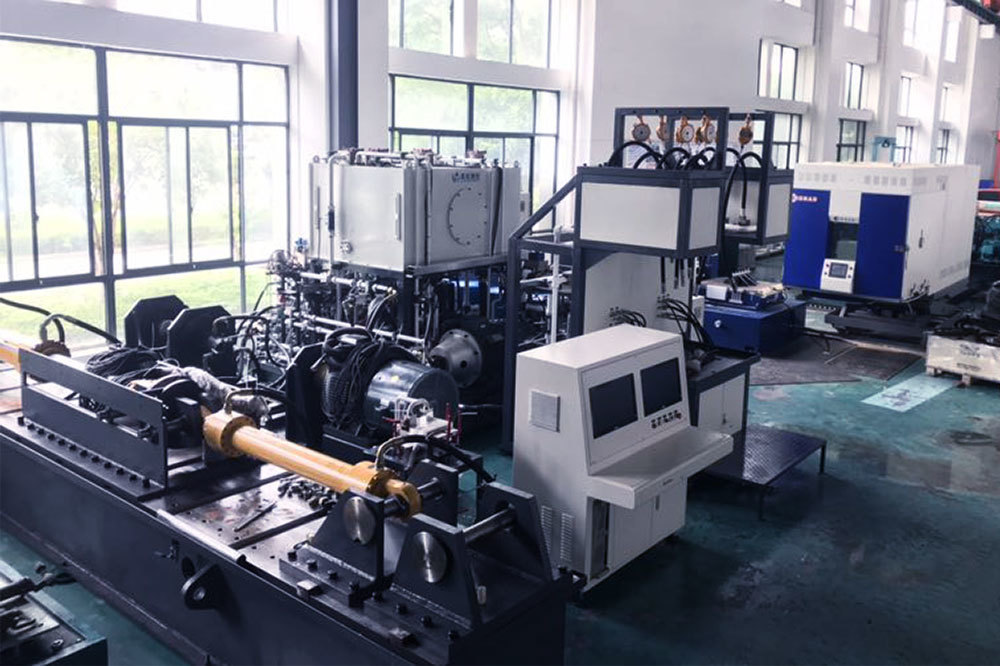
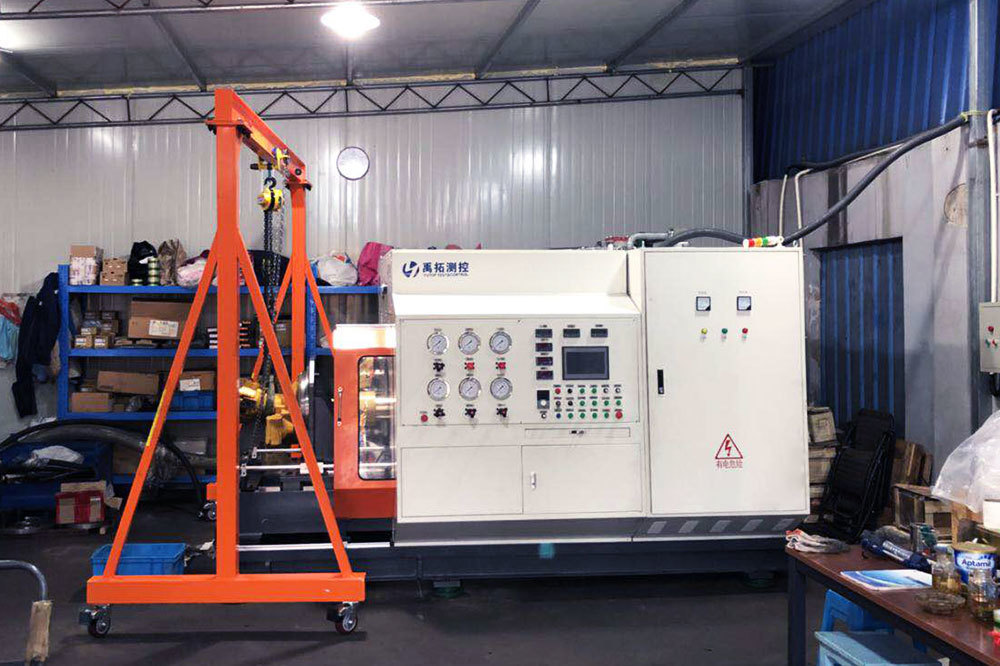
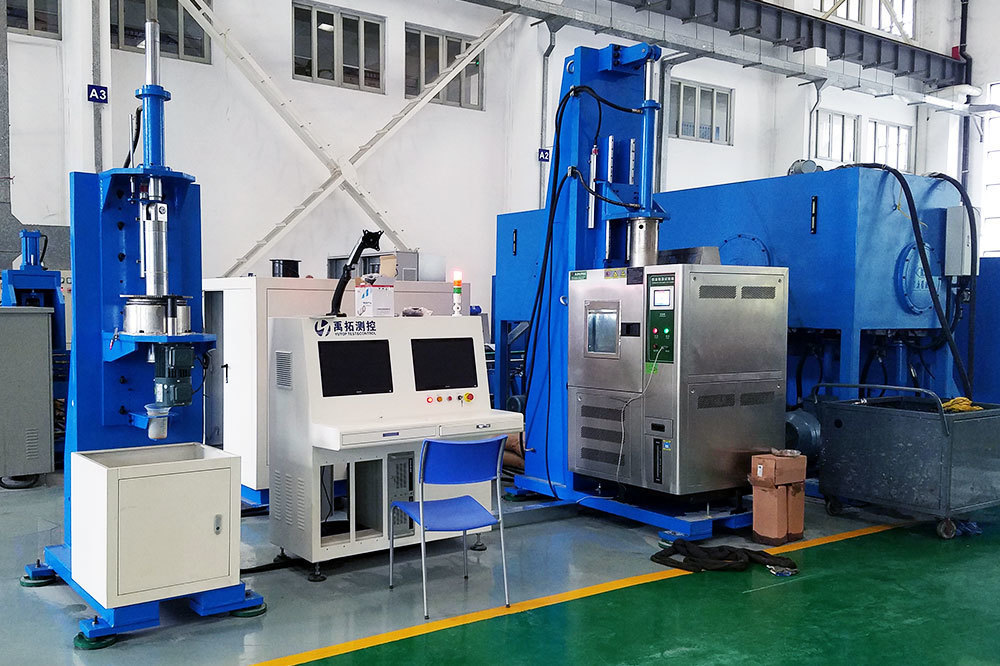
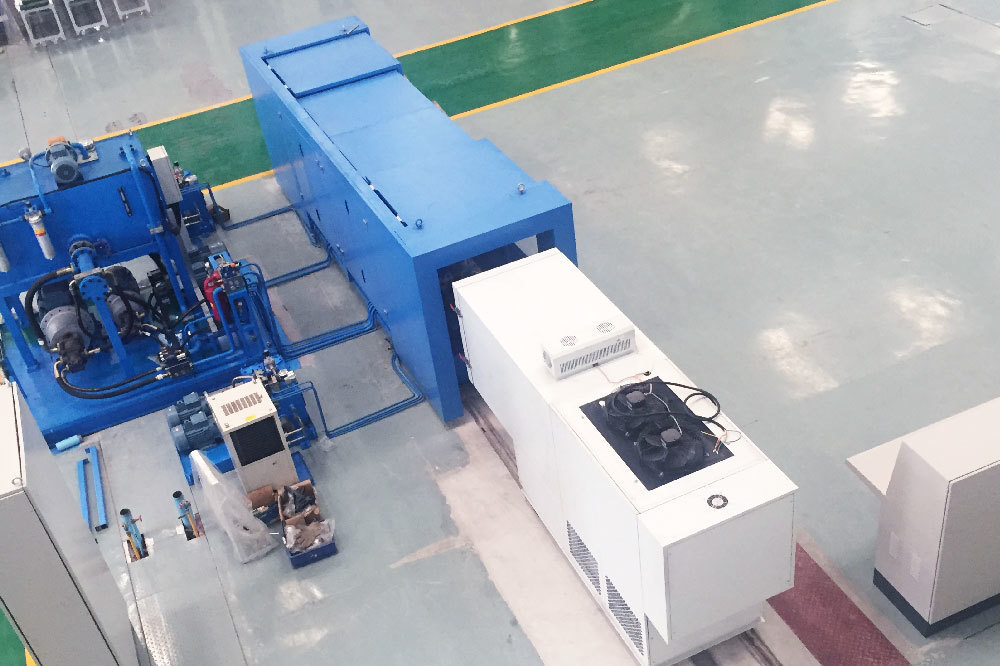
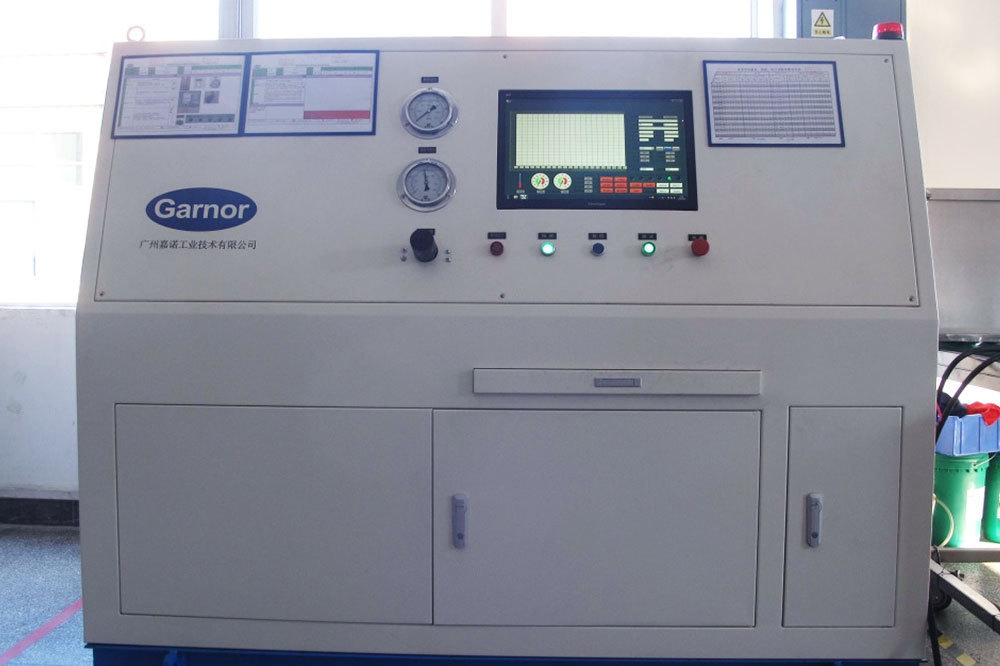
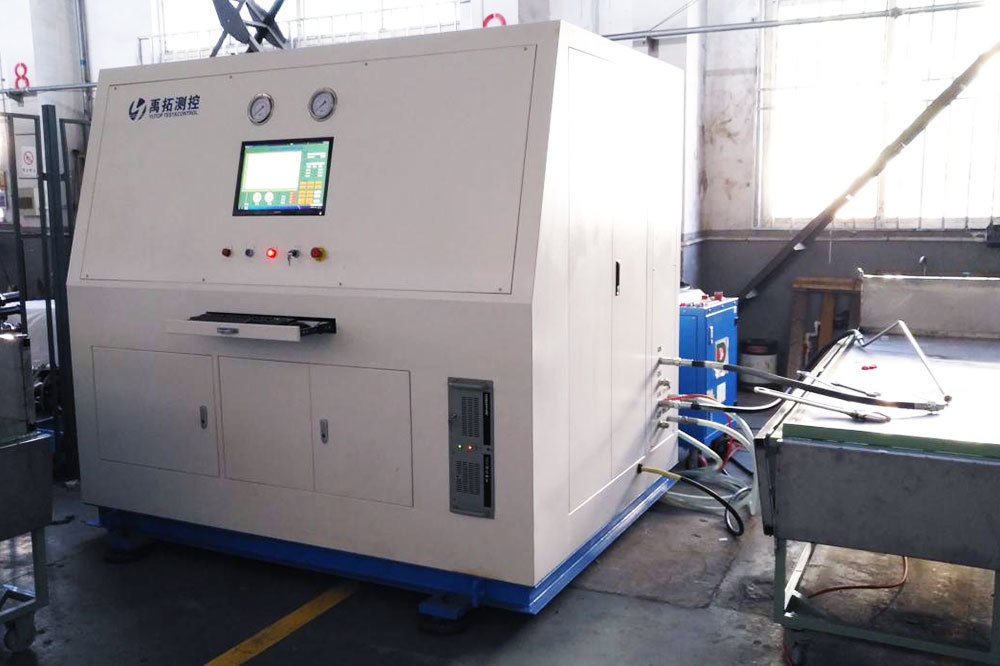
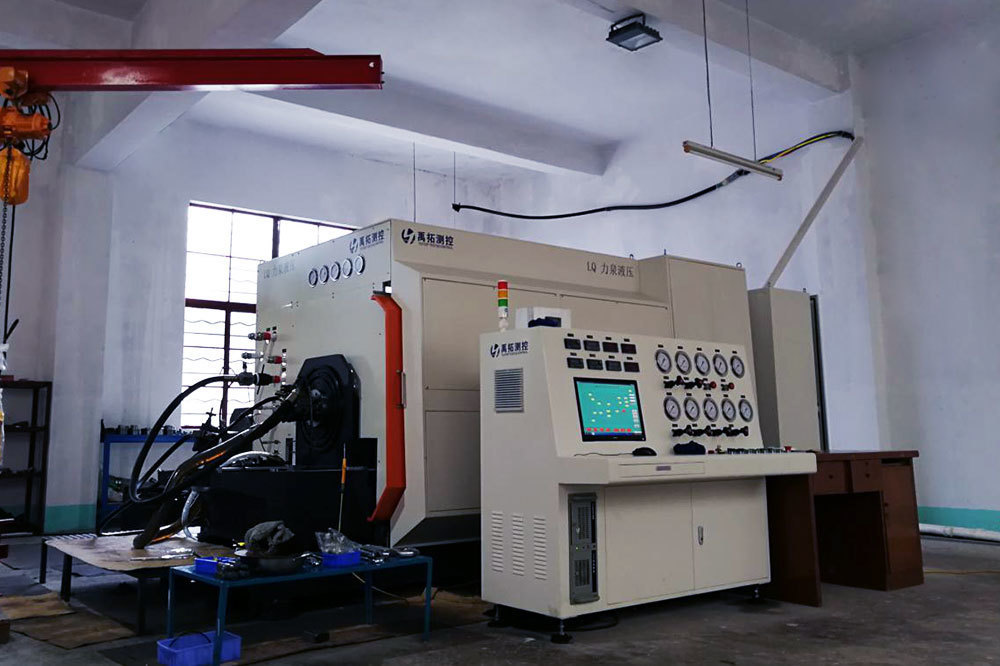
A typical bench setup for hydraulic pump testing should include several essential components. First and foremost, a hydraulic power unit (HPU) is required, which provides the necessary flow and pressure to simulate real-world operating conditions. This unit should be compatible with the specifications of the Komatsu hydraulic pumps being tested, ensuring accurate results.
In addition to the HPU, the testing bench must possess secure mounting fixtures for the hydraulic pump. These fixtures help maintain the stability of the pump during testing, allowing for precise measurements and evaluations. A flow meter is also critical, as it measures the output flow rate from the pump, providing vital data on its performance. Pressure gauges should be integrated into the setup to monitor the pressure at various points in the hydraulic system, helping to identify any inefficiencies or malfunctions.
For effective testing, an operator must follow a systematic approach. Begin by visually inspecting the pump for any signs of damage or wear. Next, connect the pump to the hydraulic power unit and set the appropriate parameters based on the manufacturer's specifications. Gradually increase the pressure and flow while monitoring the output with the flow meter and pressure gauges. Any deviations from expected values should be documented and investigated further to ascertain the root cause.
Moreover, it’s essential to consider the hydraulic fluid used during testing. The fluid should be clean and of the correct type as specified by Komatsu, as this ensures that the test results are reliable and replicable. Contamination can lead to erroneous readings or even damage the pump, negating the benefits of bench testing.
In conclusion, a dedicated bench for Komatsu hydraulic pump testing is a powerful tool for automotive professionals aiming to ensure the reliability and efficiency of hydraulic systems. By adhering to established testing protocols and using the right equipment, technicians can significantly improve their diagnostic capabilities and contribute to the longevity of hydraulic components. Implementing these practices not only enhances operational efficiency but also instills confidence in the quality of repairs and maintenance performed.
A typical bench setup for hydraulic pump testing should include several essential components. First and foremost, a hydraulic power unit (HPU) is required, which provides the necessary flow and pressure to simulate real-world operating conditions. This unit should be compatible with the specifications of the Komatsu hydraulic pumps being tested, ensuring accurate results.
In addition to the HPU, the testing bench must possess secure mounting fixtures for the hydraulic pump. These fixtures help maintain the stability of the pump during testing, allowing for precise measurements and evaluations. A flow meter is also critical, as it measures the output flow rate from the pump, providing vital data on its performance. Pressure gauges should be integrated into the setup to monitor the pressure at various points in the hydraulic system, helping to identify any inefficiencies or malfunctions.
For effective testing, an operator must follow a systematic approach. Begin by visually inspecting the pump for any signs of damage or wear. Next, connect the pump to the hydraulic power unit and set the appropriate parameters based on the manufacturer's specifications. Gradually increase the pressure and flow while monitoring the output with the flow meter and pressure gauges. Any deviations from expected values should be documented and investigated further to ascertain the root cause.
Moreover, it’s essential to consider the hydraulic fluid used during testing. The fluid should be clean and of the correct type as specified by Komatsu, as this ensures that the test results are reliable and replicable. Contamination can lead to erroneous readings or even damage the pump, negating the benefits of bench testing.
In conclusion, a dedicated bench for Komatsu hydraulic pump testing is a powerful tool for automotive professionals aiming to ensure the reliability and efficiency of hydraulic systems. By adhering to established testing protocols and using the right equipment, technicians can significantly improve their diagnostic capabilities and contribute to the longevity of hydraulic components. Implementing these practices not only enhances operational efficiency but also instills confidence in the quality of repairs and maintenance performed.
PREVIOUS:

Room 209, 2nd Floor, No.12, No.828 Maogang Road, Huangpu District, Guangzhou,China.


