

Essential Insights into Hydraulic Motor Test Systems for Industrial Applications
Hydraulic motor test systems are essential tools in the industrial equipment and components sector, particularly for evaluating the performance of hydraulic motors. These systems are designed to simulate real-world operating conditions, enabling professionals to assess various performance metrics such as torque, speed, efficiency, and responsiveness. Understanding the mechanics behind hydraulic mo
Apr 13,2026

Hydraulic motor test systems are essential tools in the industrial equipment and components sector, particularly for evaluating the performance of hydraulic motors. These systems are designed to simulate real-world operating conditions, enabling professionals to assess various performance metrics such as torque, speed, efficiency, and responsiveness. Understanding the mechanics behind hydraulic motor testing is crucial for ensuring the reliability and longevity of hydraulic machinery.
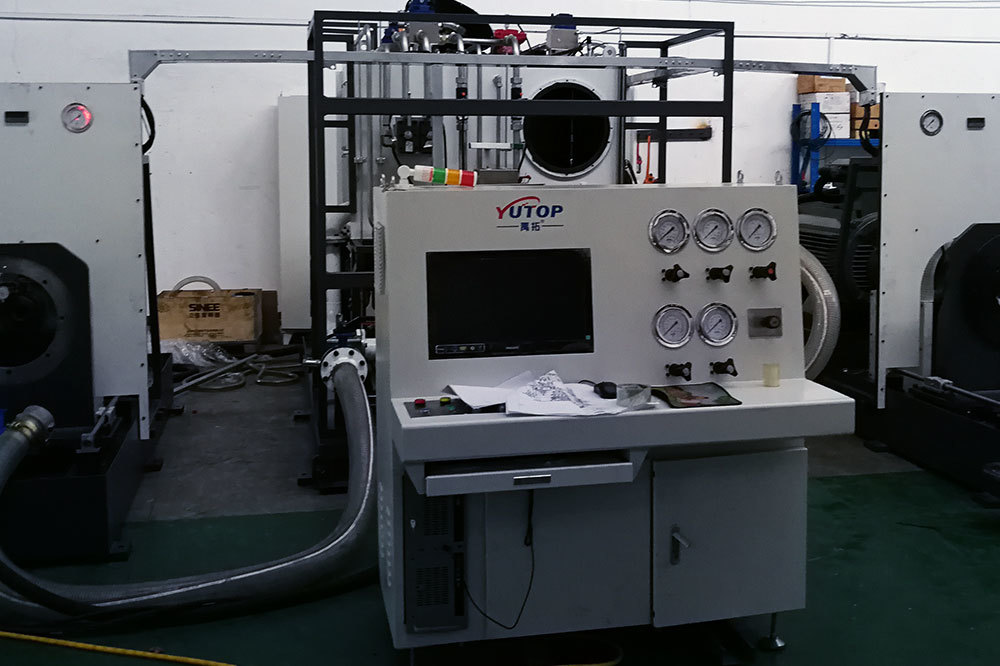
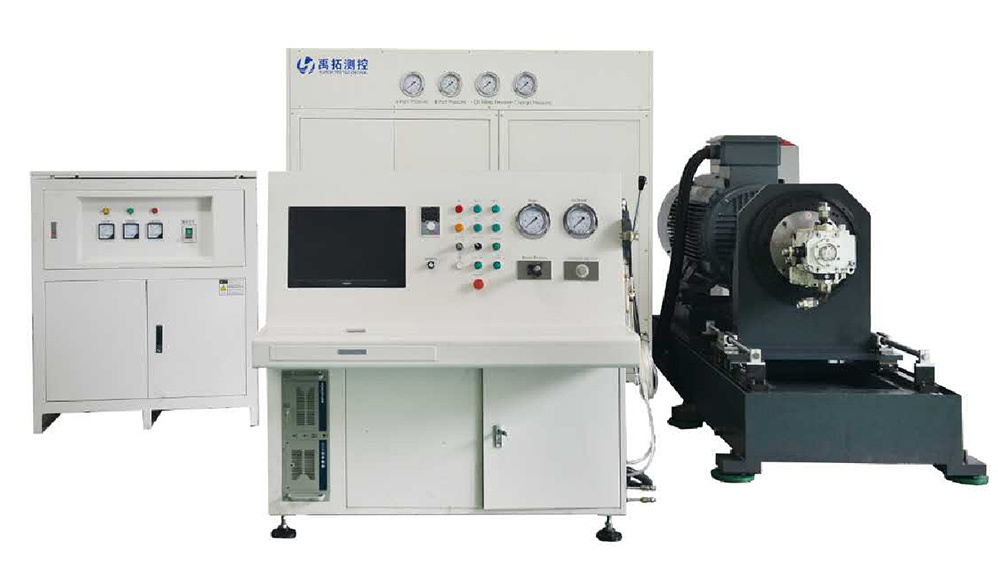
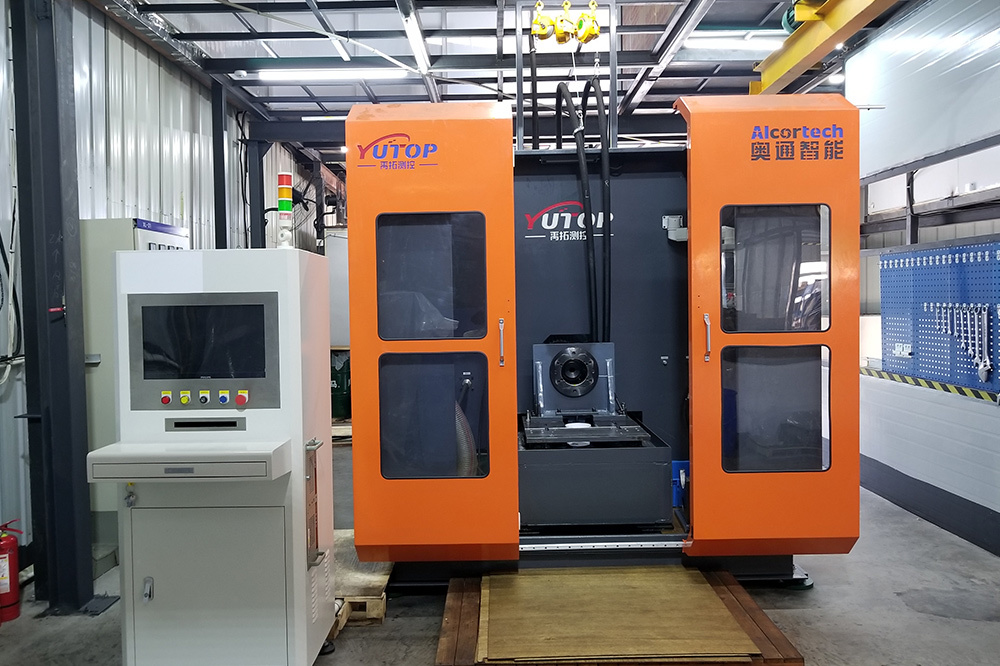
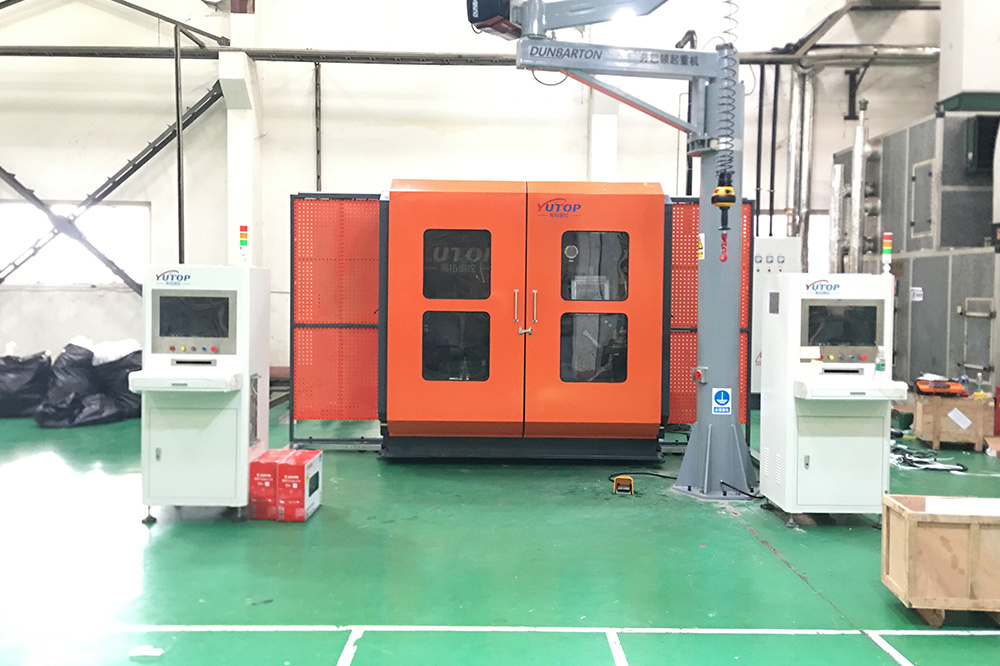
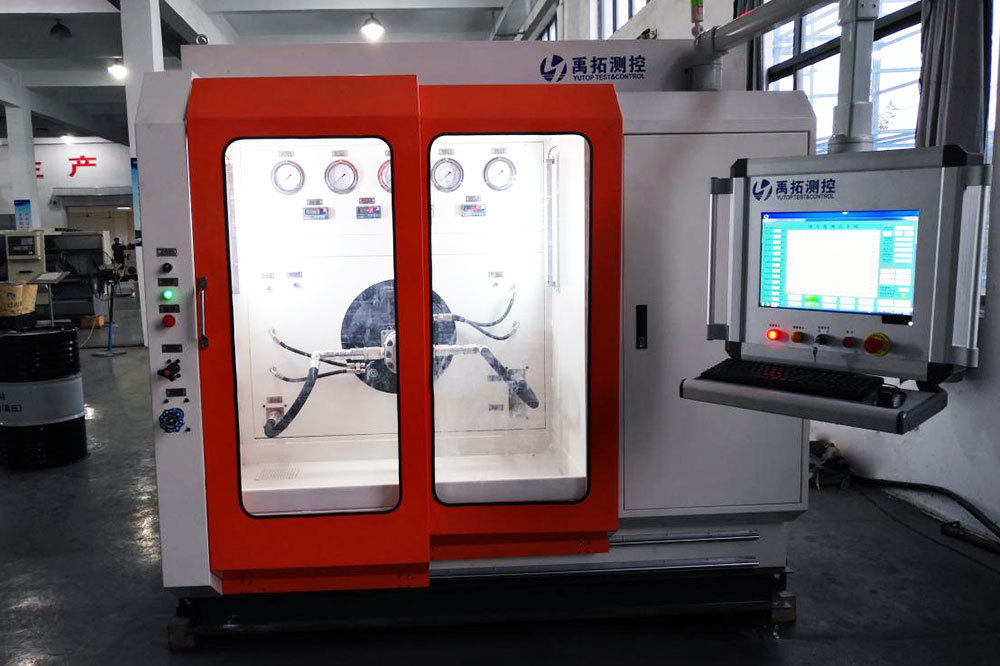
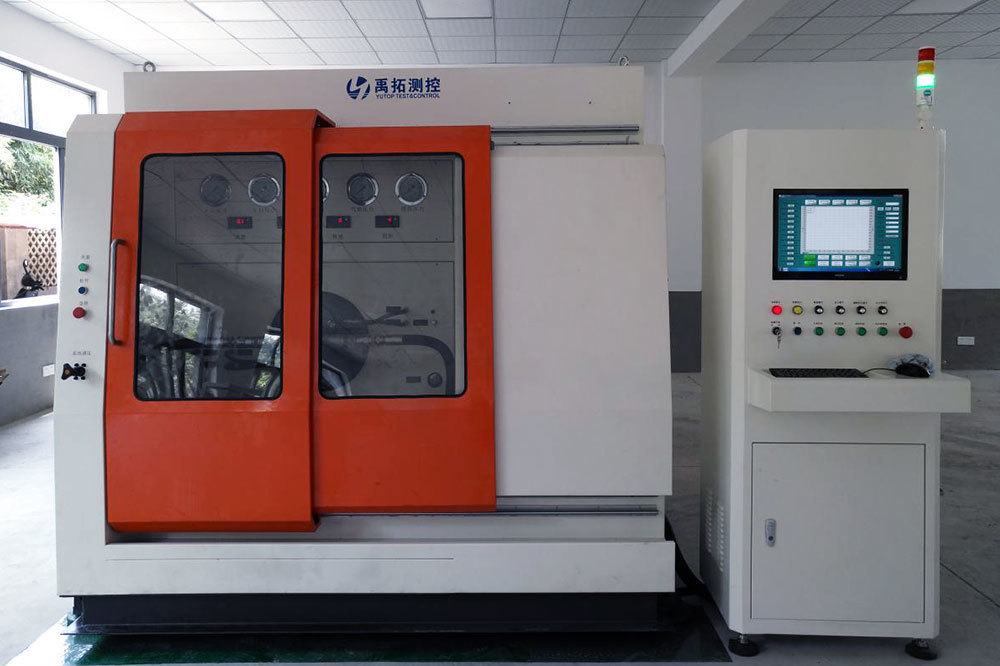
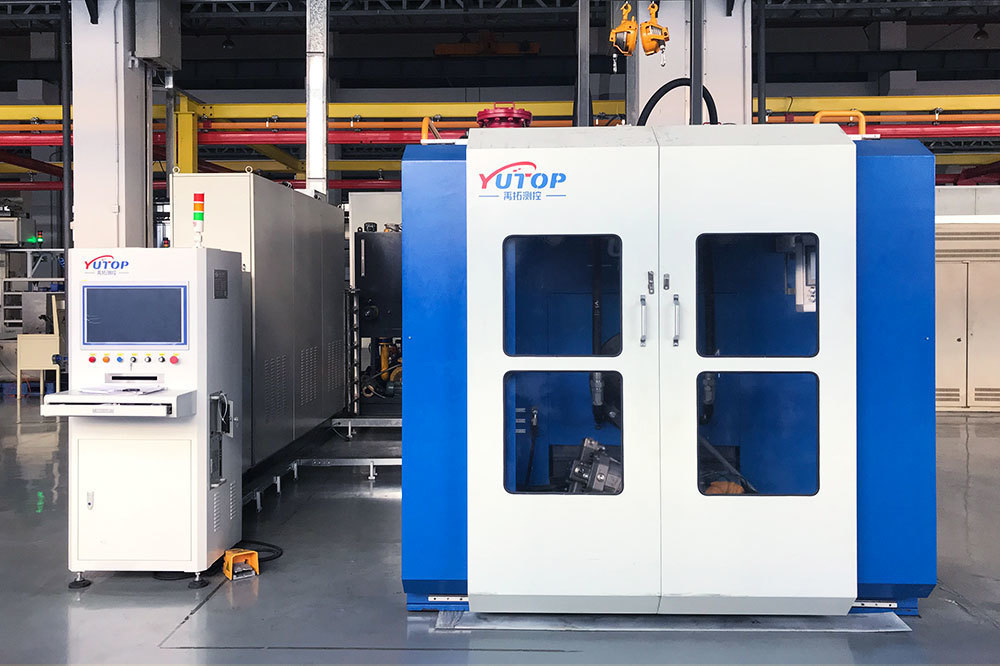
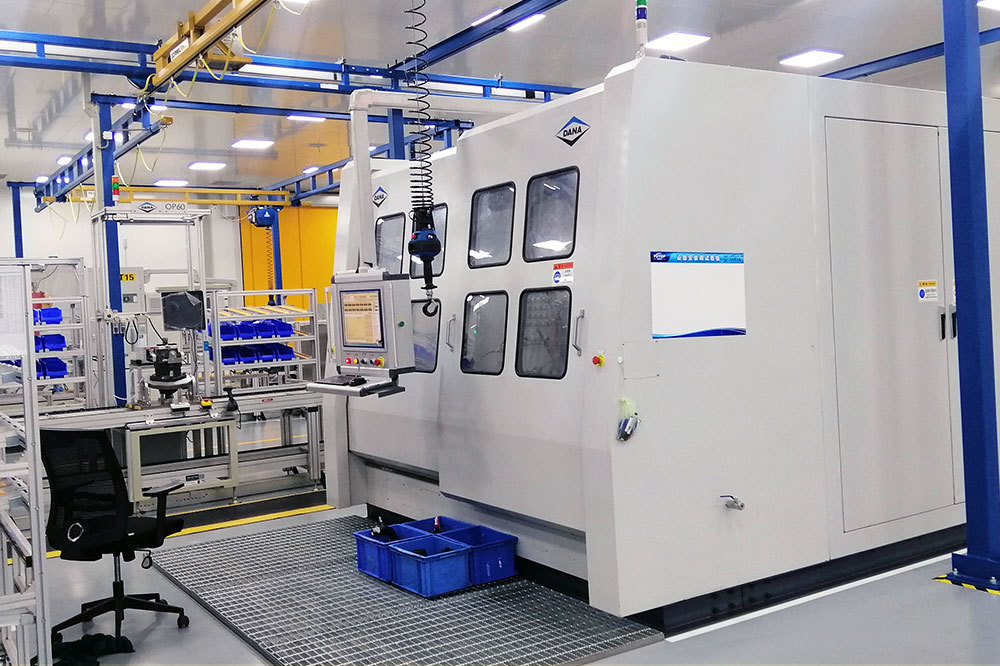
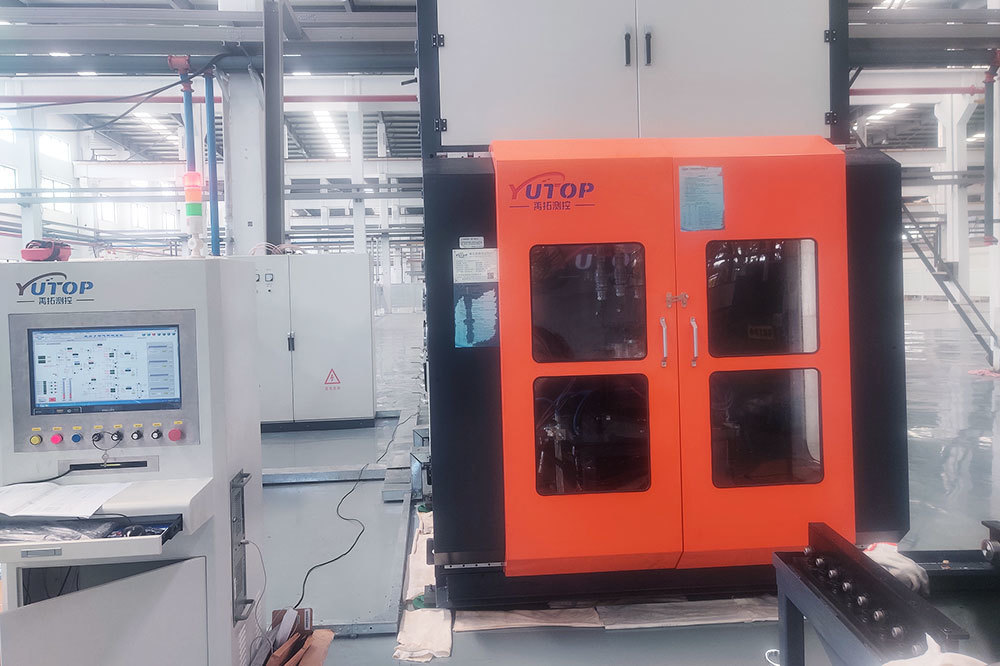
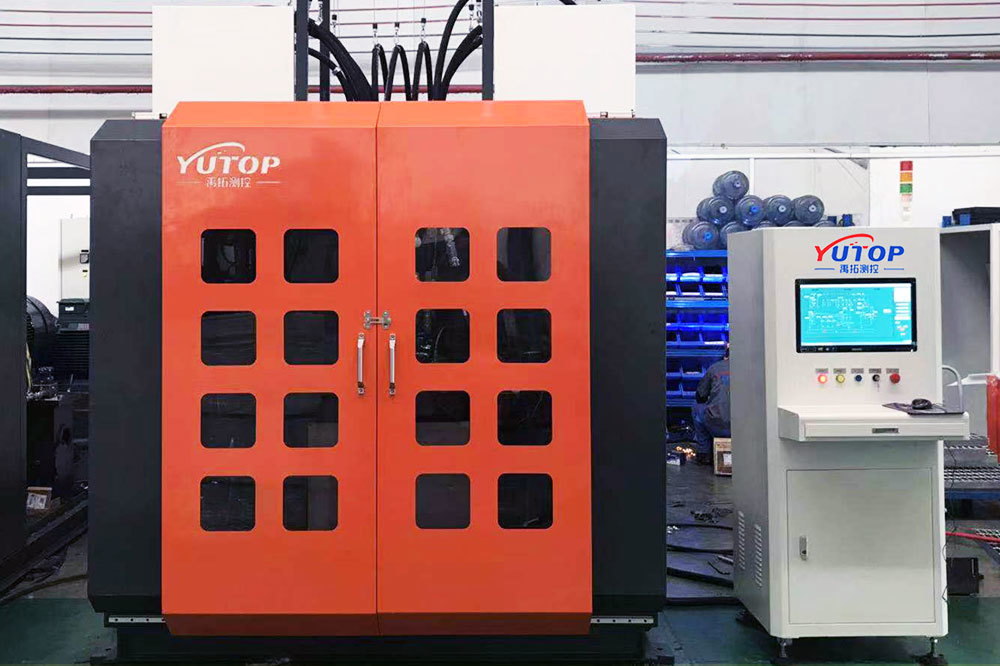
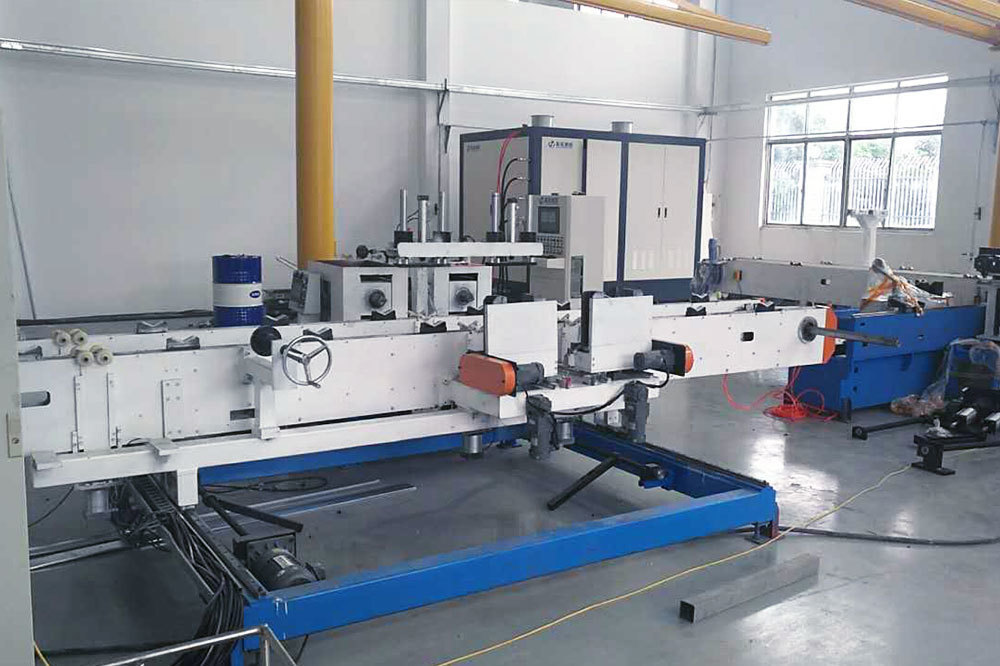
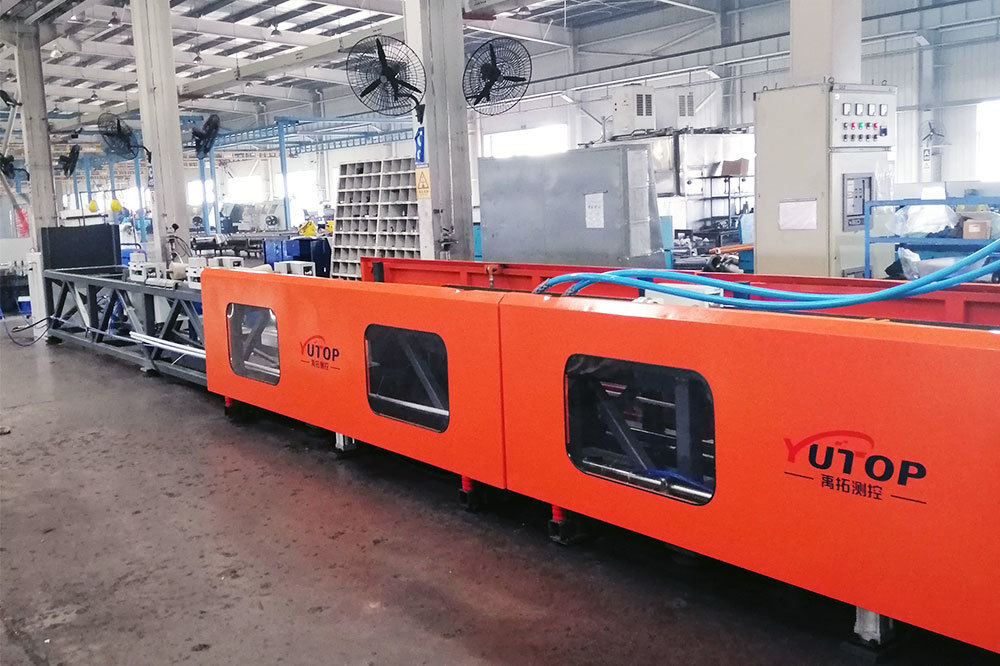
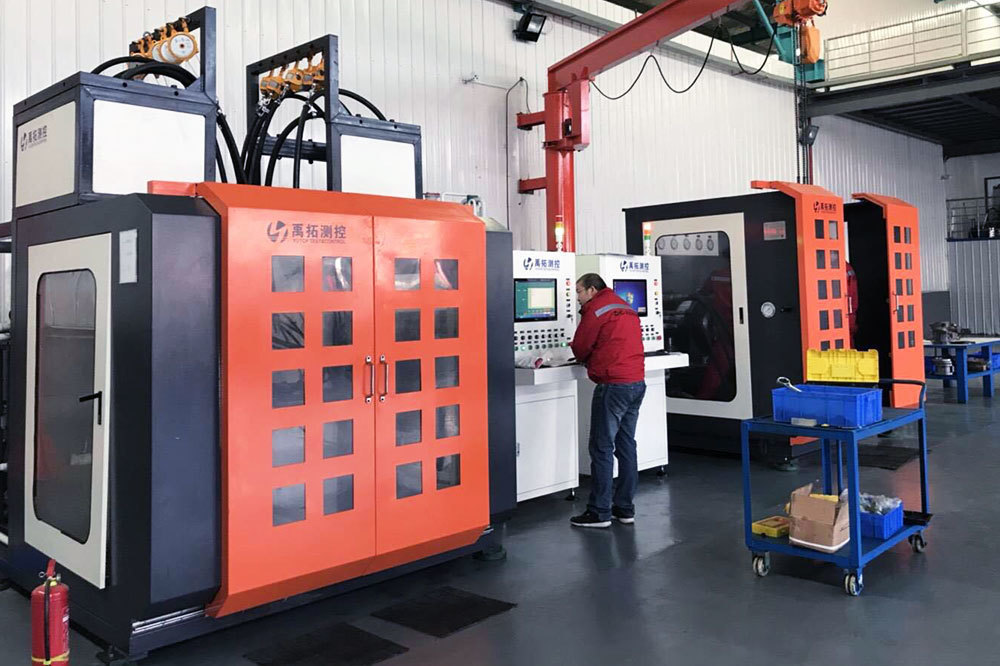
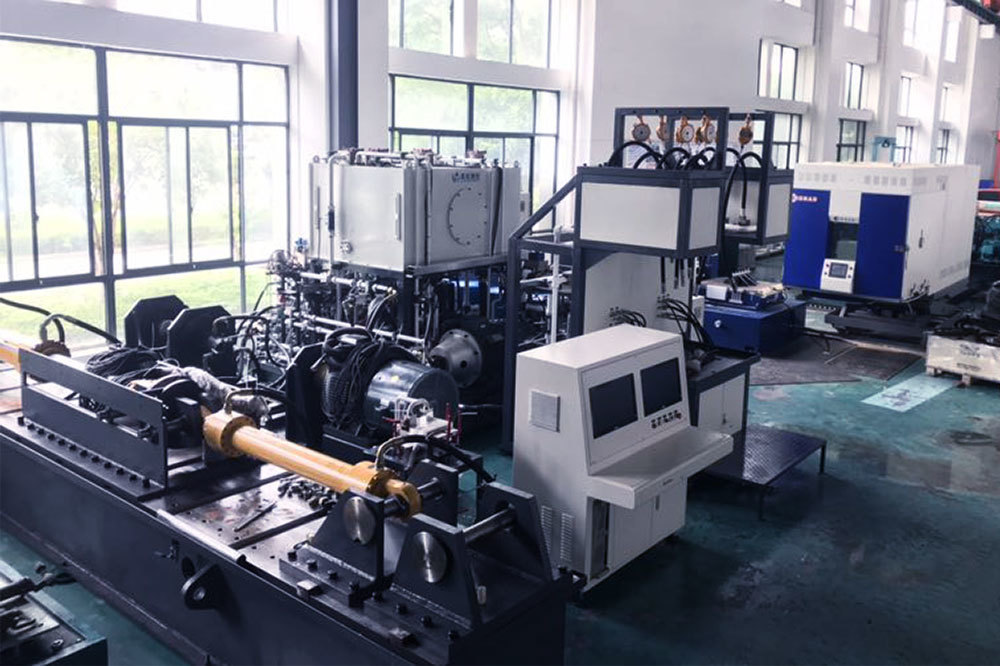
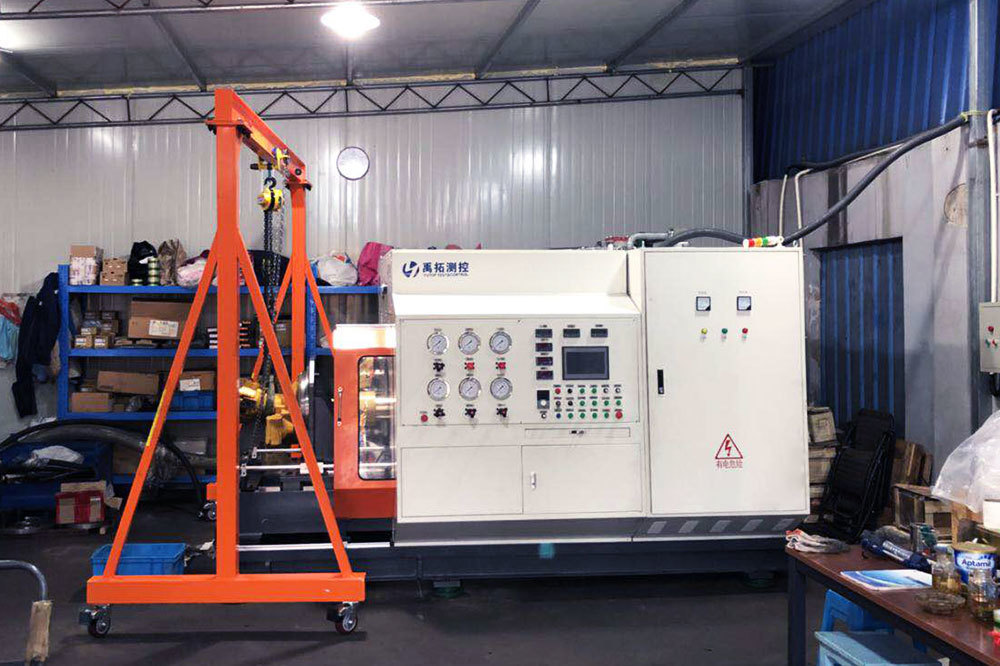
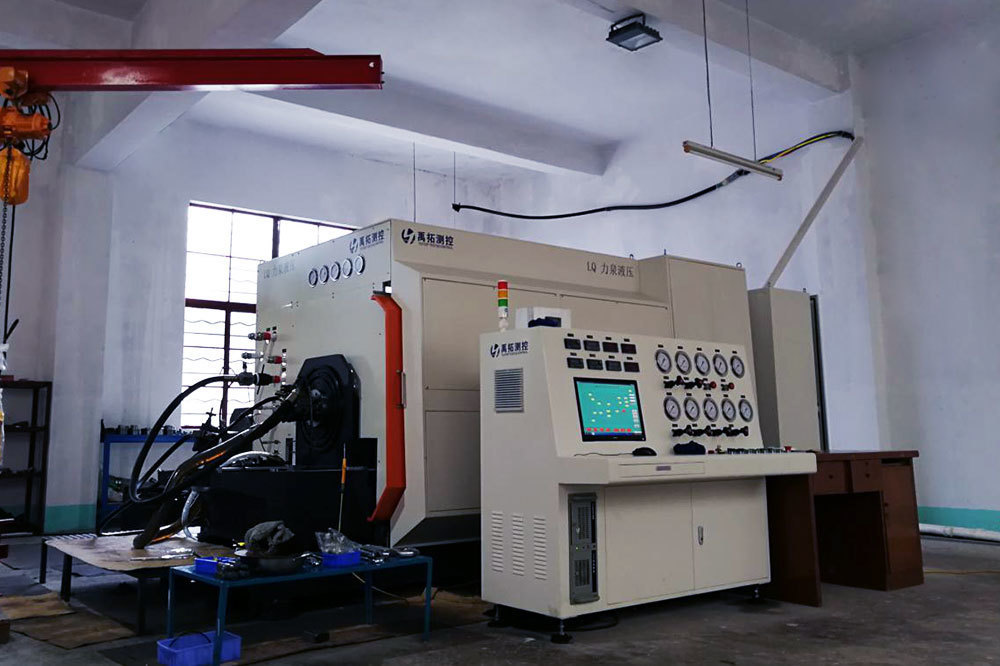
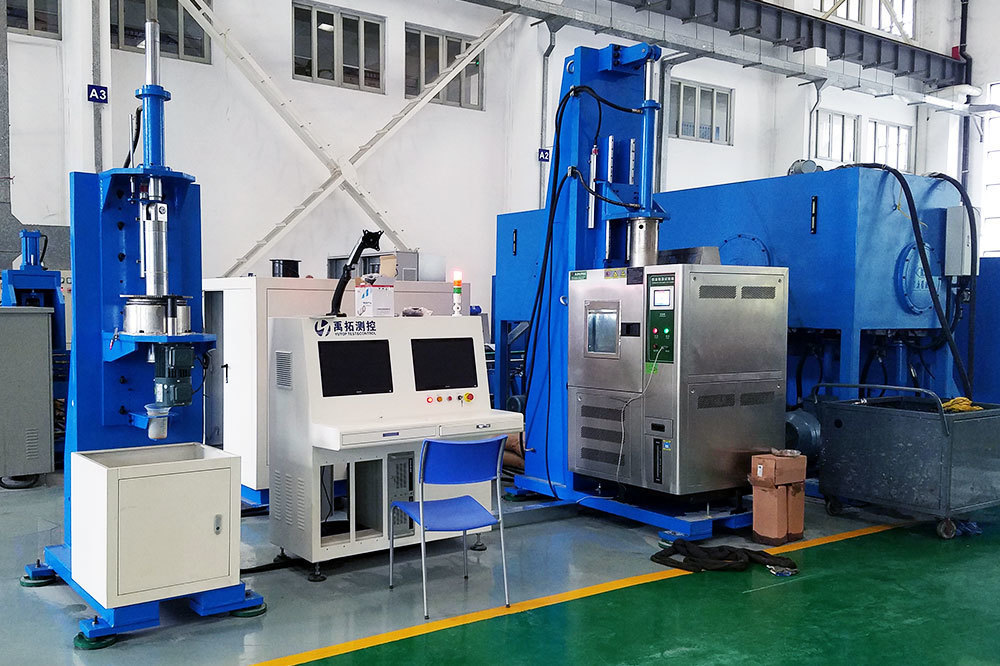
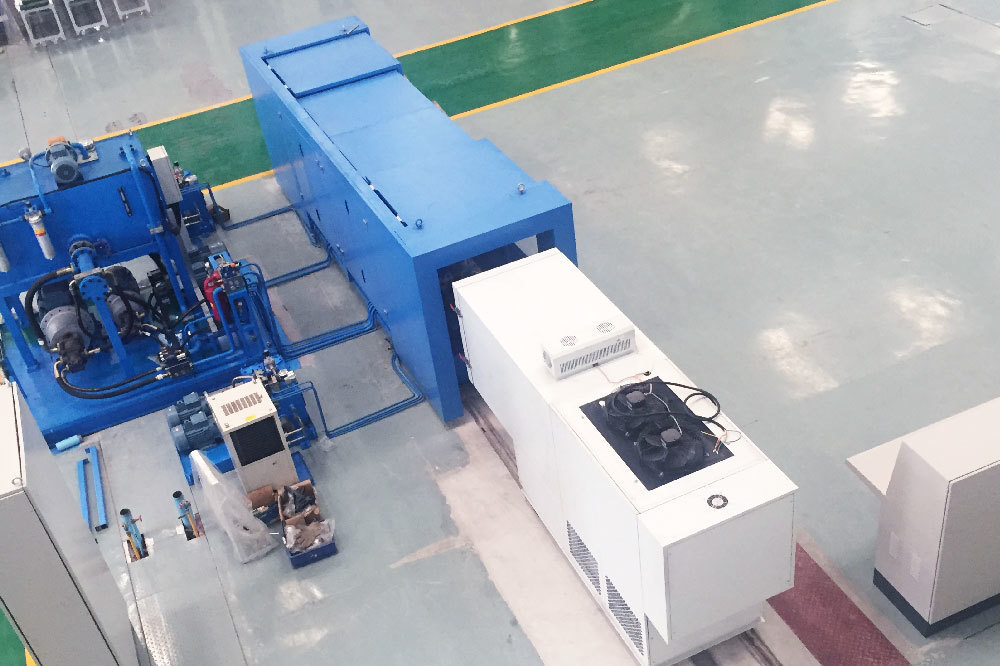
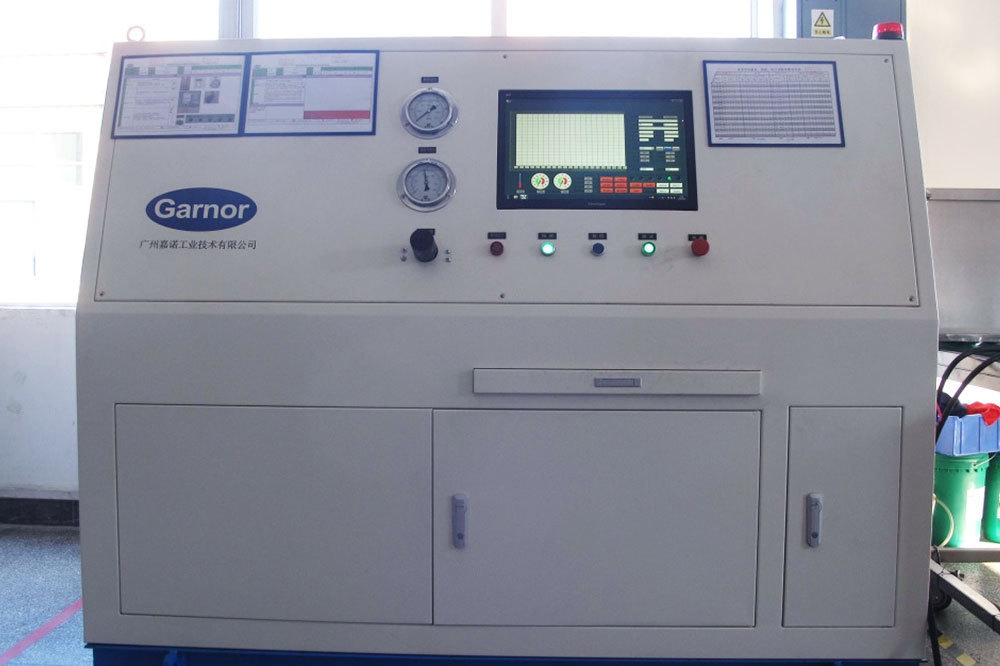
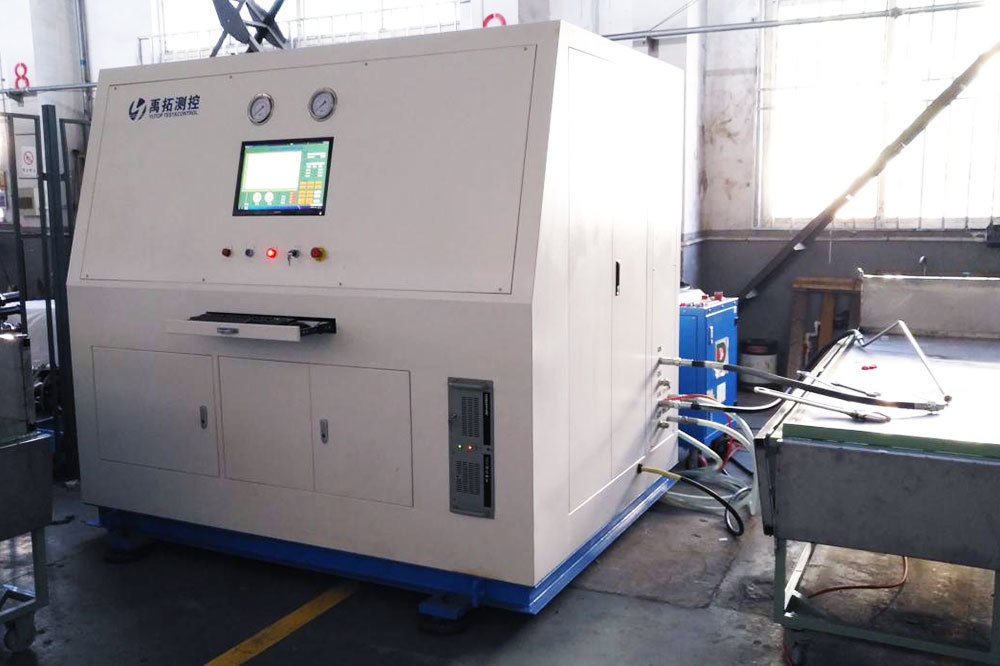
A typical hydraulic motor test system comprises several key components, including a hydraulic power unit, a test rig, and instrumentation for data acquisition. The hydraulic power unit supplies pressurized fluid to the motor under test, while the test rig securely mounts the motor and connects it to the hydraulic circuit. Accurate instrumentation is critical for capturing performance data, which often includes pressure sensors, flow meters, and torque transducers.
One of the primary objectives of a hydraulic motor test system is to determine the motor's efficiency. Efficiency is calculated by comparing the output power to the input power, with factors such as hydraulic losses and mechanical friction playing significant roles. By systematically varying the input conditions—such as fluid pressure and flow rate—engineers can identify optimal operating conditions and potential areas for improvement.
In addition to efficiency testing, hydraulic motor test systems can also perform durability assessments. This involves subjecting the motor to extended operation cycles under varying loads to evaluate its performance over time. Monitoring parameters such as temperature rise and vibration levels throughout this process helps identify any potential failures before they occur, which is essential for maintaining operational safety and minimizing downtime.
Moreover, the integration of advanced data analysis and reporting software into hydraulic motor test systems enhances the ability to interpret results. This software allows for real-time monitoring and logging of test data, enabling engineers to perform detailed analyses and generate comprehensive reports. Such capabilities are invaluable for understanding performance trends and making data-driven decisions for future designs or retrofitting existing equipment.
Finally, it’s important to note that while hydraulic motor test systems are powerful tools, their effectiveness largely depends on proper calibration and maintenance. Regular checks on system accuracy and functionality ensure that test results remain reliable and reflect the true performance of the hydraulic motors.
In conclusion, hydraulic motor test systems play a pivotal role in the industrial equipment landscape, enabling precise performance evaluation and enhancing the reliability of hydraulic machinery. For professionals in the field, understanding the intricacies of these systems is key to optimizing hydraulic motor design and ensuring effective operation in various applications.
A typical hydraulic motor test system comprises several key components, including a hydraulic power unit, a test rig, and instrumentation for data acquisition. The hydraulic power unit supplies pressurized fluid to the motor under test, while the test rig securely mounts the motor and connects it to the hydraulic circuit. Accurate instrumentation is critical for capturing performance data, which often includes pressure sensors, flow meters, and torque transducers.
One of the primary objectives of a hydraulic motor test system is to determine the motor's efficiency. Efficiency is calculated by comparing the output power to the input power, with factors such as hydraulic losses and mechanical friction playing significant roles. By systematically varying the input conditions—such as fluid pressure and flow rate—engineers can identify optimal operating conditions and potential areas for improvement.
In addition to efficiency testing, hydraulic motor test systems can also perform durability assessments. This involves subjecting the motor to extended operation cycles under varying loads to evaluate its performance over time. Monitoring parameters such as temperature rise and vibration levels throughout this process helps identify any potential failures before they occur, which is essential for maintaining operational safety and minimizing downtime.
Moreover, the integration of advanced data analysis and reporting software into hydraulic motor test systems enhances the ability to interpret results. This software allows for real-time monitoring and logging of test data, enabling engineers to perform detailed analyses and generate comprehensive reports. Such capabilities are invaluable for understanding performance trends and making data-driven decisions for future designs or retrofitting existing equipment.
Finally, it’s important to note that while hydraulic motor test systems are powerful tools, their effectiveness largely depends on proper calibration and maintenance. Regular checks on system accuracy and functionality ensure that test results remain reliable and reflect the true performance of the hydraulic motors.
In conclusion, hydraulic motor test systems play a pivotal role in the industrial equipment landscape, enabling precise performance evaluation and enhancing the reliability of hydraulic machinery. For professionals in the field, understanding the intricacies of these systems is key to optimizing hydraulic motor design and ensuring effective operation in various applications.
PREVIOUS:

Room 209, 2nd Floor, No.12, No.828 Maogang Road, Huangpu District, Guangzhou,China.


