

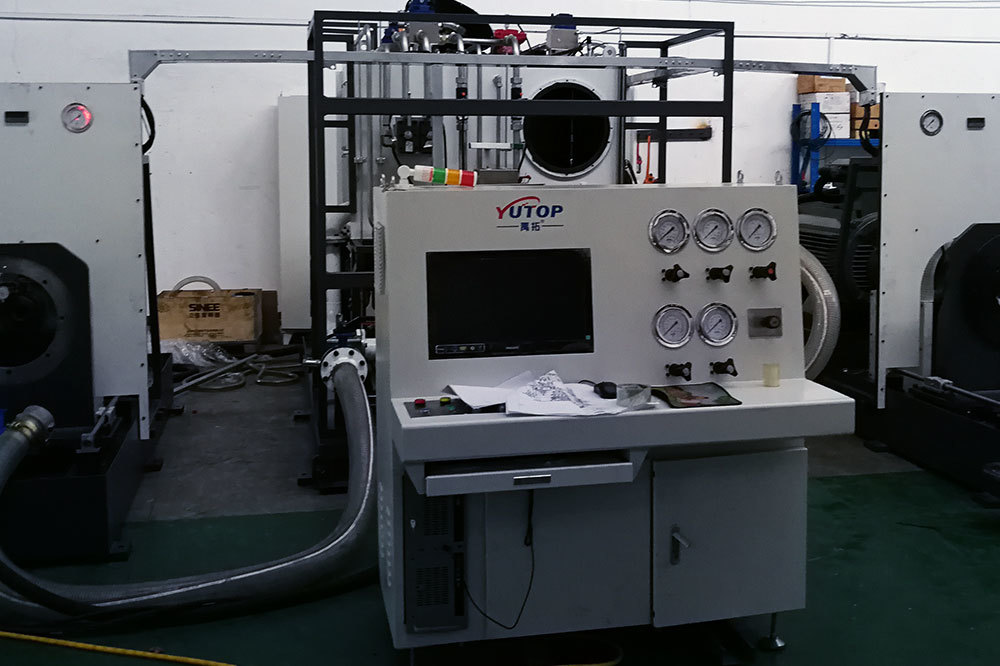
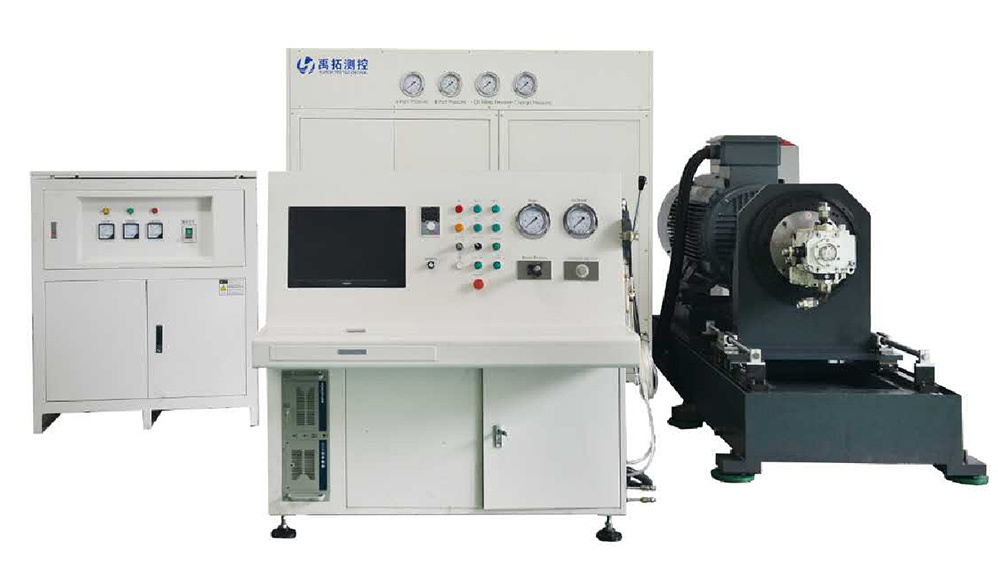
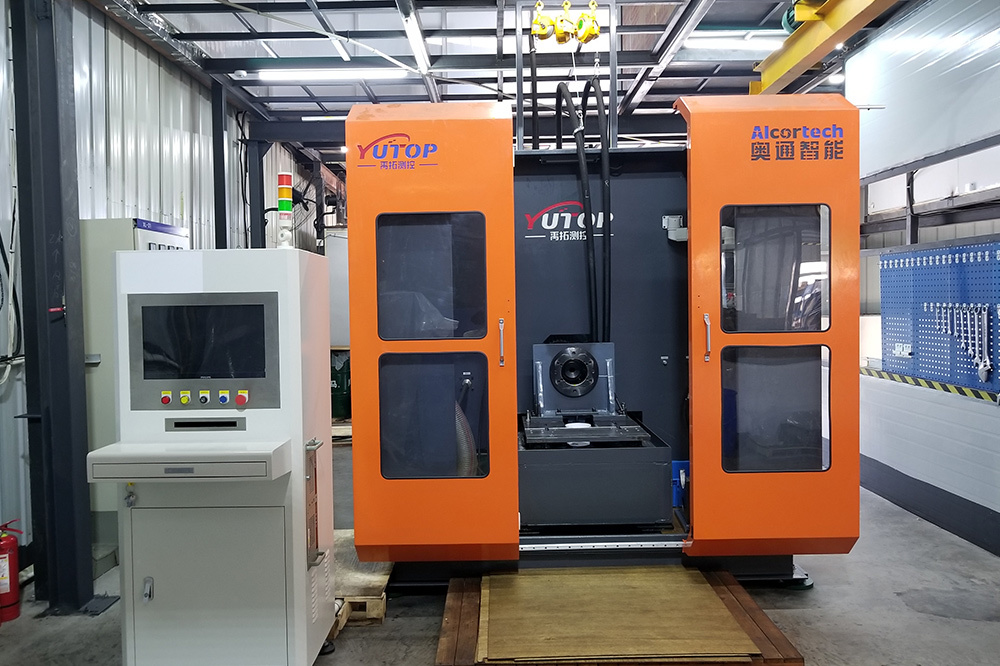
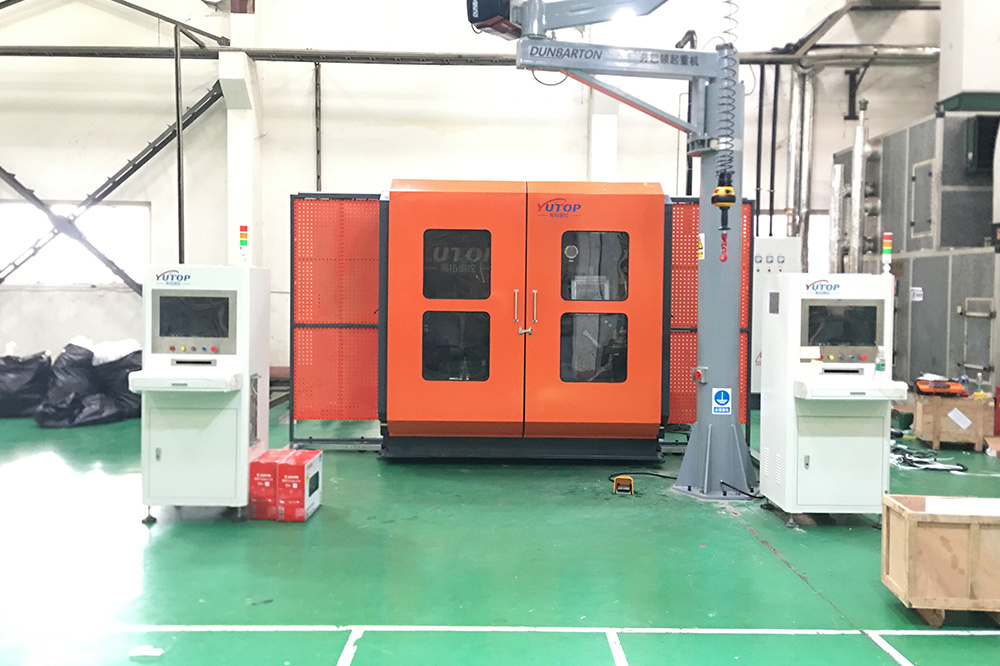
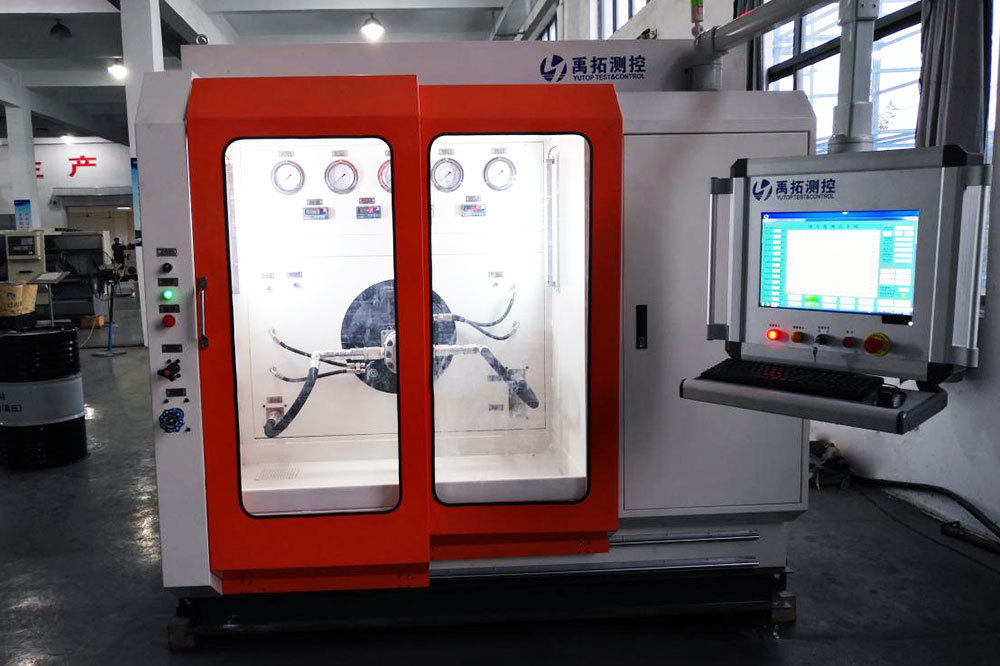
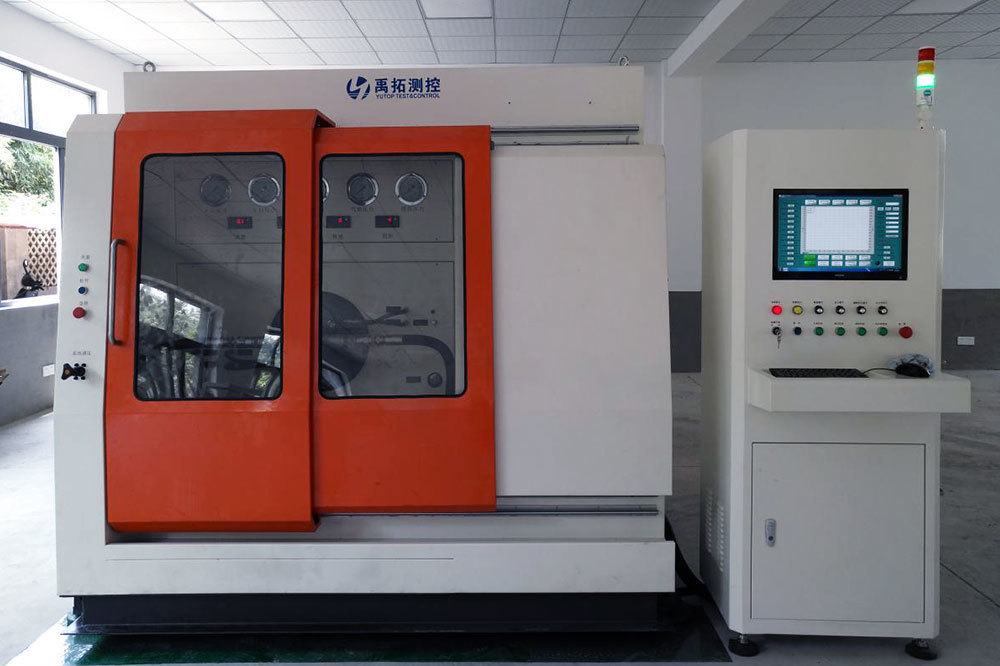
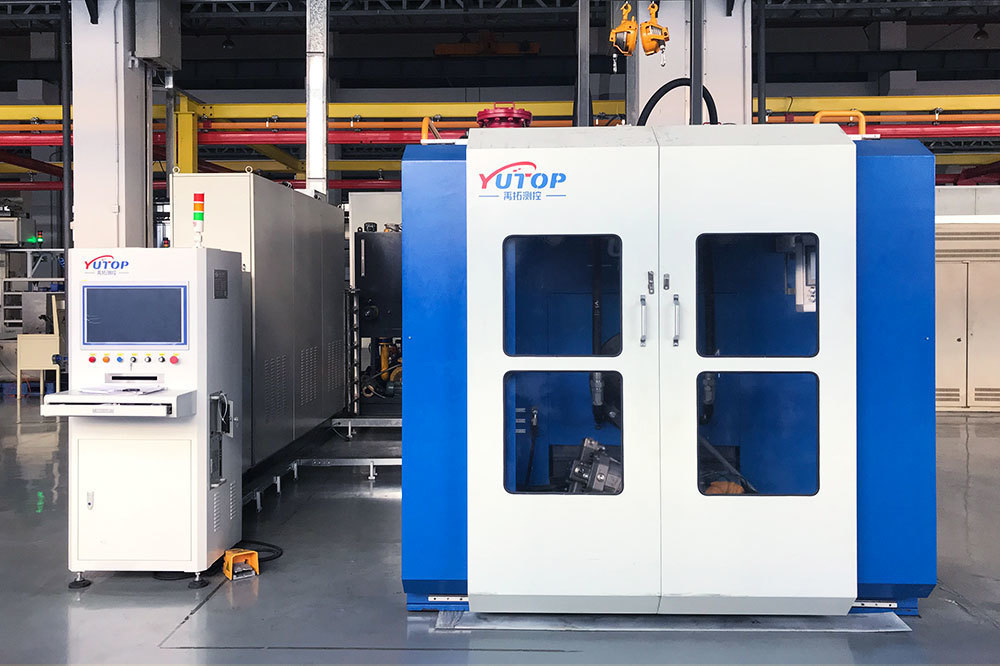
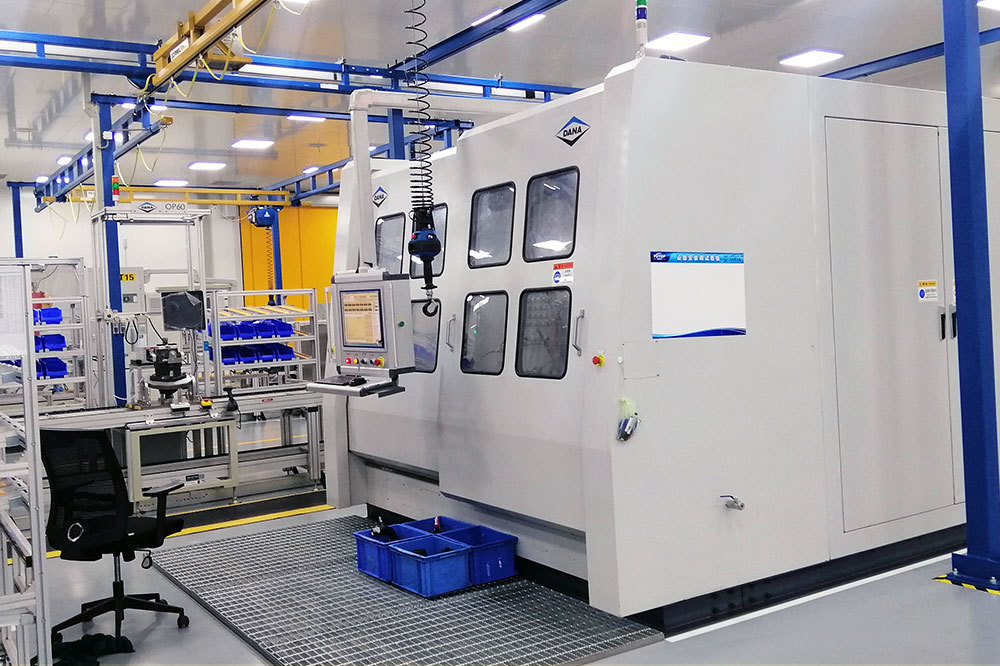
Key Features to Look for in Quality Piston Pump Testing Equipment
Key Features to Look for in Quality Piston Pump Testing Equipment Introduction to Piston Pump Testing Equipment In the realm of industrial equipment, **piston pumps** play a pivotal role in various applications, including fluid transfer, pressure generation, and more. As businesses demand higher efficiency and reliability, the need for precise testing equipment becomes paramount. This article delv
Apr 16,2026
Key Features to Look for in Quality Piston Pump Testing Equipment
Introduction to Piston Pump Testing Equipment
In the realm of industrial equipment, **piston pumps** play a pivotal role in various applications, including fluid transfer, pressure generation, and more. As businesses demand higher efficiency and reliability, the need for precise testing equipment becomes paramount. This article delves into the **key features** that define quality piston pump testing equipment, ensuring you make an informed choice for your operational needs.
Understanding Piston Pumps: A Brief Overview
Piston pumps operate on a simple yet effective principle: they use a piston to create a vacuum that draws in fluid and subsequently pushes it out under pressure. This mechanism allows for the handling of a variety of fluids, including corrosive and viscous materials. Understanding the operation of piston pumps lays the groundwork for recognizing the importance of effective testing equipment.
Importance of Quality Testing Equipment
Quality testing equipment is essential for several reasons:
- **Accuracy:** Ensures that the performance metrics of the pump are precise.
- **Durability:** High-quality materials and construction contribute to longevity, reducing the need for frequent replacements.
- **Safety:** Proper testing equipment helps prevent accidents related to pump failures.
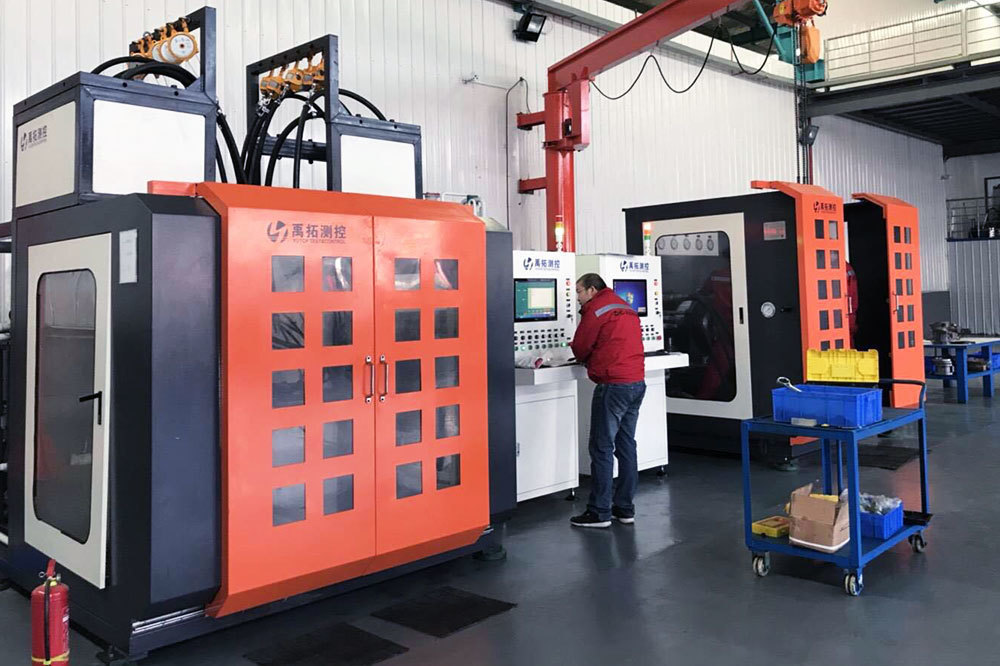
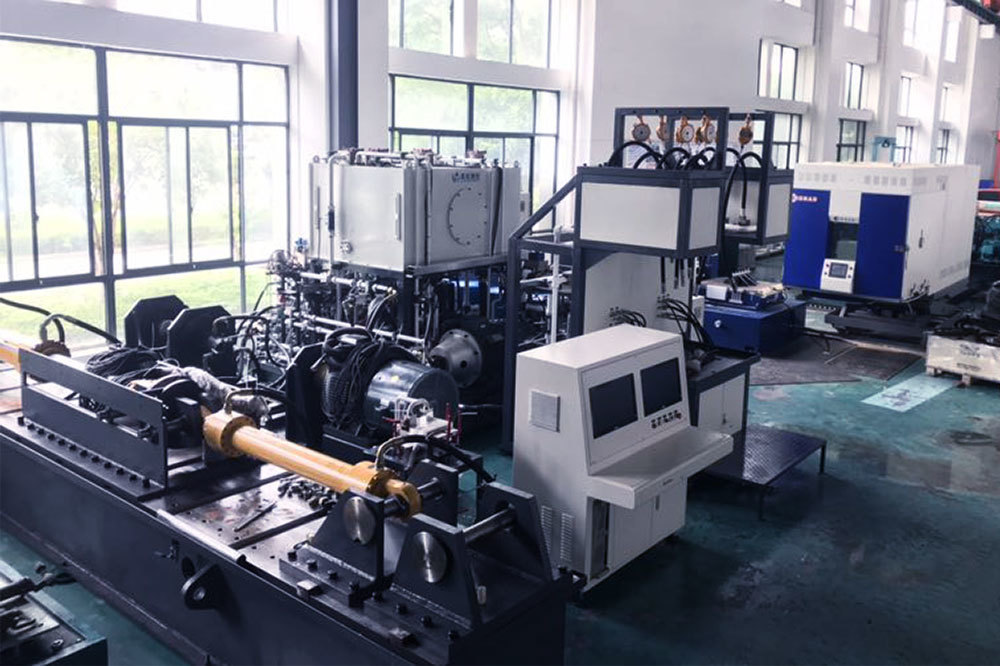
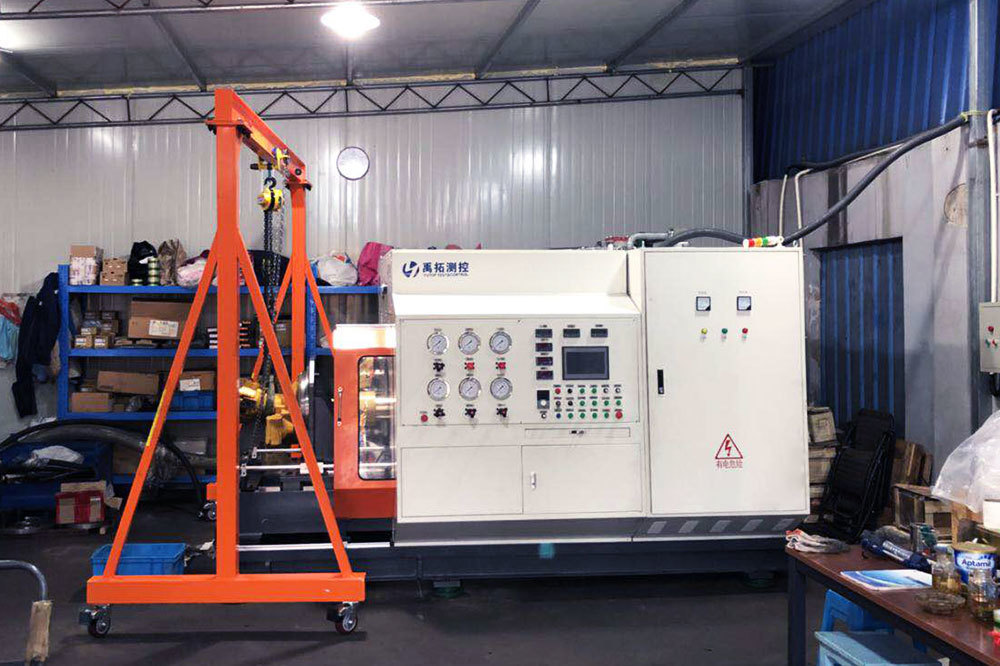
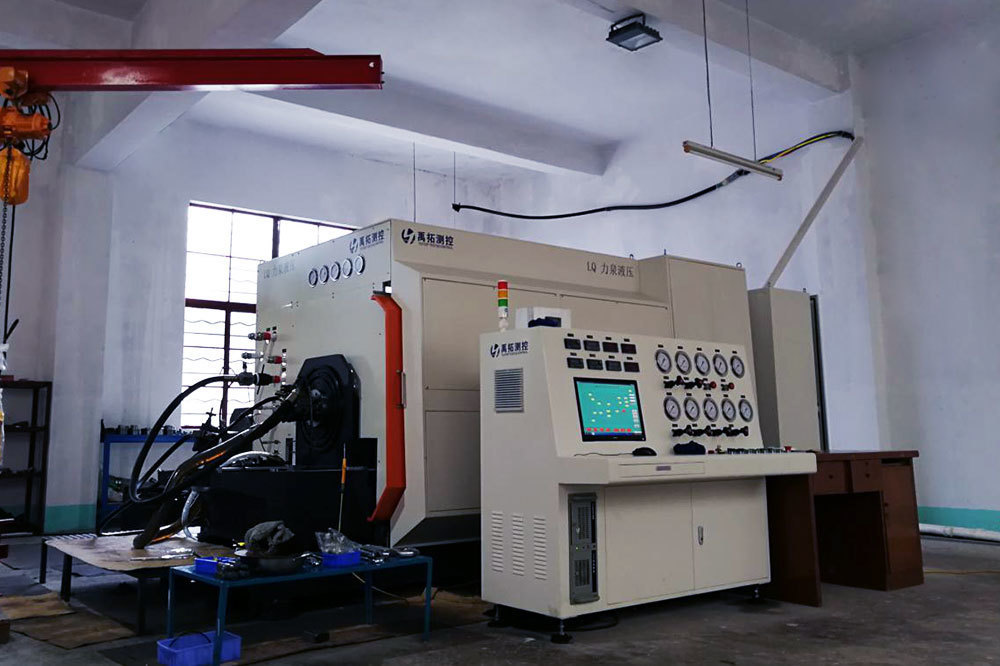
Key Features of Quality Piston Pump Testing Equipment
1. Precision Measurement Capabilities
One of the most critical features of testing equipment is its ability to measure accurately. Quality piston pump testing devices should include:
- **Digital Readouts:** These provide clear and precise measurements of pressure and flow rates.
- **Calibration Options:** The ability to calibrate the equipment ensures ongoing accuracy over time.
2. Robust Build Quality
Testing equipment must withstand rigorous usage conditions. Look for:
- **Heavy-Duty Materials:** Equipment made from stainless steel or high-grade aluminum is more resistant to wear and tear.
- **Weather Resistance:** If equipment will be used outdoors, ensure it has protective coatings against rust and corrosion.
3. Versatility and Adaptability
Quality piston pump testing equipment should be versatile enough to handle various applications and pump types. Features to consider include:
- **Interchangeable Components:** This allows for easy adaptation to different testing scenarios.
- **Multi-Functional Use:** Equipment that can test multiple parameters (like pressure and flow simultaneously) saves time and resources.
4. User-Friendly Interface
Ease of use is a significant factor in the effectiveness of testing equipment. Important aspects include:
- **Intuitive Controls:** Equipment should have a straightforward control panel, allowing operators to adjust settings quickly.
- **Clear Instructions:** Comprehensive user manuals and quick-start guides can significantly reduce operator error.
5. Advanced Technology Integration
Incorporating modern technology can enhance testing accuracy and efficiency:
- **Software Integration:** Equipment that connects with software for data logging and analysis provides deeper insights.
- **Real-Time Monitoring:** Features that allow for real-time tracking of pump performance can lead to proactive maintenance.
6. Portability
If testing equipment needs to be moved frequently, consider:
- **Lightweight Design:** Equipment should be easy to transport without compromising durability.
- **Compact Size:** Smaller units can fit into tight workspaces and make transportation easier.
7. Comprehensive Safety Features
Safety should never be compromised. Look for:
- **Emergency Shut-Offs:** These features can prevent accidents during testing.
- **Pressure Relief Valves:** Essential for handling high-pressure applications safely.
8. Excellent Customer Support and Warranty
Finally, consider the manufacturer’s reputation for customer support:
- **Warranty Duration:** A longer warranty indicates confidence in the product’s quality.
- **Accessible Support:** Ensure that technical support is readily available to address any concerns or issues.
Evaluating the Cost vs. Quality of Piston Pump Testing Equipment
While quality equipment may come at a higher initial cost, the long-term benefits often outweigh the investment. Factors to consider include:
- **Total Cost of Ownership:** Assess maintenance costs, replacement parts, and downtime associated with inferior equipment.
- **Return on Investment (ROI):** Quality testing equipment can lead to improved efficiency and reduced operational costs.
FAQs About Piston Pump Testing Equipment
1. What types of piston pumps can be tested with quality testing equipment?
Quality piston pump testing equipment is versatile and can typically accommodate various types of piston pumps, including hydraulic, pneumatic, and industrial models.
2. How often should piston pump testing equipment be calibrated?
Calibration frequency depends on usage, but it is generally recommended to calibrate at least once a year or whenever accuracy is suspect.
3. Can I use piston pump testing equipment for other types of pumps?
Many testing devices are designed with multi-functional capabilities, allowing them to test different types of pumps, but always verify compatibility before use.
4. What should I do if my testing equipment shows inaccurate results?
If you suspect inaccurate readings, check the calibration first. If issues persist, consult the manufacturer's support for troubleshooting or repairs.
5. Are there specific brands known for high-quality piston pump testing equipment?
Several brands have established reputations for quality and reliability in piston pump testing equipment. Research and reviews can help identify the best options for your specific needs.
Conclusion
Selecting high-quality piston pump testing equipment is crucial for ensuring operational efficiency and safety in various industrial applications. By focusing on features such as **precision measurement**, **robust build quality**, and **advanced technology integration**, you can invest in equipment that not only meets but exceeds your testing needs. Investing in the right equipment today will pay dividends in reliability and performance, allowing your operations to thrive in a competitive landscape.
PREVIOUS:

Room 209, 2nd Floor, No.12, No.828 Maogang Road, Huangpu District, Guangzhou,China.


